The Shopping Street That Flows and Overflows
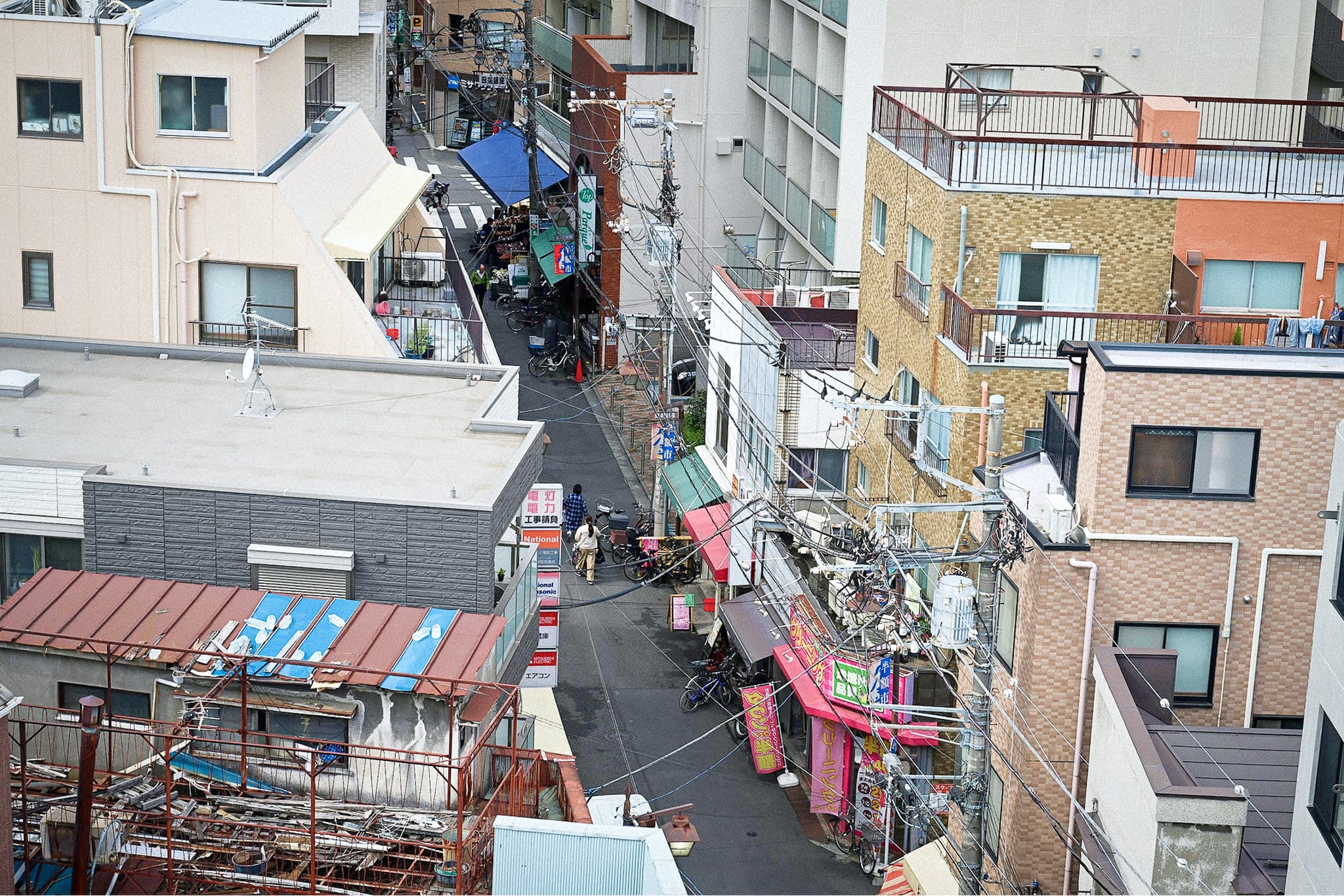
FIG.1
ASIBA, a General Incorporated Association (Headquarters: Bunkyo Ward, Tokyo; Representative Director:Yuta Nihei), as part of its management support under the ASIBA PROJECT LABEL, will host the “Culvert Shopping District U35 Practical Idea Competition” in the area surrounding Komagome Station. This event is based on the “Maki-Conpe” initiative, which is being rolled out nationwide by the General Incorporated Association Machi-Asobi Lab (Representative Director: Yasumasa Masabayashi).This competition is also being held as a project selected for the Kita Ward City Branding Project Grant.
Traditional architectural competitions have often been idea-driven, resulting in concepts that “never materialize,” or have been dominated by experts with little engagement with the local community. However, our goal is to create architecture and design that is more open and deeply rooted in the community.The “Maki Competition” transcends the framework of traditional competitions; it is a hands-on ideas competition that deeply connects the “community” and “architecture.” We place great importance on a process that actively incorporates the voices of local residents and fosters ongoing dialogue.
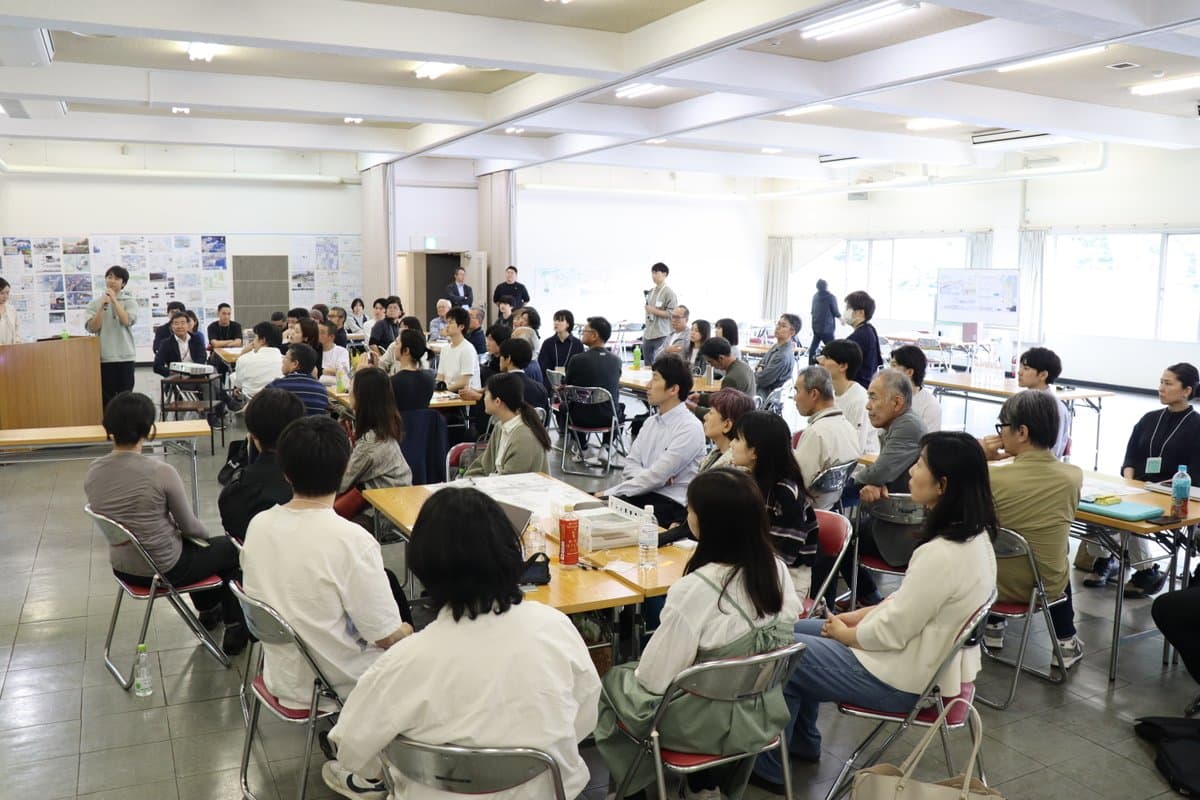
FIG.2
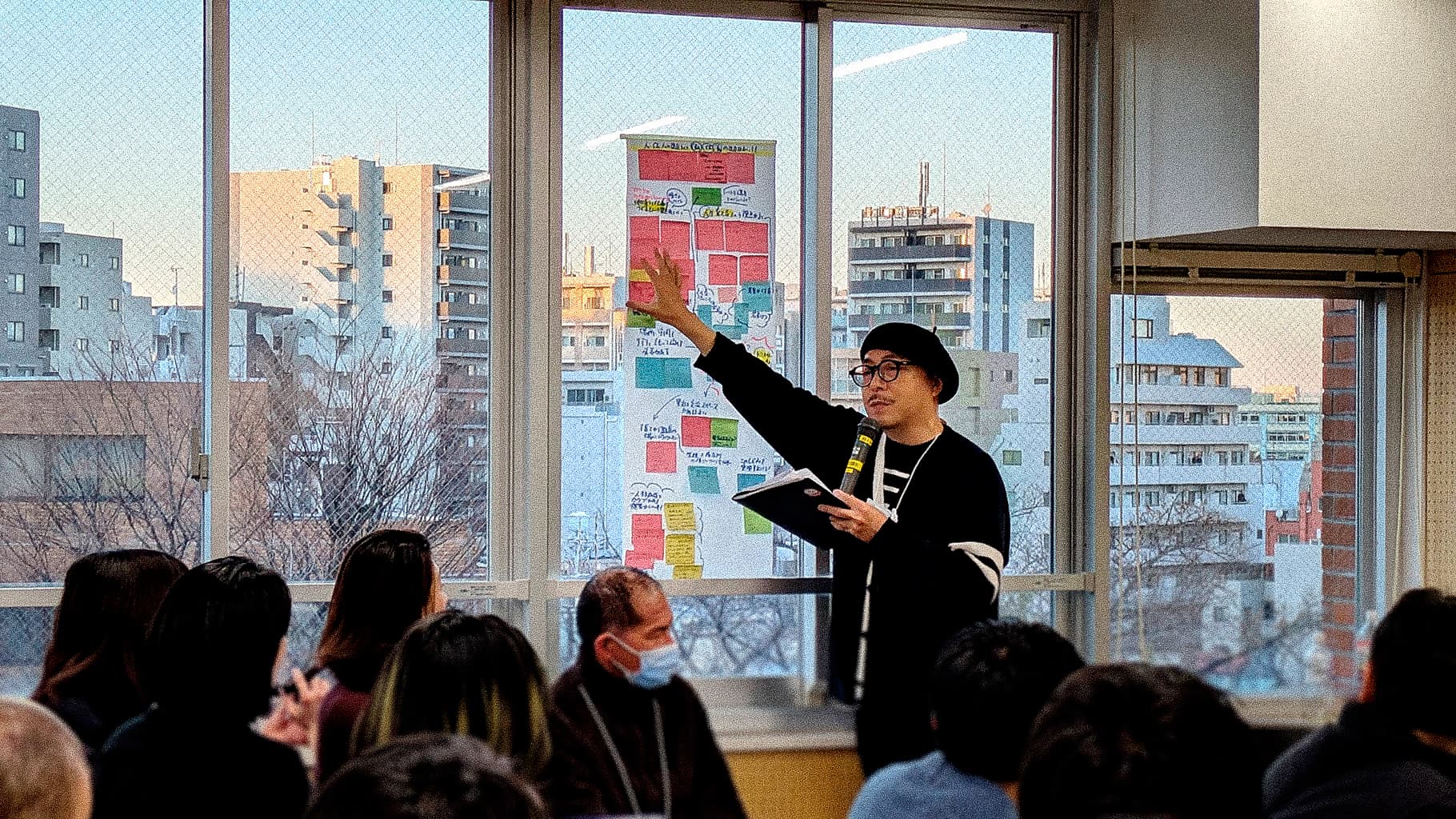
We will establish a “Maki Competition Local Secretariat” in collaboration with local stakeholders and refine the ideas while listening to the opinions of local residents through on-site walking tours and workshops for first-round finalists. Ultimately, our goal is to see several of these proposals realized within the community.
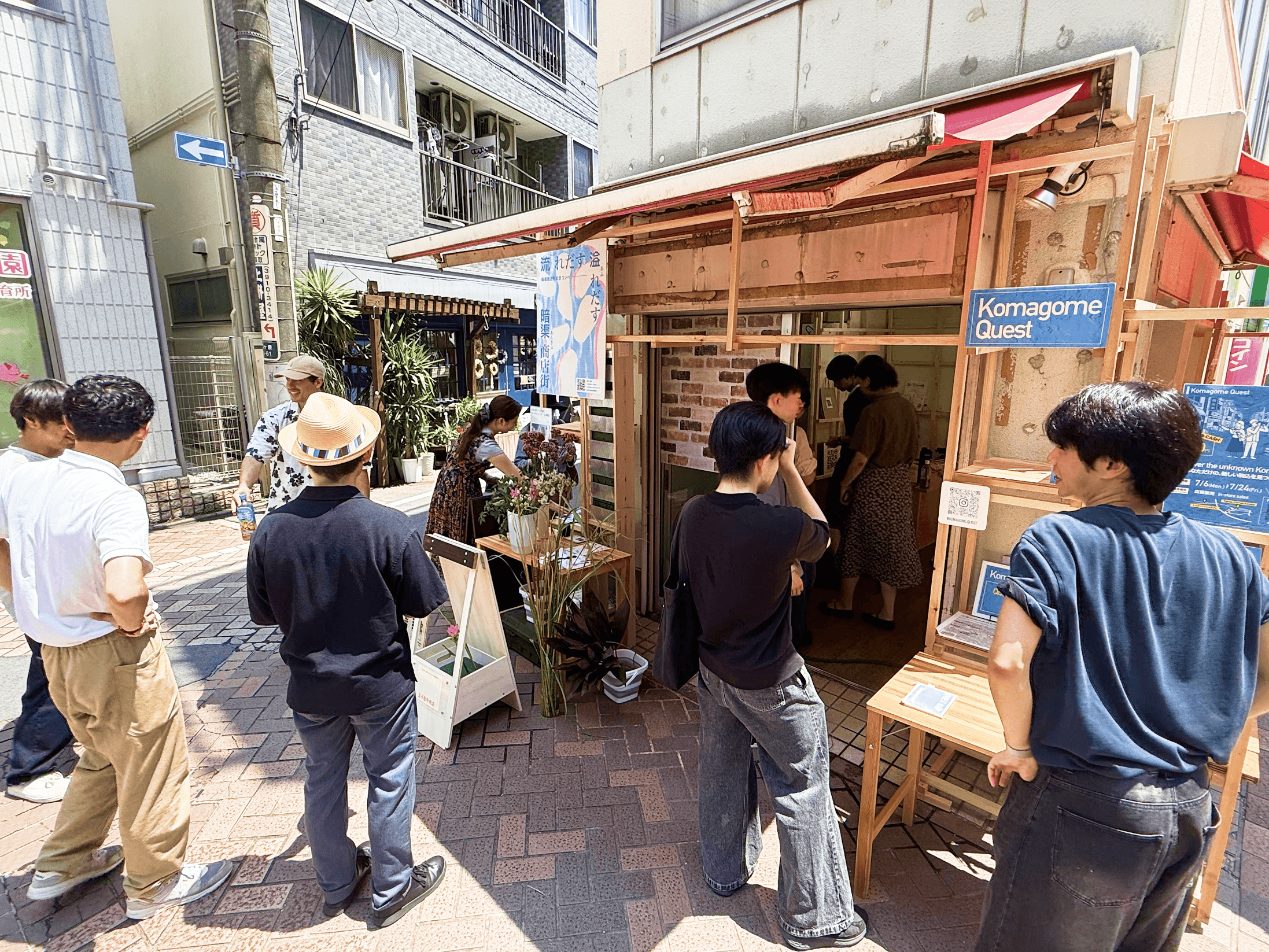
Shopping districts have long existed as more than just places to shop; they have served as spaces that nurture local life and community connections. The shopping district around Komagome Station in Tokyo has also supported the community while carrying on a long history and the memories of its people.However, faced with contemporary social challenges such as a shortage of local leaders and an increase in vacant storefronts, activity in recent years has begun to stagnate compared to its former vibrancy. On the other hand, through our interactions and activities with shopping district residents and local business owners, we have realized that the strength of the community and the shopping district has not been completely lost.Rather, we believe the area—which still retains the charm of Tokyo’s traditional downtown—is “brimming” with potential, and that the shopping district, as a place and a space, holds the potential to be revitalized once again. Therefore, our focus this time is on the existence of the “culverts” that shaped the very foundation of these shopping districts.The rivers that once flowed through the town have been channeled underground, and traces of them still remain in the slight undulations of the terrain and the shape of the streets. The Komagome shopping district was born precisely atop the flow of these invisible rivers; it has generated the movement of people and goods as if influenced by that flow, and the memory of that flow—which has nurtured the area’s vitality—is etched into this land.
In this competition, we ask that you rethink the shopping district not as a “standalone entity” but as a unified whole—the “Culvert Shopping District”—and, taking into account the unique characteristics of such districts, propose “ideas for the future of shopping districts.”We look forward to creative, free-thinking proposals—whether architectural plans for specific sites, area-wide plans for the “Covered Channel Shopping District,” or ideas for spatial utilization and institutional reform—that reexamine the traditional forms of shopping district activities.
The ideas born here will lead to projects that are actually implemented in collaboration with local shopping districts, government agencies, and residents. Small initiatives may “spill over” and eventually become a “current” that transforms the town on a larger scale.
We look forward to seeing your proposals for “The Future of Komagome’s Shopping District: Flowing and Spilling Over.”
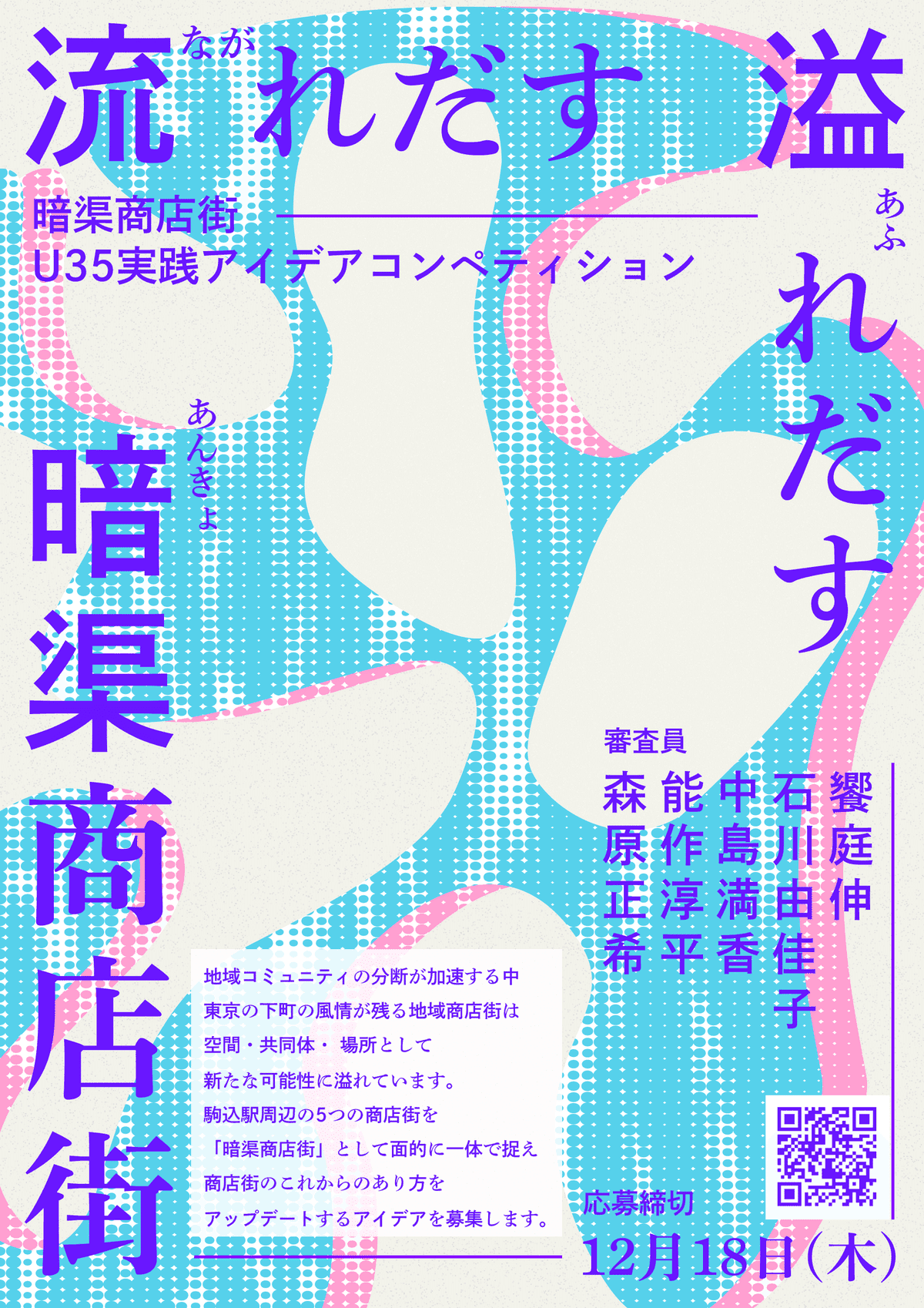
FIG.3
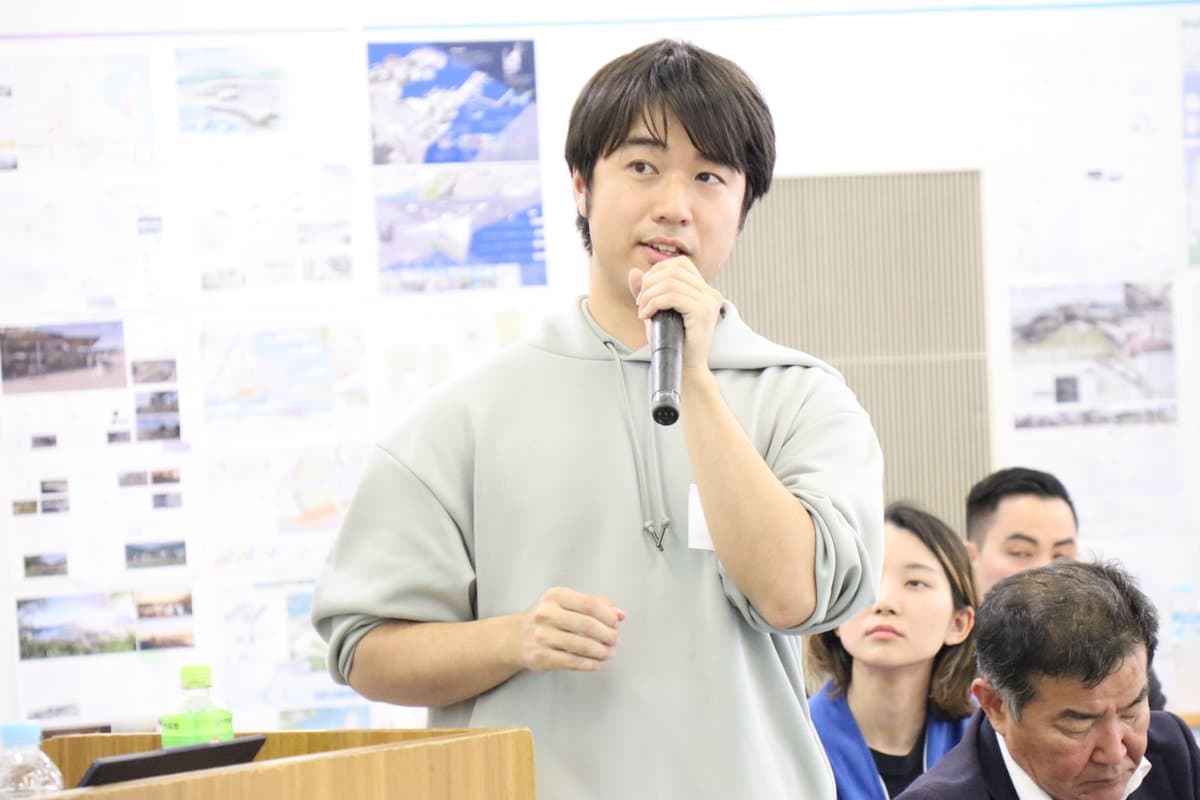
FIG.4
What comes to mind when you hear “Covered Canal Shopping District”? The waterways that once supported local life have been covered over, and shops and homes now line the surface. At first glance, I felt a strange sense of exhilaration at how new human activities have come to overlap with what is no longer visible.When something disappears from view, something new emerges in its place. I believe this dynamic is embodied in the “Covered Canal Shopping District.” In this competition as well, new possibilities may arise from the perspective of deliberately concealing elements. I hope participants will unearth resources within the community that have not yet been brought to light and discover new value for the town.
Furthermore, this is the first time the “Maki Competition” is being held in Tokyo. In a city like Tokyo—where diverse people interact and the landscape is in constant flux—we aim to explore how the local community and design can be connected. Moreover, the Maki Competition is not merely a platform for soliciting design proposals; its purpose is to use these proposals as a catalyst to engage the local community and create a moment of momentum.Through this initiative—which connects the power of architecture and design with change in local communities—we hope to explore, together with the participants, the untapped potential of neighborhoods within the city. We look forward to receiving your powerful proposals that will drive change in the community.
Credit