Ankyo Shopping Street U35 Idea Competition
Local players gather along a shopping street built over a hidden river, as young creators forge a new current
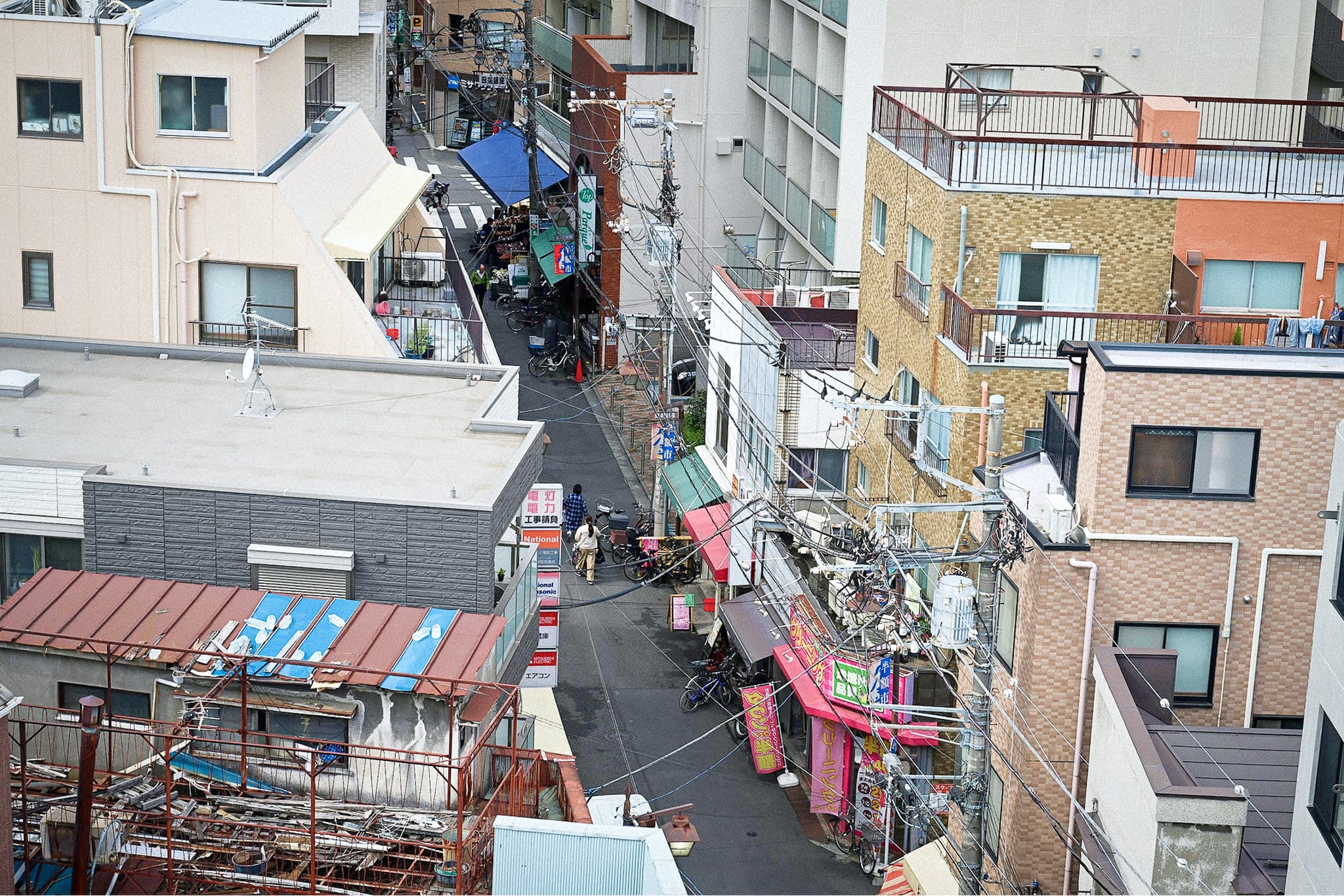
Beneath the five shopping streets near Komagome Station, the Yatagawa River once flowed. The river disappeared underground as an ankyo — a covered, culverted waterway — but its traces remain in the winding roads and subtle undulations of the land today. “At this rate, the town will grind to a halt.” Starting from that sense of crisis felt by the neighborhood association next to Tabata Ginza, ASIBA designed an idea competition that reframed the cluster of shopping streets as a single continuous surface along the ankyo, and asked what future it could hold. In partnership with “Makicompe,” the project drew idea proposers into the local community, planting seeds with a long view despite their modest scale. From 59 entries submitted nationwide, nine teams were selected through town walks, planning meetings with residents, and a public review, and are now moving into an implementation phase called “ANKYOBATION.”
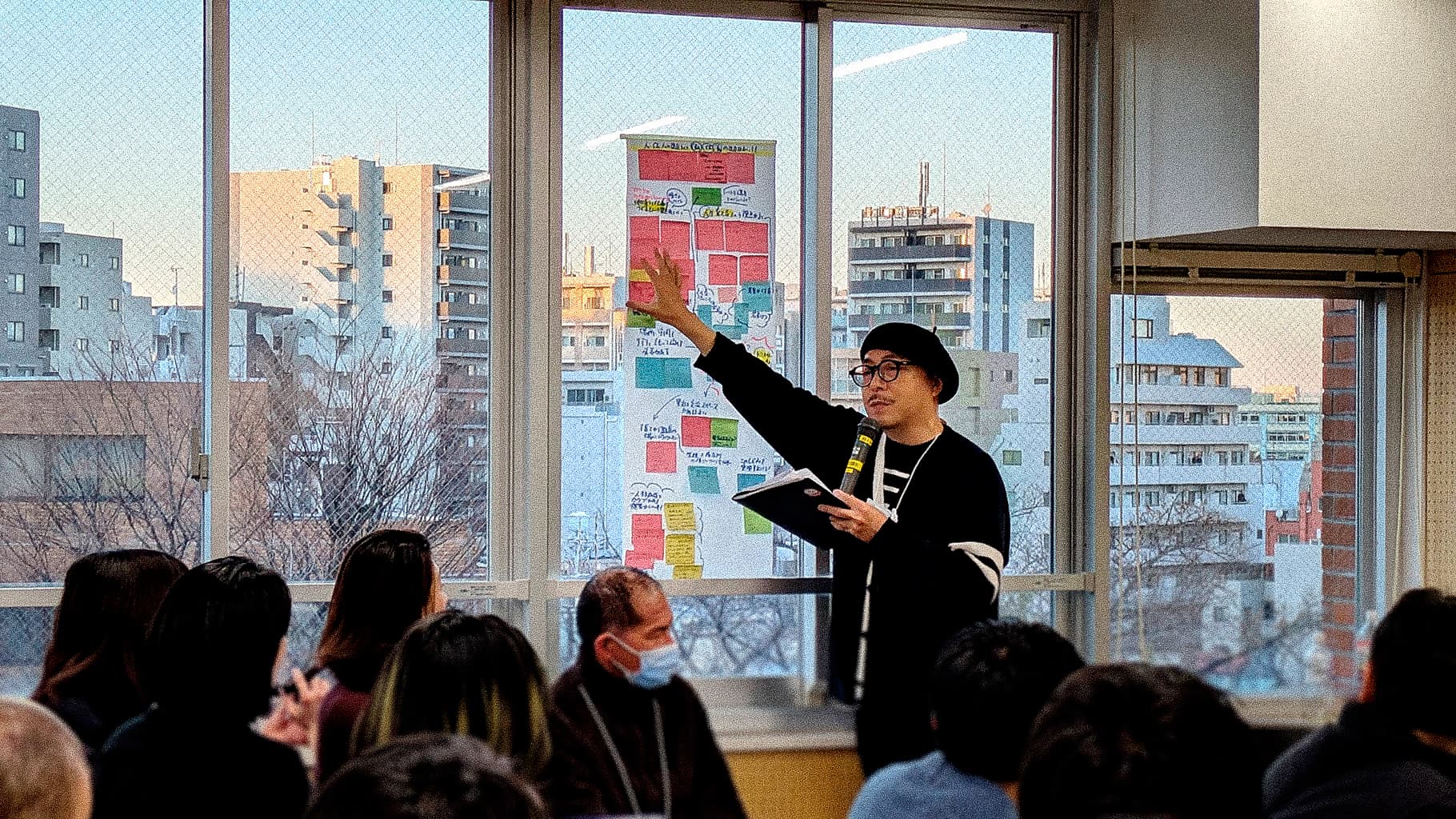
FIG.1
Is it possible to depict a shopping district teeming with people and goods?
Five shopping districts are strung together along the site where the Yatagawa River once flowed. Although the river has been channeled underground and disappeared from the surface, traces of its presence remain in the slight undulations of the terrain and the meandering of the streets.The starting point for this competition is the sense of crisis felt by members of the neighborhood association adjacent to Tabata Ginza—one of the target sites—who feared that “if things continue as they are, the life of the neighborhood will come to a standstill.” There is a shortage of people to carry on the community’s traditions and an increasing number of vacant storefronts. However, a homogenized urban redevelopment project would cause the area’s traditional downtown charm and the memories of its community to be lost.Rather than treating a single shopping district as a “point” to be resolved, we must rethink multiple shopping districts as a “surface” centered around the culvert. From there, can we envision a shopping district where people and goods flow and overflow, much like the annual summer Bon dance? This competition began as an attempt to pose that question to the entire nation.
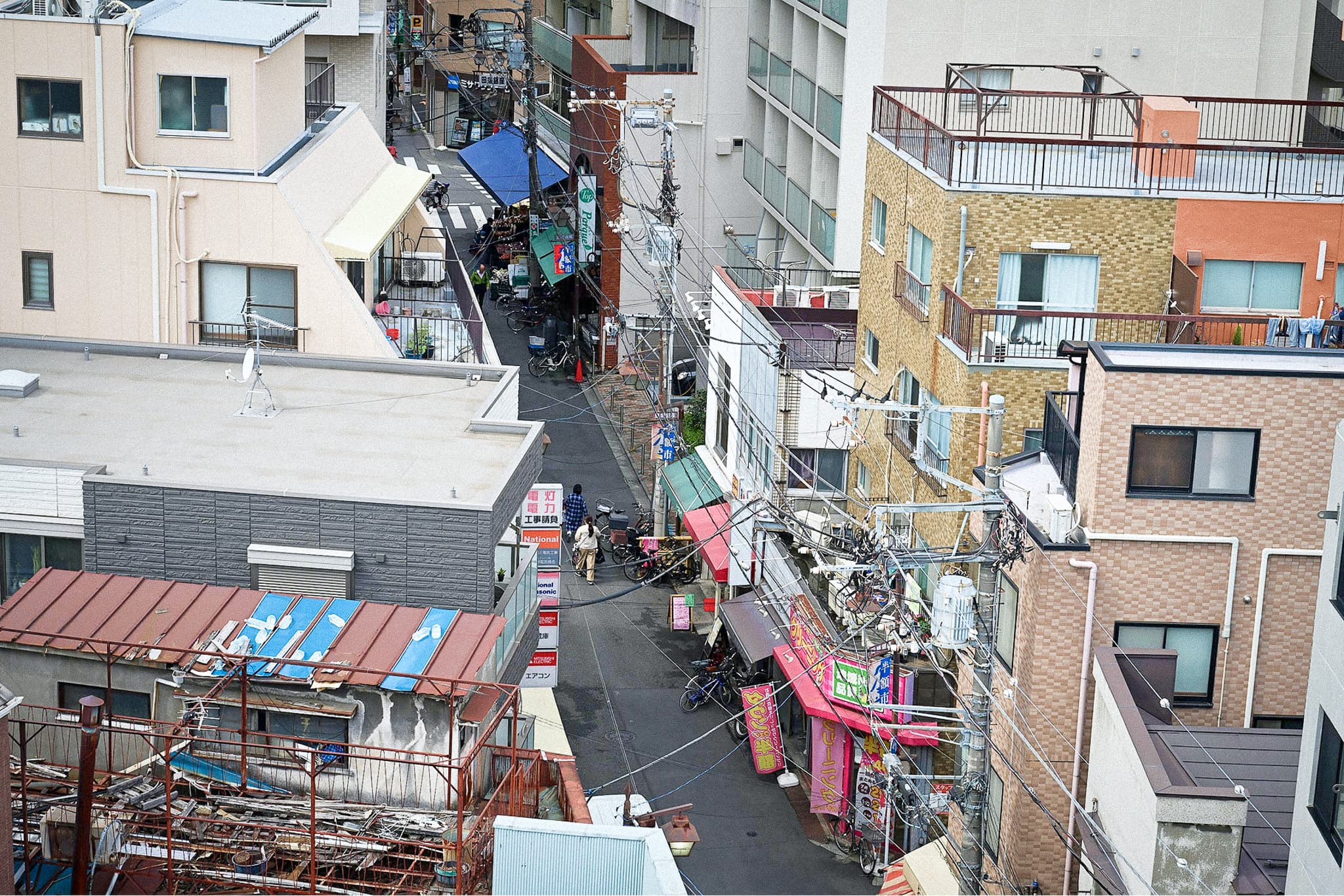
FIG.2
Street Walking Workshops (October–November 2025)
We conducted two on-site walking workshops in the target area on October 26 and November 15, 2025.After sharing the competition’s concept, participants walked through the shopping district, gathering on-site clues—such as the undulations of the terrain, the shapes of the alleys, and the appearance of the shops—that do not appear on maps or in data.Using the “Memory Camera” app developed by ASIBA—which automatically records a 30-second audio clip simultaneously with taking a photo—we also collected residents’ personal narratives and memories of the neighborhood.The collected information was visualized on a web app as the “Culvert Shopping District Archive Beta,” serving as a foundation for proposers to interpret the neighborhood based on both objective and subjective information.
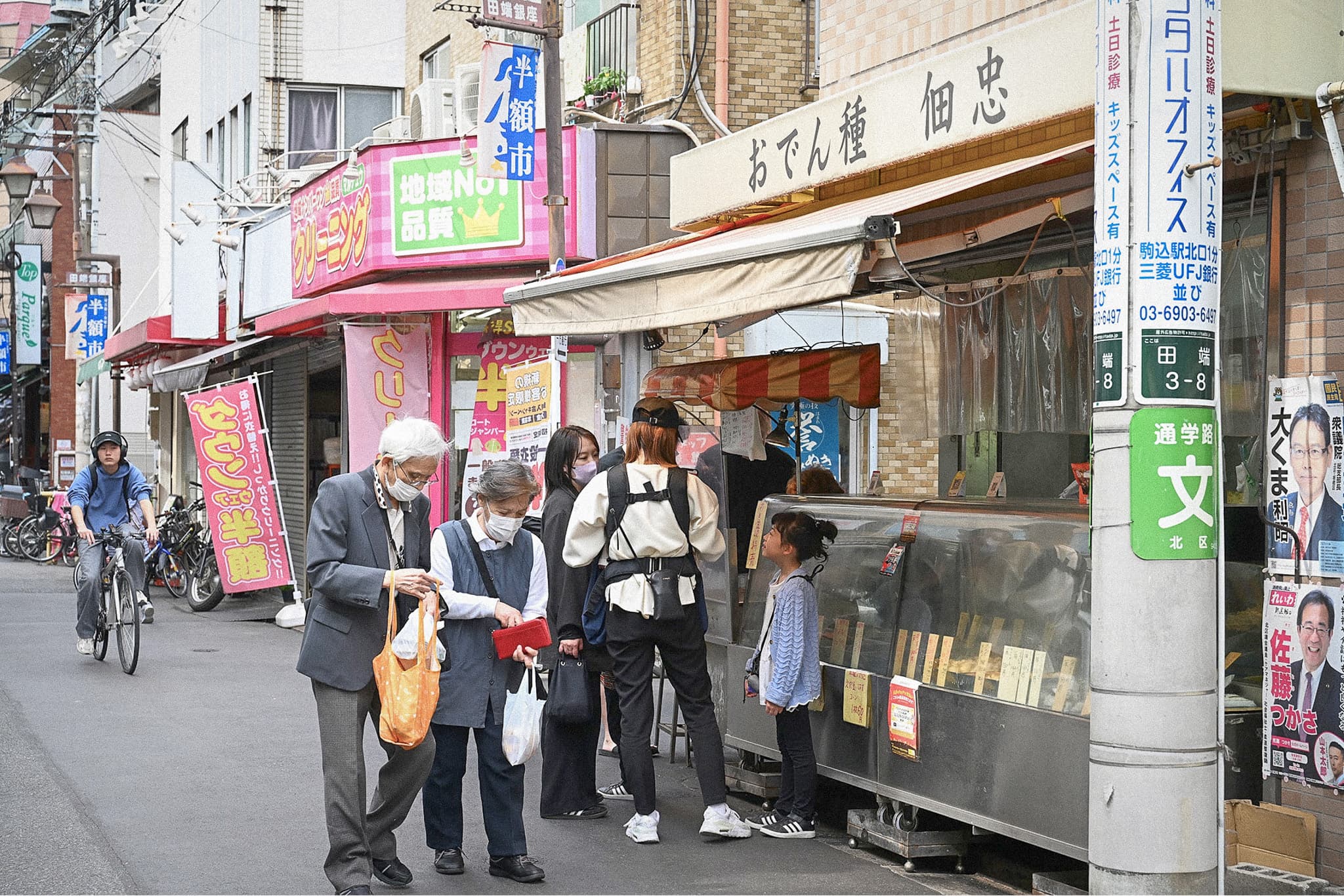
FIG.3
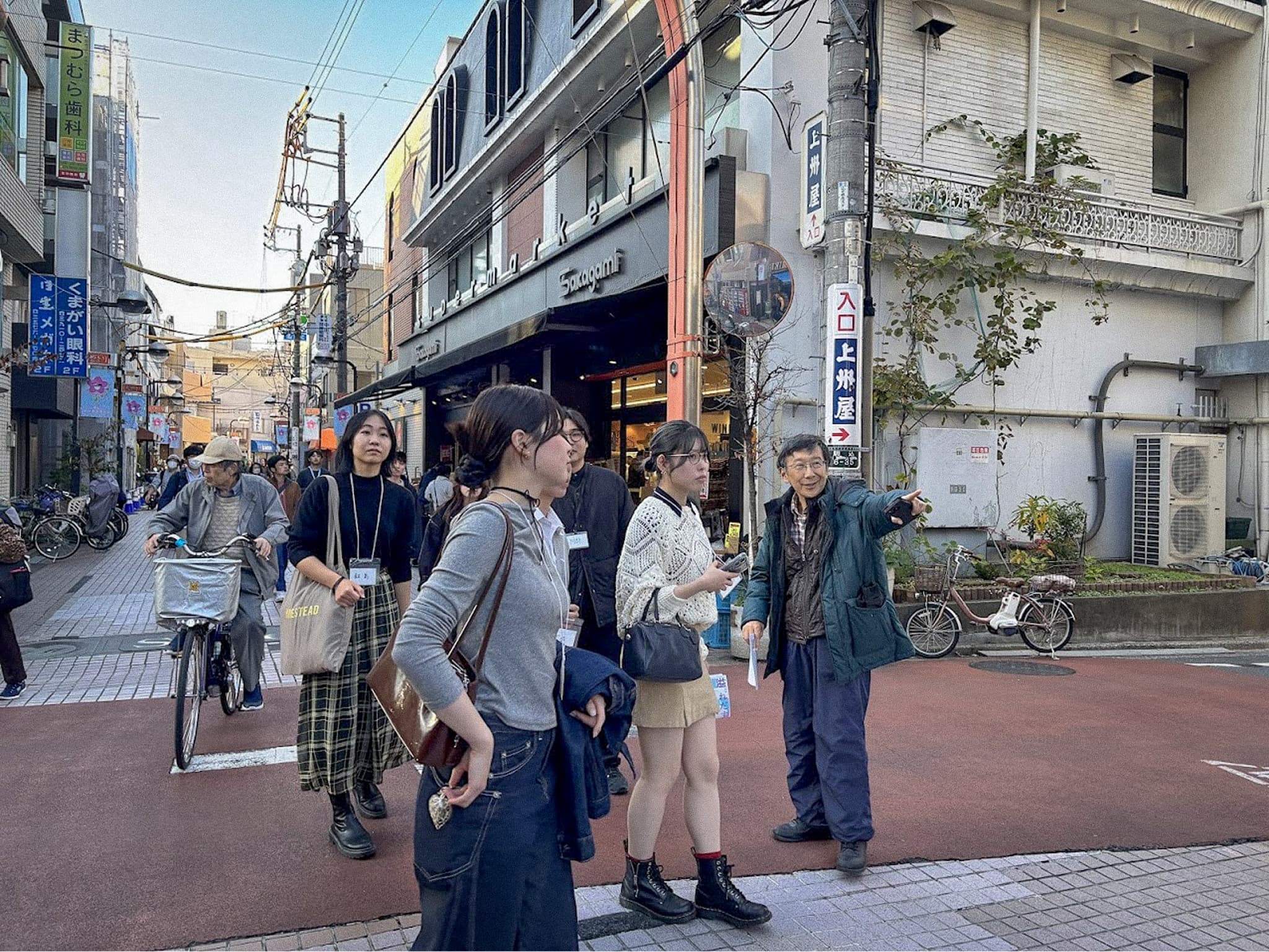
FIG.4
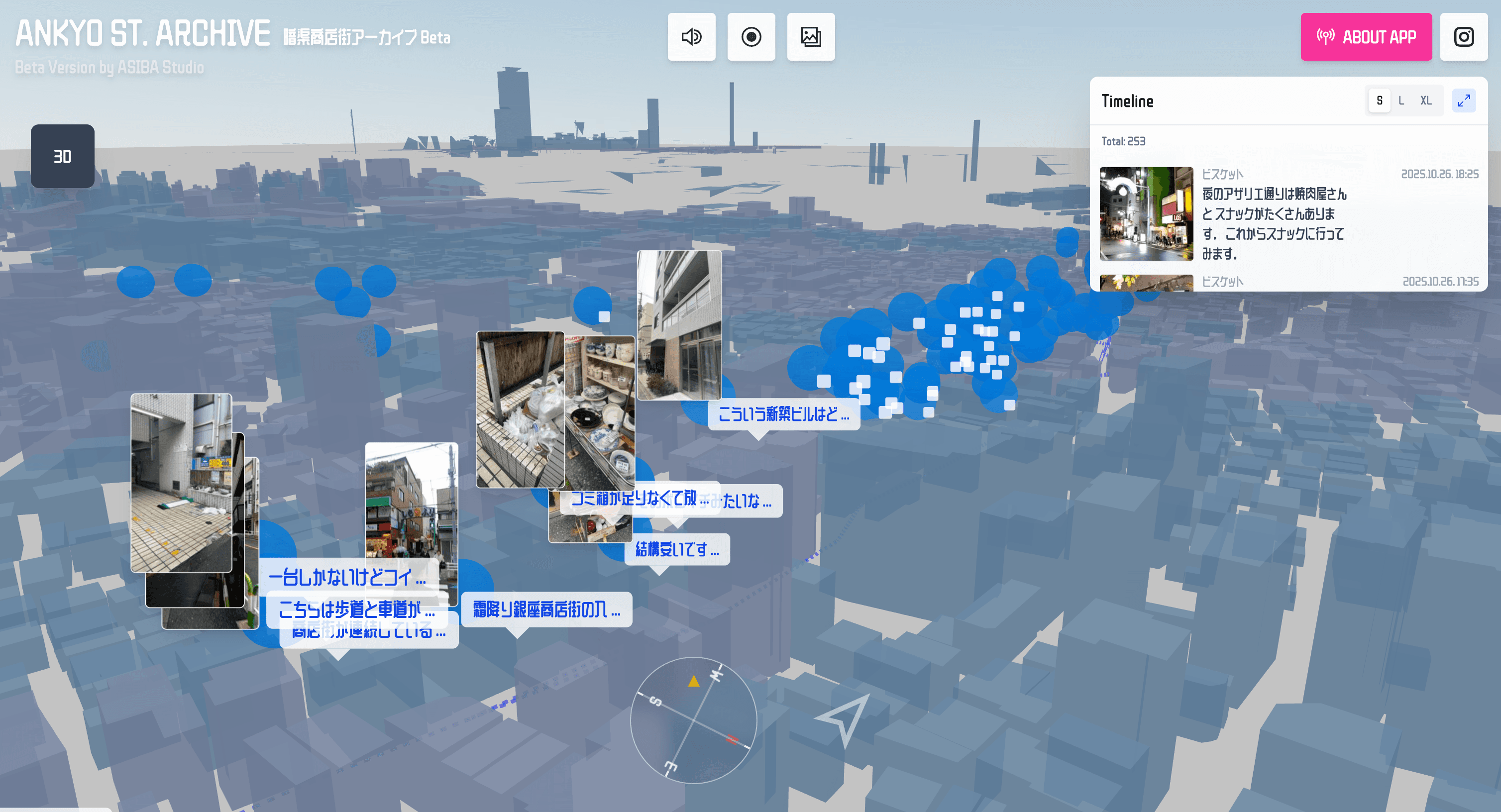
FIG.5
First-Round Screening and Finalists Announced (December 2025)
On January 10, 2026, the “Underground Channel Shopping District Idea Planning Conference” was held at the Komagome Regional Cultural Creation Center.In addition to the seven finalist teams, approximately 60 people—including local residents and judges—attended. In the first part of the event, a poster session was held with the judges based on the submitted materials, and in the second part, a workshop was conducted with local residents.This is precisely why this competition follows the framework of the “Maki Competition” . The proposals are not presented solely to the judges but are also shared with the people who actually live and do business in that area. The specific memories and requests shared by residents provided an opportunity for the finalists to further refine their proposals.
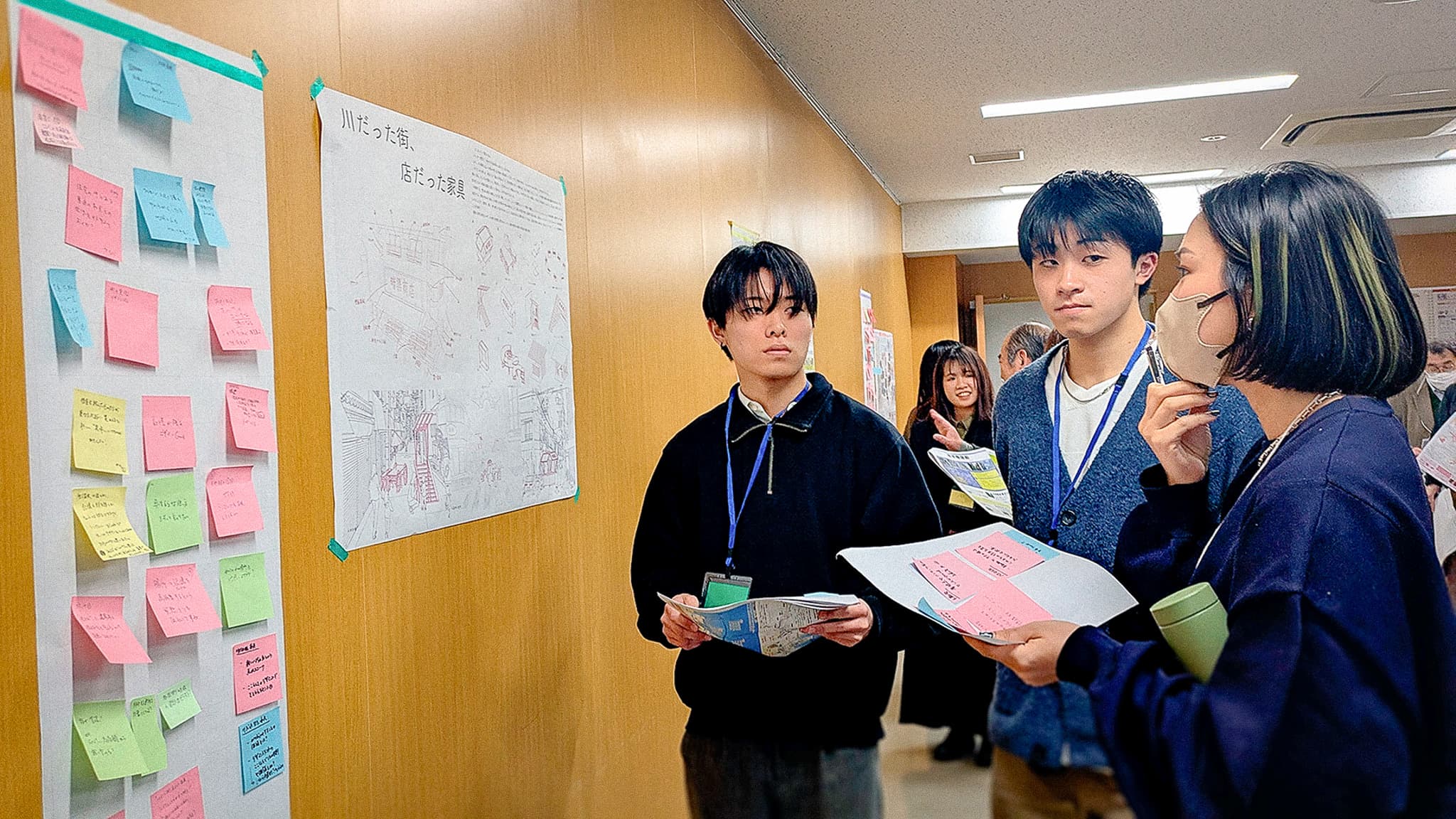
FIG.6
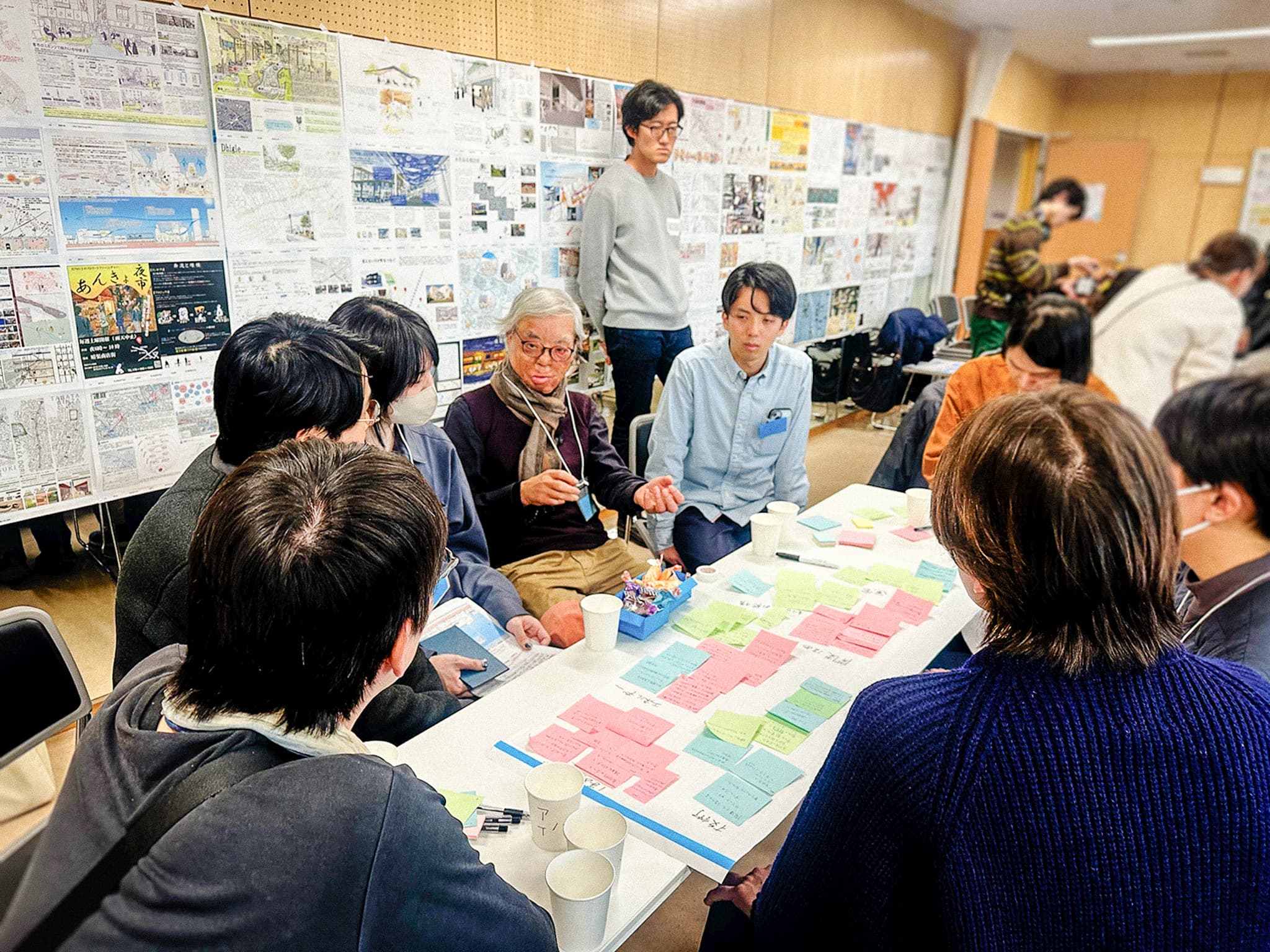
FIG.7
Public Final Judging Session (February 21, 2026)
On February 21, 2026, the public final judging session was held at the Tabata Fureai Hall in Kita Ward.The seven proposals—refined through dialogue with residents during the concept meetings—were presented alongside A1-sized panels. Following a question-and-answer session with the judges, one Grand Prize winner, two Excellence Award winners, and four Honorable Mention winners were selected.The public judging session, which included local residents, served not only as a competition to evaluate the quality of the proposals but also as a forum to open up a dialogue across the entire community on the question, “What kind of future do we want to share in this shopping district?” The seven winning teams will receive support and funding to implement their projects.
Judges
- Shin Aiba (Professor, Department of Urban Policy Science, Faculty of Urban Environment, Tokyo Metropolitan University)
- Yukako Ishikawa (Urban Experience Designer / Co-Representative Director, for Cities General Incorporated Association)
- Mika Nakajima (Representative, swan LLC)
- Junpei Nousaku (Architect / Representative, Junpei Nousaku Architects / Representative, Minna no Convenience Store Co., Ltd.)
- Masaki Morihara (Co-CEO, ASIBA / Producer)
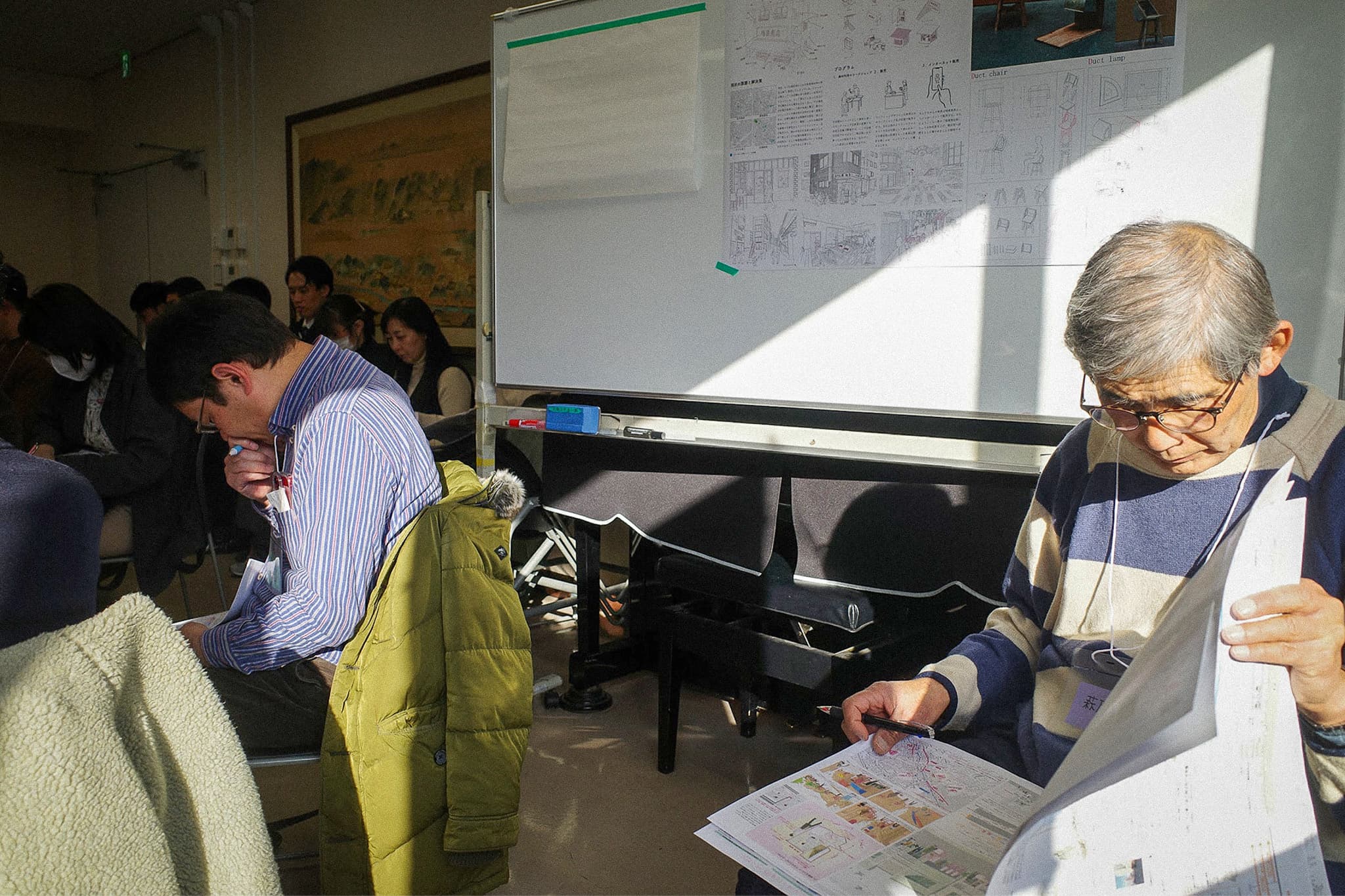
FIG.8
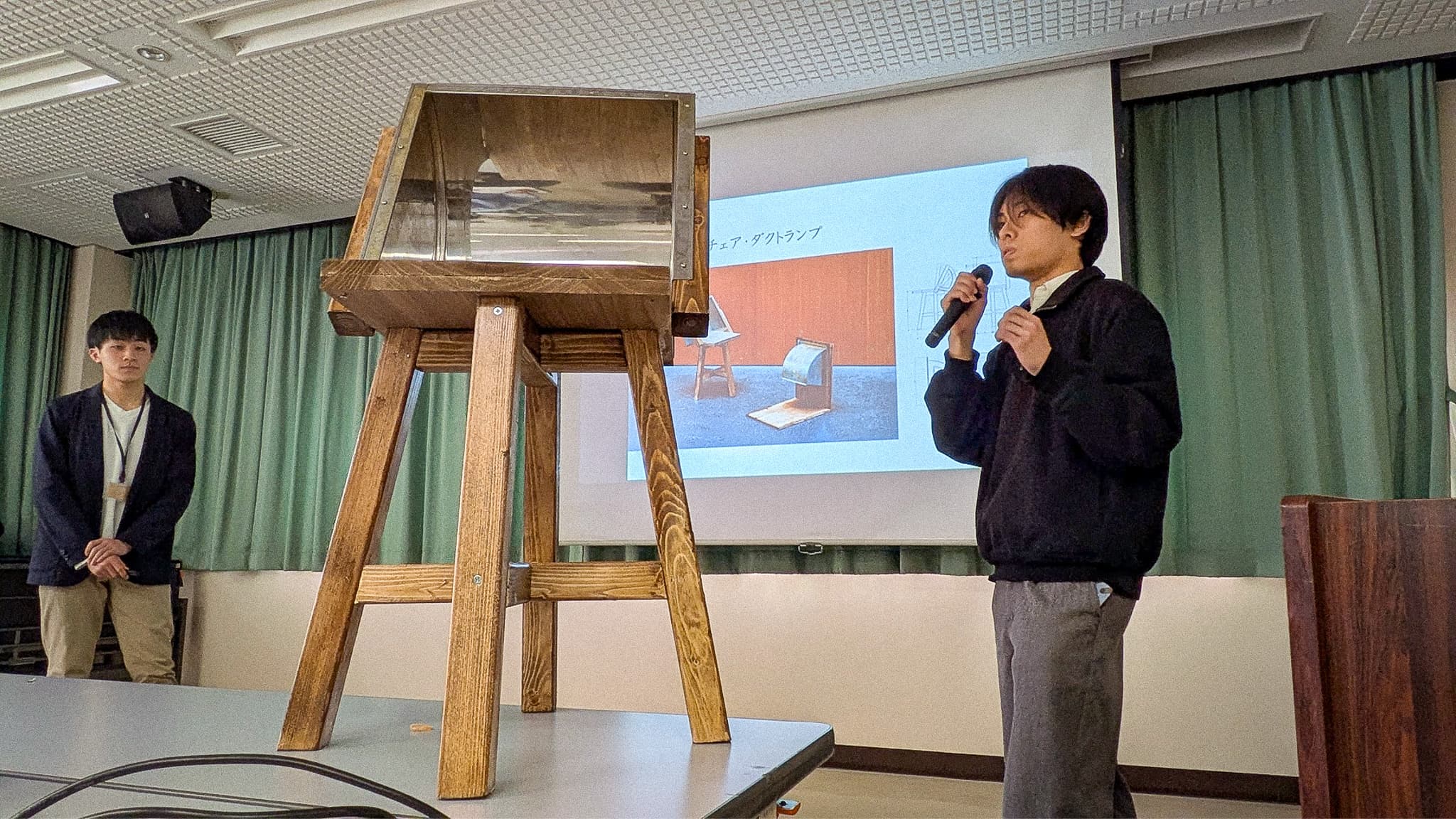
FIG.9
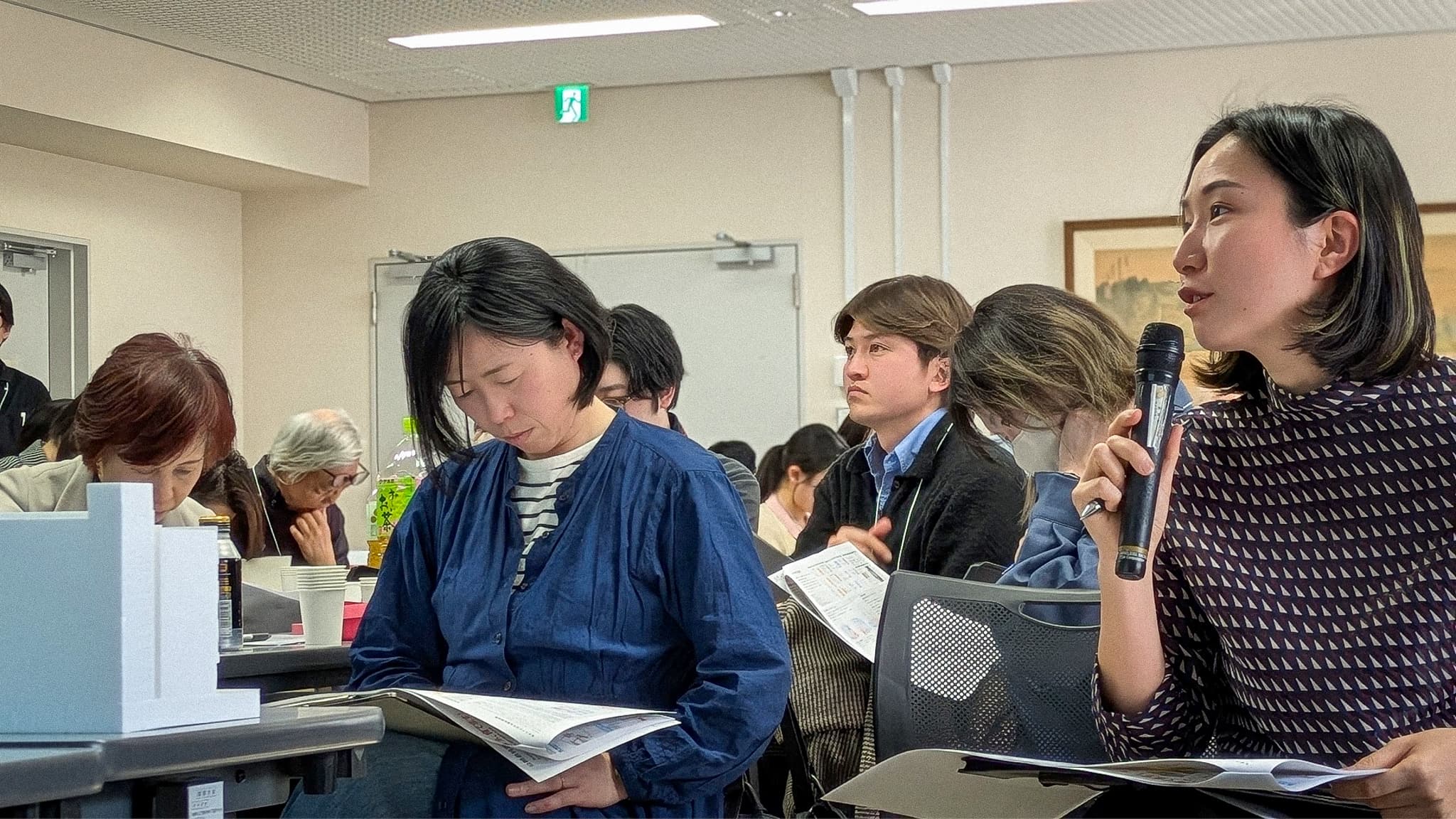
FIG.10

FIG.11
Moving Forward: ANKYOBATION
The conclusion of the final review session is not the goal of this project, but rather the starting line. A total of nine project teams—including two additional finalists—are participating in an incubation studio titled “ANKYOBATION.” With support from ASIBA and the Maki Competition Regional Secretariat, they are collaborating to implement their proposals.Through repeated dialogue with local residents, this process involves taking ideas from blueprints and rooting them in the town as actual spaces and systems. On land where a river once flowed, a new “current” is beginning to take shape.
Project
- Mami Furuta: Komagome Passion Project
- Kanehito Kumagai: Blooming Roots
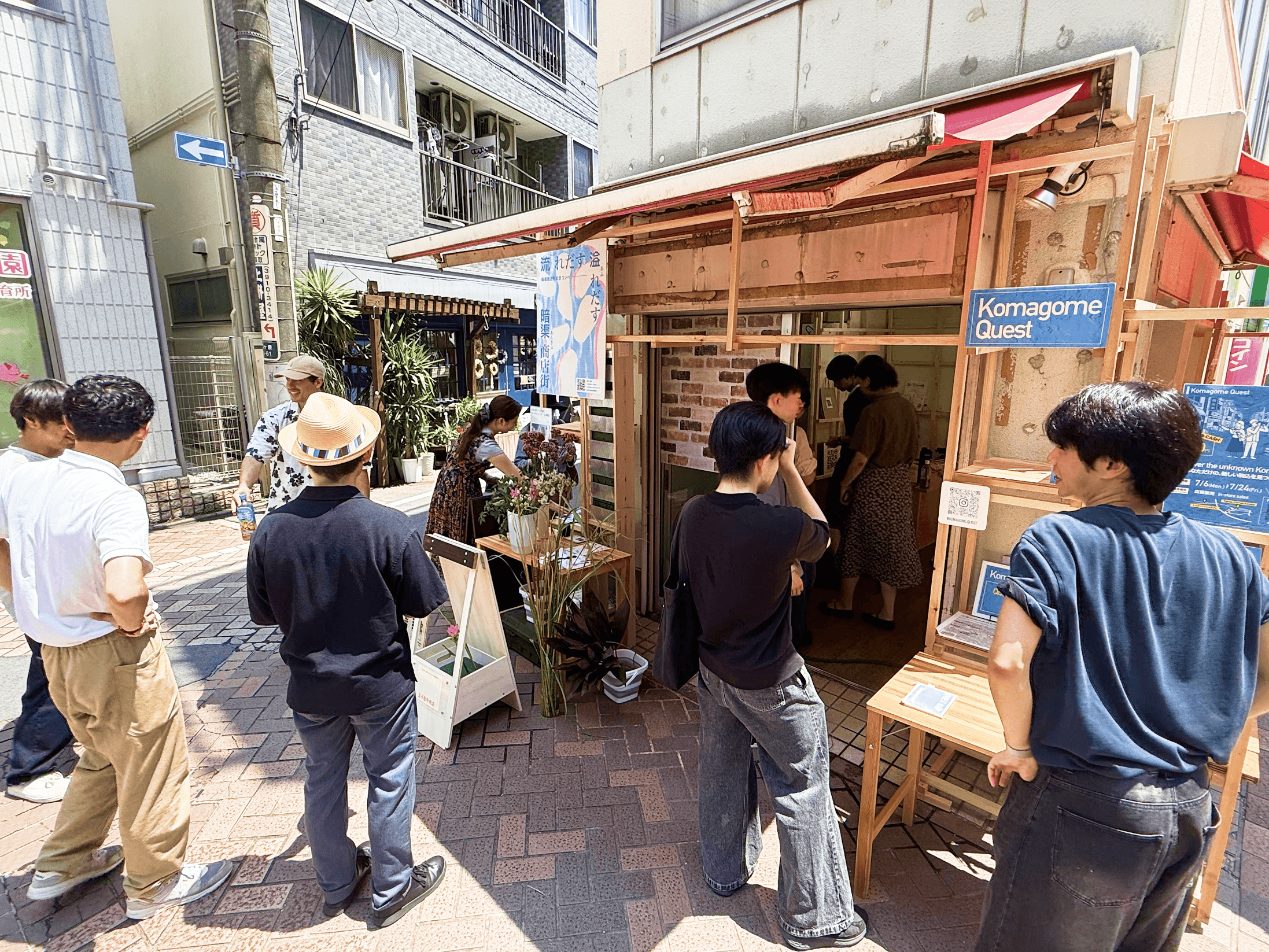
- Hong Kexin: Komagome Quest
- Yuka Sudo: Yatagawa 1600
- Yushi Itaya: A Welfare Shopping District Created by Kiosks
- Daisuke Itoga: Komagome Bukuro
- Yuichiro Sugiura: “What If?” Map in Komagome
- Keiyu Mizuguchi: standscape
- Chieko Hideshima: ANTOKYO
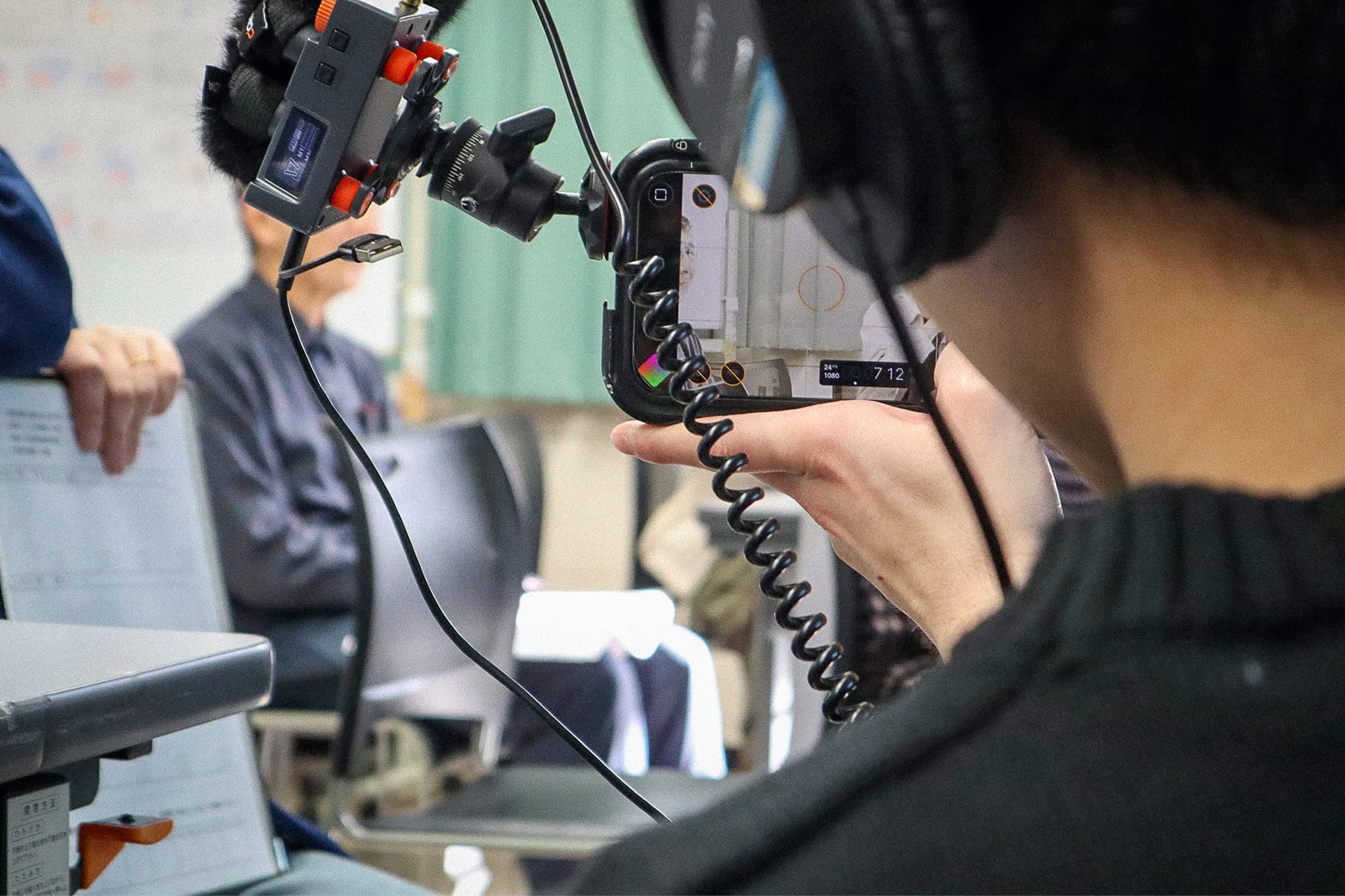
FIG.12
RELATED WORKS
RELATED TEXTS
ASIBA rebrands as a "Creative Ecosystem for Practice and Research"
ASIBA Rebranding 2026
ANNOUNCEMENT
2026.10.21.
Where the Willful Ecosystem Stands Today: Three Years Since Incubation
ASIBA ATLAS 2026 Report #1
REPORT STATEMENT
2026.10.20.
'Creative and Public' Seen Through ANKYOBATION
秋田そら
ESSAY
2026.07.01.
Decision to Hold U35 Practical Idea Competition for Underground Shopping Streets, Applications Open
The Shopping Street That Flows and Overflows
ANNOUNCEMENT
2025.10.17.
CREDIT
inhouse
collaborator
League Player
external


