ASIBA Rebranding 2026
FIG.1
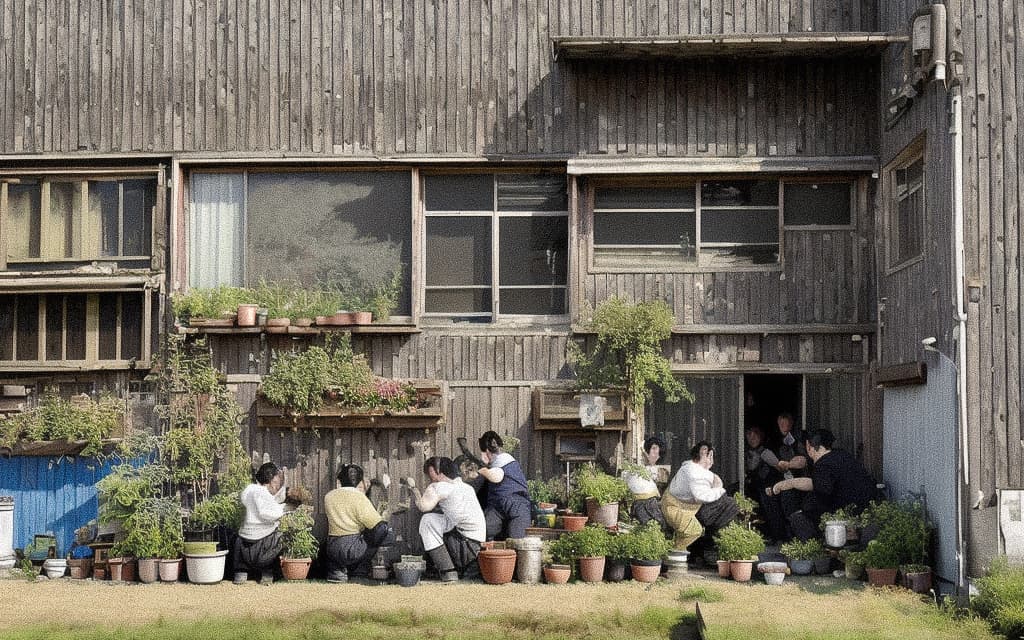
ASIBA (Representative Director: Yuta Nihei; Headquarters: Koto Ward, Tokyo) underwent a rebranding in August 2026.As a “Creative Ecosystem” that explores through practice and generates new practice from that exploration, ASIBA unveiled a new logo, visual identity (VI), and corporate website; published and made the full text of its research book available; began distributing a newsletter; and launched a new recruitment drive.
Why do people create and seek to express new things? The act of “creating” exists not only for the sake of novelty, competitiveness, work, or daily life, but also to imagine new possibilities and a desirable future, and to share those visions with society and others.
Many creative initiatives born of intense curiosity are difficult to explain and cannot be replicated, making it challenging to realize them within existing frameworks. That is precisely why ASIBA takes on challenges not as individuals, but as a “collective.” By crossing disciplinary boundaries, creating together, and learning together, we are cultivating the ground in which creative initiatives can take root in society.
ASIBA supports projects at various stages—from the seed of an idea to societal implementation—through its three initiatives. Over the past three years, more than 80 projects and initiatives have been born, nurtured, and launched from ASIBA.
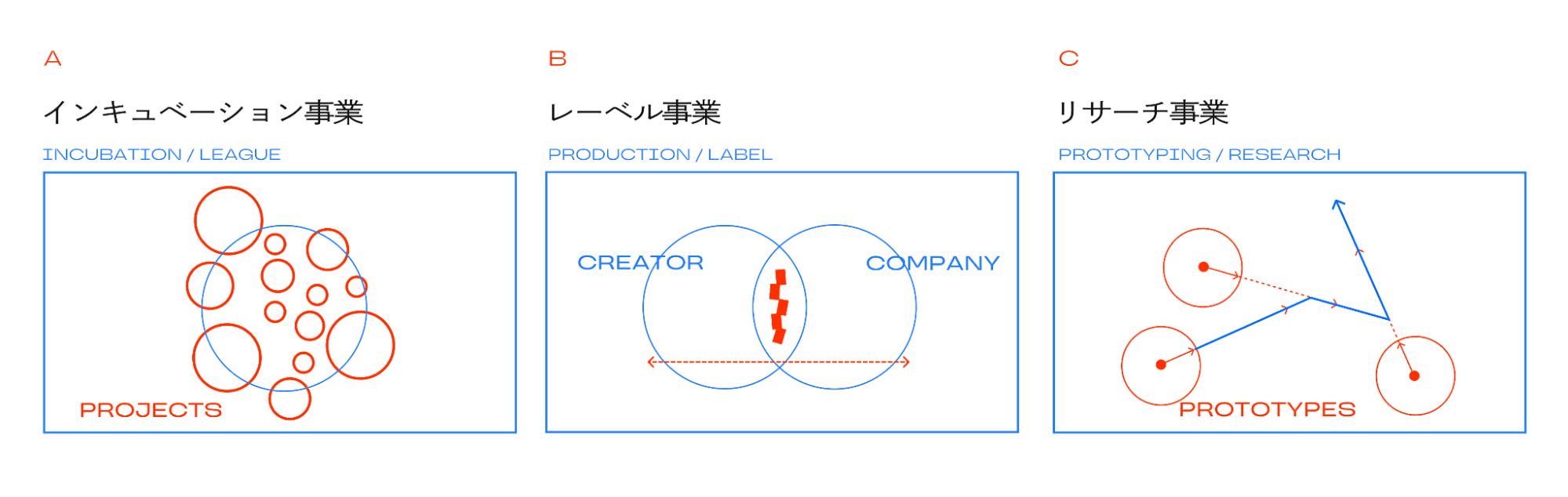
FIG.2
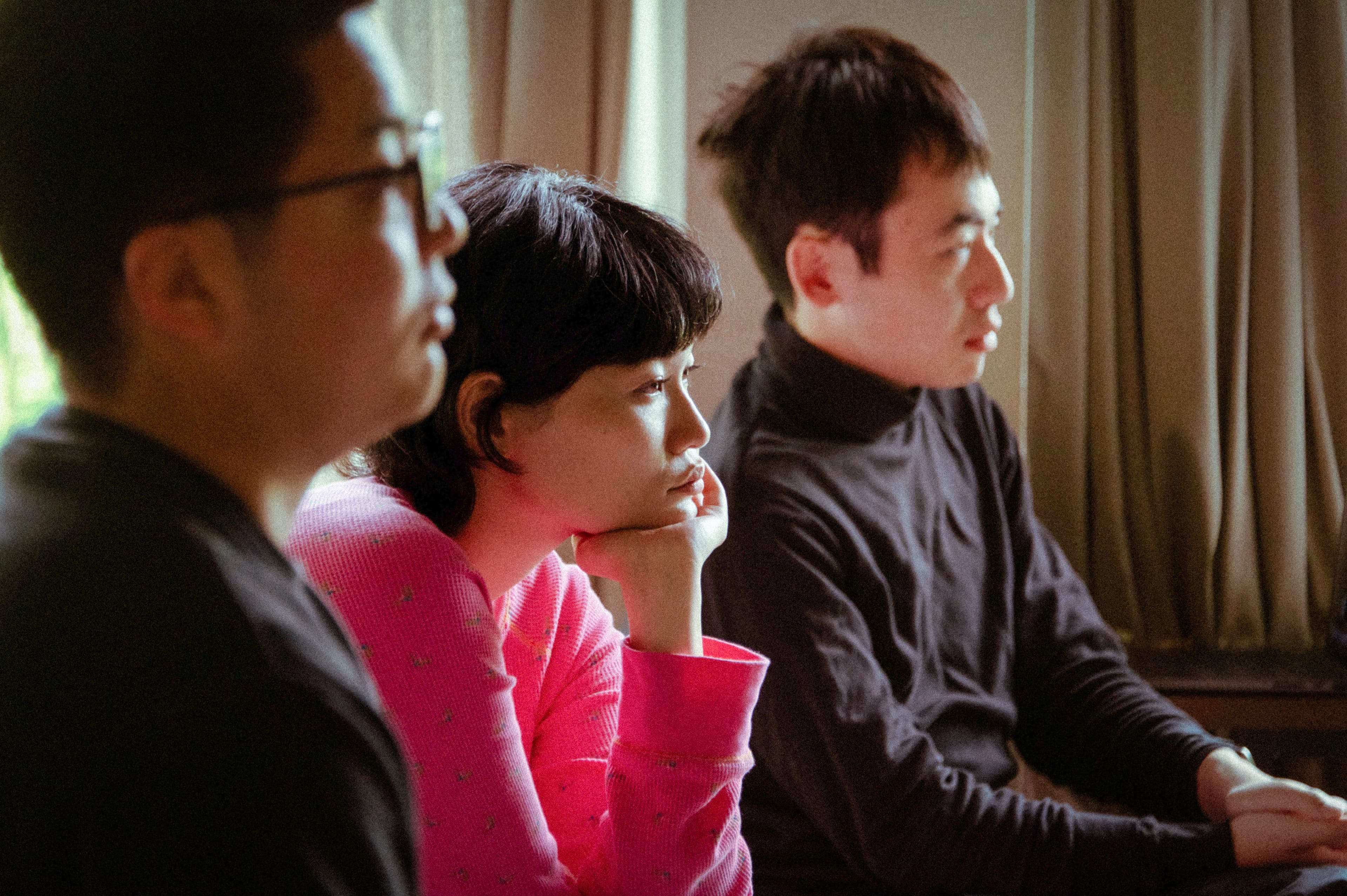
For those who want to give shape to questions and curiosities that are still hard to articulate
From idea to product, and from product to brand. Through programs specialized in the creative field, we provide resources—such as funding, peers, and workspace—to projects in the pre-seed and seed stages. We do not demand immediate results or reproducibility from the start; instead, we create an environment where participants can take that first step.
Reference: “Creative League 4th Cohort,” a mentoring program for young creatives
Reference: “ANKYOBATION,” a community-based program bringing the future of Kita Ward to life from a culvert
For individuals and organizations looking to expand their fledgling ideas toward social implementation
This initiative provides ongoing support for the social implementation of projects. In partnership with corporations and local governments, we design collaborative models tailored to each project’s stage and the creator’s objectives—ranging from cross-sector collaboration and showcases to initial financing, batch development and production, and management and back-office support.
For organizations that question the present and seek to explore value that has not yet come to light
This initiative explores possibilities distinct from existing society through physical and hands-on practices. By prototyping “phenomena” that have yet to emerge—while engaging society—we uncover seeds for new businesses and clues to new value that cannot be found through desk-based research or analysis alone.
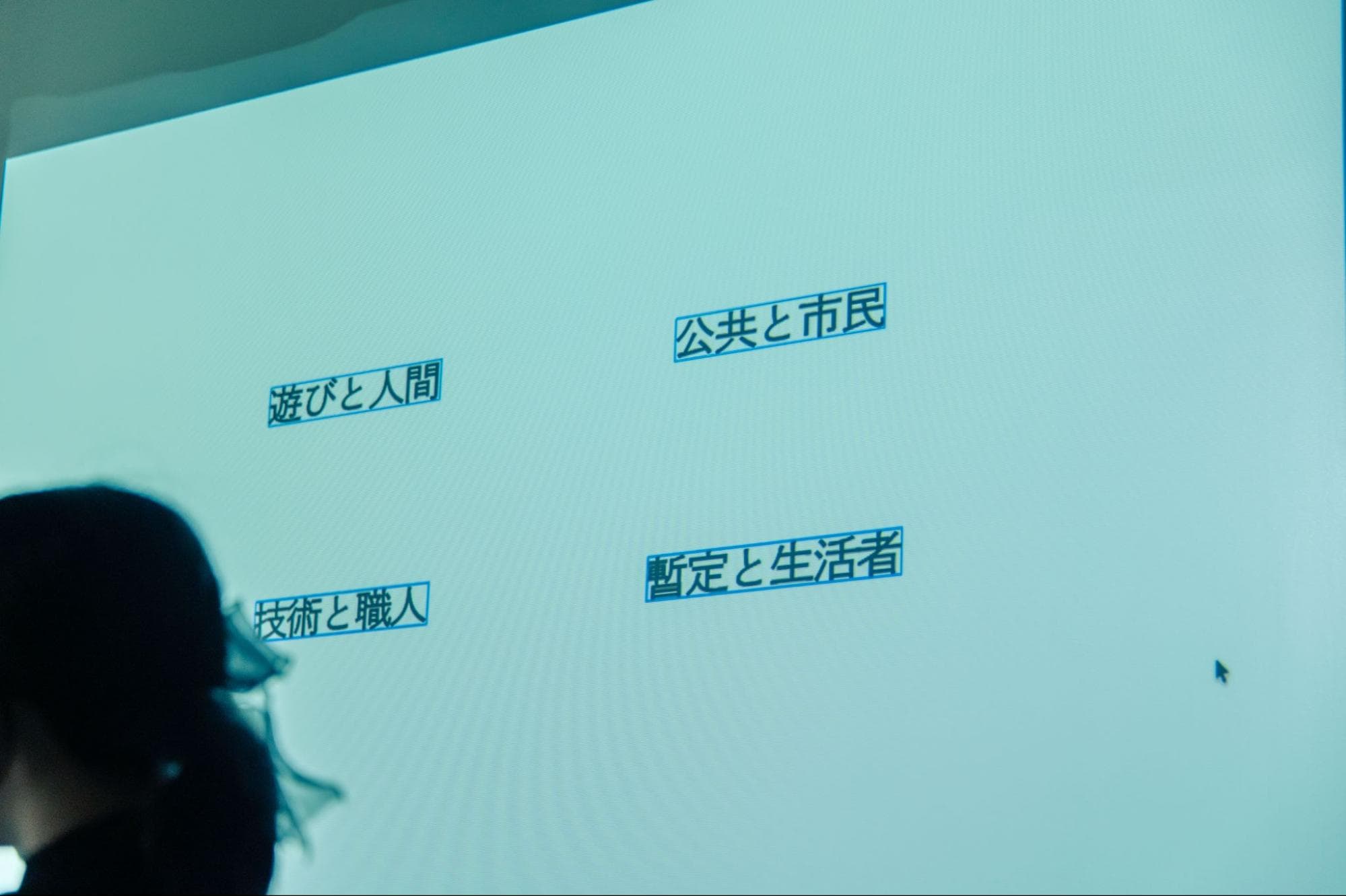
FIG.3
As our activities expanded, we realized that—beyond the individual strength of each project—we needed a context that would link their value across the board.ASIBA’s role as an ecosystem lies in curating the positioning and significance of each project. To this end, we invited stakeholders and experts from both within and outside ASIBA and, following a series of four “semi-public curation meetings,” established four key agenda items.
Click here for details on the agenda
As we have seen, ASIBA’s practice can be characterized by the following: namely, considering the “placement” within society of the “seeds of creativity”—such as new talent, corporate desires, and social needs—and designing society through this process.
The term “Creative Ecosystem” embodies this attitude of ASIBA; it represents the philosophy of viewing the world as an ecosystem in which these “seeds” are intentionally positioned within society, and of actively shaping that ecosystem.In this regard, unlike traditional, homogeneous, and static concepts such as “network” or “platform,” the “Creative Ecosystem” represents a collective that operates with a clear direction and dynamic energy.
The revamped VI system is intended to express this dynamic collective nature as a visual identity. The
new website treats each individual project as a “block” and represents ASIBA as a collection of these blocks. The corporate logo is an abstract representation of this concept.It can be treated as a dynamic design system in which the logo itself can take on any form depending on how the blocks are combined. While shaped by a robust set of guidelines, these visual identities do not have a single, fixed form; rather, they express ASIBA’s nature as an ecosystem through the behavior of the logo itself.

FIG.4
*Credits and other information are listed at the bottom of this article.
The starting point for the website redesign was the challenge that simply listing a vast number of projects and texts made it difficult to convey—both internally and externally—what ASIBA has accomplished and where it is headed.
The orange blocks stacked on the homepage represent each and every project created and text written to date. Each belongs to one of the four agendas, and when you hover your cursor over them, connections extend outward. We aimed for a structure that goes beyond a mere archive of records, one in which new contexts are woven together from cross-sections of various projects.
We hope you’ll enjoy our corporate website, which is full of interactive features and playful elements.
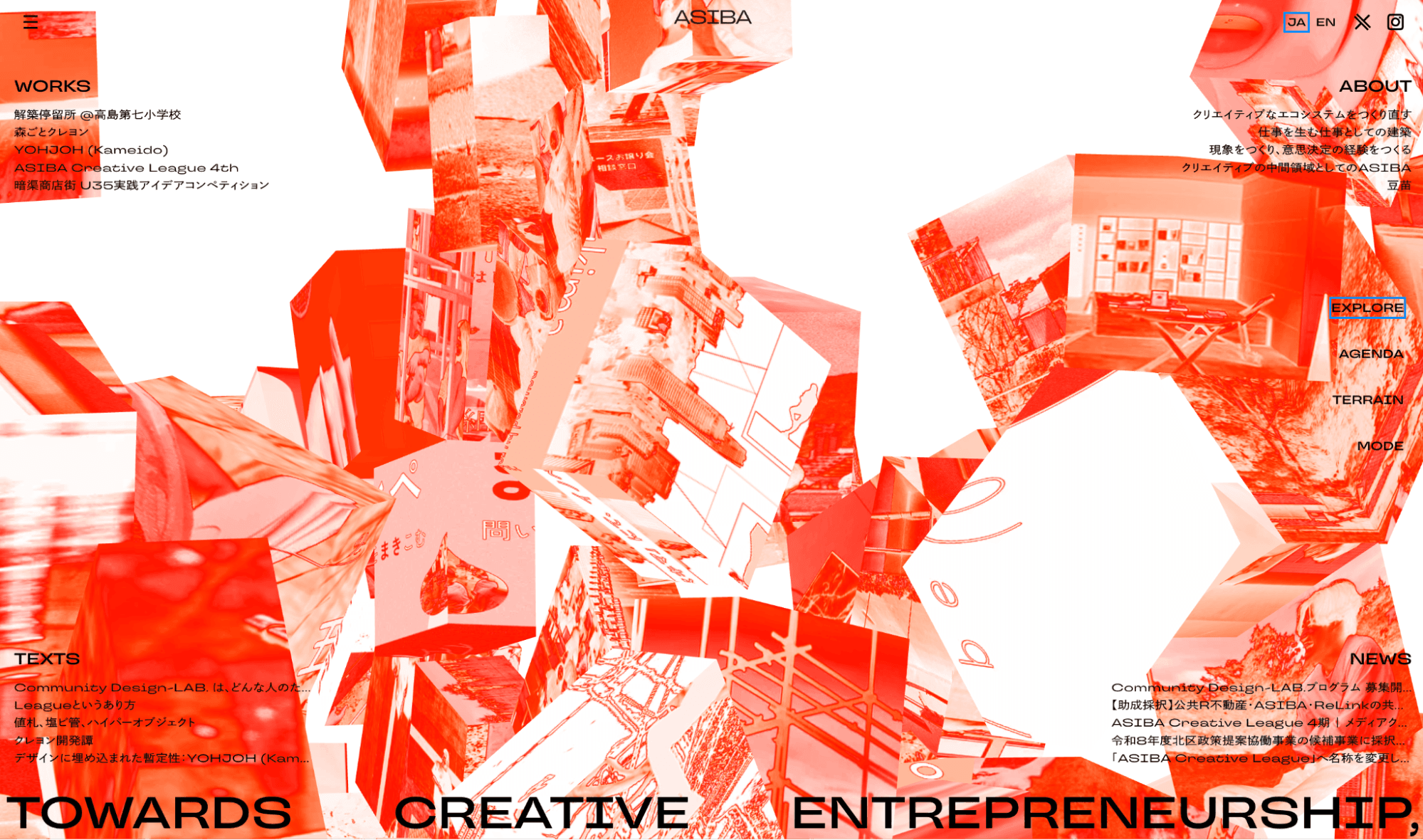
FIG.5
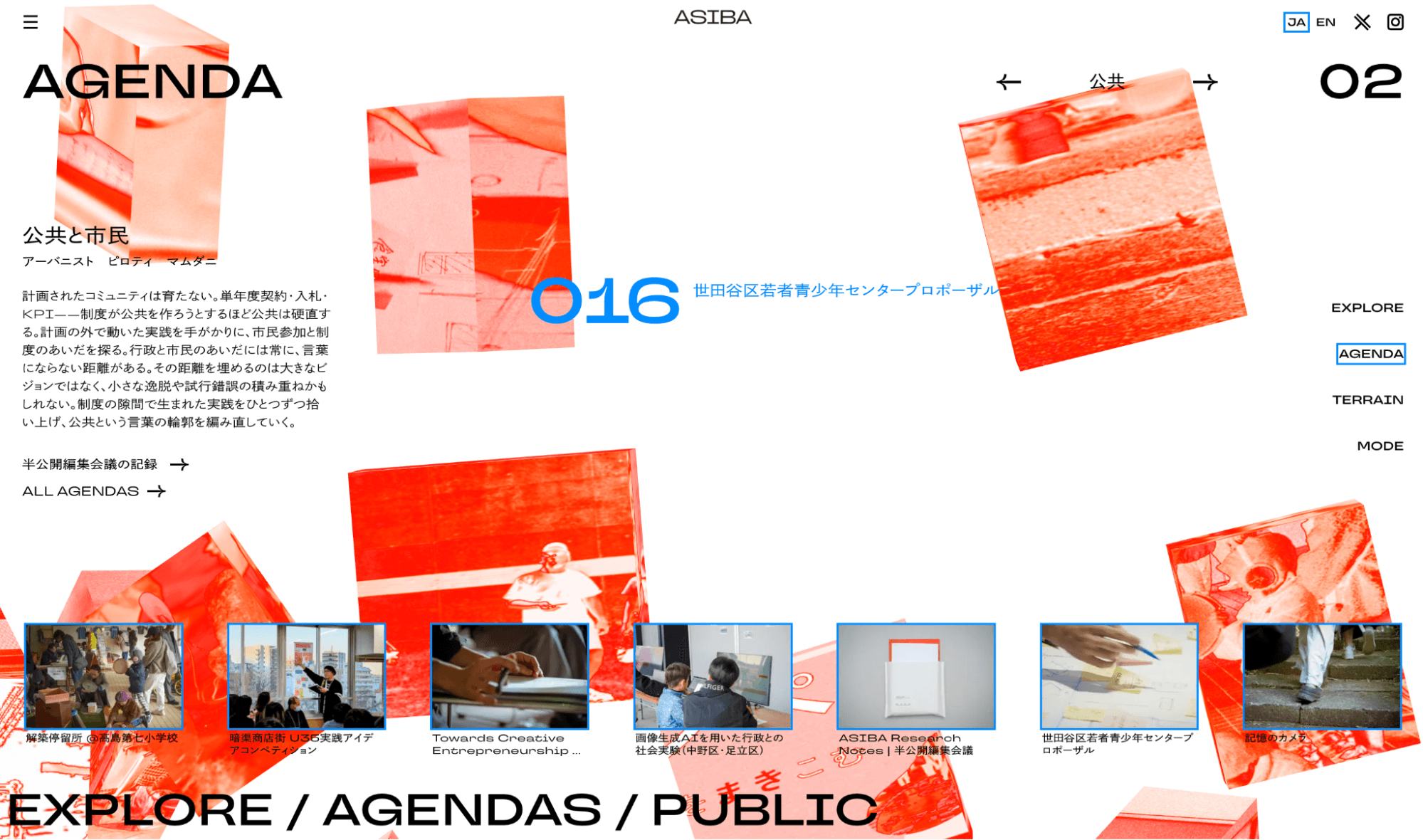
FIG.6
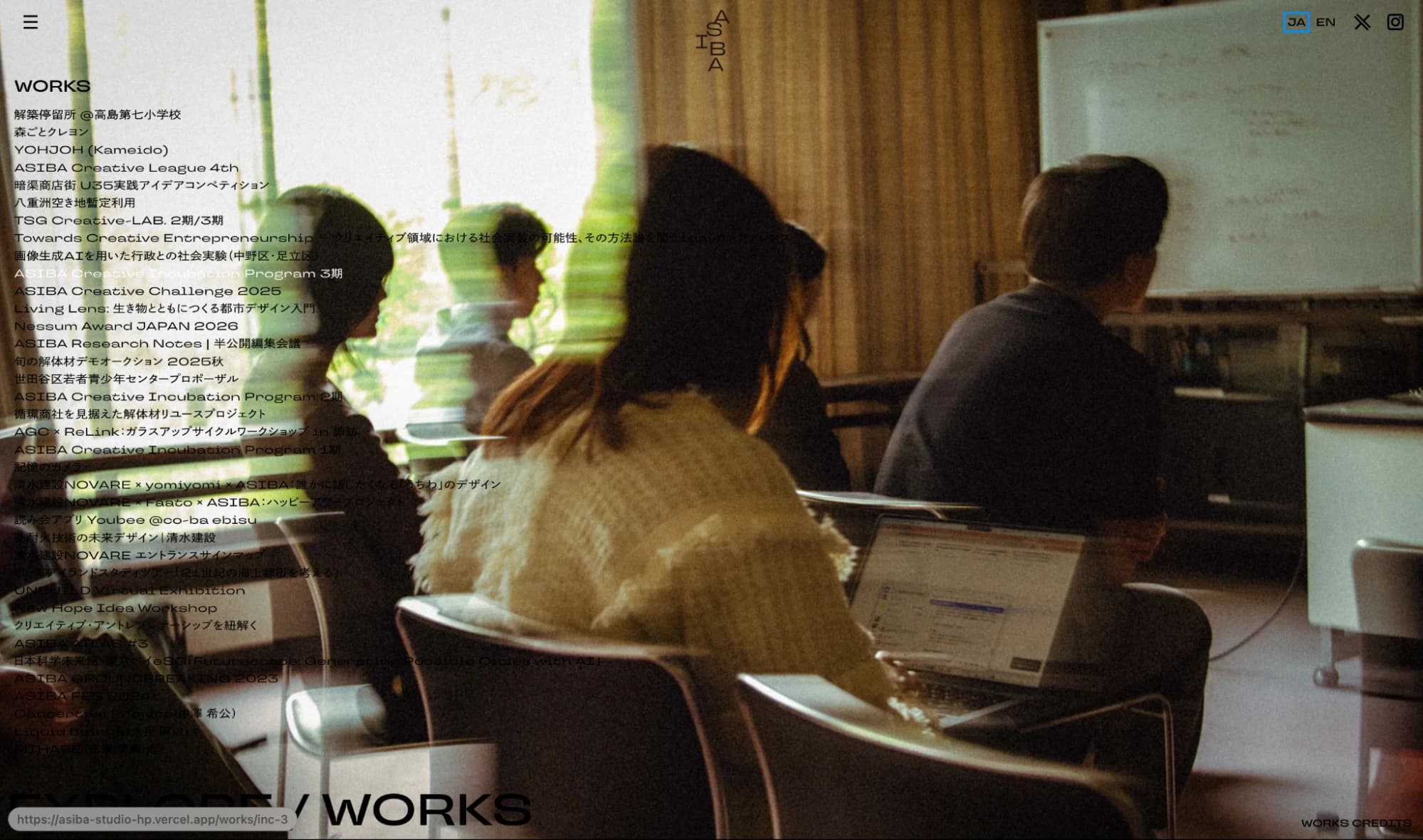
FIG.7
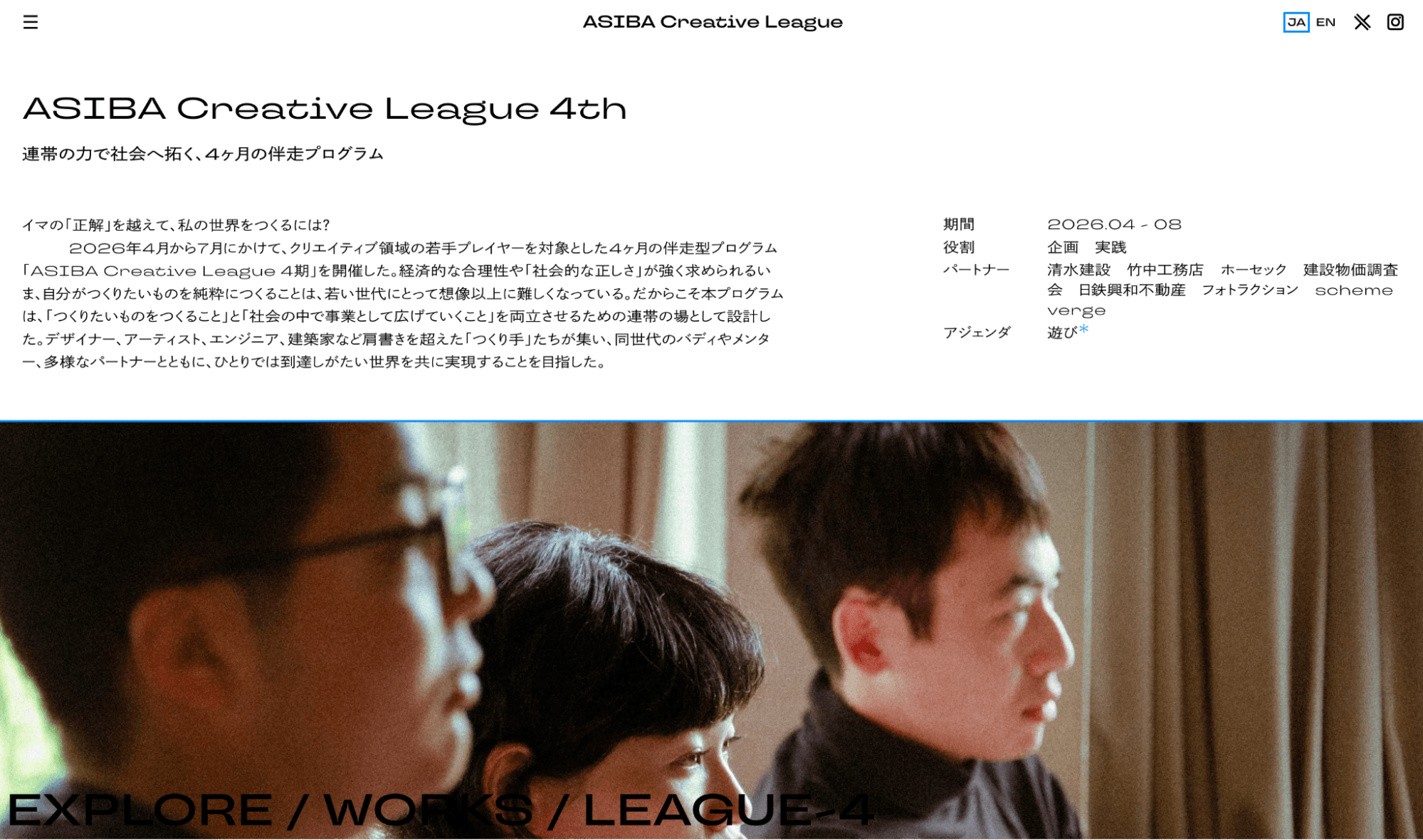
FIG.8
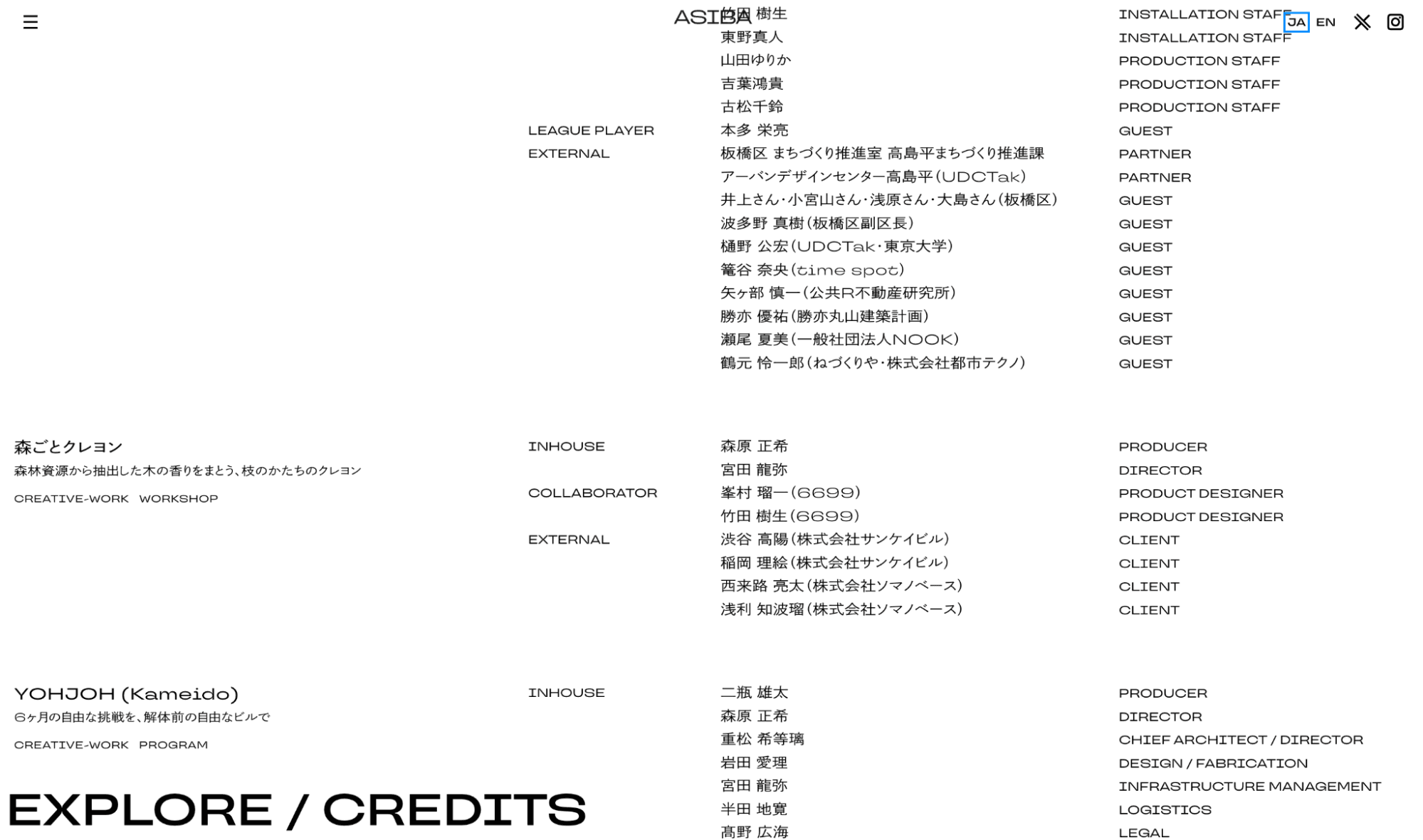
FIG.9
*Credits and other information are listed at the bottom of this article.
What if editing were not about creating something from scratch, but rather the act of rearranging what already exists in collaboration with others to find words that serve as a foundation for the next step? Based on this hypothesis, ASIBA engaged in repeated practice and dialogue under four agendas, compiling these records into the research book “ASIBA Research Notes.”
It contains not only records of the project’s activities but also the words, thoughts, and experiences of members and stakeholders. Structured so that discussions and essays run parallel to the project, the book reveals how ASIBA is shaped by each individual with their diverse perspectives.We also put a great deal of thought into the structure itself to organize the large volume of essays and analyses, creating a design where practice and inquiry run side by side across the left and right pages.

FIG.10
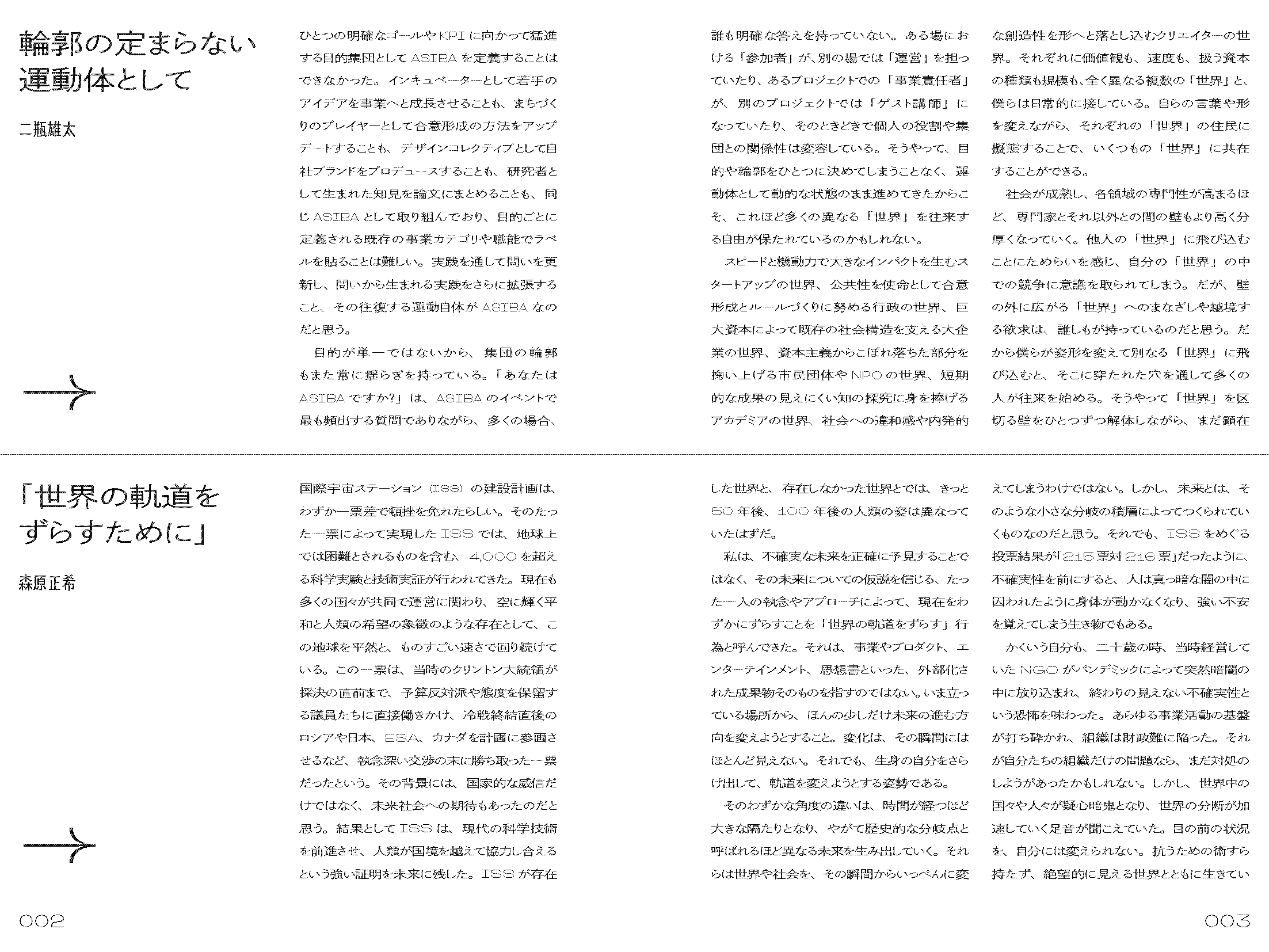
FIG.11
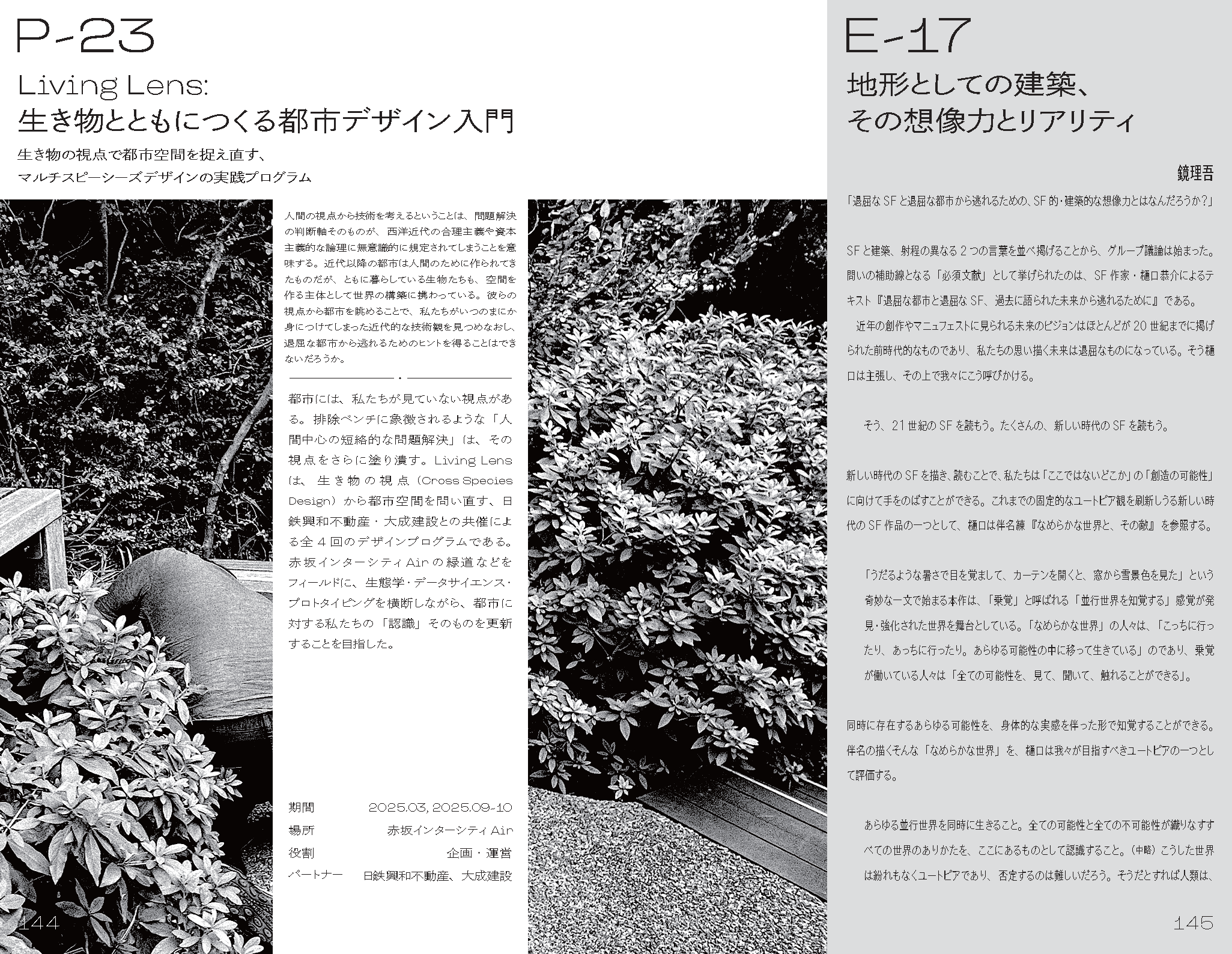
FIG.12
*Credits and other information are listed at the bottom of this article
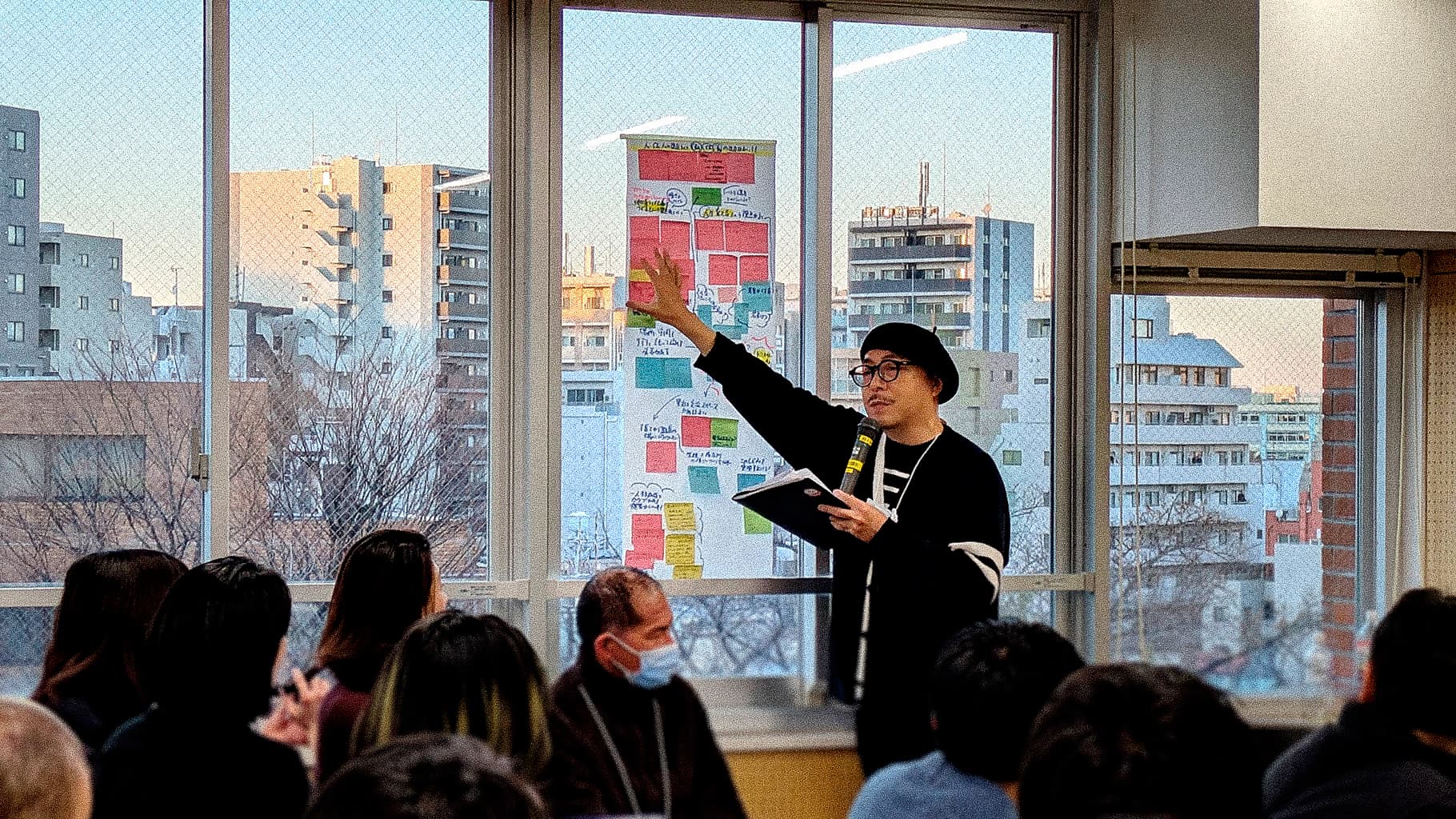
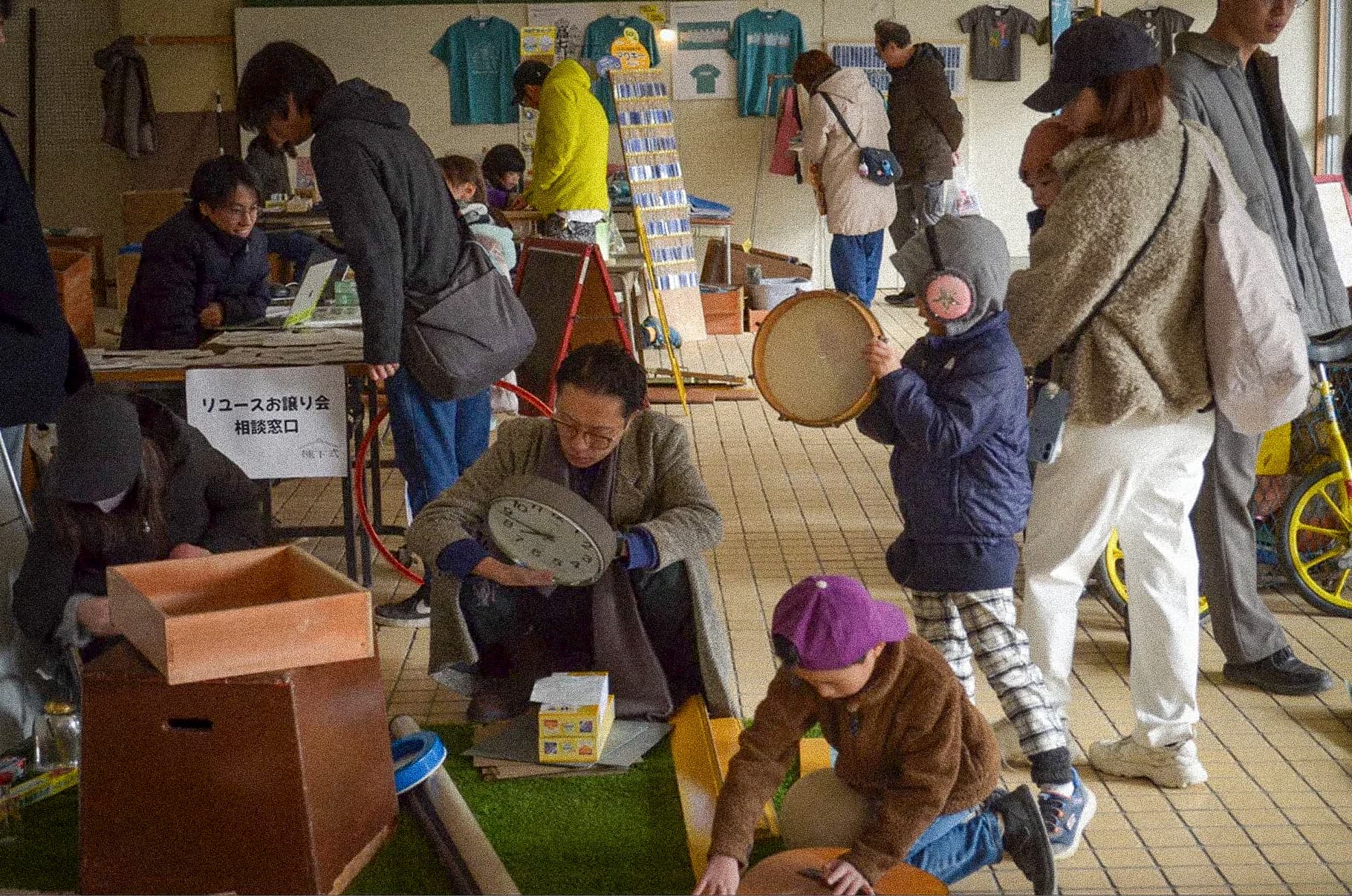
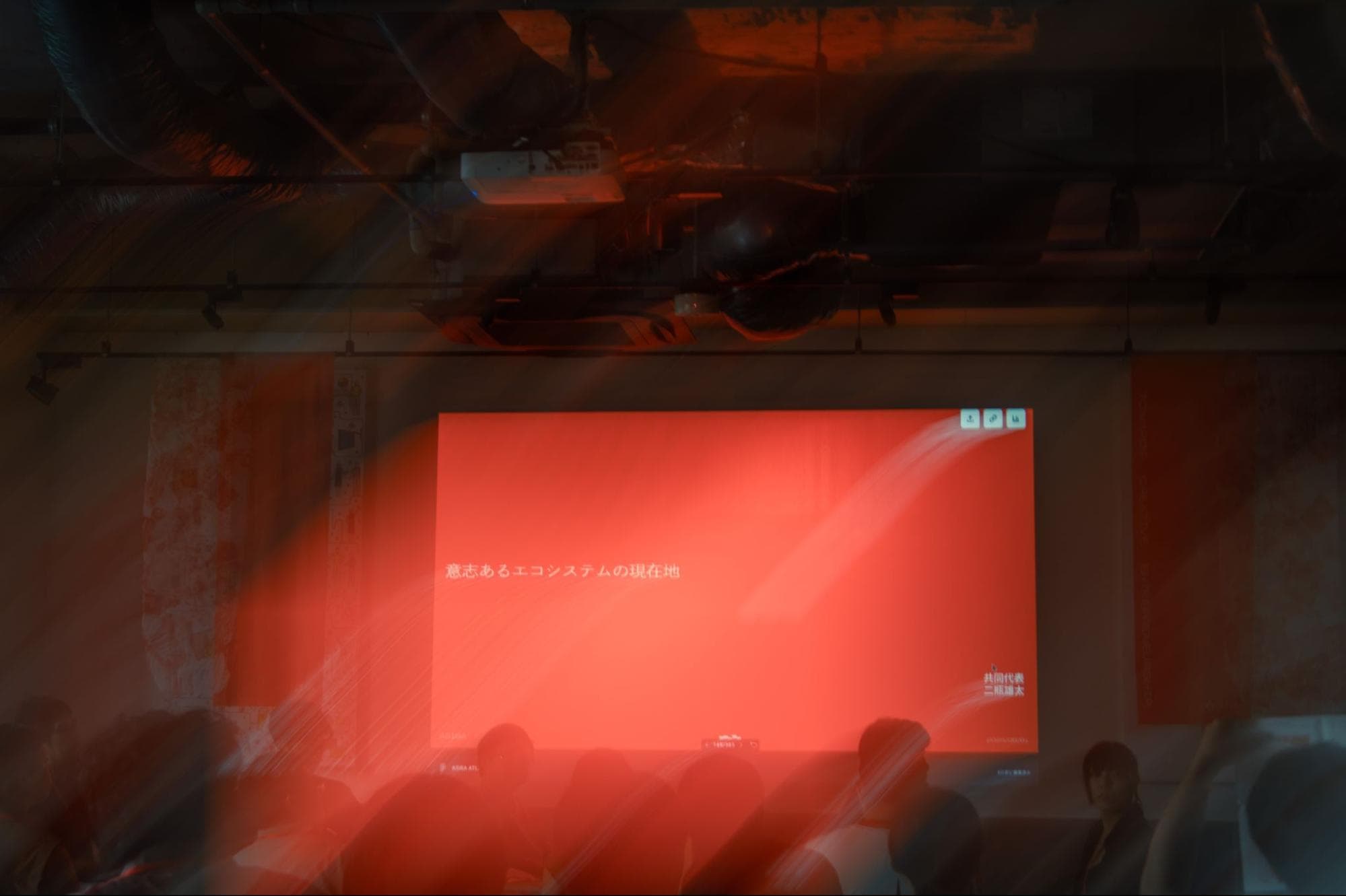
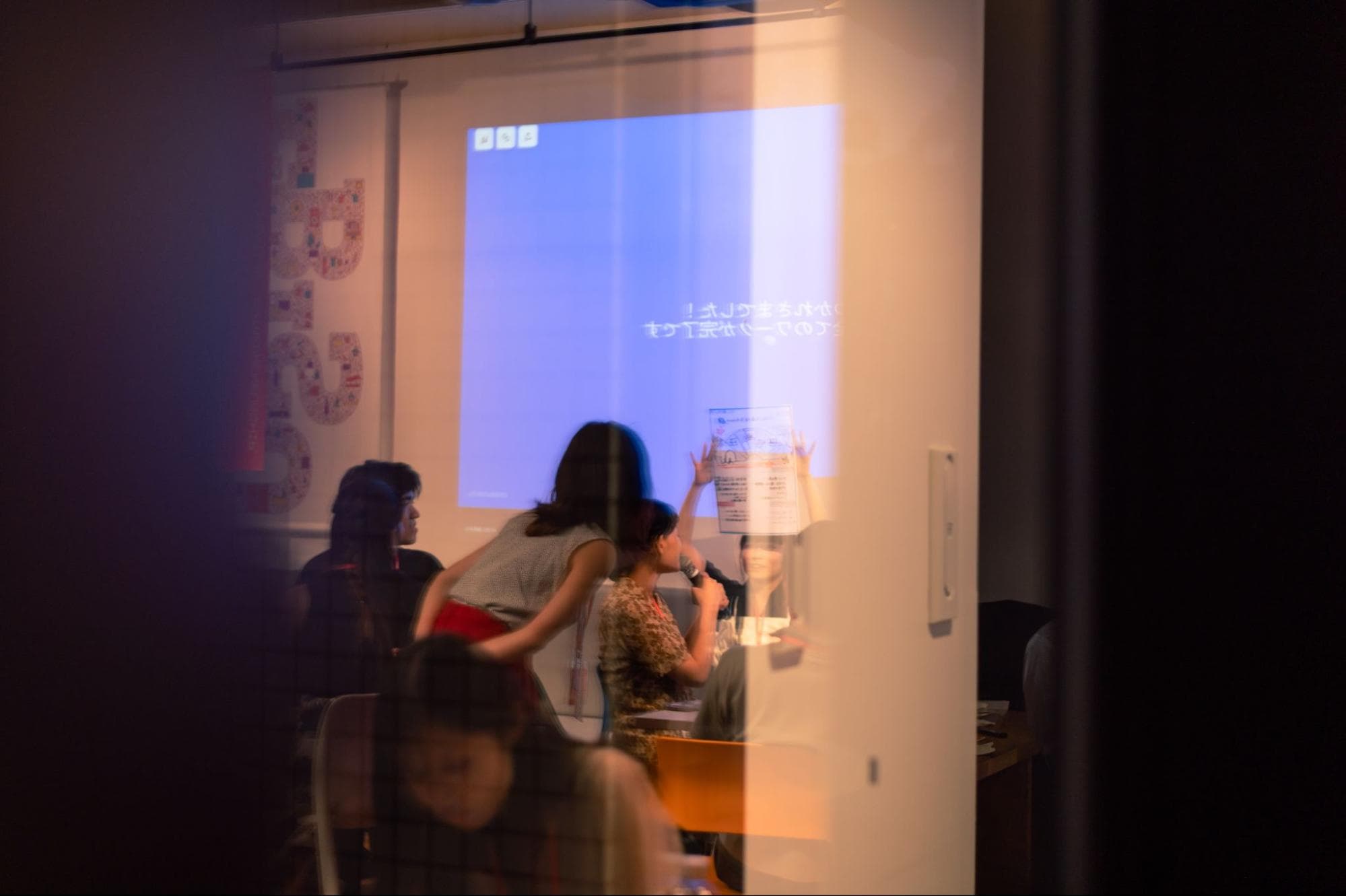
Approximately 60 people gathered for the partner event “ASIBA ATLAS 2026,” held on August 1 to commemorate the rebranding. In addition to exhibits showcasing projects that have branched out from ASIBA over the past three years, we held the “ASIBA Delusional Project Meeting” workshop, where participants could experience ASIBA’s research methods firsthand.Please see below for the event report and the CEO’s remarks.
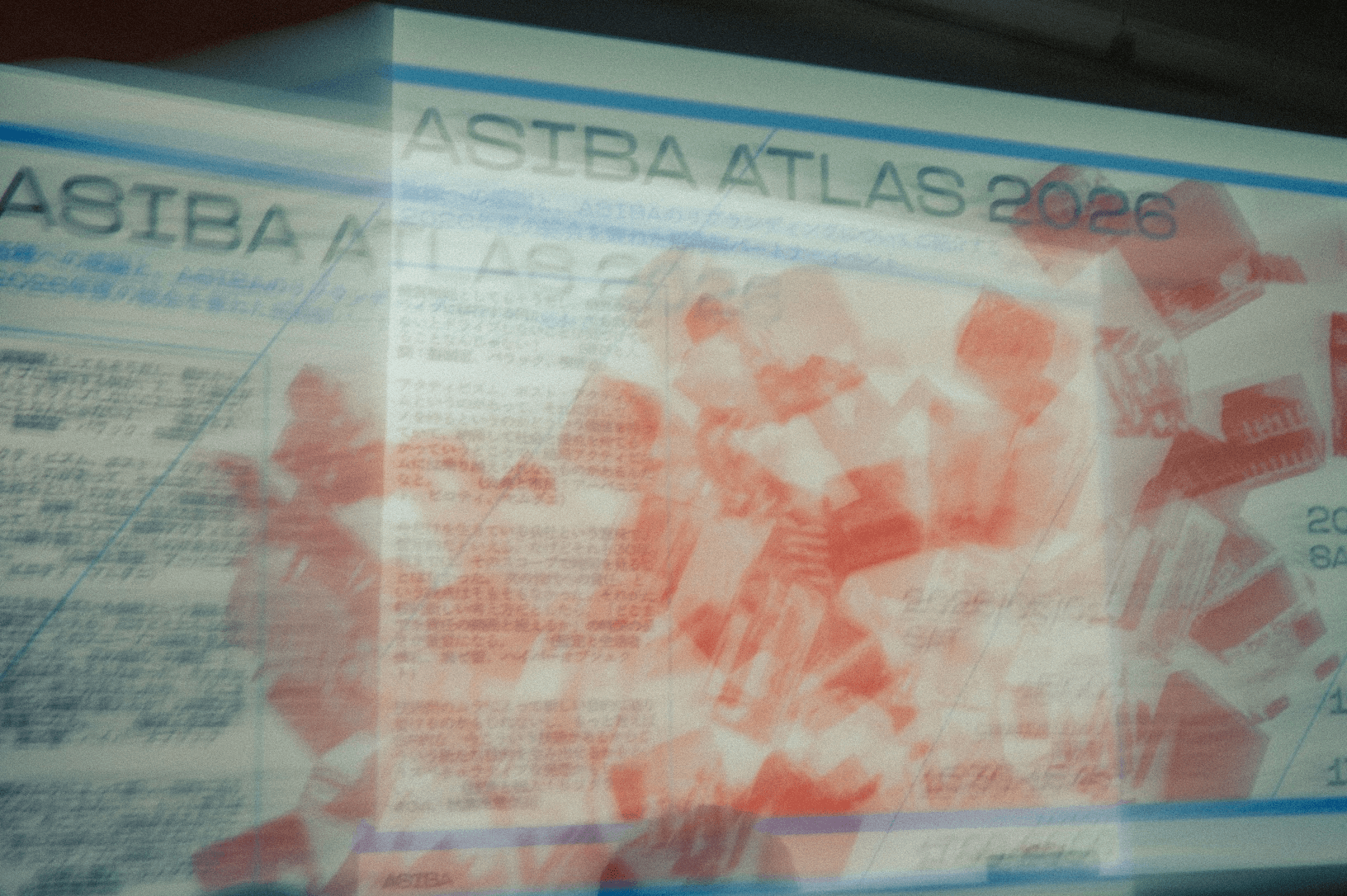
FIG.13
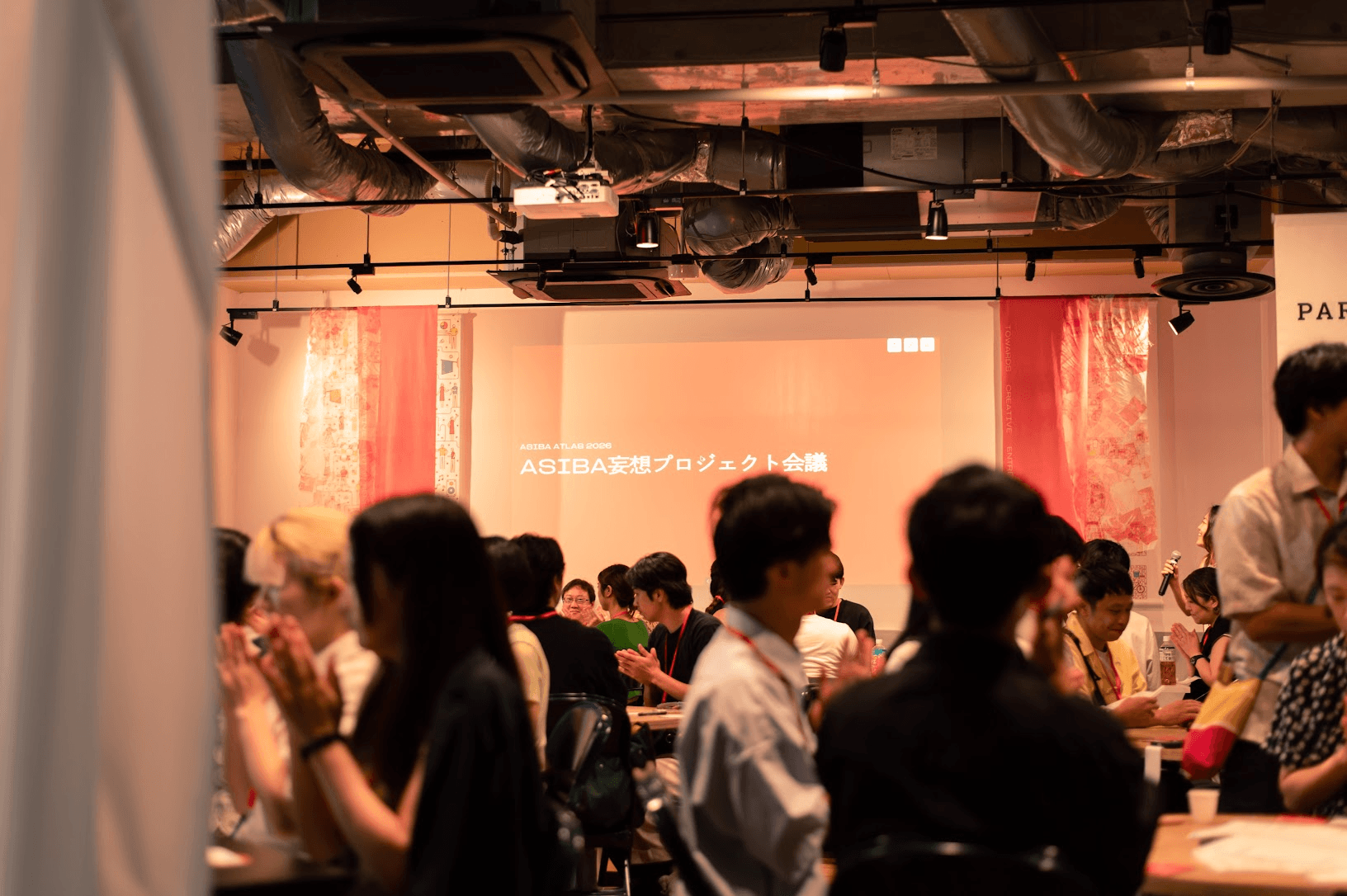
FIG.14
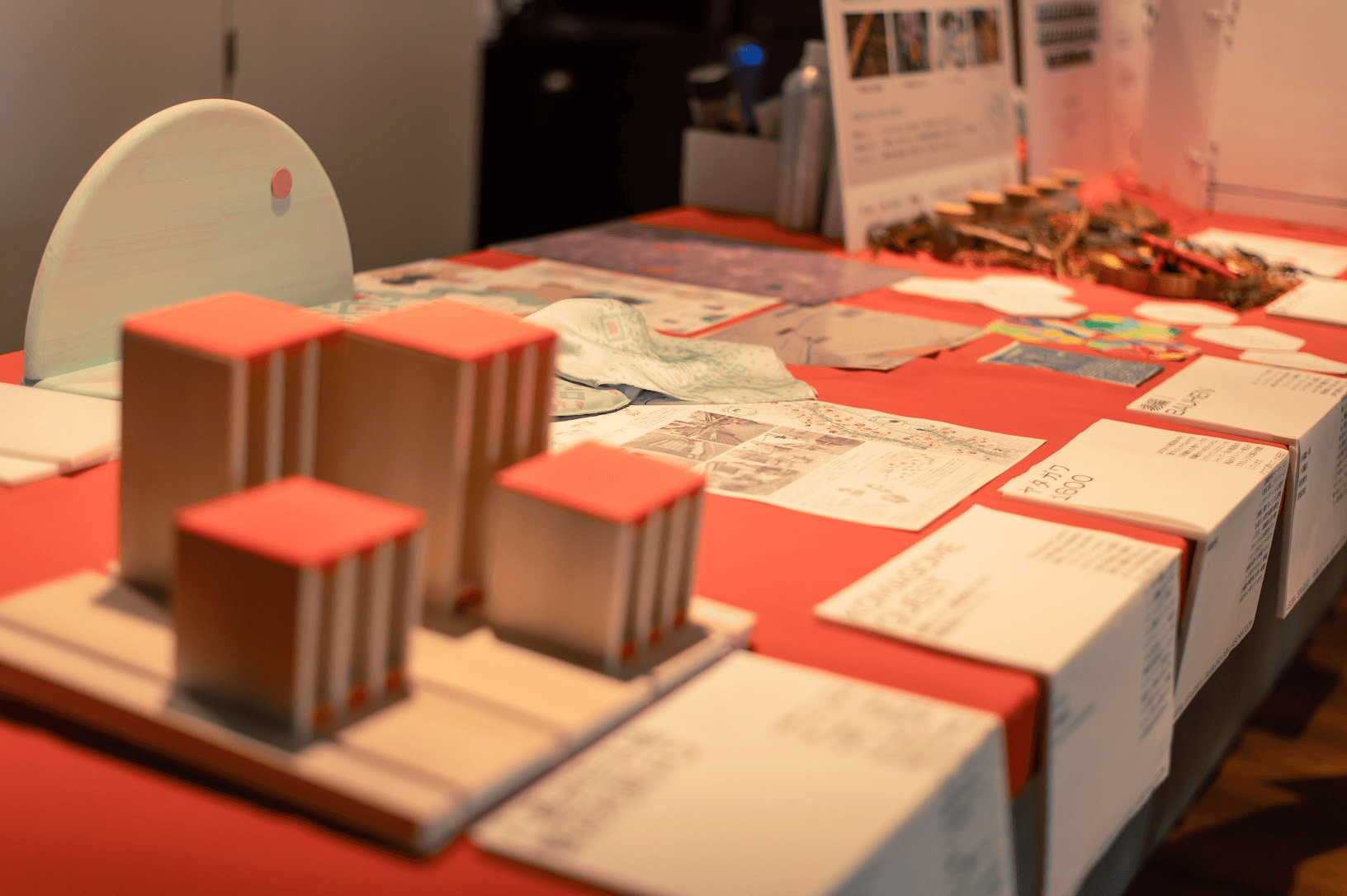
FIG.15
*Credits and other information are listed at the bottom of this article.
We have launched “ASIBA-BOX,” a newsletter distributed twice a month. We carefully curate and deliver the processes and intentions behind each project, along with glimpses of the broader agenda that emerge from them.
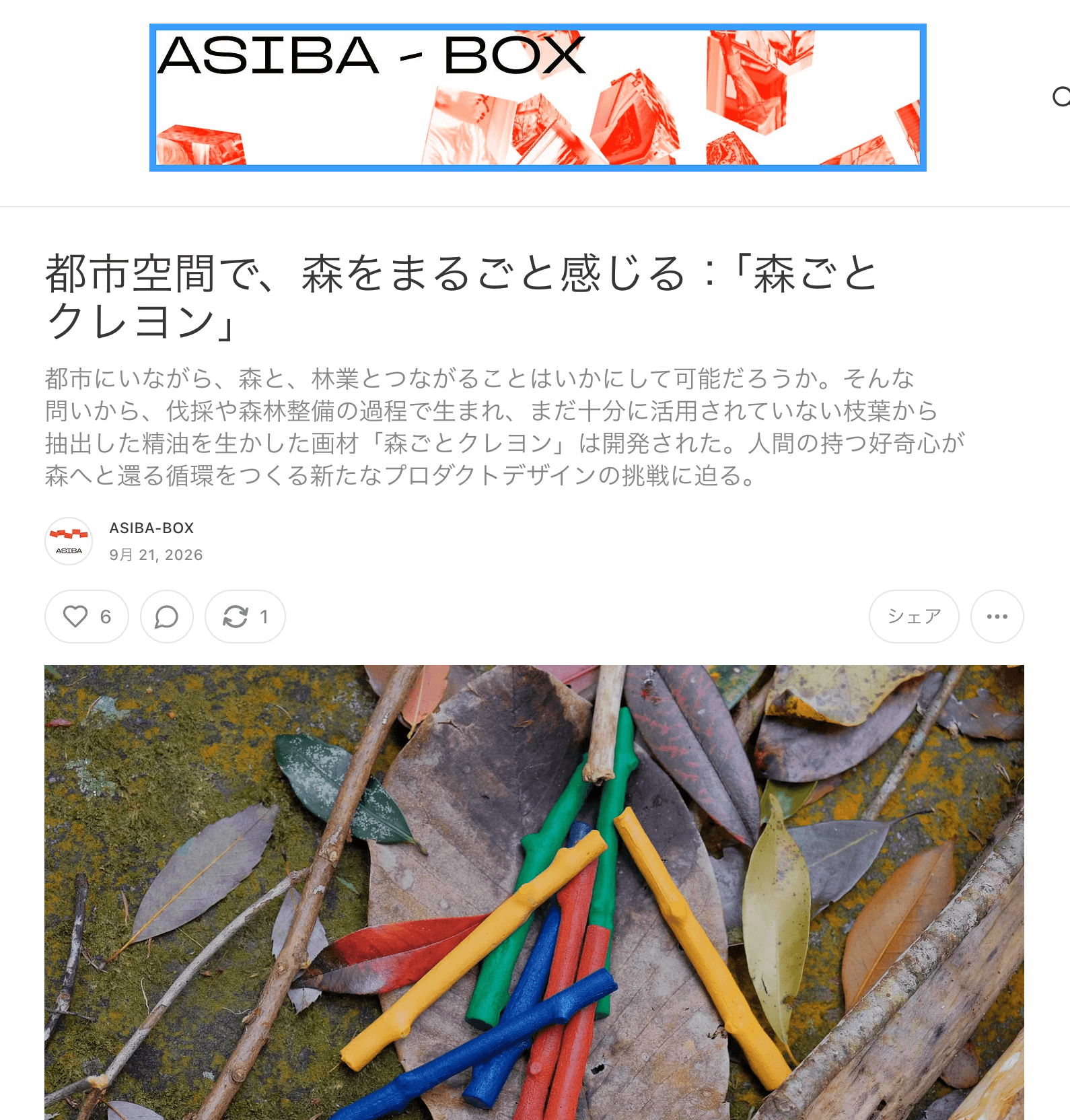
FIG.16
*Credits and other information are listed at the bottom of this article
In conjunction with our rebranding and business restructuring, we have also begun recruiting new members. What ASIBA creates is “work that generates work.”We welcome people with ideas and creative potential, and work alongside them from project inception through financing, commercialization, and social implementation. As our three business areas—incubation, labels, and research—continue to expand, we need more colleagues than ever to drive these initiatives forward.
At ASIBA, we form organic teams by bringing together the necessary individuals or groups based on each project’s needs. We are seeking members who are eager to collaborate, share their expertise and aspirations, and who are passionate about creating, failing, and learning together.
<Roles Currently Open>
Click here for recruitment information
Whether it’s our VI and logo, our corporate website, or our research book, none of these are finished products—they are constantly evolving. As new projects and people join us, and as these additions bring new perspectives to our agenda, the image of ASIBA will continue to evolve.
We will continue to promote collaboration and solidarity with those who share our questions—including companies, local governments, universities, creators, researchers, and entrepreneurs. As a “creative ecosystem,” ASIBA will continue to engage in diverse exploration and practice. We sincerely appreciate your continued support and collaboration.
The credits for various productions and other materials are as follows.
<VI & Logo>
Designer:
Tatsumi Sone;
Designer: Nozomi Sudo;
Director: Masaki Morihara; Director (Logo): Kito Shigematsu
<Corporate Website>
Designer: Tatsumi
Sone Designer/Engineer: Nozomi
Sudo Director: Masaki Morihara
<ASIBA Research Notes>
Chief Editor: Mizuki
Igata; Editor: Nozomi
Sudo; Creative Director: Kitori
Shigematsu; Editorial Designer: neighby
; VI Designer: Tatsumi Sone
<ASIBA ATLAS 2026>
Producer: Yuta
Nihei; Chief Director:
Miri Watanabe; Creative Director:
Kito Shigematsu; Workshop Director: Mizuki Igata
; Workshop Director: Rigo
Kagami; Speaker: Masaki Morihara
; MC: Yuzu
Kaneko; Photo: Tamaki Nishiyama
<ASIBA-BOX>
Chief Editor: Mizuki
Igata Editor: Rigo Kagami
Designer: Nozomi Sudo
Name: ASIBA
, General Incorporated Association Representative Director: Yuta Nihei
Address: 4-20-3 Kameido
, Koto-ku, Tokyo Established: 2024
Web:
https://www.asiba.or.jp/お問い合わせ: info@asiba.or.jp
For inquiries regarding this article or the rebranding, please contact us here
Ankyo Shopping Street U35 Idea Competition
PROGRAM WORKSHOP COMPETITION