FIG.1
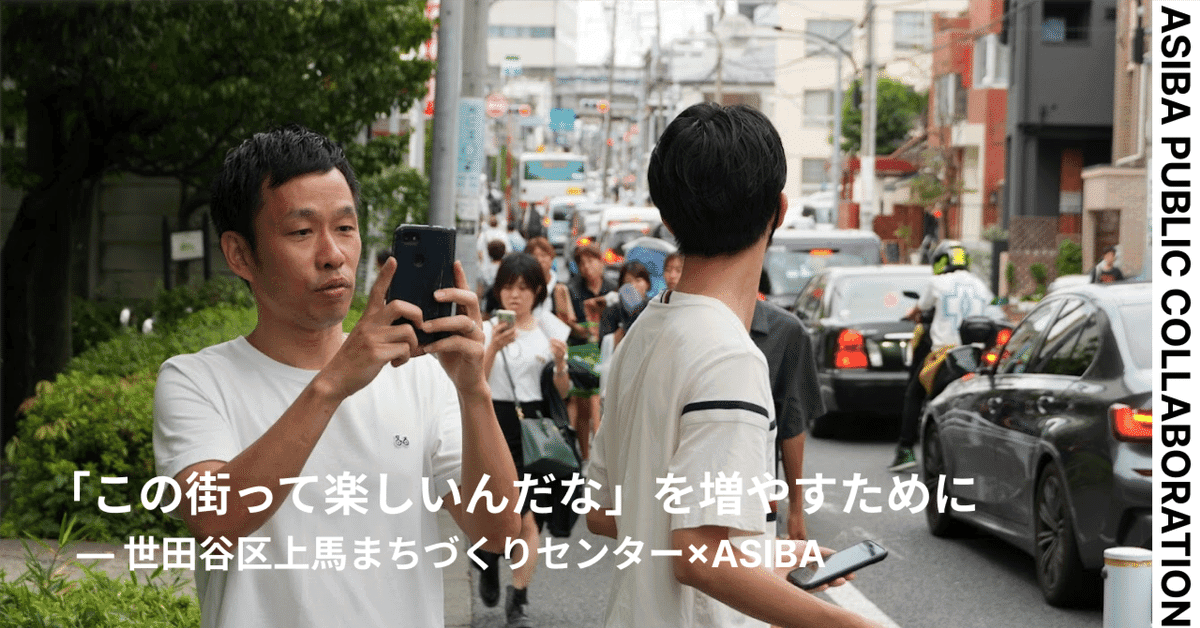
This workshop began with the question of how to bridge the communication gap between young people and local residents in a neighborhood where many young people live.
Setagaya Ward is home to many universities and has a high proportion of residents in their 20s and 30s. Within the ward, the Kamiuma and Komazawa areas feature a lush residential neighborhood with gentle slopes and tree-lined paths, as well as Komazawa University, where many students come and go.The Kamaba Community Development Center, operated by Setagaya Ward, has long created opportunities for community interaction by utilizing tools—such as disaster preparedness board games and puzzle-solving activities—that engage people of all ages, from children to adults. However, participation rates among people in their 20s and 30s in neighborhood associations and community development activities remain low.
In light of this situation, we planned a new interactive workshop that combines “hanafuda” with “image-generating AI” to foster communication through play.
Hanafuda is enjoyed by a wide range of generations and has the potential to serve as a common language. In this workshop, we aimed for participants to create their own “community hanafuda” cards featuring scenes from Kamaba, using the traditional hanafuda picture card layout as a motif.
Participants took a walk through the neighborhood, capturing everyday scenes, memories, and seasonal atmosphere hidden within Kamiuma and Komazawa on camera, while recording their memories and impressions of each location as voice recordings.Afterward, based on the photos they took, participants engaged in discussions around the Kamaba regional hanafuda generated by AI—which analyzed the recorded audio—and imbued the cards with stories and meaning.
In this way, using the images generated by AI as a medium,
Through this process, we designed a framework where people of all ages could think about and discuss the town they live in together. Please note that this was strictly a trial mini-workshop, and we limited participation to the younger generation, who are already familiar with technology.
We designed the workshop around the following three steps:
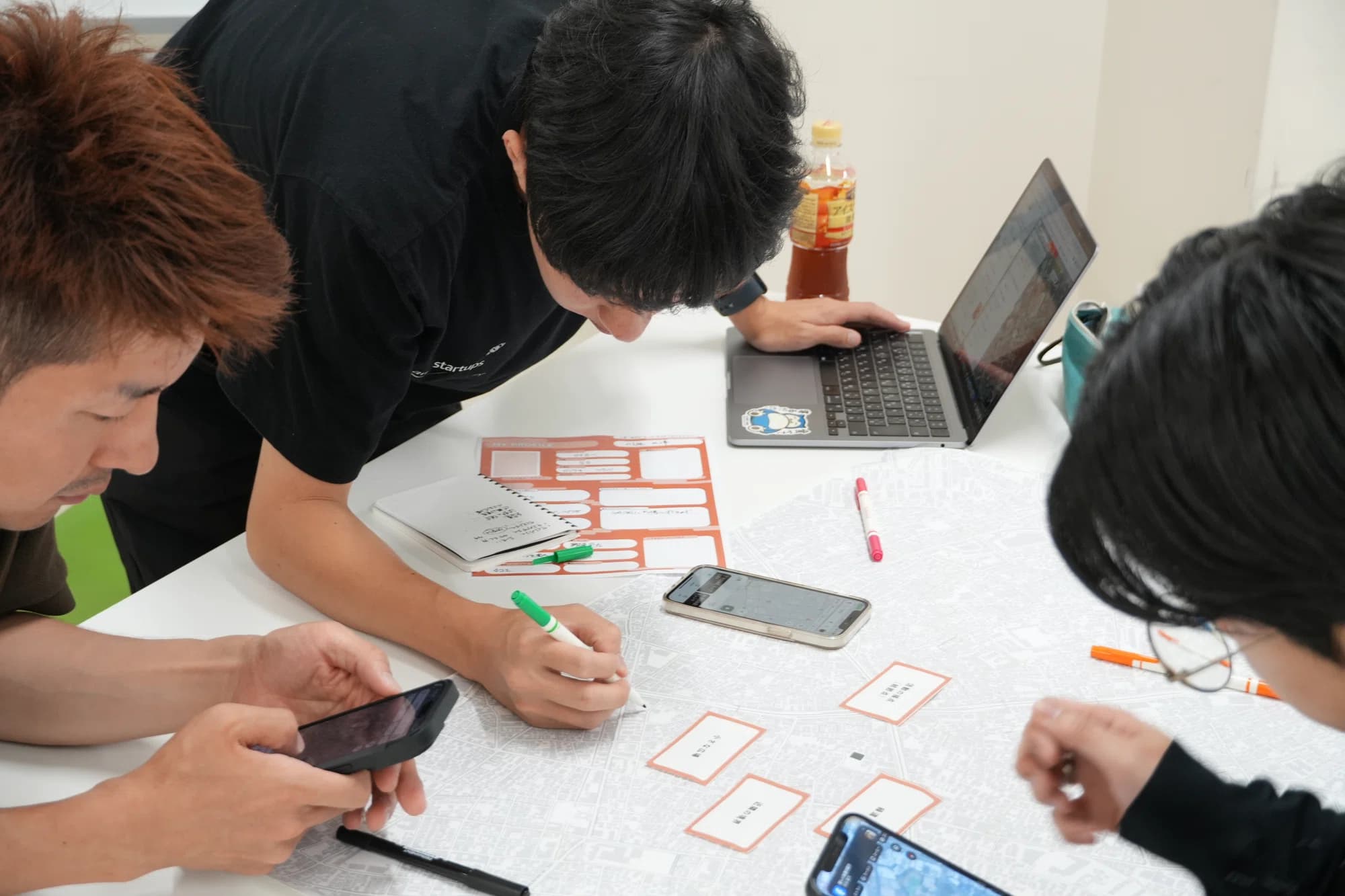
First, we drew on the concepts from Christopher Alexander’s “A Pattern Language” as a guide to capturing the characteristics of Kamaba and Komazawa.Participants observed distinctive scenes from everyday life—such as “alleys you can walk through,” “plantings along the roadside,” and “cafés where people stop to linger”—and recorded their thoughts on why each place left an impression and what kind of daily life they could imagine there using the workshop app.
The audio recordings made during the walking tour were transcribed, and AI analyzed the urban characteristics identified by each group to create prompts for image generation. For example, based on concrete descriptions such as “a lush, hidden-away café,” “a place to play surrounded by nature,” “street trees and overhanging foliage shaping the greenery along the road,” and “a slanted utility pole,” the AI used the following instructions to
, resulting in a total of four images (1 original, 2 “Good,” and 1 “Bad”).
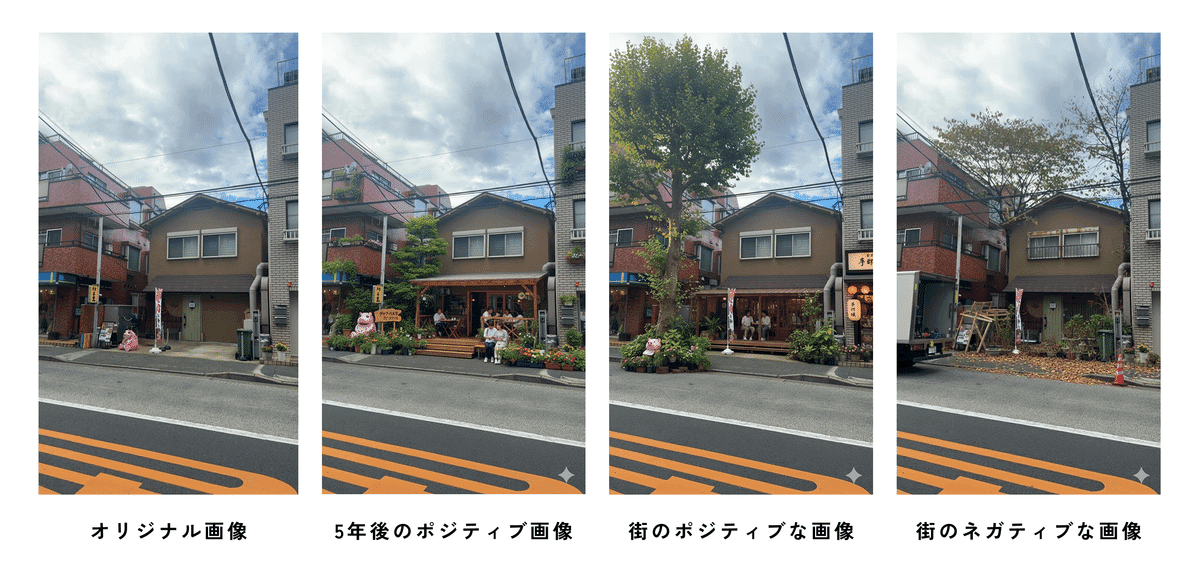
FIG.2
③ Combining the generated picture cards to create stories and roles
By combining the generated images with photos taken during actual walks through the town, we created regional hanafuda cards based on each of the 12 patterns derived from “Pattern Language.” Hanafuda features several hands that capture seasonal characteristics, such as “Boar, Deer, Butterfly” and “Red Short, Blue Short.” Following this example, participants arranged the picture cards to
Through this process of creating “hands,” we attempted to weave the patterns of Kamaba and Komazawa into a single storyline.
Each group selected patterns and routes
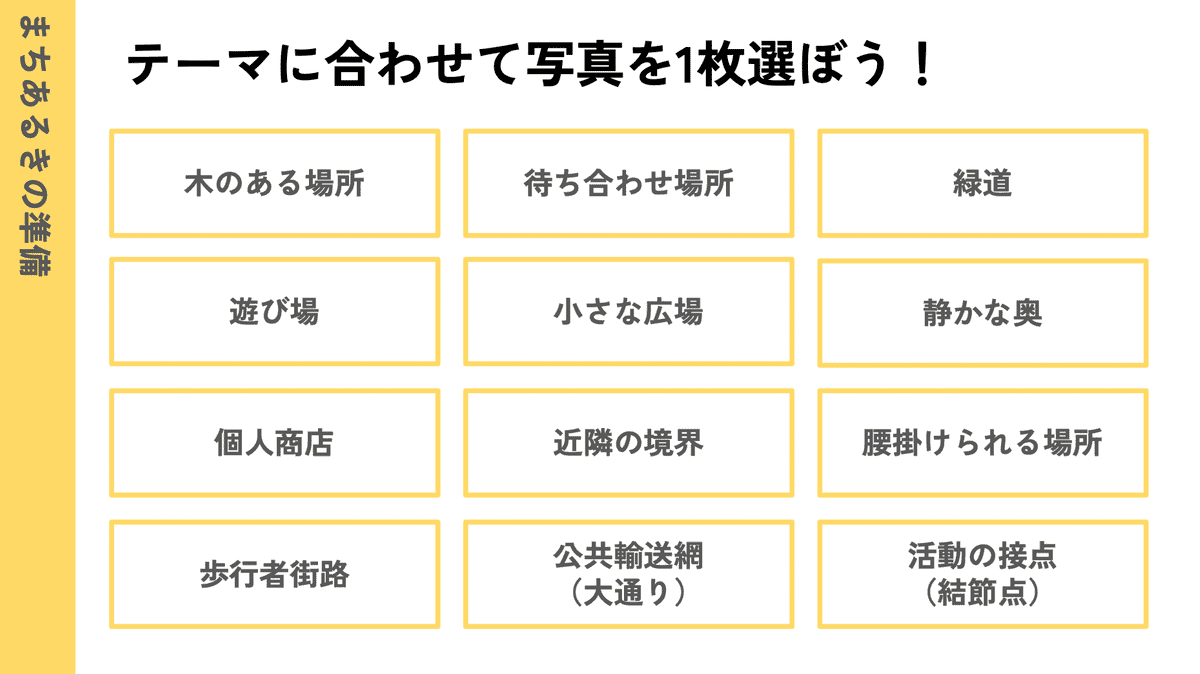
FIG.3
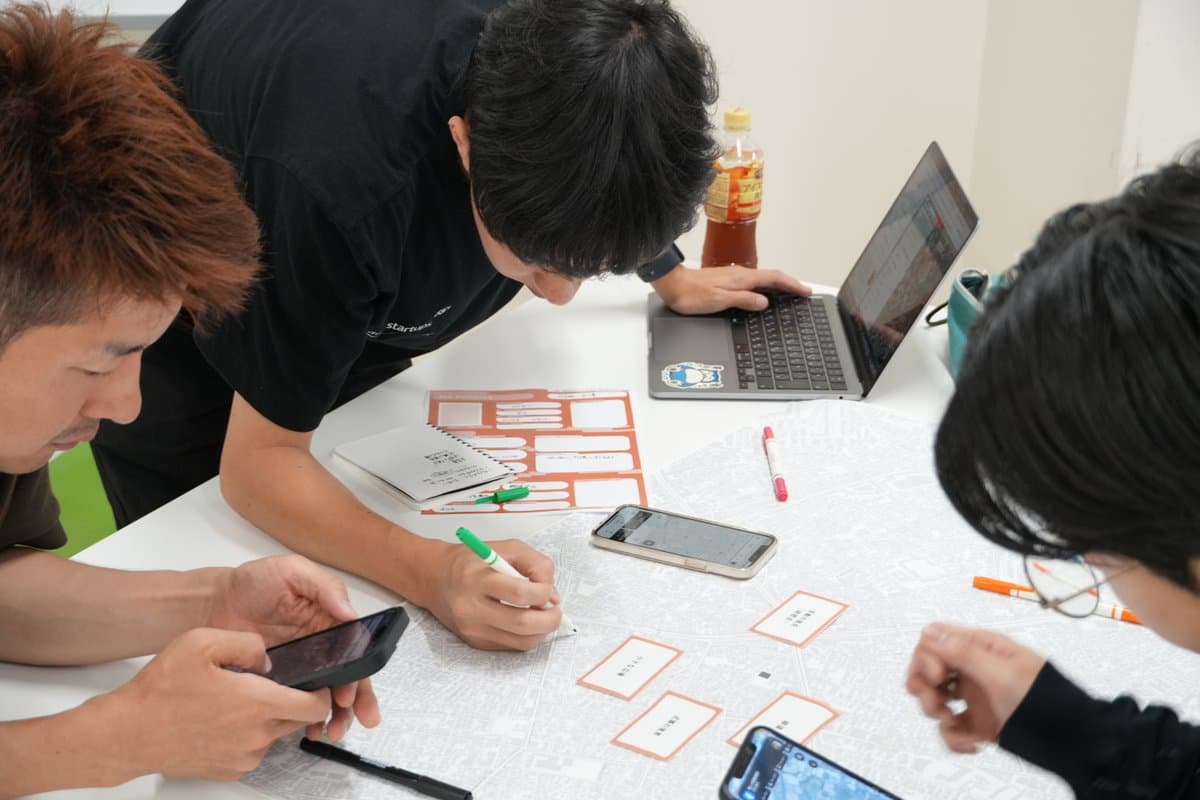
FIG.4
Walking Tour
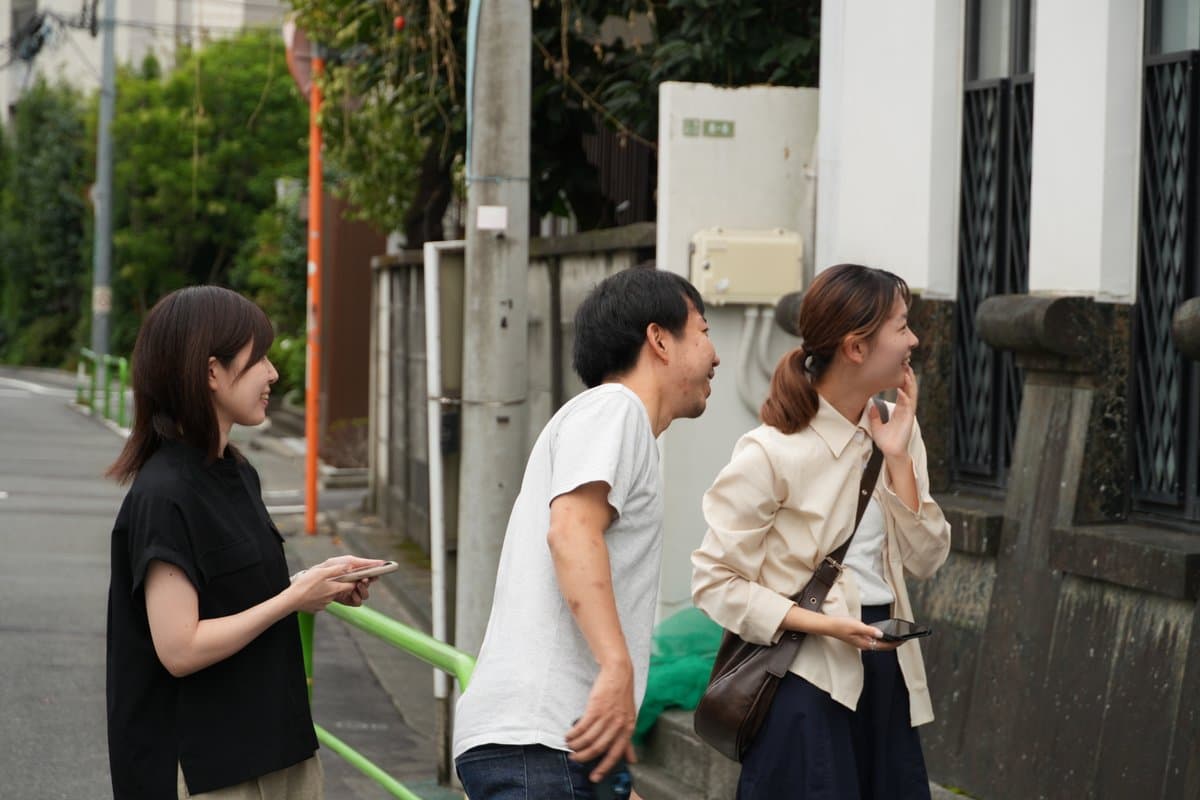
FIG.5
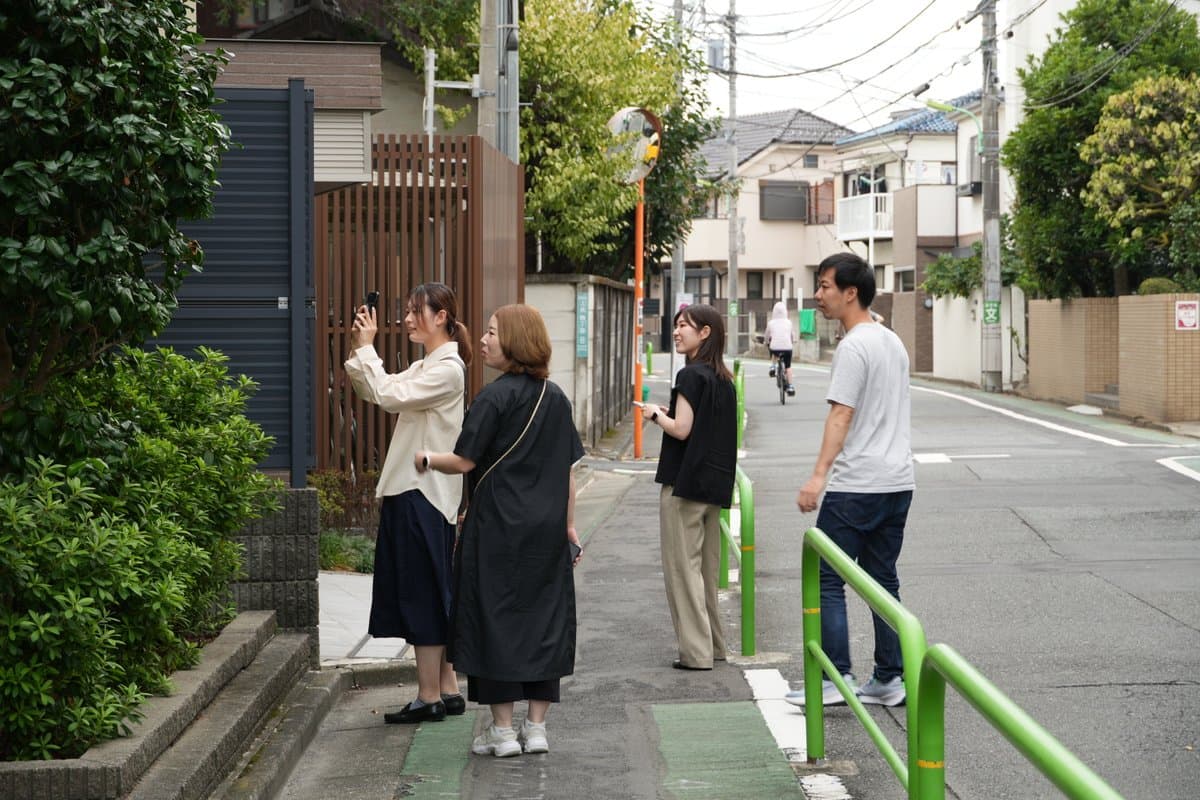
FIG.6
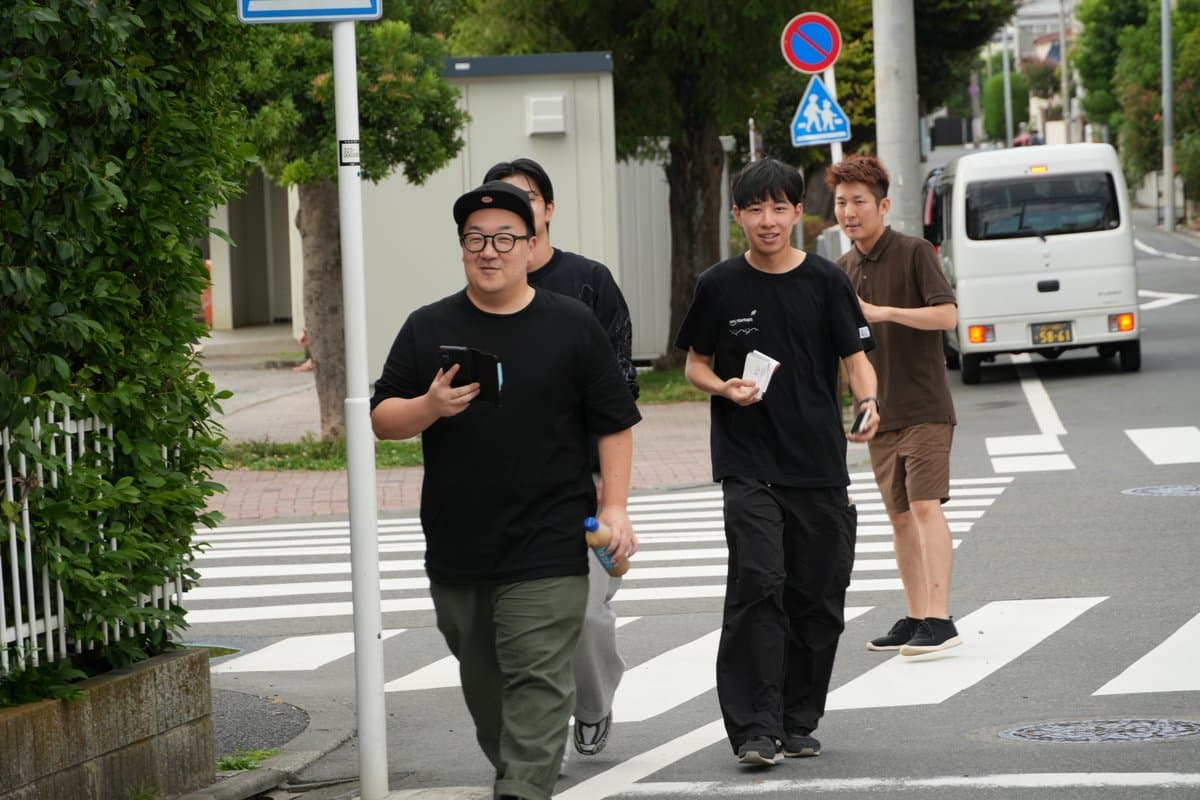
FIG.7
Selecting and sharing photos of the routes
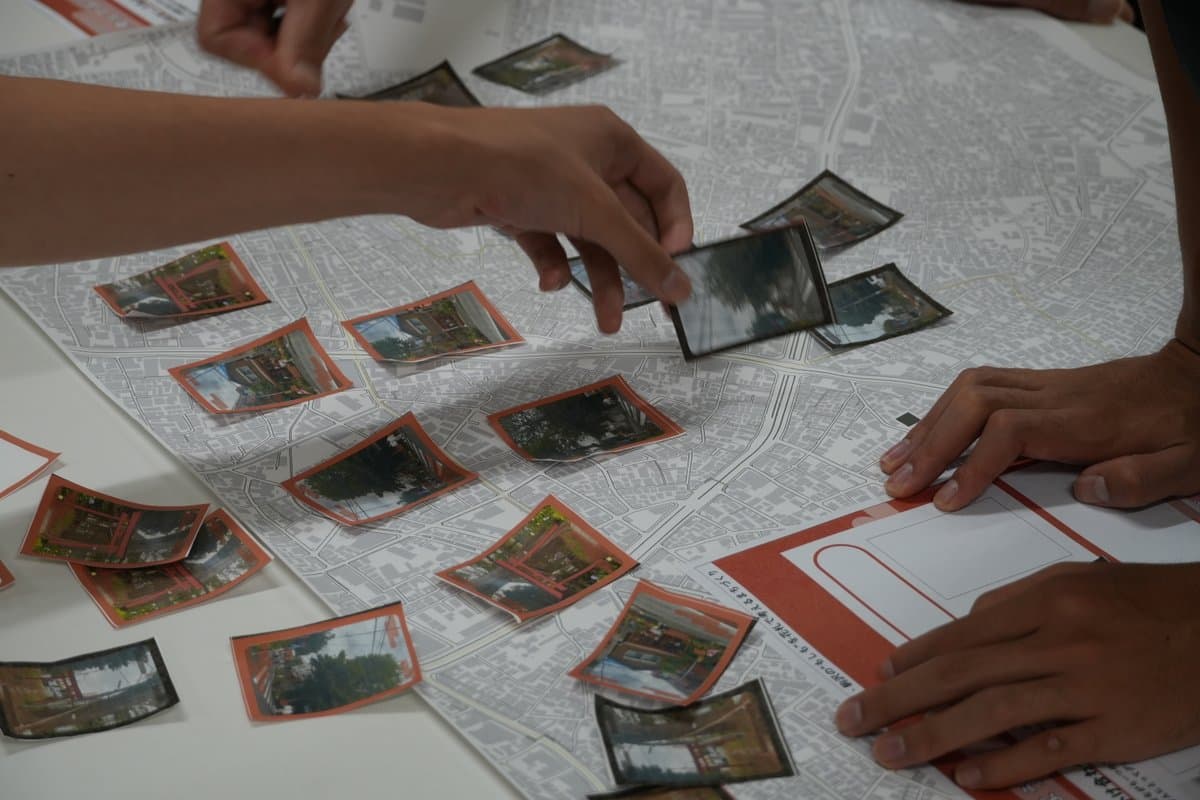
FIG.8
AI-Generated: Visualizing the “Good and Bad” of Landscapes
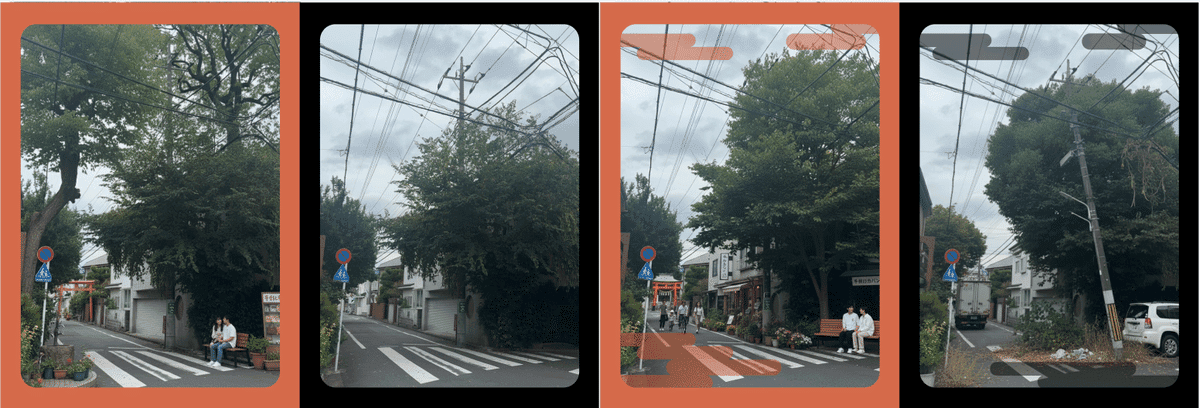
FIG.9
Storytelling: Telling the City’s Story by Layering Picture Cards
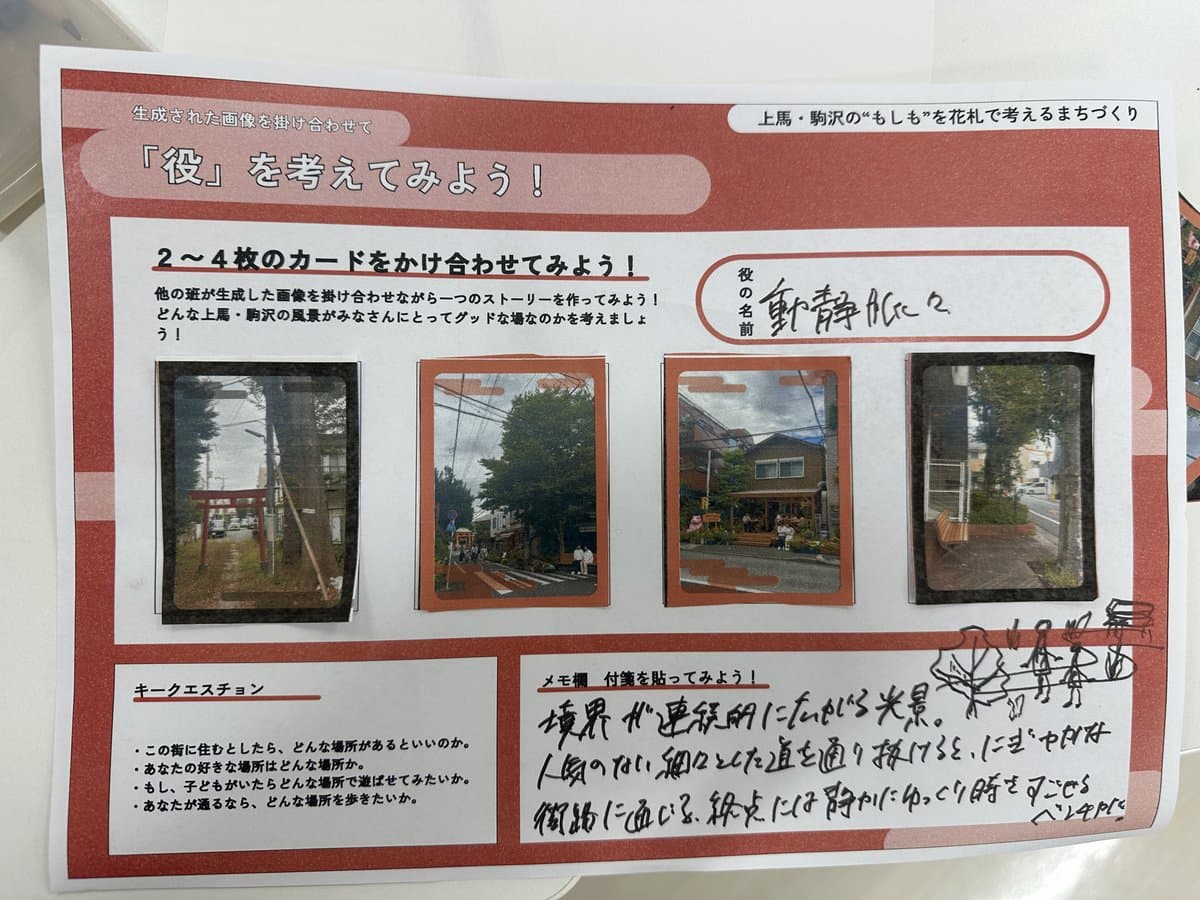
FIG.10
Story Presentation: Turning Over Kamaba Hanafuda Cards
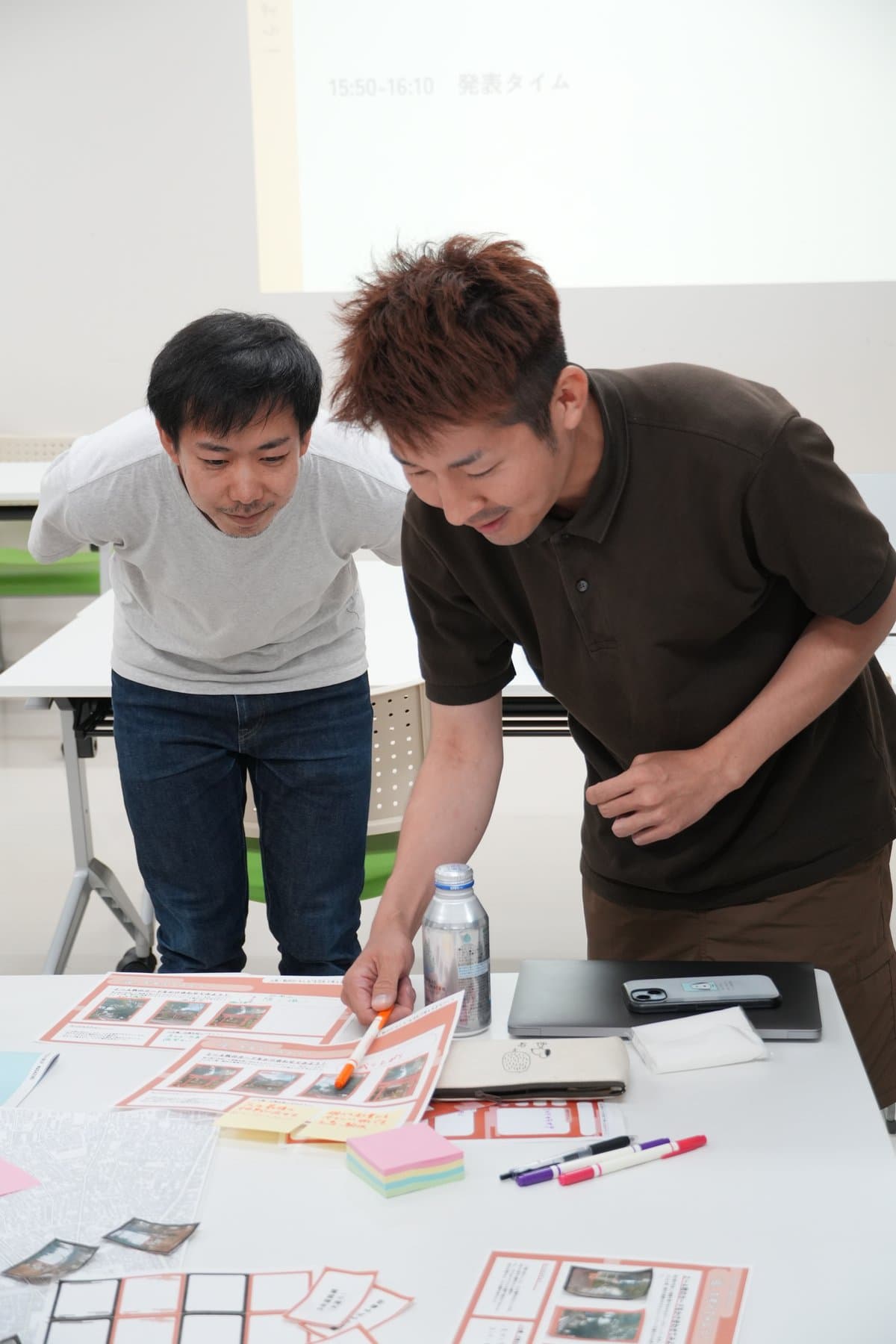
FIG.11
Through this workshop, walking through the city while linking our observations to patterns allowed us to notice subtle places and relationships that we would normally overlook, and to recognize them anew as “elements of the city.” It was also striking how the participants’ individual interests and narratives, reflected as AI prompts, gradually transformed our perception of the city itself. Through the process of “words → prompts → images → stories,” the participants’ perspectives gradually blended together, giving rise to a collaborative narrative of the city mediated by AI.
Thank you very much to everyone who participated.