FIG.1
On June 29, Wataru Nakayama, a second-year master’s student in the Graduate School of Frontier Sciences at the University of Tokyo and a participant in the first ASIBA Incubation Program, held an experimental performance of “Rakugo Space Ochiba” at TOKYO NODE LAB in Toranomon Hills! The rakugo project that Mr. Nakayama has been working on since last year has finally been implemented in society and borne fruit!
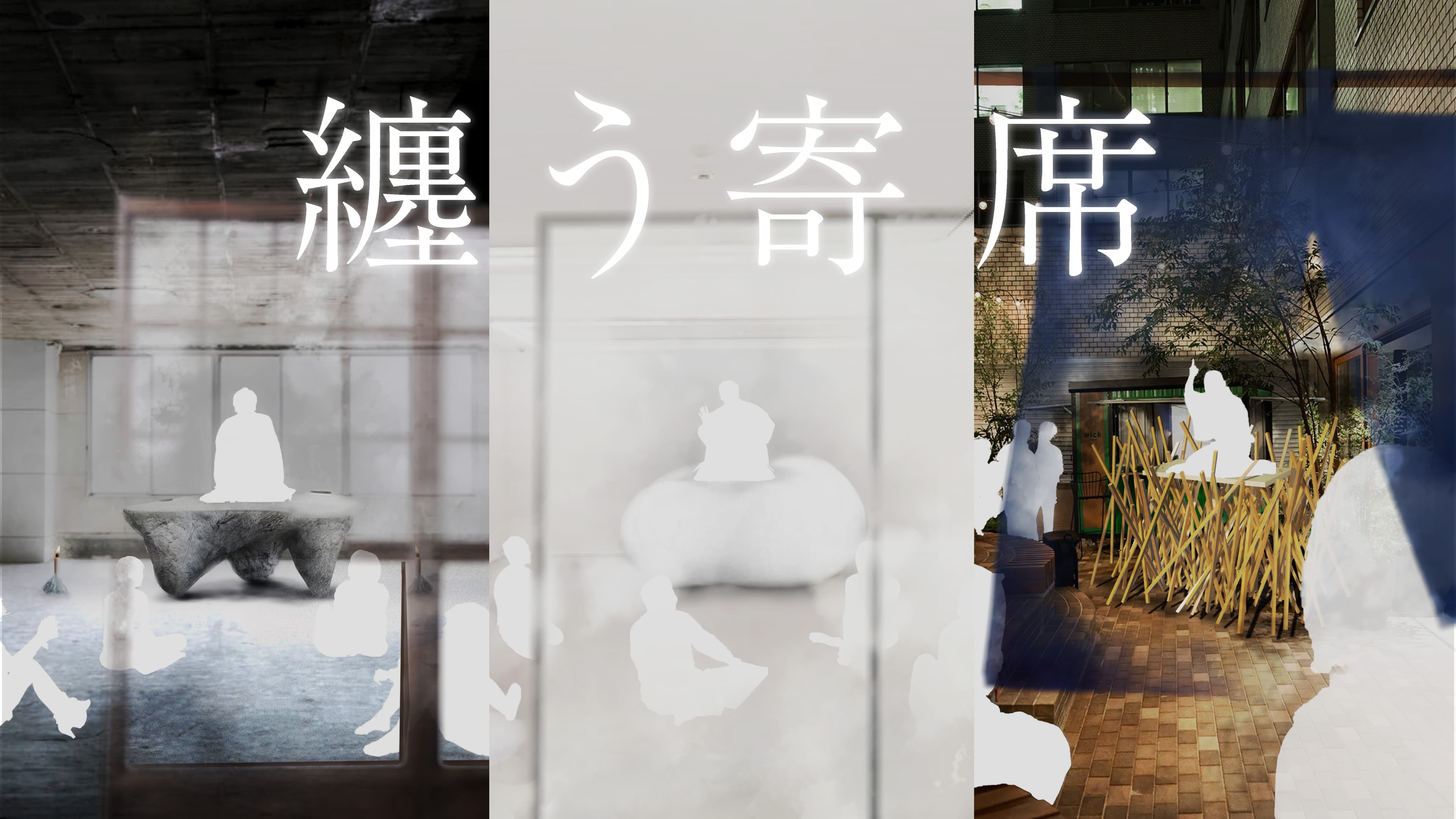
As part of the ASIBA Phase 1 Incubation Program, which began last October, Mr. Nakayama worked on realizing a rakugo space design titled “Matoi Yose.” He designed the stage space and entrance music based on rakugo performances, aiming to create an artistic form of rakugo that allows the audience to become fully immersed in the story’s world. This free-form “contemporary yose”—retaining only the minimal architectural elements necessary for rakugo to take place—was highly praised as a compelling proposal that foreshadows the arrival of a Reiwa-era rakugo boom, and she brilliantly won the Nikken Sekkei Award at the final pitch.
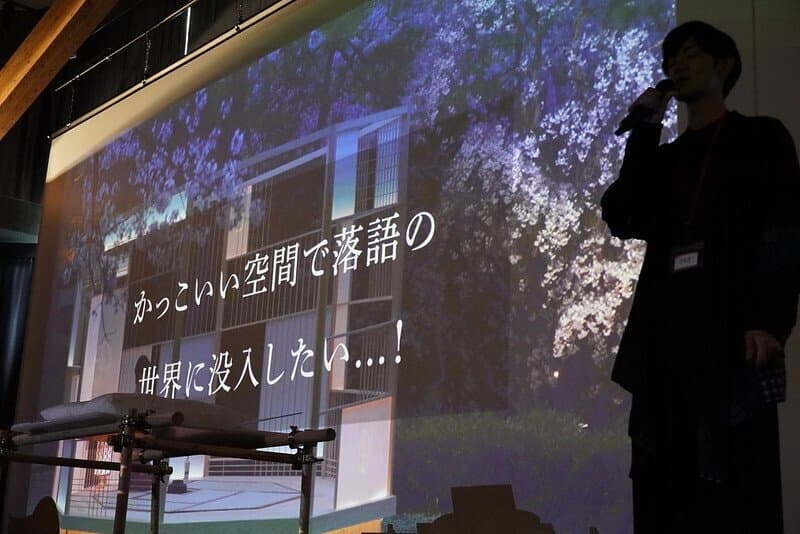
FIG.2
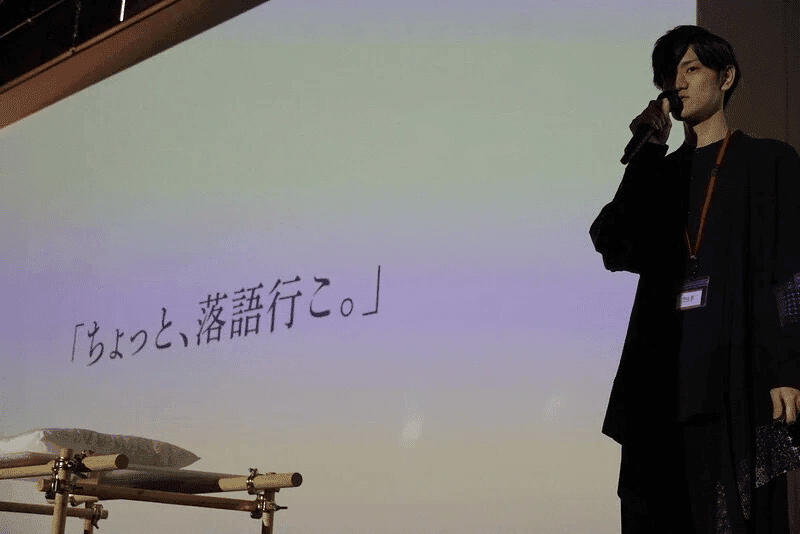
FIG.3
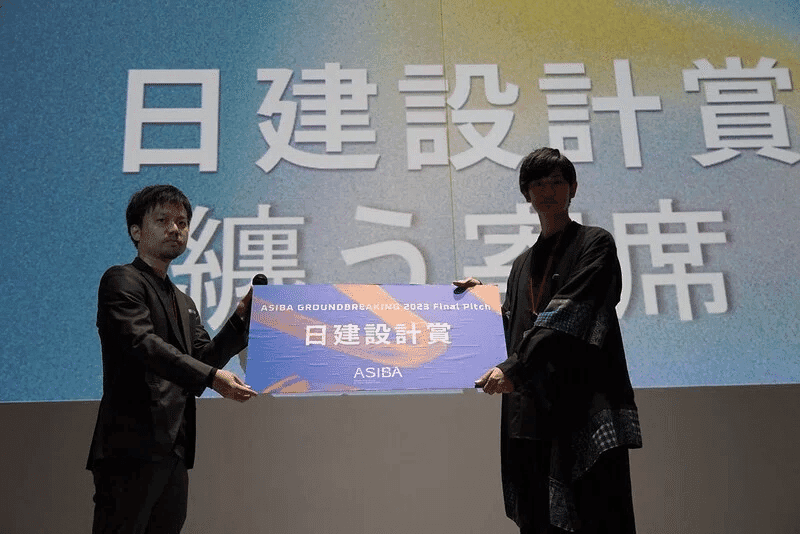
FIG.4
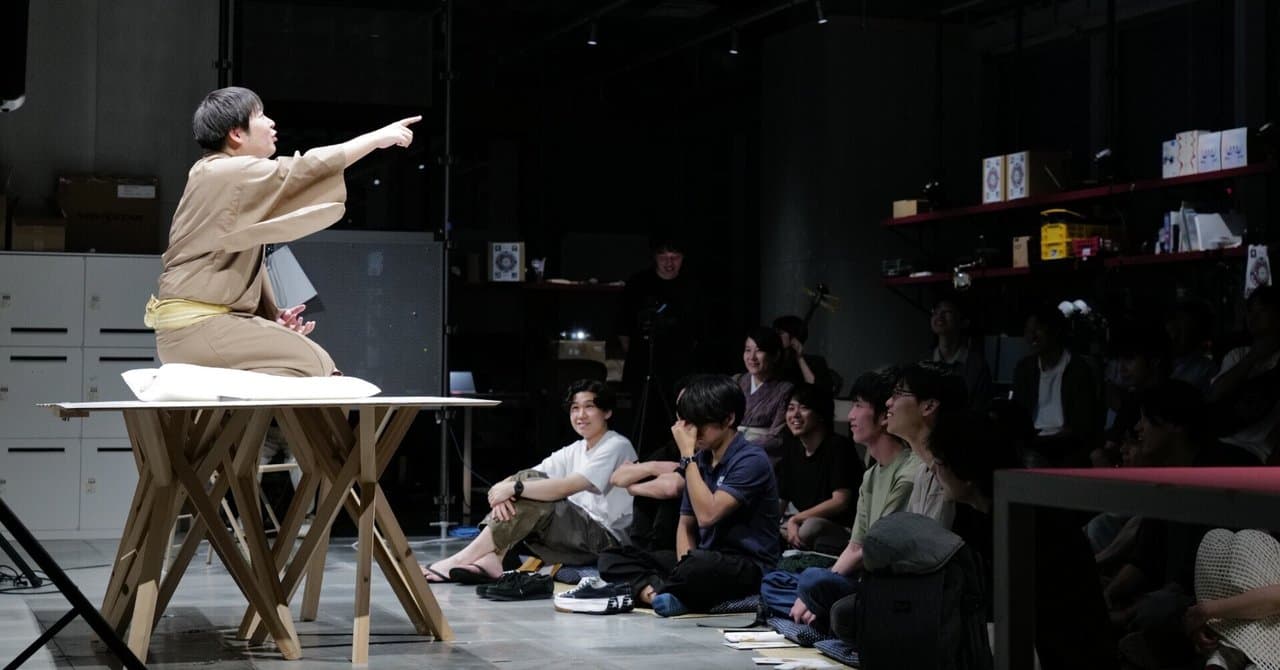
We continued to pursue the project with unwavering determination, and on Saturday, June 29, we finally held the performance as “Rakugo Space Ochiba Experimental Performance Vol. 01”! The event was held in two sessions, from 5:00 PM to 6:00 PM and 7:00 PM to 8:00 PM, and we welcomed a total of nearly 50 audience members.
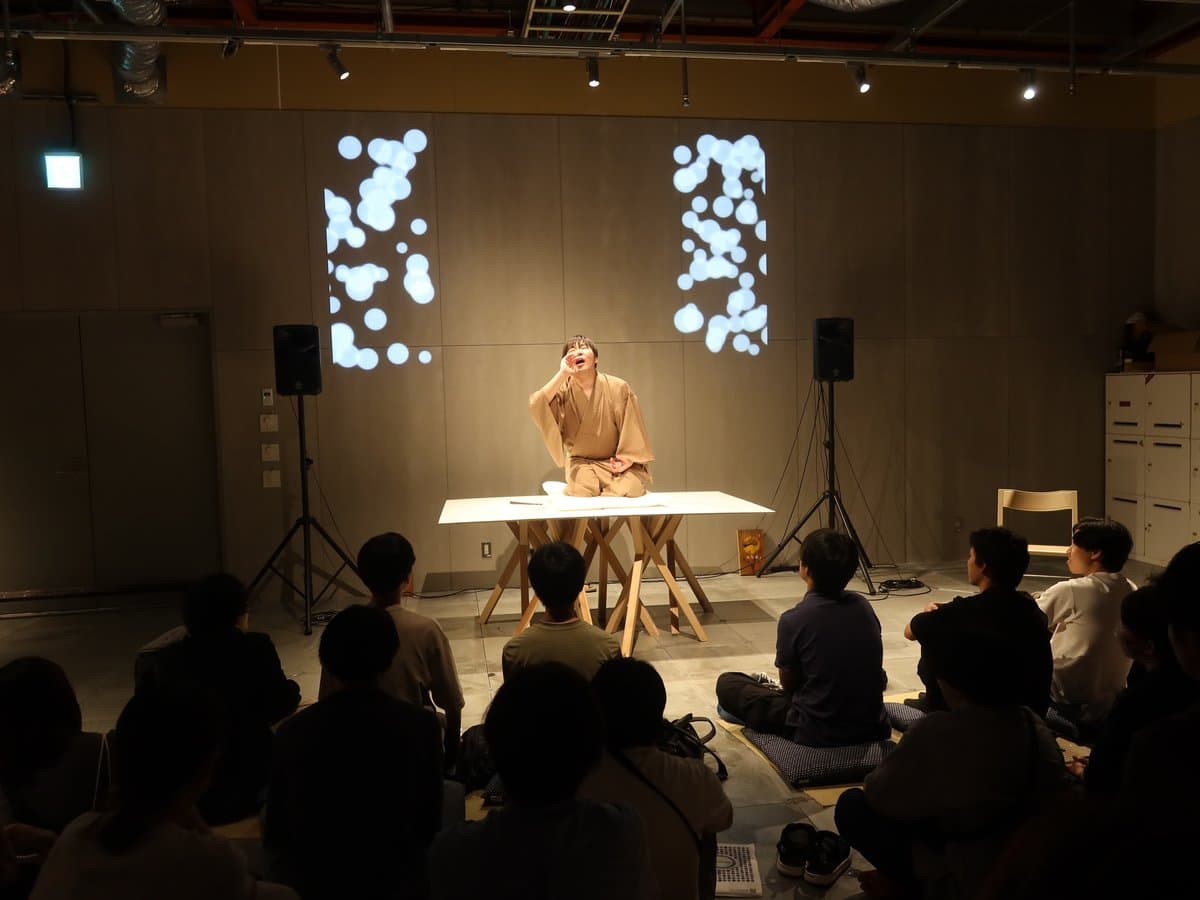
FIG.5
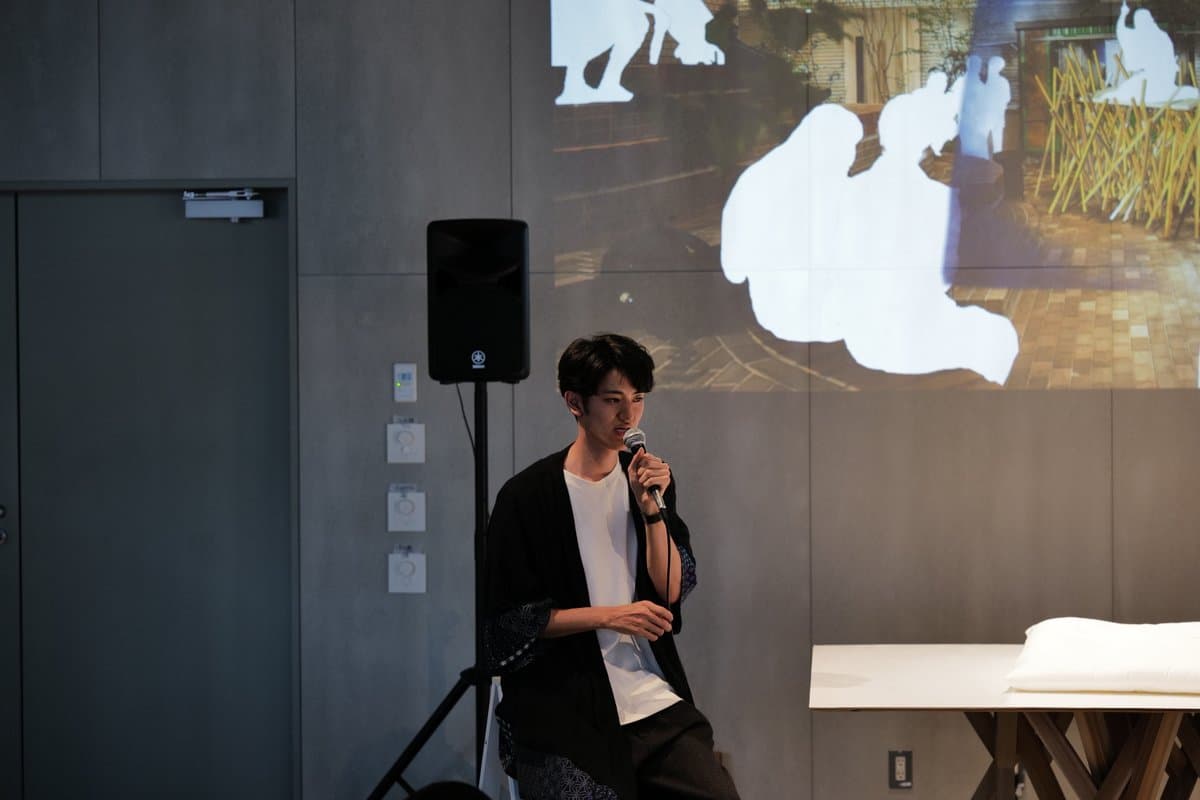
FIG.6
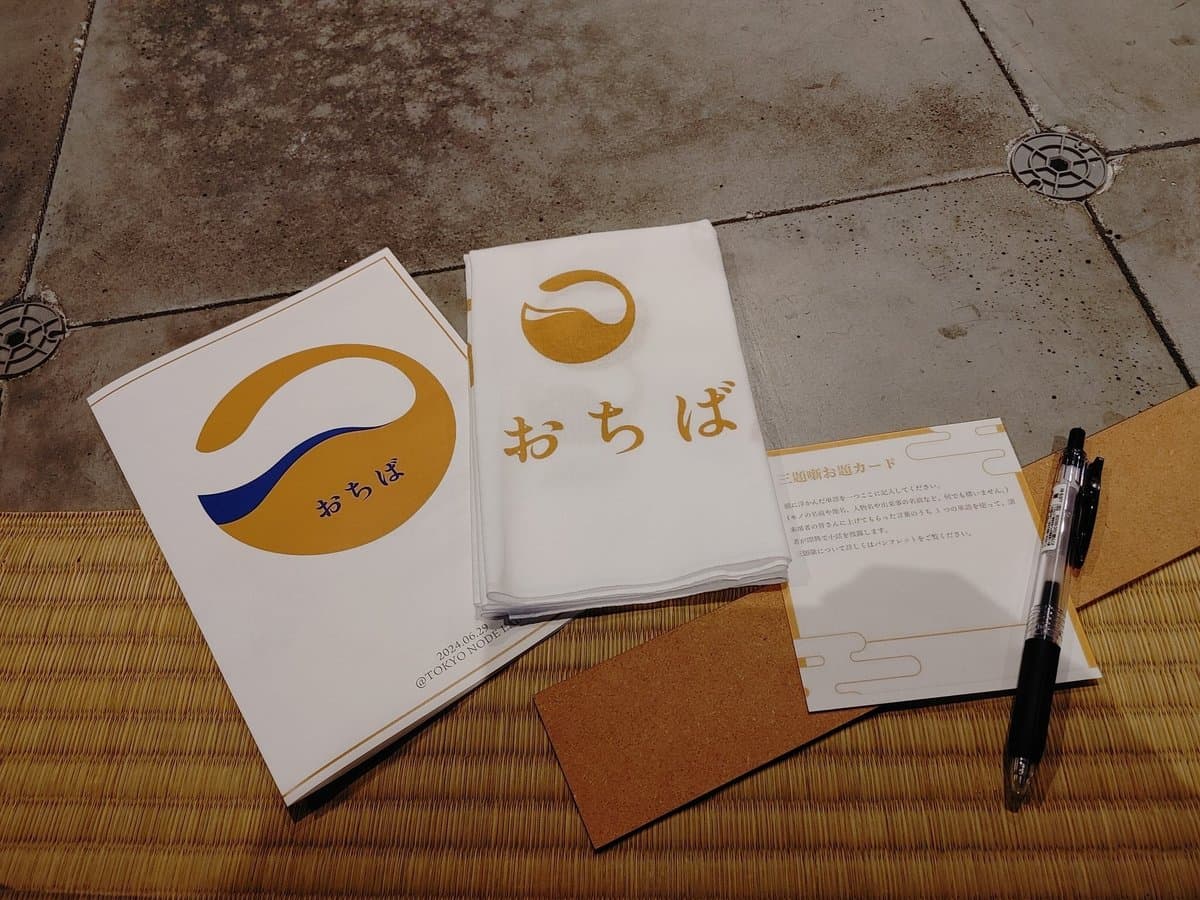
FIG.7
“Rakugo × Architecture”: Rakugo Space Ochiba is a project aimed at creating spaces in the city where people can immerse themselves in rakugo—places for “the punchline.” As the first step in this experimental performance, we broke away from the closed-off theater spaces typical of traditional rakugo venues. Set against the backdrop of TOKYO NODE LAB—a corner of Toranomon that could be called an “urban mountain range”—we performed the cheerful mountain-climbing story “Atagoyama.” By reexamining the core elements of rakugo—the stage, the opening music, the audience seating, the entrance, the folding screens, and the paper lanterns—from an architectural perspective, we reconstructed the “essence” of rakugo, an art form often called the “art of imagination.”We guided the audience into the imaginary world of Mount Atago. Moving forward, we will expand our “performance venues” into more open urban spaces. We hope you’ll continue to join us on this journey.
Miyata: Compared to the content of your lecture in the first term, what aspects have changed or shown growth?
Nakayama: Ever since the first term, I’d wanted to create some kind of space for rakugo. But why? Where? How? The details were still quite vague. In Mr. Tsugawa’s critique, he commented that it’s boring if it’s just “cool”—and that what’s important is skillfully integrating rakugo into urban spaces.Rakugo began when people with a gift for storytelling would perform on the side of the road, and passersby would stop to listen. I thought it would be interesting to go back to the essence and original origins of rakugo and hold performances in various ordinary urban locations. But you can’t create a space just by setting up a stage.I wondered if we could utilize architectural design to create a temporary rakugo space in the urban environment and help the audience become immersed in the performance. For example, both the stage and the audience seating are constructed using timber framing.While the design evokes the rakugo piece “Atagoyama,” I believe it’s important to create the space using a common set of rules. That becomes a shared form of “noise”—a subliminal “white noise.” Even if we perform in urban spaces with a higher volume of surrounding information in the future, I believe we can create a dedicated space for rakugo by enveloping the audience in this shared noise.
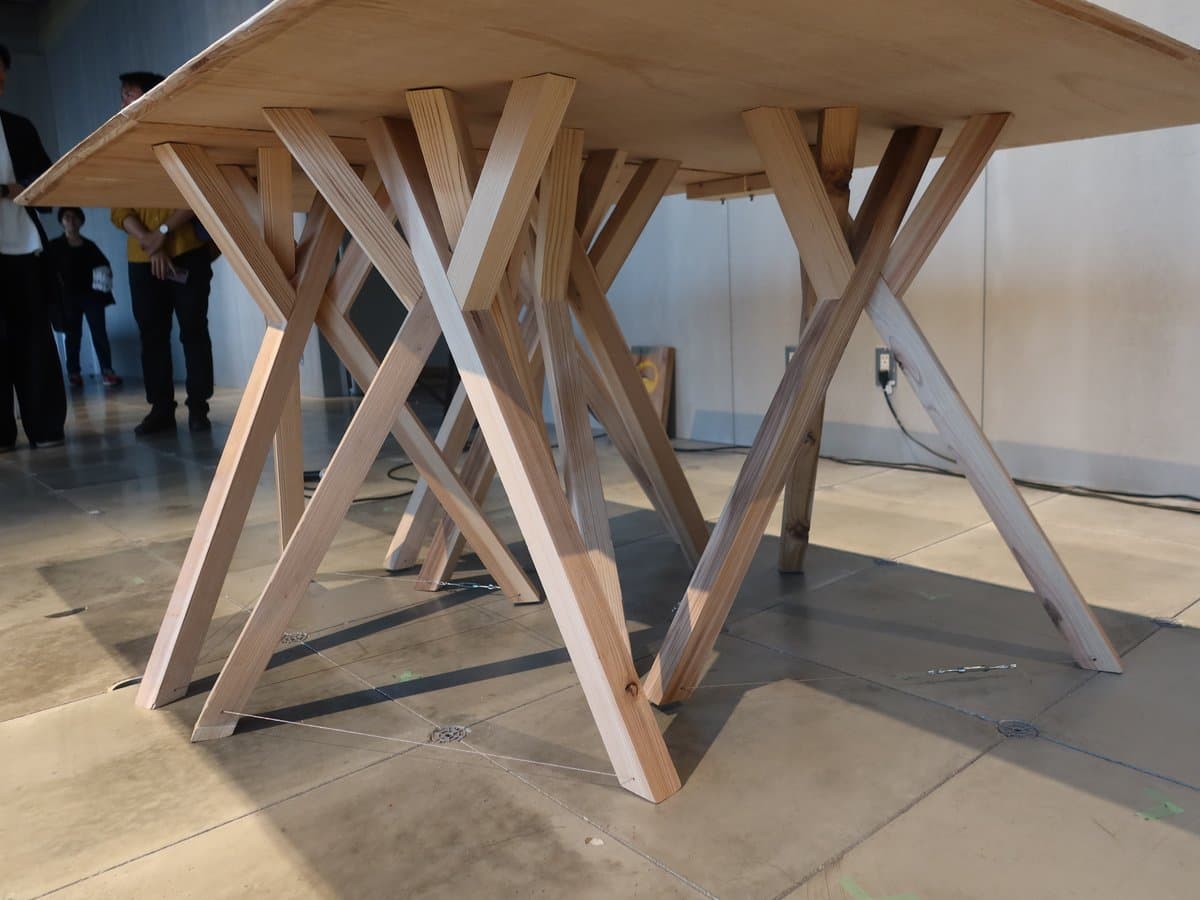
FIG.8
Miyata: How do you plan to move forward with the “Fallen Leaves” project?
Nakayama: I think many elements—such as the video footage playing in the background and the lantern designs—were still somewhat disjointed. I’d like to develop a design concept that allows us to create a more cohesive, unified space. Next, I want to do it outdoors! There are still so many unresolved issues—like equipment, crowd flow, how to handle passersby, how to deal with the weather and climate, and even where to hold it. But we’re planning to hold an experimental outdoor performance in August. Ultimately, I want rakugo to be performed guerrilla-style, casually and as part of everyday life, in various locations throughout the city.If we over-engineer it and create something too rigid, it raises the barrier to entry for rakugo. Since I want to make it more accessible, I’d like to bring many simple, low-key productions to life. However, since I’m heading to Vienna to study abroad this fall, I’m still figuring out what to do about the performances. Maybe “Rakugo Space Ochiba” could even expand overseas??
(Text by Tatsuya Miyata)
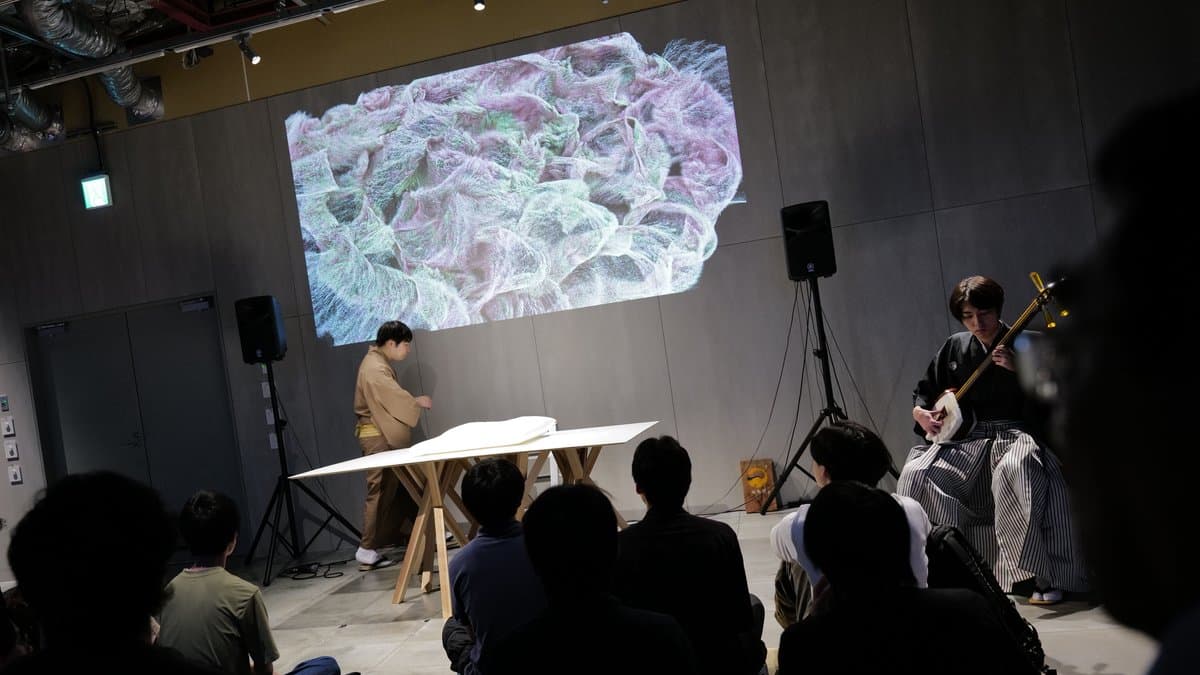
FIG.9
Credit
CREATIVE-WORK
Wataru Nakayama