ASIBA Creative Incubation Program 1st
Eight weeks in which architecture students built a foothold as the ‘next generation of makers’
For students of architecture and urbanism, the hurdle to experiment with and implement their own ideas in society is high, and many strong visions end up living only on a presentation board. “ASIBA Creative Incubation 1st” was launched by student volunteers to break through this challenge — an incubation program dedicated to the field of architecture. About ten participants who passed the selection process came together and ran through a cycle of research, business planning, and demonstration testing over eight weeks. Rather than waiting for a client's brief or a competition, the program aimed to cultivate an entrepreneurial stance: presenting the vision of society you want to draw, and growing it as a venture. With guidance from leading mentors, this self-organized, seminar-style project set out to let architecture students build a foothold as the “next generation of makers.”

FIG.1 © Tamao Nishiyama
Phase 1: The First Step
In the fall of 2023, a group of architecture students from the University of Tokyo and Waseda University planned and organized the first cohort of “ASIBA” (Architecture Studio for Impact Based Action), an incubation program specializing in the field of urban architecture and aimed at architecture students.Approximately 10 participants were divided into nine teams and, over eight weeks on Saturdays, went through a cycle ranging from research to business concept development and pilot testing. True to its name, ASIBA is a foundational program—a “first stepping stone” (ASIBA)—aimed at connecting architecture students’ “visions for the future” to real-world implementation.
Climate change, population decline, and social division. As cities and the human environment face serious challenges, there is a growing need to redefine the role of architects. However, significant barriers still exist when it comes to experimenting with and implementing the “visions for the future” conceived by architecture students in society.Creative ideas often remain confined to presentation boards and are absorbed into the university’s evaluation criteria. Talented young people fall into self-doubt and leave the industry.ASIBA was born out of a desire to challenge this structure. Rather than waiting for client briefs or competitions, we present our own vision of society, create prototypes, and generalize them in a practical and effective manner. Drawing inspiration from MIT designX, we aim to foster a “next-generation of architects” with an entrepreneurial mindset.
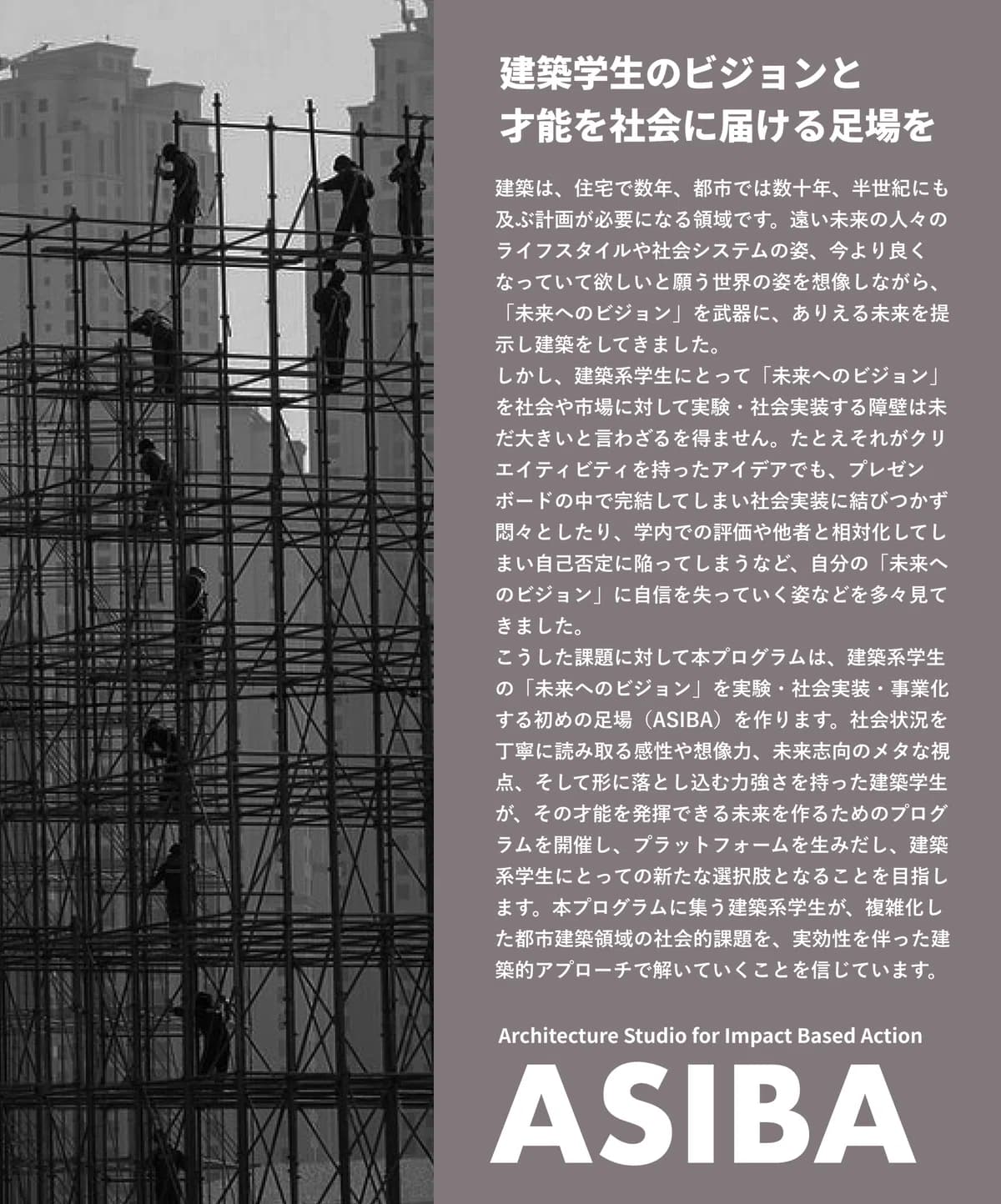
FIG.2
A Program as an Independent Seminar
The 8-week program proceeded with a weekly cycle of guest lectures, workshops, and sketch presentations. Architectural social entrepreneurs and developers participated as mentors, providing ongoing support from both the perspectives of social impact and business design.
An interim review session was held in Week 4. In the final week, the final review session, “GROUNDBREAKING,” took place. Participants presented the business proposals they had refined over the eight weeks to partner companies and stakeholders; those with sufficiently robust proposals to proceed to a proof of concept (PoC) were given the opportunity to secure funding for the PoC.
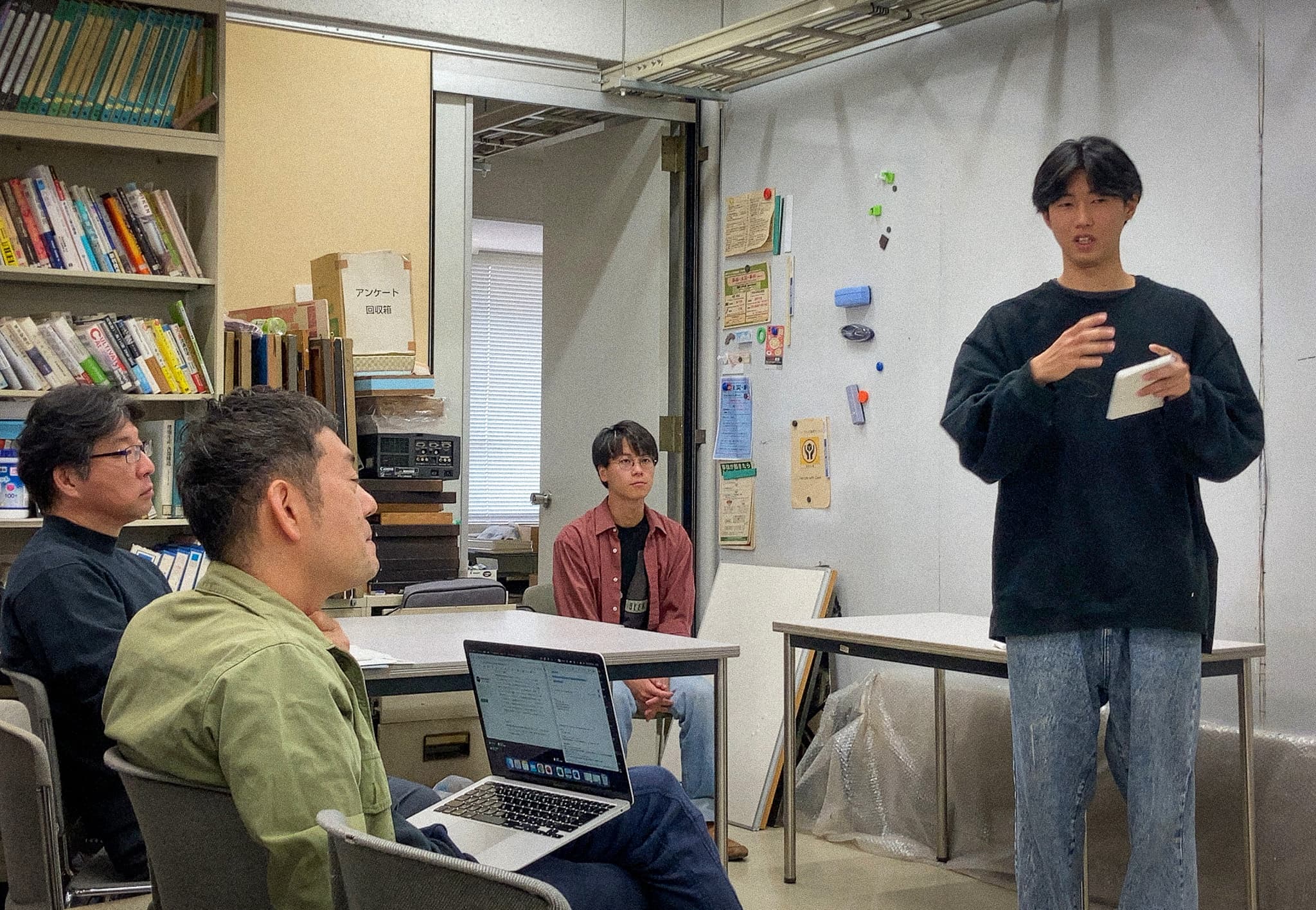
FIG.3
Nine Projects: Their Questions and Methodologies
Nine teams aimed for social implementation in the field of urban architecture, starting from their respective problem awarenesses
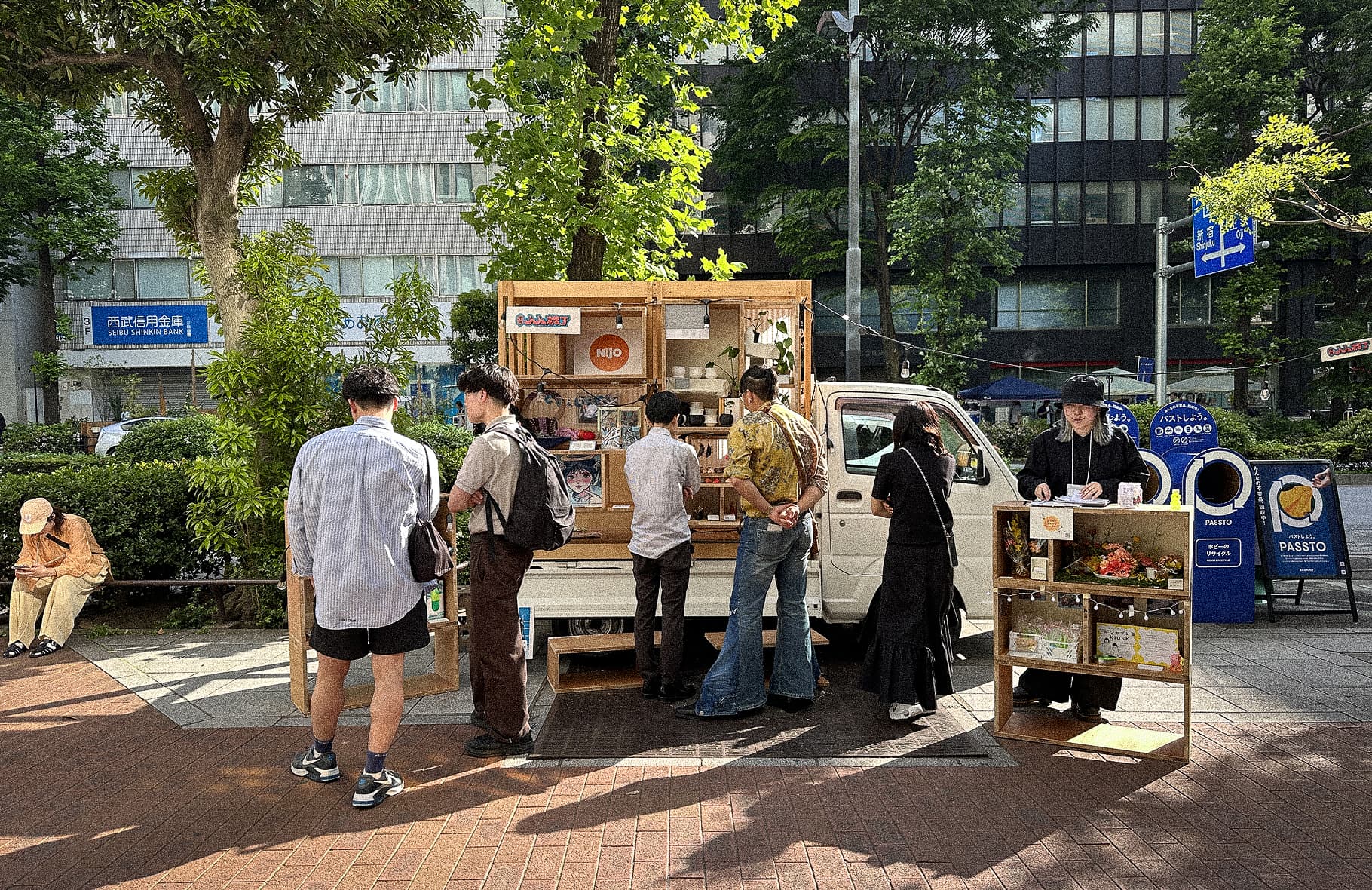
- Two-Tatami Architecture (Shiori Niimi, Riko Yoshimura)
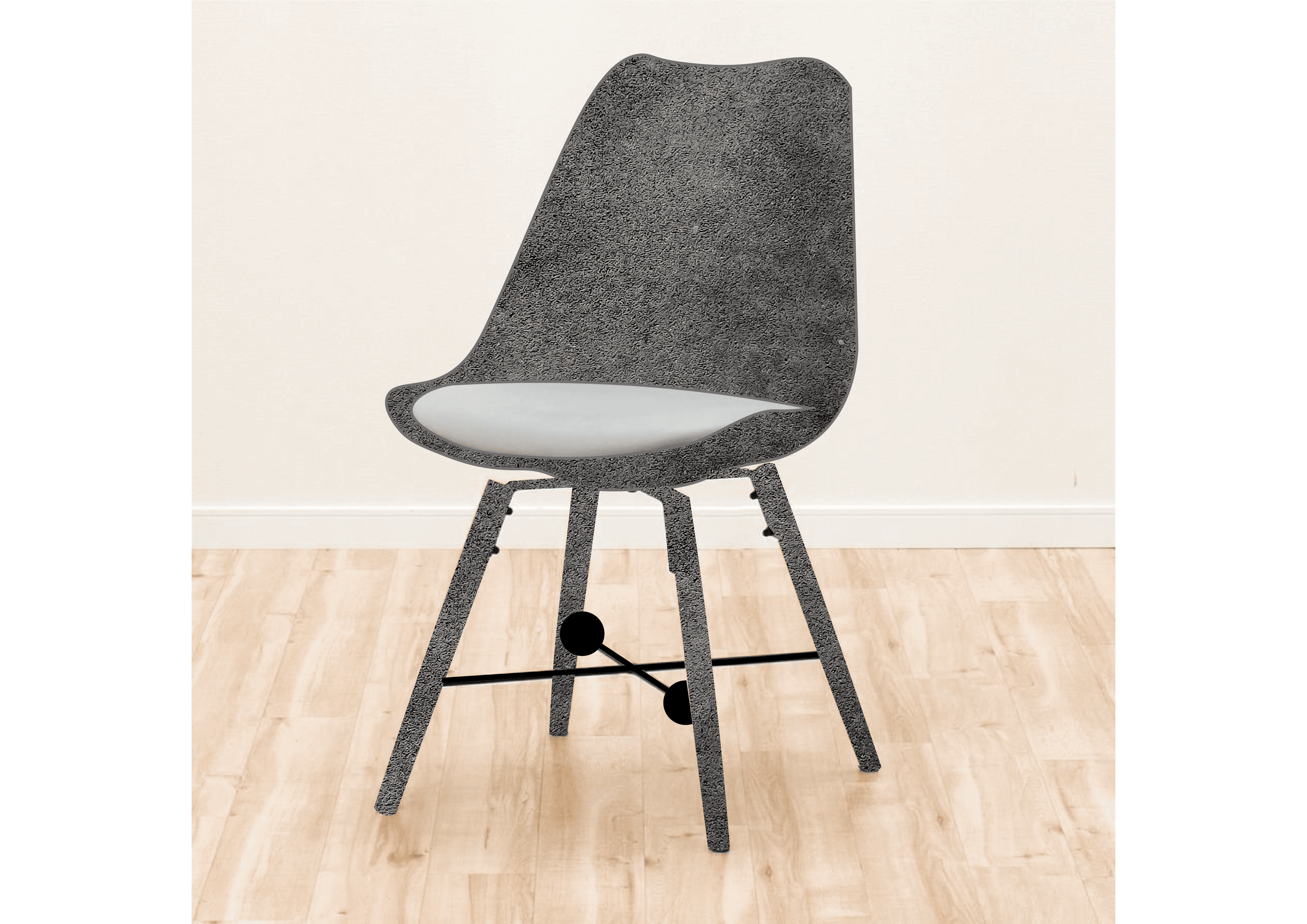
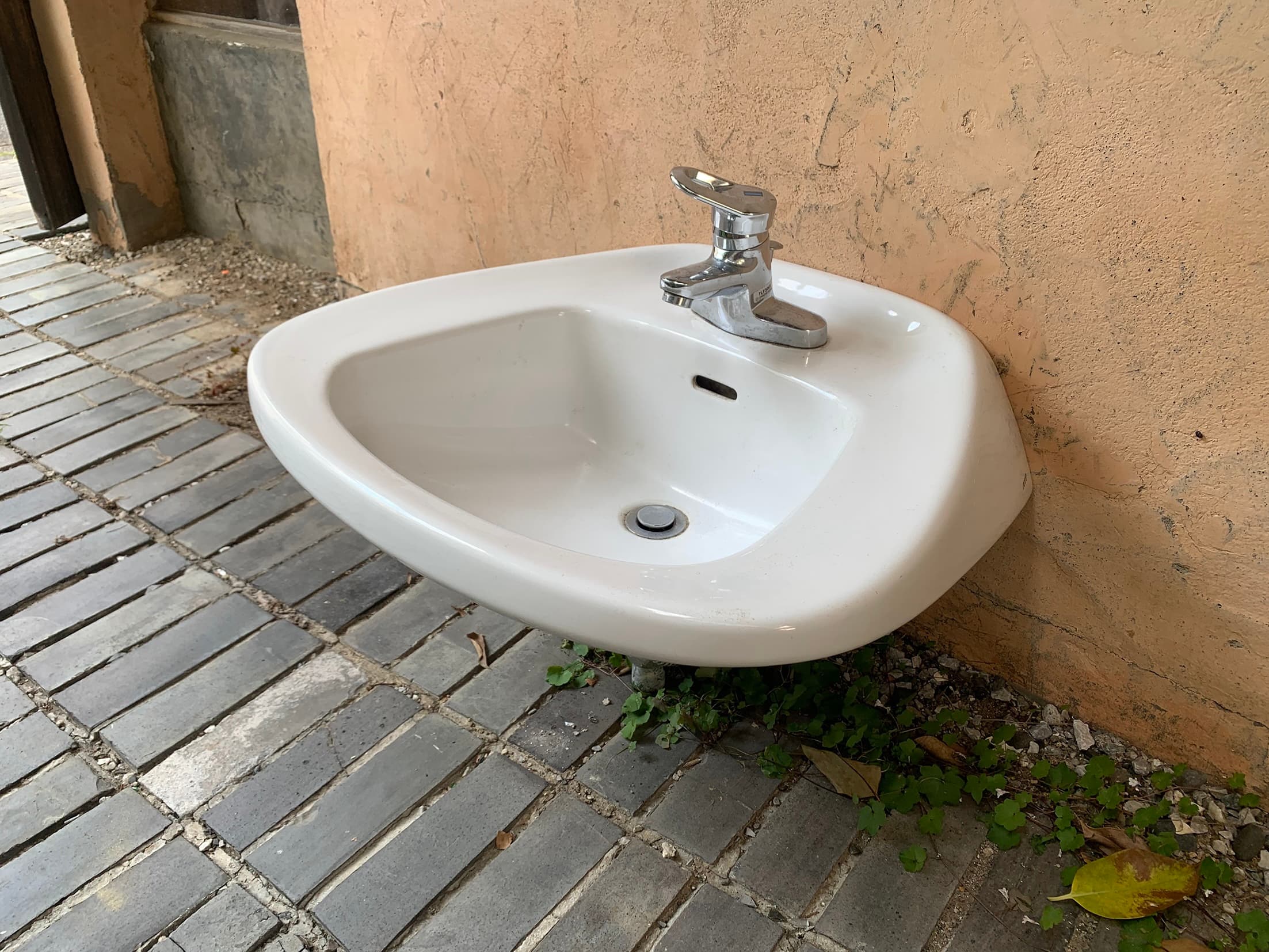
: Designing and selling small-scale structures that fit within the standard dimensions to be loaded onto the bed of a light truck - Bringing New Value to Used Furniture (Yasuyuki Morita)
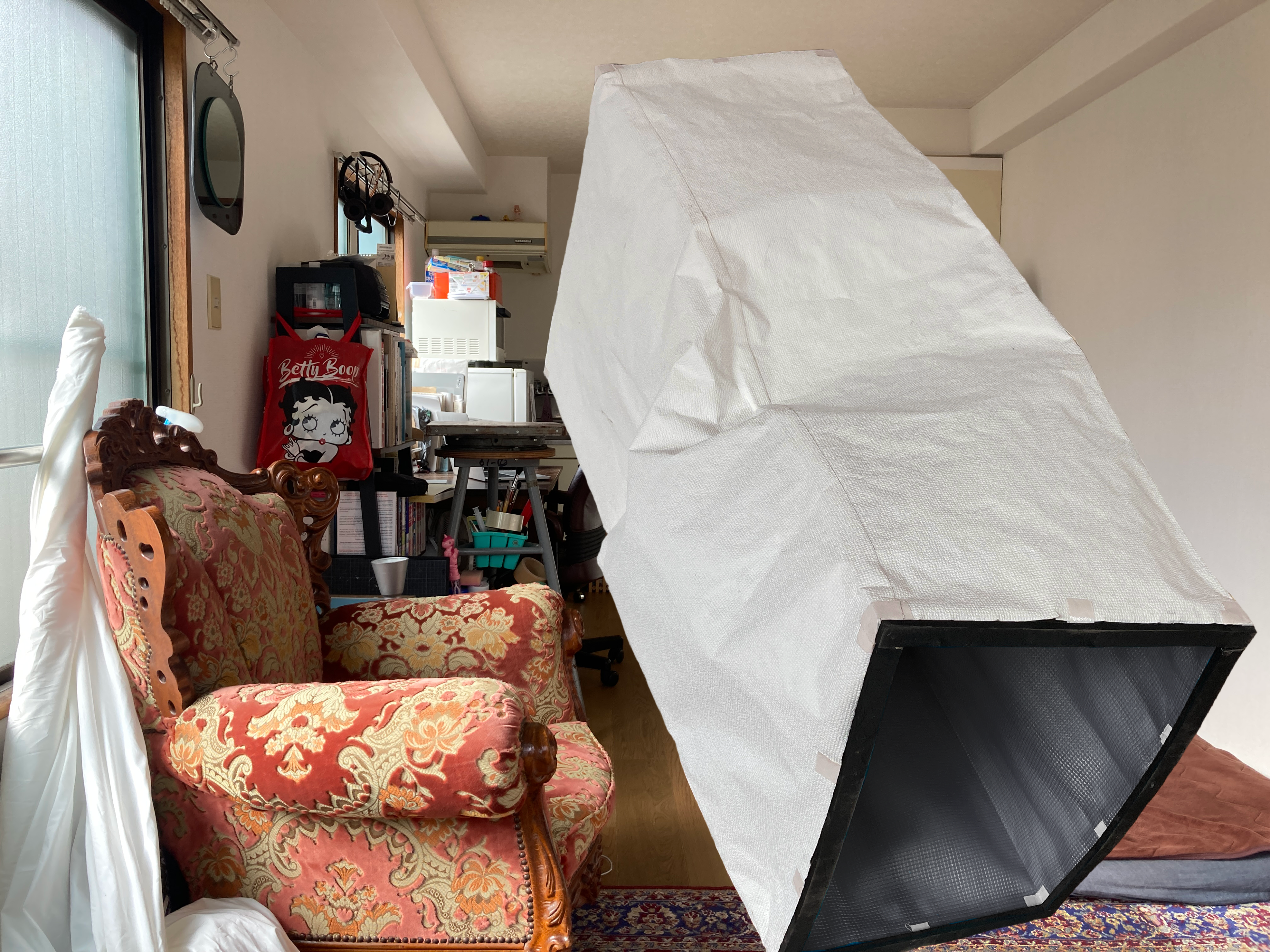
: Attaching accessories to used furniture that is broken or missing parts - Problem/Pochant (Yusuke Baba)
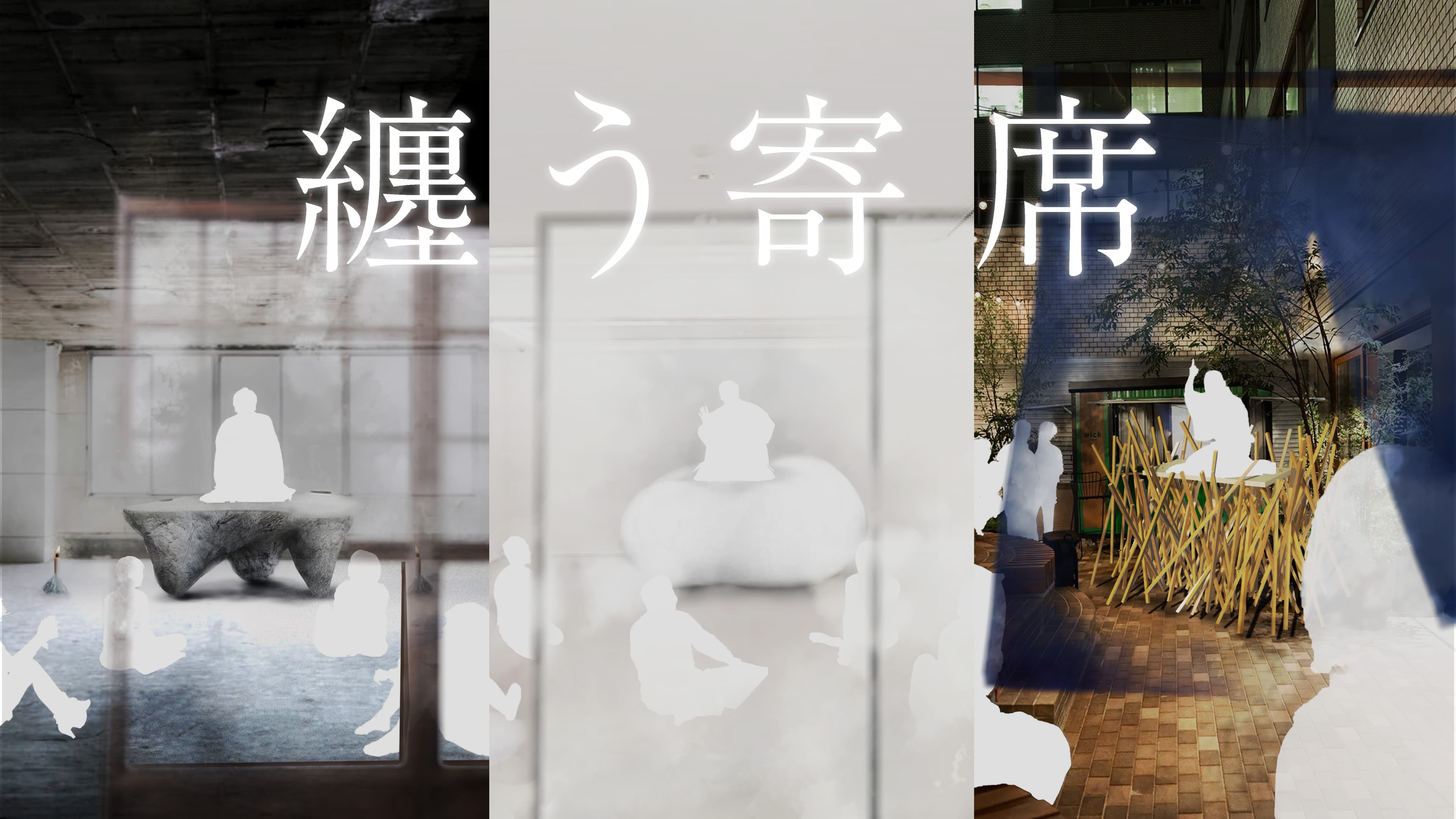
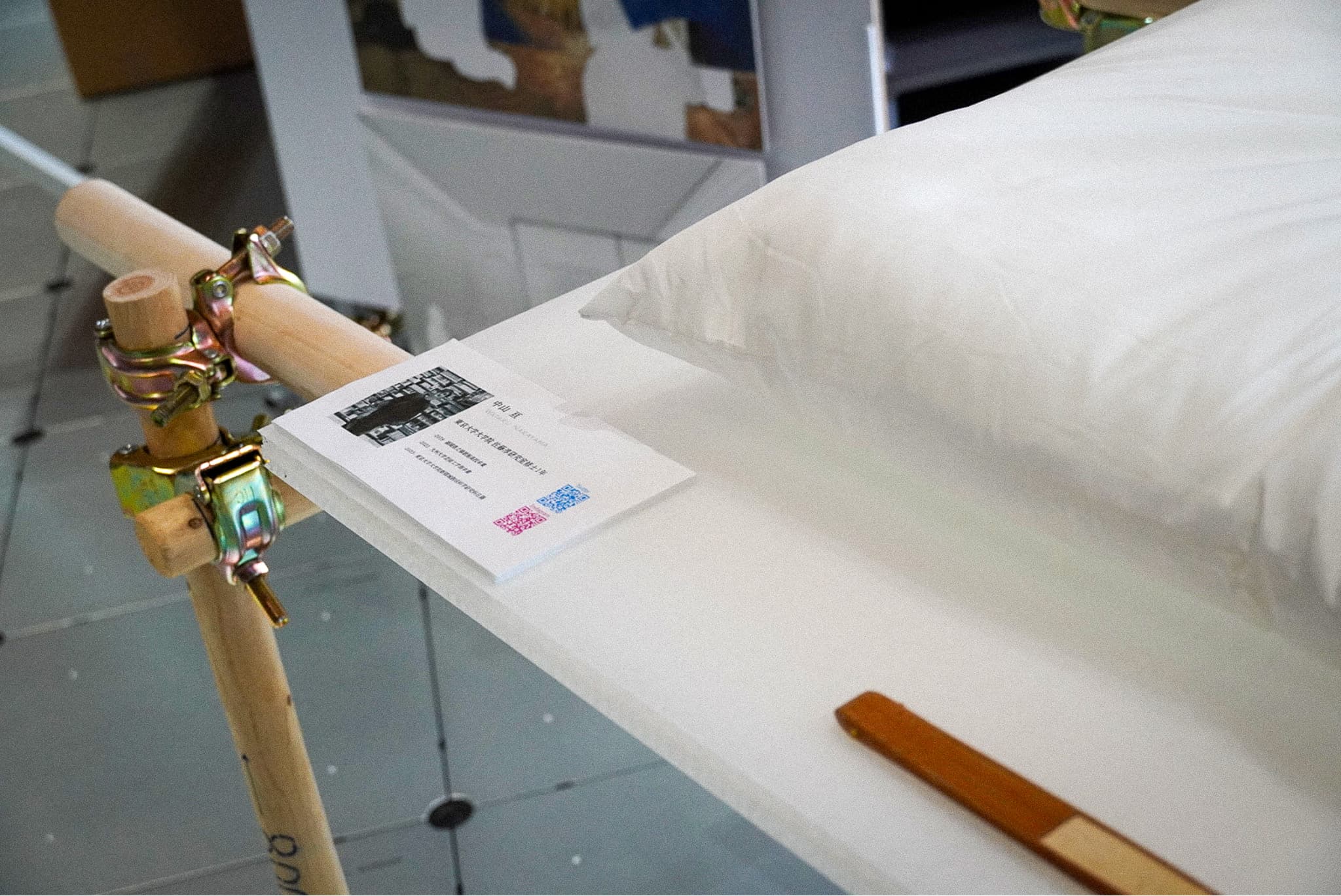
: Inserting a foreign object—a “soft, large box”—into one’s own room or public spaces - Wrapped Rakugo (Wataru Nakayama)
: Conceiving contemporary rakugo from an architectural perspective - Dajū: A New Approach to Building with Carpenters (Kentaro Tawara)
Co-creation between carpenters and newcomers in regional revitalization - A Space for Collaborative Learning (Yu Yamaji, Yuta Nihei)
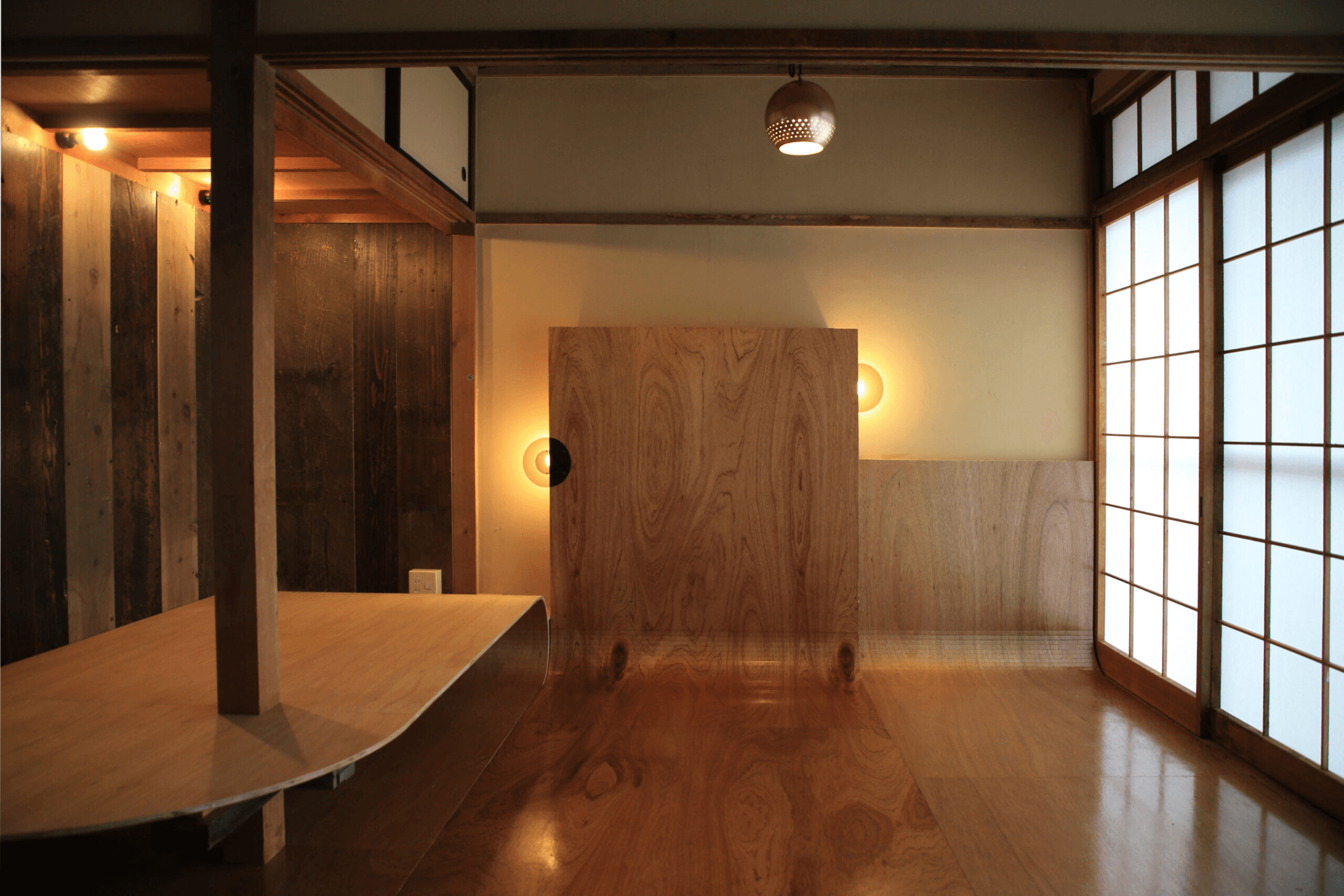
Proposal for a platform to promote study groups - Standardization of Building Material Reuse (Relink: Eisuke Honda, Nagaki Mizukoshi, Yuki Watari)
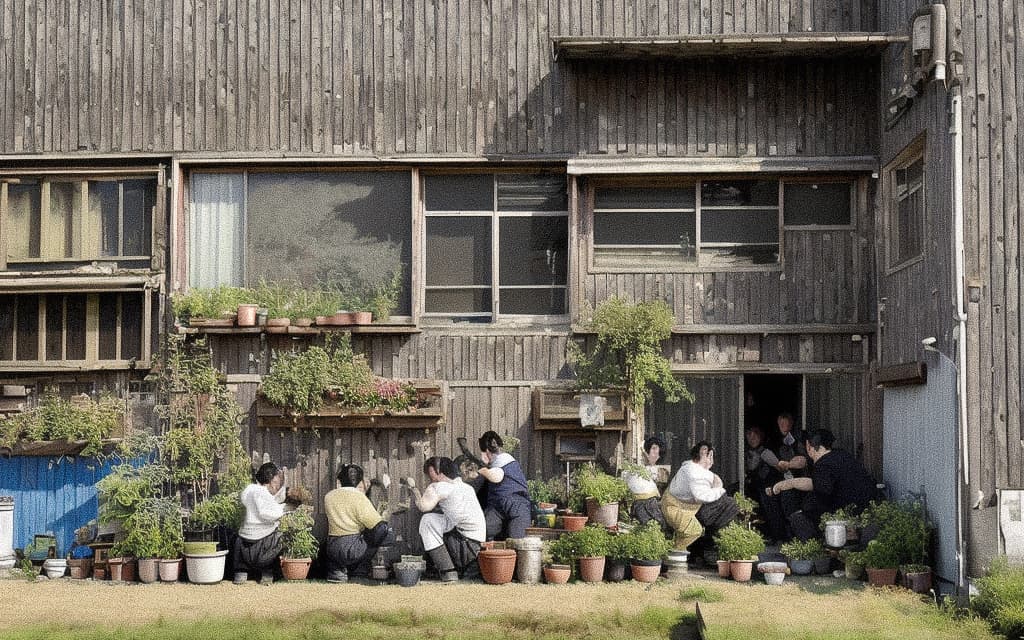
Creating a system for reusing dismantled building materials and components - Bottom-Up Design Using Generative AI (NESS: Masaki Morihara, Nozomi Sudo, Taiyo Kawakita)
Aiming for Democratic Urban Development Using Generative AI Technology
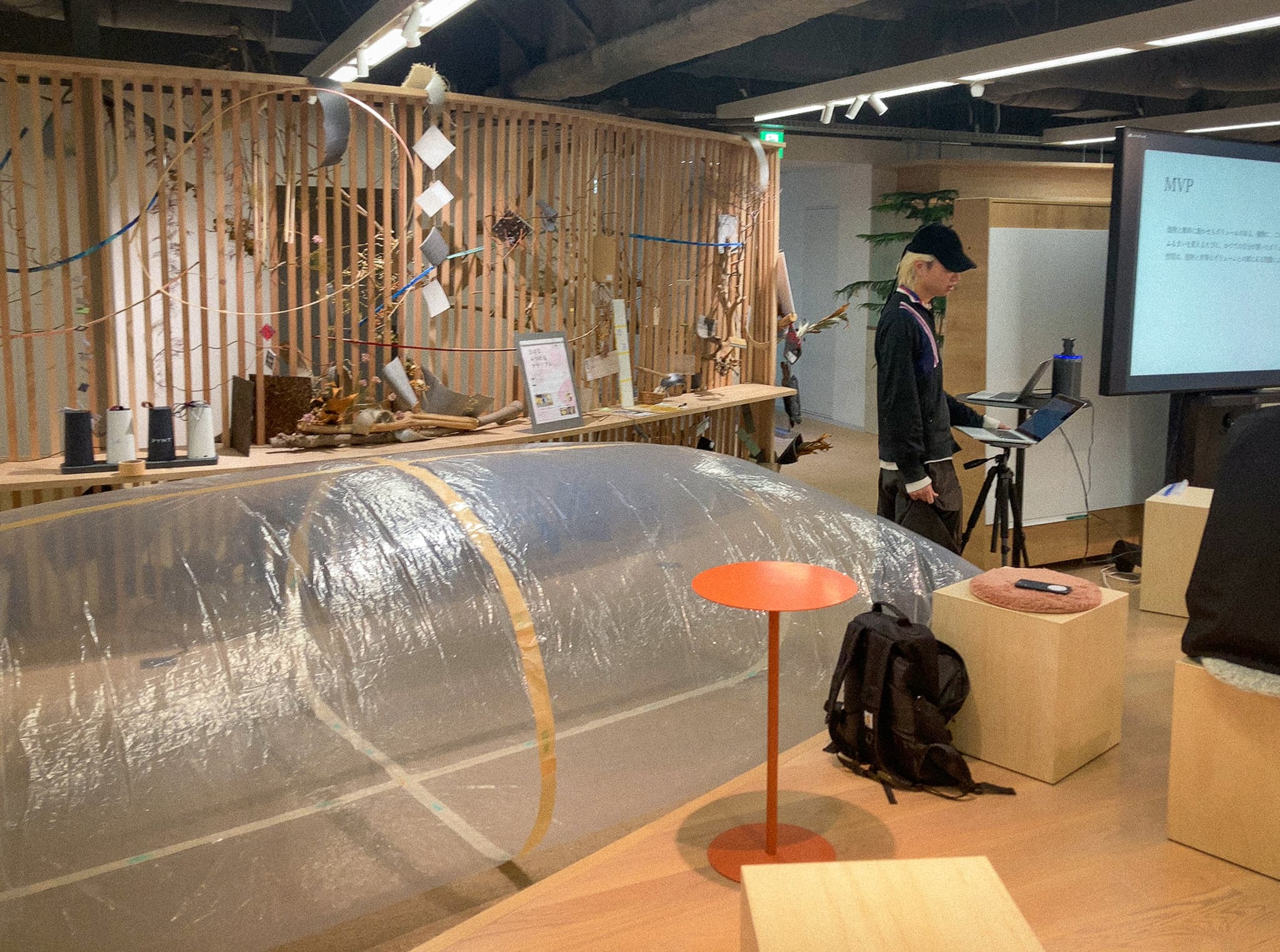
FIG.4
Pioneers
We received lectures and advice on our projects from pioneering architects and entrepreneurs at each session.
- Hiroki Akiyoshi
- Atsumi Hayashi
- Yuji Yoshimura
- Takayuki Aoki
- Urara Takase
Running the event themselves
Five architecture students from the University of Tokyo and Waseda University served as the organizing committee. (Information is current as of that time.)
- Yuta Nihei (Master’s 1st Year, Department of Architecture, Graduate School of Engineering, University of Tokyo) — Specializes in building demolition and works on the reuse of demolition materials and the “funeral rites” for buildings scheduled for demolition. Selected for the Ministry of Internal Affairs and Communications’ “Ino-vation” program.
- Masaki Morihara (4th-year undergraduate student, Department of Architecture, School of Creative Science and Engineering, Waseda University) — While enrolled in a research lab specializing in architectural history, he promotes projects that link social issues with architectural approaches.
- Hiromi Takano (3rd-year undergraduate student, Department of Urban Engineering, Faculty of Engineering, University of Tokyo) — Representative for TEDxUTokyo 2022. After studying abroad in London, he developed an interest in public transportation in regional cities and comparative urban planning systems.
- Yu Yamaji (Master’s 1st Year, Graduate School of Frontier Sciences, University of Tokyo) — COO of Suishow Inc., which develops location-sharing apps and other services. Researches community development through local currencies and DAOs.
- Nozomi Sudo (Master’s 2nd Year, Department of Architecture, Graduate School of Engineering, University of Tokyo) — Engaged in the social implementation of generative AI in architecture and urban planning, as well as creative activities.
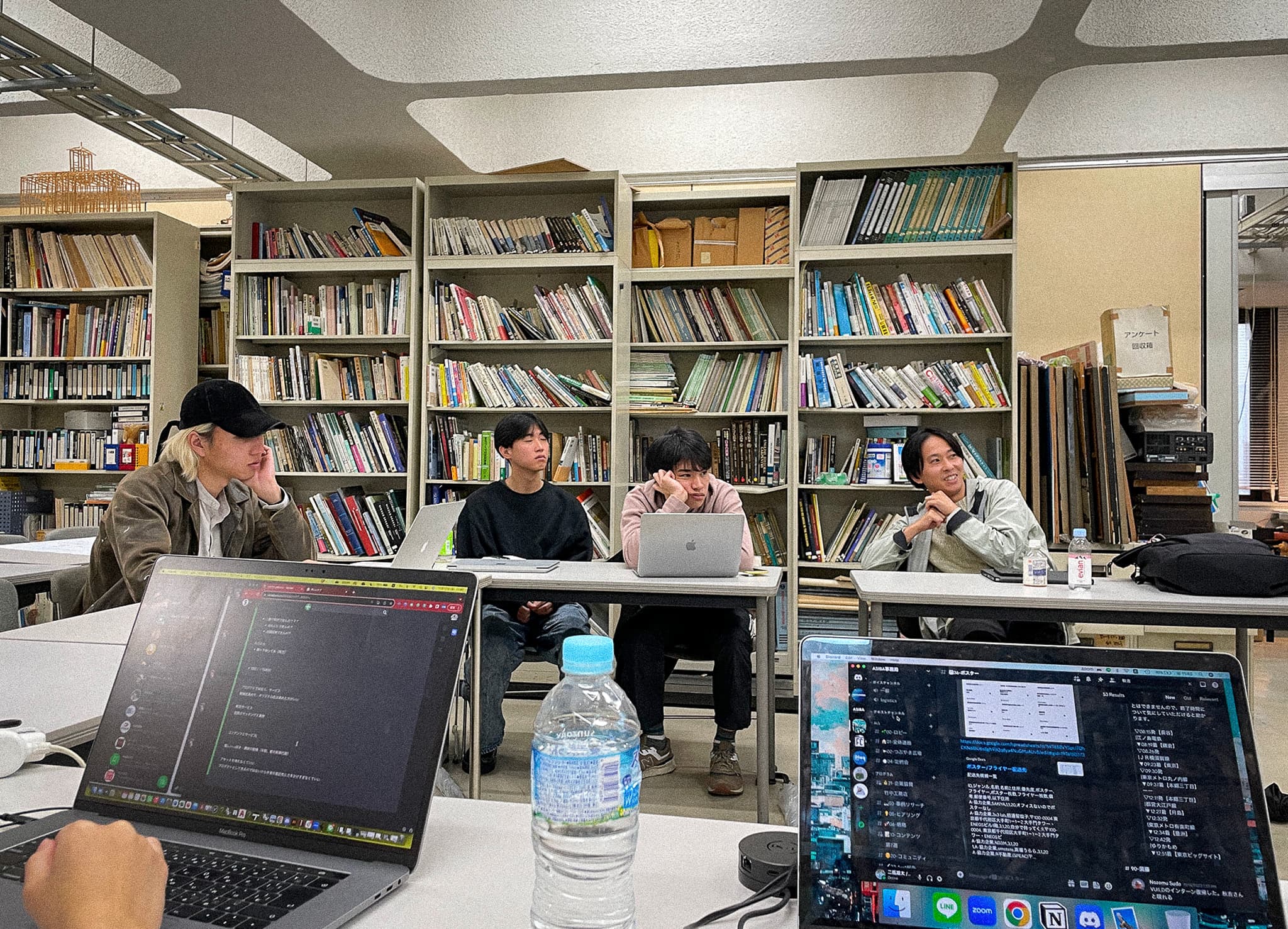
FIG.5
Reexamining “What Can Those Aspiring to Be Architects Do Now?”
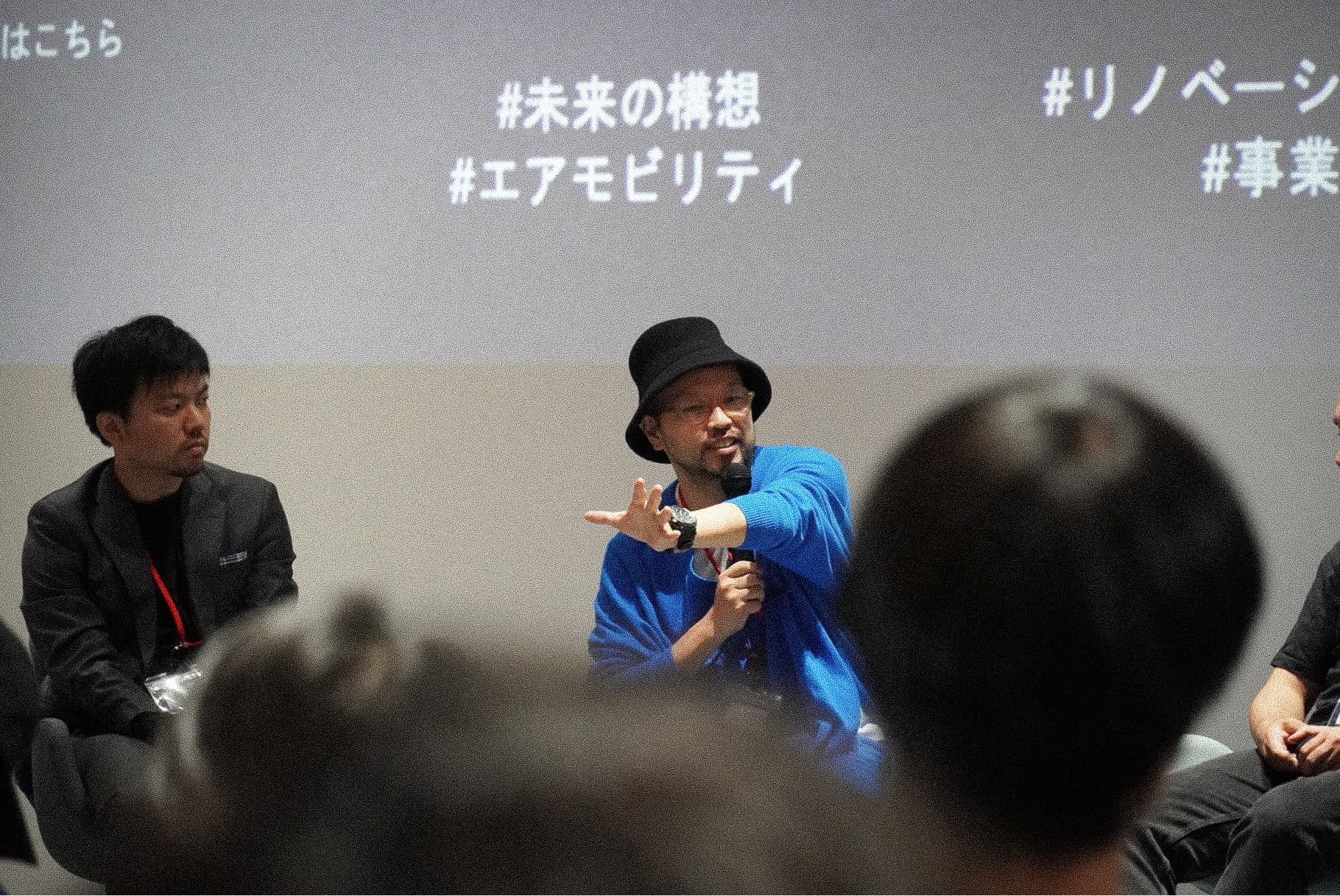
As a platform to present the results of a two-month project, we held a one-day conference titled “GROUNDBREAKING.” Amid the growing complexity of social issues in the fields of architecture and urban planning, the event sought to reexamine the question: “What can aspiring architects do right now?”
The event centered on talk sessions focused on social implementation and final pitches by the first cohort of the eight-week incubation program “ASIBA.”Armed with the imaginative power cultivated in the fields of architecture and urban planning, we explored new forms of social implementation alongside leading practitioners. The event was held at “NOVARE: Forest of Learning from the Past to Innovate for the Future,” Shimizu Corporation’s innovation hub. A guided tour of the facility was also conducted, creating a space for exchange that spanned architectural disciplines, industries, and generations.
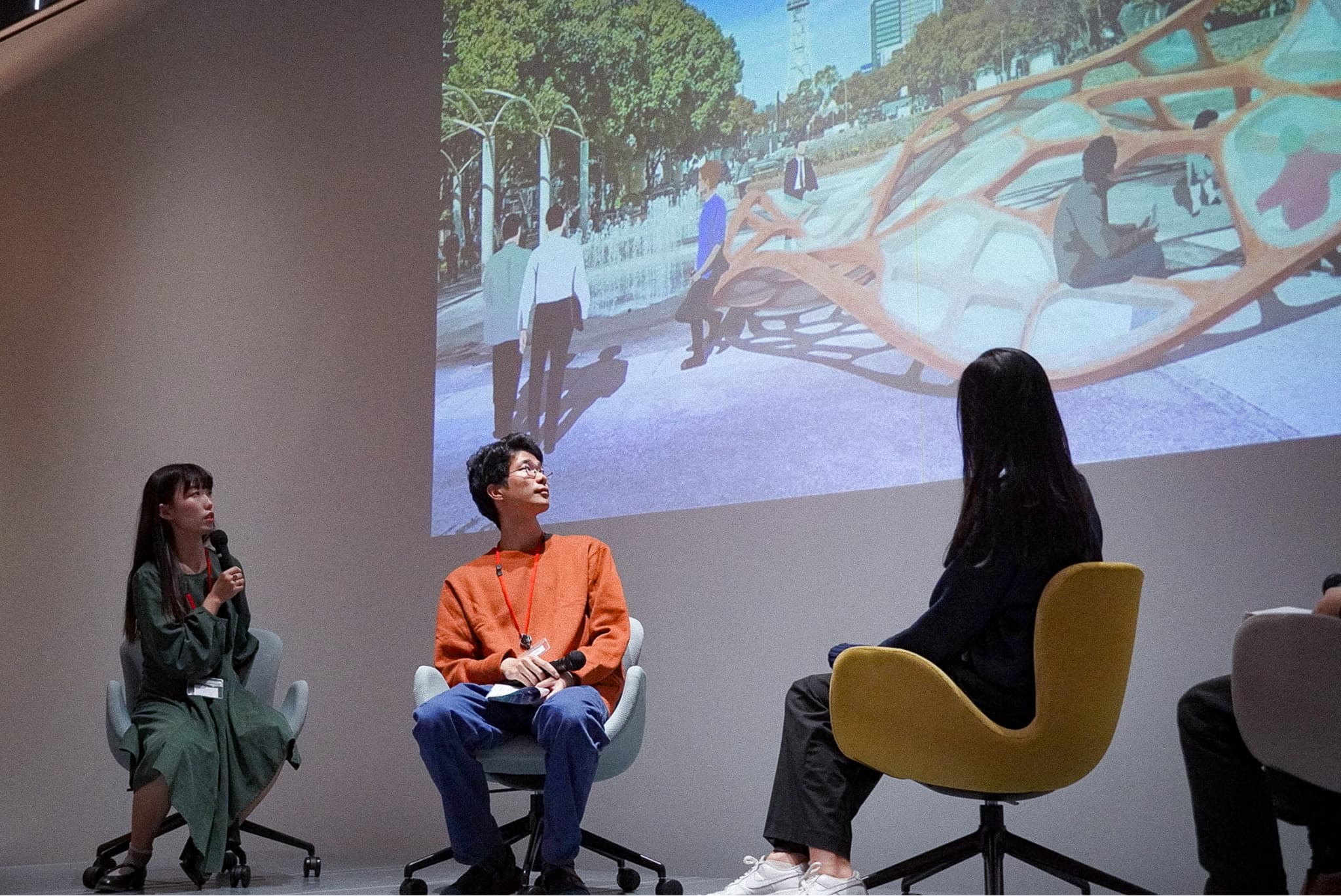
FIG.6
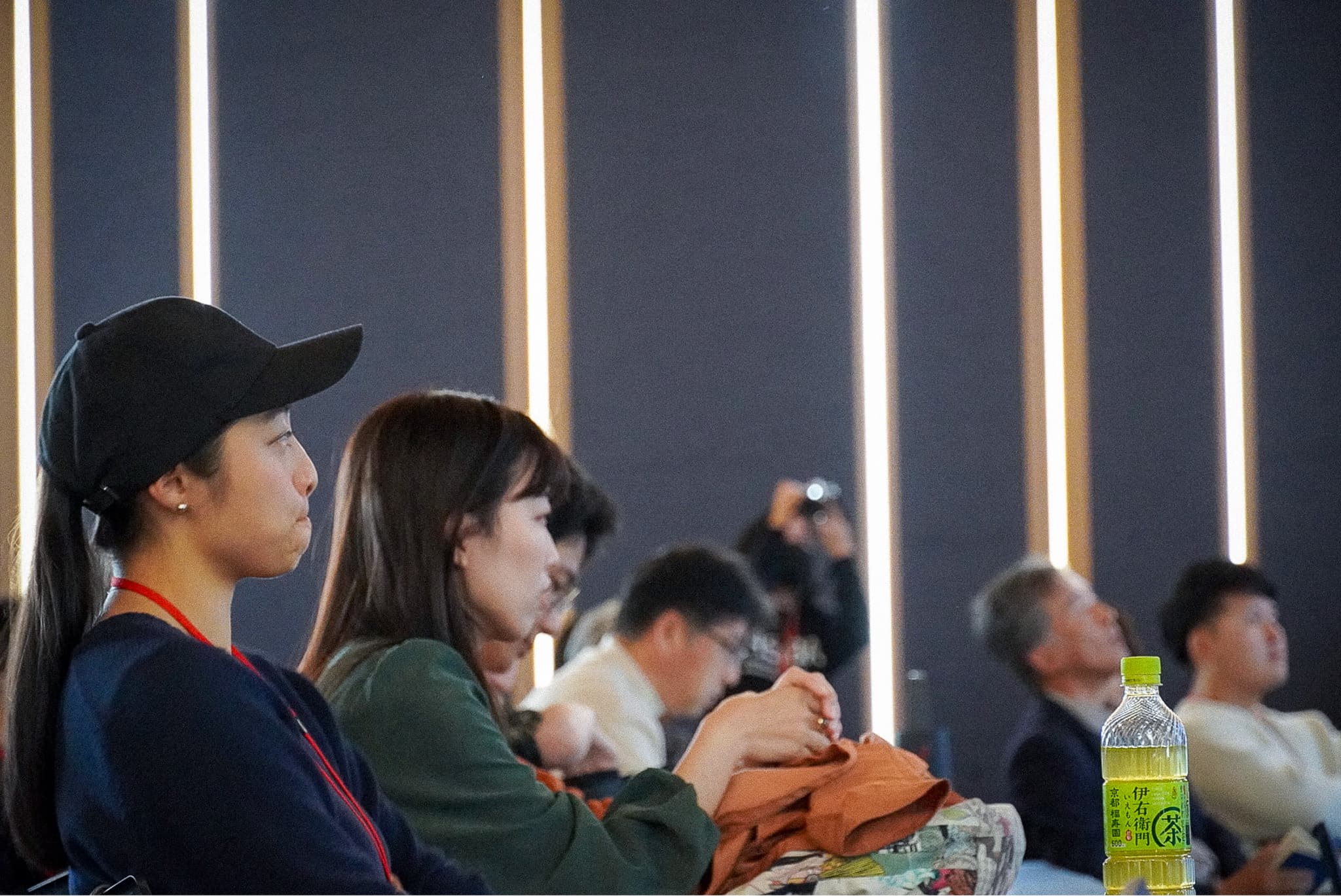
FIG.7
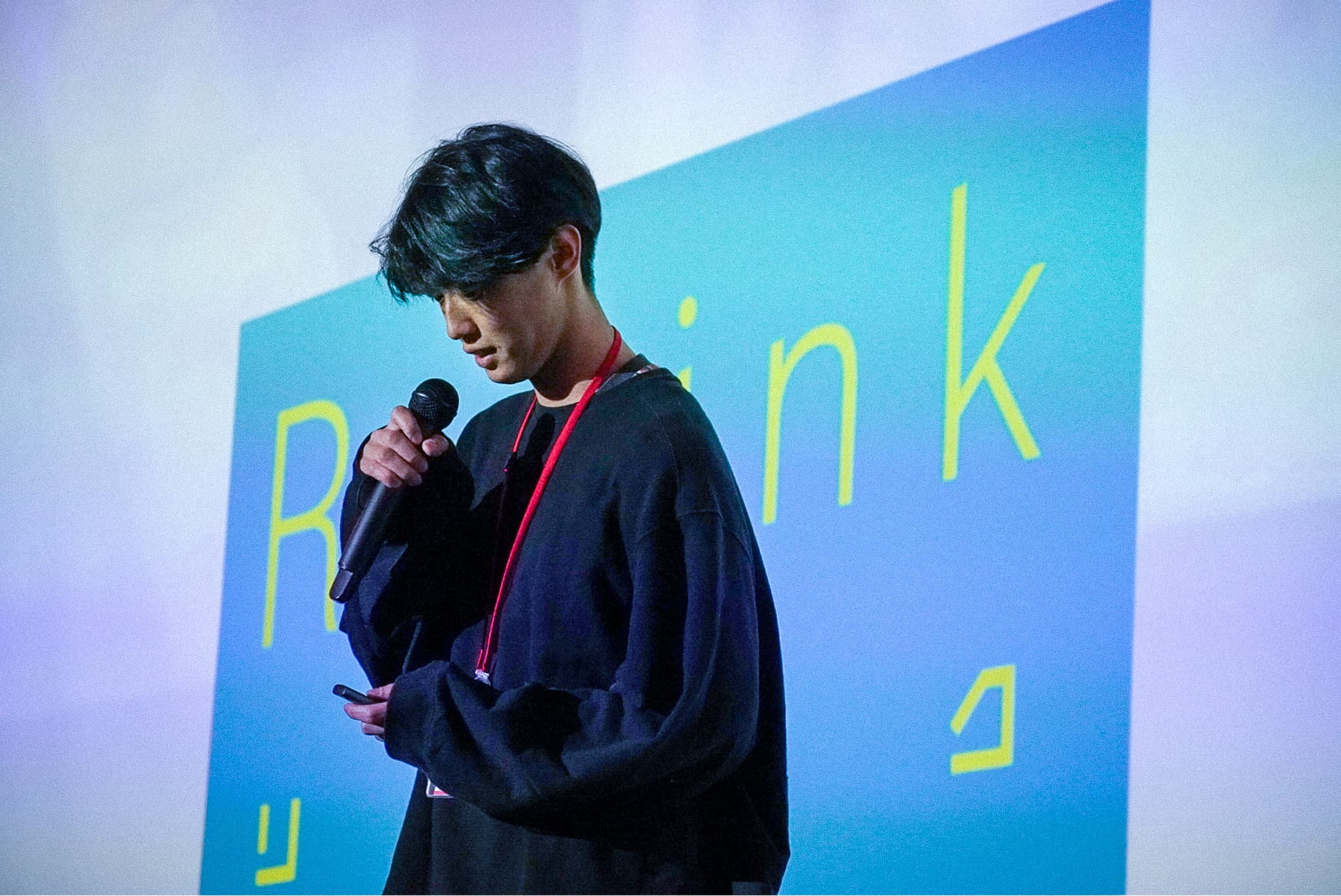
FIG.8
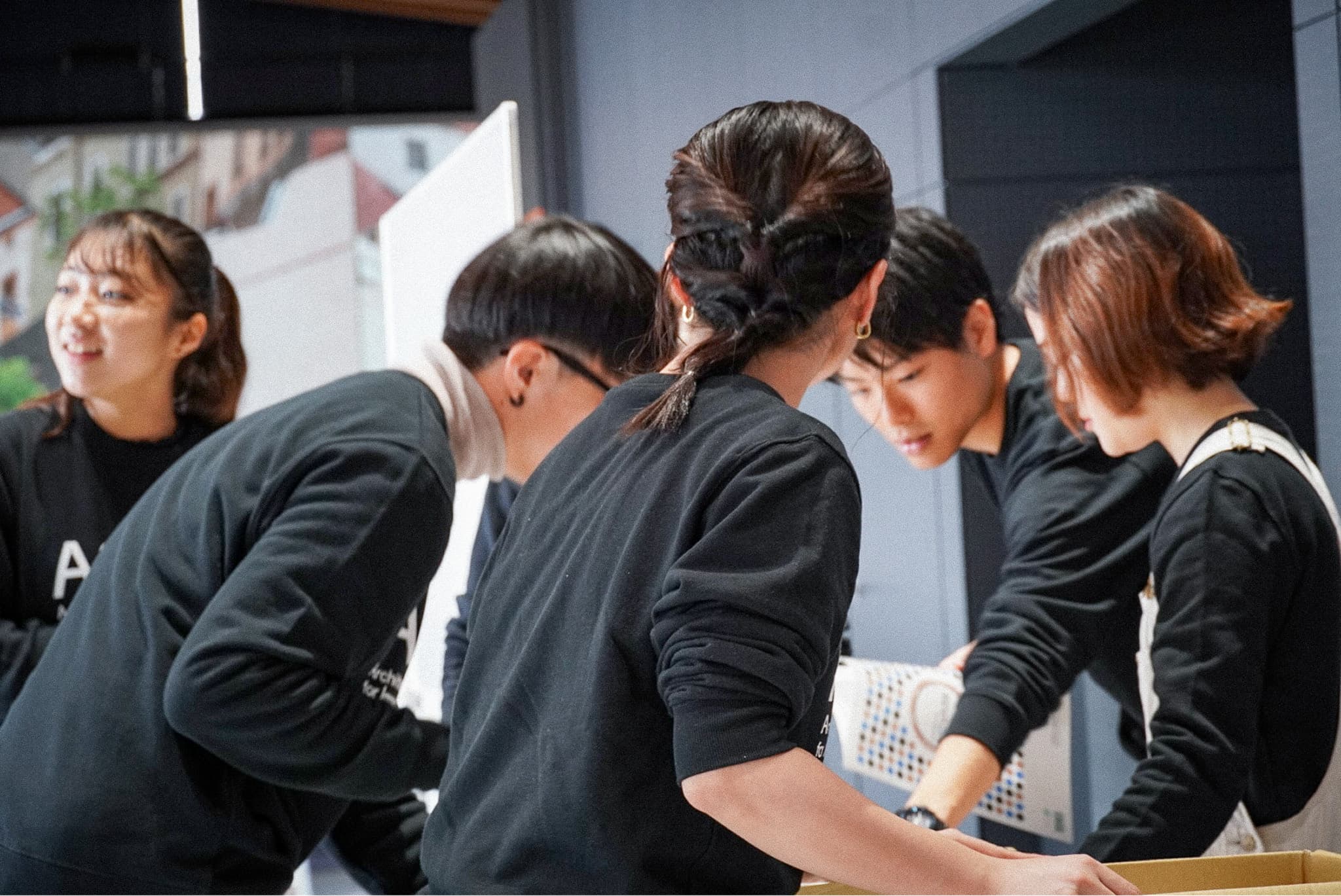
FIG.9
RELATED WORKS
 Incubation 1stCreative Incubation 1st
Youbee
CREATIVE-WORK
Yu Yamaji, Yuta Nihei
 Incubation 1stCreative Incubation 1st
Sympletic (Withvac)
CREATIVE-WORK
Tatsuya Miyata, Tomohisa Fujima
 Incubation 1stCreative Incubation 1st
Daiju
CREATIVE-WORK
Kentaro Tawara
 Incubation 1stCreative Incubation 1st
Pochant
CREATIVE-WORK
Yusuke Baba
 Incubation 1stCreative Incubation 1st
Rakugo Space Ochiba
CREATIVE-WORK
Wataru Nakayama
 Incubation 1stCreative Incubation 1st
tugu/nuru
CREATIVE-WORK
Yasuyuki Morita
ASIBA GROUNDBREAKING 2023
TALK PROGRAM
 Incubation 1stCreative Incubation 1st
Nijo Architecture
CREATIVE-WORK WORKSHOP EXHIBITION
Chihiro Handa, Shiori Niimi
 Incubation 1stCreative Incubation 1st
Relink
CREATIVE-WORK RESEARCH
Eisuke Honda, Eiki Mizukoshi, Yuki Watarai
 Incubation 1stCreative Incubation 1st
Project NESS
CREATIVE-WORK RESEARCH
Masaki Morihara, Nozomu Sudo, Taiyo Kawakita
RELATED TEXTS
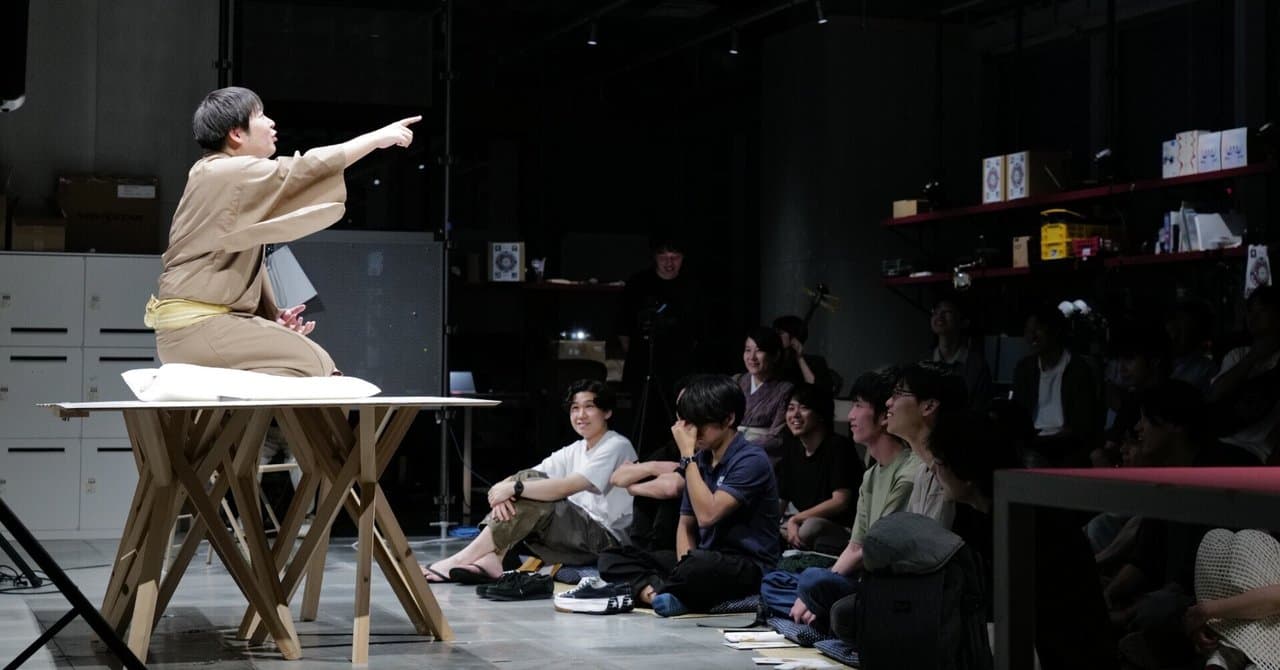
First-Cohort Graduate Nakayama's Rakugo Space Ochiba Performance Report!
INTERVIEW
2024.07.13.
Design That Starts by Unraveling Buildings|ReLink
Following Up on ASIBA's 1st Cohort #4
INTERVIEW
2024.02.26.
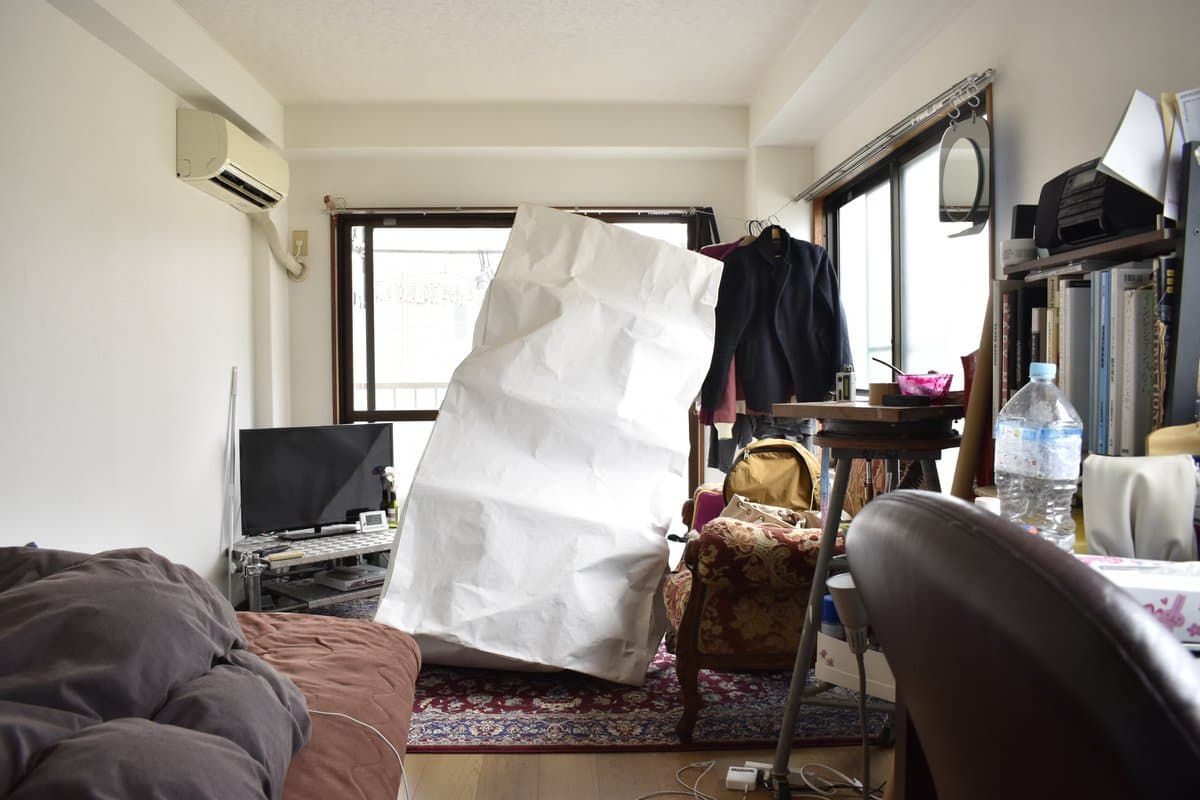
With a Volume Large Enough to Disrupt Daily Life|Pochant
Following Up on ASIBA's 1st Cohort #3
INTERVIEW
2024.02.26.
Using Urban Space as a Stage to Relive Rakugo's Stories and Spirit|Rakugo Space Ochiba
Following Up on ASIBA's 1st Cohort #2
INTERVIEW
2024.02.13.
Renting Out a Light Truck's Cargo Bed as Small Urban Space|Nijo Architecture
Following Up on ASIBA's 1st Cohort #1
INTERVIEW
2024.02.06.

[ASIBA Report] Final Review and Talk Session 'GROUNDBREAKING' | ASIBA
INC-1st Final Review
REPORT
2023.12.04.

[ASIBA Class Report] Special Edition: 'Mitsubishi Estate 3x3 Lab Future / VUILD Akiyoshi' | ASIBA
INC-1st Class Report Special Edition
REPORT
2023.12.04.

[ASIBA Class Report] Week 7: "Why Do It Yourself?"
INC-1st Class Report #7
REPORT
2023.11.19.

[ASIBA Class Report] Week 6 'Pitch Practice and Mutual Feedback'
INC-1st Class Report #6
REPORT
2023.11.14.

[ASIBA Class Report] Week 5 'MVP and Hypothesis Testing' | ASIBA
INC-1st Class Report #5
REPORT
2023.11.06.
CREDIT
inhouse
INC Player
external


