Following Up on ASIBA's 1st Cohort #2
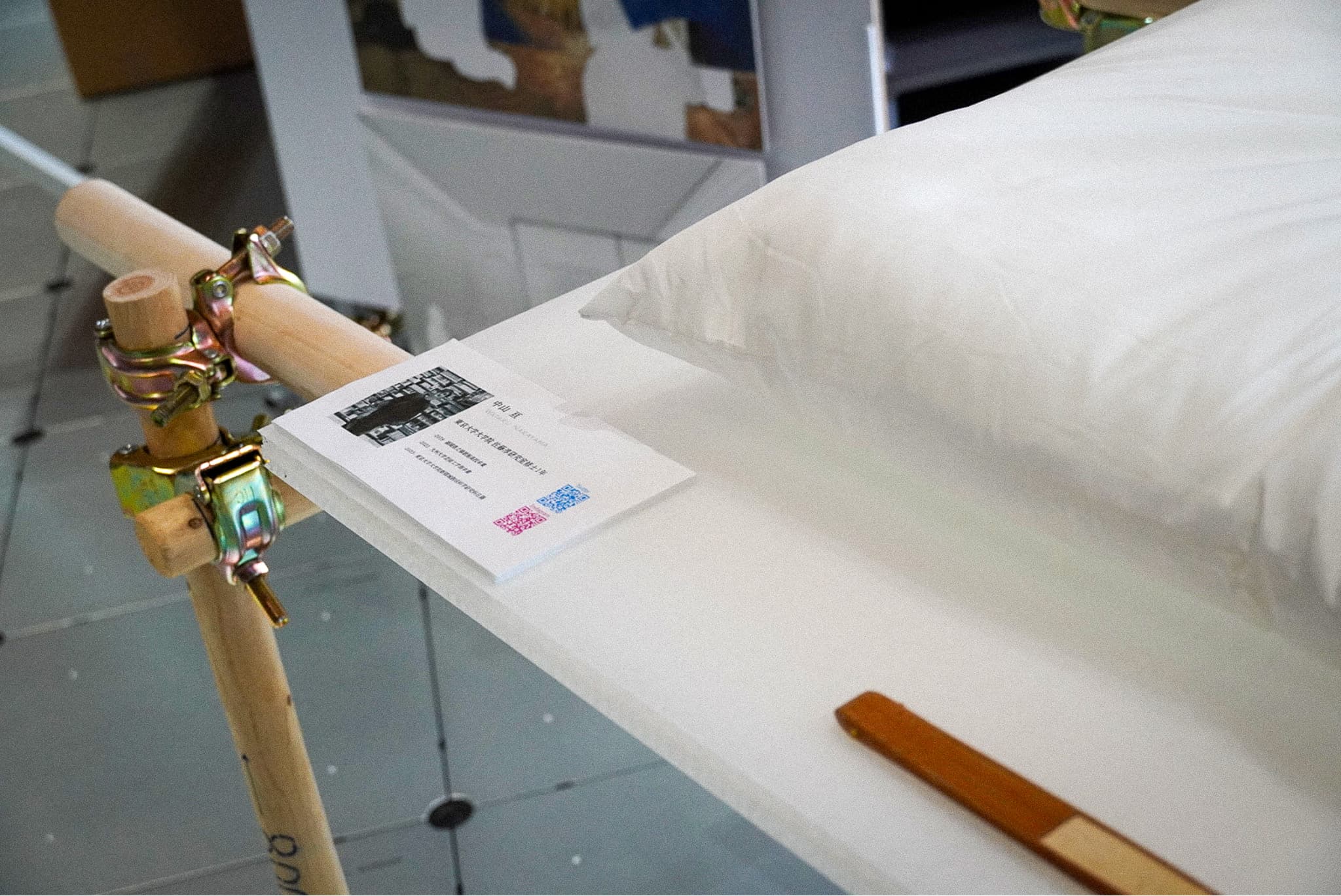
FIG.1
It has been about two months since the conference event held at Shimizu Corporation’s NOVARE on November 25 of last year.The teams that presented have continued to maintain their enthusiasm for their projects, using ASIBA as a starting point to carry out various activities and implement their ideas in society. We investigated what paths the first cohort of ASIBA students—who have now completed the entire program—are taking.
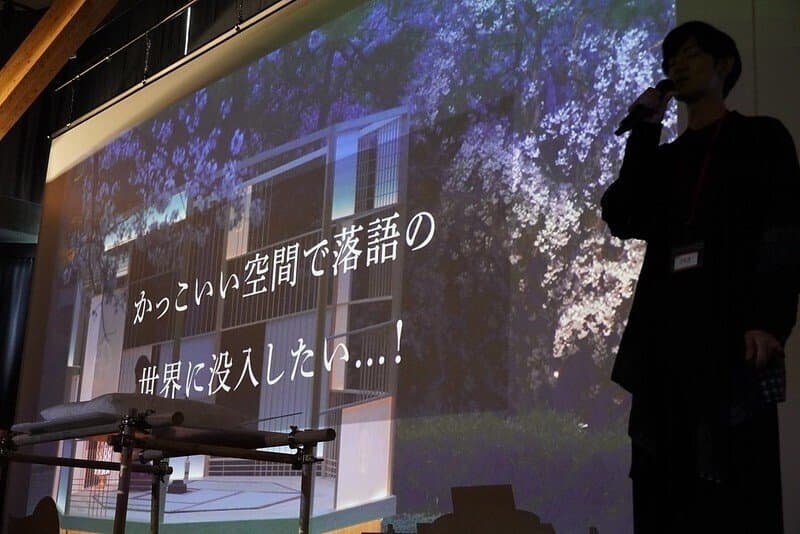
FIG.2
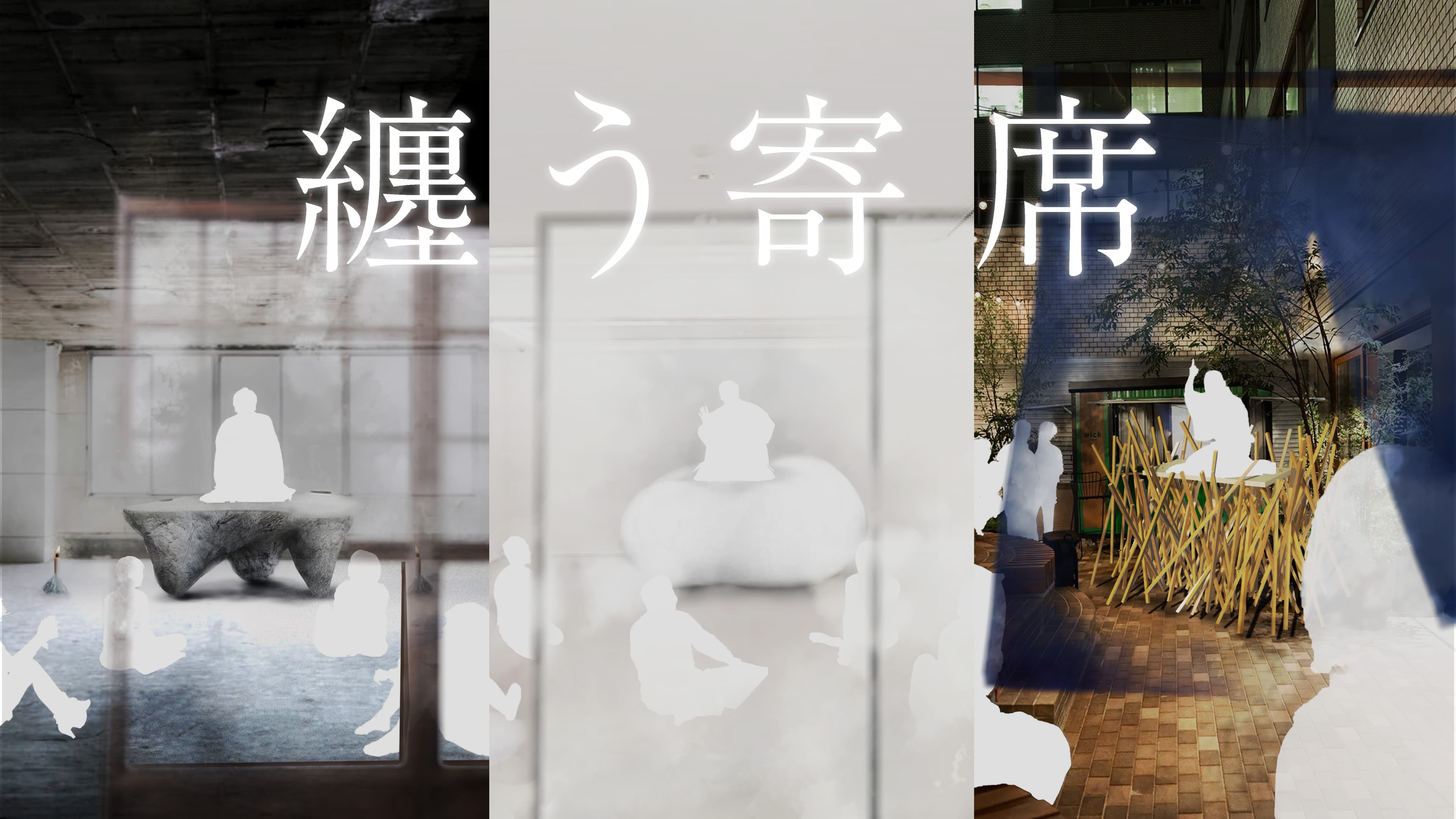
Wataru Nakayama, a first-year master’s student in the Department of Social, Cultural, and Environmental Studies at the Graduate School of Frontier Sciences, The University of Tokyo, worked on realizing a rakugo space design titled “Matoi Yose.”By designing the stage space and opening music based on specific rakugo performances, he aims to create an artistic form of rakugo that allows audiences to become fully immersed in the story’s world. This free-form “contemporary rakugo theater,” which retains only the minimal architectural elements necessary for rakugo performances, was highly praised as a compelling proposal that foreshadows the arrival of a Reiwa-era rakugo boom, and it won the Nikken Sekkei Award at the final pitch.
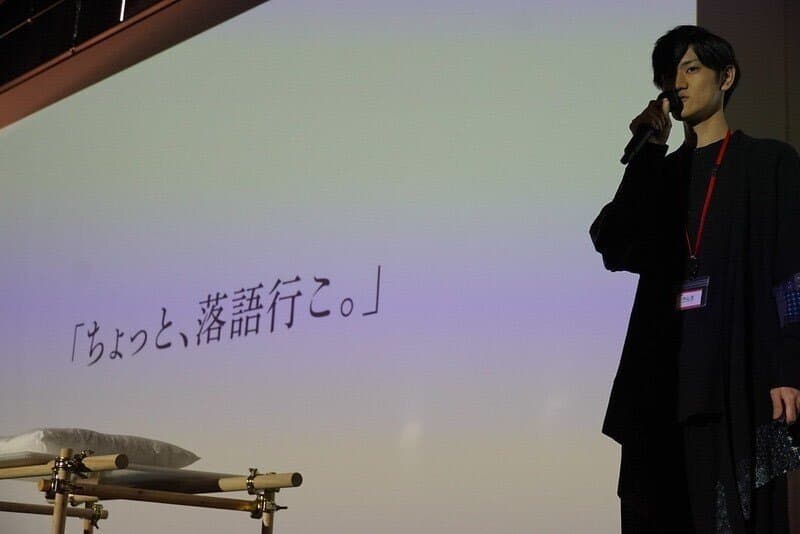
FIG.3
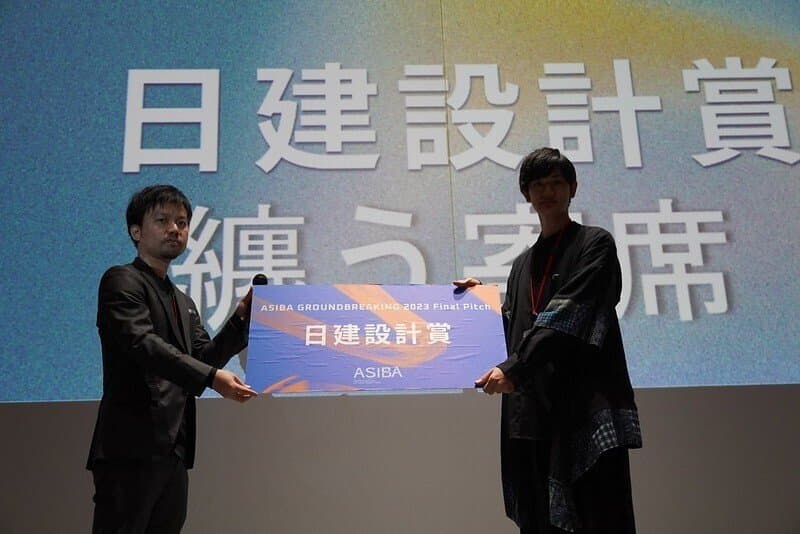
FIG.4
Even after the event concluded, Nakayama’s project continues to evolve under the name “Himitsu no Ochiba—The Secret ‘Ochi’ Spot.”After the conference, he received numerous messages from interested students, and he says he is currently moving the project forward with a team of over a dozen collaborators. Furthermore, as a new initiative, he is exploring the integration of digital technologies such as point cloud data and projection mapping. In the world of rakugo, images that are too vivid can sometimes rob the audience of their imagination regarding the performance. Rather, it is the blurry, low-resolution images that stimulate the imagination and serve as a gateway to immersion. He suggests that the latest digital technologies might be utilized in the staging of rakugo—which could be described as a form of “abstracted art.”

FIG.5
As Nakayama moves forward with preparations—including planning sessions with rakugo performers and designing a logo—for the inaugural performance, he says his immediate challenge is “selecting a venue.”Nevertheless, he expressed his desire to realize the first performance by this summer by actively utilizing small vacant lots in the city or spaces that companies are not fully utilizing—taking full advantage of the appeal of “Contemporary Yose,” which allows for guerrilla-style performances without the need for large-scale stage sets. (Text: Tatsuya Miyata)

FIG.6
Related Links for “Himitsu no Ochiba — The Secret ‘Ochi’ Spot” Twitter: @watamayo_archi Instagram: @watamayo_archi
Credit
CREATIVE-WORK
Wataru Nakayama
Related Texts
Renting Out a Light Truck's Cargo Bed as Small Urban Space|Nijo Architecture
Following Up on ASIBA's 1st Cohort #1
INTERVIEW
2024.02.06.
With a Volume Large Enough to Disrupt Daily Life|Pochant
Following Up on ASIBA's 1st Cohort #3
INTERVIEW
2024.02.26.
Design That Starts by Unraveling Buildings|ReLink
Following Up on ASIBA's 1st Cohort #4
INTERVIEW
2024.02.26.