Following Up on ASIBA's 1st Cohort #3
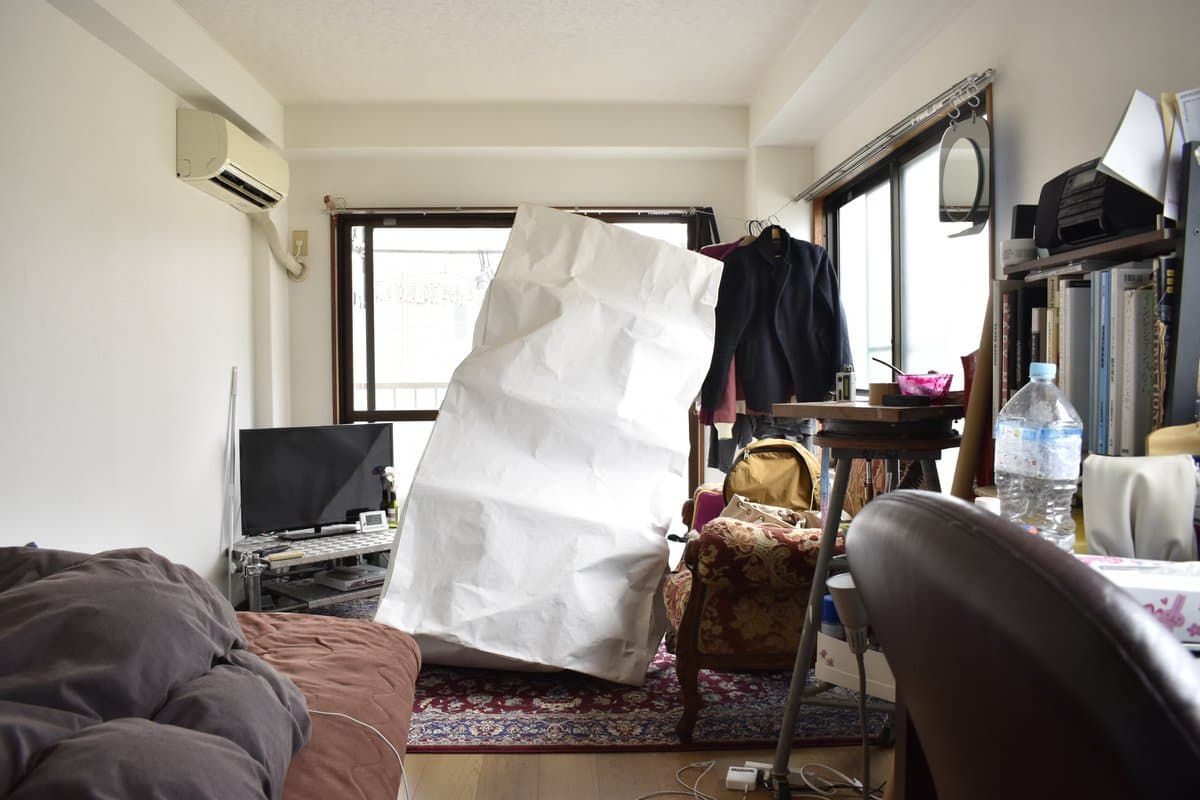
FIG.1
It has been about two months since the conference event held at Shimizu Corporation’s NOVARE on November 25 of last year.Since then, the participating teams have continued to pursue various activities and social initiatives, using ASIBA as a starting point, without losing their enthusiasm for their projects. We investigated what paths the first cohort of ASIBA students—who have now completed the entire program—are taking.
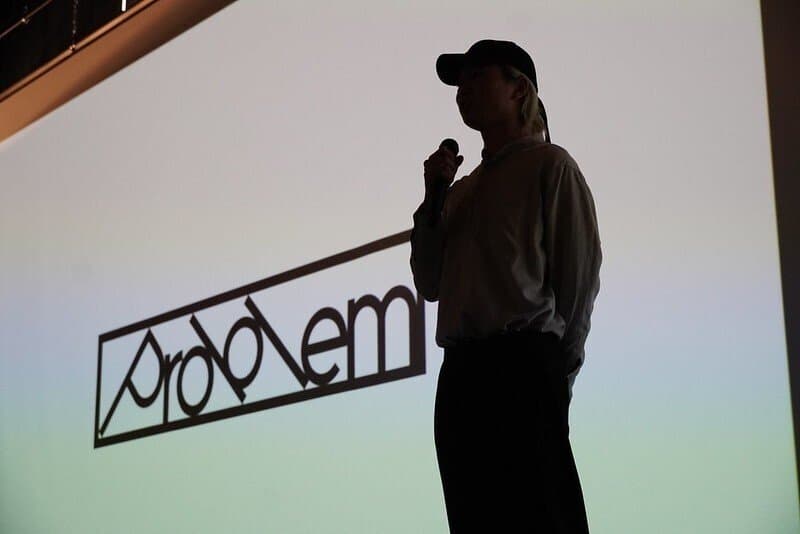
FIG.2
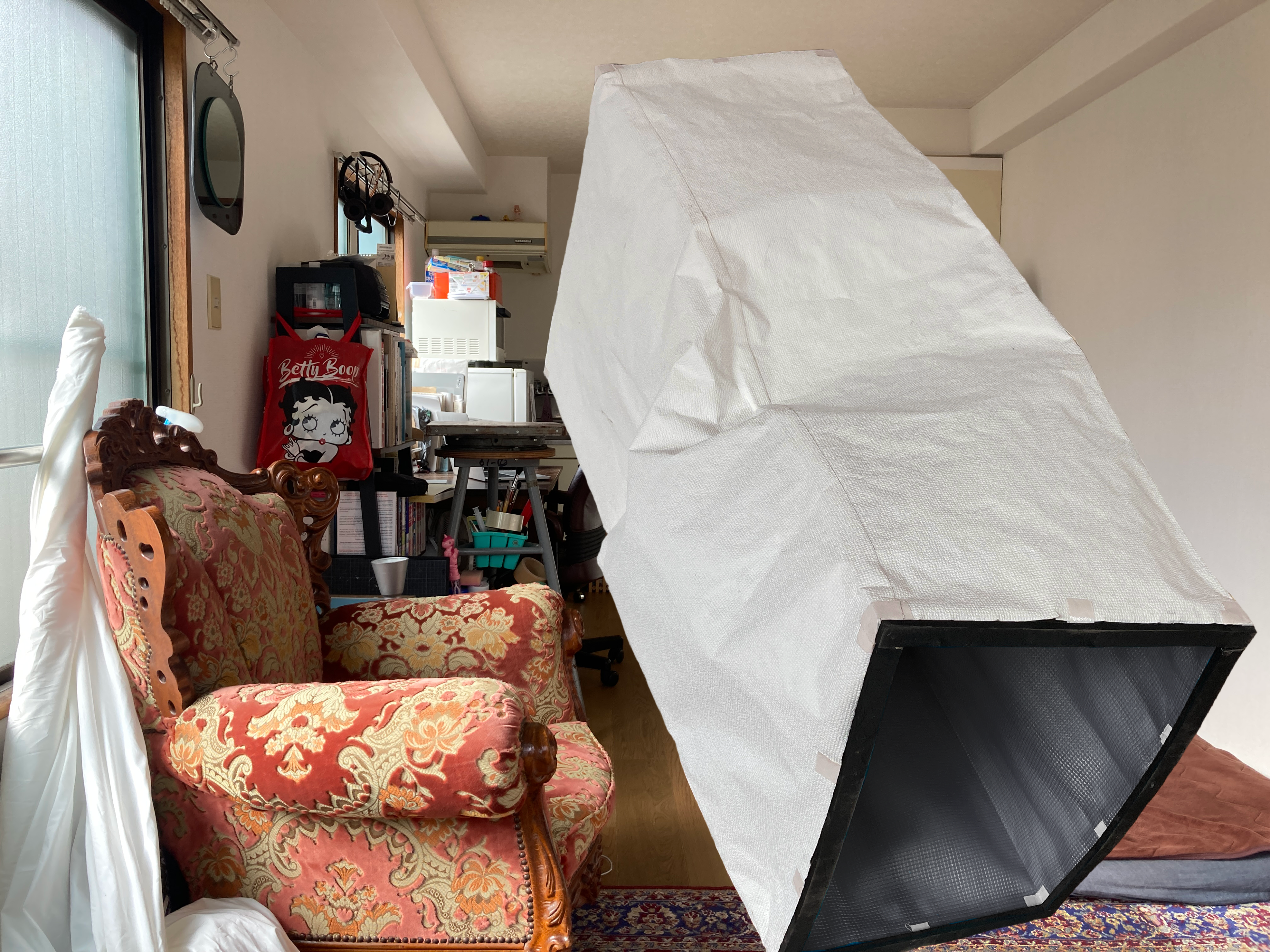
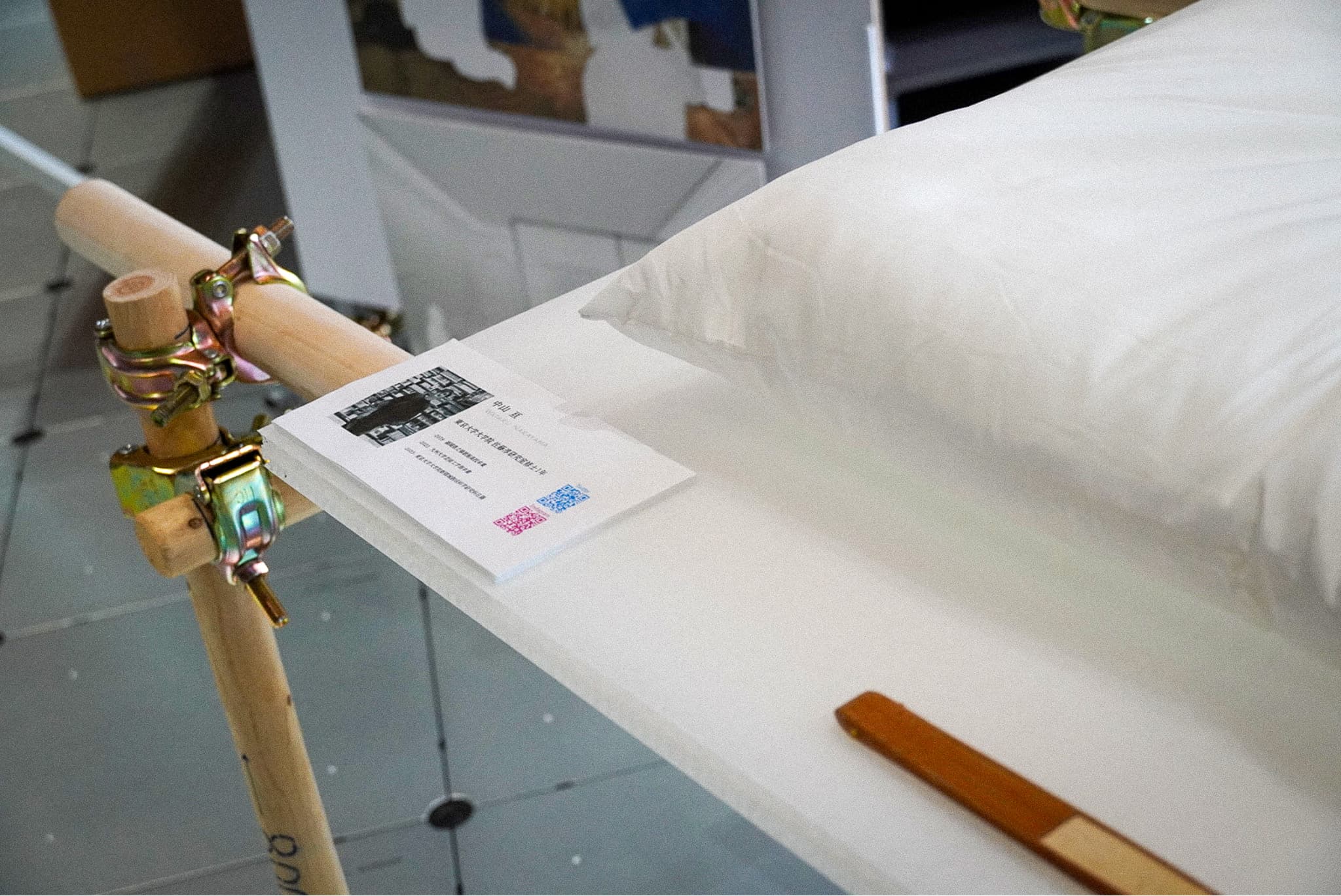
Yusuke Baba, a fourth-year student in the Department of Architectural Science at the Tokyo University of the Arts, presented a performance art piece titled “Problem – A Big Problem in a Small Box,” using his own living space as the setting.This unprecedented work—which involved cramming a large box made of cardboard and white fabric into a room measuring just a few tatami mats—sparked significant debate regarding its concept and expression. Additionally, this piece won the Grand Prize (Purchase Award) in the Department of Architecture at the Tokyo University of the Arts’ graduation exhibition, held shortly after the ASIBA pitch event.
FIG.3
What did Baba hope to convey through this work, considered the most enigmatic among the first-year class?
The impersonal, box-shaped spaces mass-produced since the modern era have been constrained by the need to fulfill specific functions, thereby solidifying the “boundary”—the relationship between humans and architecture in daily life—into something fixed. It is said that although this relationship poses no formal problems, it imposes rules on human behavior and renders daily life monotonous. To transform this relationship, he designed “poch锹⁾ and introduced it into the target space. “Poché” is a “soft, large box” that disrupts human life; through it, the boundaries that had been fixed begin to waver and are renewed.“When there is a ‘problem’ in an established environment, the boundaries are redrawn, and the space regains its ‘freshness,’” says Baba. 1) poché [pouʃei] <noun> French. Derived from pocher, meaning “to sketch roughly.”
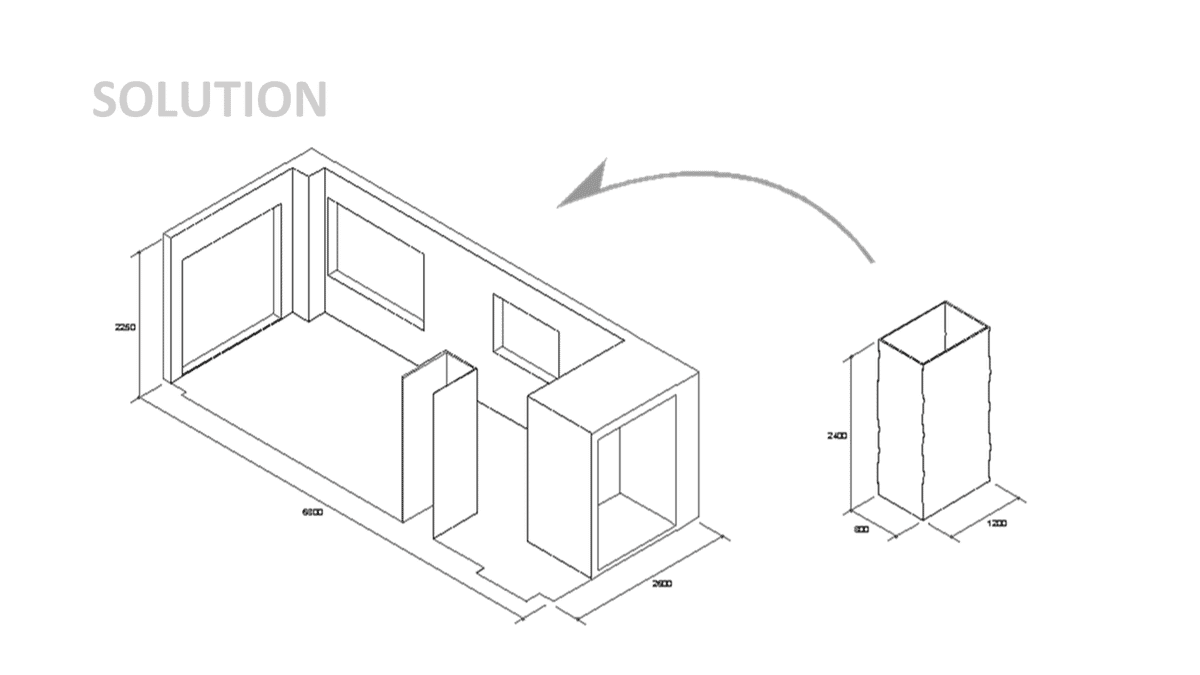
FIG.4
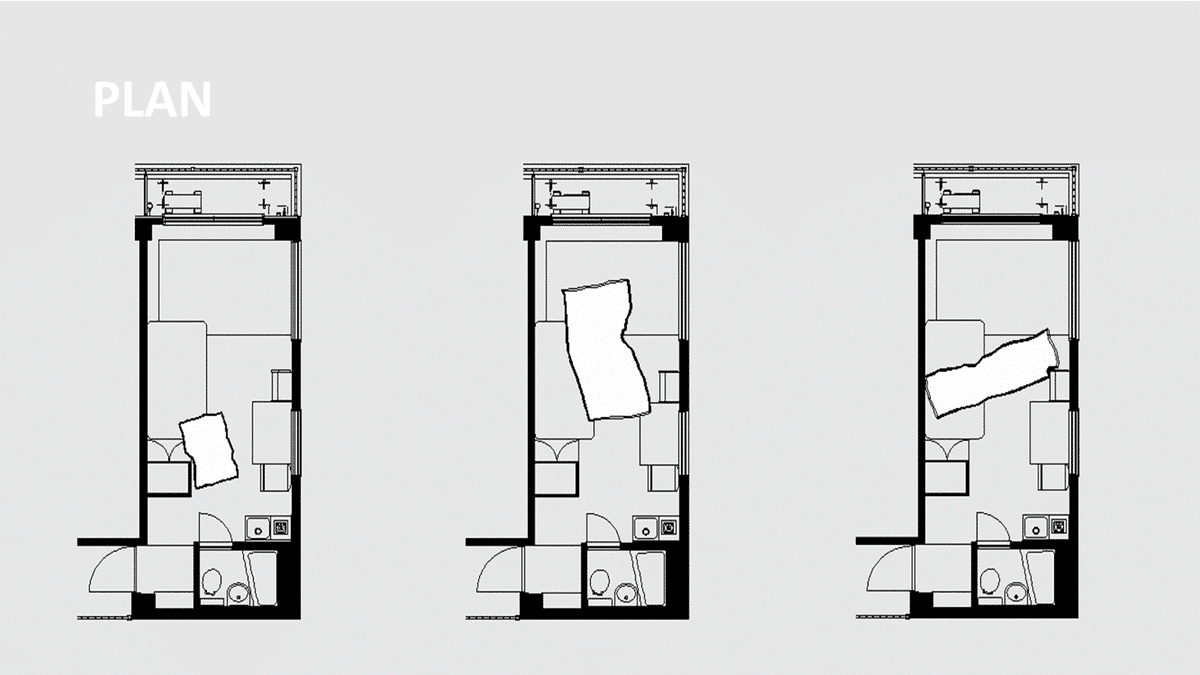
FIG.5
As previously mentioned, without making significant changes to the proposal since its presentation at ASIBA, I exhibited the work as part of my graduation project at Tokyo University of the Arts and received the Department of Architecture’s Outstanding Student Award. I also plan to exhibit at the “2024 Joint Review Session of the Three Universities,” featuring selected students from the University of Tokyo, Tokyo Institute of Technology, and Tokyo University of the Arts, to be held this March.(Details to be released soon)
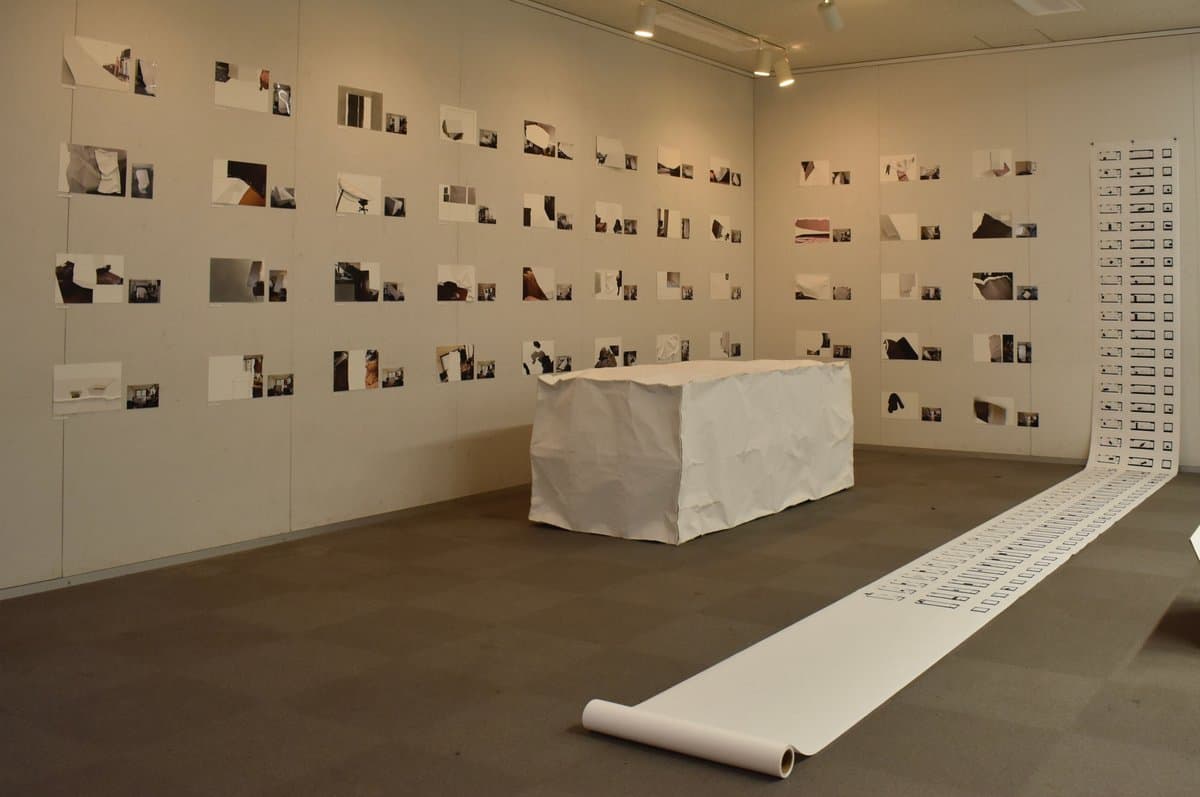
FIG.6
Regarding his future plans and career, Baba says he hasn’t decided much yet. “I’m not planning to pursue a master’s degree, and I probably won’t work for a company, so I’ll have to figure out my path from here on out.” We hope he continues to create stimulating work that challenges major questions without conforming to existing frameworks. (Text: Tatsuya Miyata)
Credit
CREATIVE-WORK
Yusuke Baba
Related Texts
Renting Out a Light Truck's Cargo Bed as Small Urban Space|Nijo Architecture
Following Up on ASIBA's 1st Cohort #1
INTERVIEW
2024.02.06.
Using Urban Space as a Stage to Relive Rakugo's Stories and Spirit|Rakugo Space Ochiba
Following Up on ASIBA's 1st Cohort #2
INTERVIEW
2024.02.13.
Design That Starts by Unraveling Buildings|ReLink
Following Up on ASIBA's 1st Cohort #4
INTERVIEW
2024.02.26.