INC-1st Class Report #5

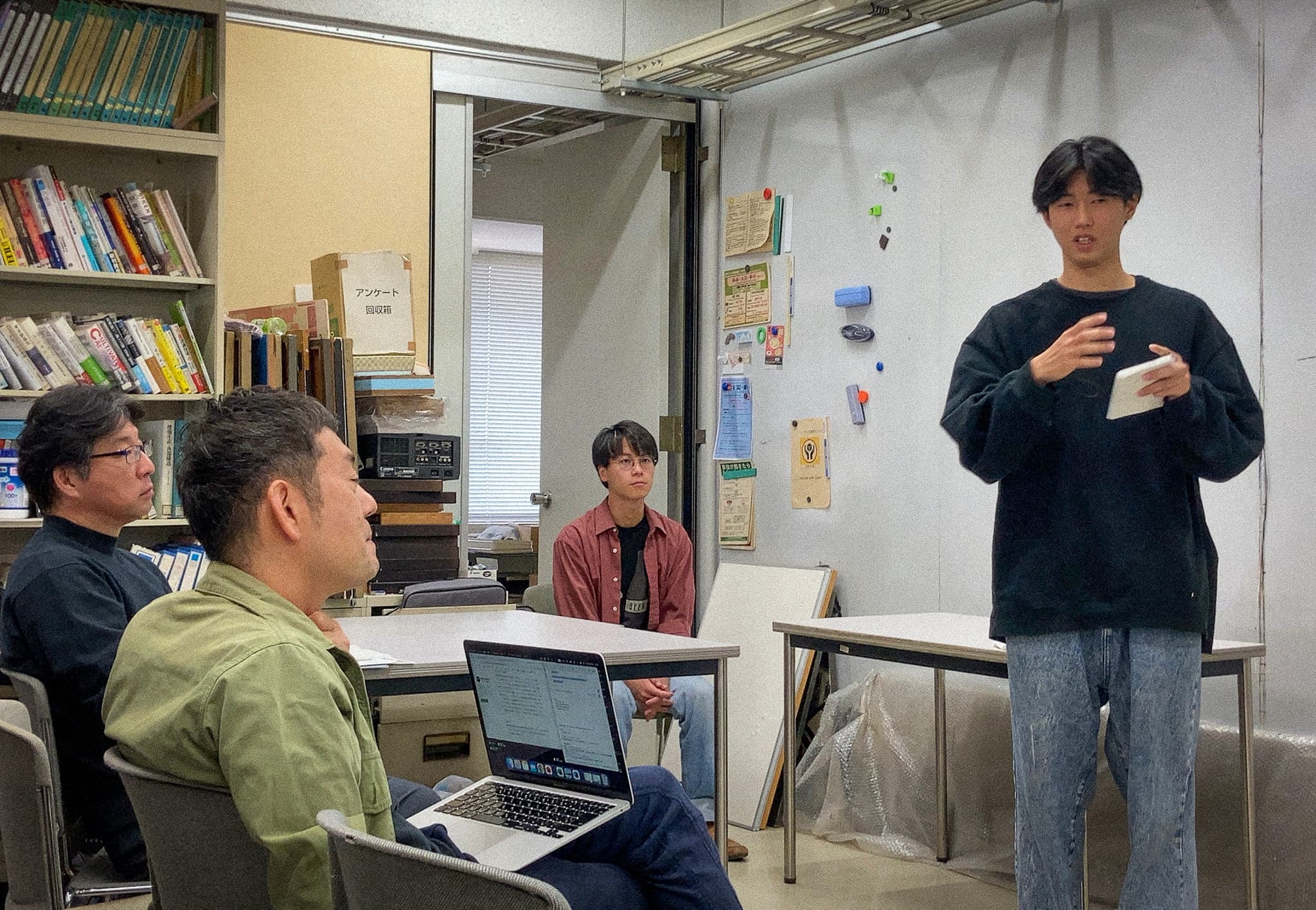
FIG.1
“ASIBA” (Architecture Studio for Impact Based Action) is a two-month incubation program specializing in urban architecture and aimed at architecture students. It is planned and operated by a group of volunteer architecture students from the University of Tokyo and Waseda University (Representative: Yuta Nihei, first-year master’s student in the Department of Architecture at the University of Tokyo).
This week’s program took place at PYNT, Nikken Sekkei’s incubation facility, marking a departure from the usual classrooms on the University of Tokyo campus! PYNT’s concept is “a space for co-creation where urban challenges are gathered and implemented for the future.”In this stimulating and stylish space—which gives the impression that new ideas are bound to emerge one after another—the fifth week of ASIBA classes began.
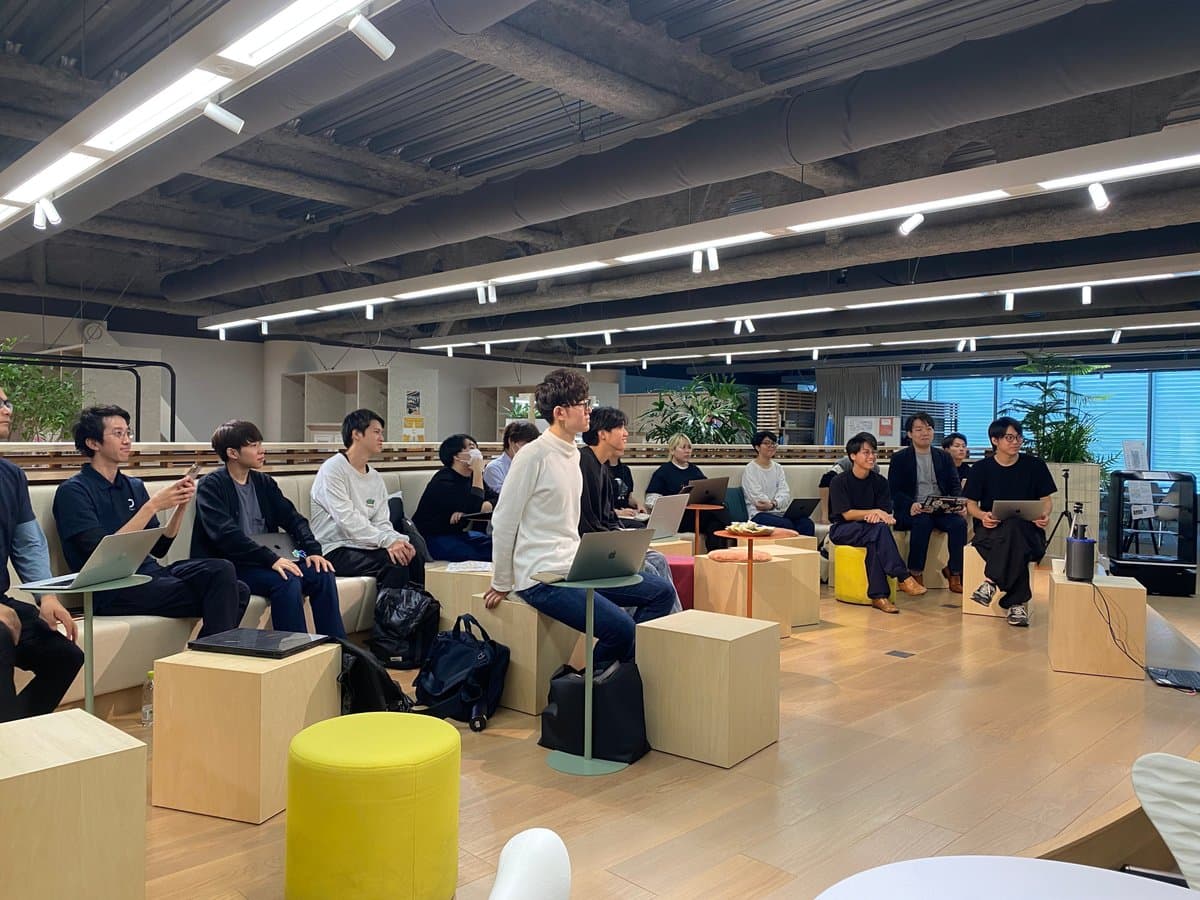
FIG.2
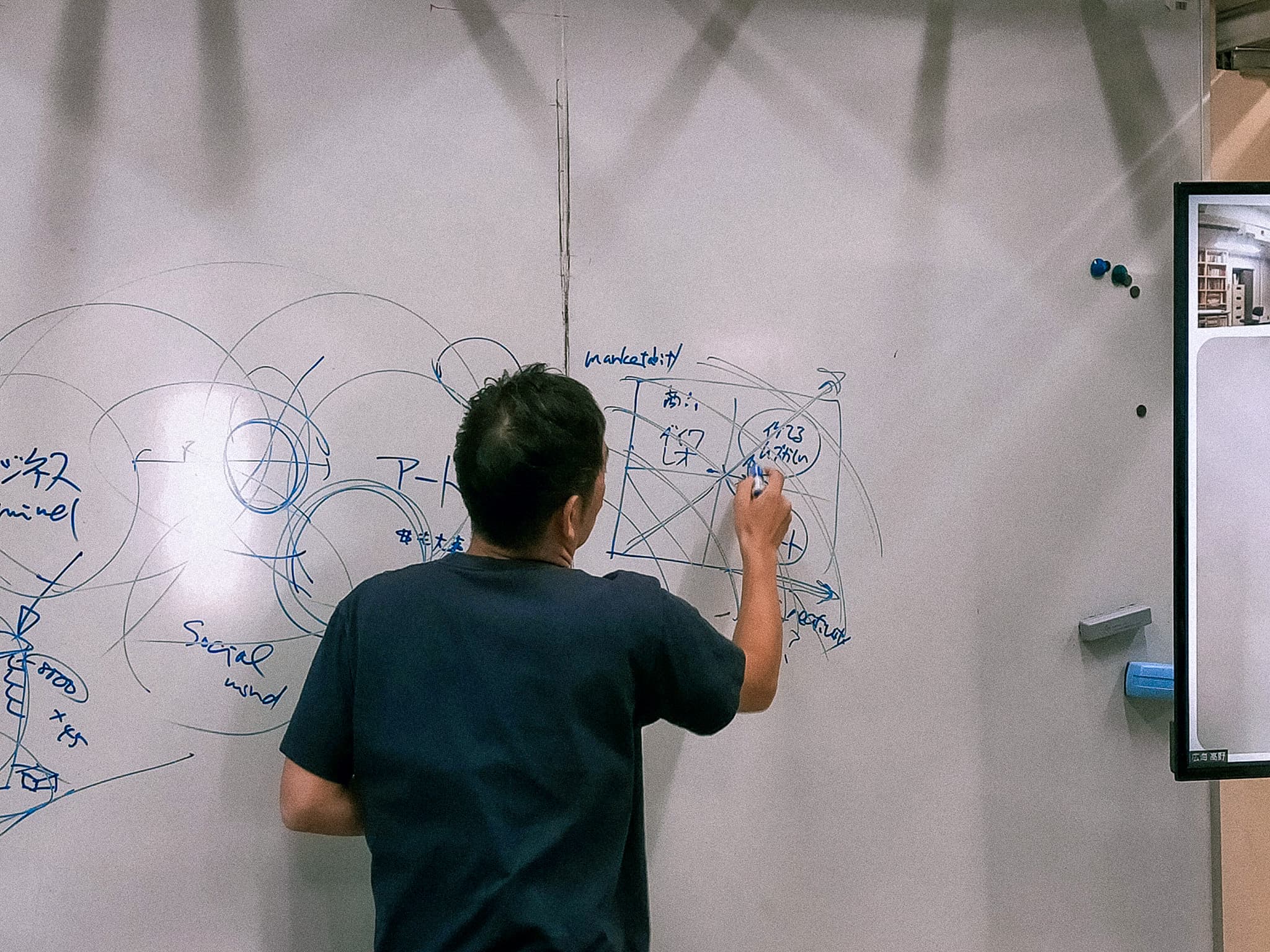
Our guests this time were Ms. Yurie Kibi of Nikken Sekkei, who kindly provided the venue for ASIBA; Mr. Takayuki Aoki, founder of SORABITO; and Mr. Hiroaki Saito of Toda Corporation. The guests also participated in providing feedback on the team pitches during the second half of the session, offering us very helpful advice and insights.
First, today’s guest, Mr. Takayuki Aoki, founder of SORABITO, gave a lecture on his own entrepreneurial experience.At the beginning of his lecture, Mr. Aoki looked back on his life and passionately shared his “story” with us. He explained that his business began when, as a graduate student, he met his close friend Mr. Nakayama and they converted a garage to start buying and selling used construction equipment.At the time, he traveled all over the country by truck, desperately conducting sales calls himself. From there, he developed a service that facilitated competitive bidding among nationwide branches, enabling online purchases across the country—but he noted that this process involved a continuous series of trials and errors.Mr. Aoki frequently emphasizes that solving problems is only possible by observing the field firsthand—a lesson he learned when he discovered that customers felt uneasy about making high-value transactions based on just a few photos of construction equipment, leading him to establish standardized appraisal guidelines. The i-Rental series—a system Mr. Aoki currently provides for construction equipment rental companies—is a groundbreaking service that enables efficient online handling of “orders,” “order management,” and “inspections” for construction equipment. He says that these initiatives, which are leading the way in Japan’s construction digital transformation (DX), were all born from listening to the voices of those on the front lines.
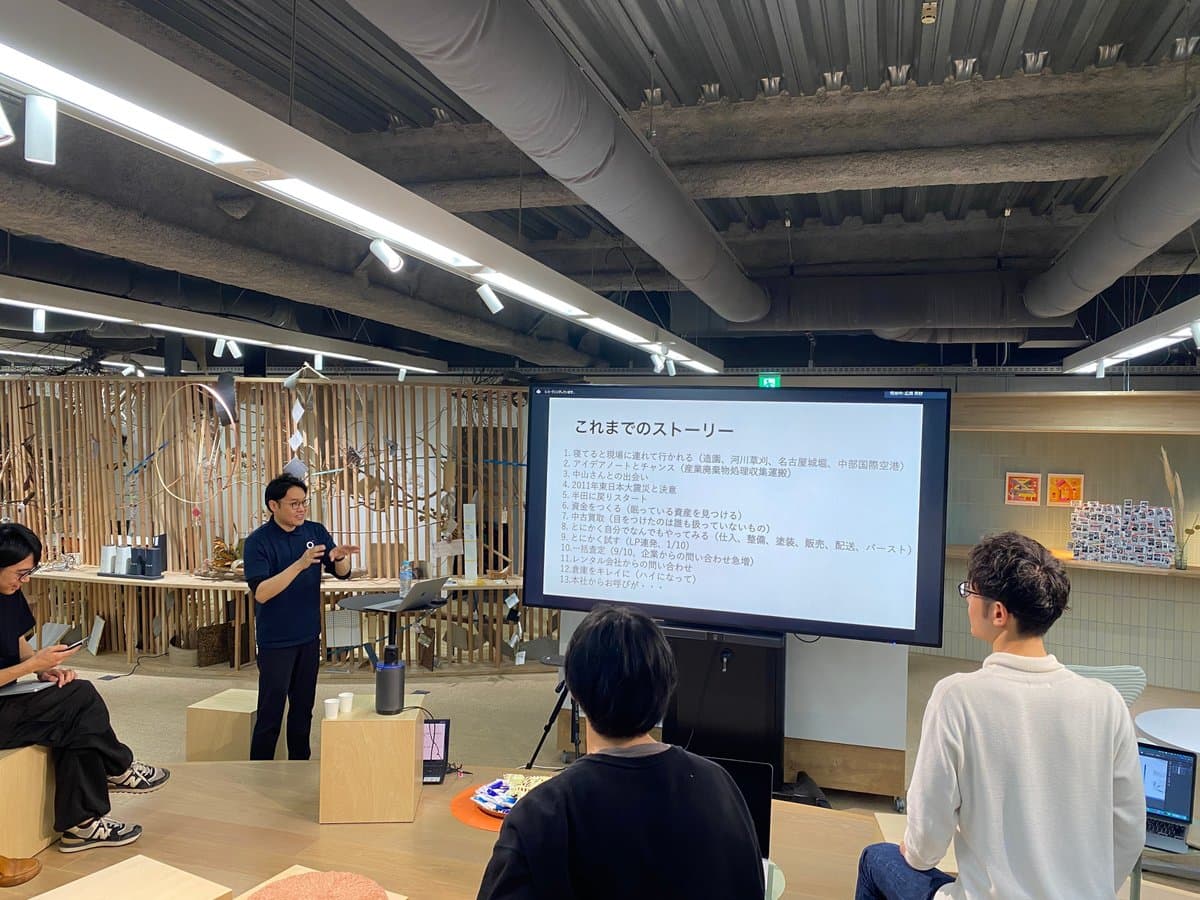
FIG.3
With the final review approaching on November 25, each project must be refined to the point where it can be implemented in society, and teams are required to find their first customers and have them actually use the service. The key to this is creating an MVP (Minimum Viable Product).To validate hypotheses and gather feedback, it is essential to create a concrete product—no matter how small—and provide it to customers. With about three weeks remaining, how far will each team be able to take their ideas?
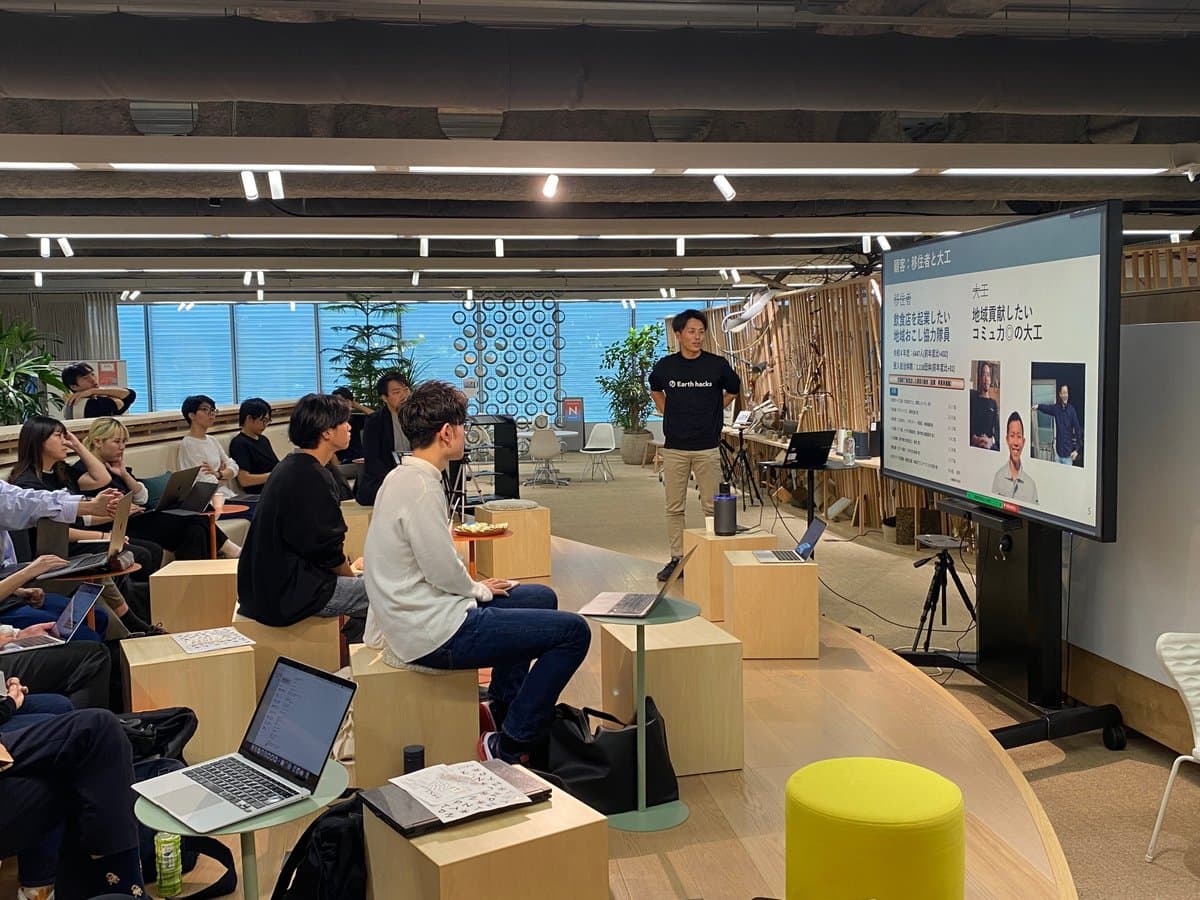
FIG.4
Credit
Related Works
ASIBA Kickoff Report: Week 1 'Creating ASIBA'
INC-1st Class Report #1
REPORT
2023.10.09.