INC-1st Class Report #4
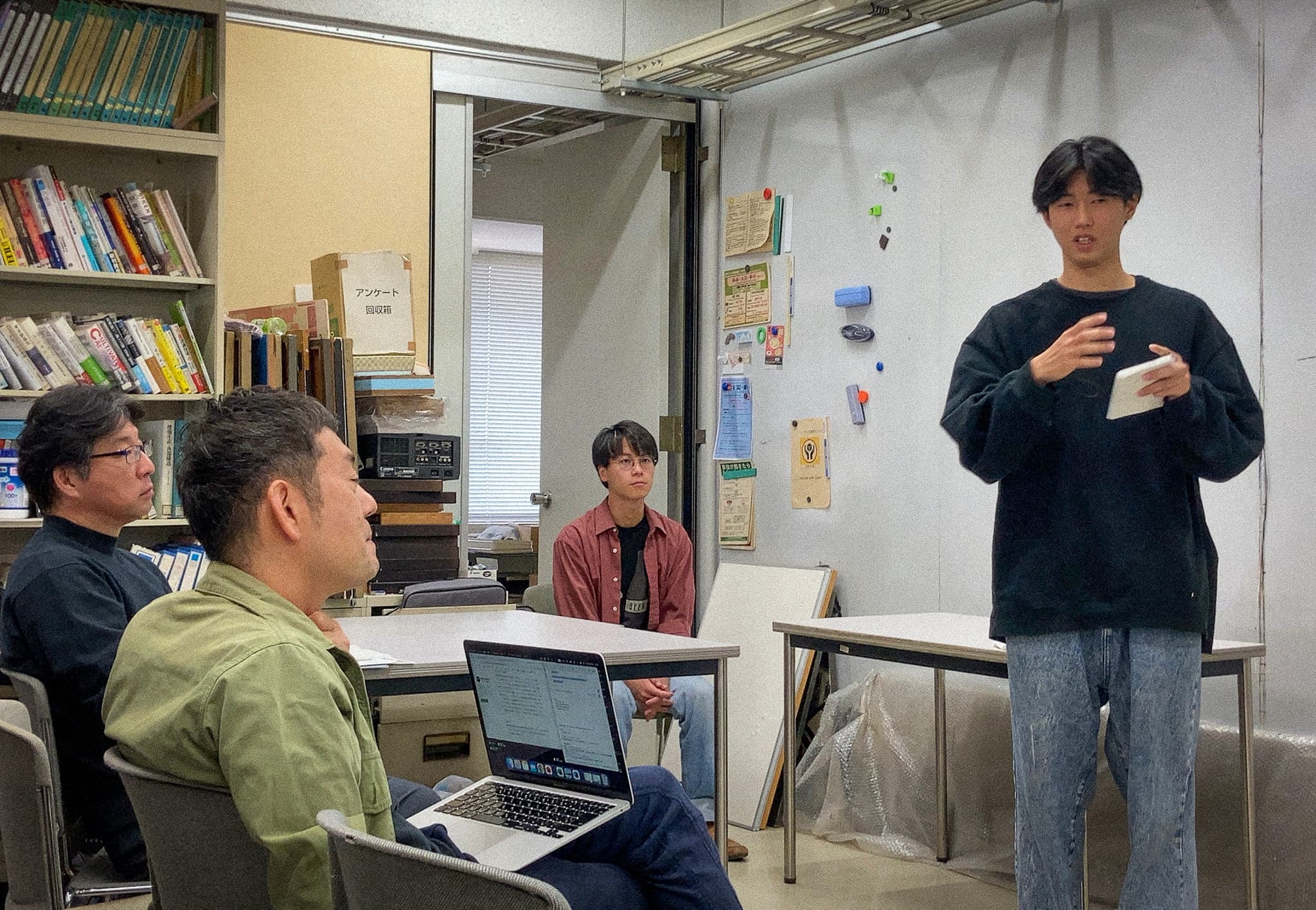
FIG.1
“ASIBA” (Architecture Studio for Impact Based Action) is a two-month incubation program specializing in urban architecture and aimed at architecture students. It is planned and operated by a group of volunteer architecture students from the University of Tokyo and Waseda University (Representative: Yuta Nihei, first-year master’s student in the Department of Architecture at the University of Tokyo).
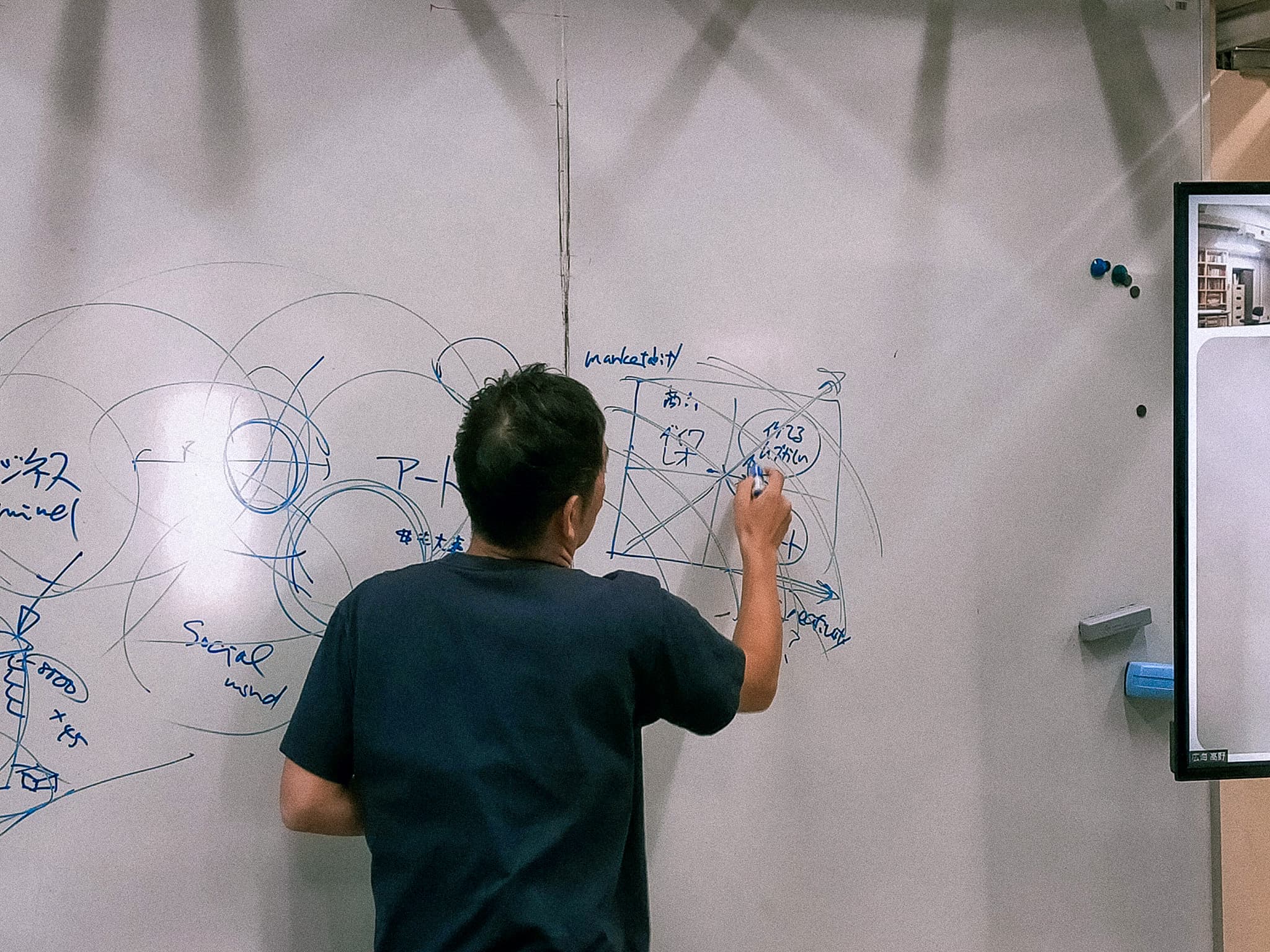
In the fourth week—the midpoint of the studio—an interim review session was held! Each team unveiled the projects they had been working on to the public for the first time and gave presentations in front of several guests and members of the general public.The event featured a total of seven original and highly polished projects that went beyond mere concepts to envision real-world implementation and commercialization, making for an unprecedentedly stimulating review session.
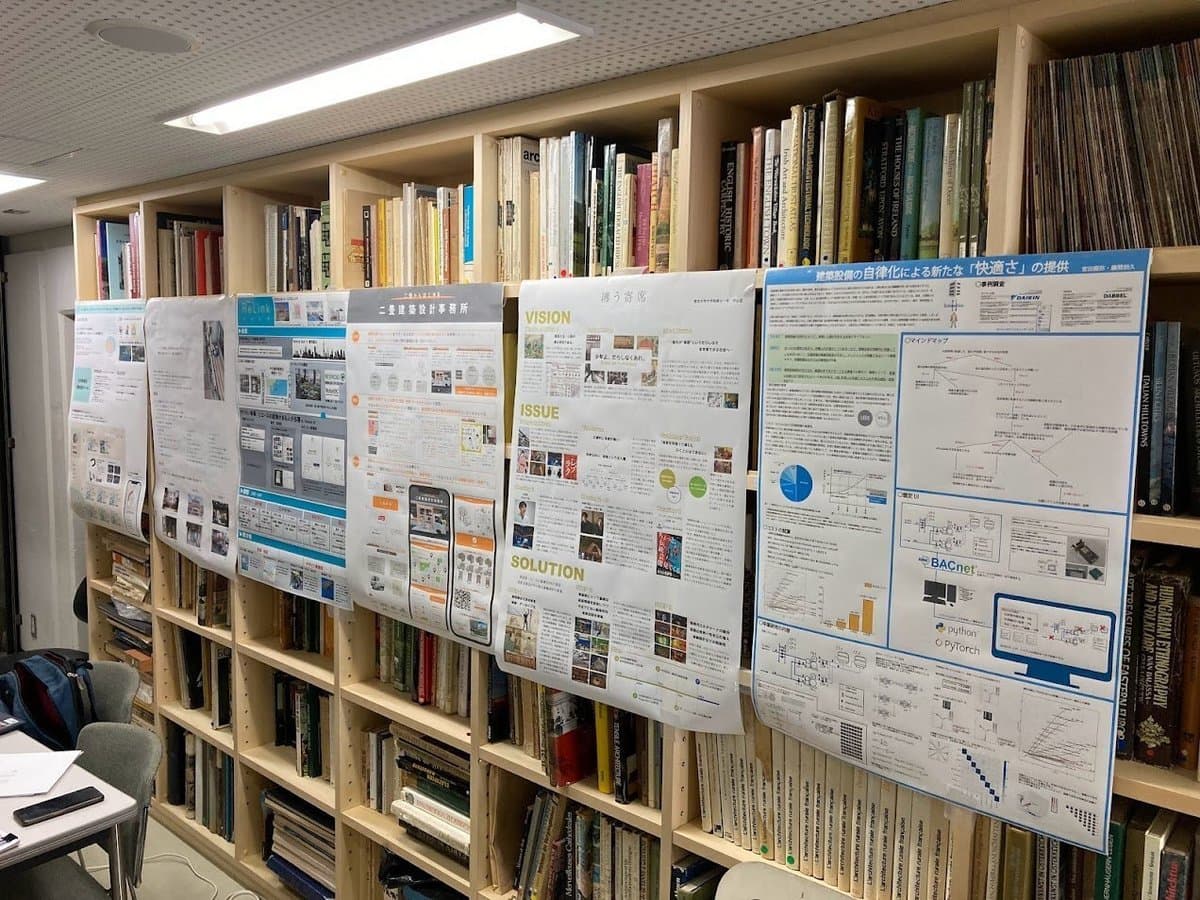
FIG.2
For the midterm presentations, we welcomed Mr. Hayashi from Tokyo R Real Estate—who had also attended the first class—along with three representatives from Shimizu Corporation, two from Shinkenchiku, and Professor Yuji Yoshimura from the University of Tokyo’s Research Center for Advanced Science and Technology.We were able to receive direct feedback on each project from experts across various fields—including industry and academia—and gained valuable guidance for our future activities aimed at social implementation.
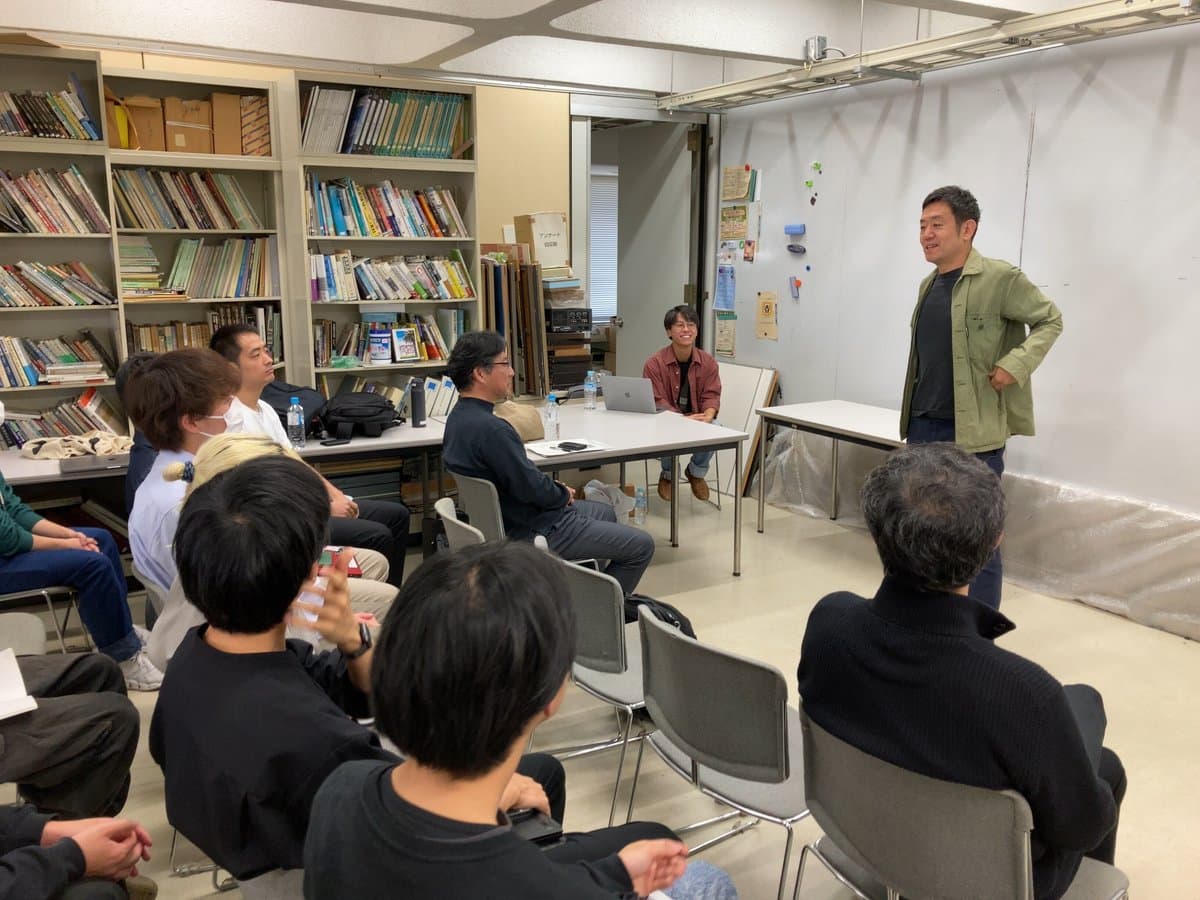
FIG.3
Each team was required to organize the ideas and thoughts generated so far and summarize the “Future,” “Current Situation,” “Challenges,” and “Customers” on a single poster, while also presenting at least one “solution” to the “challenges.”During the review session, the discussion went beyond simply evaluating the merits of the concepts; it focused on practical realities—such as what realistic challenges might arise during implementation, how the proposal could survive in the market, and whether there were any potential competitors.This was made possible by a shared understanding among all participants: that proposals should not end as mere ideas, but that they must take responsibility for the future they envisioned and see their projects through to the end. Could this be a completely new form of review session—one that differs significantly from traditional design challenges?
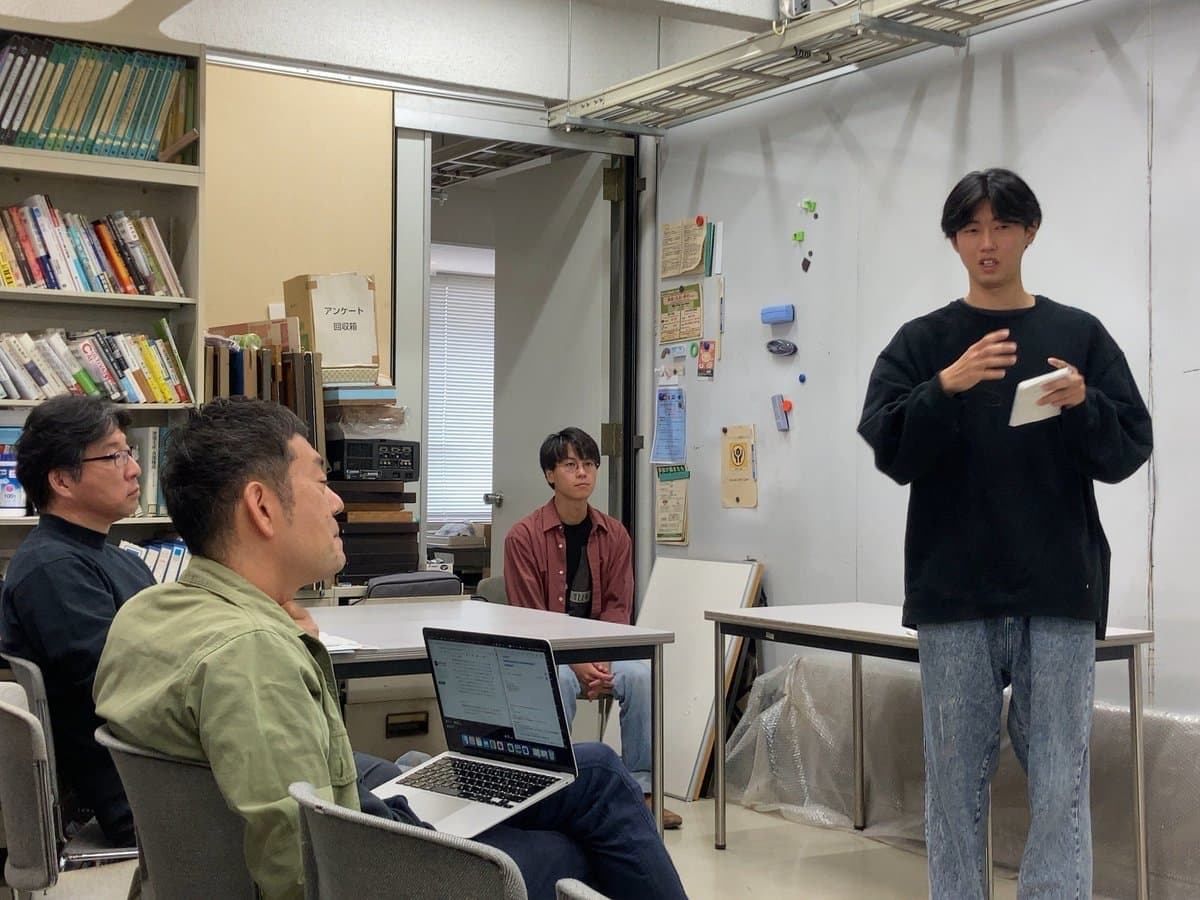
FIG.4
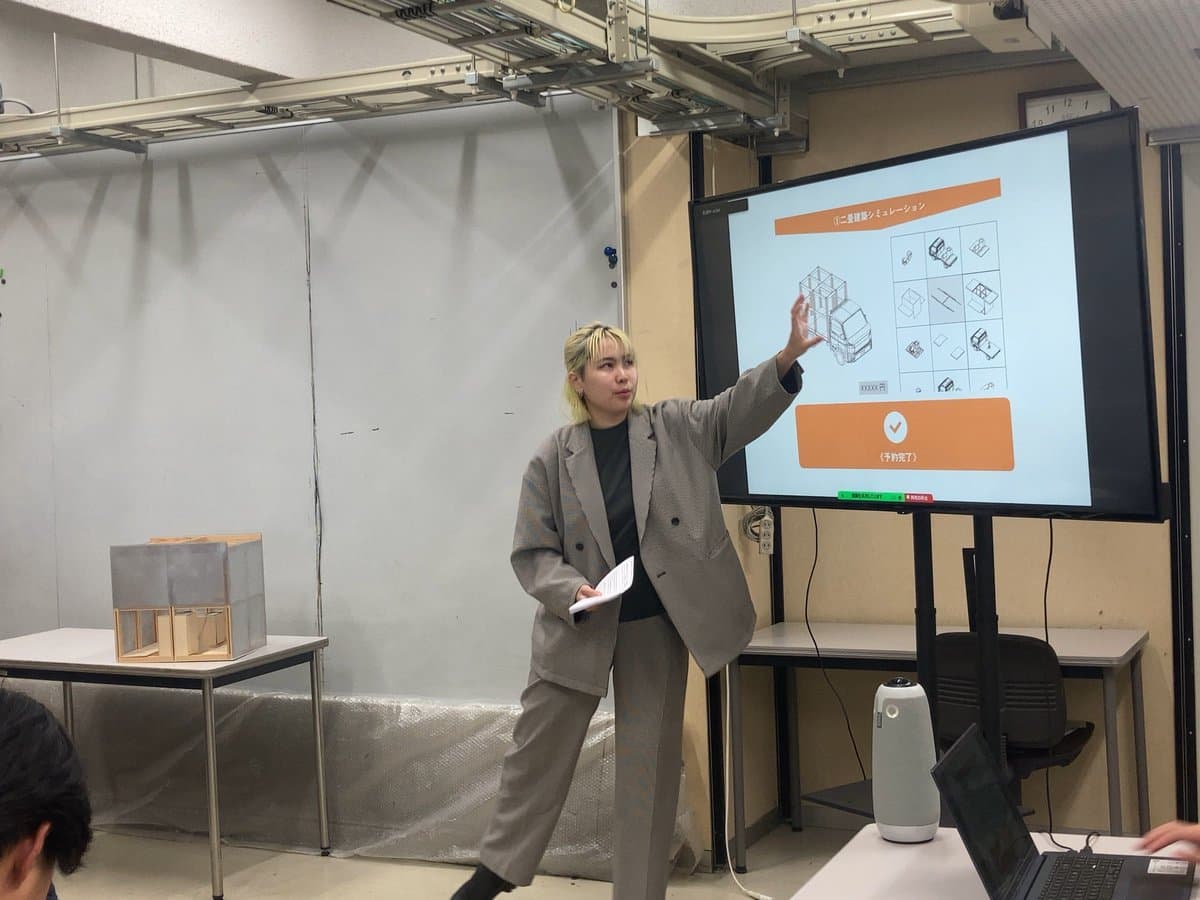
FIG.5
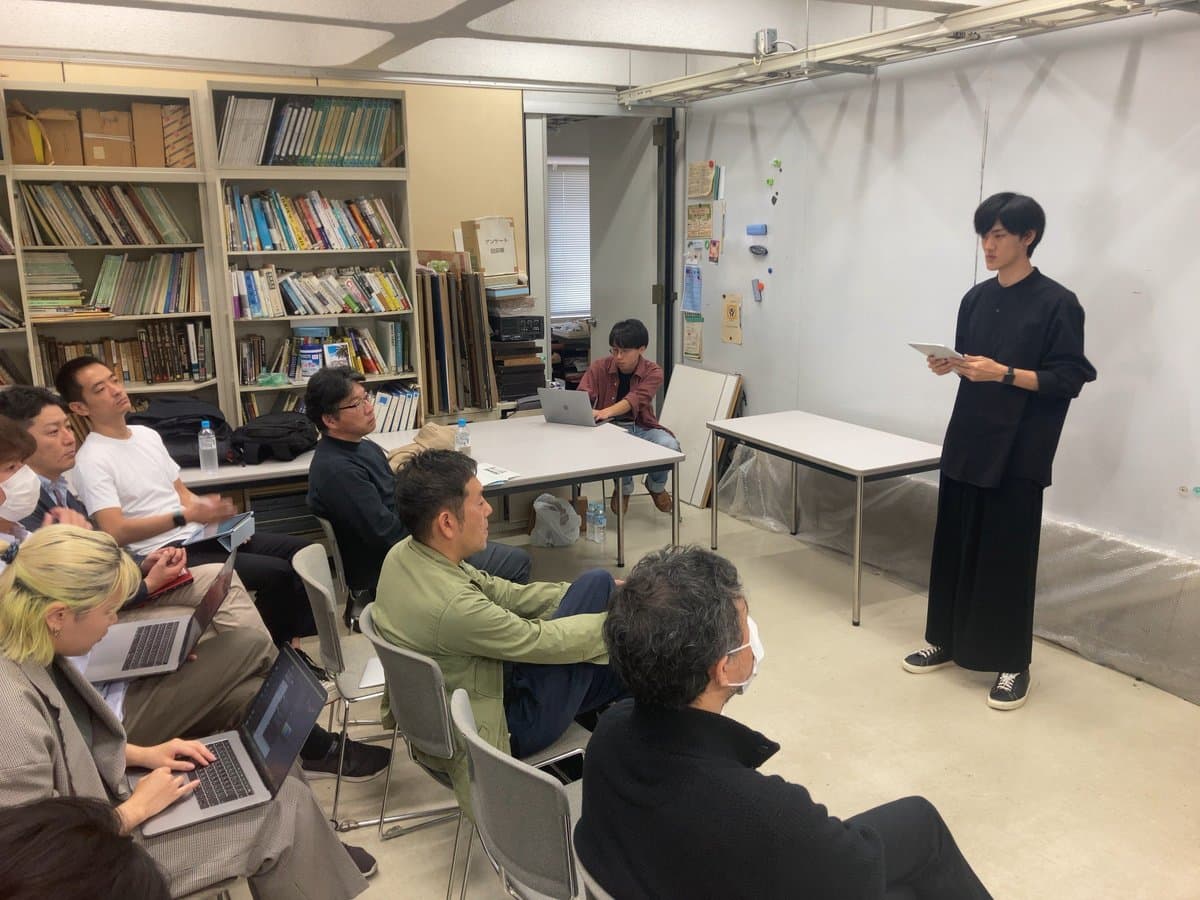
FIG.6
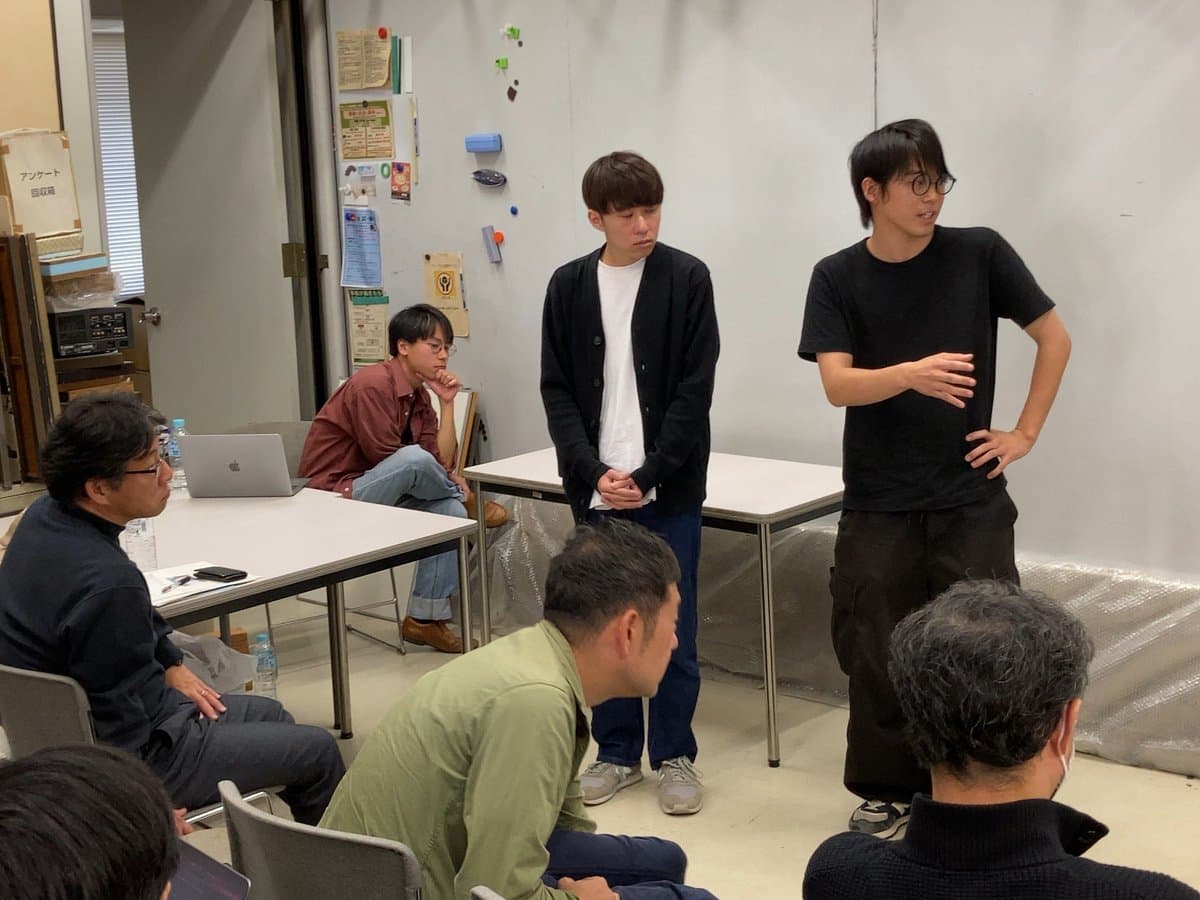
FIG.7
Credit
Related Works
Related Texts
INC-1st Class Report #1
REPORT
2023.10.09.