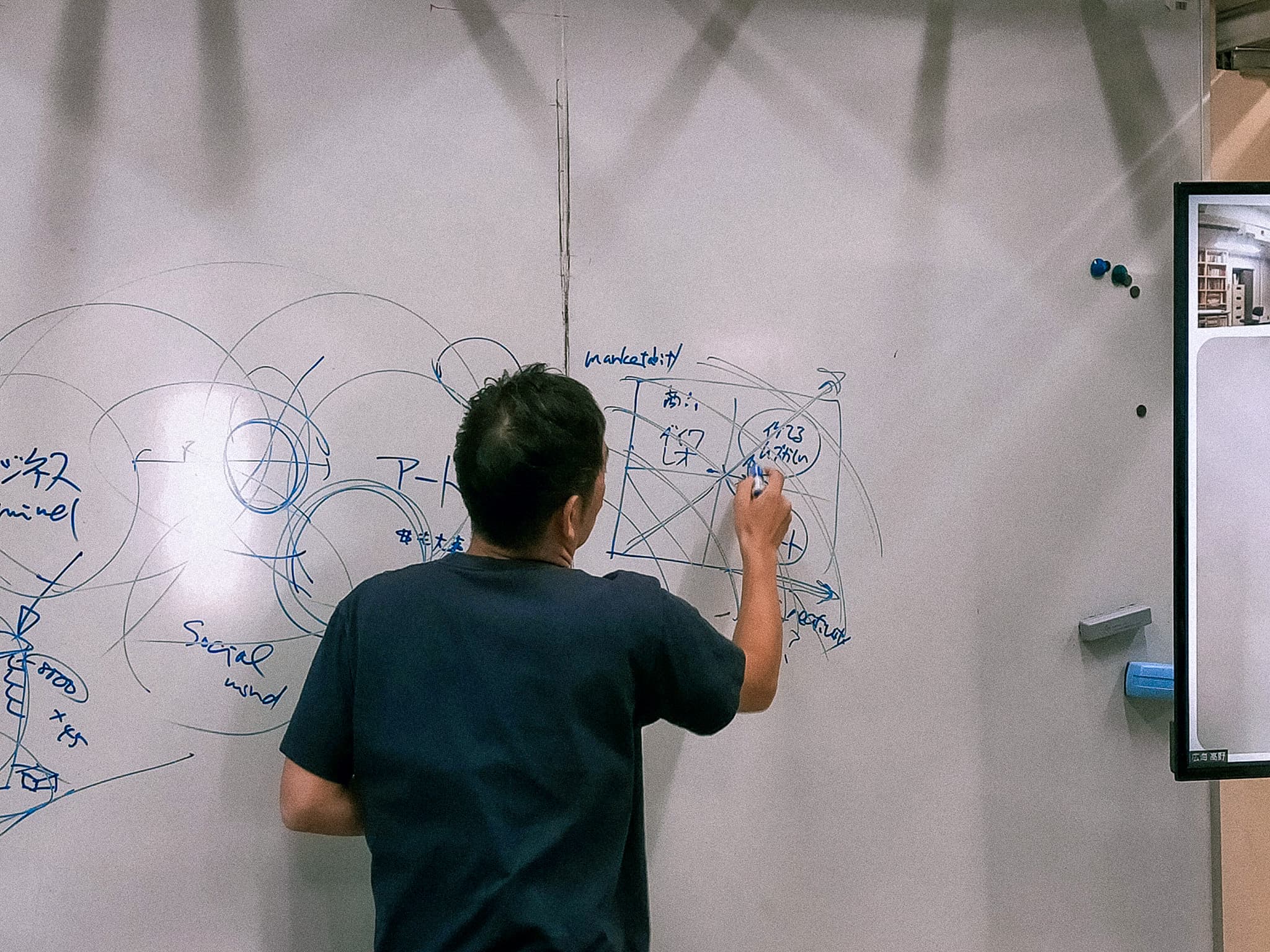
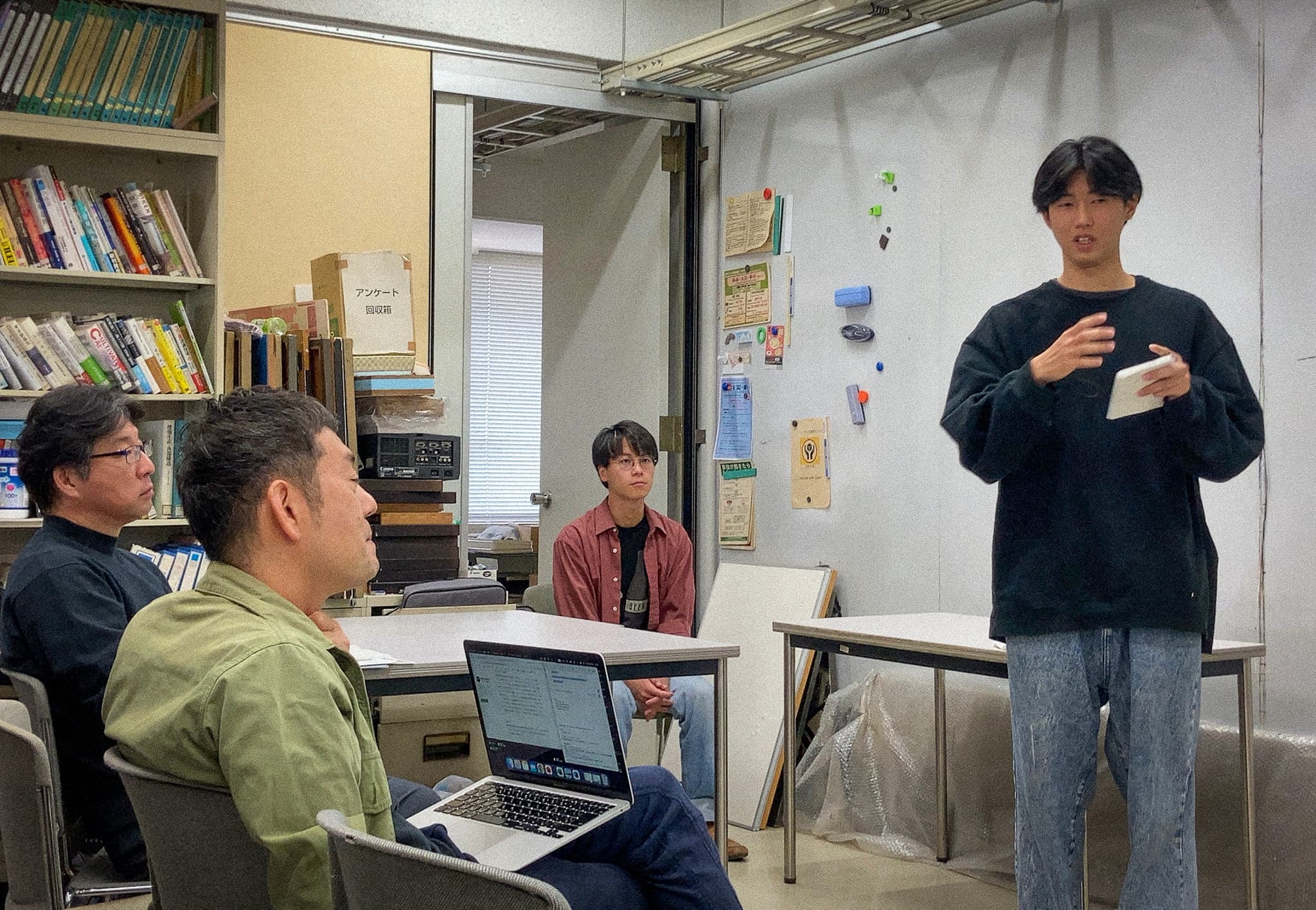
INC-1st Class Report #7

FIG.1
“ASIBA” (Architecture Studio for Impact Based Action) is a two-month incubation program specializing in urban architecture and aimed at architecture students. It is planned and operated by a group of volunteer architecture students from the University of Tokyo and Waseda University (Representative: Yuta Nihei, first-year master’s student in the Department of Architecture at the University of Tokyo).
Once again, we were able to use PYNT, Nikken Sekkei’s incubation facility, as our venue. We would like to express our sincere gratitude to Ms. Yurie Kibi and Ms. Asuka Yokoyama of Nikken Sekkei for preparing the venue for us, even though it was a holiday!

FIG.2
Our guest for this session was Professor Yuji Yoshimura from the University of Tokyo’s Center for Advanced Science and Technology, whom we also invited for the mid-term review during the fourth cycle.Professor Yoshimura is at the forefront of research and projects related to urban development utilizing big data, and he made time to join us despite his extremely busy schedule. He provided feedback on each team’s pitch and gave a lecture on his projects (described below).
The ASIBA program has now reached its seventh week. Although each project has gone through twists and turns—such as mergers and pivots—their level of detail has improved dramatically compared to the very beginning. Amidst all this, the final point we at ASIBA want to emphasize is the question: “Why am I doing this?”Every team—each as unique as the individuals who make it up—is surely underpinned by their own distinct passion and the irreplaceable “story” that has brought them this far. It is these “stories” that give the projects depth and will ultimately move the audience’s hearts during next week’s final review.
Once again, we divided the presenting teams into two groups and held a feedback session. The discussion went beyond content alone, focusing on “how to convey the message” with the conference in mind, and frank opinions were exchanged regarding the overall polish of the presentations.
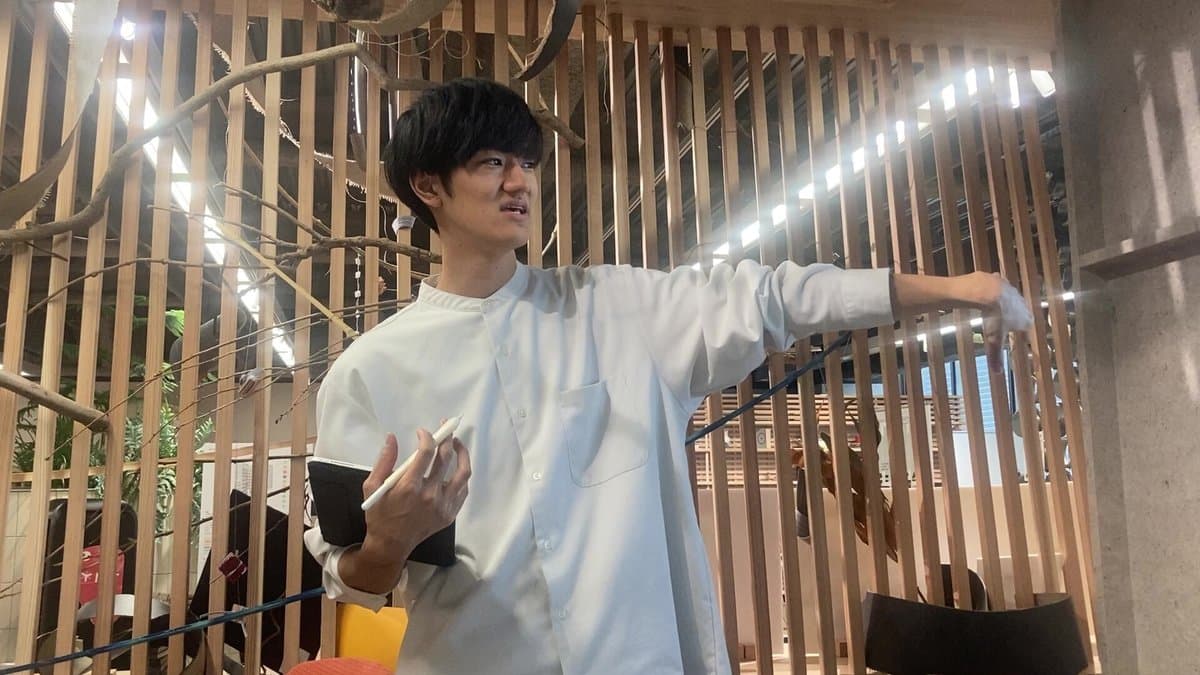
FIG.3
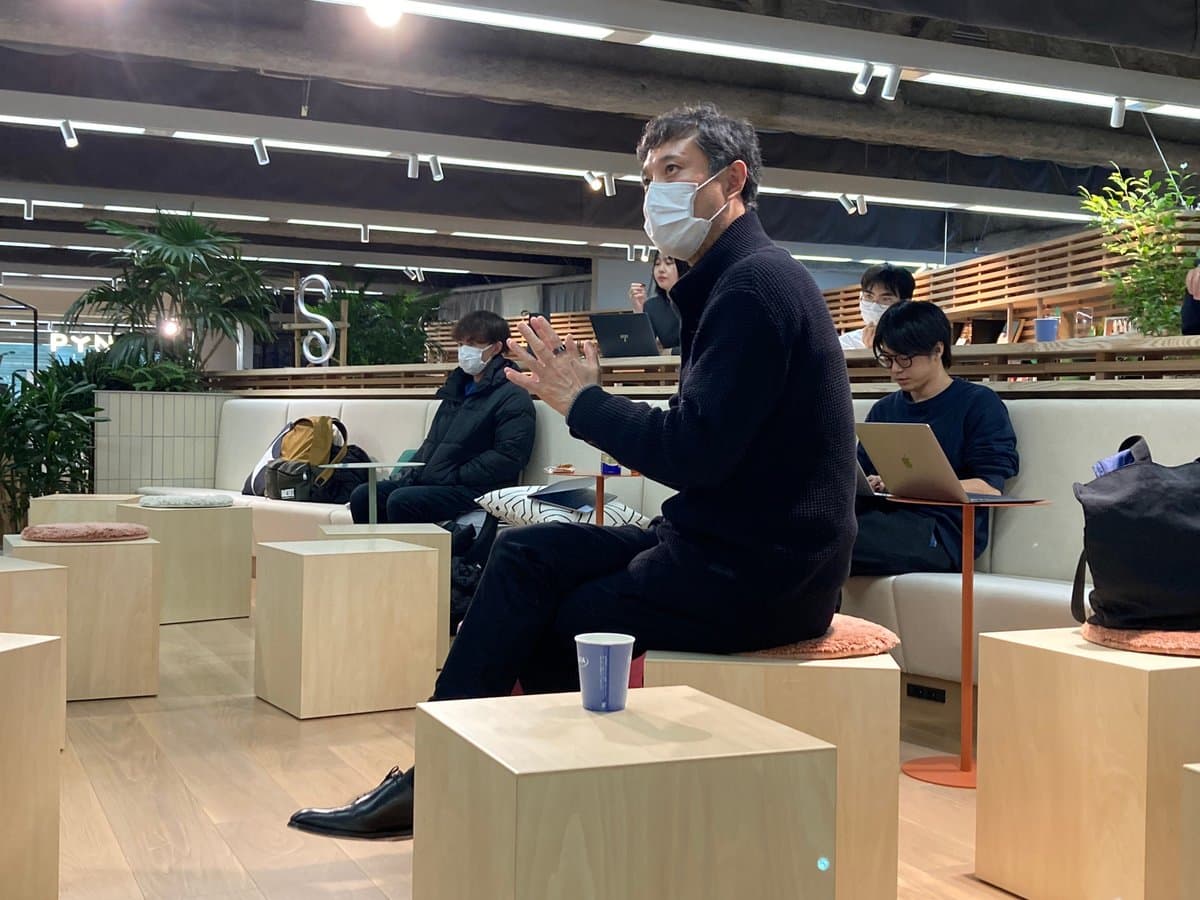
FIG.4
In the latter half of the class, we were treated to a lecture by Professor Yuji Yoshimura, an architect and researcher. After earning his Ph.D. in computer science, Professor Yoshimura shifted his research focus to urban development and communities, where he has since undertaken numerous pioneering initiatives utilizing big data.As exemplified by a service that automatically generates walking routes through urban green spaces by extracting green space coverage rates from Google Street View and mapping areas with high coverage, Professor Yoshimura’s projects are consistently framed from the perspective of “residents” within the city. There is no doubt that this approach—which avoids falling into mere technological worship—is essential for the success of such initiatives.
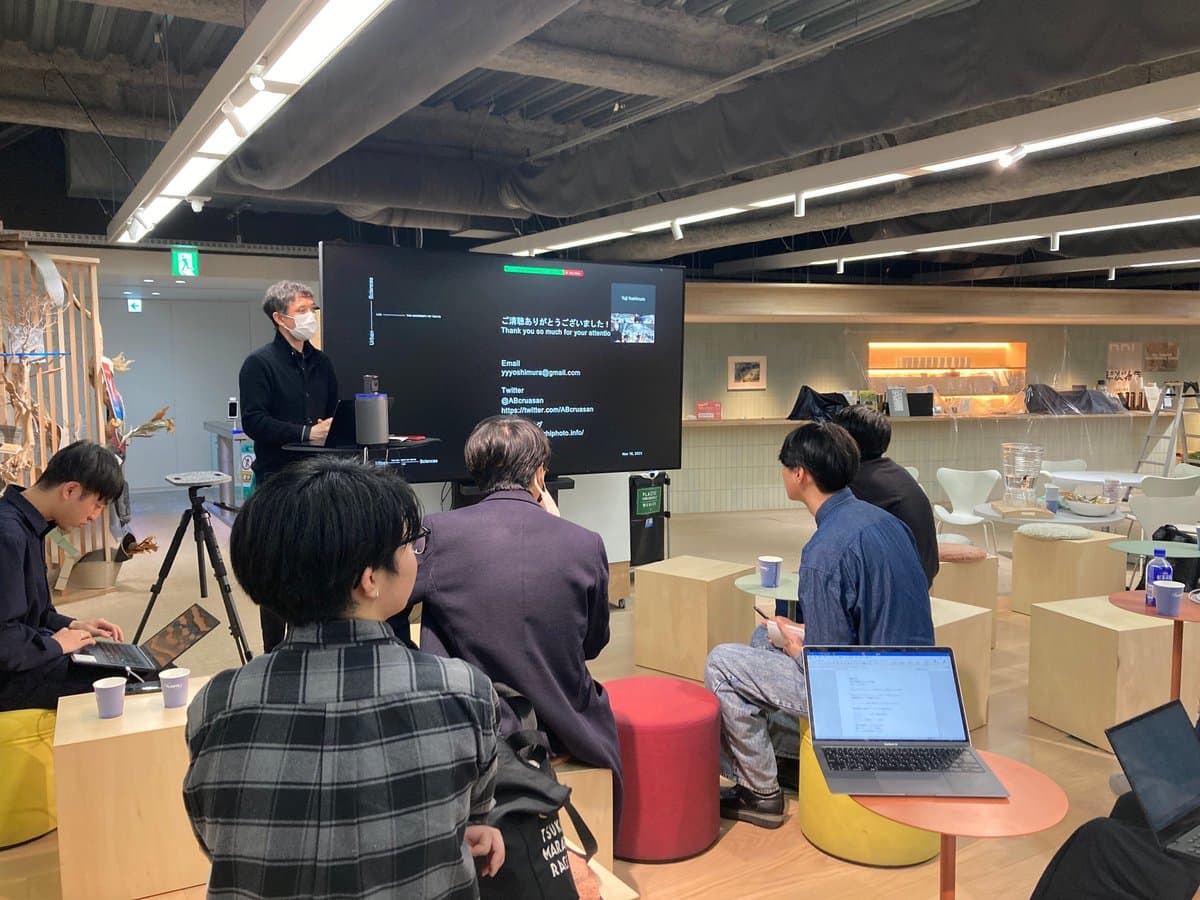
FIG.5
Additionally, at the end of the class, thanks to the kindness of Mr. Yokoyama from Nikken Sekkei, we were treated to a comprehensive overview of the firm’s various projects currently on display at PYNT.From a facility where visitors can walk through and experience the interior of architectural drawings by projecting CAD data at actual scale, to an app that visualizes a building’s energy consumption to encourage users to change their behavior—every exhibit was inspiring, and I felt they truly embodied PYNT’s concept as a “space for co-creation that gathers urban challenges and implements solutions for the future.”
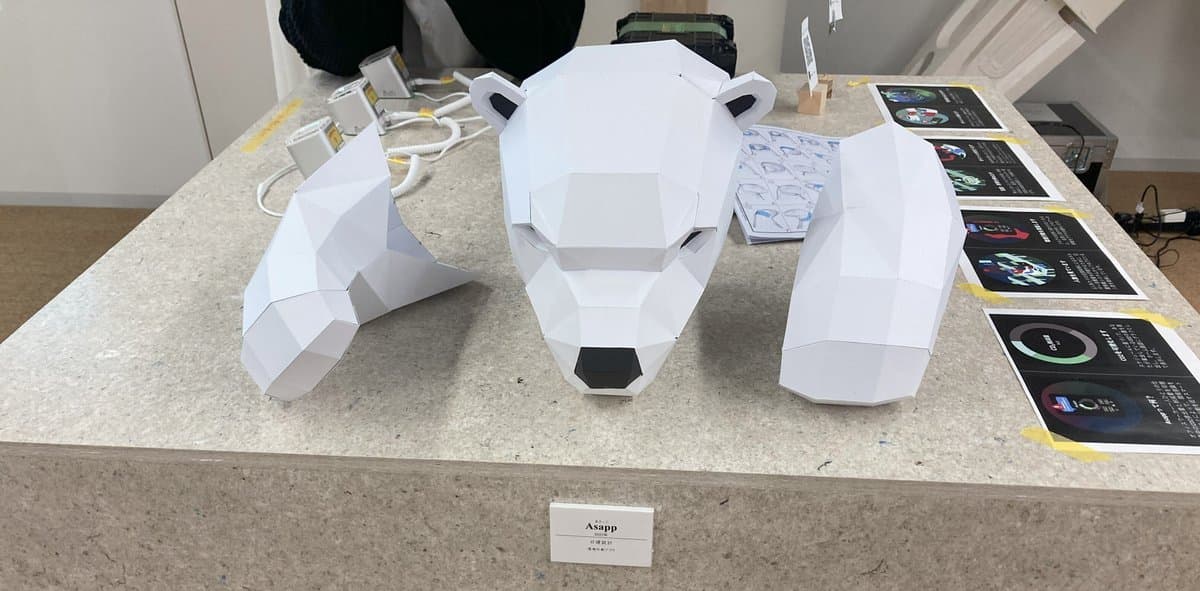
FIG.6
Credit
Related Works
Related Texts
INC-1st Class Report #1
REPORT
2023.10.09.