INC-1st Class Report #2

FIG.1
“ASIBA” (Architecture Studio for Impact Based Action) is a two-month incubation program specializing in urban architecture and aimed at architecture students. It is planned and operated by a group of volunteer architecture students from the University of Tokyo and Waseda University (Representative: Yuta Nihei, first-year master’s student in the Department of Architecture at the University of Tokyo).
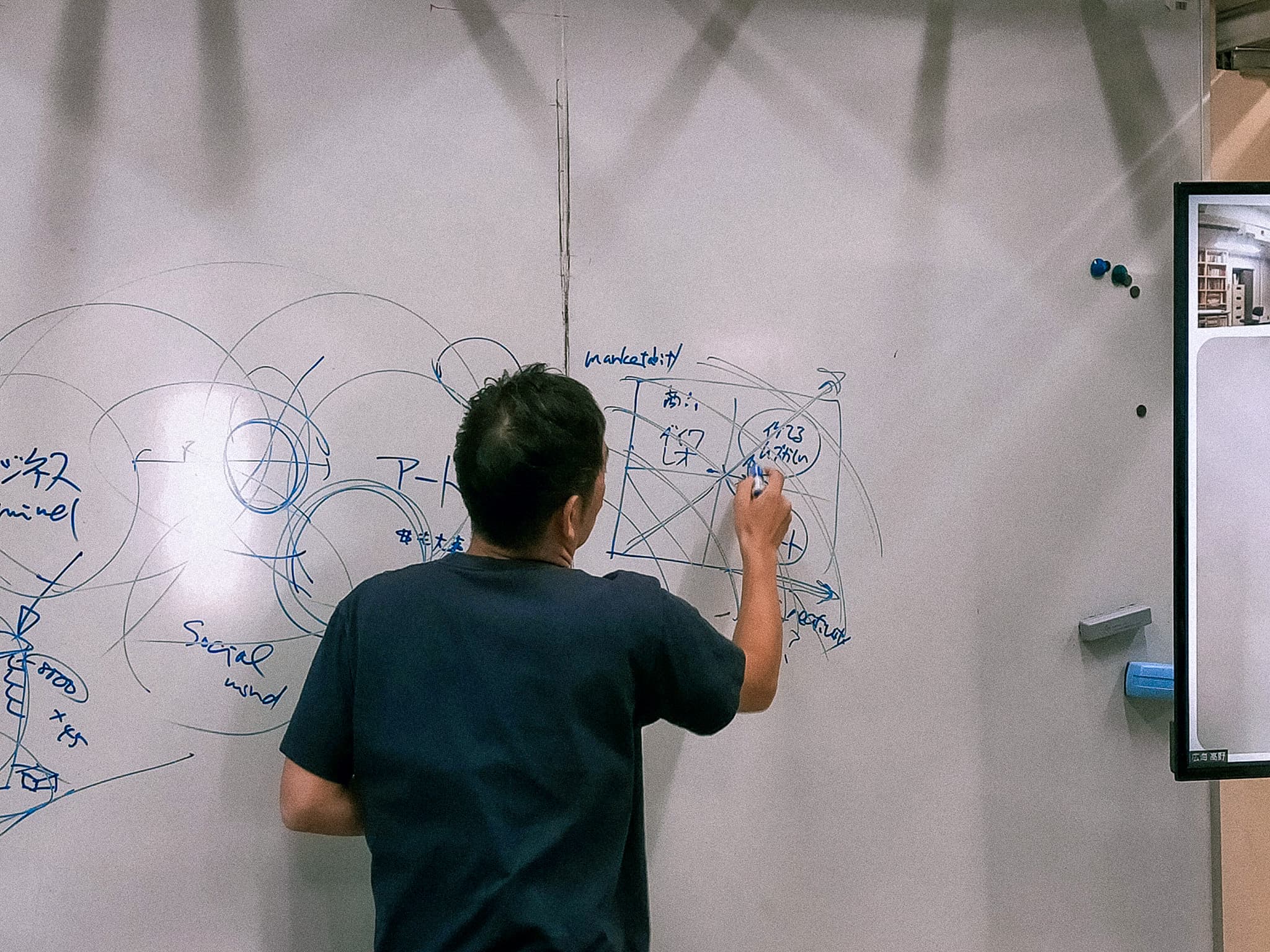
At the opening of the second week’s session, we began by reaffirming the studio’s objectives.In an era where major general contractors and construction companies are investing more than ever in venture businesses and venture capital, the ASIBA project is truly at the forefront of this trend—there is no better opportunity than this. Seeing how seriously Representative Nihei takes ASIBA, both the organizers and participants felt even more motivated to give their all.
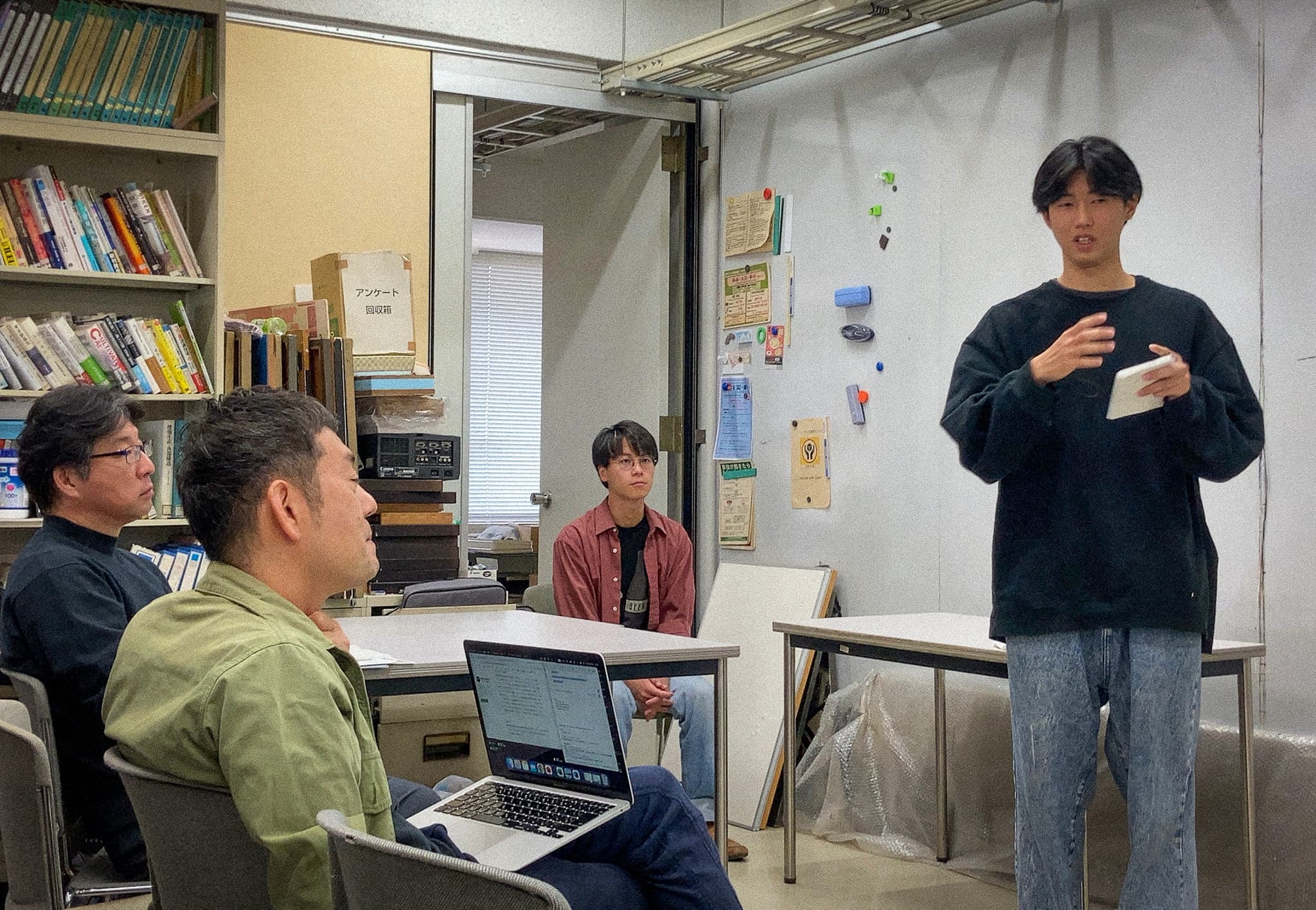
For this week’s assignment, each participant was tasked with researching the 5W1H aspects of their respective themes as “broadly” and “in as much detail” as possible to build a foundation of background knowledge. They were asked to delve deeper into their ideas—explaining why they envision that future, what they are addressing, for whom, and when and where it will take place—and to communicate these concepts clearly to the entire group.In addition, this session included time for peer feedback among participants, facilitating a broad exchange of opinions from multiple perspectives.The themes participants explored were as diverse as the participants themselves, ranging from the social implementation of new technologies to optimize energy use in building systems, to transforming “rakugo” into entertainment culture for the next generation, to providing a service that allows clients to easily customize and manage a small, two-tatami-mat space.The interactions between people who share the same aspirations yet come from completely different fields of expertise were all extremely interesting and likely led to new insights.
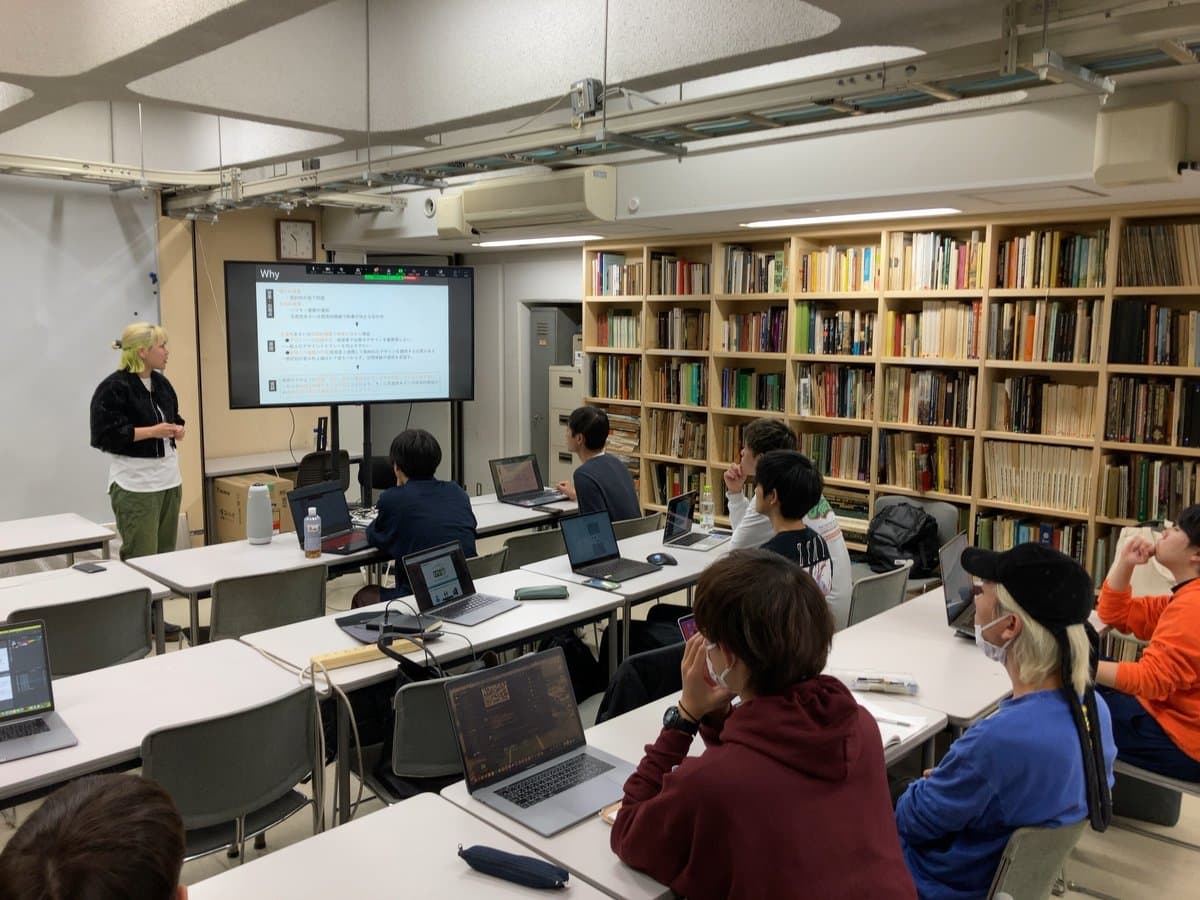
FIG.2
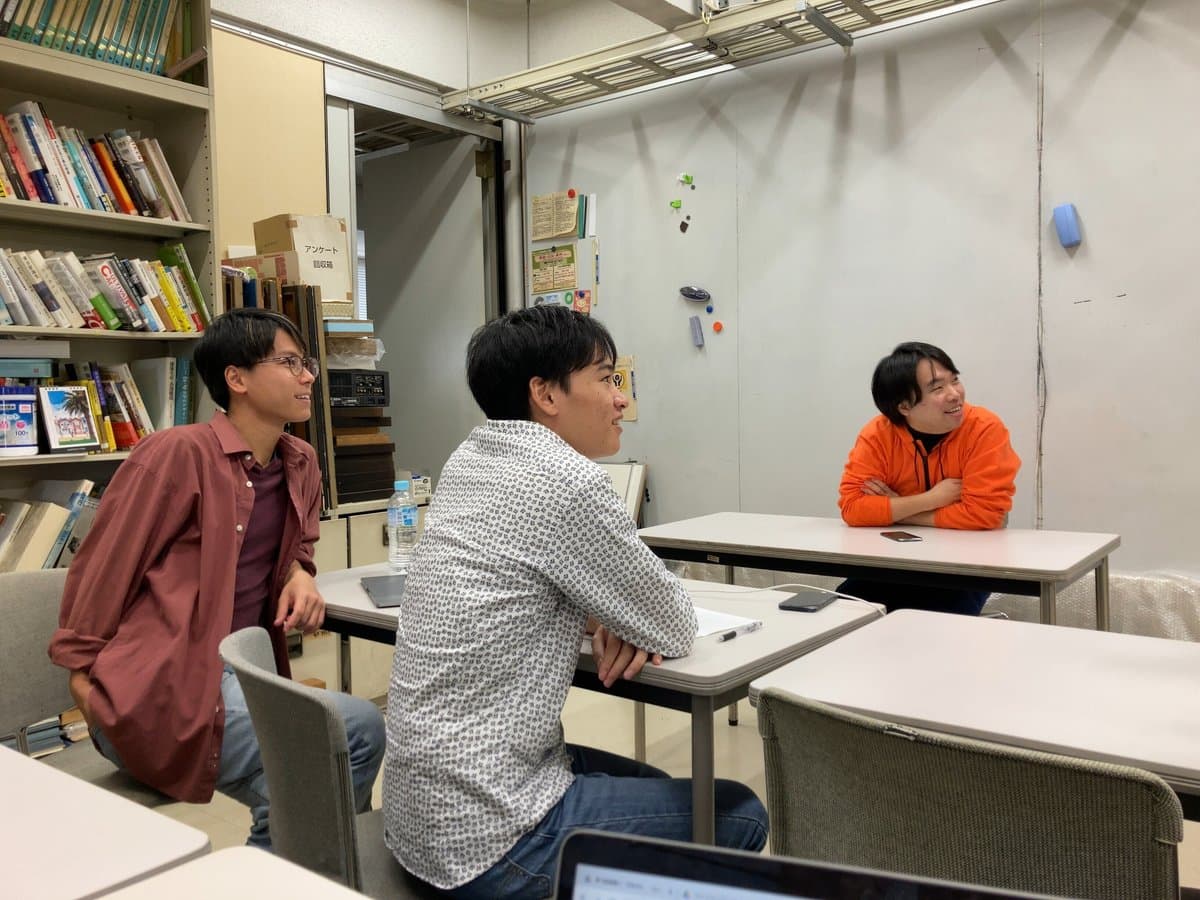
FIG.3
Additionally, starting this week, participants have begun conducting interviews with users and experts as part of their research and validation process.Under the motto “Let’s Become Customer Maniacs,” they are listening to feedback from customers and experts to gather information. This takes a great deal of courage for those with no business experience who have previously been confined to the university environment, but through projects like this at ASIBA, all participants are sure to grow significantly.
Next, Representative Nihei delivered a lecture on the theme of “Increasing Customer Resolution.”
To make a business successful, it is not only essential to be familiar with many case studies but also to be able to delve deeply into and organize customers’ challenges. The four key axes for increasing resolution are depth, breadth, structure, and time.Even if you have deep knowledge of a specific phenomenon, it is meaningless if you lack broad knowledge of other related phenomena or cannot see the structure and relationships between the various elements. Furthermore, it is important to be mindful of the timeline—such as the historical context and evolution of the challenge. As an in-class workshop designed to “increase resolution,” participants worked on creating logic trees for their individual themes by repeatedly asking “Why So?”When faced with a major current issue, students considered why it occurs. They then further broke down the smaller sub-issues that emerged. By repeating this process, their thoughts became organized and visualized, allowing them to naturally delve deeper into their hypotheses about the issue.
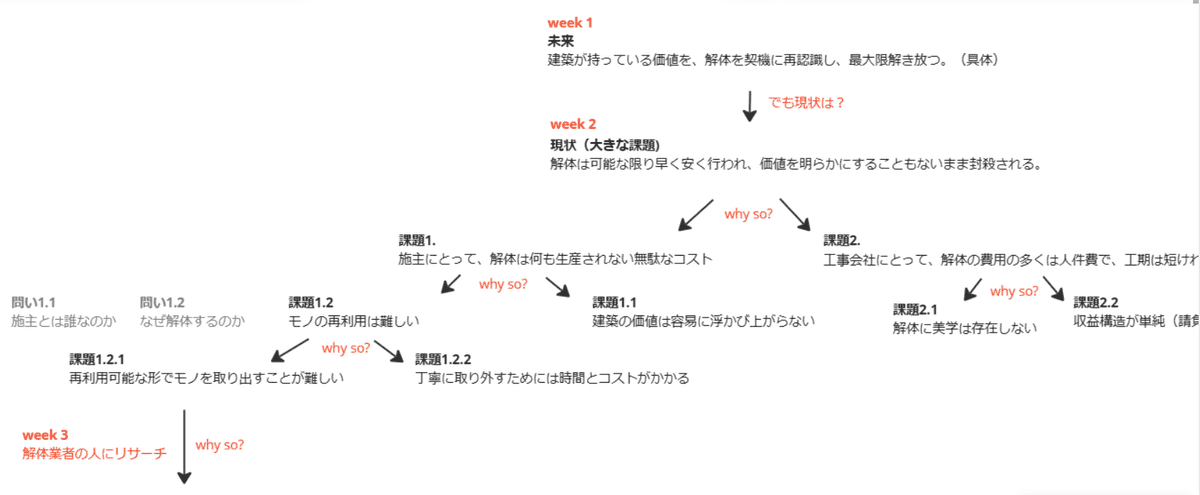
FIG.4
A lecture was also given on the importance of hypothesis testing. The fields that startups tackle are highly innovative and extremely uncertain. Within this environment, it is necessary to arrive at your own answers and verify them. To do this, a “hypothesis testing” mindset is essential.You propose a hypothesis that you believe to be correct based on observed phenomena, then conduct experiments to verify whether it is correct. If you do not obtain the expected results, you reformulate the hypothesis and test it again. While this is a fundamental concept in the natural sciences, what distinguishes business from science is that “hypothesis testing is conducted through customers, not through natural phenomena.”No matter how excellent a hypothesis may be, it is meaningless if it does not hold up in the market. Furthermore, a major difference from the natural sciences is that in business, hypotheses have a significant impact on subsequent decision-making and commercial success, and it is crucial to be able to test them as cheaply and quickly as possible. With that, we have concluded this class after deepening our understanding of the business mindset.
Credit
Related Works