Port Island Study Tour
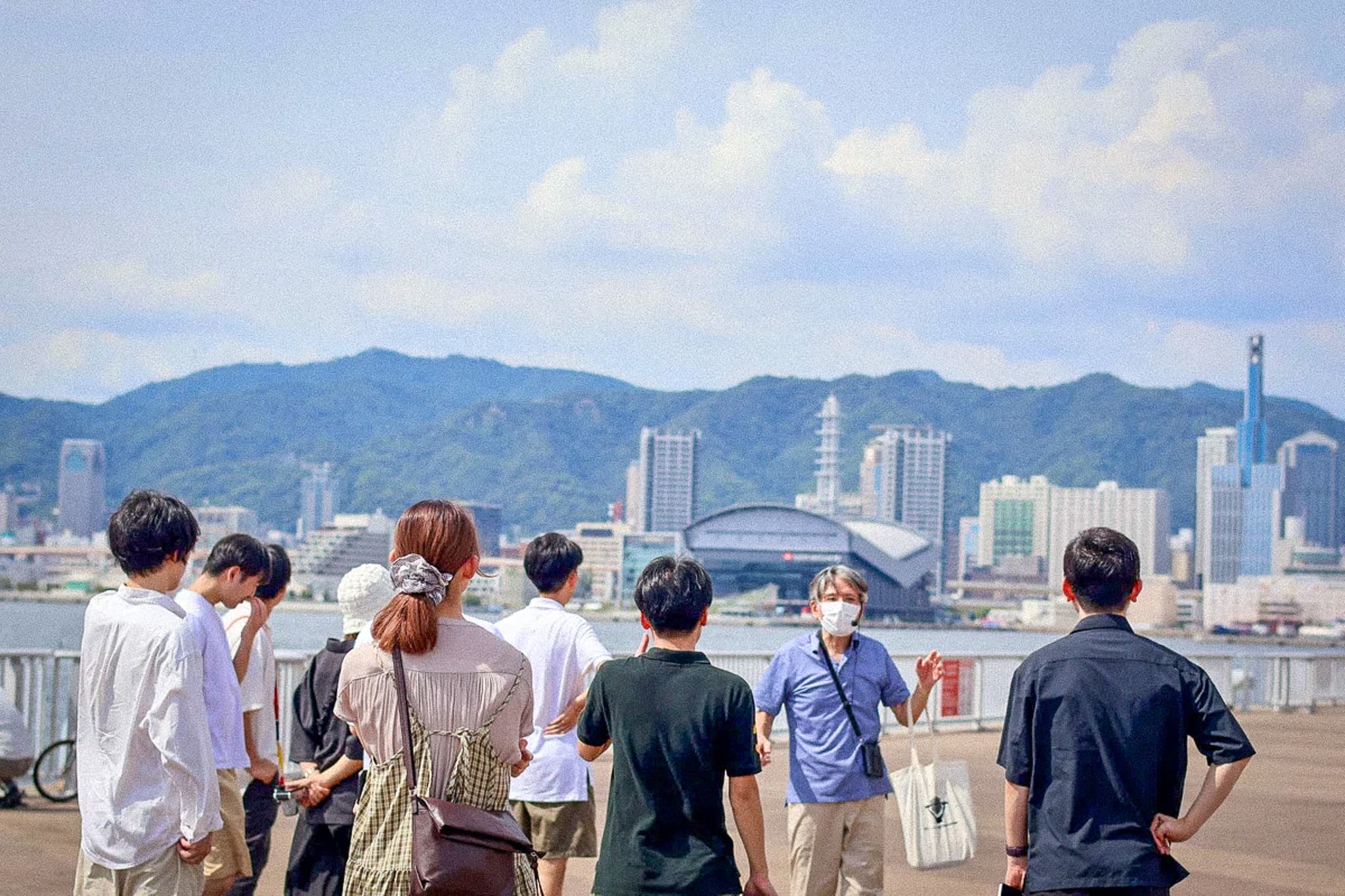
FIG.1
On September 3, 2025, we conducted a study tour on Port Island in Kobe, Hyogo Prefecture, together with members of the Port Island Research Group and Future Style Research Institute (Nippon Steel & Kowa Real Estate Co., Ltd.). Going forward, ASIBA plans to foster collaboration aimed at creating new research initiatives and demonstration experiments on Port Island. As a kickoff for these efforts, we organized a tour of the island and a workshop with participants from the third cohort of our incubation program and young entrepreneurs participating in the ASIBA ecosystem to explore Port Island’s current state and future potential.
Port Island was created in 1981 as the world’s largest artificial island at the time to overcome Kobe City’s geographical challenge of limited flat land.This development was influenced by the “floating city” concept debated from the 1960s through the 1970s. Beginning with Kenzo Tange’s “Tokyo Plan 1960” and Kiyonori Kikutake’s “Floating City,” architects of the Metabolism movement envisioned the sea as a new foundation for life and urban development.Unlike these plans, which remained mere concepts, Port Island is one of the few examples that were actually realized; it was planned as a “21st-century maritime city” that consolidated functions such as housing, commercial offices, and port facilities.Since then, universities, research facilities, and an international convention center have been established there, and the island has evolved into a hub that, in addition to its functions as a port city, supports new urban functions such as international exchange and medical research.
On the other hand, Port Island—built as an ideal artificial island—has come to face challenges over time.Universities, research facilities, and residential areas are divided by major roads, and there are not enough spaces for chance encounters and interaction. Furthermore, as a result of the clear separation of uses—such as residential, research, industrial, and port—continuity between zones and flexible land use have been restricted, leading to a situation where some areas are becoming increasingly depopulated.Furthermore, as apartment buildings age, the resident population grows older, and commercial facilities close, maintaining the overall convenience and vibrancy of the area has become a major challenge.
On this occasion, guided by Vice Chairman Hashida of the Port Island Autonomous Union Council, ASIBA members examined the current state and potential of Port Island from their respective fields of expertise and unique perspectives.
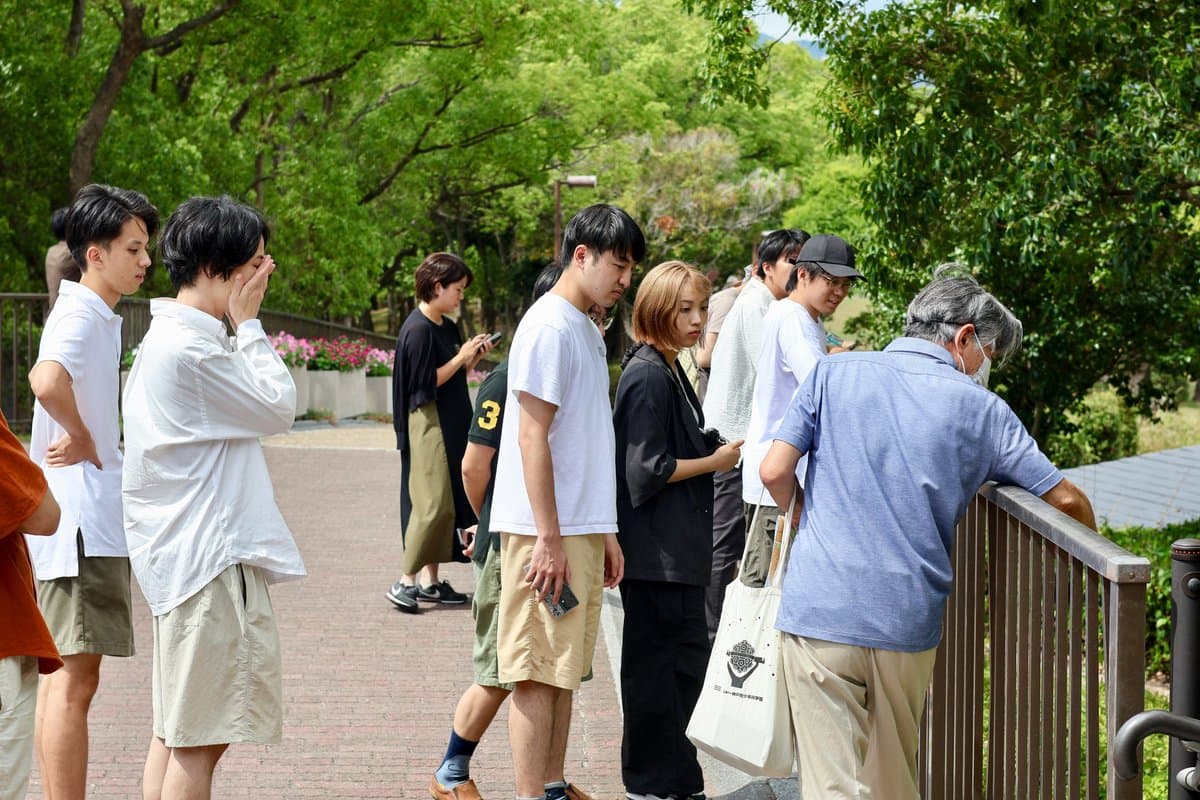
FIG.2
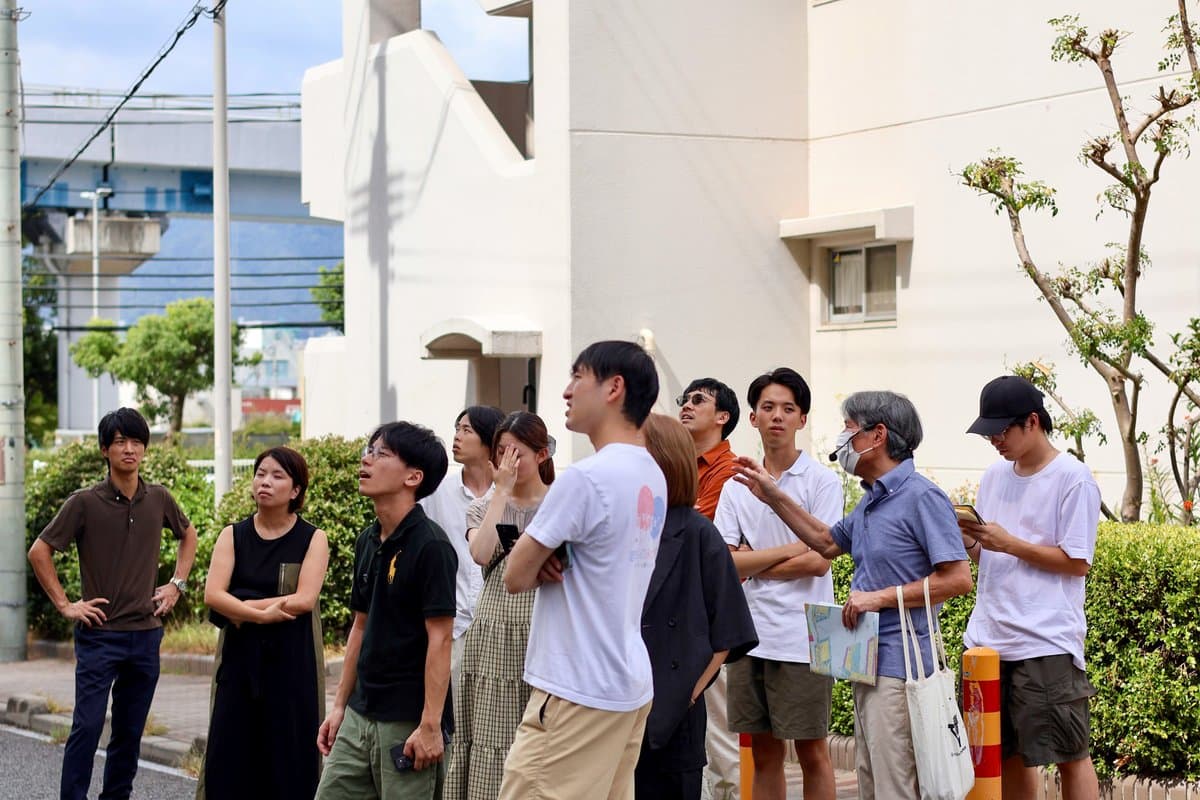
FIG.3
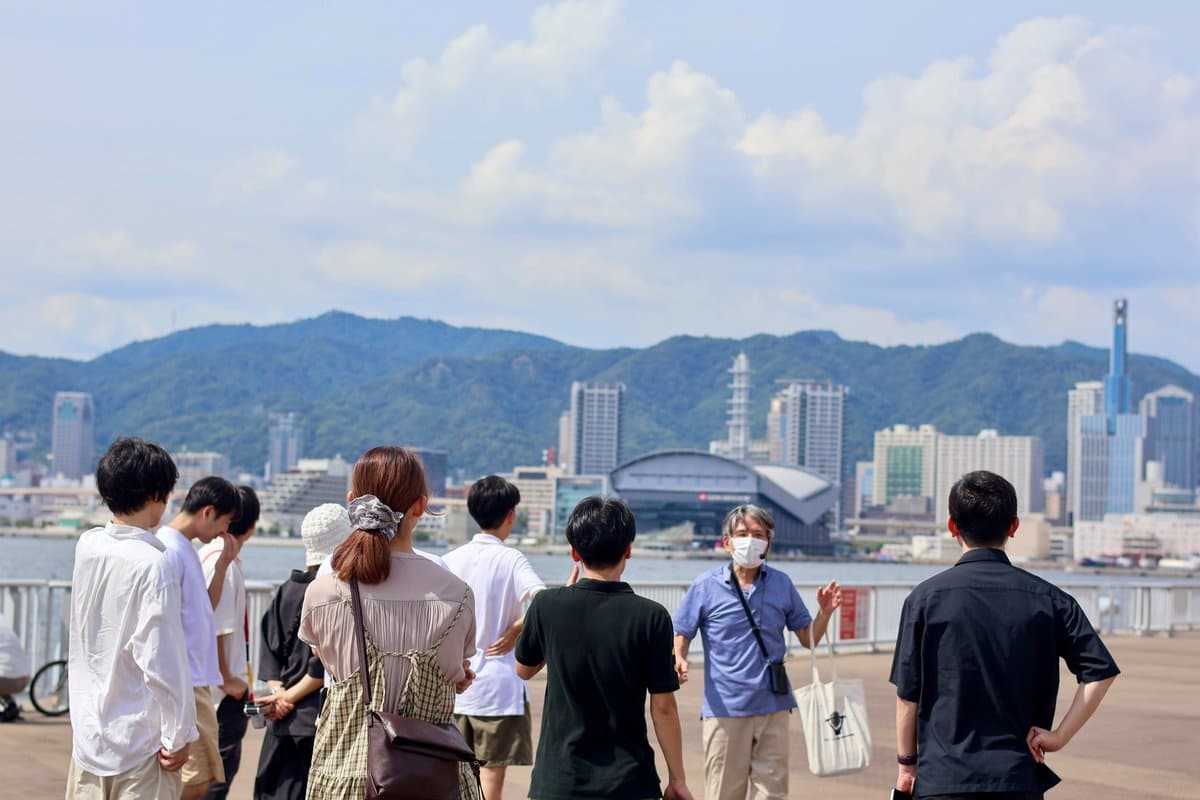
FIG.4
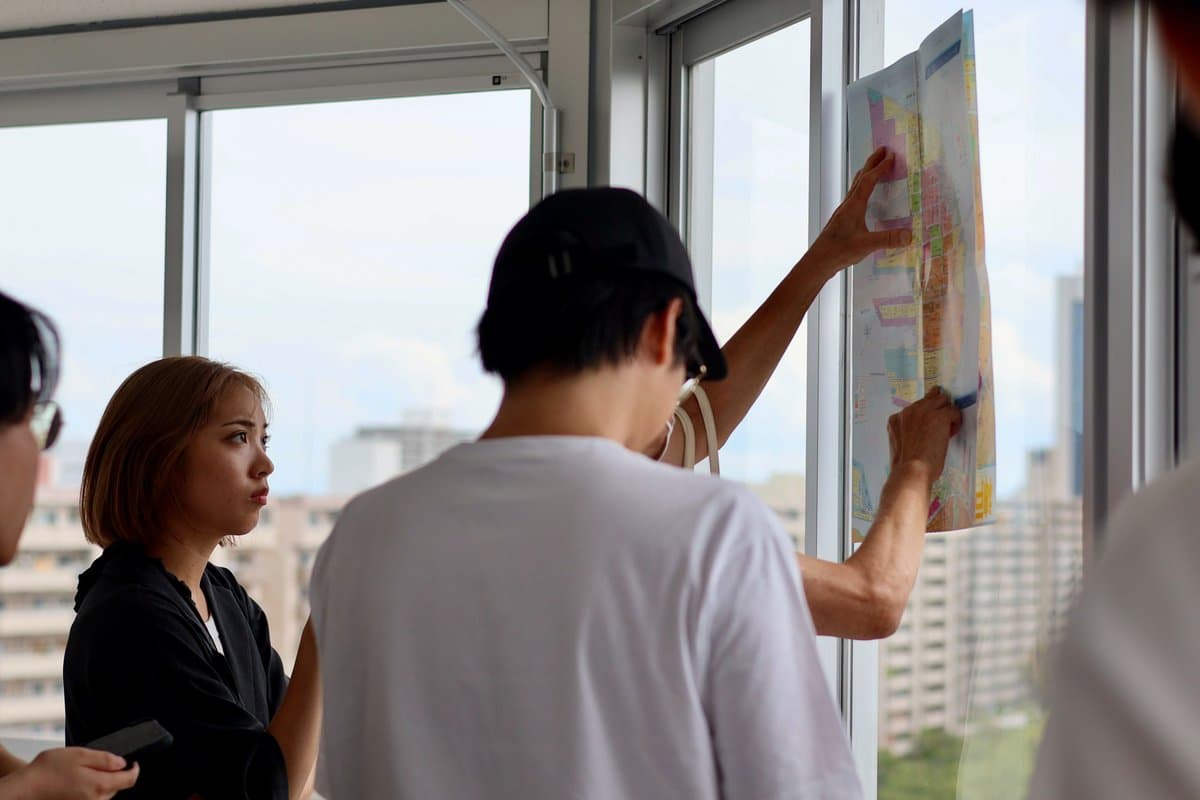
FIG.5
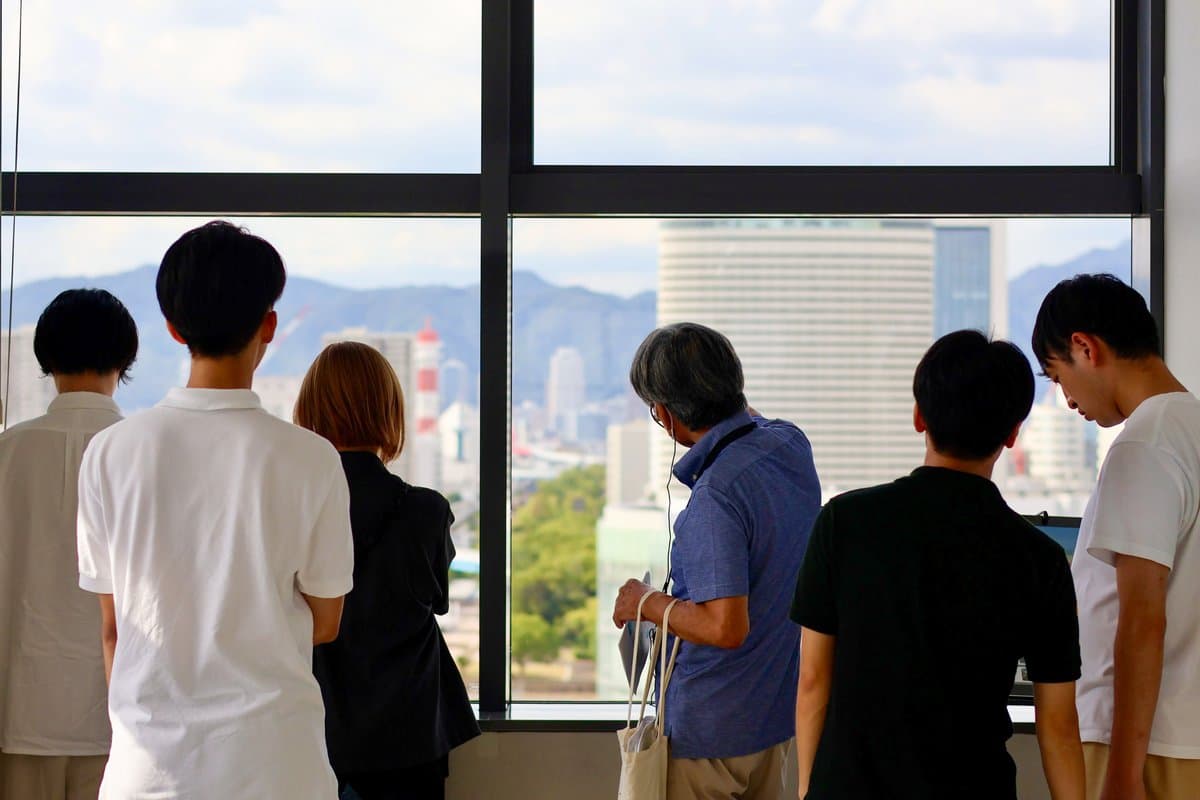
FIG.6
Port Island, which was once an “experimental island” packed with the most cutting-edge technologies and ideas of its time, has now, 45 years later, revealed a variety of achievements and challenges. It would be inappropriate to ignore its history and focus solely on new initiatives, just as it would be to remain stuck in mere nostalgia.I felt that, building on the progress made so far, we need to consider from a broad perspective what we should aim for now and what actions we should take.
After the tour, we moved to the Kobe City Chuo Ward Office to hold a workshop. Drawing on what we had learned that day about Port Island’s current state, we delved deeper into questions and challenges, connecting them to our own fundamental themes.
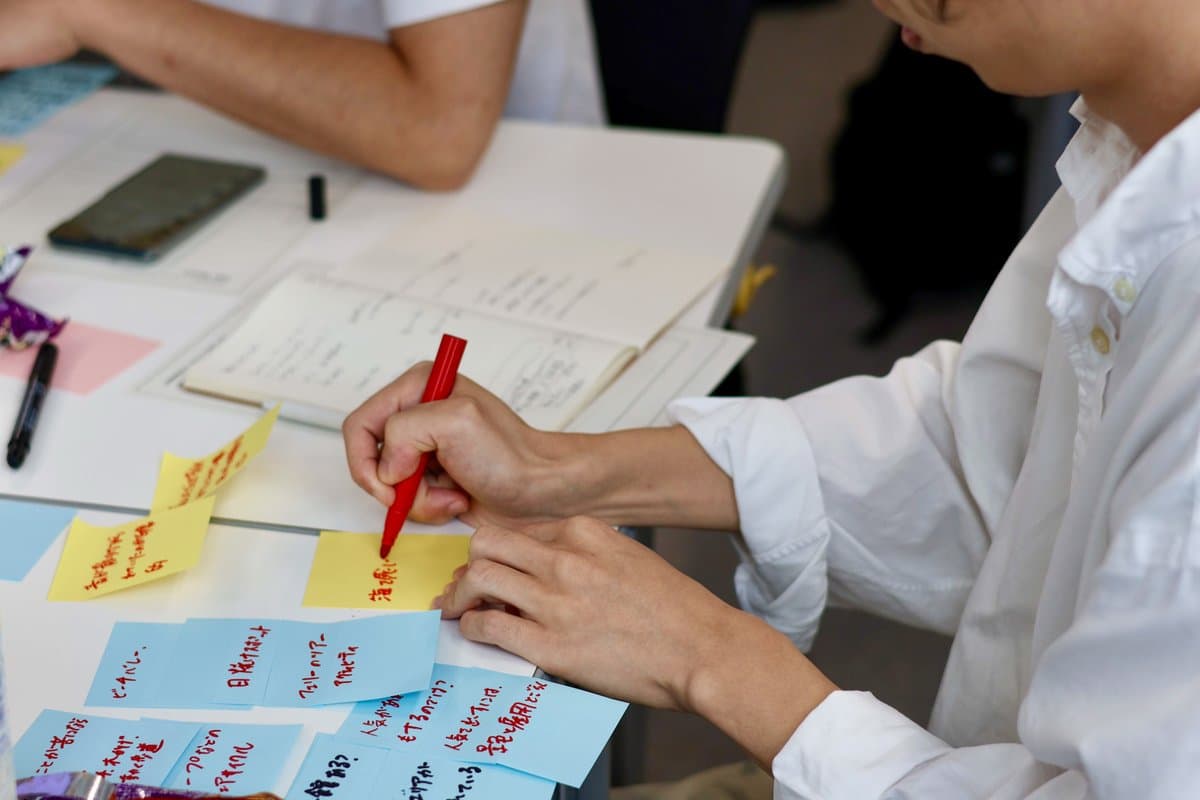
FIG.7
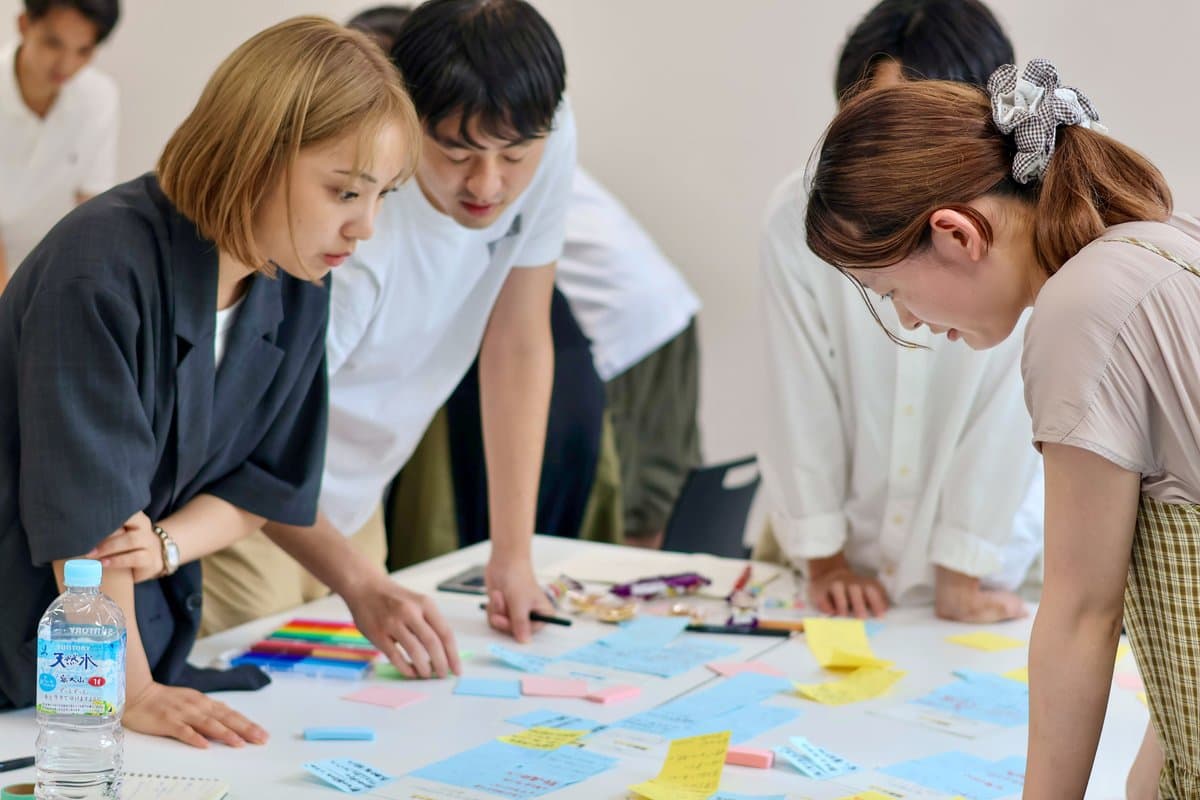
FIG.8
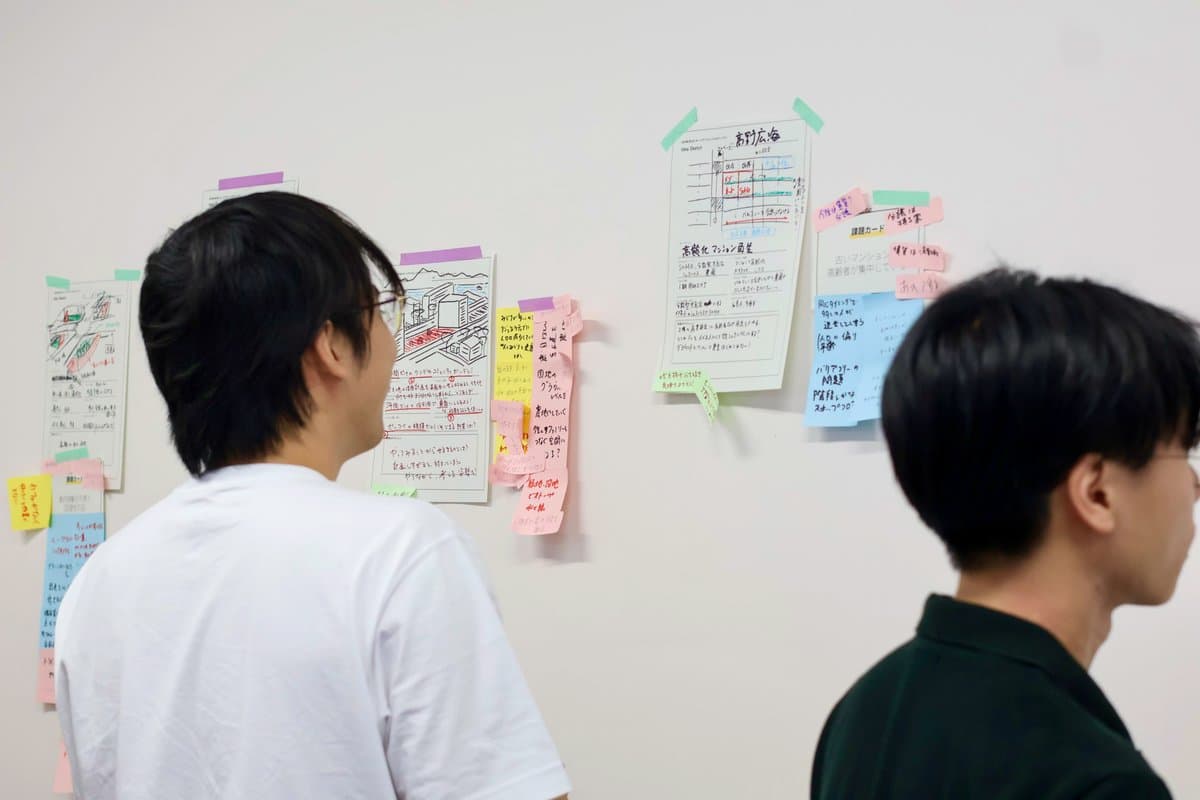
FIG.9
Finally, based on the themes we identified, we sketched out ideas for actions we’d like to realize three years from now. I was particularly struck by the perspective of how to create “breathing room” within an island that has been shaped by strict planning up to this point, thereby expanding the scope for each individual to get involved. I also sensed throughout the session an attitude aimed not merely at compensating for weaknesses, but at leveraging existing resources to create new strengths as an “experimental island” for a new era.
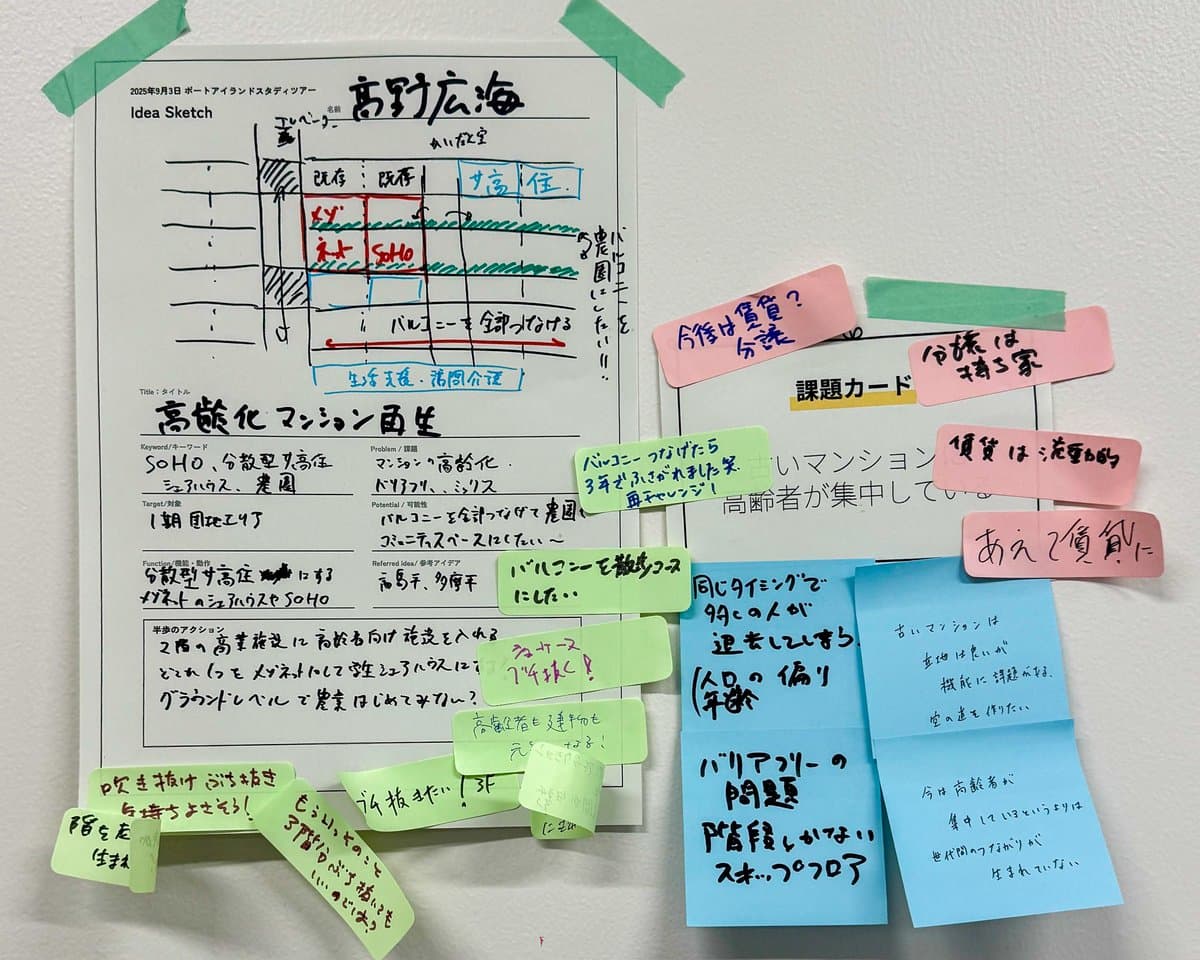
FIG.10
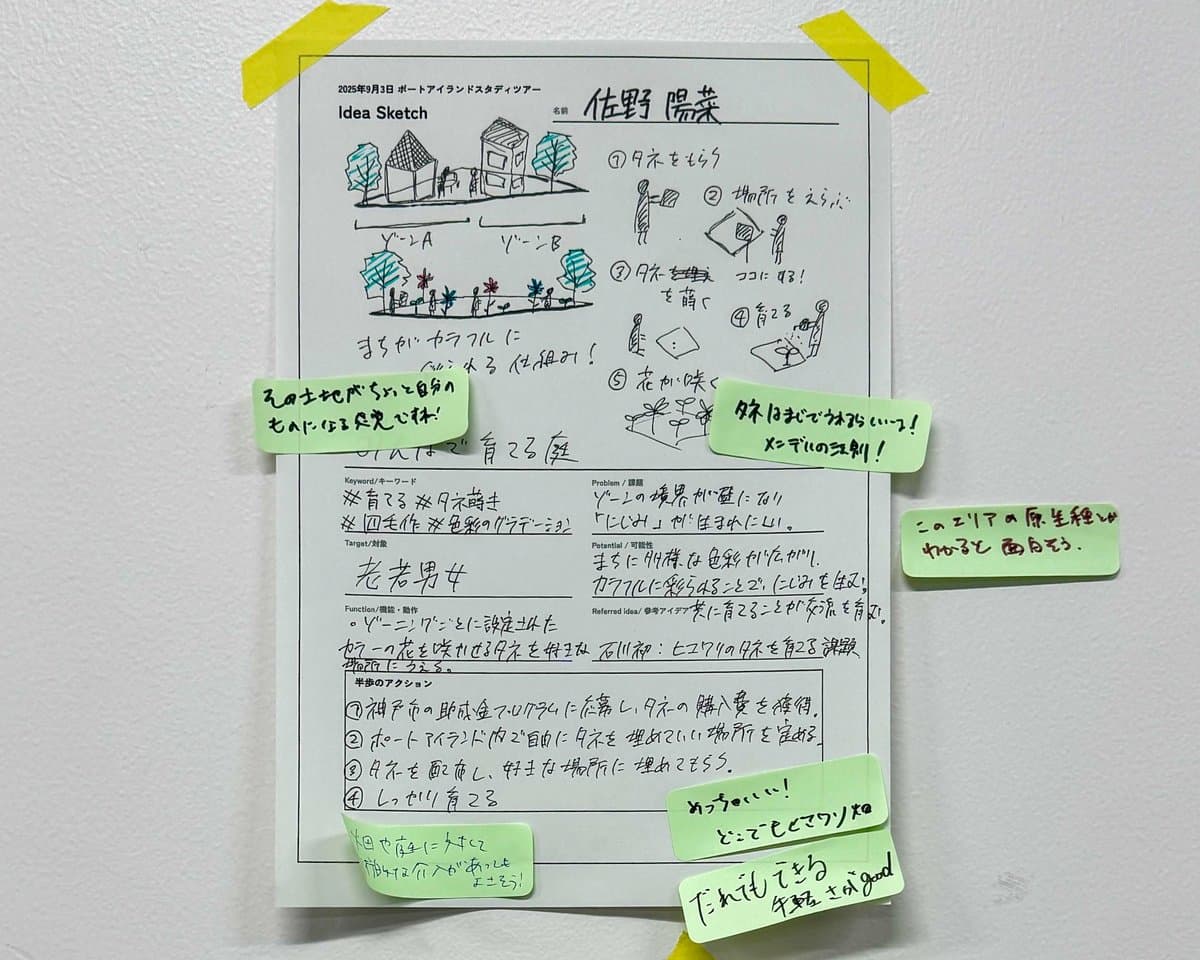
FIG.11
From the island tour to the workshop, it was a very full day, but this study tour is not the end—it is just the beginning. Using the perspectives on Port Island and the challenges we were able to share this time as a starting point, we will move forward toward concrete actions in the future.
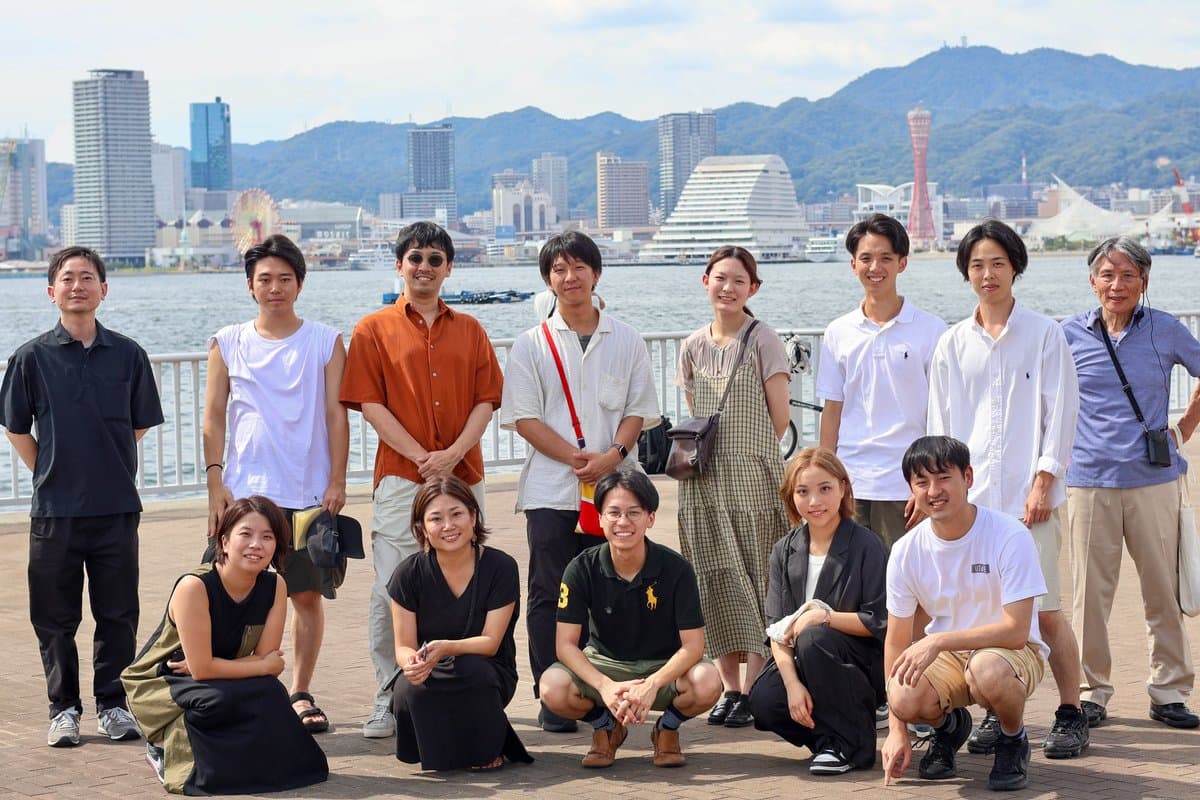
FIG.12
Credit


