Unraveling Creative Entrepreneurship
Crossing questions and practice with the next generation of creators in architecture, urbanism, and design
A public talk event co-hosted by ASIBA and NPO ETIC. Young creators and entrepreneurs from architecture, urbanism, and design are invited to share their projects, their internal motivations, and how they've shaped their careers, through lightning talks and a panel discussion. The event explores the possibilities that emerge where the creative field meets entrepreneurship — in other words, “creative entrepreneurship.”
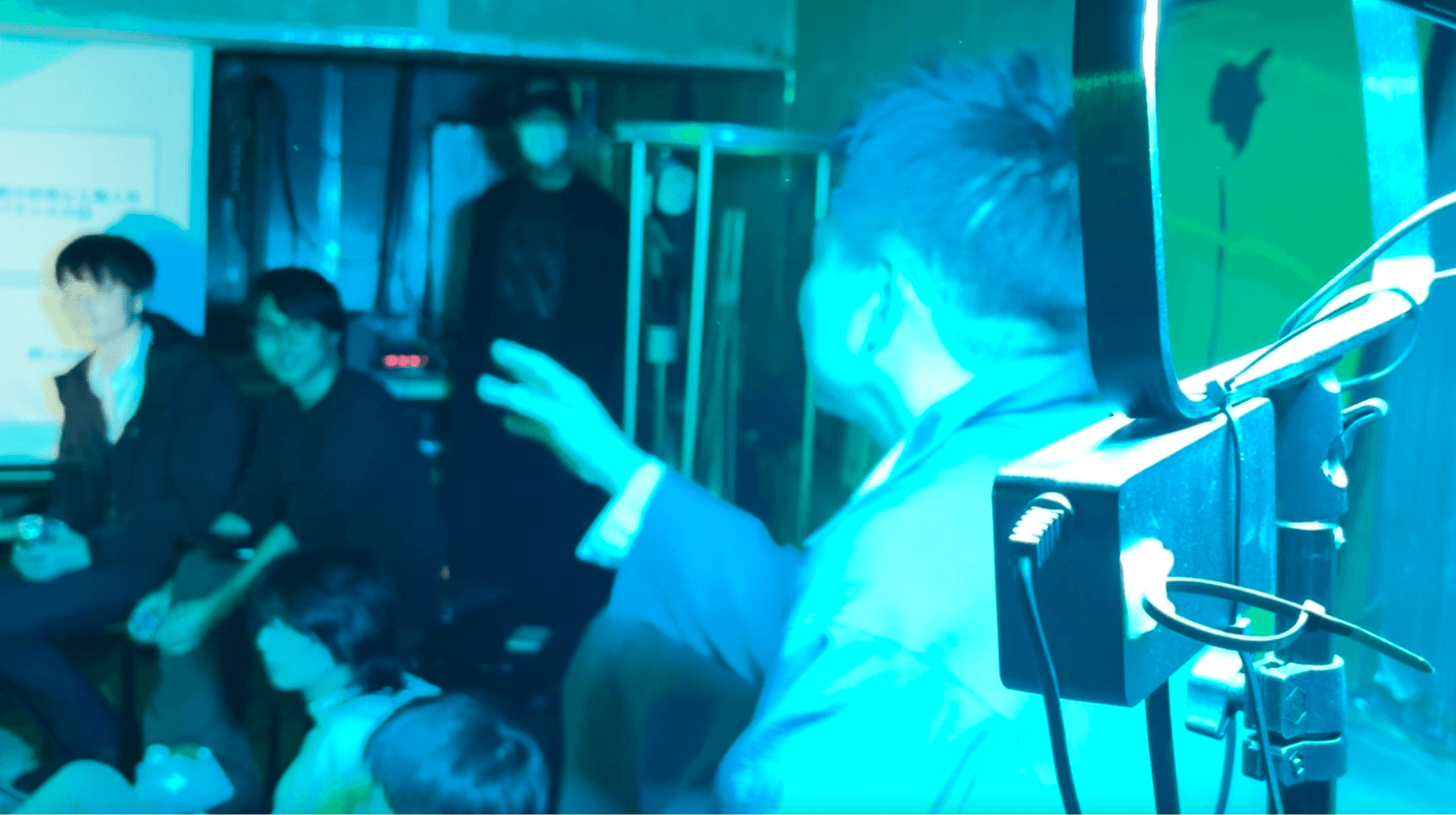
FIG.1
What Is the Back-and-Forth Between Inquiry and Practice?
Creating an expression and establishing it as a functioning system within society. These two are often discussed as separate talents—as if the person who creates something from the ground up is different from the person who turns it into a business.
However, when we trace the stories of those actively engaged in the fields of architecture, urban planning, and design, we find that this boundary is not as clear-cut as one might think. Many of these initiatives did not begin as “business plans” from the start; rather, they gradually connected with society as a result of the individuals themselves persistently engaging with a small sense of unease or curiosity that originated within them.
ASIBA defines this “intrinsic creativity and leadership nurtured through the back-and-forth process of questioning and practice” as “Creative Entrepreneurship.” This event was an attempt to explore that definition through the authentic, down-to-earth words of six practitioners active in the fields of architecture, urban planning, and design.

FIG.2
Guests
Wataru Numano / Representative, Pond Design Institute (effective April 7, 2025)
Graduated from the Department of Industrial Art, Faculty of System Design, Tokyo Metropolitan University. While a student, he studied a wide range of design fields, including 3DCG, product design, interior design, and architecture, and for his graduation project, he carried out the “Tokyo Dead Space Conversion 100 Project.” After graduating from university, he joined DDAA and studied under Daisuke Motoki.In April 2025, he established the “Pound Design Institute” and began his own practice centered on the design of spaces.
FIG.3
Hirohiro Handa / Master’s Program, Department of Human Environment Design, Graduate School of Life Design, Toyo University
Focusing on education and architecture, he implemented the “Two-Tatami Architecture Project” with the aim of bringing young people’s creative experiences into the city. In this project, he designs small stages on the beds of light-duty trucks where people can enjoy experiences such as art, food, and music. He is a second-term participant in the ASIBA Incubation Program.
FIG.4
Motoi Okama / Department of Design and Information, Musashino Art University; ActivityPub Agency; TDA; and others
Although my background lies in spatial design for theater and other performing arts, I enjoy experimenting by combining various skills in a “bricolage” style. Recently, I’ve been hooked on VR. Past works: “Veins Block,” “CCC,” “epa!,” “Suido-go,” and others; currently in progress: “LiVS VRMV,” “I Want to Grow on the Radio!,” “Nanaha Haga Performance,” and others

FIG.5
Tatsuhito Kawamata / CEO, PxCell Co., Ltd.; COO, Beast Barracks LLC
Born in Sapporo in 1991. Completed the Master’s program at IAMAS. A speculative designer focused on AI, bioart, and fashion, shaping the future for the next 100 years
FIG.6
Rintaro Nakajo / Graduate School of Interdisciplinary Information Studies, The University of Tokyo (M2)
Currently pursuing a master’s degree at the Graduate School of Interdisciplinary Information Studies, The University of Tokyo; Co-founder and CEO of LearnWiz, Inc. Drawing on his background in psychology, information science, and design, he is engaged in research and social implementation of media design aimed at facilitating communication.His major works include “EmoBalloon,” a text chat that conveys emotions using speech bubbles, and “LearnWiz One,” an EdTech service that facilitates the exchange of ideas in the classroom. His major awards include the ACM CHI Best Paper Award, the University of Tokyo President’s Award, and the Good Design New Hope Award.
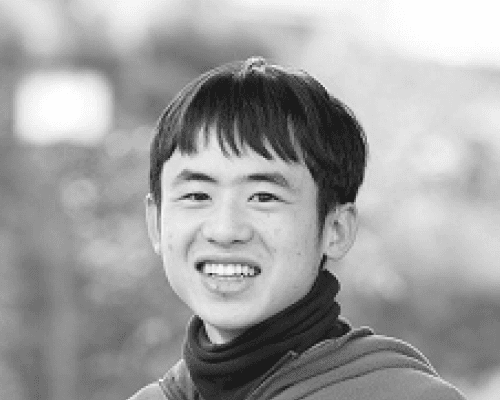
FIG.7
aHaru / Representative, O Co., Ltd.
Studied industrial design and computational art at the Rhode Island School of Design in the United States. Aims to spread a creator culture for the “New Human” through interfaces that awaken sensibility and perception.
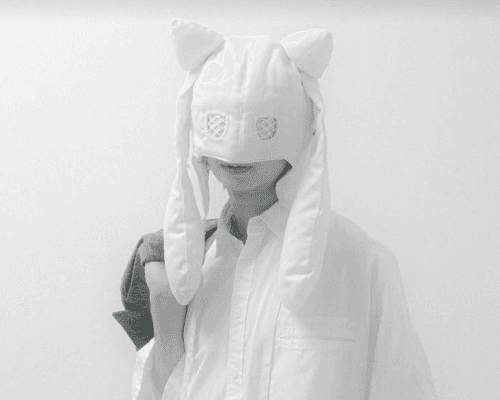
FIG.8
In an experimental space in the basement of a factory
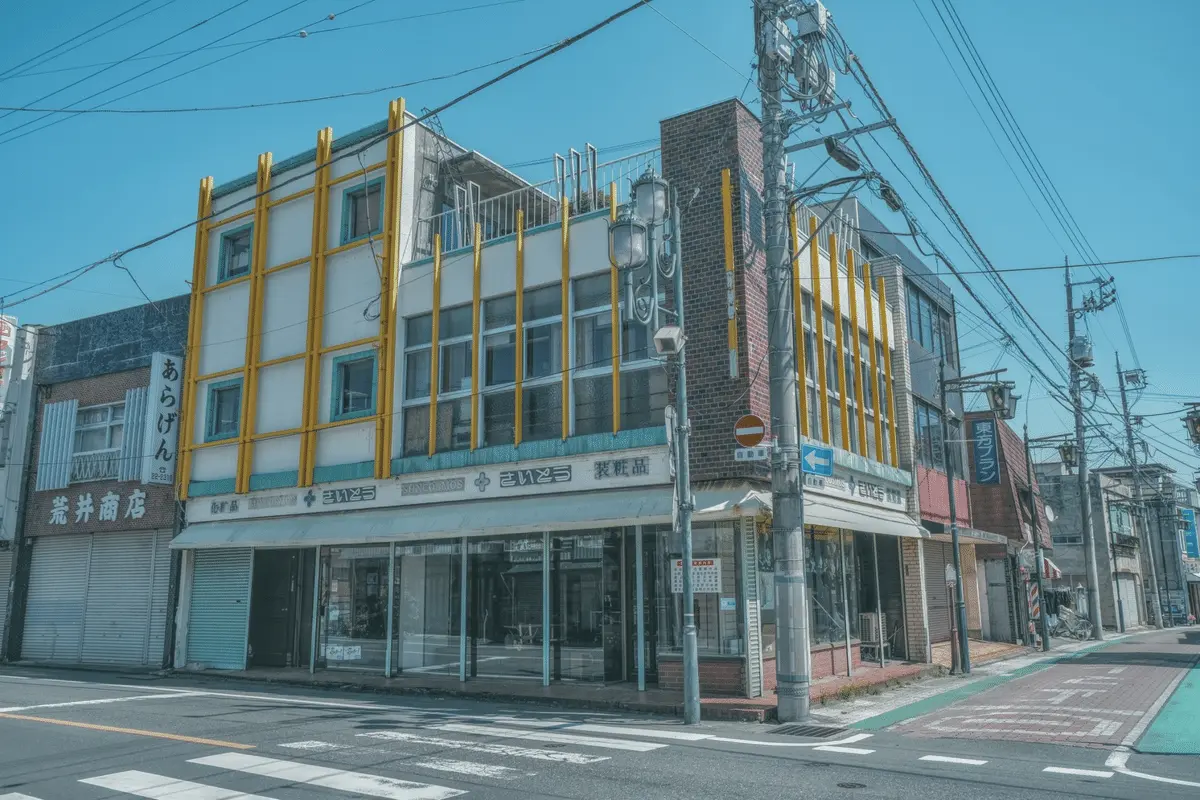
The venue, Id108, is located within “Akabane Ichibangai,” a hub for distinctive artists. While residents go about their daily lives, the space rents out unused warehouses and vacant rooms on the premises to young artists, aiming to revitalize the apartment complex and the surrounding neighborhood.
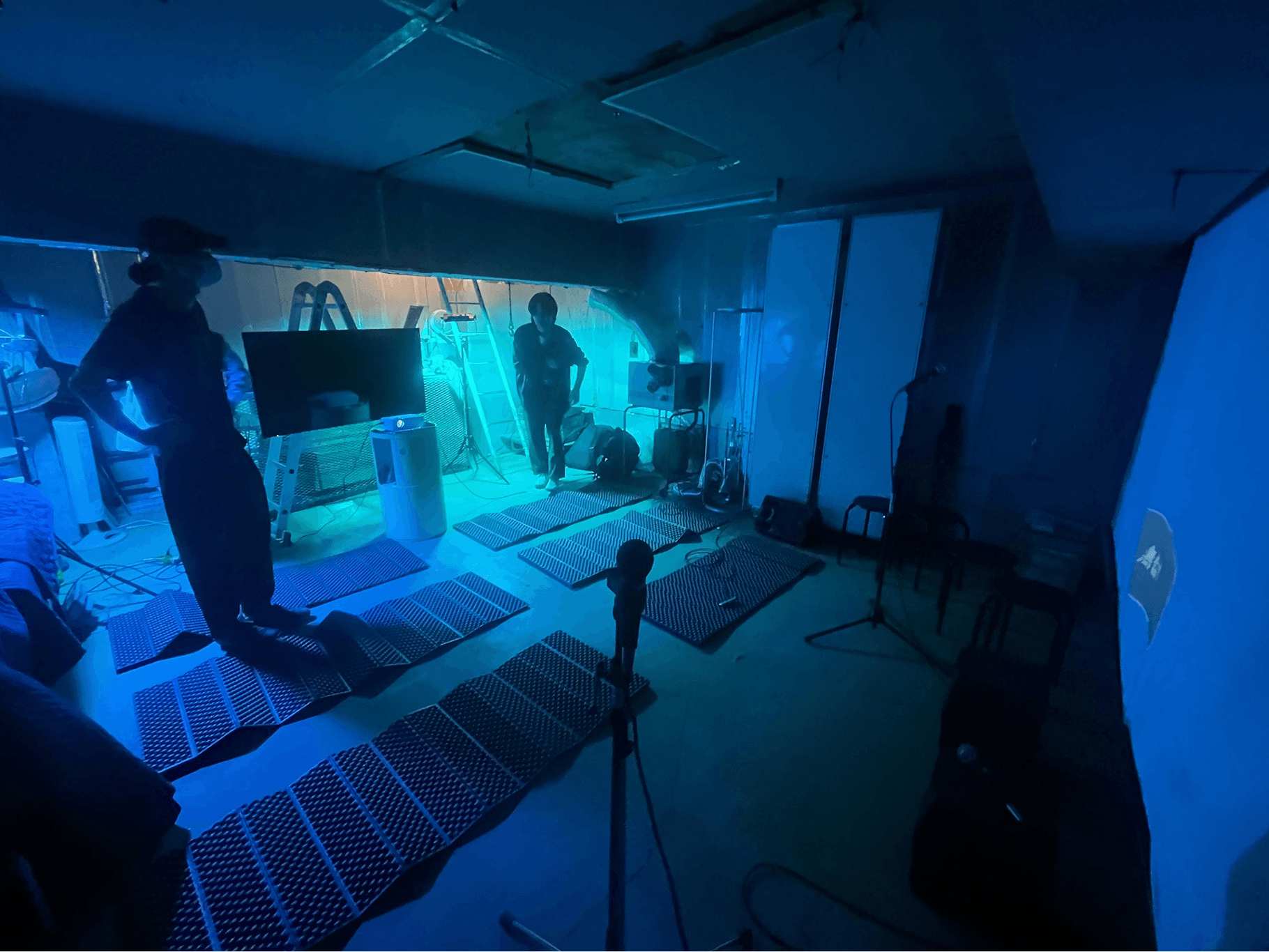
FIG.9
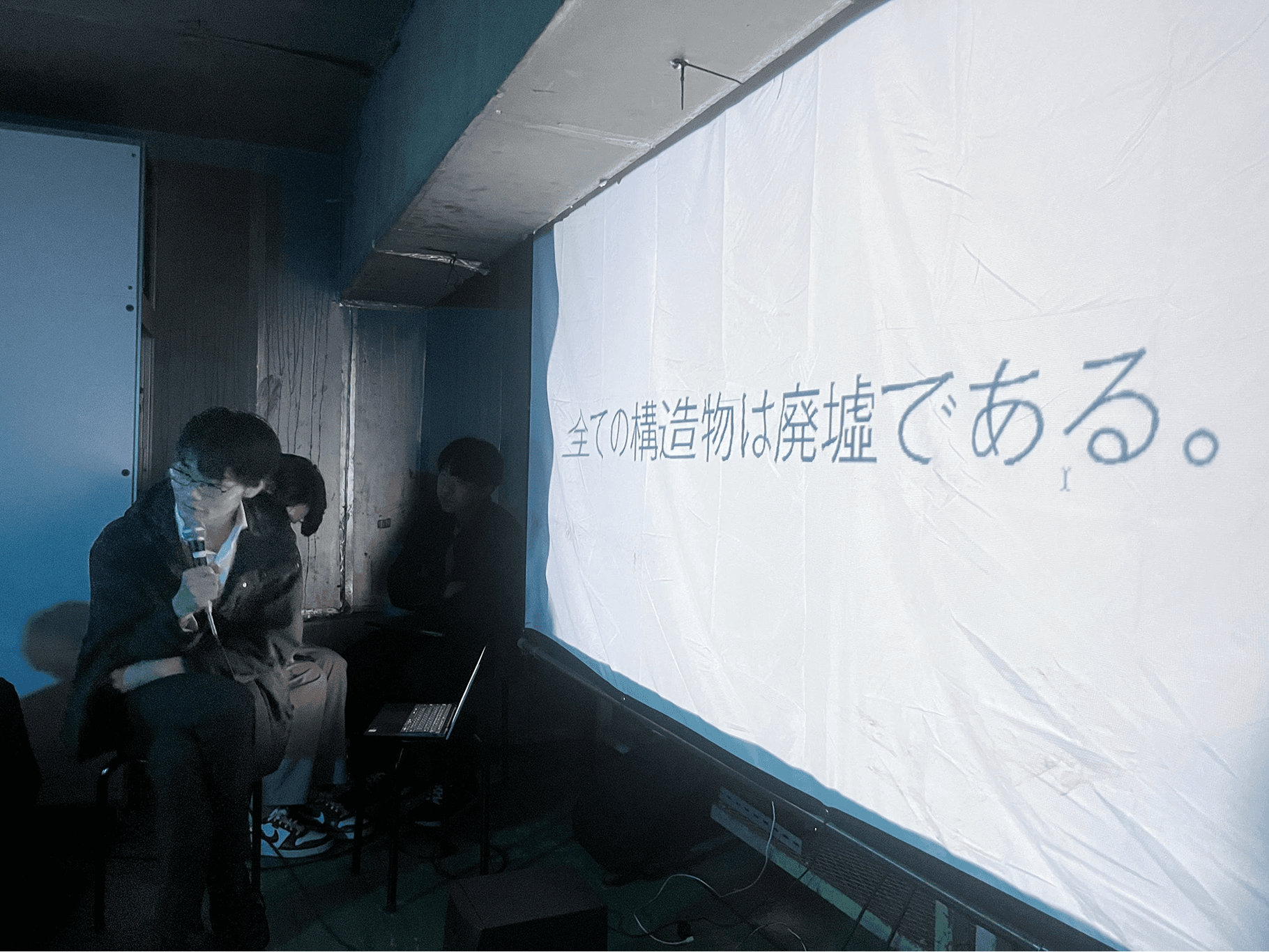
FIG.10
FIG.11
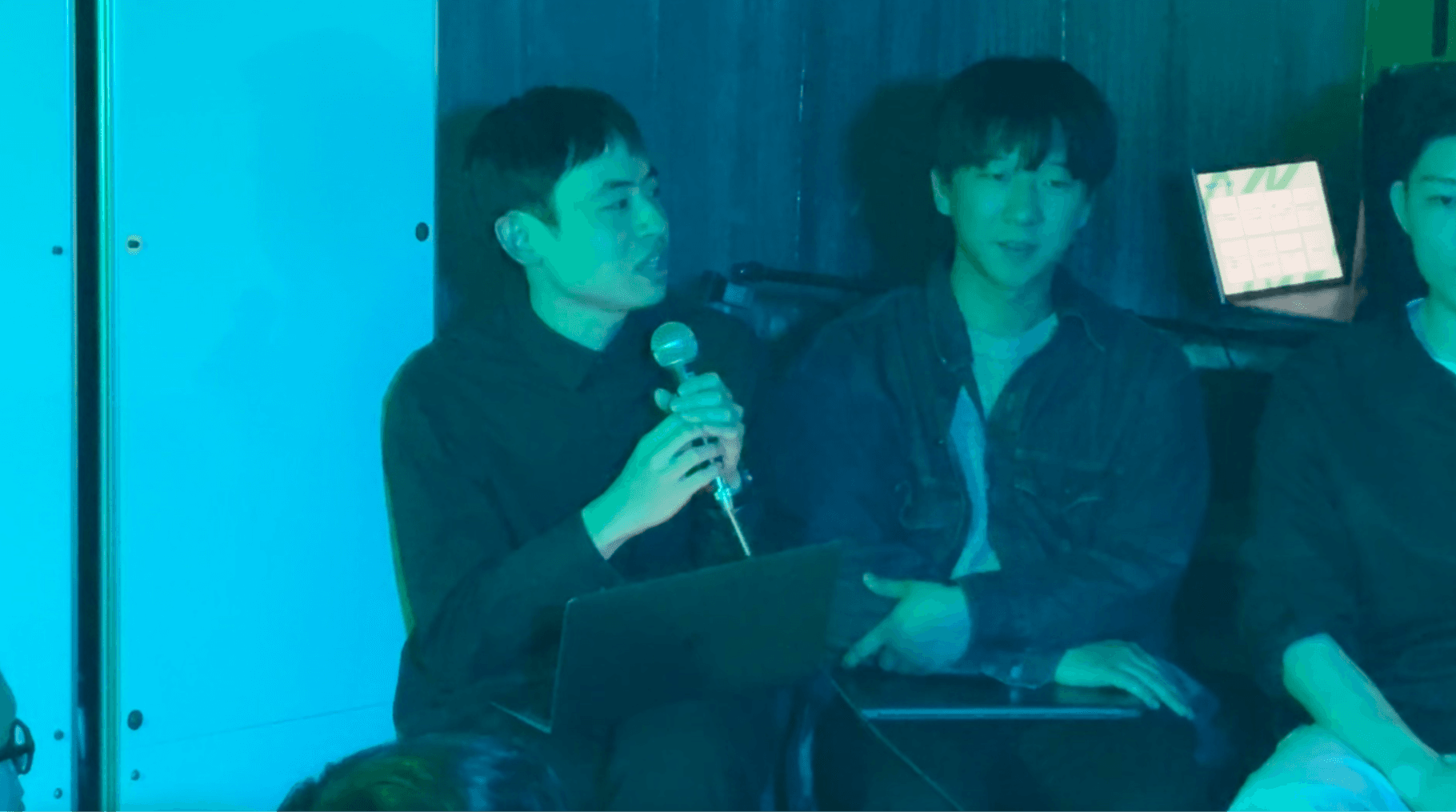
FIG.12
CREDIT
inhouse
collaborator
external


