A Demolition Material Reuse Project Toward a Circular Trading Business
Starting from the demolition site, questioning how to industrialize building-material reuse
“It costs more than throwing it away.” That is the plainest reason demolition-material reuse struggles to take hold today. Diagrams and system maps alone don't move materials. This demonstration project, launched in September 2025 by Shimizu Corporation, ASIBA, and ReLink, set out to unravel that structural barrier on the ground. At a demolition site in Kichijoji, the team collected OA flooring panels, testing one obstacle at a time — bonding the support legs, transporting the material, and evaluating its quality. Through a three-part lecture series titled “The Actuality of Demolition Material Reuse,” the project brought together building-material manufacturers and industrial-waste contractors to share what was really happening on the ground.
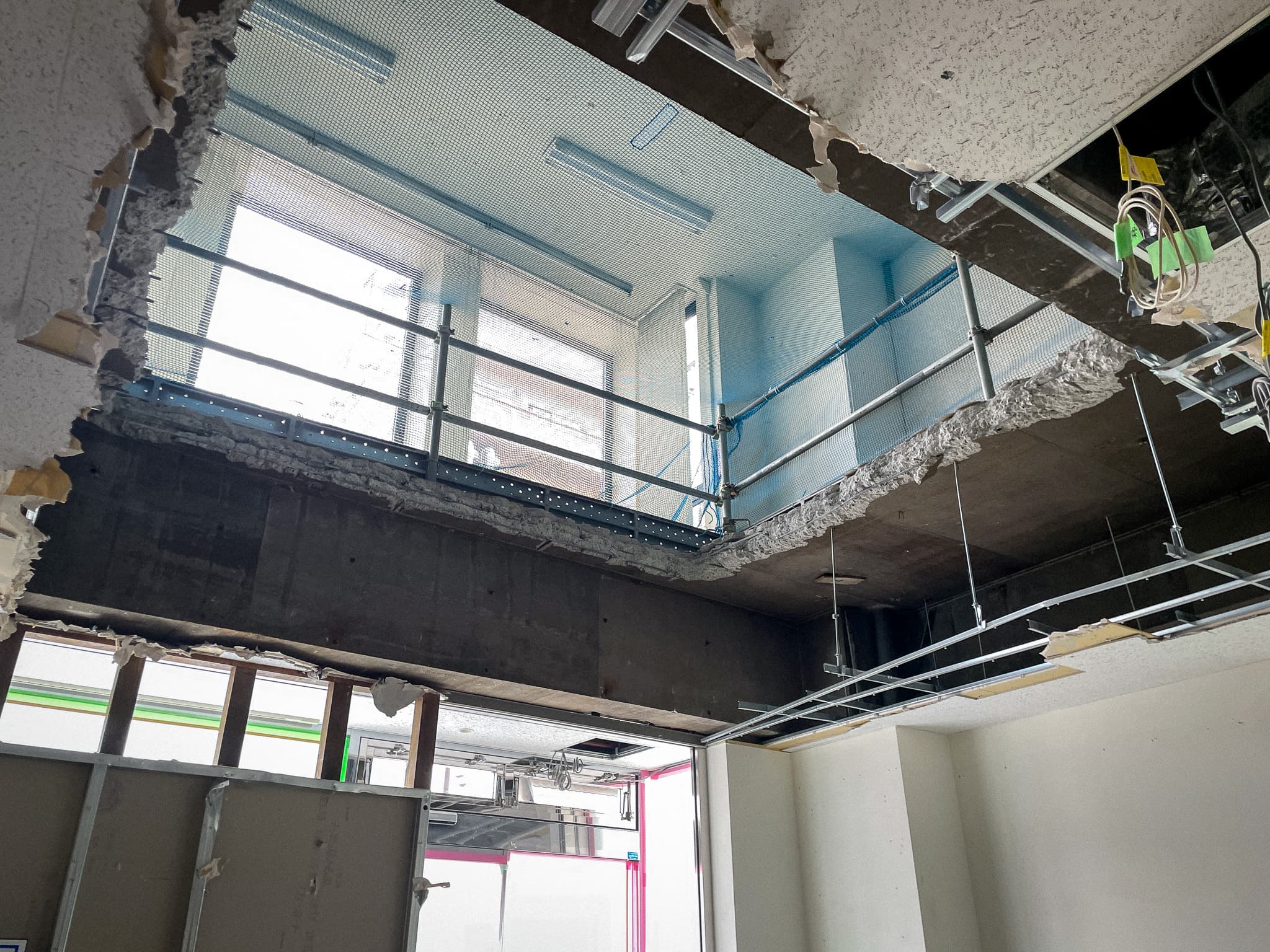
FIG.1
Is Reuse Really That Difficult?
Working in the construction industry, I’ve heard the phrase “reuse is difficult” repeated like a mantra, and I’ve been conditioned to believe that’s just the way it is. Certainly, I can think of plenty of reasons why it can’t be done. Since performance guarantees can’t be provided, the structures don’t meet the requirements for new construction .Because catalogs can’t be created, it can’t be incorporated into the design in advance . It’s cheaper to demolish with heavy machinery and buy new materials than to dismantle and transport materials by hand .Japanese people prefer new things, and so on. However, if we look beyond these clichéd excuses and take a broader view of the industry, we find that there are actually many businesses already successfully implementing reuse. I sought to shed light on these hidden, steady efforts and explore how we can learn from their examples.
For example, some businesses have successfully established operations where they manually collect specific types of office flooring or tile carpets from demolition and renovation sites, clean them when necessary, and then resell them. Moreover, the resale price is affordable—50 to 70 percent of the price of new items—so the common assumption that reused items are expensive simply does not hold true.Similarly, a company that buys and resells kitchen equipment operates 12 repair and refurbishment plants nationwide; not only does it handle repairs in-house, but most of the inventory in its warehouses is sold within just two months, ensuring a constant turnover.
Of course, there is no doubt that this system is made possible by the relentless efforts of each company.But at the same time, it serves as a clear declaration that reuse is possible with the right approach. In fact, might it not be the case that the institutional designs and lofty calls for a shift in mindset championed by many circular economy advocates cannot serve as a driving force for change without such unique, practical initiatives grounded in reality?
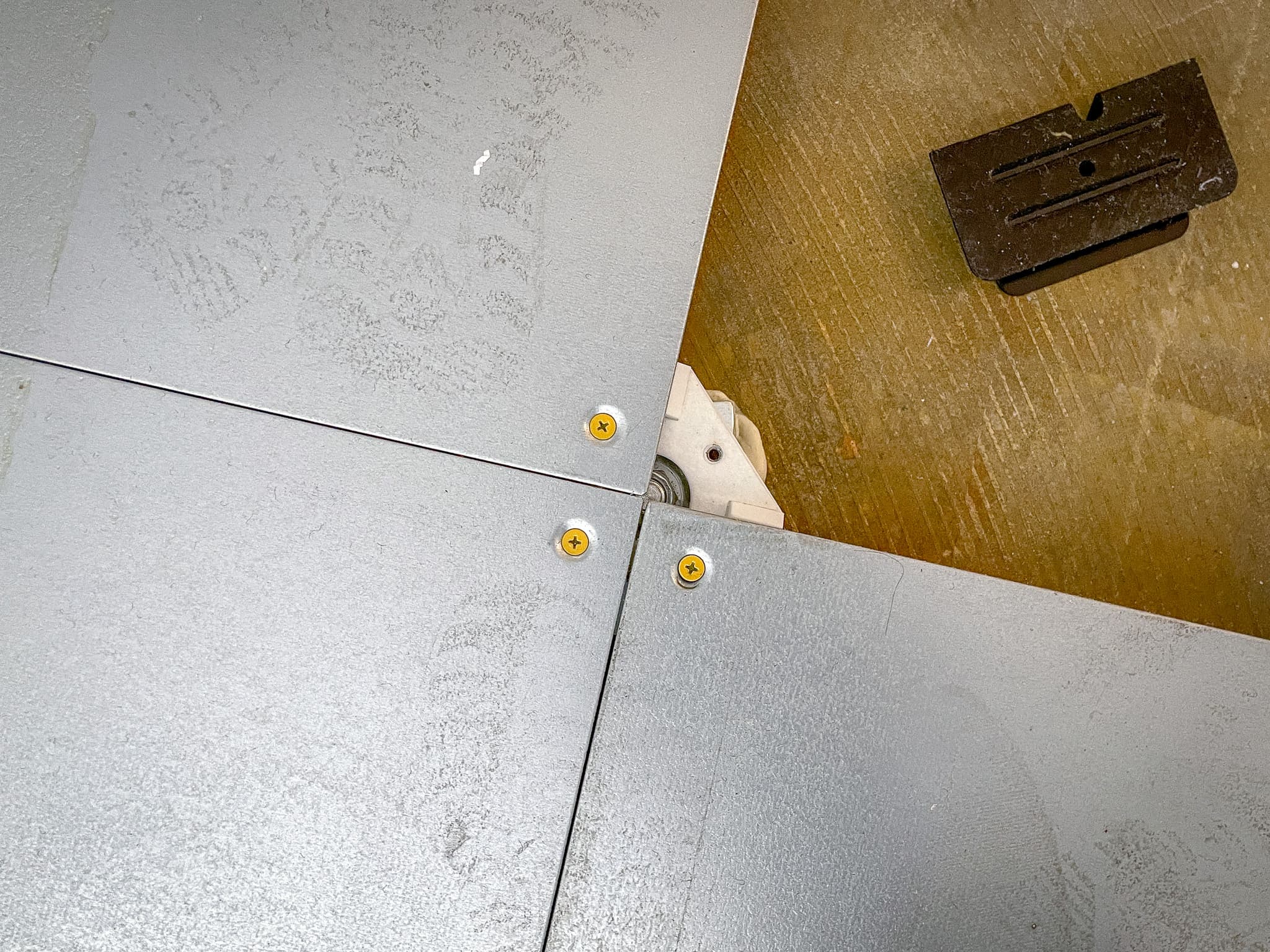
FIG.2
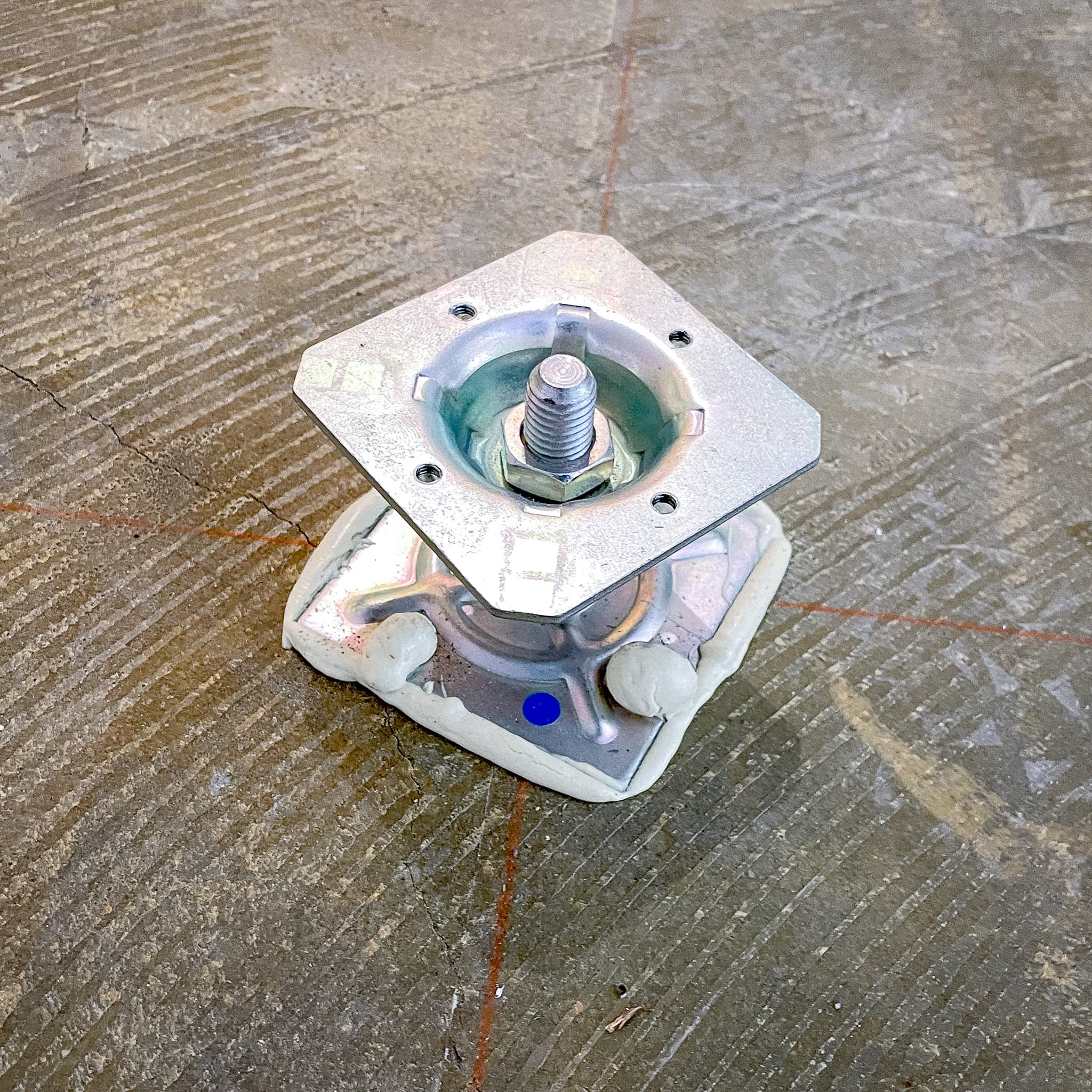
FIG.3
FIG.4
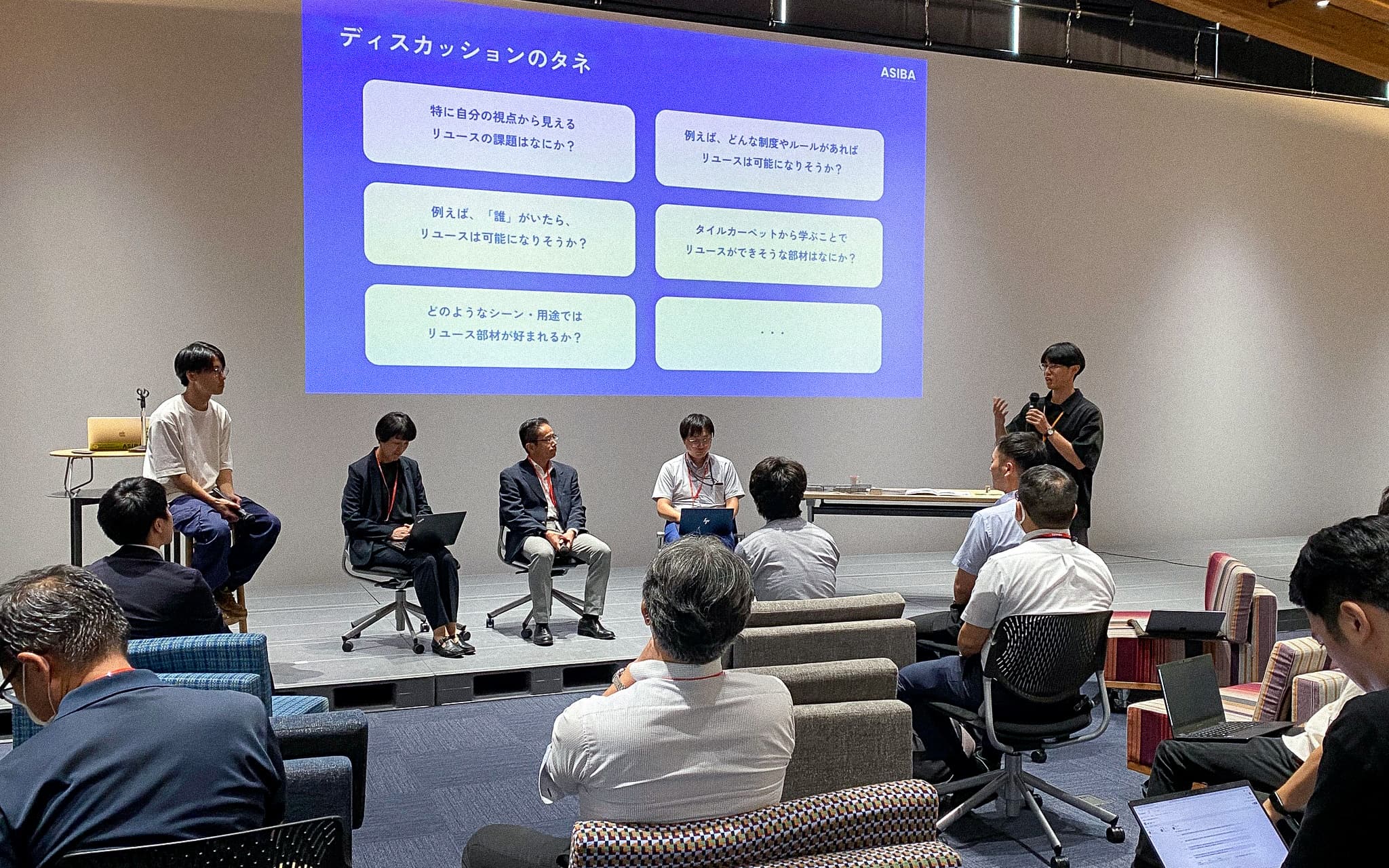
FIG.5
RELATED WORKS
CREDIT
inhouse
League Player
external


