INC-2nd Class Report #5-1

FIG.1
ASIBA, a general incorporated association, plans and operates short-term, hands-on incubation programs and one-day workshops for students in the fields of architecture and urban planning. We strive to create an environment where architecture students can take ownership of their projects and bring their own proposals to life, thereby expanding the possibilities of architecture and urban planning.
During the fifth week of the program, an interim retreat was held in Ogawa Town, Saitama Prefecture. With the cooperation of Takenaka Corporation, we were able to use the “NESTo” stone warehouse coworking lobby.NESTo opened on May 10 of this year as a membership-based coworking space and has become a community hub used by a wide range of people, from local residents to remote workers. The soothing scent of wood and the open-beam ceiling provided a healing atmosphere, creating the perfect environment for us to reflect on ourselves and connect with our peers. Ogawa Town, which we reached after a little over an hour by train from Tokyo, was a wonderful town overflowing with the kindness of its people and the beauty of nature. Thank you very much for your cooperation.
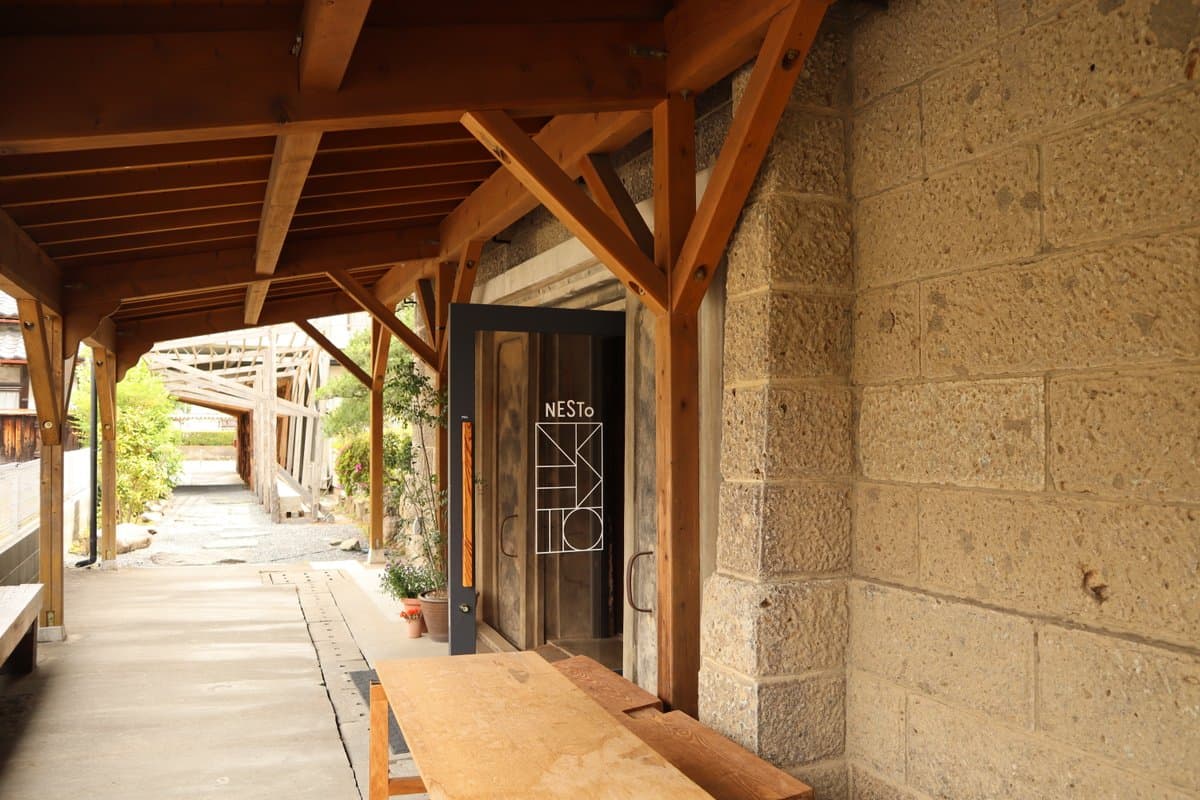
FIG.2
To begin, Mr. Minomo from Takenaka Corporation gave a presentation on the history of Ogawa Town and introduced people who are currently active in the community.
Ogawa Town is the forest region closest to Tokyo, with a population of approximately 27,000. Recently, it has become the area in Saitama Prefecture with the highest number of new residents. In this region, the number of vacant homes is increasing, and there are many examples of these being repurposed as lodging facilities and restaurants. Ogawa Town has a history as a post town, and various cultures coexist here.In particular, there are many organic farmers, which has become a major part of the town’s identity. Much of the forest in Ogawa Town consists of cedar trees, and since many of them have passed their optimal age for harvesting, there is a need to effectively utilize these local resources and explore diverse ways to engage with them. Ogawa Town is currently working toward sustainable development in collaboration with local experts. Finally, we received a message from Mr. Minomo: “We’ve entered an era where it’s easy to imagine how the community and its people will have changed by the time the project is completed. I want ASIBA to view Ogawa Town from a perspective unique to you, to form hypotheses and let your imaginations run wild, and to pour your passion into Ogawa Town.”
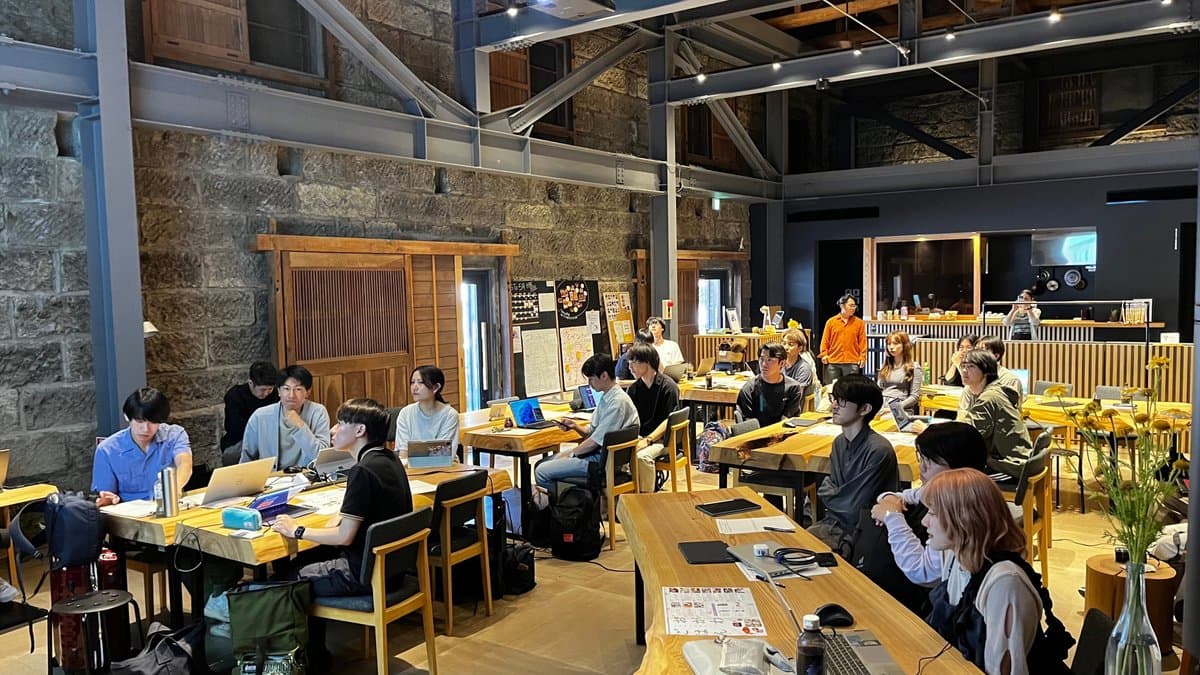
FIG.3
The objective of this fieldwork workshop is to “envision an ideal future and devise ideas for making it a reality.” To achieve this, participants are asked to view the town from a perspective unique to themselves, share and discuss these insights with their peers, and synthesize them into concrete proposals.Viewing the town from a perspective unique to each of you may align with what Mr. Kagami said in Week 4: “Interpreting phenomena through the lens of your own field of expertise.”
At the same time, regarding the projects we are currently working on, another objective is to “refine the philosophy that forms the core of our own projects.” By setting the stage in Ogawa Town—a location different from our usual settings—we aim to help participants view their own projects from a fresh perspective and further solidify their underlying philosophies.
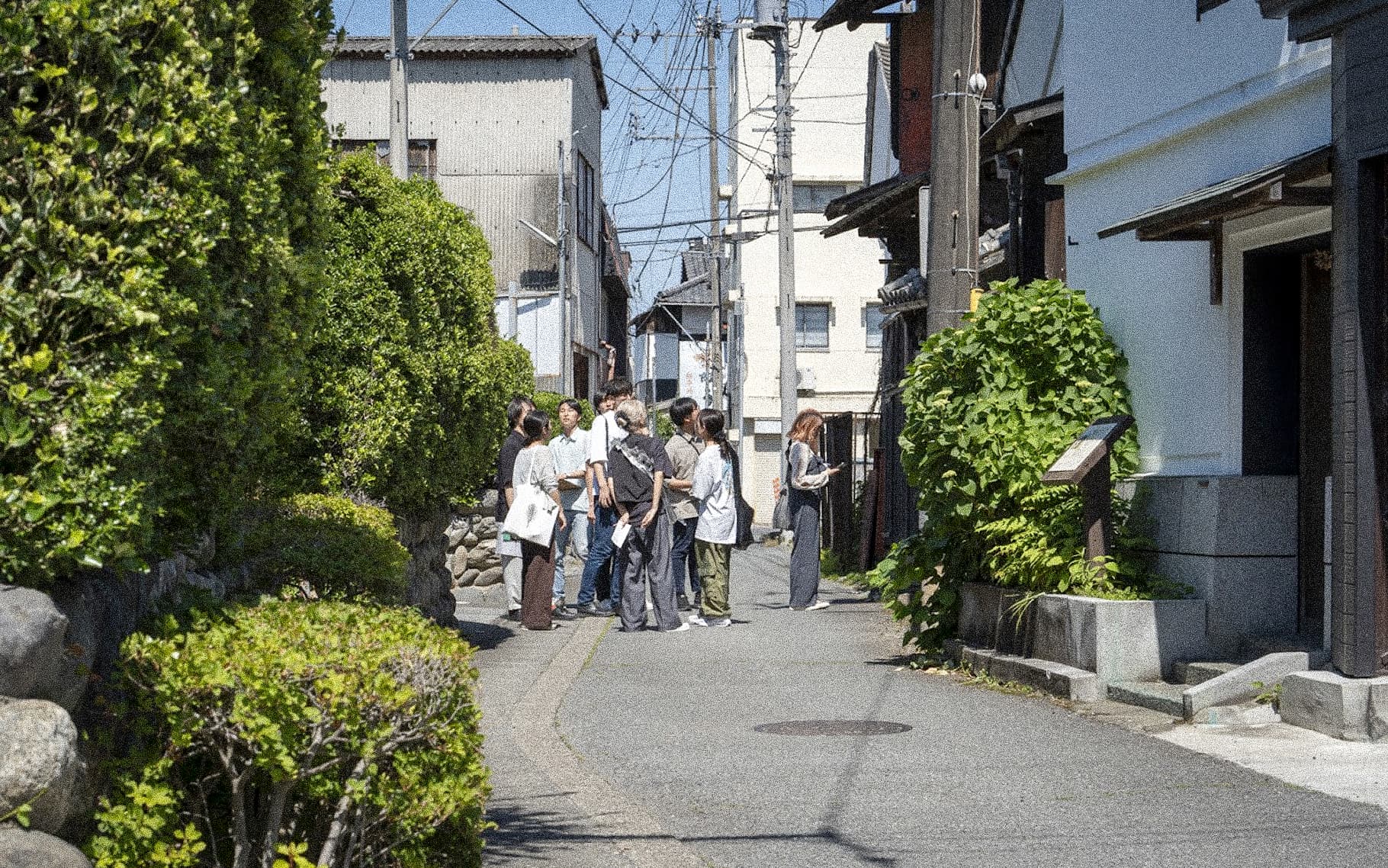
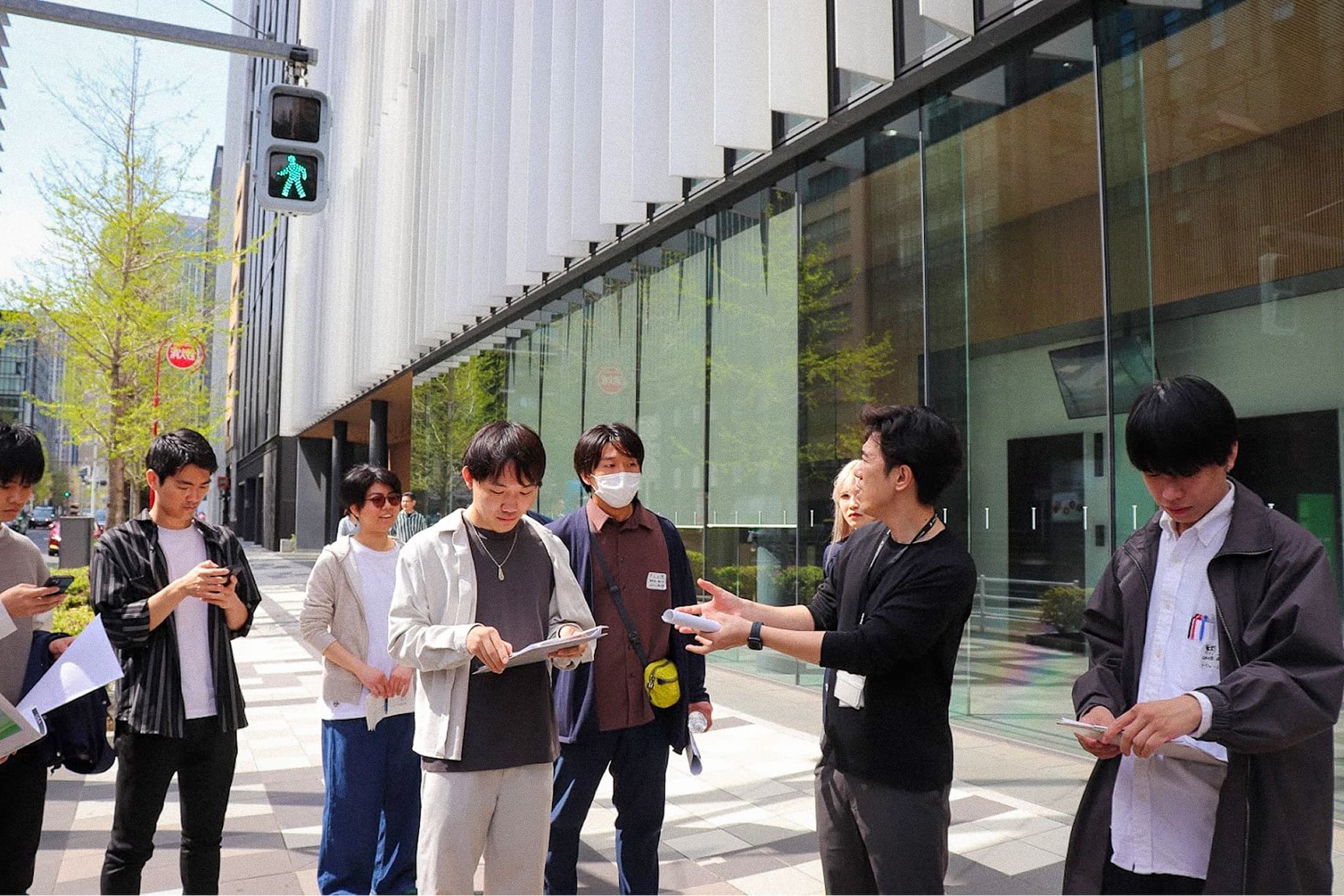
Afterward, we split into three teams and conducted fieldwork in Ogawa Town to identify its charms and challenges from our own unique perspectives.
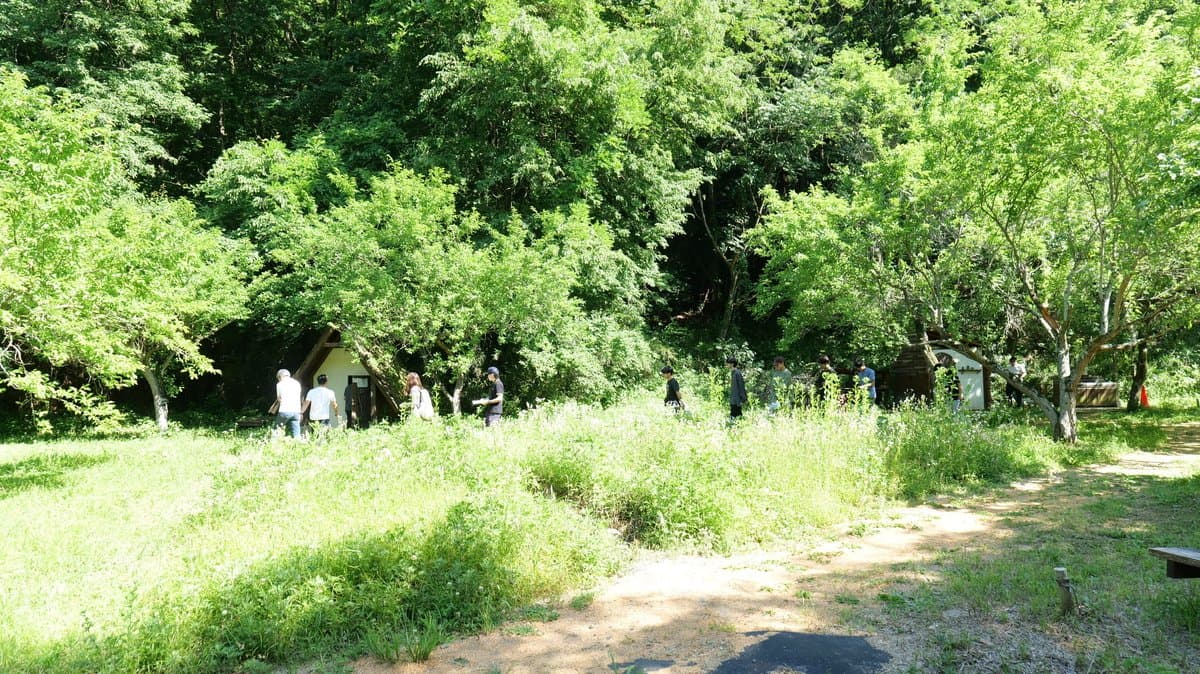
FIG.4
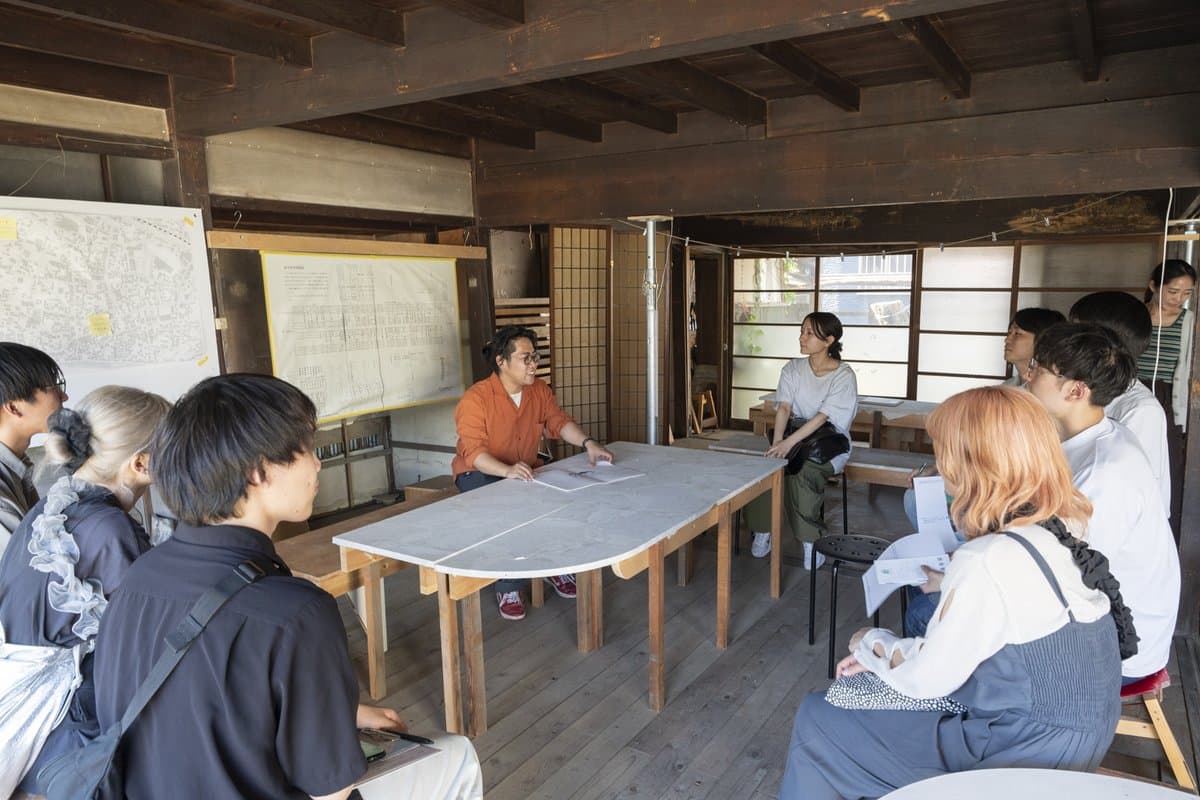
FIG.5
The Forest Team took a field trip to Ogawa Town—which, despite being just an hour from Ikebukuro Station, boasts abundant forest resources—to reflect on resource recycling, the relationship between people and nature, and the future of forestry. Their first stop was a forest managed by Mr. Toguchi, who promotes and spreads the practice of self-managed forestry.In Mr. Toguchi’s forest, a dense network of paths of just the right width has been laid out to facilitate the removal of felled trees while maintaining a forest environment where sunlight filters through at just the right level.With globalization, the domestic forestry industry has become unable to compete on price, and many regions are struggling with the maintenance of planted forests. Mr. Toguchi believes that rich forest resources can only be fully utilized if the forest is one that people visit, and he practices forestry aimed at protecting the mountains through continuous innovation.
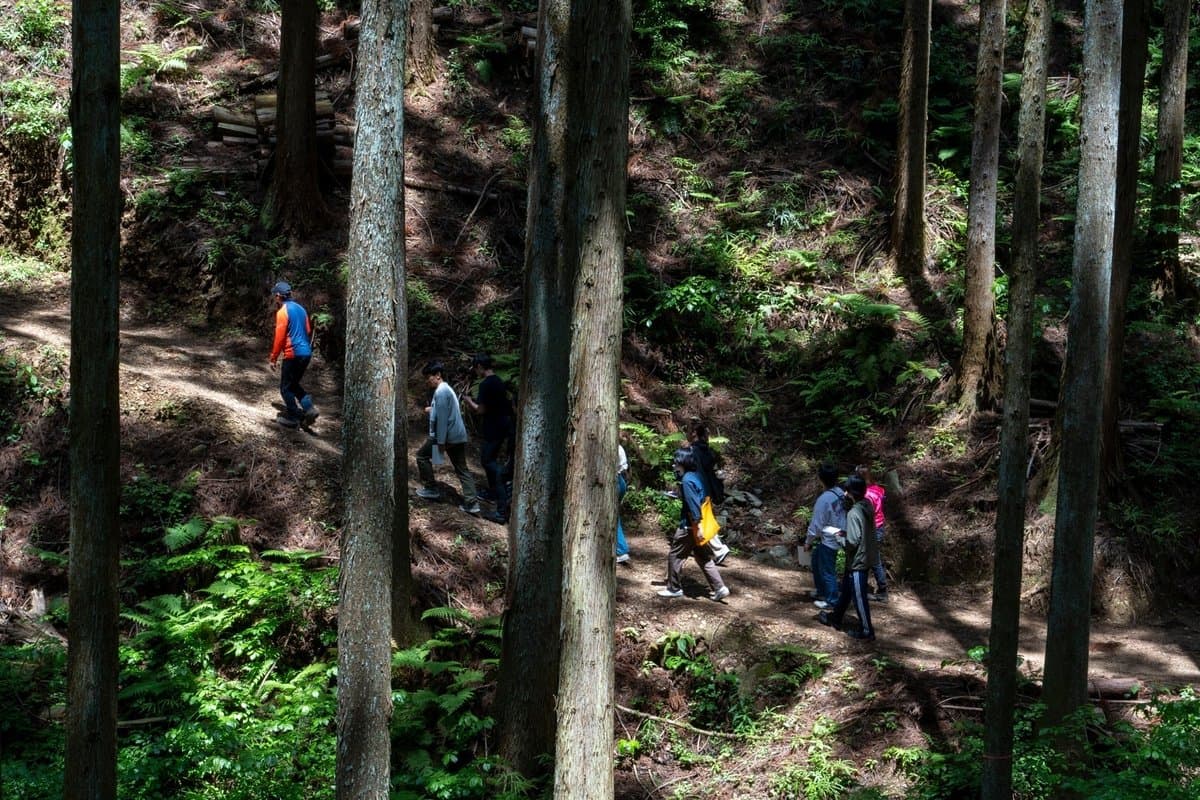
FIG.6
Listening to Mr. Toguchi, I felt that the dynamic—where long-term overall optimization is compromised by a capitalist system of short-term, individual optimization—and his philosophy of prioritizing the “just right” scale over clear-cutting and wide roads, are strikingly similar to the challenges we face in urban areas.At the same time, given the inherent incompatibility between forestry and our rapidly changing world, I found myself wondering: Is it even possible to continue cultivating the kind of comfortable forests for people—which were sustained during the era of vernacular architecture—in a “flat” world like today’s? Perhaps we must not only focus on maintaining forests for human use but also consider methods for returning them to nature.
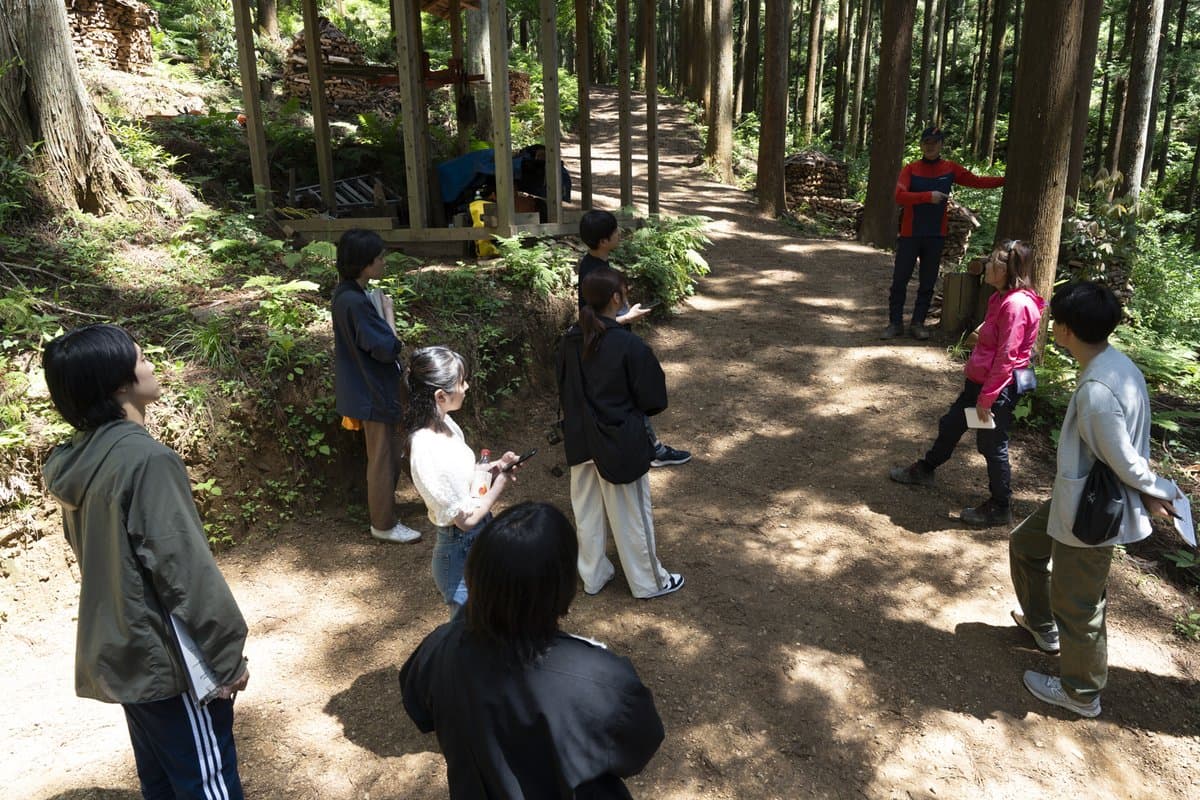
FIG.7
Afterward, we walked through a satoyama landscape rich in nature, characterized by valley terrain where organic farming is practiced. Here, too, the lack of managers for the broad-leaved forests presented a challenge, and I felt the limitations of patchwork-style land ownership.Forests are shifting from places of production to places of experience, and I was presented with the grand challenge of how to create a sustainable, experience-based system within the ultra-long-term timescale of nature.
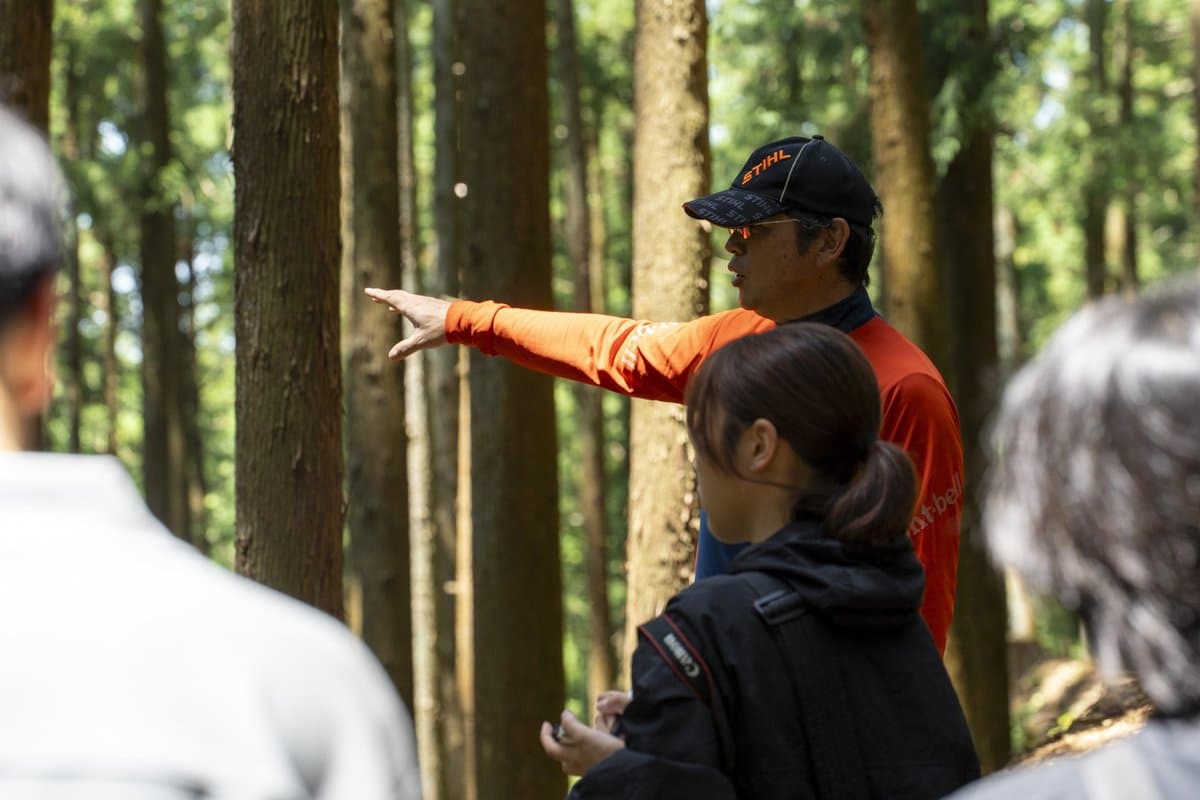
FIG.8
The Woodworking Shop Team conducted fieldwork with the aim of learning about the evolution and innovations in the roles that woodworking shops have historically played, and to reflect on the nature of towns and communities. During this fieldwork, we visited Mr. Kitanishi’s studio, the off-grid campground operated by Mr. Kasahara, and a woodworking shop, where we learned about their respective initiatives and current situations.
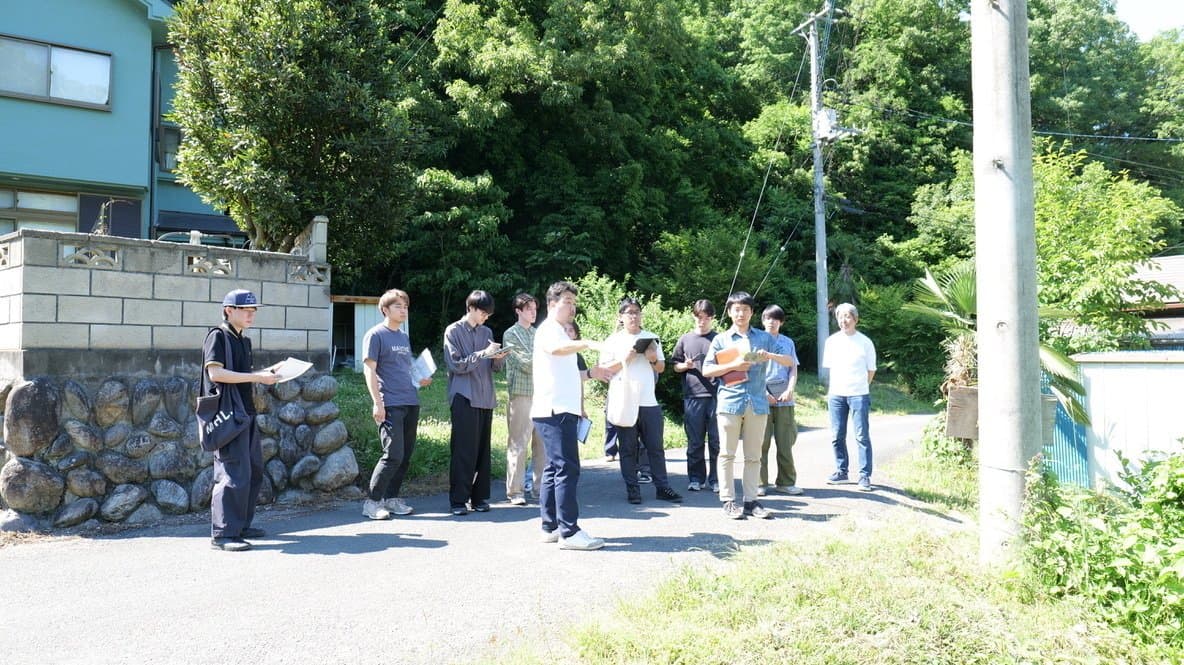
FIG.9
At Mr. Kitani’s studio, our first stop, we heard about his current activities in Ogawa Town and his future aspirations. He truly embodies the concept of “living while creating,” and the handmade furniture, as well as the walls and roof currently under construction, were incredibly captivating. Next, we visited the off-grid campground. Here, bio-toilets and walkways made from wood chips had been installed, reflecting efforts to realize a circular economy. We were particularly impressed by the ingenuity in reducing resource waste by effectively utilizing wood chips that would otherwise be discarded.
Our final stop was a woodworking shop that aims to serve as a community space open to local residents. They’ve established a shared workshop where people can use the space and machinery, and they’ve even implemented initiatives such as exchanging a cup of coffee for logs collected from the mountains.I could sense the evolution of its role—from a simple woodworking shop to a community hub connecting people with one another and with nature—as well as Mr. Kasahara’s vision behind it.Furthermore, starting from challenges identified on-site—such as the environmental impact of the adhesives used in crafting and the surplus of scrap wood generated during the production process—they were actively promoting environmentally conscious manufacturing in Ogawa Town. This included making chairs using rice paste instead of adhesive and reusing wood scraps.Toward the end of the session, thanks to Mr. Kasahara’s generosity, we were given the opportunity to make wooden plates. Everyone became engrossed in sanding the wood and applying a walnut-based finish, allowing us to experience the joy of crafting firsthand.
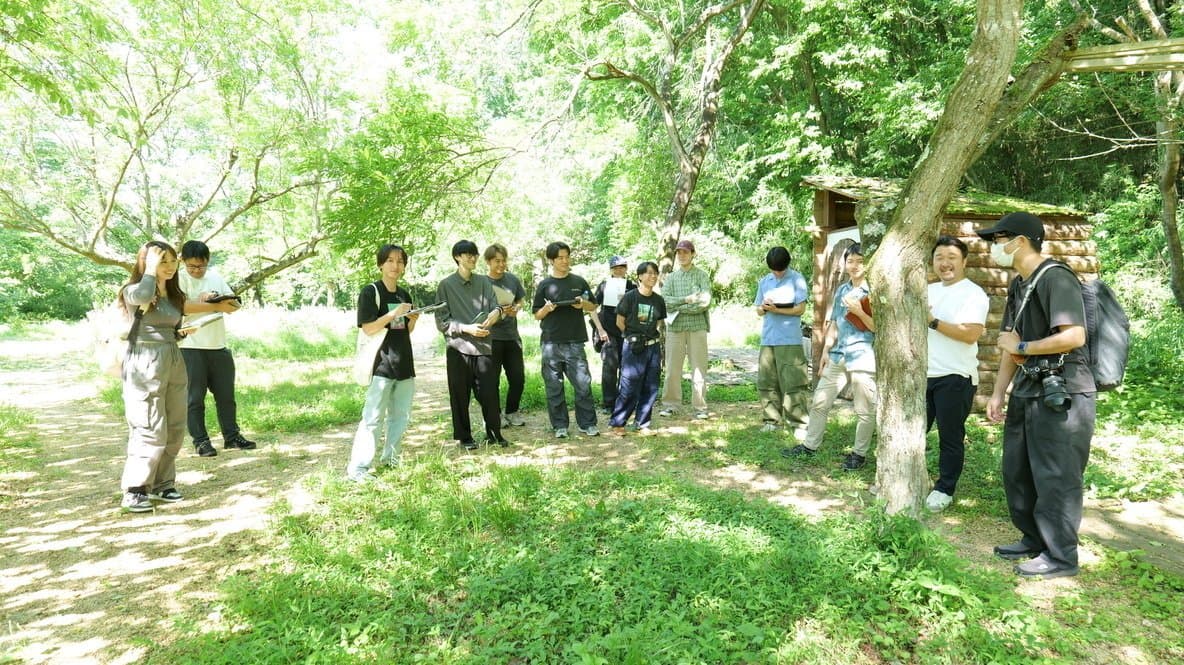
FIG.10
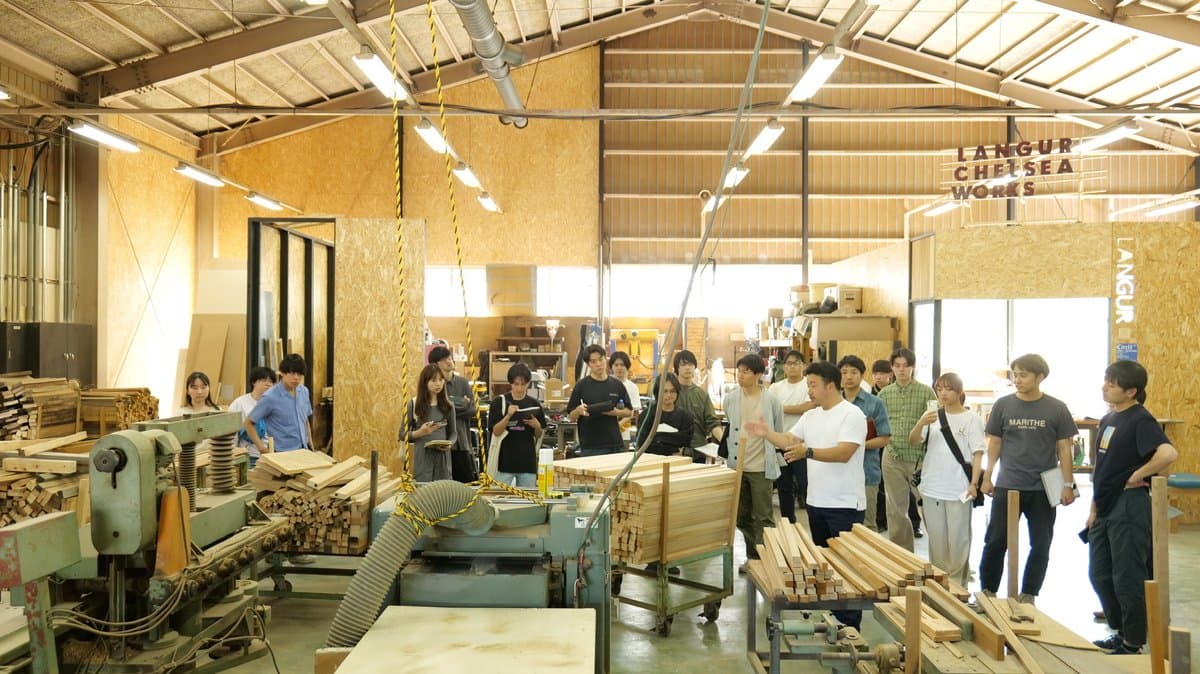
FIG.11
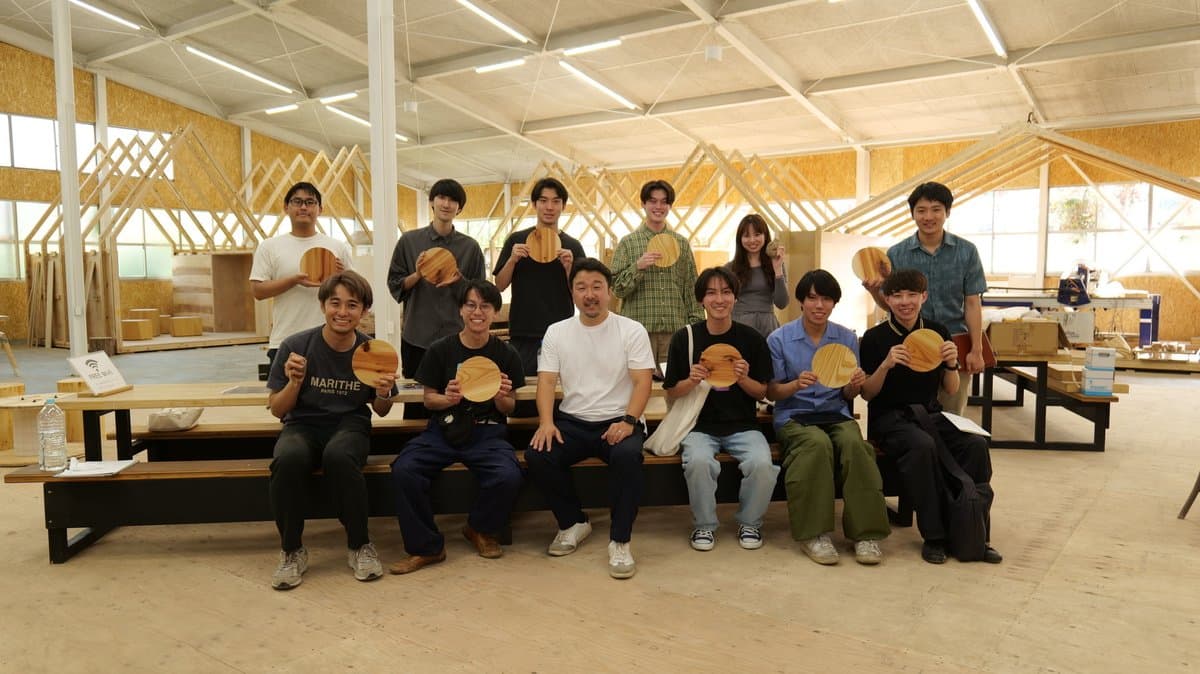
FIG.12
The Vacant House Team conducted fieldwork with the goal of “walking through Ogawa Town to observe examples of existing vacant house utilization and learn about their impact and challenges.”On this occasion, we took a walking tour with Mr. Takahashi, who is implementing a new form of lodging called “Ogawa Machiyado”—a concept that treats the entire town of Ogawa as a single inn—as he shared the background of his initiative and his love for Ogawa Town.
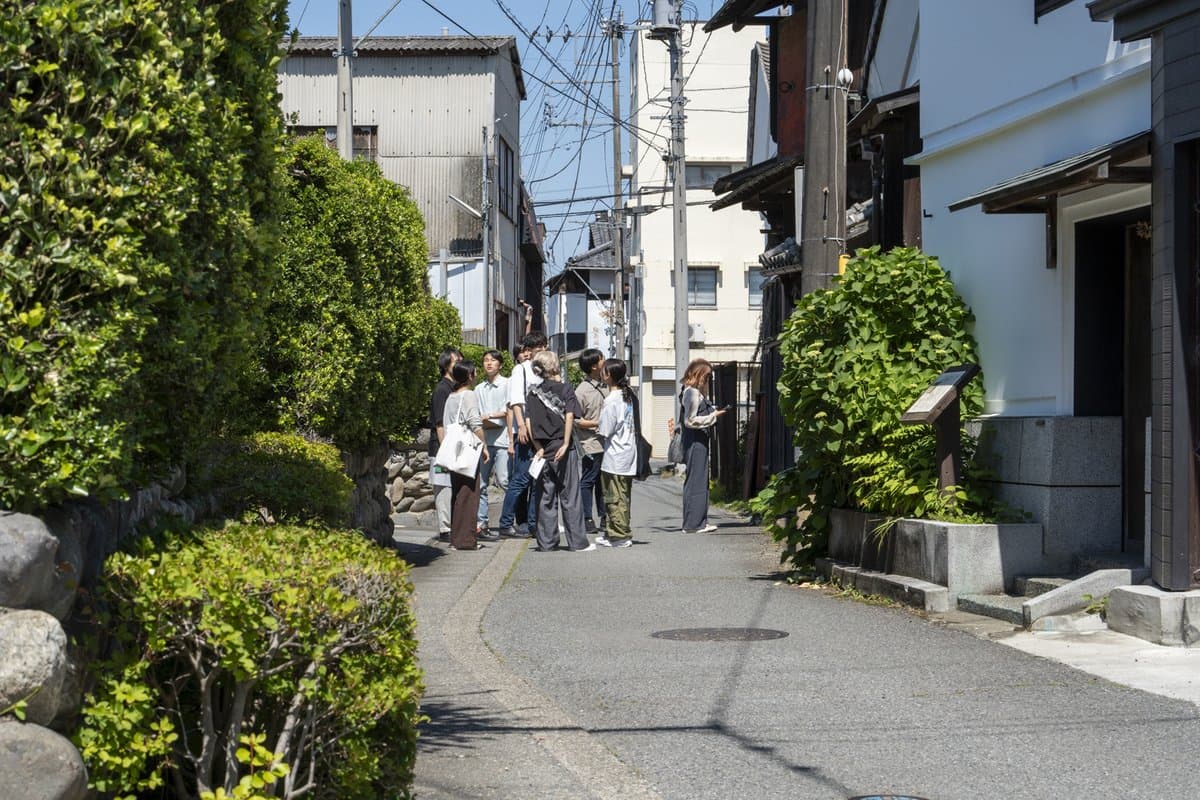
FIG.13
The central area of Ogawa Town, centered around the Tsukigawa River where we strolled, developed as a post town; it featured a charming streetscape where new and old independent shops coexist within the historic townscape. Through this fieldwork, we gained a sense of both the potential and the challenges involved in utilizing vacant homes and traditional houses. In terms of potential, we learned that by repurposing vacant homes as spaces—such as restaurants or lodging facilities—the town can provide venues for new ventures and experiential tourism at a low cost. This makes it easier for people looking to start new projects or travelers from afar to visit, helping Ogawa Town become an increasingly attractive destination.Walking through the town, I could really feel the atmosphere in Ogawa-machi that supports people’s desire to “give it a try,” and perhaps that atmosphere—that sense of community—was born out of the effective utilization of vacant homes. Additionally, there is a vacant home matching program called the Relocation Support Center, demonstrating that the town as a whole is actively engaged in efforts to utilize vacant homes.
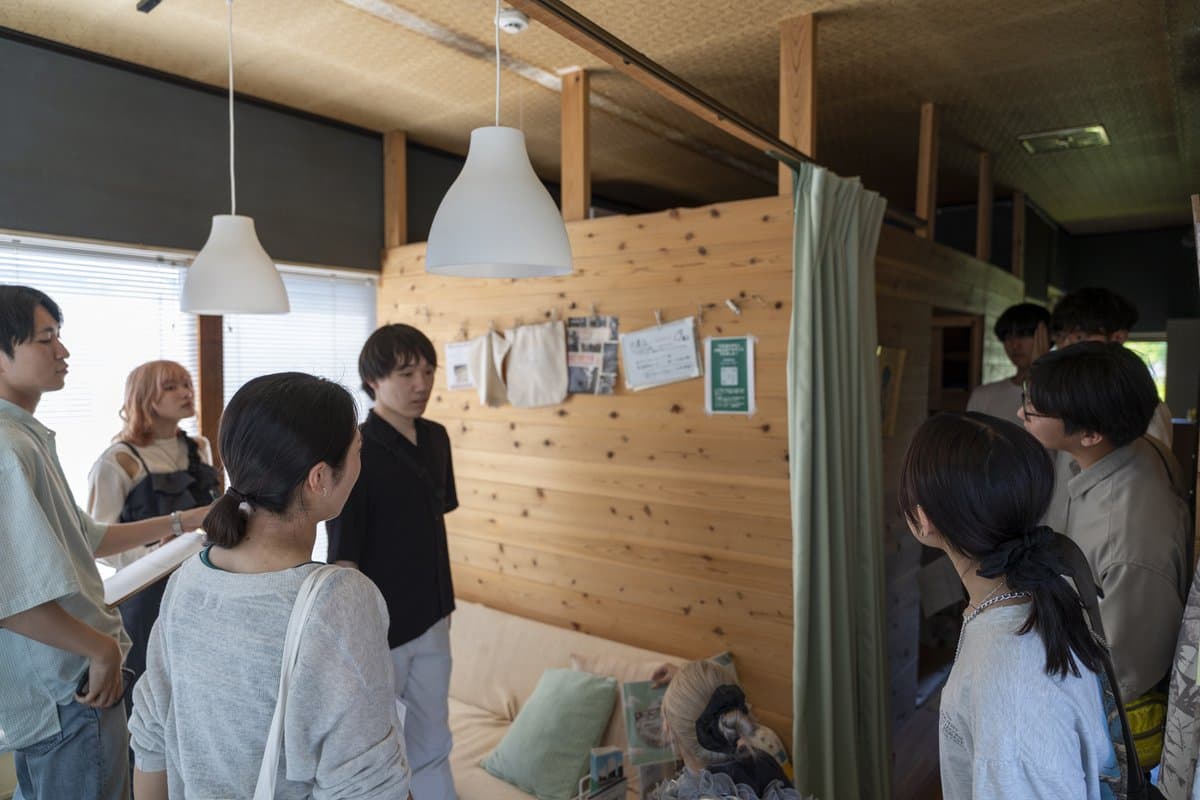
FIG.14
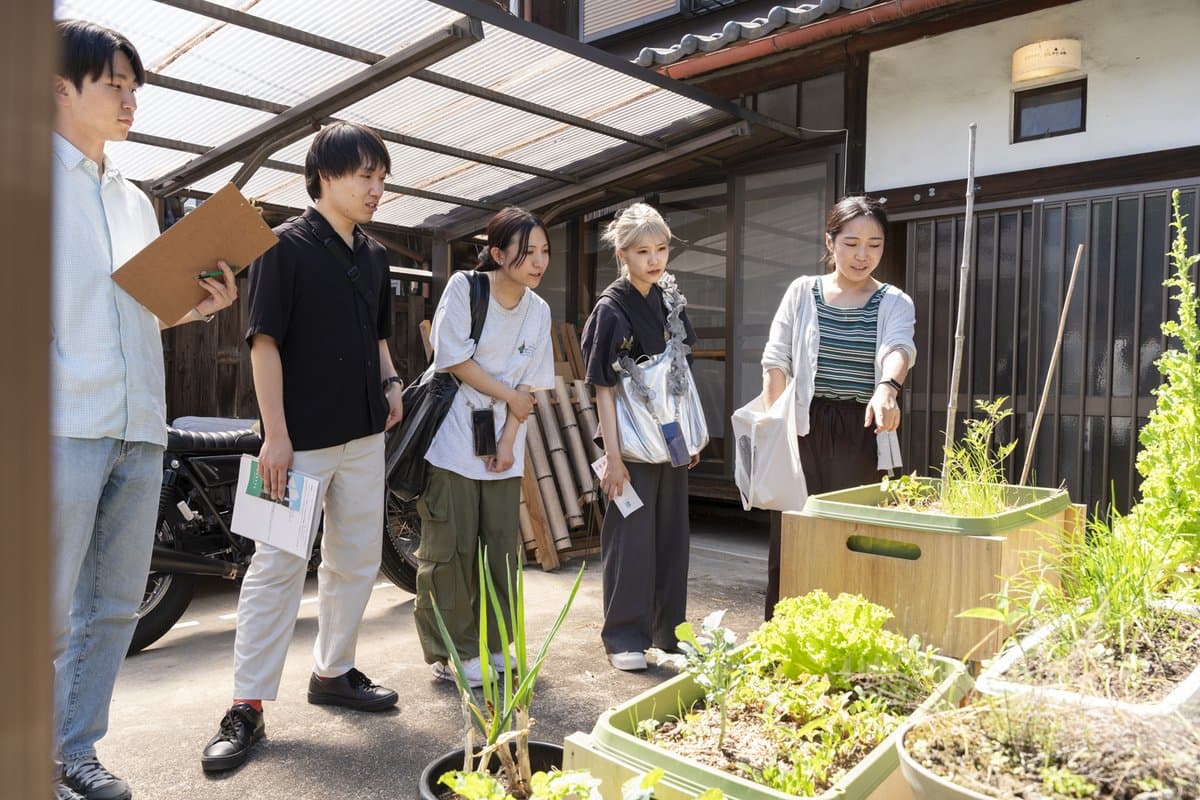
FIG.15
On the other hand, one challenge is that real estate has become a “liability.” Far from generating income, it has become a burden—with maintenance and management costs—transforming it from an asset into a liability.While vacant homes exist in the town as reminders of the past and reflections of how people lived back then, if they are not managed properly, they will eventually become a source of harm to the town. Although efforts such as creating matching programs to actively utilize vacant homes are evident, a definitive solution has yet to be found.Today, Ogawa Town—and Japan as a whole—needs new proposals to address the issues surrounding vacant homes, such as repair costs and structural durability.
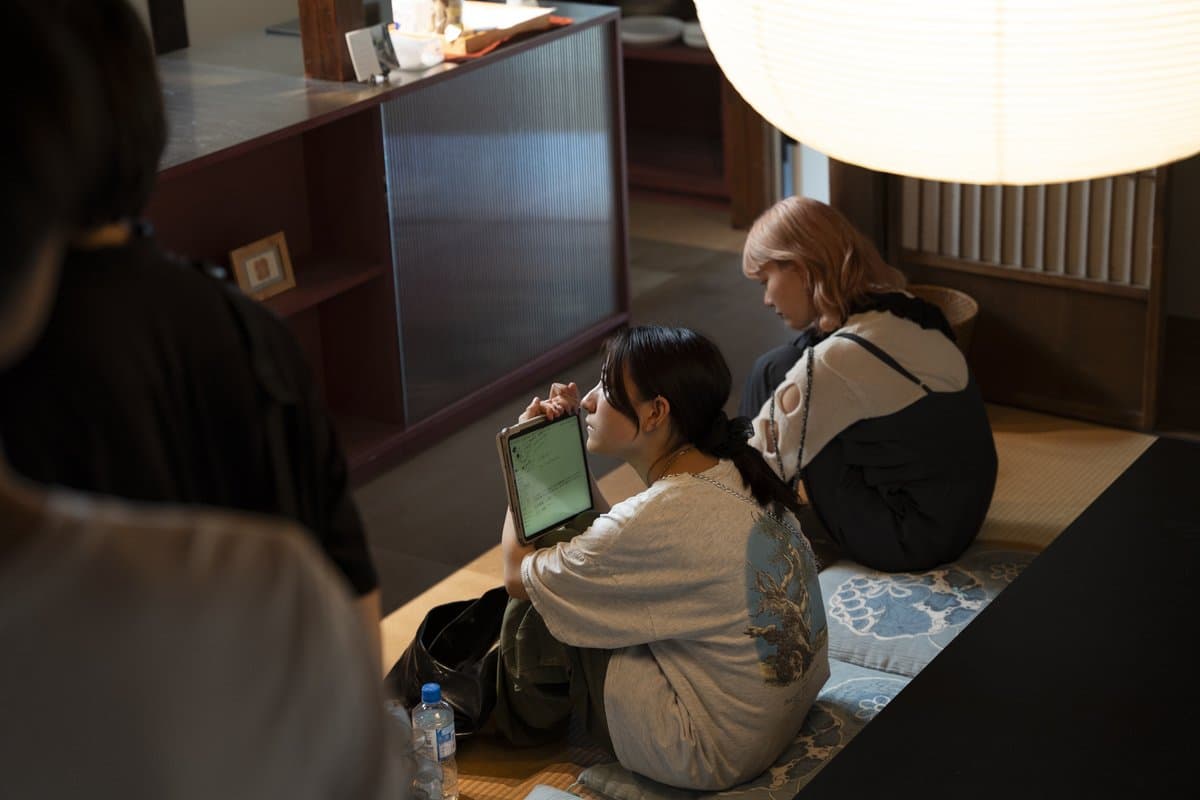
FIG.16
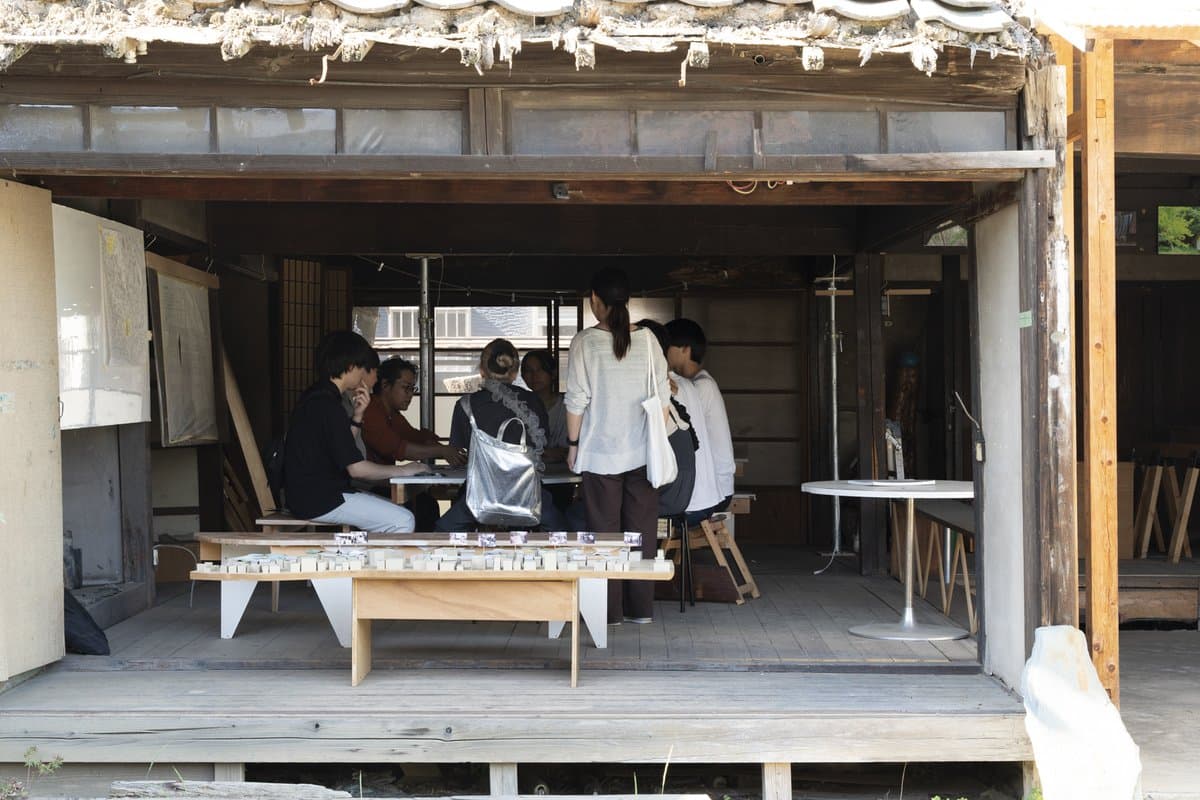
FIG.17
In the afternoon workshop, participants were asked to present concrete ideas—based on their fieldwork experiences—on “Your Vision for an Ideal Ogawa Town and How to Achieve It.”
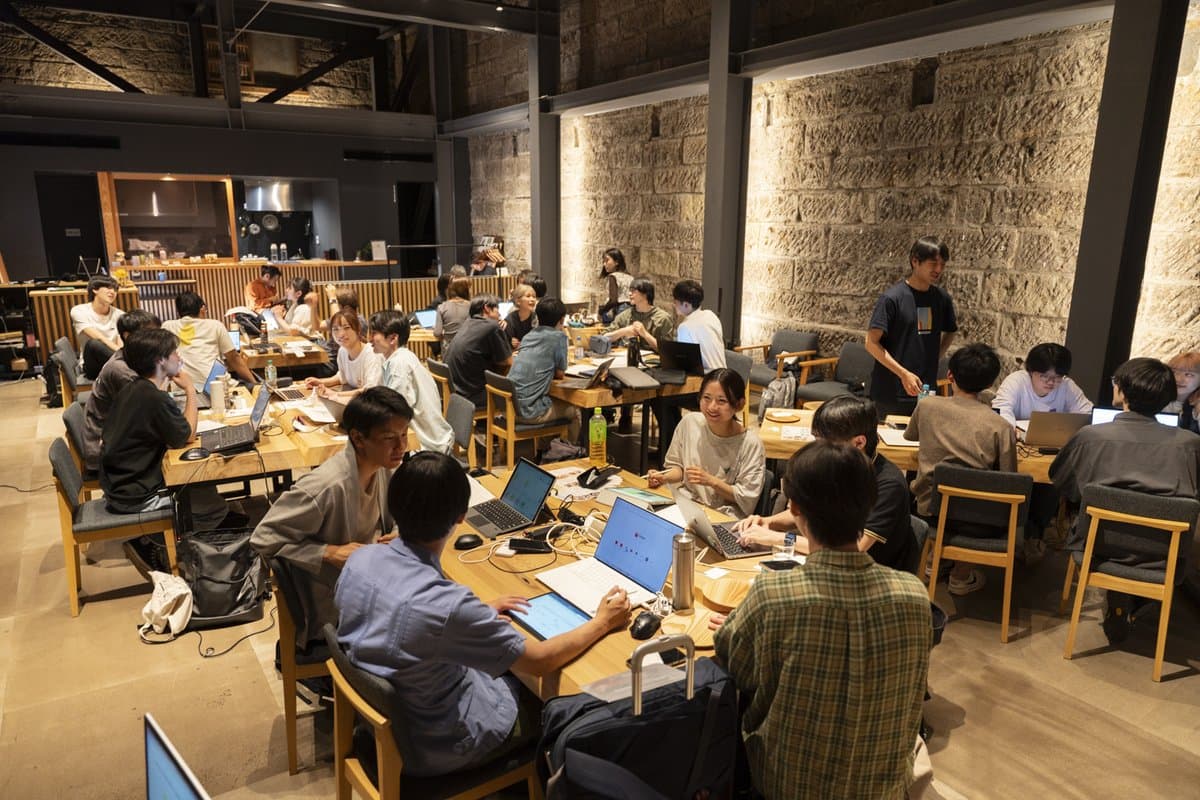
FIG.18
First, participants who had conducted separate fieldwork sessions formed groups and shared their individual impressions and learnings.By gathering around a table with peers who had experienced different fieldwork and held different philosophies, and engaging in discussion, we hoped they would propose ideas that “only ASIBA can create.” We also invited individuals active in Ogawa Town and representatives from Takenaka Corporation to attend the presentations and provide feedback. Thank you very much for your cooperation.
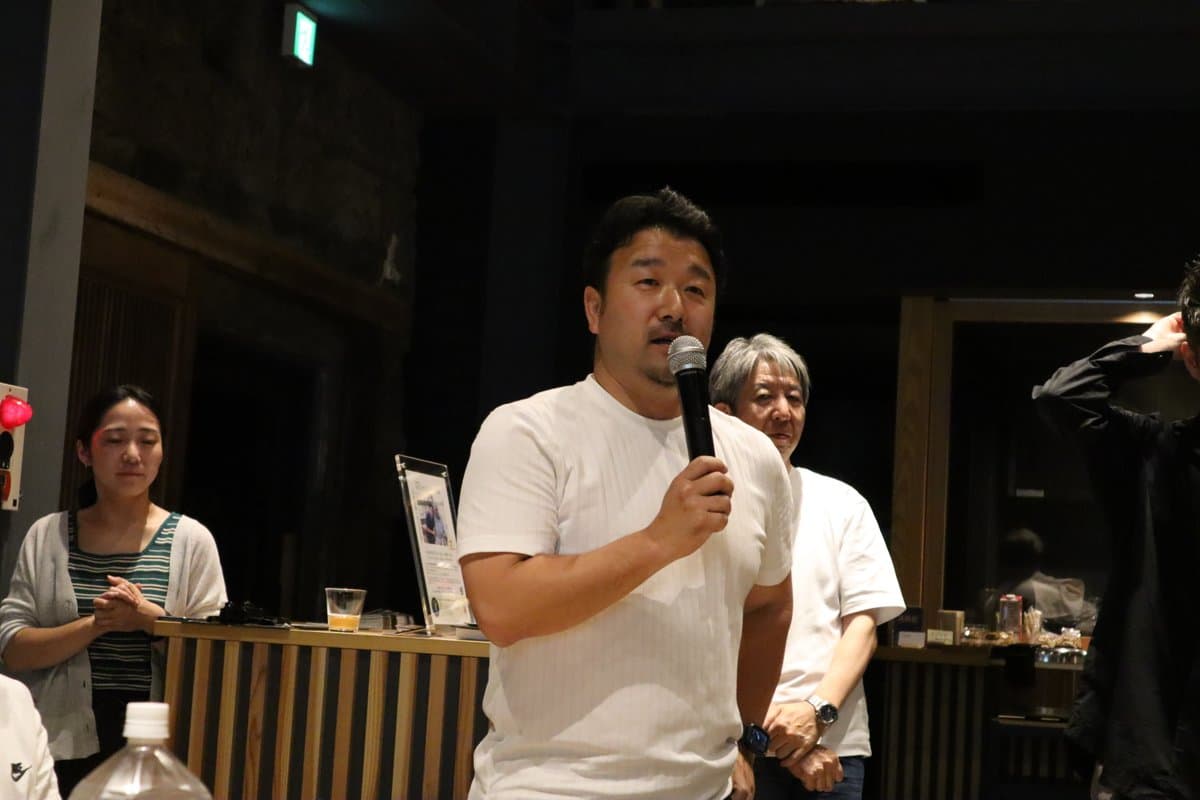
FIG.19
Below are the proposals from each of the six groups.
1. Gentle
Mobility Through our fieldwork, we concluded that “the generosity and gentleness of people, nature, and time” are Ogawa Town’s greatest charms. However, in contrast to the town’s charming “generous and unhurried” atmosphere, traffic and mobility in the town were fast-paced and rough.While walking around town and going about our daily lives, we experienced near-misses with cars and heard the loud noise of traffic echoing through our homes. Furthermore, through interviews, we learned that although most daily activities take place within a short distance, there are currently no means of transportation other than cars and walking. So we posed the question: “What if we created a gentle mobility experience that harmonizes with the town’s unhurried pace?” We believe this gentle mobility will further enhance Ogawa Town’s intangible charm and help shape a better future for the town.
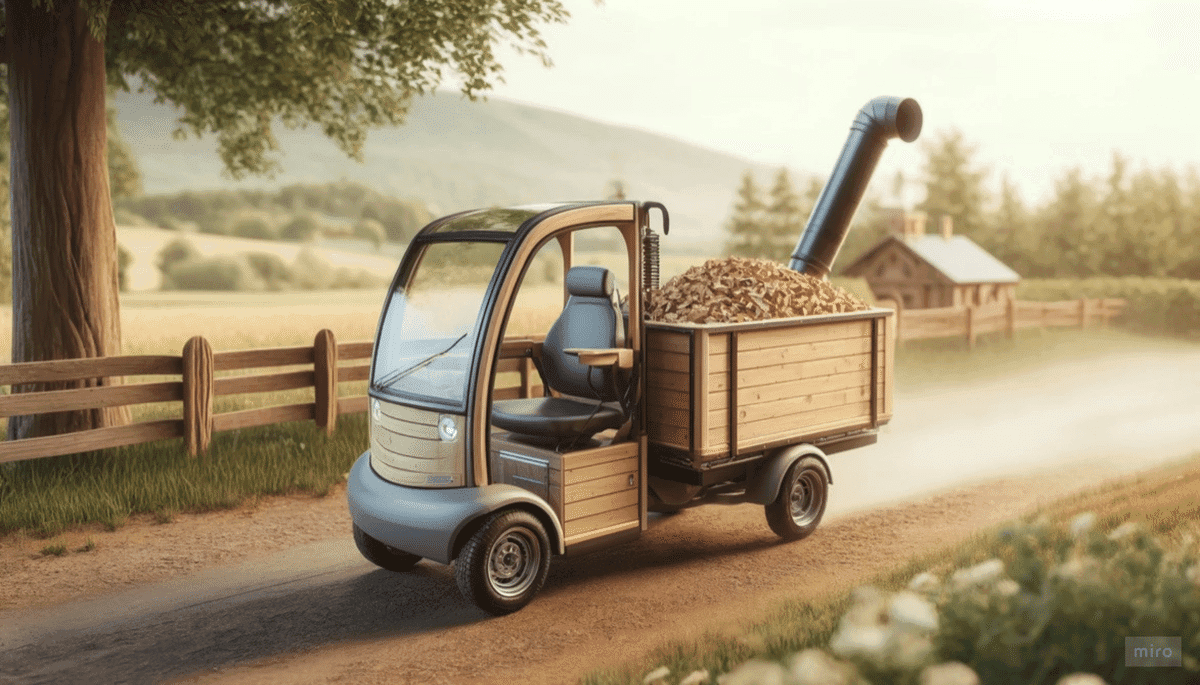
FIG.20
2. A Town Without Ownership Through our
fieldwork, we noticed that Ogawa Town has few cultural facilities. Furthermore, ownership of objects and spaces is becoming ambiguous—for example, a guesthouse might have a table from a neighbor’s house, or residents might lend or borrow each other’s baths.Our proposal is to utilize vacant homes as artist residencies, involving artists from the very beginning—starting with the renovation of these properties. Those renting the spaces can take advantage of the spacious, nature-rich locations and woodworking shops, while those lending them benefit from having the maintenance of the vacant homes—such as mowing the lawn—taken care of.As cultural facilities increase throughout the town, items lent to artists will return as works of art, and by fostering new relationships beyond the typical artist-visitor dynamic, art will take root in the community. As a first step, we will begin by selecting vacant homes and recruiting artists with ties to the town.
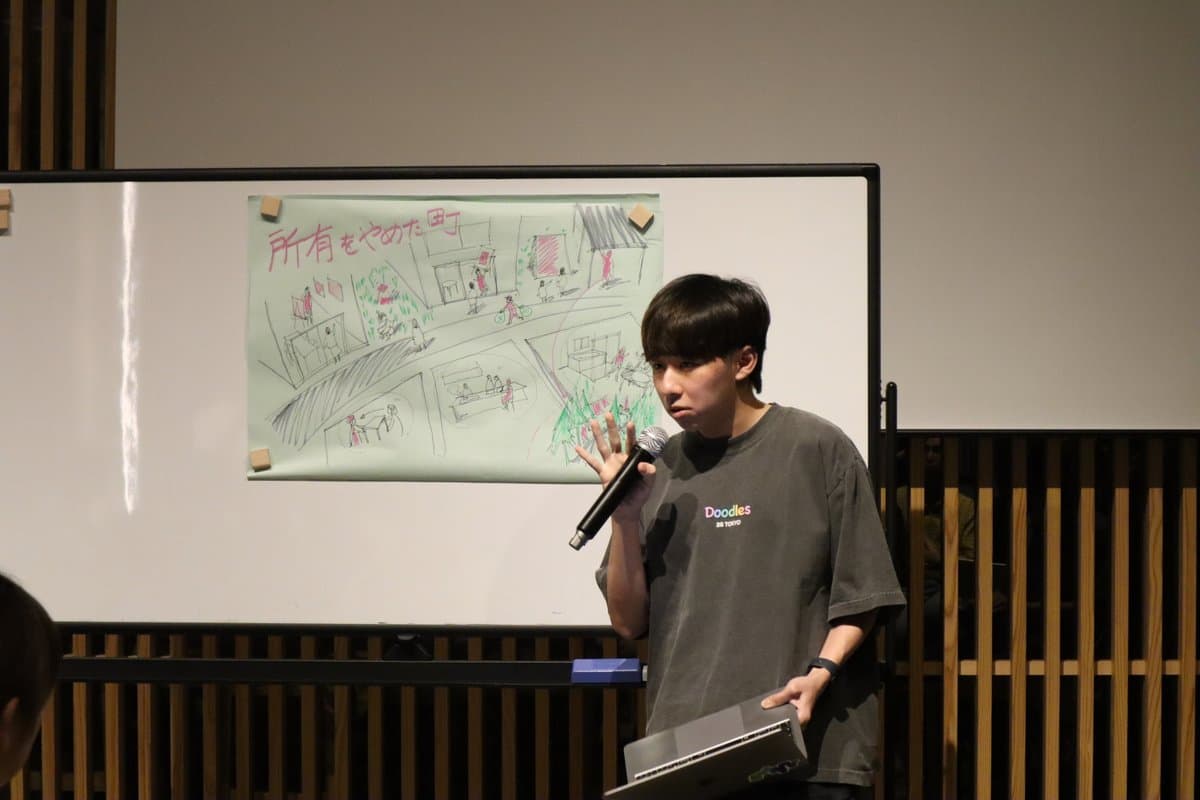
FIG.21
3. Onigiri
Shimozato We propose an experiential, itinerant tourism program that takes participants on a tour of the region while making onigiri, leveraging the area’s organic agriculture and the “Machiyado” community system. “Rather than the onigiri you find at any convenience store, wouldn’t you rather eat onigiri that you can only find in Ogawa Town?” We started with this simple remark. Having someone shape the rice balls for you and then eating them—we tried to view this simple act of eating within the framework of architecture and the local community. In doing so, we discovered various things “unique to Ogawa Town” and transformed the act of making rice balls into an activity that explores the local area.“Polishing the rice, finding fillings, cooking the rice in clean water, having it shaped, and eating it together”—each of these activities requires a specific venue. By carefully selecting and connecting these venues, we transformed the experience from simply eating rice balls into an opportunity to savor the best rice balls while experiencing the region’s unique charm. A new travel option that lets you enjoy the region from every angle through “rice balls”—a food everyone is sure to eat.

FIG.22
4. With
Ogawa Town as Our Backbone Through fieldwork and interviews, our team realized that while Ogawa Town attracts many hikers, the only way to get there is on foot, and that the town offers high-quality “food,” including top-notch vegetables grown using organic farming methods.Therefore, we decided to address these issues by combining bicycles—a highly maneuverable mode of transportation—with local specialties such as bento boxes, ingredients, and sake barrels. Since rental bicycles allow users to ride and park freely for a fixed fee, we believe we can differentiate our service financially by affixing advertisements for local specialties to the cargo racks—this not only provides promotional benefits but also allows us to offer the service at a much lower price than standard rental bicycles, as the advertising serves as payment.
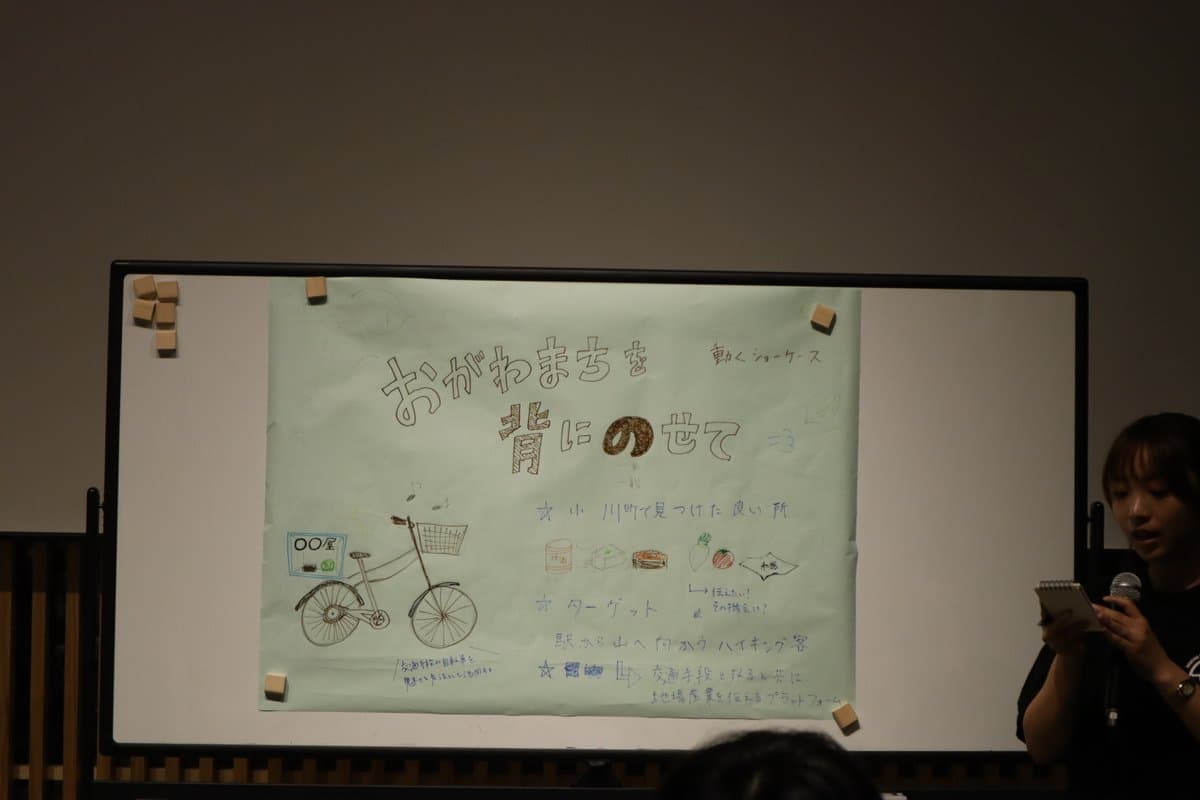
FIG.23
5. Through
fieldwork at the Maruta Festival, I learned that while there are local residents working hard to revitalize the forestry industry in Ogawa Town, there are significant hurdles from the perspectives of infrastructure development and price co-creation.At the same time, through walking tours of the town, I learned that Ogawa Town has a gift economy—where people know each other personally—that does not appear on the surface of the current monetary economy.Therefore, we devised a new economic system in which local residents voluntarily transport thinned timber from the forest down to town and, in return, receive assistance with furniture making or home renovations. Furthermore, by turning the process of transporting the logs into an event called the “Log Festival,” we aim to foster a sense of love for the local community and strengthen community bonds.
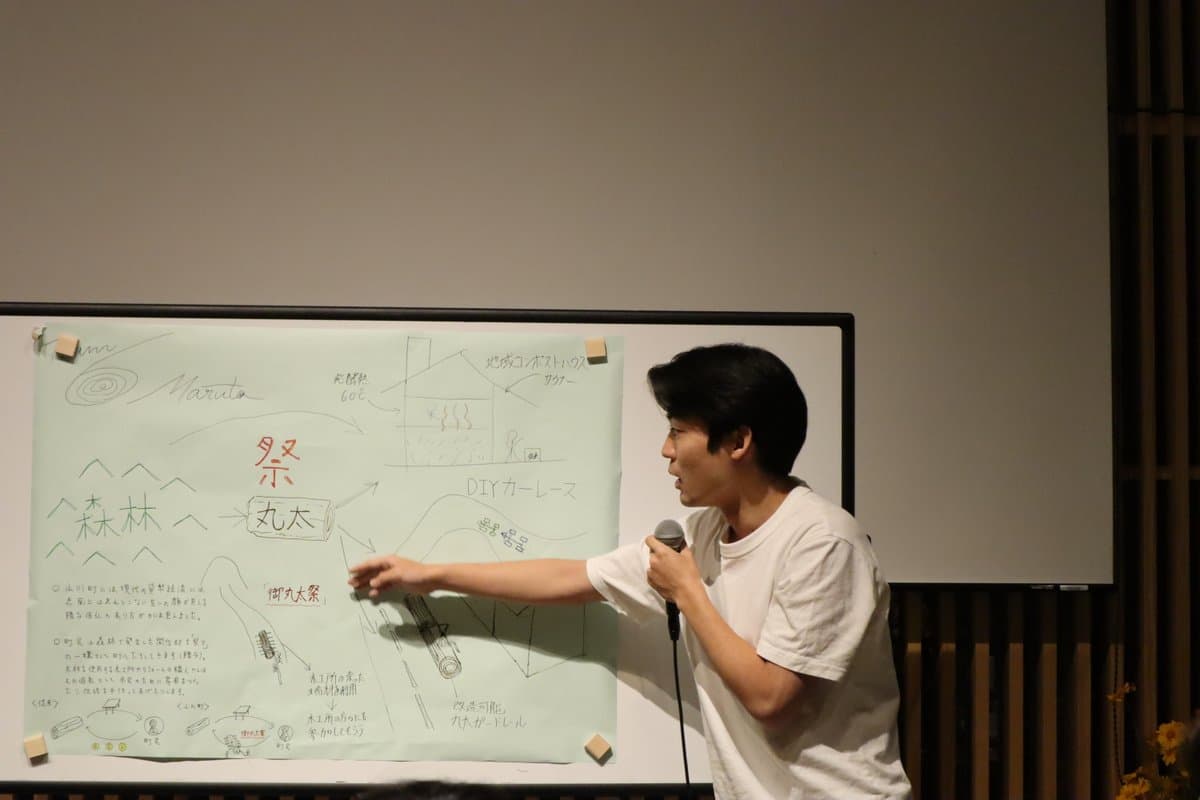
FIG.24
6. Compost
We propose establishing an agricultural corporation dedicated to sustainable organic farming and community development. Surprisingly, Ogawa Town had a culture where every household owned a compost bin; however, while waste was simply added to these bins, the resulting compost was not reused.Furthermore, while organic farming has a long history in the town, the labor-intensive nature of the process posed a significant burden. We therefore proposed establishing an agricultural corporation in Ogawa Town to deliver compost to farmers, which we believe could also lead to an increase in the number of people employed in agriculture.Since organic vegetables can be sold at higher prices than conventional ones, this initiative also aims to stimulate Ogawa Town’s economic cycle. We made this proposal to preserve and further pass on Ogawa Town’s rich culture of living.
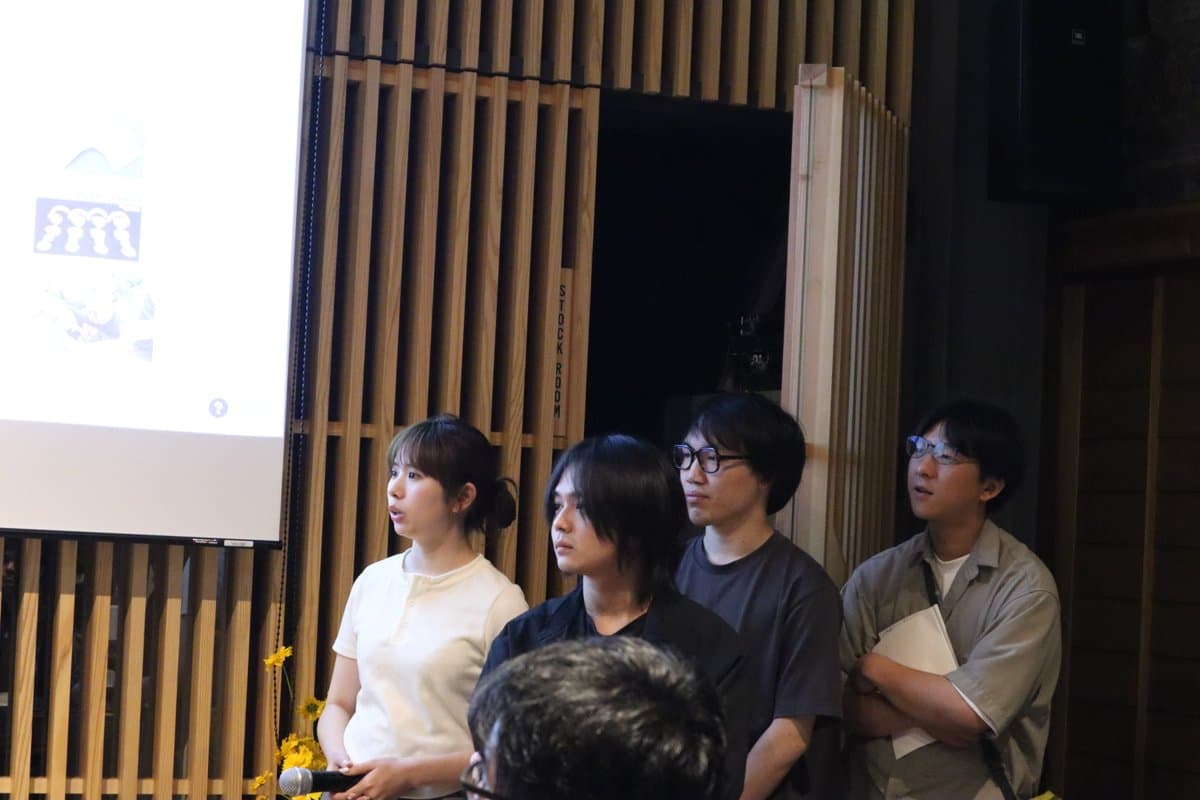
FIG.25
Through this fieldwork workshop in Ogawa Town, while we identified challenges—such as the difficulty of viewing things from a perspective unique to each individual and the need to truly establish the philosophy underpinning that approach—the experience of actually walking through the town and engaging in repeated prototyping and discussions with our peersa valuable opportunity to experience the entire process of “identifying challenges and proposing solutions.” I would like to once again express my sincere gratitude to everyone in Ogawa Town and at Takenaka Corporation for providing this wonderful fieldwork and workshop experience.
Credit
Related Works
2024.04.20.

[ASIBA Class Report] Week 2: Hearing and Hypothesis Building
INC-2nd Class Report #2
REPORT
2024.05.02.