ASIBA Creative Incubation Program 2nd
Twenty creative entrepreneurs who kept facing the challenge of balancing their own questions with a connection to society
A hands-on program for students and young creators studying architecture, urbanism, and design to turn their ideas and problem awareness into concrete form. This second cohort selected around 20 participants, who spent four months walking the path together. The program included lectures by leading entrepreneurs and architects, one-on-one sessions with mentors, and a midpoint retreat where participants shared ideas with one another. Rather than simply assembling a business model or a solution, the program placed weight on sitting with fundamental questions — “why am I the one doing this” and “how does this connect to society.” Participants explored their own answers, sometimes struggling and repeatedly reconsidering their direction along the way.
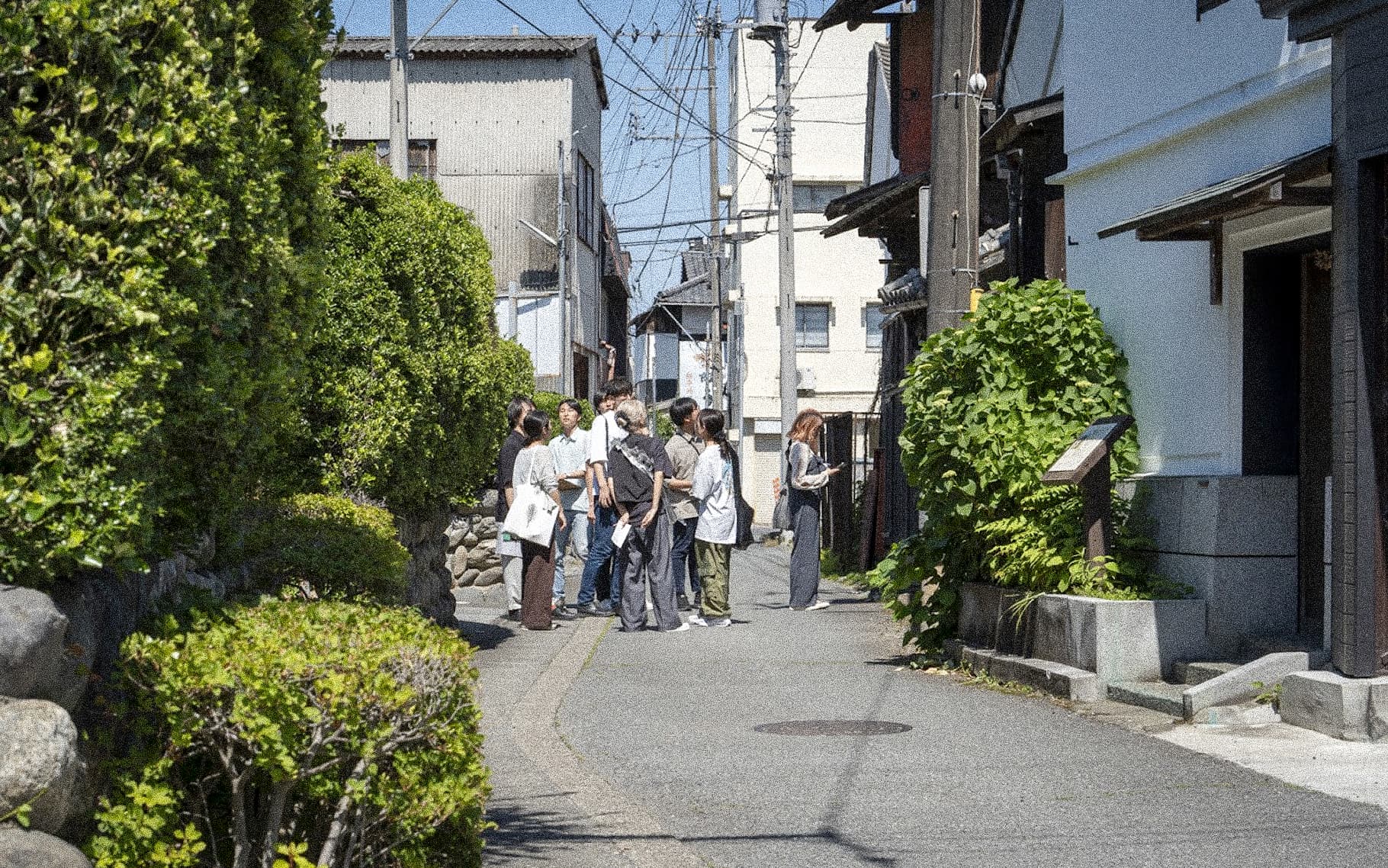
FIG.1
Embracing Risk = A Environment Where Failure Is Allowed
From April to July 2024, we launched the second session of “ASIBA,” an incubation program specializing in the fields of architecture and urban planning. This session—the first to be operated by the ASIBA General Incorporated Association—drew approximately 20 participants to an eight-session program spanning three months.Centered around lectures and workshops held every two weeks, along with monthly one-on-one mentoring sessions, 17 teams engaged in hands-on activities to present their respective “questions” to society. At the final event, “ASIBA FES 2024,” all teams presented the results of their three-month efforts.
Following the completion of the first cohort, ASIBA was reorganized as a general incorporated association. The decision to incorporate was driven by the desire to establish a sustainable operational foundation for the program and to build a broader ecosystem that supports the challenges undertaken by architecture students. The theme of the second cohort was “An Incubation Program as a Space for Taking on Challenges.” Isn’t what is truly needed a safe environment for taking on challenges—a fertile ground where failure is permitted?High-resolution questions can only emerge through the repeated testing of hypotheses. To continue this process of testing, we need not only funding and technology but also a culture that welcomes failure. Guided by this awareness, we redesigned the program from the first phase onward, both in terms of scale and structure.
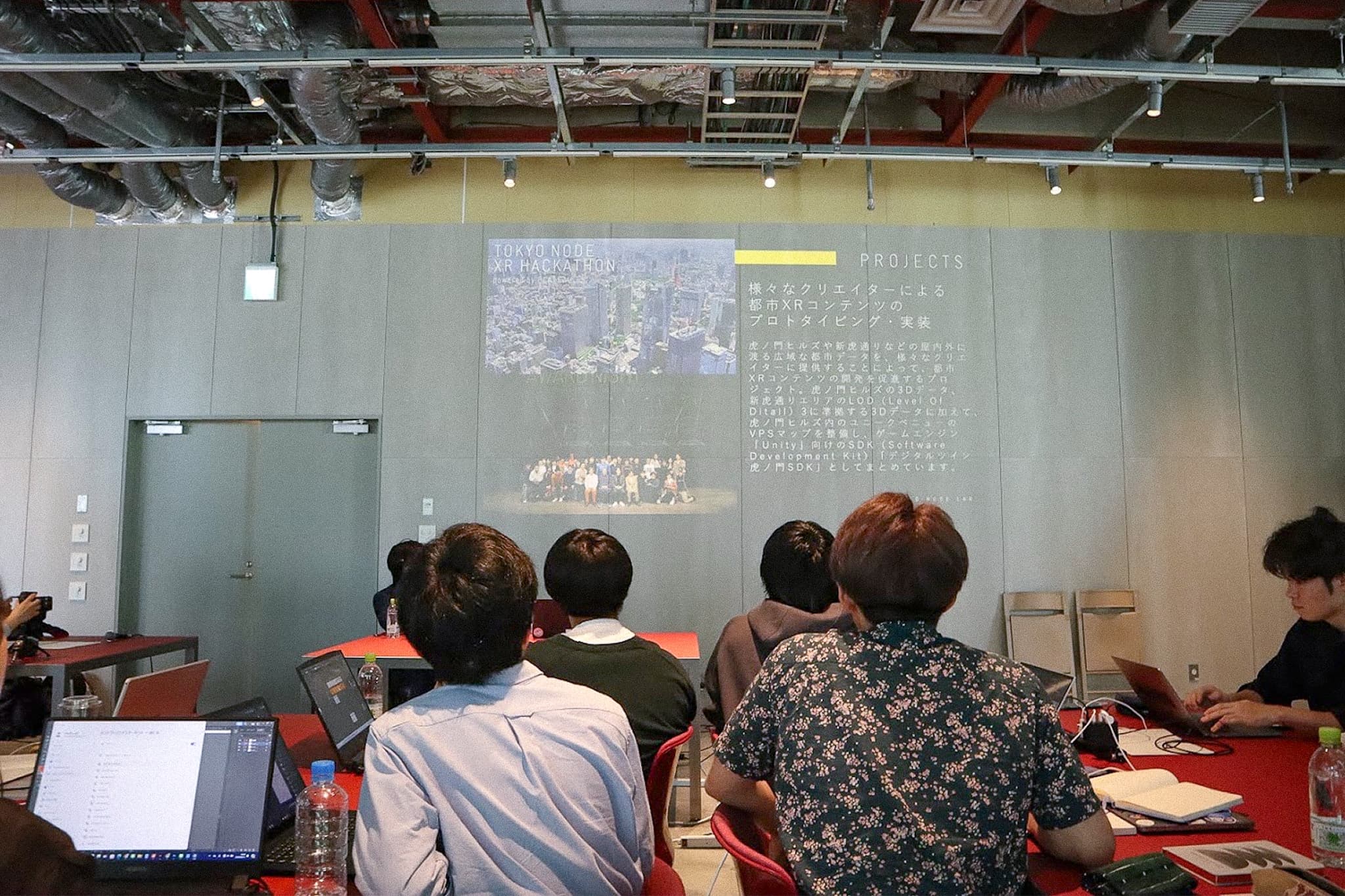
FIG.2
The Cycle of Practice and Validation
We changed the schedule from the first phase’s 8-week, weekly sessions to a 12-week, biweekly schedule plus one mentoring session per month. The program is designed to ensure time for practice and verification between sessions, allowing participants to move their projects forward while making course corrections through one-on-one dialogues with mentors.
- April 13 KICK OFF— “What Is an Entrepreneur?”
- April 13 Formulating Questions— “Receptivity and Social Implementation”
- April 27 Prototyping— “Prototype & Demo Day”
- May 11 Business Plan and Funding — “Proposal and Fundraising”
- May 25–26 Mid-Program Retreat—Ogawa Town Fieldwork & Mid-Program Pitch
- June 8 Hypothesis Validation— “Customer Challenges and Solutions”
- June 22 Pitching and Media — “Building Empathy”
- July 6 ASIBA FES 2024—FINAL PITCH / PROJECT BOOTH
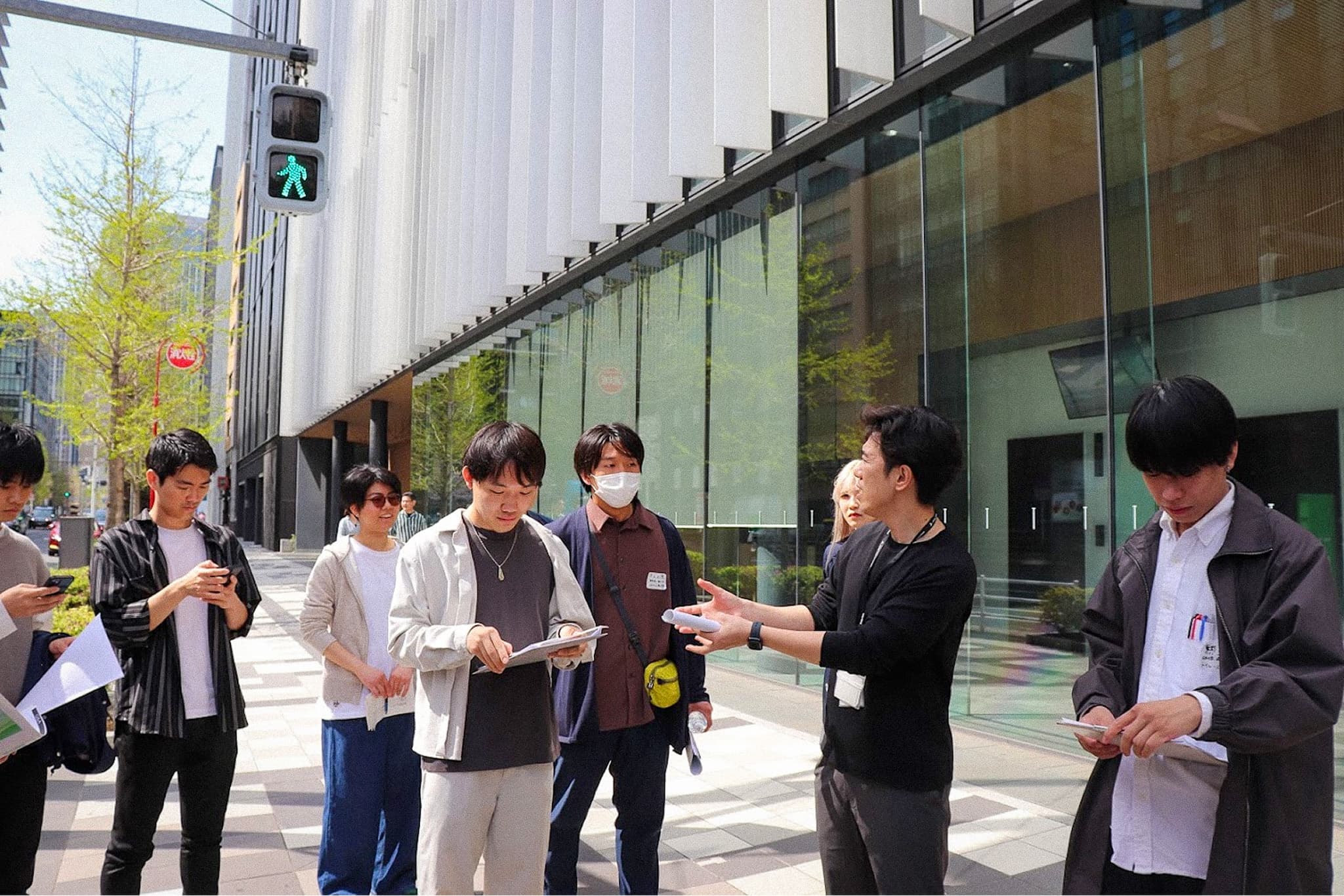
FIG.3
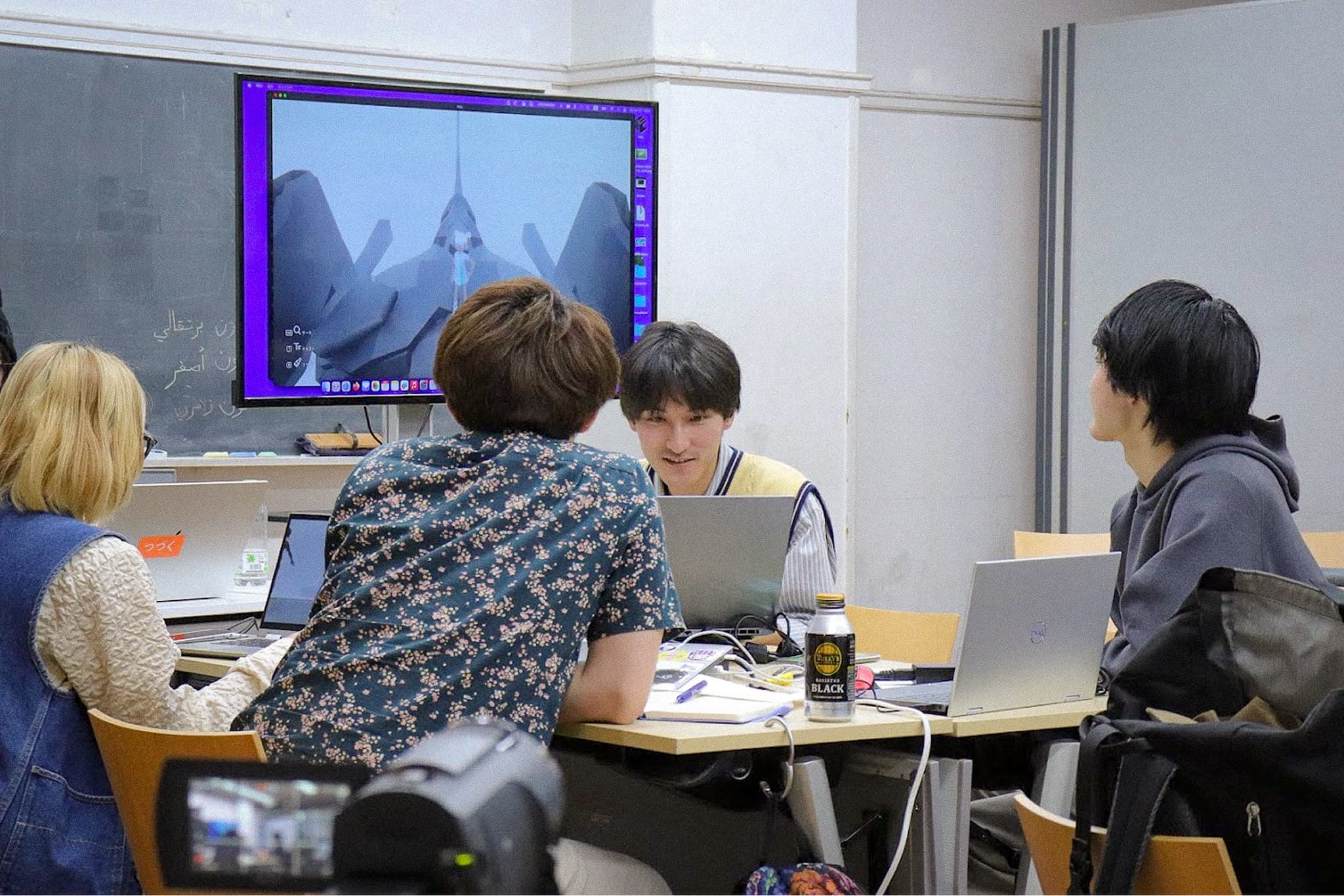
FIG.4
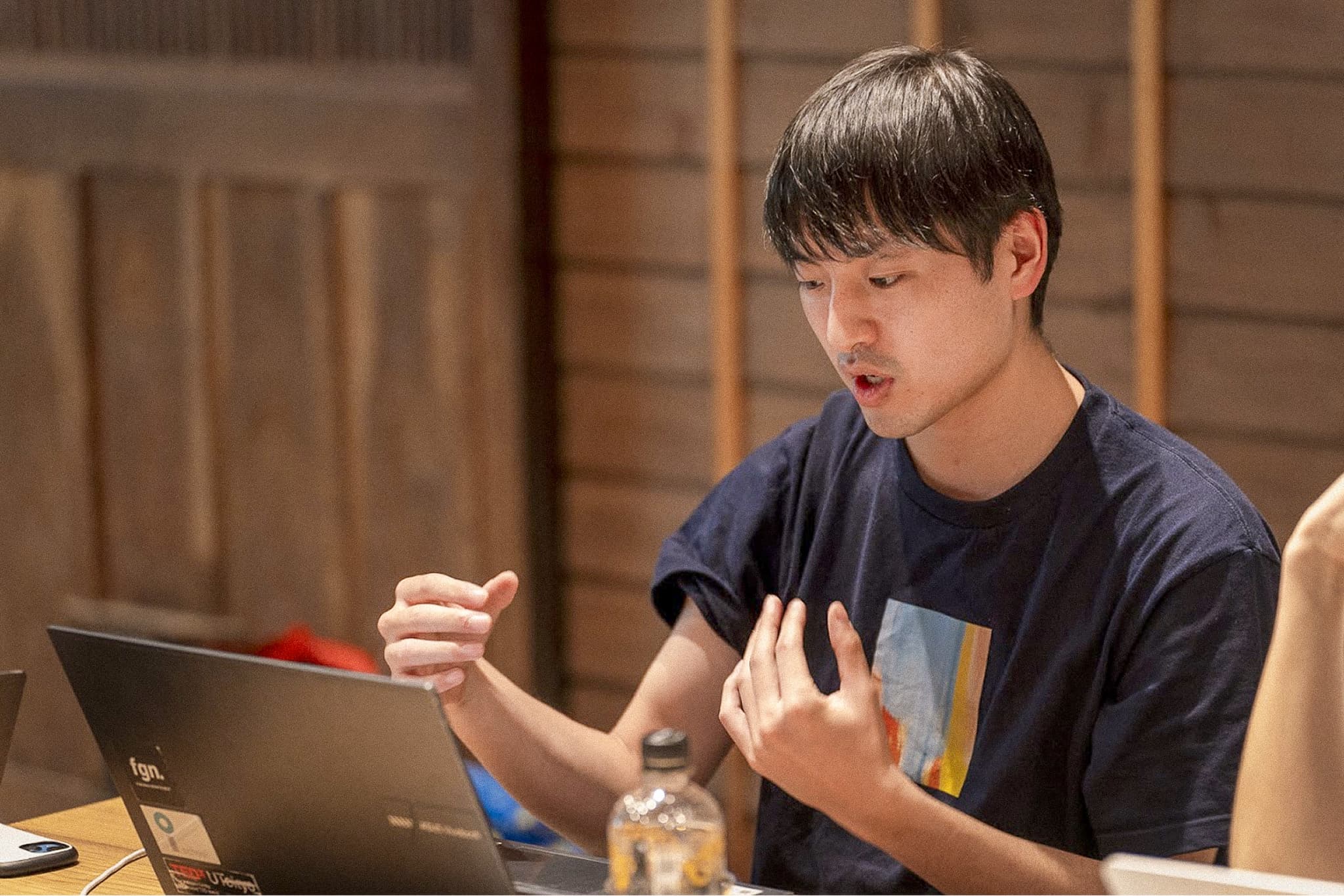
FIG.5
Pioneers Who Give Challengers a Push Forward
We invited architects and entrepreneurs who are at the forefront of the architecture and urban planning fields to provide mentoring and lectures. They serve as a source of encouragement for the challengers, helping them not only acquire the technical skills and knowledge needed for implementation but also develop the mindset required to forge new paths.
Mentors: Responsible for providing advice and guidance to each mentor group through
monthly mentoring sessions
- Atsumi Hayashi
- Kyoko Watanabe
- Mitsuba Sato
- Yutaro Ren
Guest Lecturers: Entrepreneurs active in the fields of
architecture and urban planning, delivering lectures every other week
- Kunpei Toyota (HUB&STOCK Co., Ltd.)
- Takayuki Aoki (SORABITO Co., Ltd.)
- A-Haru (O Co., Ltd.)
- Taro Kagami (SEN Co., Ltd.)
Vacant Houses, Forests, Woodworking Shops
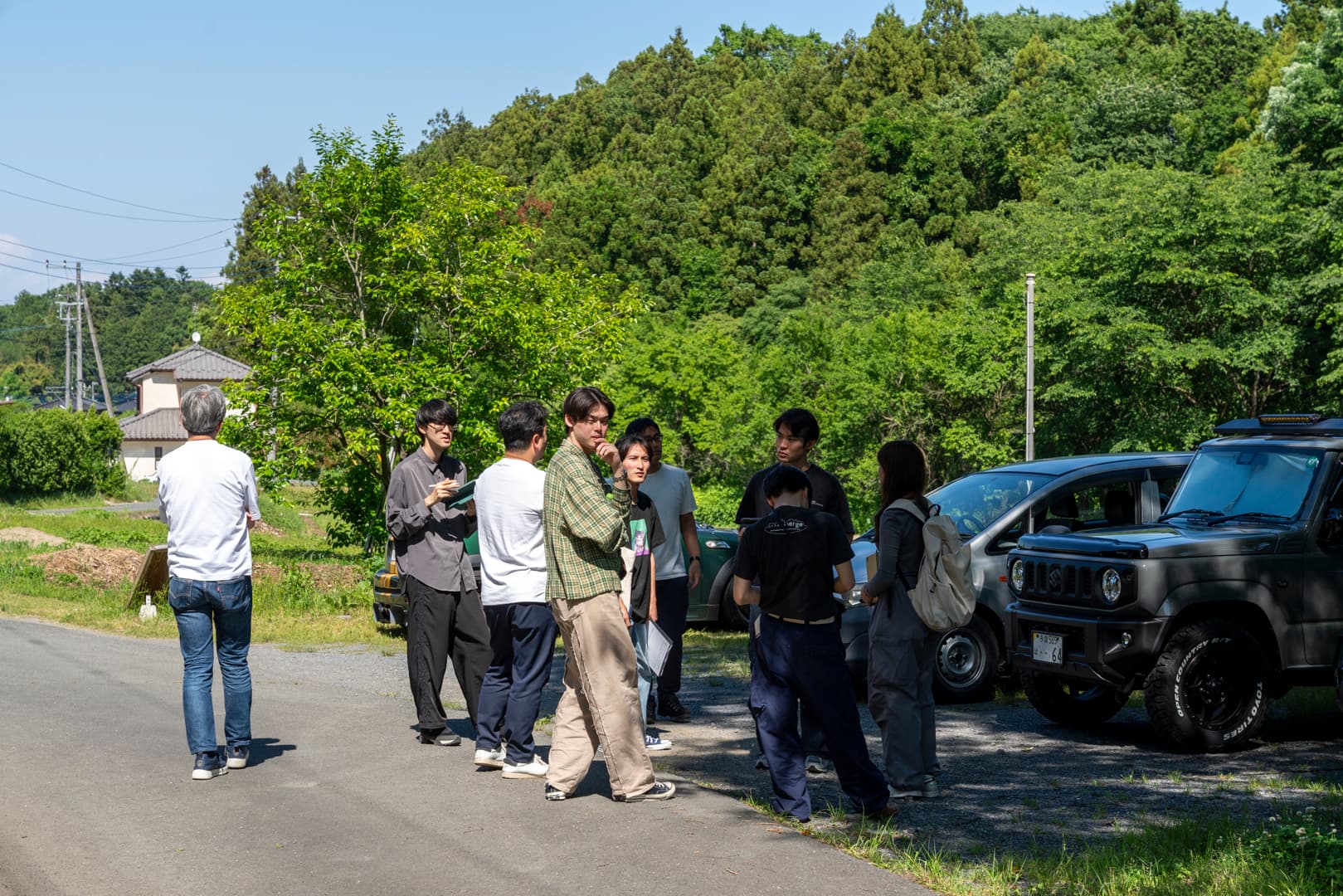
During the 5th interim retreat, we conducted fieldwork and workshops based at NESTo (Takenaka Koshoten) in Ogawa Town, Saitama Prefecture.Focusing on the three themes of vacant houses, forests, and woodworking shops, we were guided by three professionals active in Ogawa Town and collectively explored the challenges and possibilities. Additionally, as part of a joint social gathering for Cohorts 1 and 2, we held mutual sketch sessions for each project.
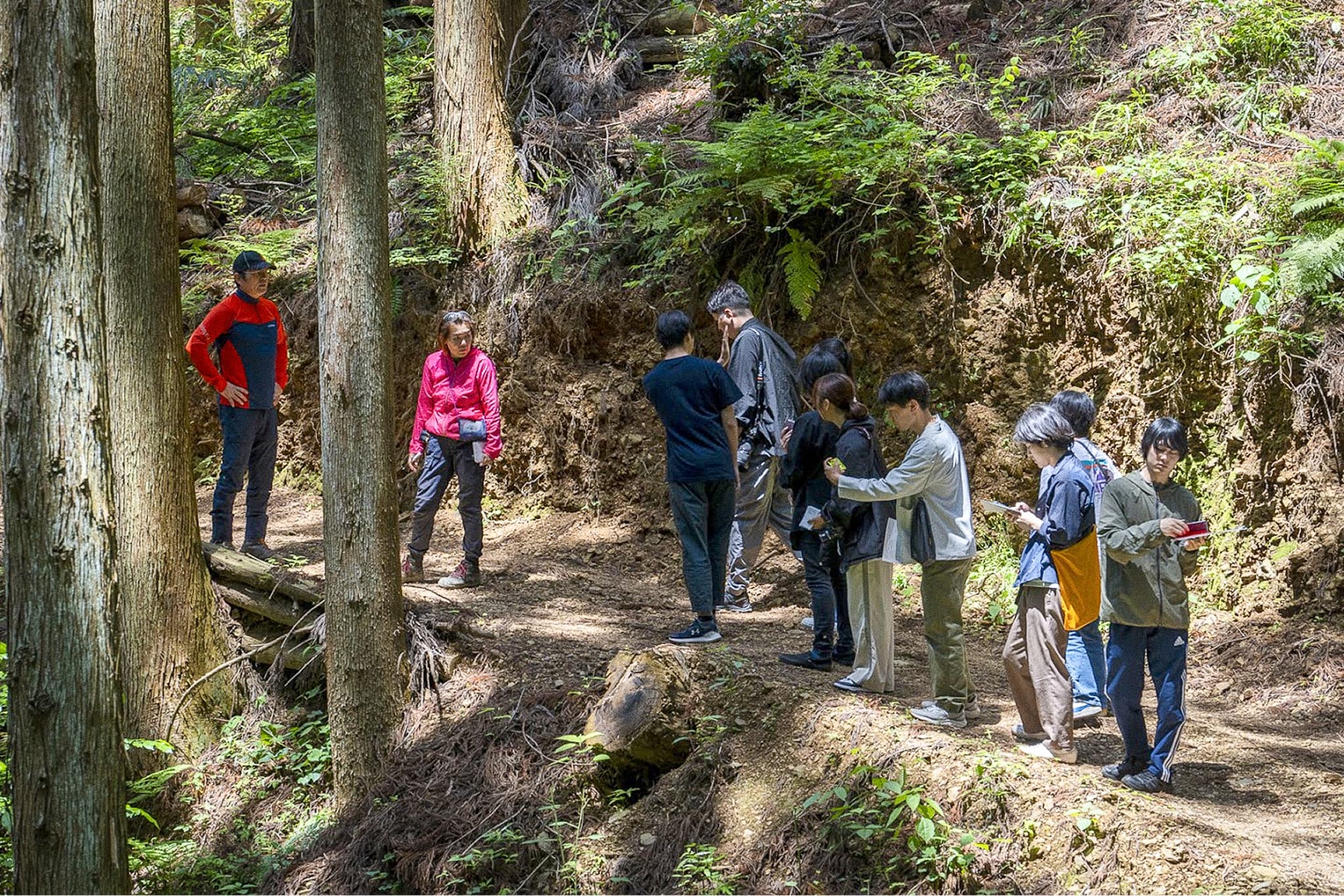
FIG.6
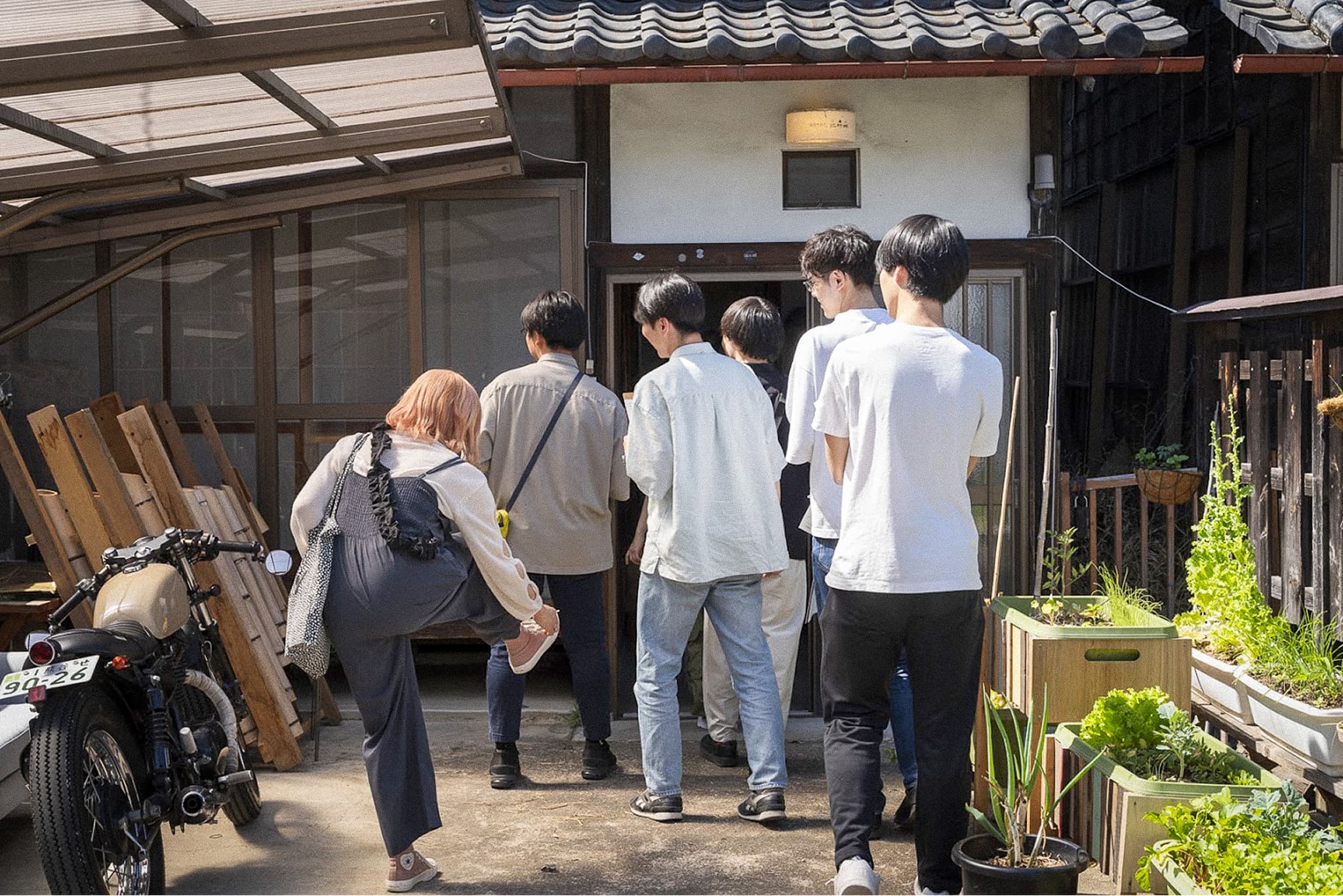
FIG.7
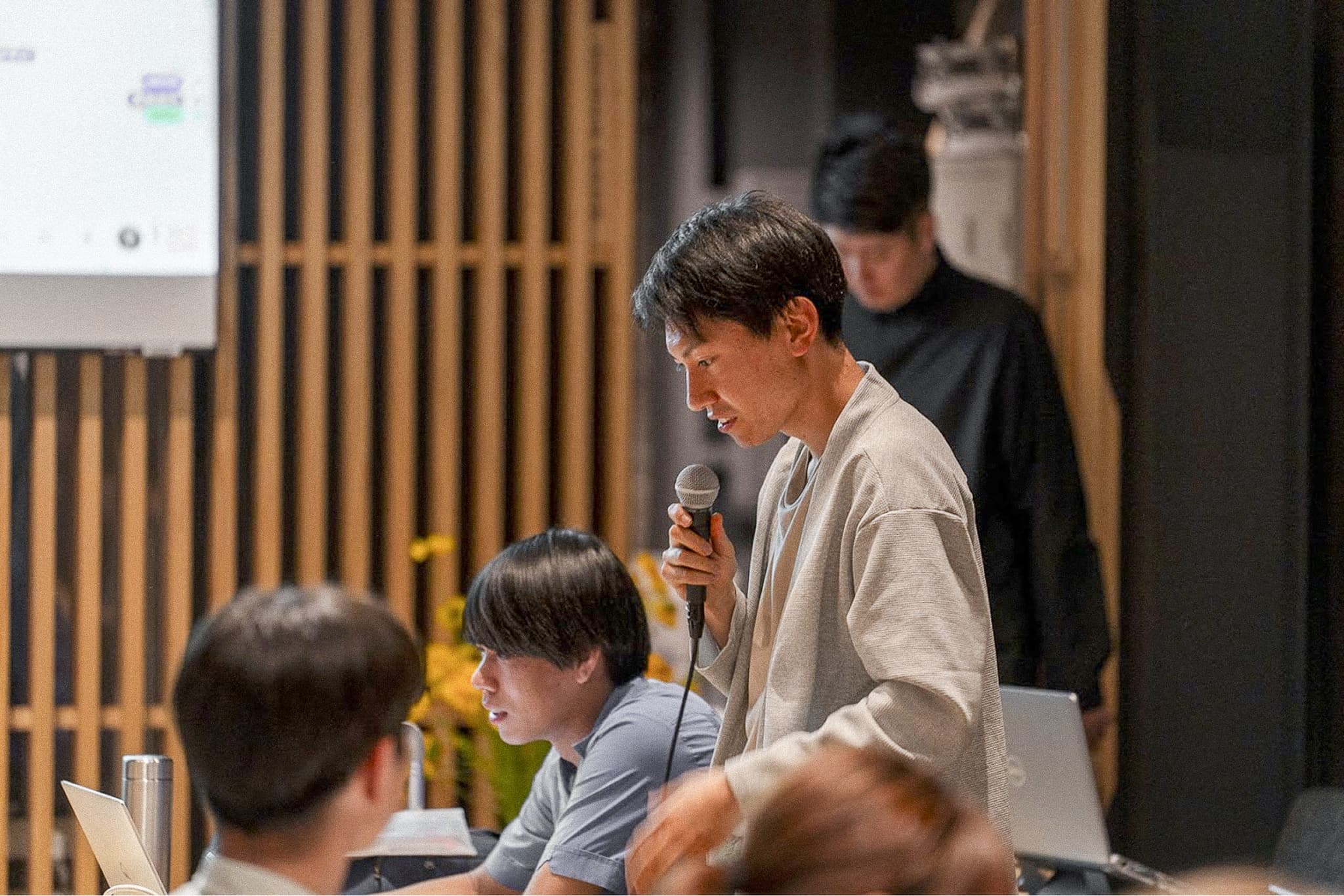
FIG.8
17 Projects and Questions
Each team’s project was categorized into four themes at ASIBA FES 2024.
New Cityscape—The Transformation of Urban “Lifestyles”
- Takeno: How can young people live a truly human life in Tokyo’s downtown area, where redevelopment is underway?
- Enoniwa: Can we use drawing as a tool for dialogue between us and people with disabilities?
- Nitchinock!: How can we restore a city’s “unique character” as it becomes increasingly homogenized?
- Hami Lab: How can we convey the hidden value of objects?
The Intersection of Design and Technology—The Potential of Technology to Enrich Daily Life
- Withvac: How Can We Update Architecture Through the Integration of Facilities and Data?
- Hami Lab: How can we convey the hidden value of objects?
- Yohack: How Can We Preserve the History of the City and Ourselves?
- Swarunba: Can Spaces with Mobility and Adaptability Transform Our Living Experiences?
Design for Human Interaction—New Horizons in Co-Creation and Community
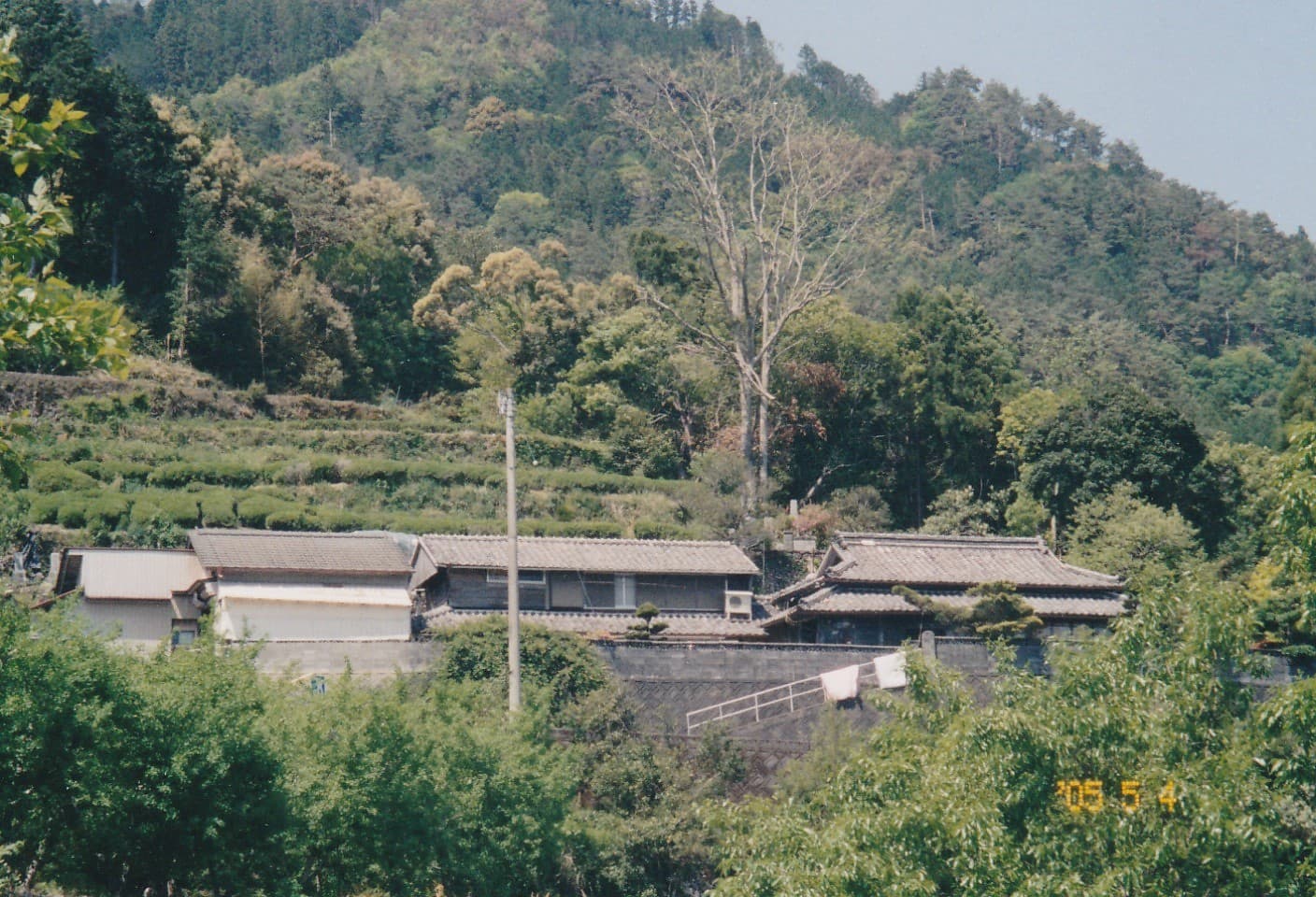
- Magotabi: Should Vacant Houses Just Stay Vacant?
- Architecture Food Truck: Can’t We All Create Our Ideal Spaces and Cities with Our Own Hands?
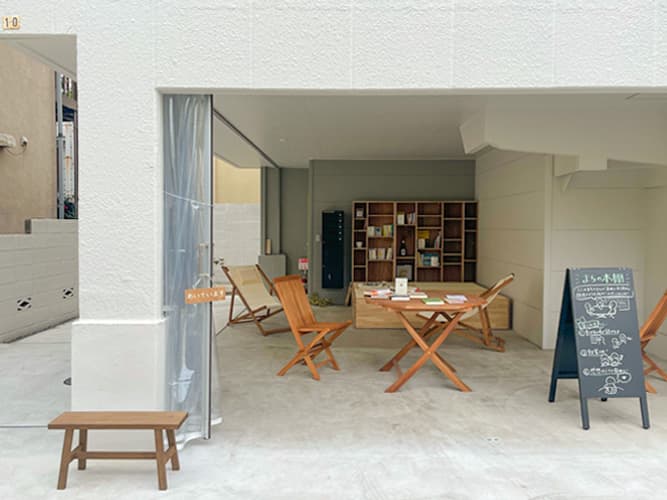
- Town Bookshelf: How Can We Create Spaces Where People Gather, Meet, and Learn?
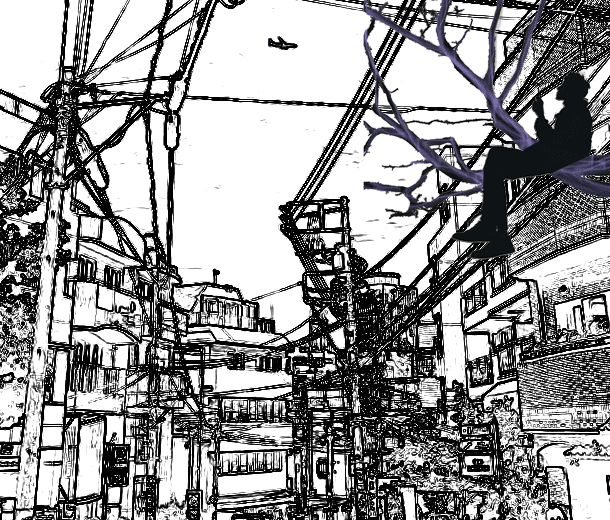
- Perch of Purple Smoke: How Long Will People Continue to Monitor One Another?
A New World Pioneered by Architectural Creativity
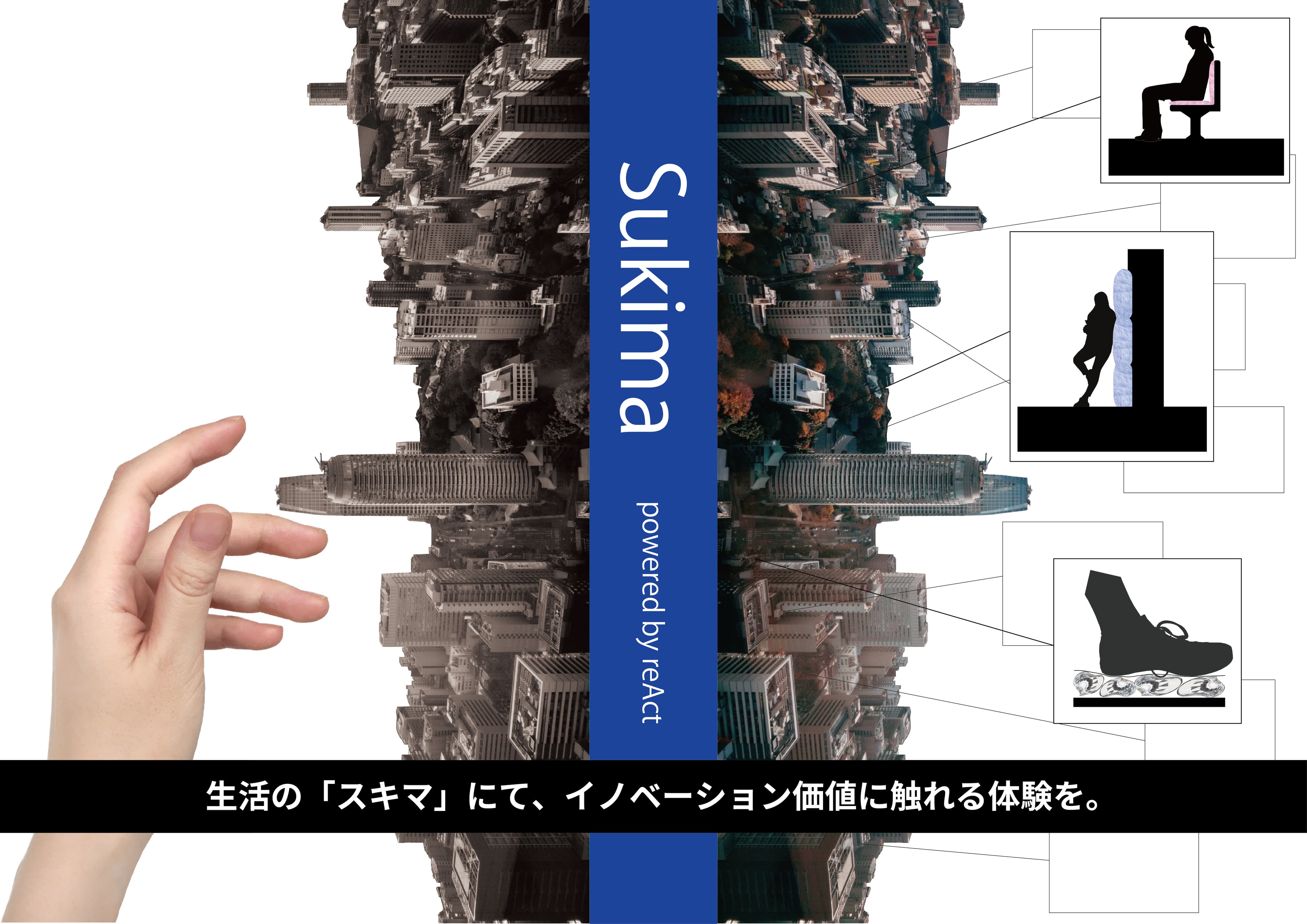
- Sukima: Can’t we spread experiences that bring innovation into the everyday life of the city?
- Two-Tatami Architecture: What Possibilities Can Movable Structures Create?
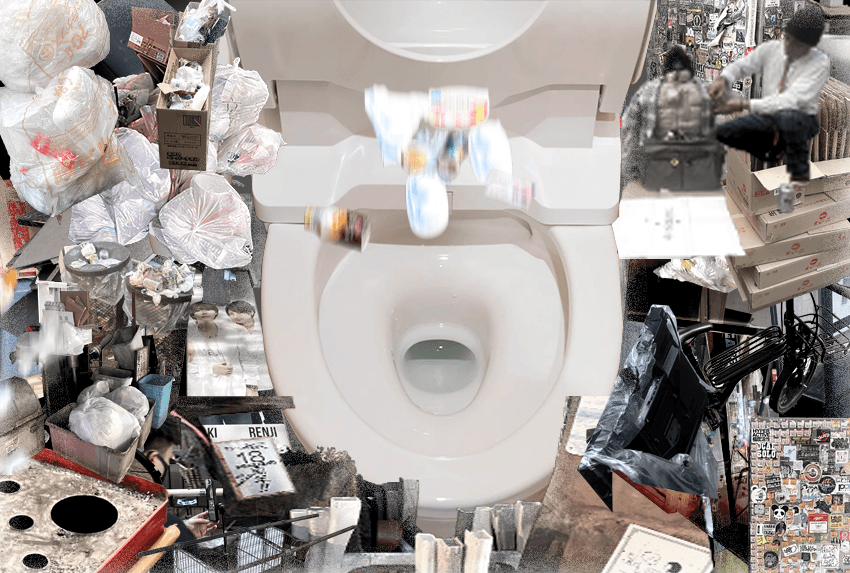
- LOVE & TOILET: How Can We Create Restrooms Where Everyone Feels Safe, Anytime, Anywhere?
- Sand Print: What Is a New Way of Building?
- Urban Mochi-maki: What value can a construction site bring to the city?
Will that vision transcend the “now”?
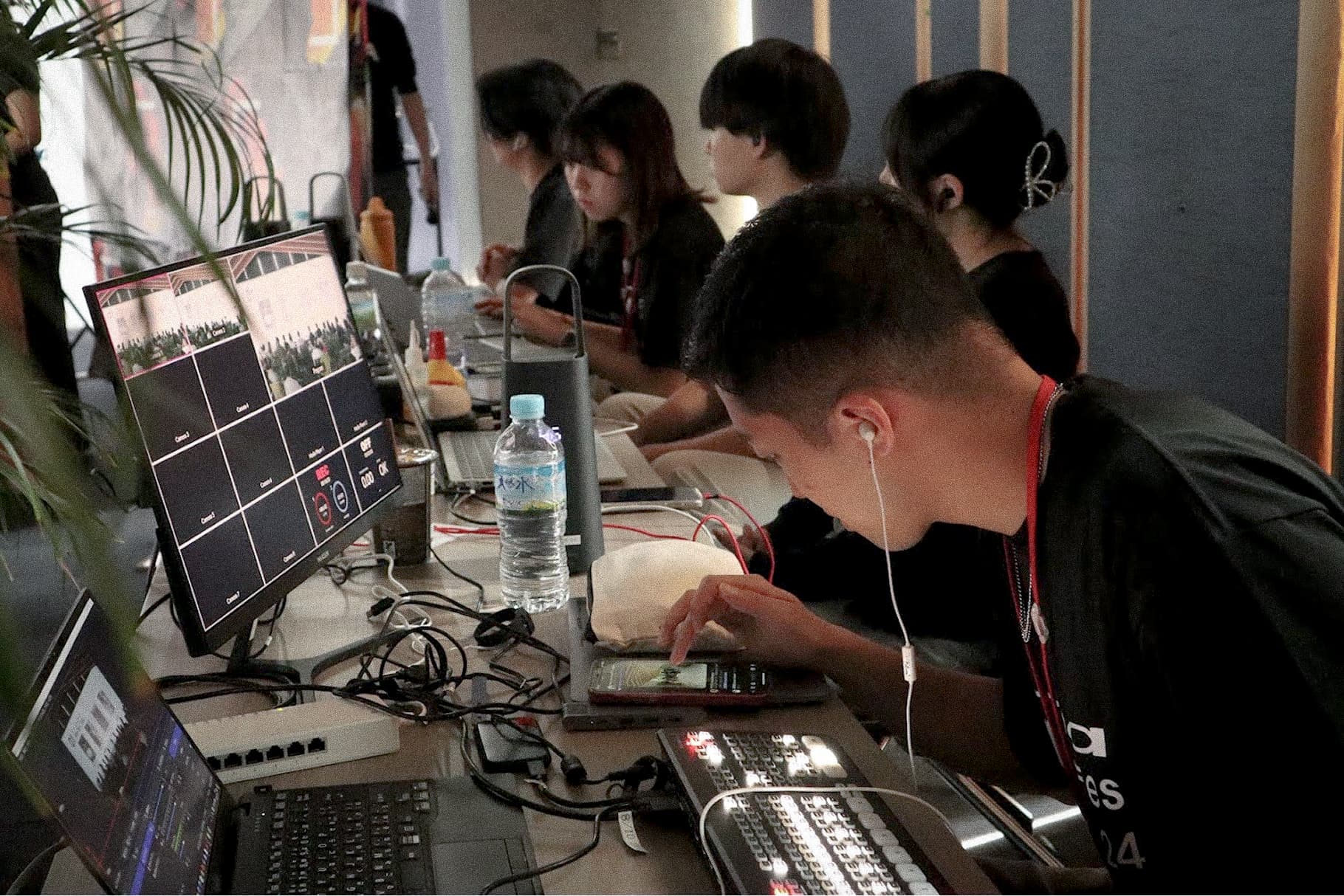
“ASIBA FES 2024,” the final exhibition and pitch event held as the culmination of ASIBA Incubation Phase 2, brought together young people who had spent months grappling with their own questions as they sought to envision the future from the fields of architecture and urban planning.The 19 projects participating in Cohort 2 each set up their own booths. Going beyond mere presentations of business plans, they expressed the contours of society they had each discovered through “objects” such as handcrafted models, “experiences” that engaged visitors, and passionate “words.”On this day, as diverse people crossed generational and organizational boundaries to visit and engage in repeated dialogue, the event truly became a “space where multiple futures intersect.” The exhibition scenes and pitch sessions offered a glimpse of the possibilities for new cities that lie ahead in their vision.
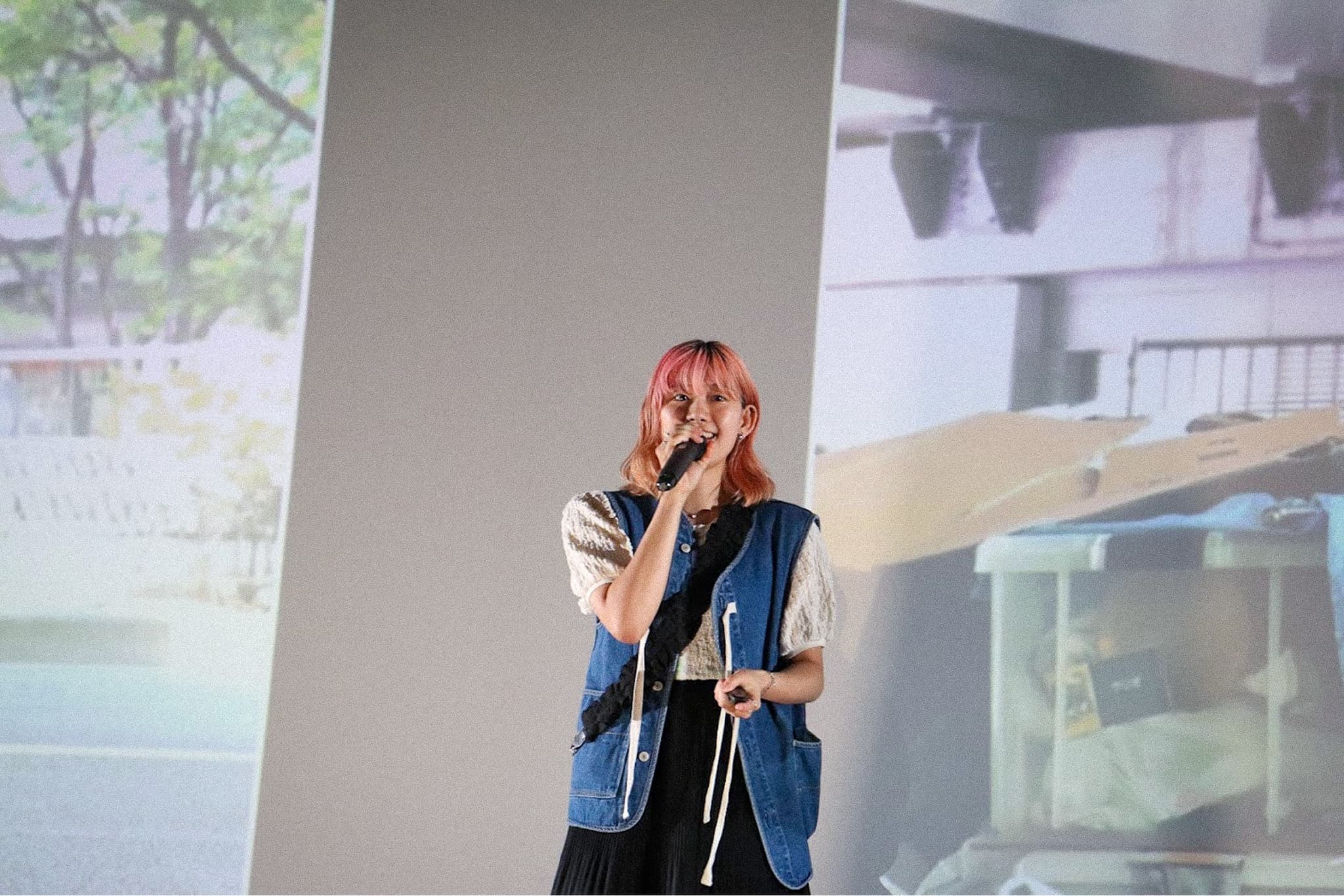
FIG.9
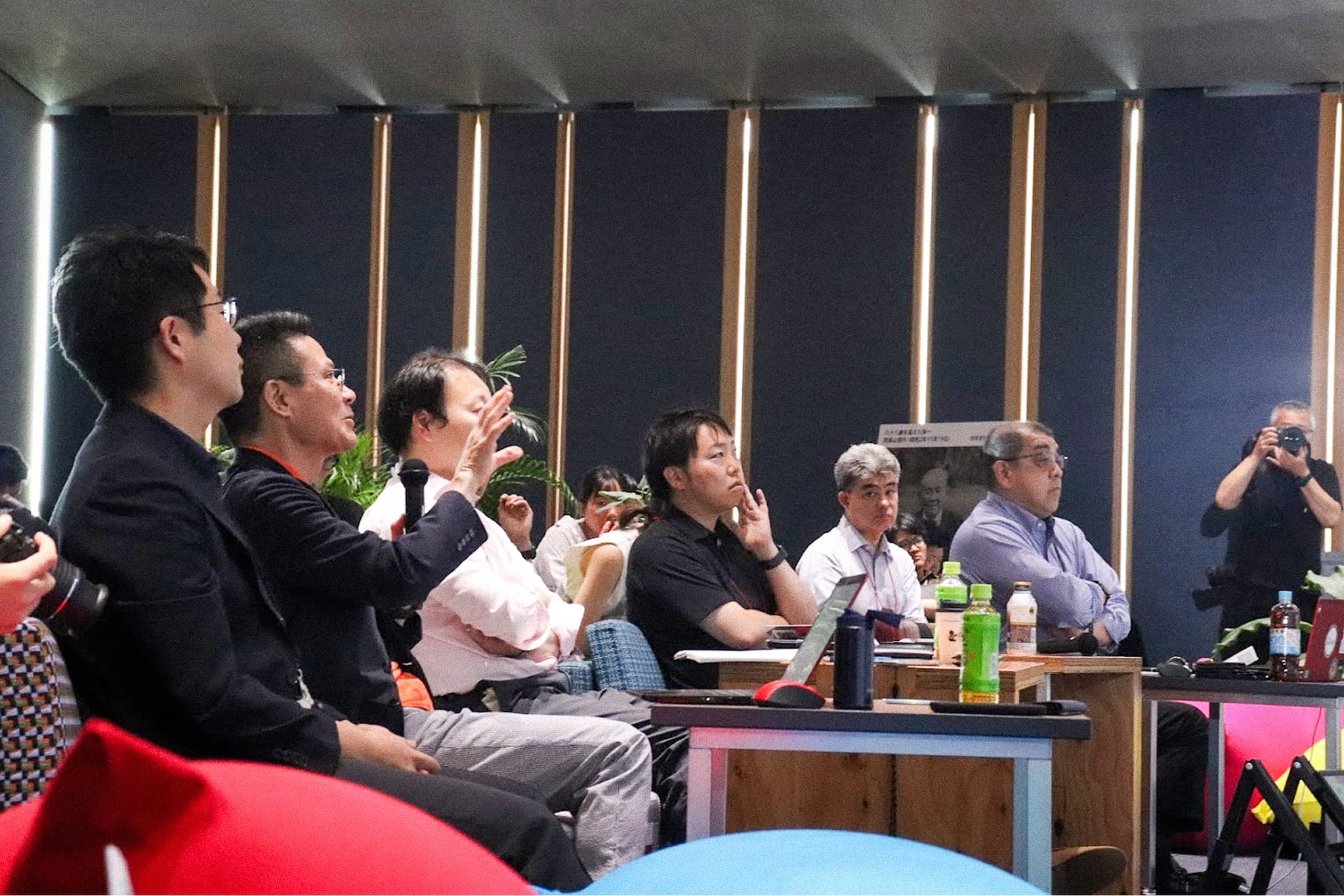
FIG.10
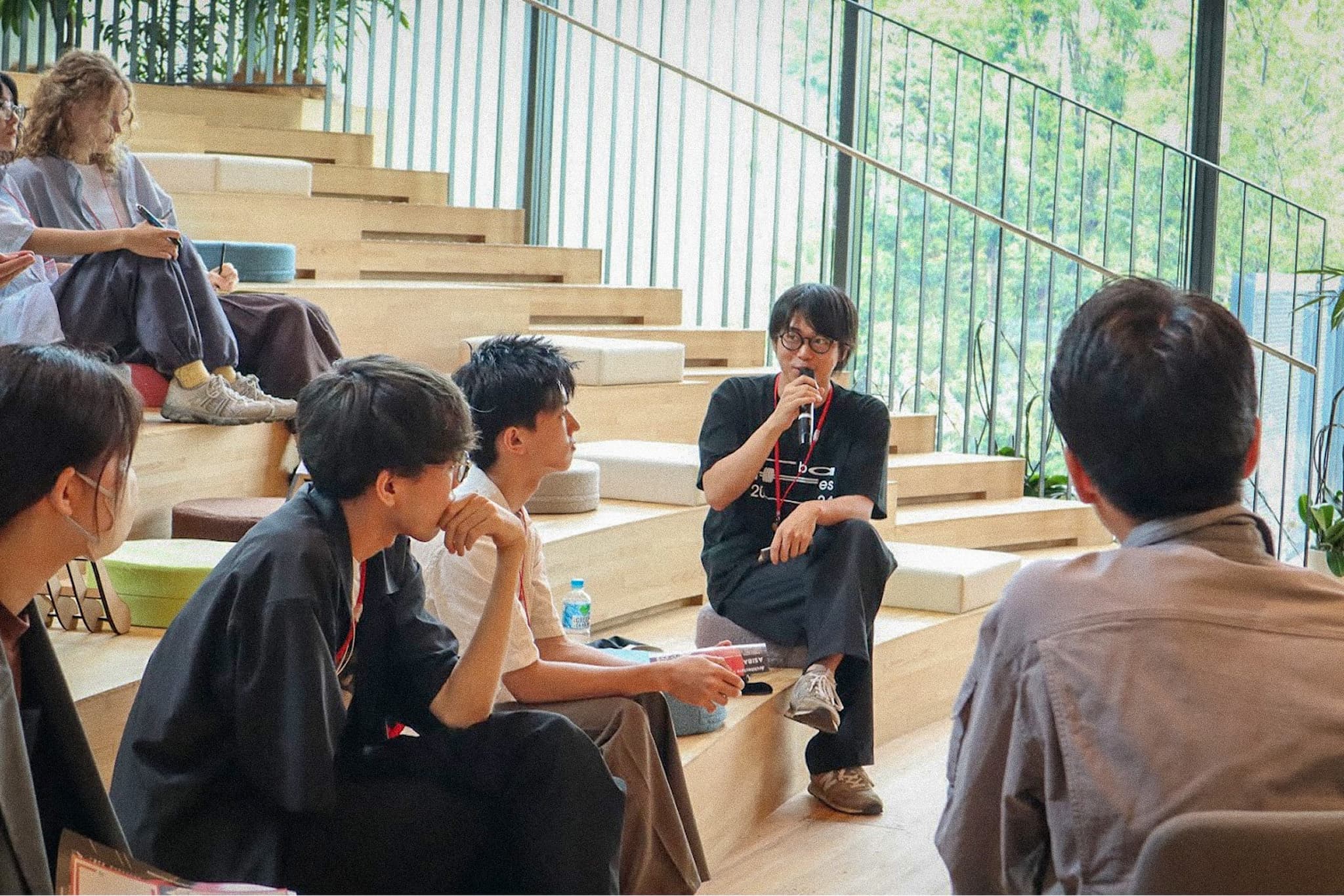
FIG.11
RELATED WORKS
 Incubation 1stCreative Incubation 1st
Sympletic (Withvac)
CREATIVE-WORK
Tatsuya Miyata, Tomohisa Fujima
 Incubation 2ndCreative Incubation 2nd
Sand Print
CREATIVE-WORK
Riku Kihira
 Incubation 2ndCreative Incubation 2nd
LOVE & TOILET
CREATIVE-WORK
Yuki Aino
 Incubation 2ndCreative Incubation 2nd
Machi no Hondana
CREATIVE-WORK
Yohei Murayasu
 Incubation 2ndCreative Incubation 2nd
Nokotsugu
CREATIVE-WORK
Taiyo Kawakita, Yudai Fukumoto
 Incubation 2ndCreative Incubation 2nd
Yohack
CREATIVE-WORK
Ayaka Takayanagi, Taichi Hayashi, Daiji Adachi
 Incubation 2ndCreative Incubation 2nd
Suwarunba
CREATIVE-WORK
Tomohisa Ohmoto
 Incubation 2ndCreative Incubation 2nd
Toshi no Mochimaki
CREATIVE-WORK
Ichiro Ohtaki
 Incubation 2ndCreative Incubation 2nd
Sukima
CREATIVE-WORK
Akito Kikuchi, Tsubasa Sasaki, Shin Nakata +1 more
 Incubation 2ndCreative Incubation 2nd
Shien no Tomarigi
CREATIVE-WORK
Hanato Fukumoto
 Incubation 2ndCreative Incubation 2nd
Magohaku
CREATIVE-WORK
Saya Nakaishi
 Incubation 2ndCreative Incubation 2nd
Takenoko
CREATIVE-WORK
Hiroumi Takano
 Incubation 2ndCreative Incubation 2nd
Nicchi Nokku!
CREATIVE-WORK
Yuna Nakagawa
 Incubation 2ndCreative Incubation 2nd
Kenchiku Yatai
CREATIVE-WORK
Yutaka Enomoto
 Incubation 2ndCreative Incubation 2nd
Hami Lab
CREATIVE-WORK
Motoaki Usui, Nanako Wakano
 Incubation 2ndCreative Incubation 2nd
Enoniwa
CREATIVE-WORK WORKSHOP
Shiori Kitabayashi, Tom Shinada, Yuta Yoshida
 Incubation 1stCreative Incubation 1st
Nijo Architecture
CREATIVE-WORK WORKSHOP EXHIBITION
Chihiro Handa, Shiori Niimi
ASIBA FES 2024
EXHIBITION PROGRAM TALK
RELATED TEXTS
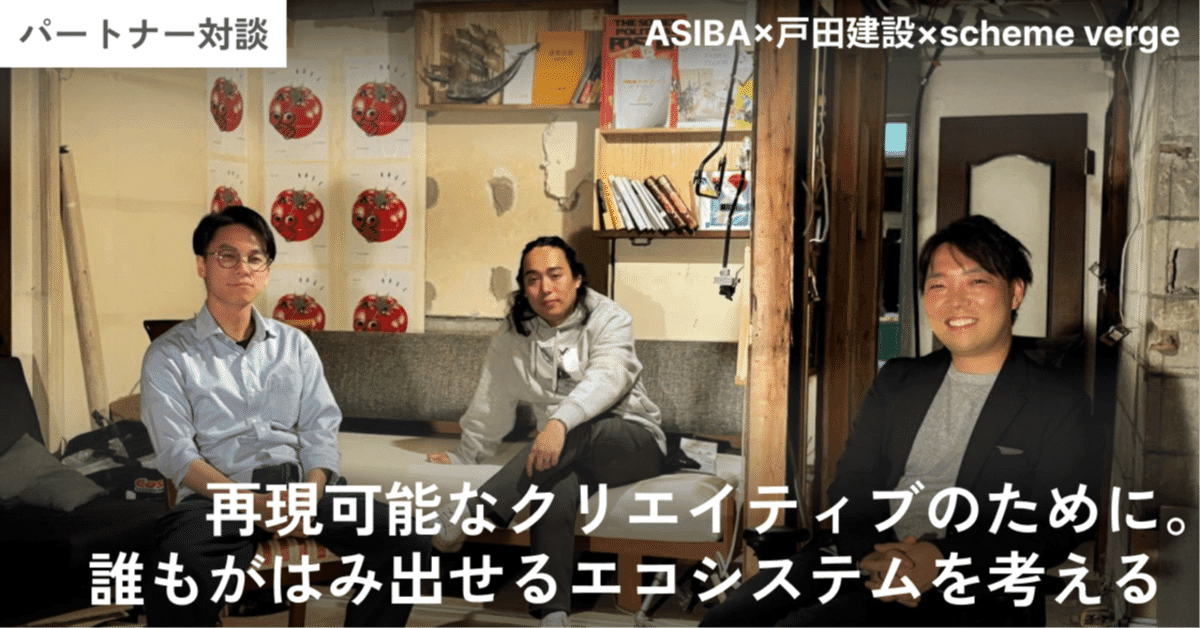
Toward Reproducible Creativity: Building an Ecosystem Where Anyone Can Step Outside the Lines — Toda Corporation × scheme verge × ASIBA
Partner Dialogue #4
DIALOGUE
2026.04.08.
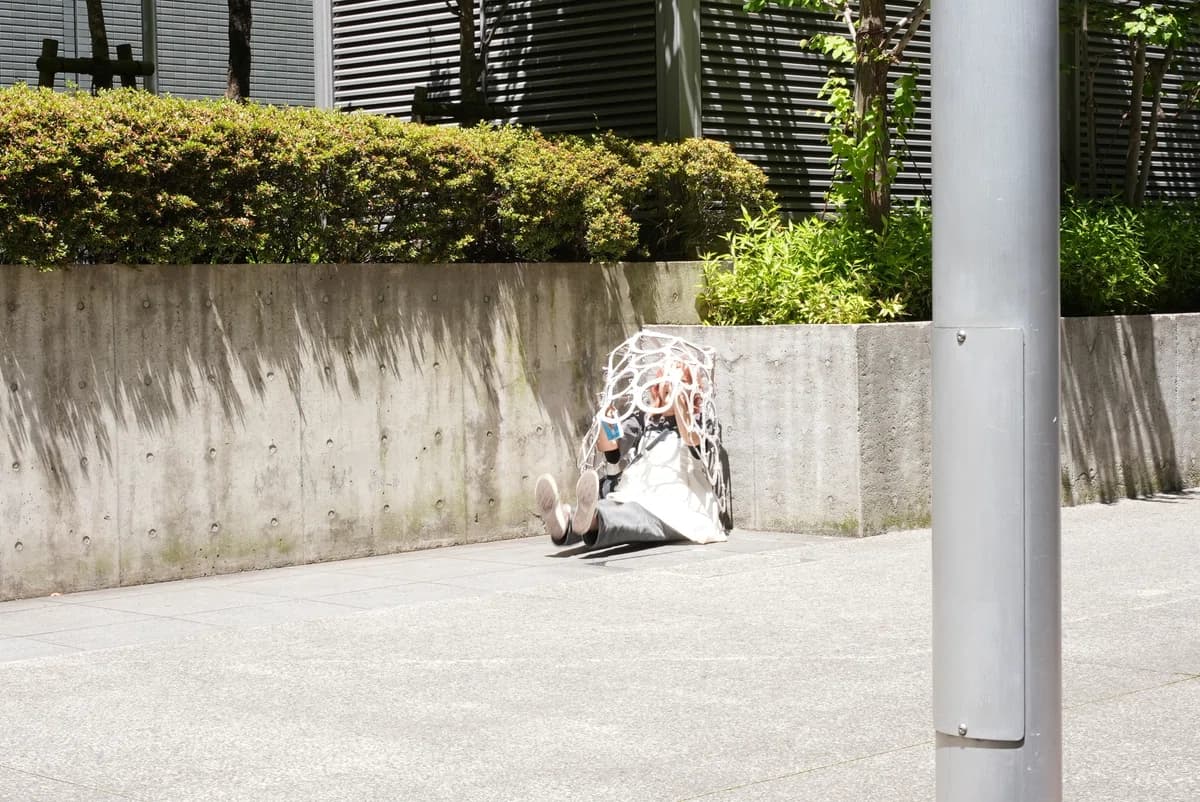
Creating Meaningless Spaces in Purpose-Filled Cities: Interview #4 with Yuna Nakagawa
Following Up with INC-2nd Term Alumni #4
INTERVIEW
2025.04.09.
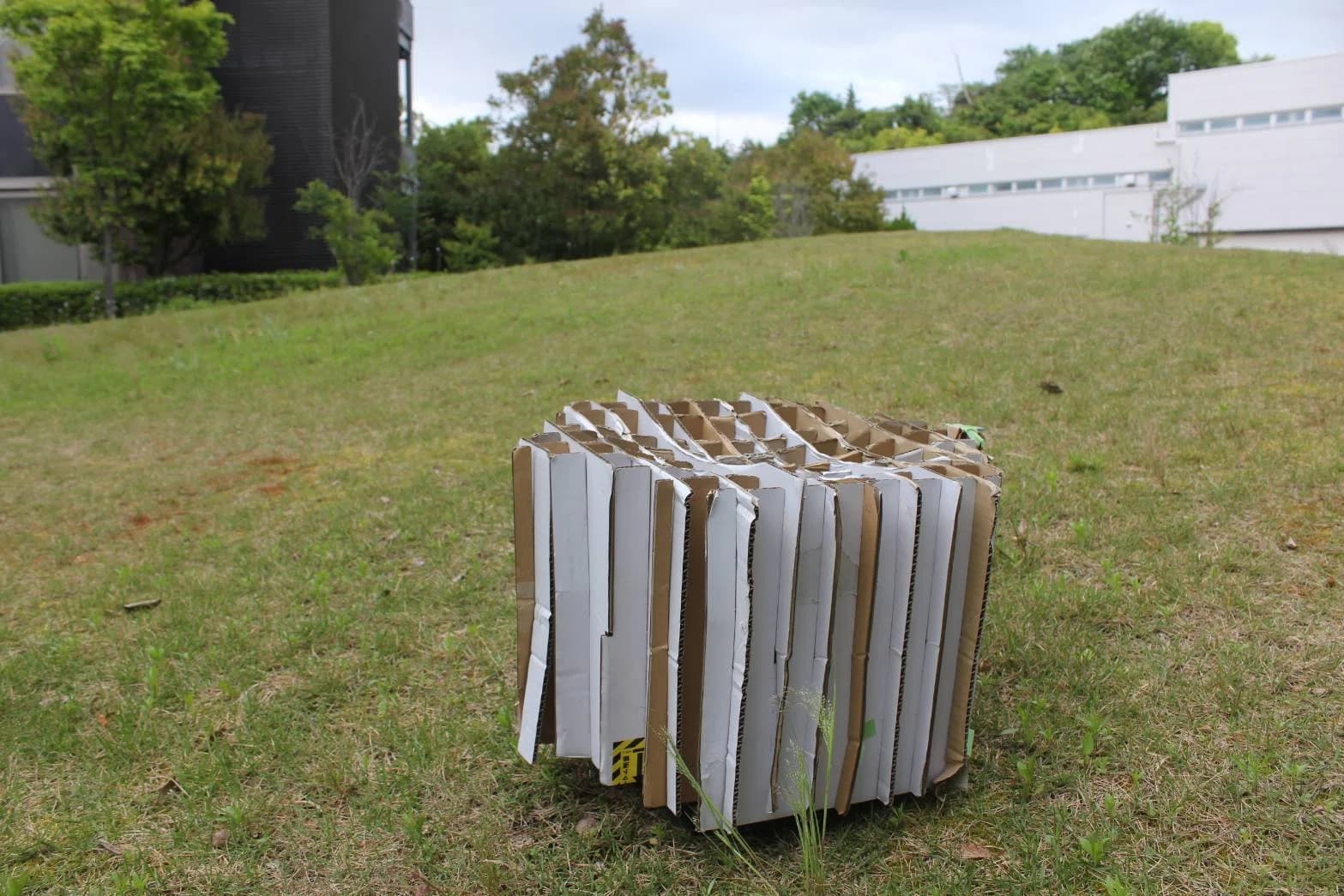
Lessons from 'Suwarunba' Lead to Research on 'Robot-Friendly' Architecture and Urban Design | Interview #3 Tomohisa Omoto | ASIBA
Following Up with INC-2nd Term Alumni #3
INTERVIEW
2025.04.07.
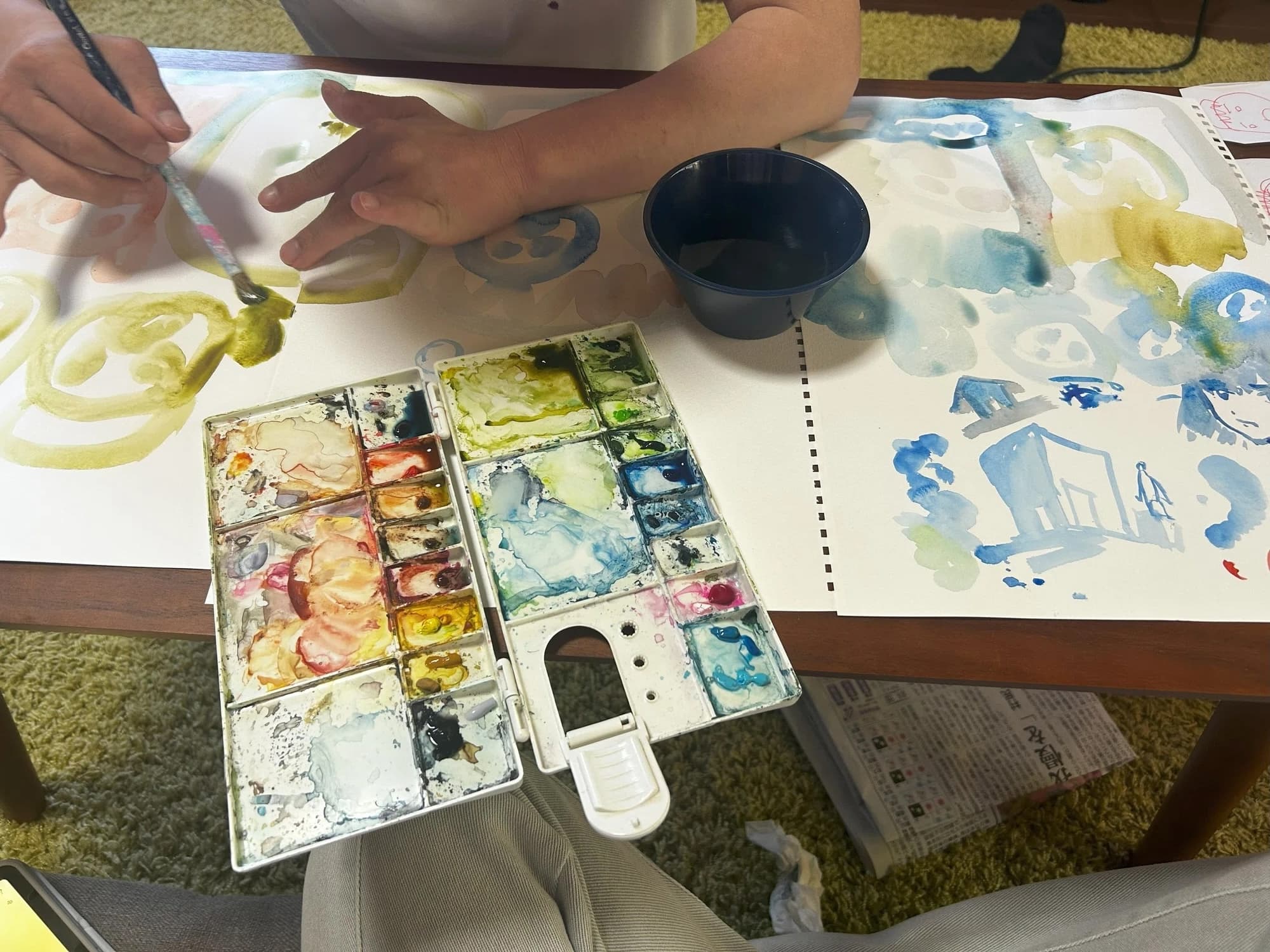
The Design of Relationships Beyond Disabilities That Began with 'It Wouldn't Turn Out Like This in Reality' - Interview #2 Shiori Kitabayashi
Following Up with INC-2nd Term Alumni #2
INTERVIEW
2025.04.05.
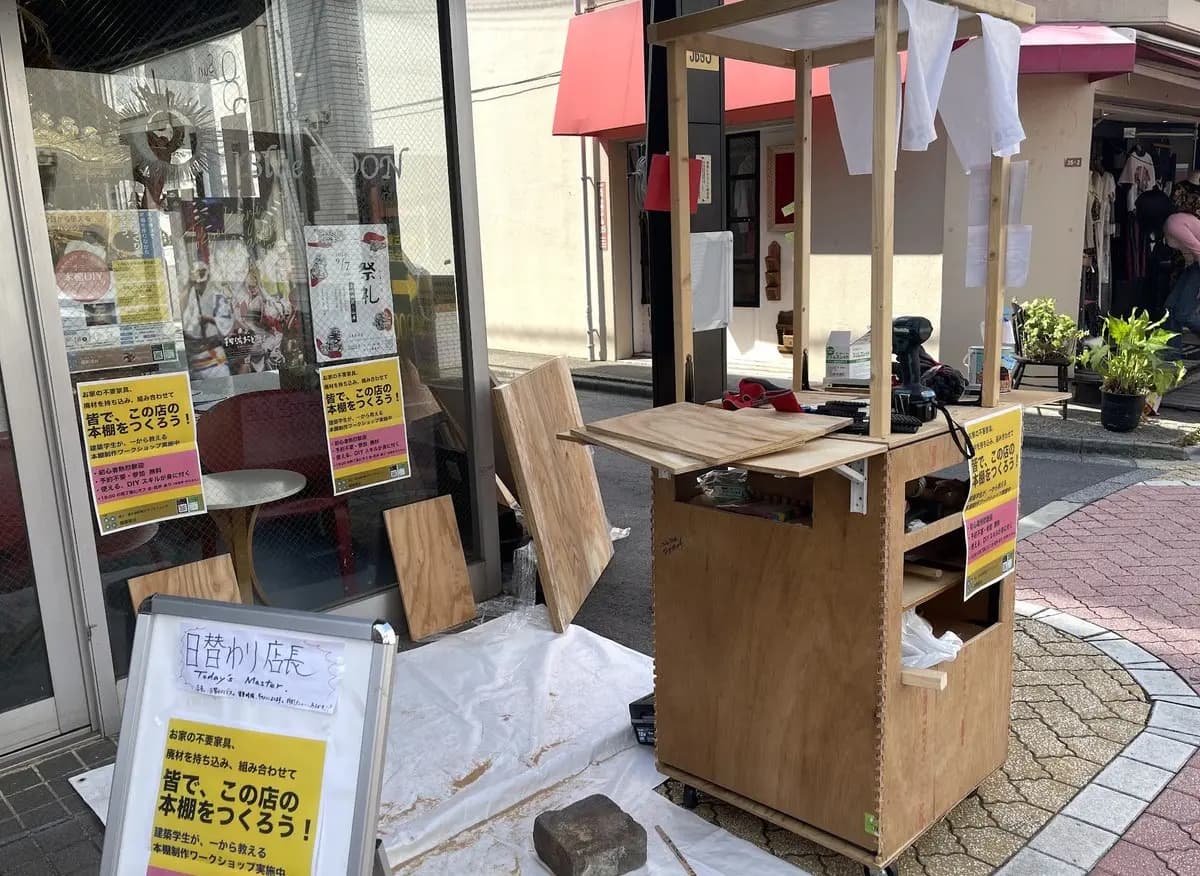
Participating from a Single Screw: The Engaging Power of the Street Workshop 'Architecture Stall' | Interview #1 Yutaka Enomoto | ASIBA
Following Up with INC-2nd Term Alumni #1
INTERVIEW
2025.04.04.

[ASIBA Class Report] Week 6 'Towards ASIBA FES 2024'
INC-2nd Class Report #6
REPORT
2024.07.03.

[ASIBA Class Report] Week 5 "Mid-term Camp" part 2 | ASIBA
INC-2nd Class Report #5-2
REPORT
2024.07.03.

[ASIBA Class Report] Week 5 'Mid-term Retreat' Part 1 | ASIBA
INC-2nd Class Report #5-1
REPORT
2024.07.03.
ASIBA 2nd Roundtable Discussion: Is It Possible to Start Environmental Action from Excitement?
INC-2nd Cohort Roundtable #3
DIALOGUE
2024.07.03.

[ASIBA Class Report] Week 4 'Business Planning and Funding' | ASIBA
INC-2nd Class Report #4
REPORT
2024.07.01.
CREDIT
inhouse
INC Player
external
sponsor


