Following Up with INC-2nd Term Alumni #1
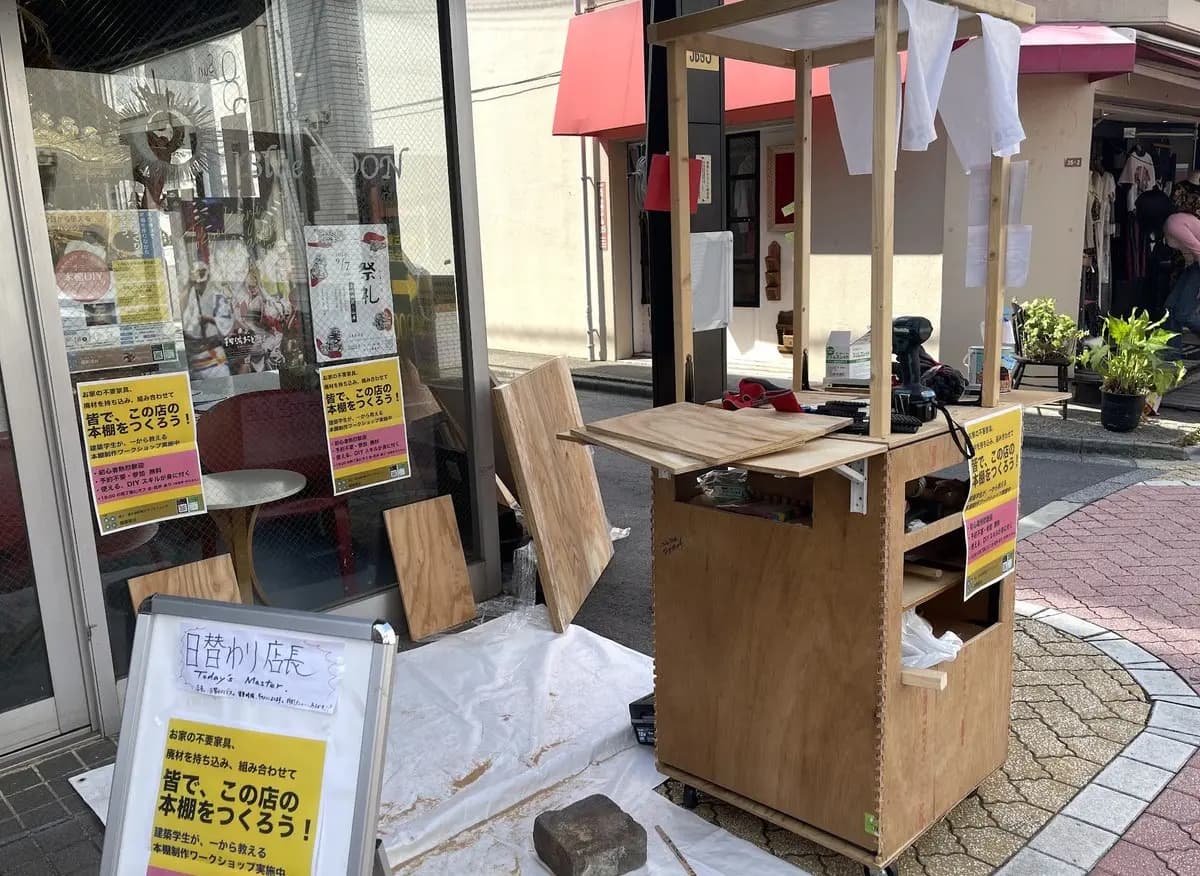
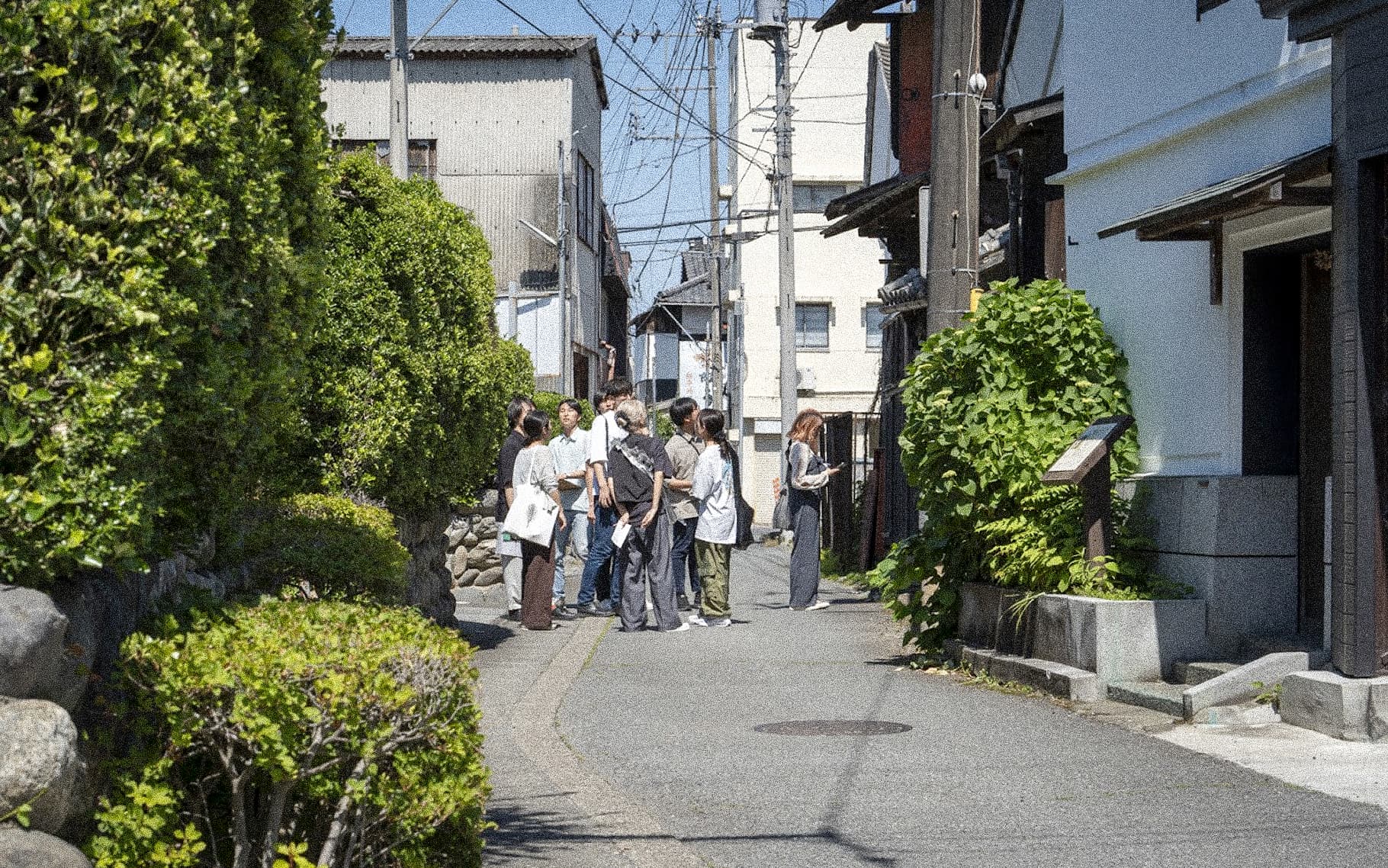
FIG.1
This series explores the “journeys” of young creative entrepreneurs shaping a new future in the fields of architecture, urban planning, and design—examining the driving forces behind their work to date, the challenges they’ve faced, and how they’ve overcome them to transform these experiences into successful projects.For the first installment, we spoke with Yutaka Enomoto, a second-term ASIBA incubation program participant and representative of the “Architectural Food Cart” project. (Interviewer: Michihiro Abe)
Yutaka Enomoto: Guided by the concept of
“making public spaces more open to the city,” he is exploring new forms of participatory design and construction workshops. He also collaborates with users to co-design, construct, and jointly operate community cafés in Koenji and on the Keio University campus.First-year master’s student at Keio University SFC’s Graduate School of Policy and Media Studies; participant in the second cohort of the ASIBA Incubation Program
──First, please tell us about “Architecture Food Truck.”
“Architectural Food Cart” is a project aimed at exploring “diverse forms of workshop participation.” We load construction tools onto a food cart, head out into the town, and hold workshops on the street to engage the general public.
──I’d like to ask about the background leading to “Architecture Food Cart.” What interests or concerns did you have before starting this project?
I think my underlying motivation stems from an “interest in community.” When I first enrolled in the School of Policy and Media Studies at Keio University’s SFC, I was primarily studying regional sociology, analyzing local social relationships and discussing measures to foster interaction. What I felt back then was a doubt: “Can we really come up with strategies that truly resonate with the local community from here?”
While I was wrestling with this question, I happened to participate in an architecture workshop. There, I witnessed how interaction between people naturally arose through the act of working with their hands. I thought, “This is it.” I felt that the essence of community building lies not in “gatherings for the sake of gathering”—such as neighborhood associations or social events—but in “sharing the act” of working with one’s hands to create something.
──So that experience became the origin of “Architecture Food Stalls,” didn’t it?
Yes. That experience sparked my deep immersion in workshops. I participated in a variety of workshops, such as laying flooring in a building and building a wisteria trellis in Shiga Prefecture where local residents could gather.But simply participating wasn’t enough—I started organizing my own workshops as well. In one workshop I organized to build a café in a corner of the university co-op, I handled everything from planning to construction—except for the specialized construction work—and even helped with the subsequent operations.
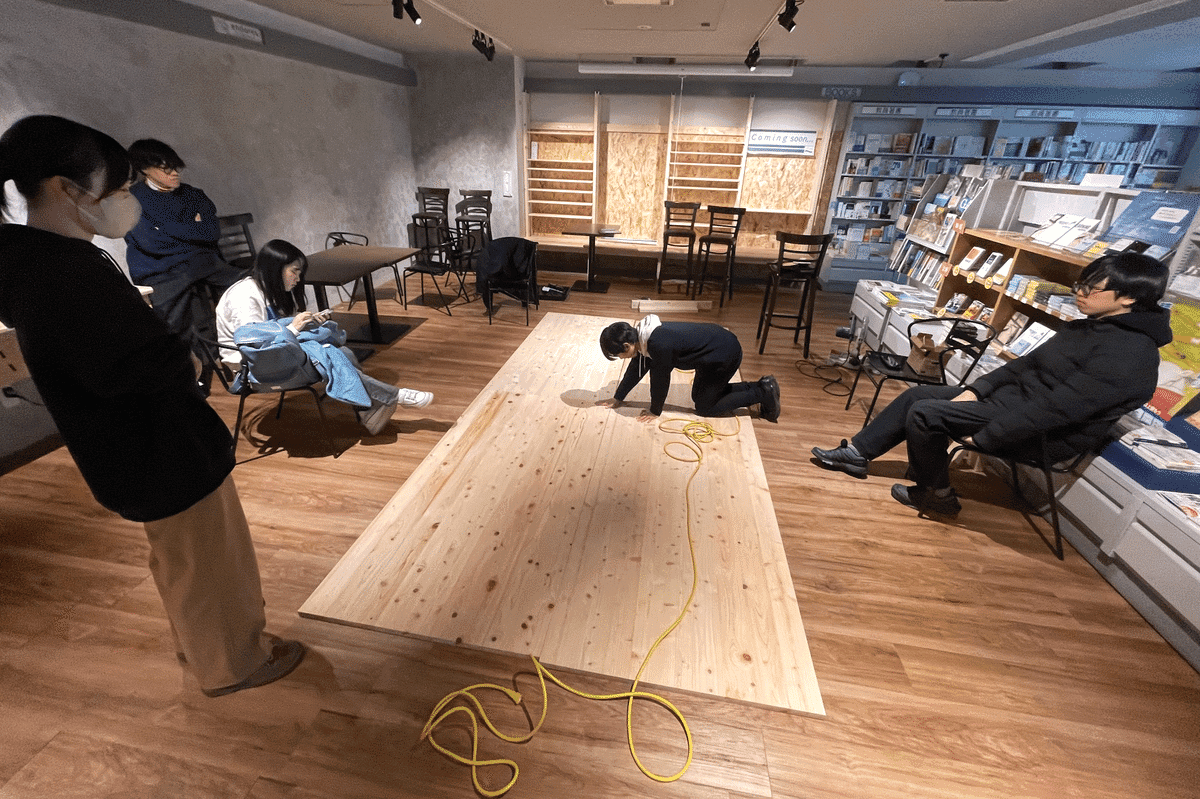
FIG.2
──What do you think makes workshops so interesting?
It’s the fascinating ideas that come from “ordinary people” who haven’t studied architecture—something I realized as I kept participating.One idea that sticks in my memory is from a workshop where we were building bookshelves for a café: “Let’s just hang the books directly from the ceiling to make it look like a jungle.” Although this innovative idea—which wasn’t confined to the traditional form of a bookshelf—was never actually implemented, it left a deep impression on me.
I actually think everyone has their own requests and ideas about how they’d like a space to be. While organizing workshops, I sensed that many people believe, “People outside the field shouldn’t have a say in architecture or get involved with it.” I think the real thrill of workshops lies in being able to unleash that suppressed creativity.
—The “Architecture Food Stall” has a slightly different format from the workshops you’ve mentioned so far, doesn’t it? Does that mean you identified some challenges through the workshops you participated in?
That’s right. I was really passionate about those workshops, but as I organized and participated in more sessions, I identified a specific challenge: the “narrow range of participants.”Most participants were people already accustomed to gathering in such settings, and the reality was that those who were merely “a little curious” found it difficult to join. But I wanted a wider variety of people to participate in various ways. Driven by that desire, I began exploring a new approach to workshops.
I joined ASIBA’s incubation program full of enthusiasm, thinking, “I want to come up with a new workshop format and test it out in society,” but things didn’t go as planned at first. I was struggling because all I could come up with were lackluster ideas, like “creating a platform to connect workshop organizers and participants.”
──I see. When did the turning point come?
It was while I was patiently discussing the matter with my mentors and fellow incubation program participants. Suddenly, the idea struck me: “If there are people who find it hard to come to a workshop, why not have the workshop come to them instead?” That was the moment I broke out of my shell.From there, we went through a proposal called “Traveling Architecture Students”—where architecture students (i.e., Enomoto) would be dispatched with their tools—and eventually settled on the concept of “Architecture Food Stalls,” which combines people and food stalls to create a more accessible space.
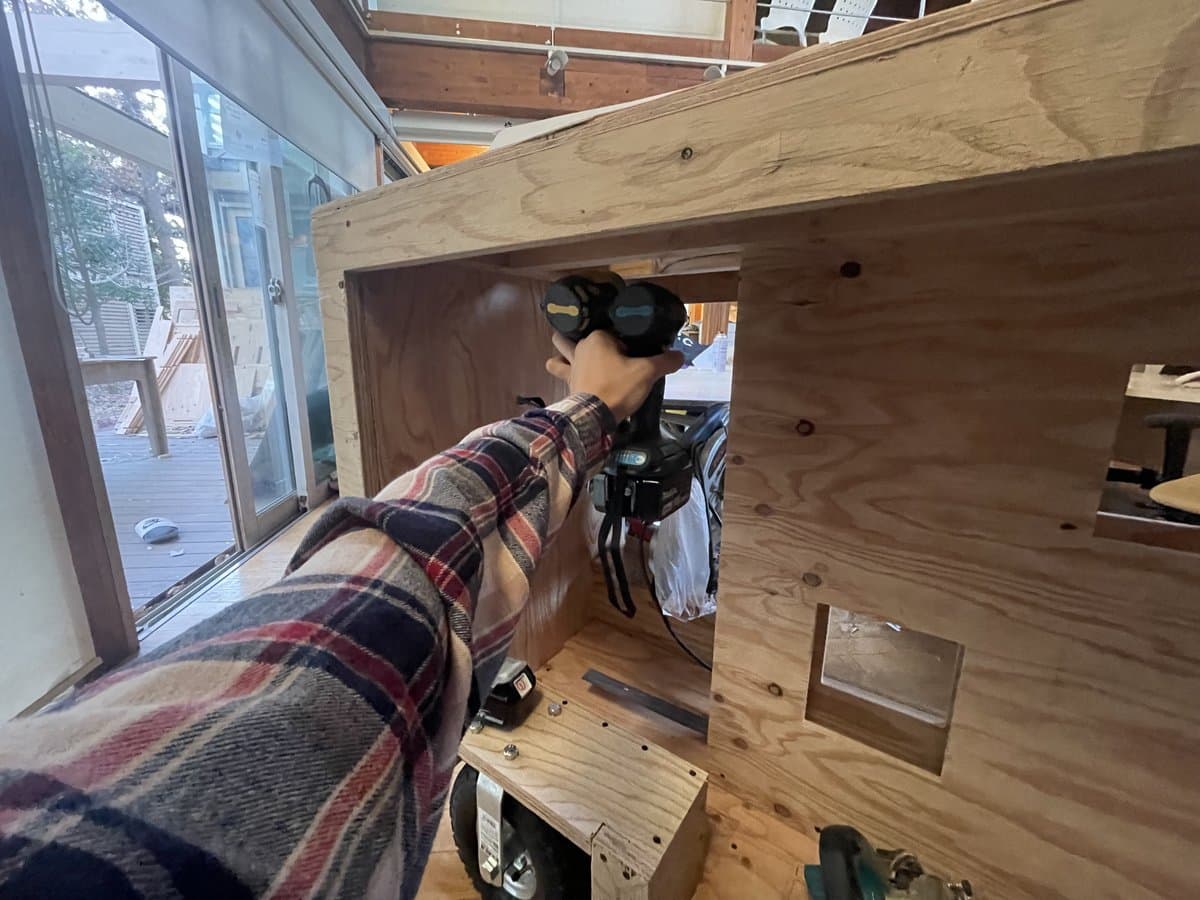
FIG.3
──Why a “food stall”?
I feel that food stalls have a certain appeal that draws people in, and they offer a space where strangers can strike up a conversation without it feeling awkward—they have just the right sense of scale. Since I lived in India and Bangladesh as a child, the presence of food stalls in my formative memories may have played a big role. Maybe I even harbored a secret ambition to open my own food stall someday.
──Please tell us more about the initiatives at Architectural Food Stalls
With “Architectural Food Stalls,” we do everything—from brainstorming what to build to the actual construction—using the food stall as our base right on the street. In August 2024, we held our first urban workshop in Koenji.It was a workshop to build a bookshelf for a café, and we involved a wide range of people, including neighbors and passersby. When we work on the street where everyone can see us, people often stop and ask, “What are you doing?” We’d invite those who showed interest—saying things like, “Why don’t you help drive in a screw?”—and have them join in for a little while. There were various ways to participate.Some participants who signed up in advance were fully committed, while others who happened to be passing by joined in briefly or simply watched. An elderly neighbor who saw us working even brought us some tea. I strongly felt that the ability to facilitate such diverse forms of participation is what makes the Architecture Food Truck so interesting.
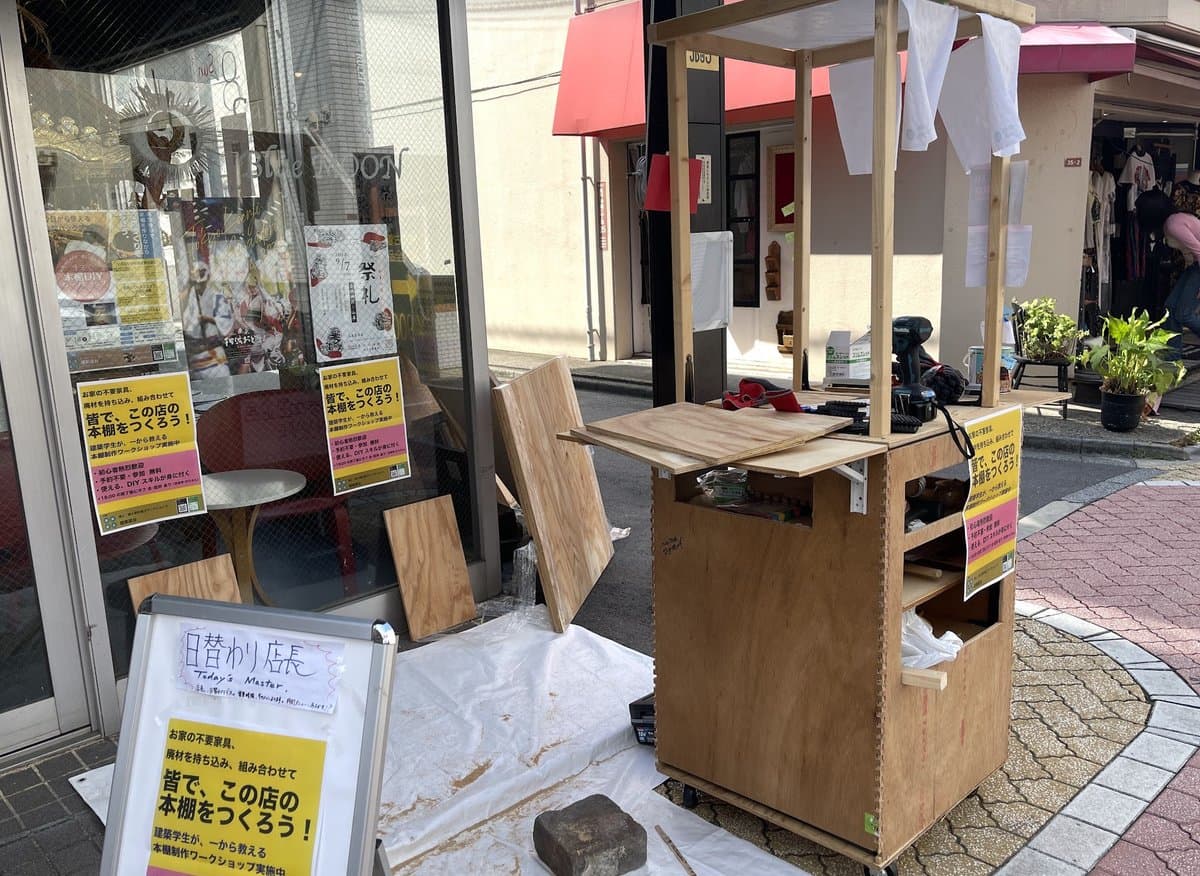
FIG.4
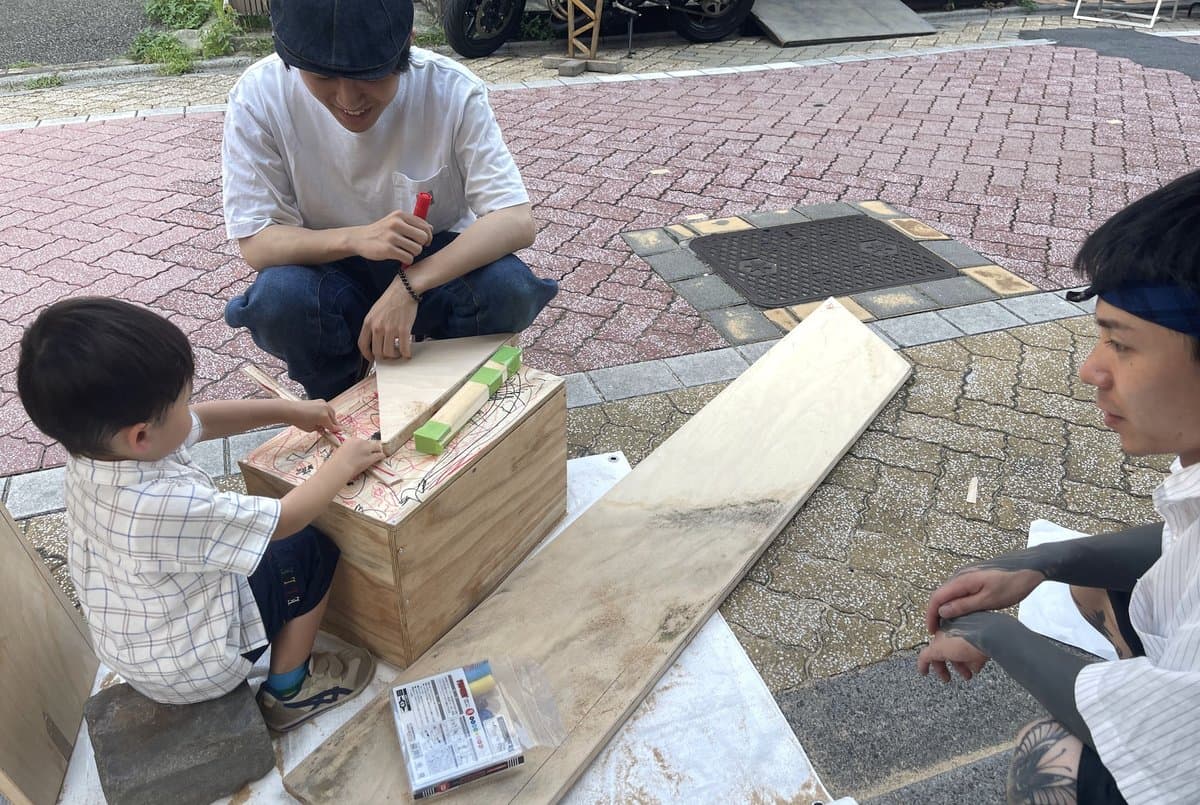
FIG.5
──Please tell us about the future of the Architecture Food Truck.
The first challenge I’d mention is the financial aspect. Once we actually tried it, we realized that charging clients for workshops is a high hurdle. This is because workshops involve large groups engaging in hands-on creation, which makes the process less efficient than standard construction and incurs additional costs.On top of that, the benefits—such as “a sense of attachment” and “community”—are important but somewhat intangible. While people understand this, we haven’t yet been able to make a compelling enough case for them to pay for it. “How can we enhance the value of the workshops and make them more widely accepted?”—that’s the challenge we face moving forward.
──Finally, I’d like to ask you about the future you envision, Mr. Enomoto.
I envision a future where the very approach of “interacting with people through the creation of spaces” becomes commonplace. For example, in Shirakawa-go, there is a tradition of mutual aid called “Yui,” where the entire village works together to replace the thatched roofs of the gassho-zukuri houses.By continuing the activities of the Architecture Food Cart, I hope to explore what form “Yui” can take in an urban setting.
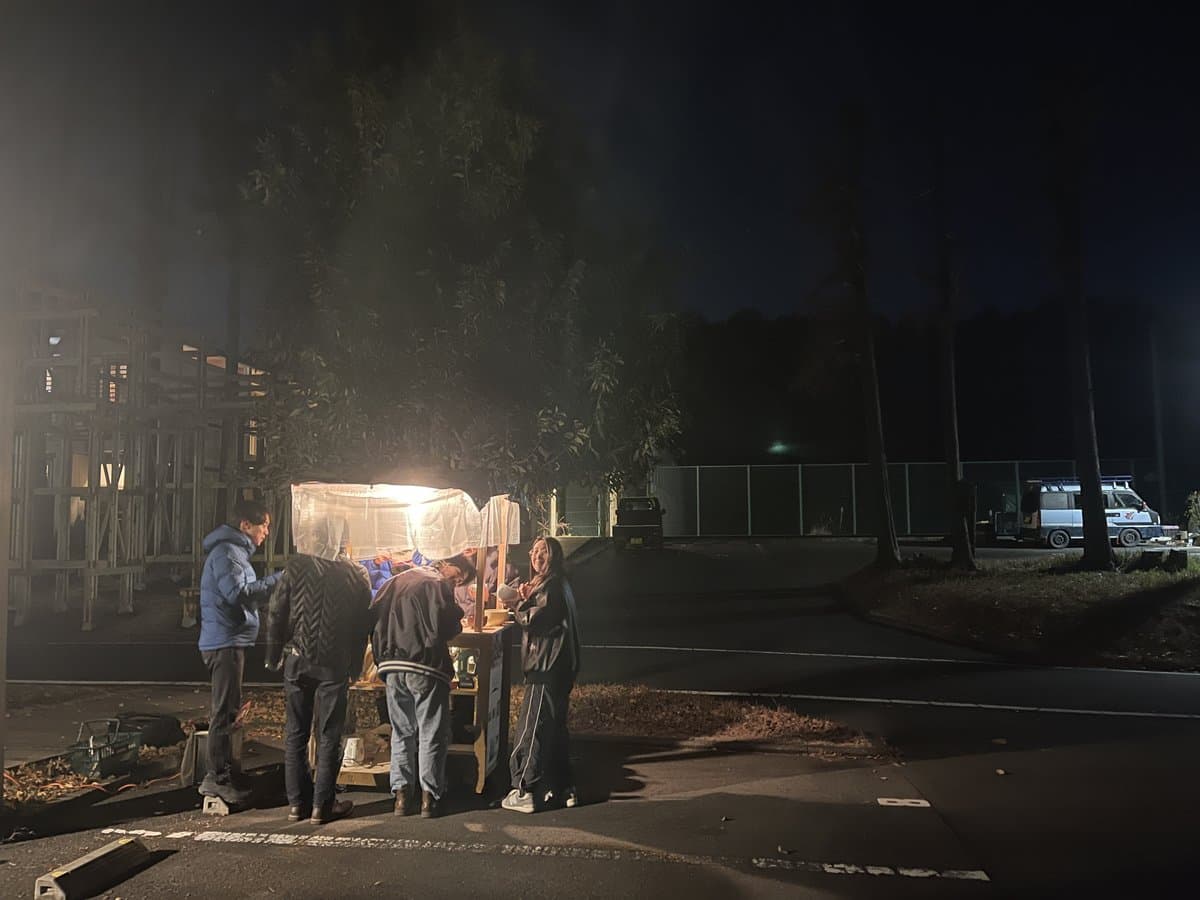
FIG.6
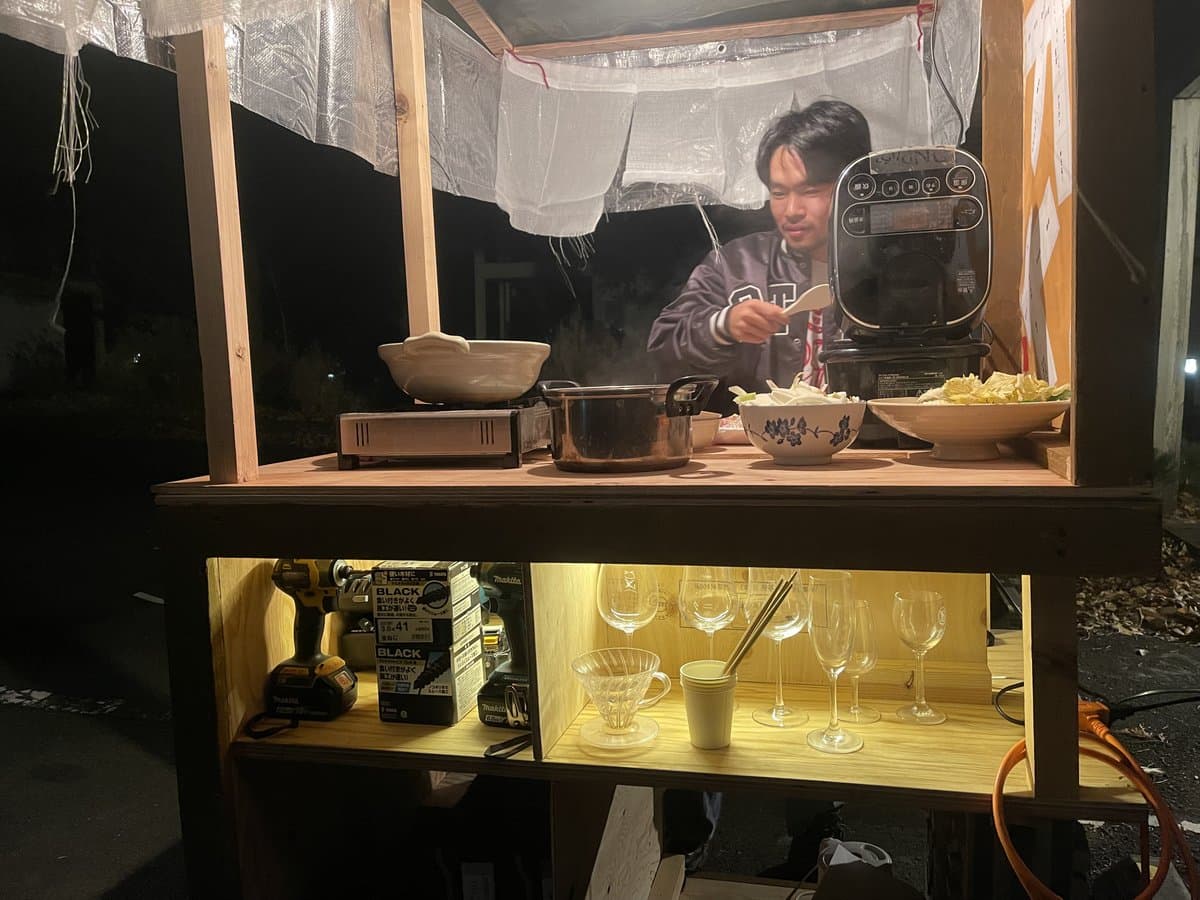
FIG.7
The Design of Relationships Beyond Disabilities That Began with 'It Wouldn't Turn Out Like This in Reality' - Interview #2 Shiori Kitabayashi
Following Up with INC-2nd Term Alumni #2
INTERVIEW
2025.04.05.