Following Up with INC-2nd Term Alumni #3
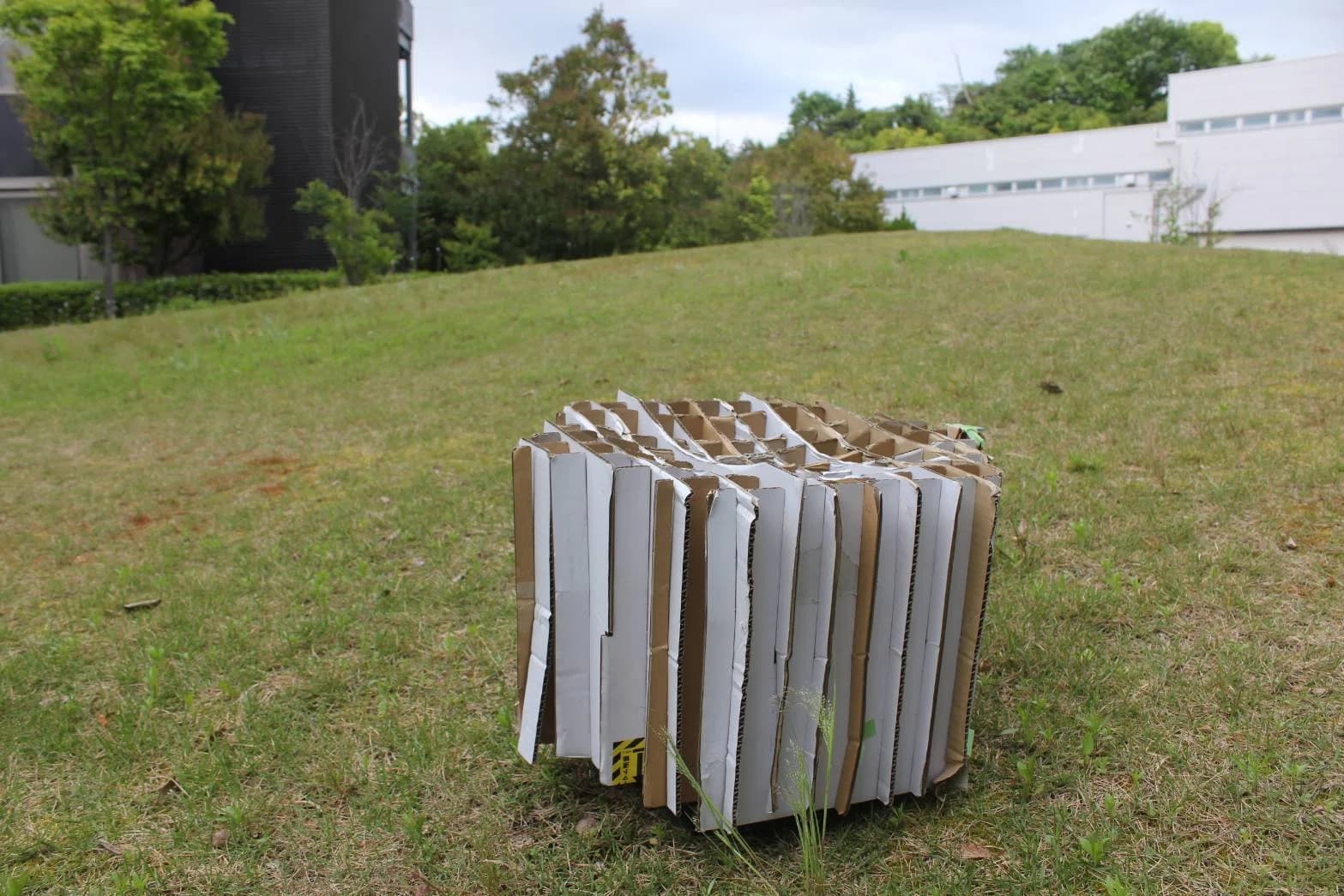
FIG.1
This series explores the “journeys” of young creative entrepreneurs shaping a new future in the fields of architecture, urban planning, and design—examining the driving forces behind their work to date, the challenges they’ve faced, and how they’ve overcome them to transform these experiences into successful projects.For the third installment, we spoke with Tomohisa Oomoto, a second-cohort member of the ASIBA Incubation Program and representative of the “Suwarunba” project. (Interviewer: Michihiro Abe)
Tomohisa Omoto: Born in Hiroshima in 2001. While in college, he was a member of the Architectural Information Laboratory, where he engaged in research and implementation across various fields, including generative AI, deep learning, xR, digital fabrication, and projection mapping. He aims to create products and businesses that transform society through making.
──What kind of project is “Swarunba”?
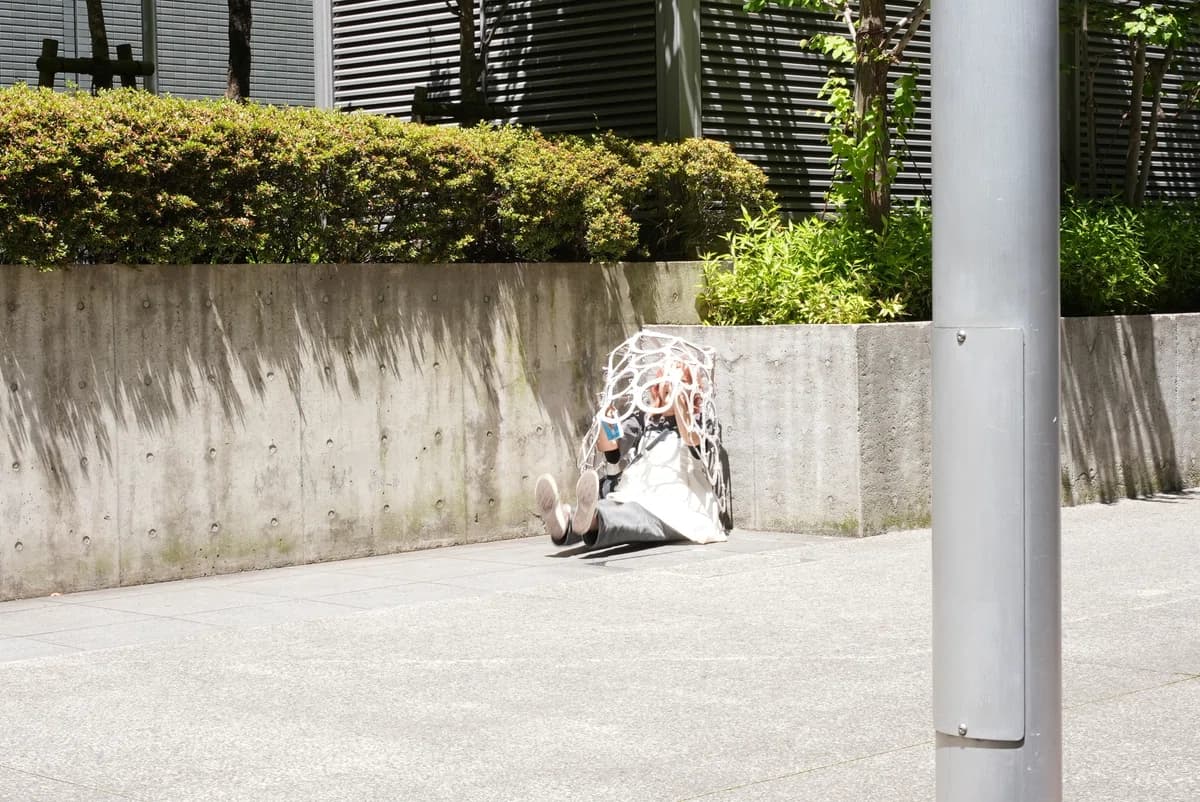
“Swarunba” is a chair that moves around like a robot vacuum cleaner. Normally, when you want to sit down in a city or at home, you have to find and bring a chair yourself—but this project aims to create a situation where “the chair comes to you and lets you sit down” instead.
──So it’s a chair that moves like a robot. Are you interested in robots and the like, Mr. Ohmoto?
Yes, ever since I was a child, I’ve been strongly drawn to science fiction works like *Ghost in the Shell*, *AKIRA*, and *Neon Genesis Evangelion*, and I’ve always loved worlds where mechanical structures like robots are in motion.That continued even after I started studying architecture in college; I’m particularly fond of the sci-fi-inspired architecture from the 1960s through the 1980s. I was especially struck by Archigram’s “Walking City” and Kisho Kurokawa’s Chugin Capsule Tower.
Inspired by these two works, for my senior thesis project in my fourth year of undergraduate studies, I designed a building themed around “Neo-Metabolism”—one that could be freely reconfigured, with robots adding new rooms in response to people’s needs. It was an attempt to update Archigram’s worldview and the philosophy of Metabolism to fit the context of modern technology and society.
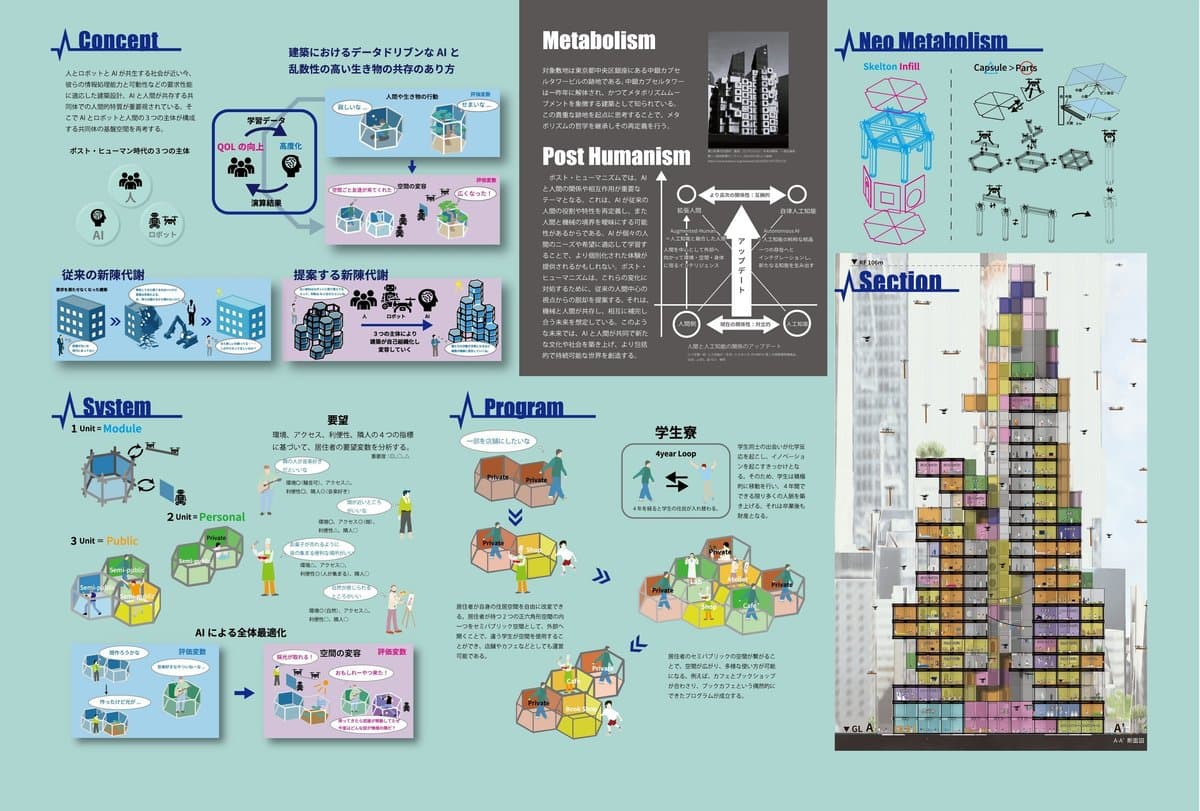
FIG.2
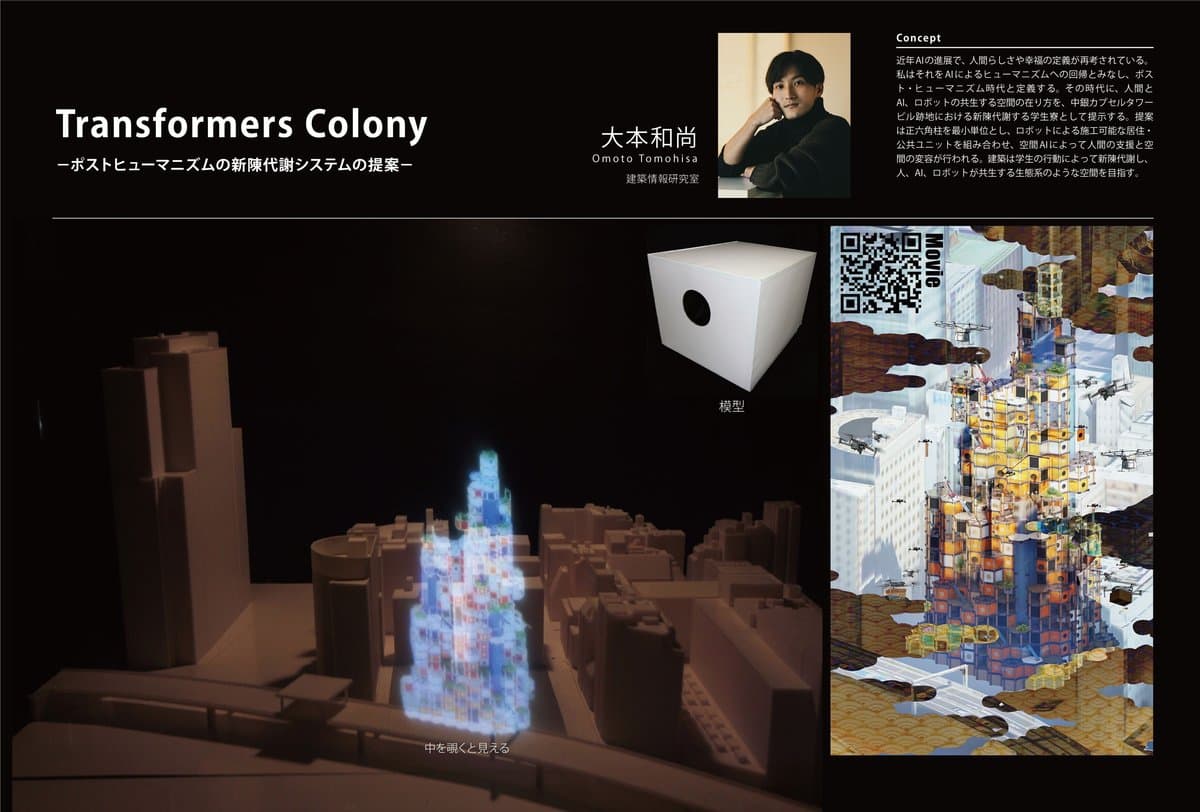
FIG.3
──So, was “Suwarunba” born out of your graduation project?
Based on the hypothesis that Metabolism could be realized even in large-scale architecture if components were divided into small, room-sized sections for transport, I examined the entire system—down to the finest details—in my graduation project.Not wanting this to remain merely a theoretical concept, I began exploring how to make it a reality through ASIBA’s incubation program. However, to be honest, when it came down to it, the scale was simply too large to implement.
Since it’s difficult to actually move large-scale buildings, I decided to start by moving everyday furniture—and that’s how “Suwarunba” was born.
—I think “Suwarunba” isn’t just about moving; it’s about “the chair coming to you.” What specific concerns led to this idea?
It all started with my father. He doesn’t need a wheelchair, but he has a disability that causes him to wobble when standing, so he needs assistive devices like a cane. Watching my father struggle to walk, I thought, “It would be great if there were something that let him sit down anywhere, anytime”—and that was the motivation behind developing “Sawarunba.” When I looked at cities from that perspective, I realized that places to sit are quite limited. This is especially true in rural areas dominated by car culture, where the only places to sit might be inside stores. Since installing chairs in such towns would be a never-ending task, I came to the conclusion that “the chair itself should move.”
──You’ve actually built a prototype—is there anything you’ve noticed through field tests or similar experiments?
I took the prototype out into the city to test it, and what became clear was the reality that “most of the people out on the streets are actually healthy and active.” The very people who need it the most are the ones who can’t go outside.I was struck by the fact that “the very people who need this aren’t actually out on the streets.” In addition, since there were many challenges with outdoor use—such as what to do in rainy weather—we began to envision indoor use.
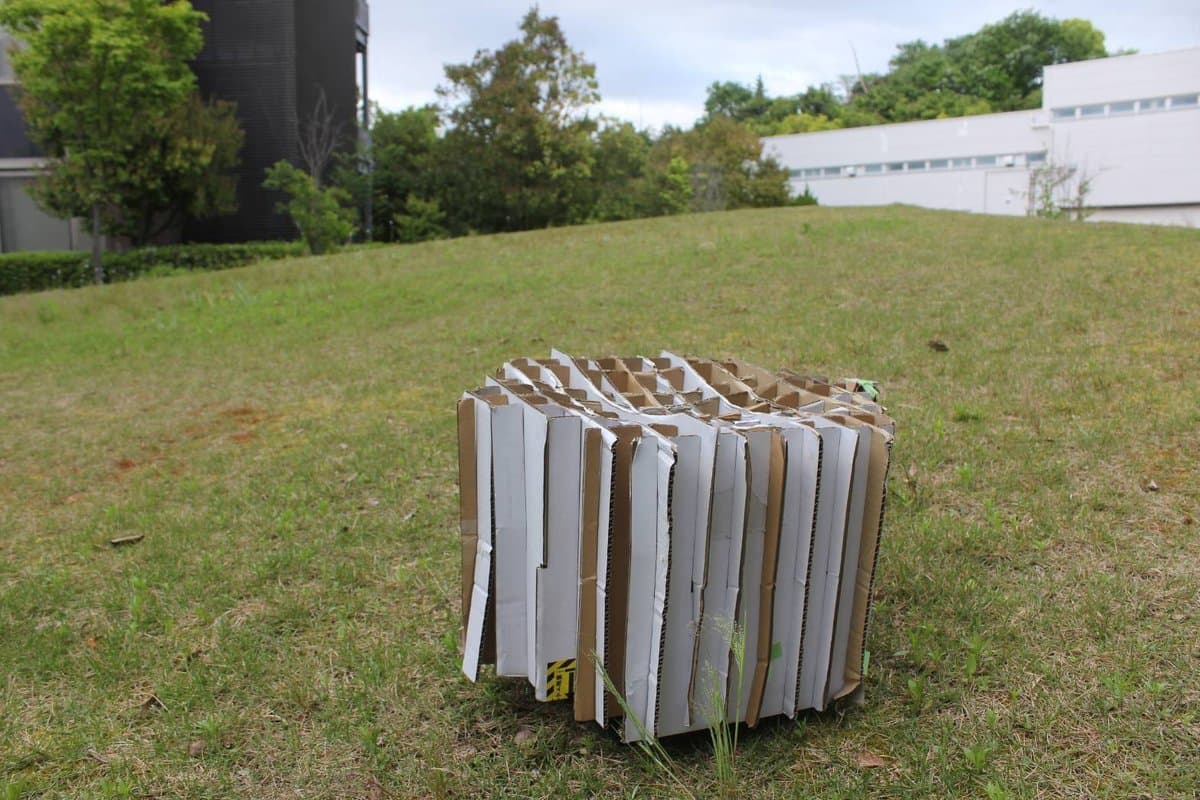
FIG.4
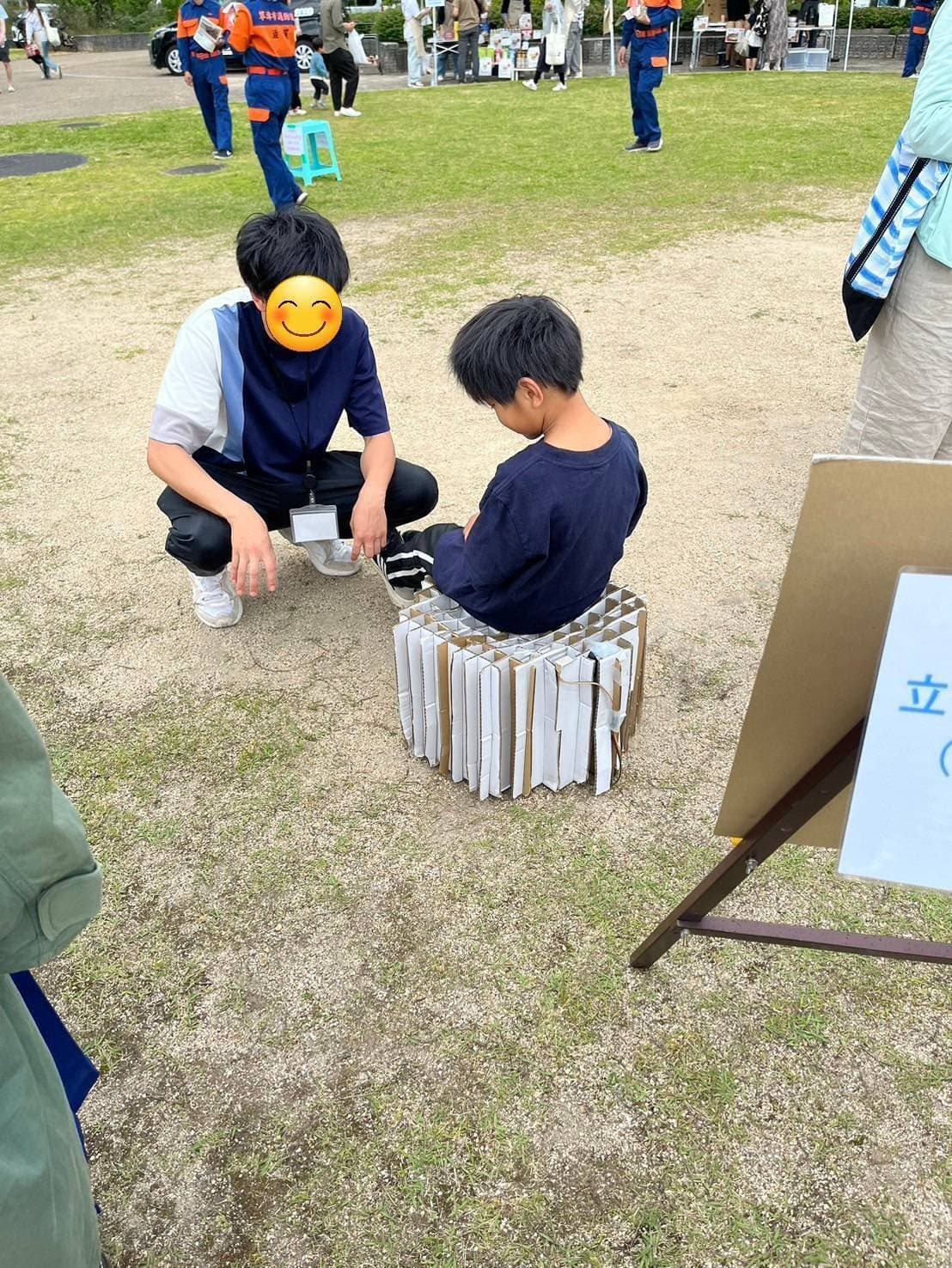
FIG.5
However, indoor use presented its own challenges. Living spaces have many steps and obstacles, and there were more hurdles to overcome than we had anticipated.
—I see. Mr. Ohmoto, how do you plan to move forward from here?
Even now that the incubation program has ended, I’m still exploring how to evolve “Swarunba,” but the path forward isn’t yet clear. Currently, I feel the technical challenges are significant, so development has been put on hold for the time being, but I’m trying to apply this experience to my research activities.In today’s world, where architecture and cities are becoming increasingly smart, we need to consider what kind of spaces will allow humans, AI, and robots to coexist—and I believe the experience and perspectives gained from developing “Swarunba” will be valuable in this regard.
The key concept is “robot-friendly architectural spaces.” I want to research how to design homes and cities for moving furniture, and furthermore, what kinds of activities and lifestyles will emerge in spaces that are accommodating to moving furniture. For example, if there were a shelf that brought you the items you wanted, your approach to storage would surely change, wouldn’t it?
By applying the lessons learned from “Swarunba” to research that explores design theories for robot-oriented living spaces and cities, we may be able to put this research into practice. I’d like to take on the challenge of moving back and forth between research and practice.
Participating from a Single Screw: The Engaging Power of the Street Workshop 'Architecture Stall' | Interview #1 Yutaka Enomoto | ASIBA
Following Up with INC-2nd Term Alumni #1
INTERVIEW
2025.04.04.