INC-2nd Class Report #1
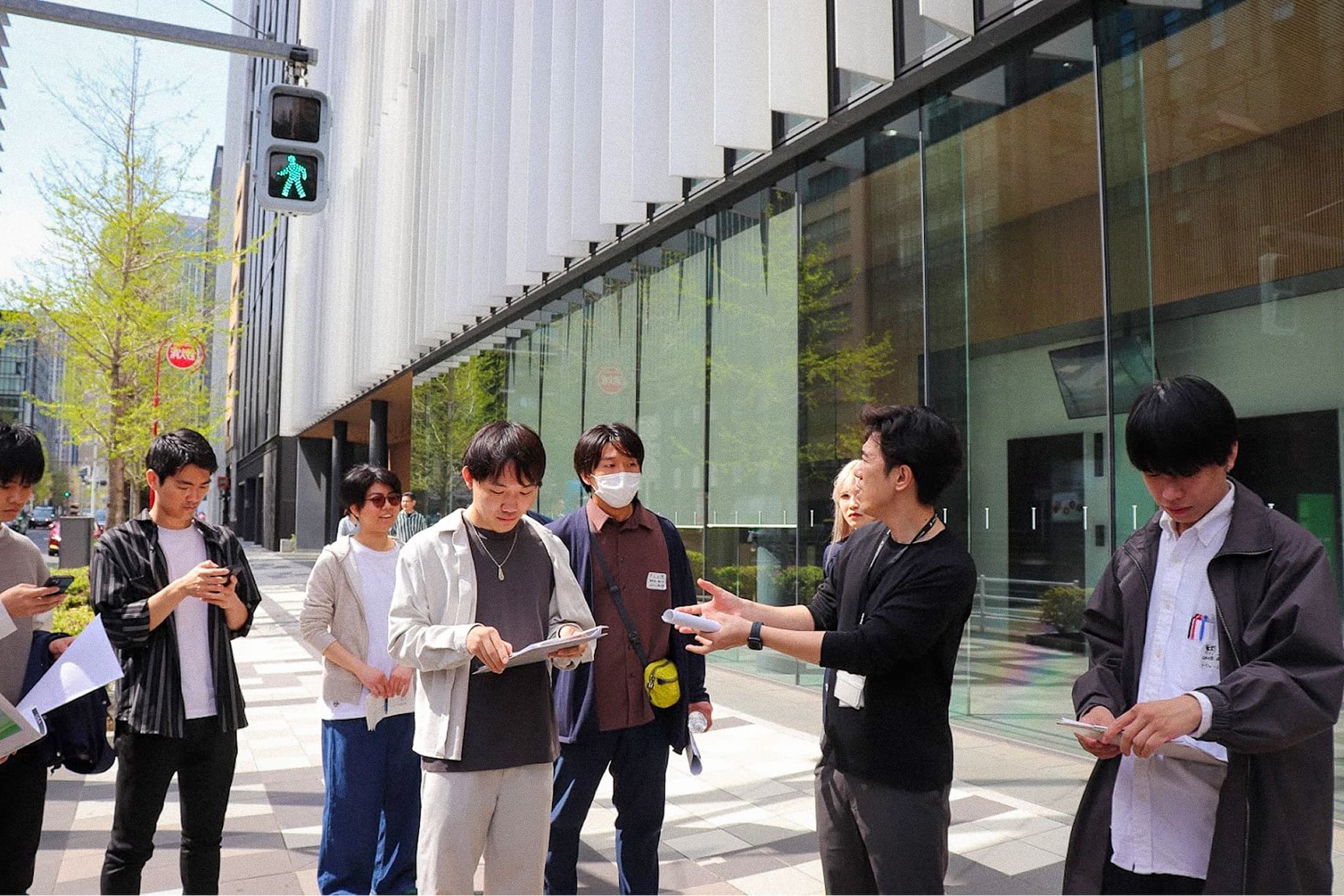
FIG.1
ASIBA, a general incorporated association, plans and operates short-term, hands-on incubation programs and one-day workshops for students in the fields of architecture and urban planning. We are creating an environment where architecture students can take ownership of their projects and bring their own proposals to life, thereby expanding the possibilities of the fields of architecture and urban planning.
Applications for the second cohort of the incubation program, which opened in mid-March, drew a large number of enthusiastic submissions. Following the selection process, a total of 20 teams were selected. The participants’ projects span a wide range of fields—from the reuse of vacant homes and community development to facility maintenance and media—demonstrating the vast potential for expansion in the fields of architecture and urban planning. I am truly looking forward to witnessing how each project evolves through the eight sessions of classes and mentoring that lie ahead.
The first session of the program was held at City Lab Tokyo on the 6th floor of Tokyo Square Garden, with the cooperation of Tokyo Tatemono.For the first half of the workshop, we were joined by mentors: Yasuhiro Kojima from the Community Development Promotion Department at Tokyo Tatemono Co., Ltd.; Tatsuki Shonan, President & CEO of scheme verge Co., Ltd.; and Eitaro Suda, Chief Business Development Officer at scheme verge Co., Ltd.
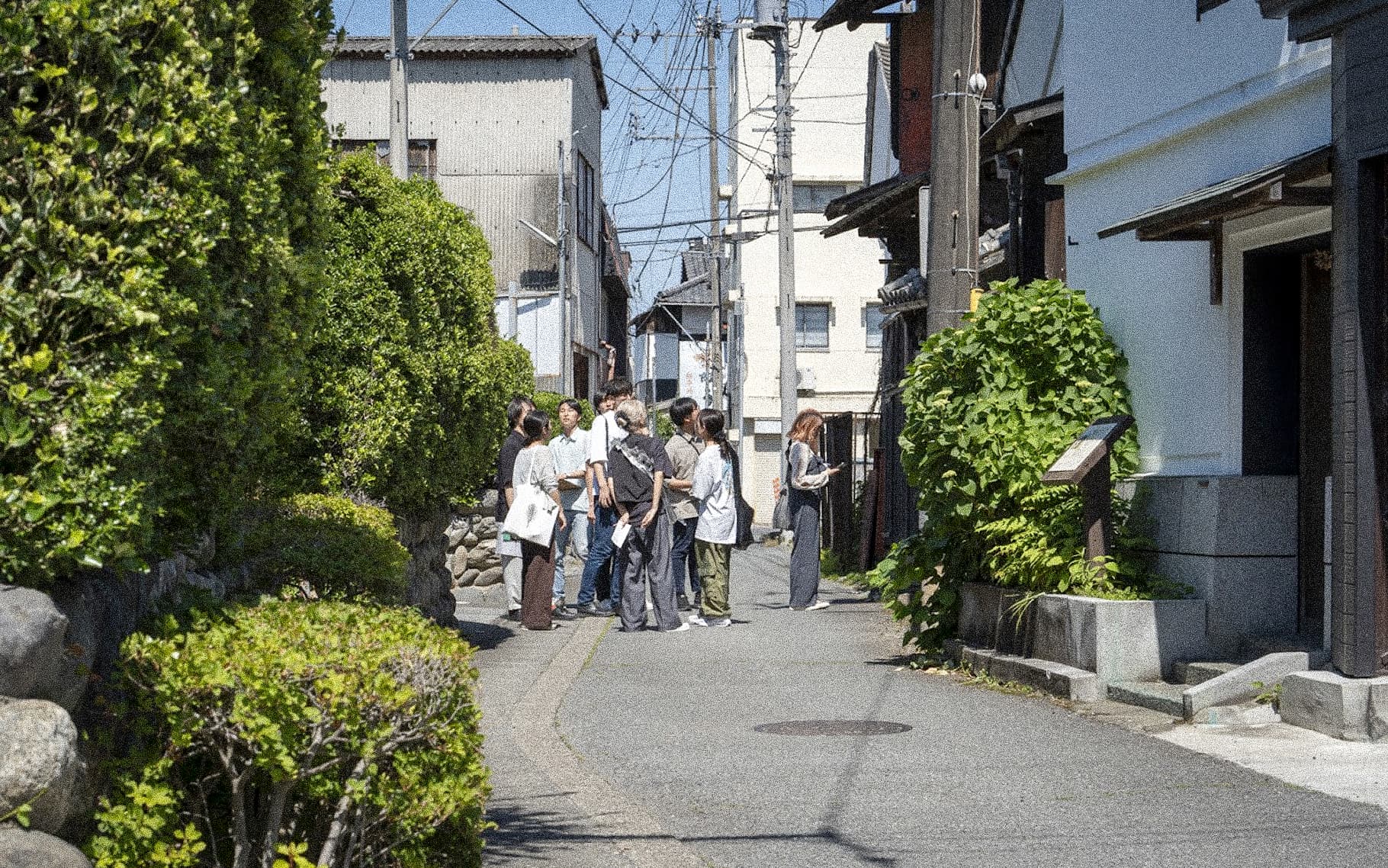
During the first half of the workshop, participants conducted fieldwork and street observations in the Yaesu, Nihonbashi, and Kyobashi areas, engaging in activities designed to help them acquire the diverse perspectives necessary for carrying out projects.Participants split into several groups to conduct fieldwork, street observations, and interviews. They identified issues specific to each location and worked in teams to develop project proposals aimed at making those places “better.”Many unique proposals emerged, such as the idea of projecting AR onto construction sites to utilize them as spaces for advertising and entertainment from the construction phase onward, and the idea of giving individual character to the narrow alleys intersecting Chuo-dori—transforming them into “Art Alley” or “Dessert Alley”—to draw people away from the main street.
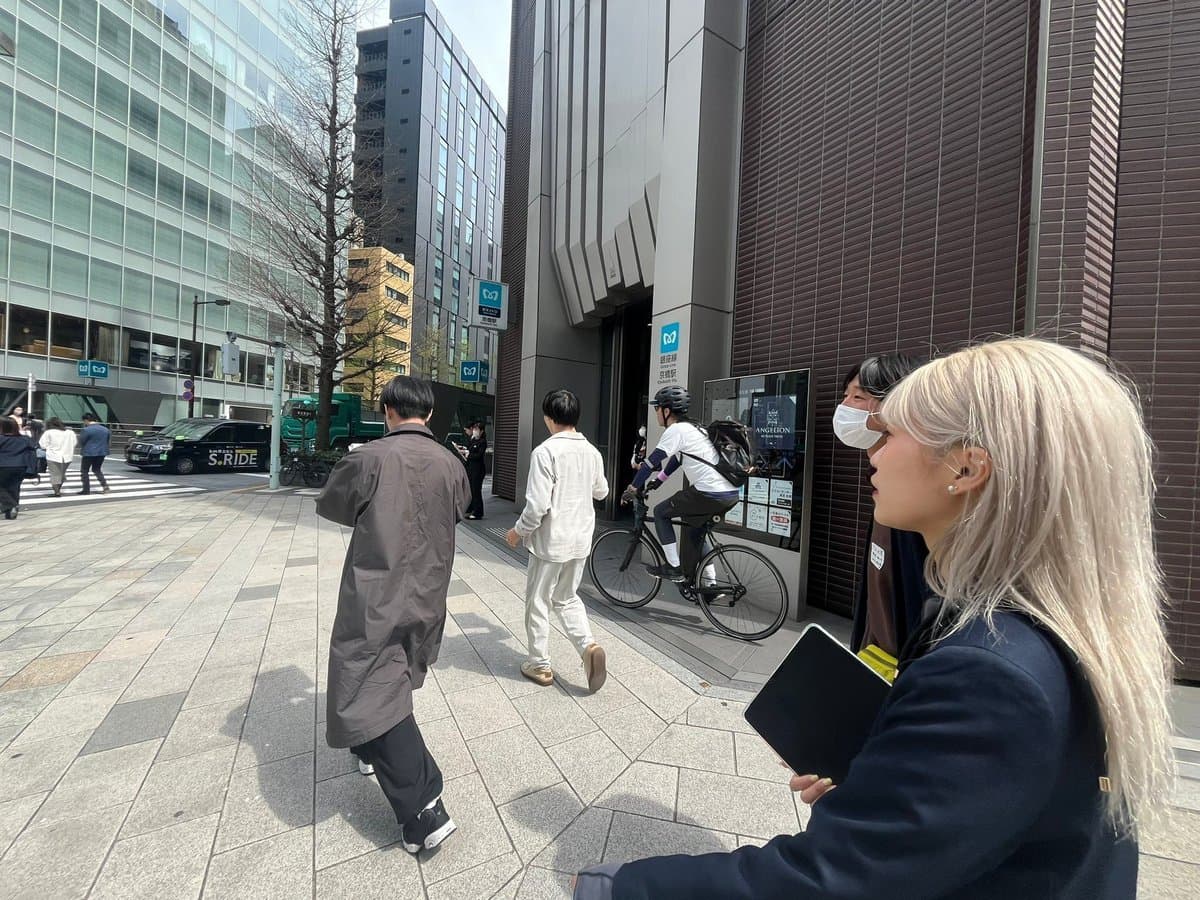
FIG.2
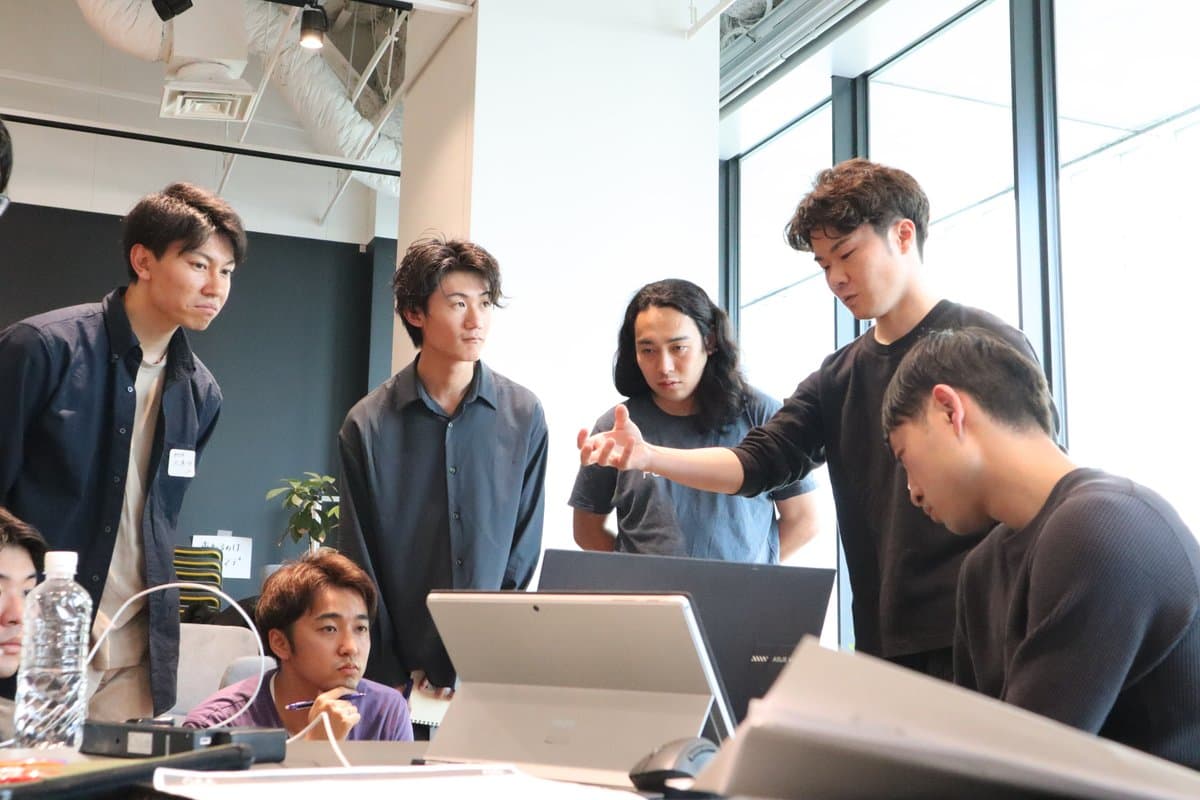
FIG.3
In the second half of the session, we were joined by Mr. Kunpei Toyota, President and CEO of HUB&STOCK Co., Ltd., who delivered an inspiring introductory lecture to the participants as they prepared to embark on their journey.
He shared how he was able to articulate the vague sense of unease he felt after joining a corporation, which led him to identify challenges that could not be solved within existing frameworks;and how his vague business concept gradually turned into conviction through relentless, hands-on market research and sales efforts—all told without any exaggeration. As a mentor who has brought proposals to life in society from scratch, his down-to-earth story greatly inspired the participants.
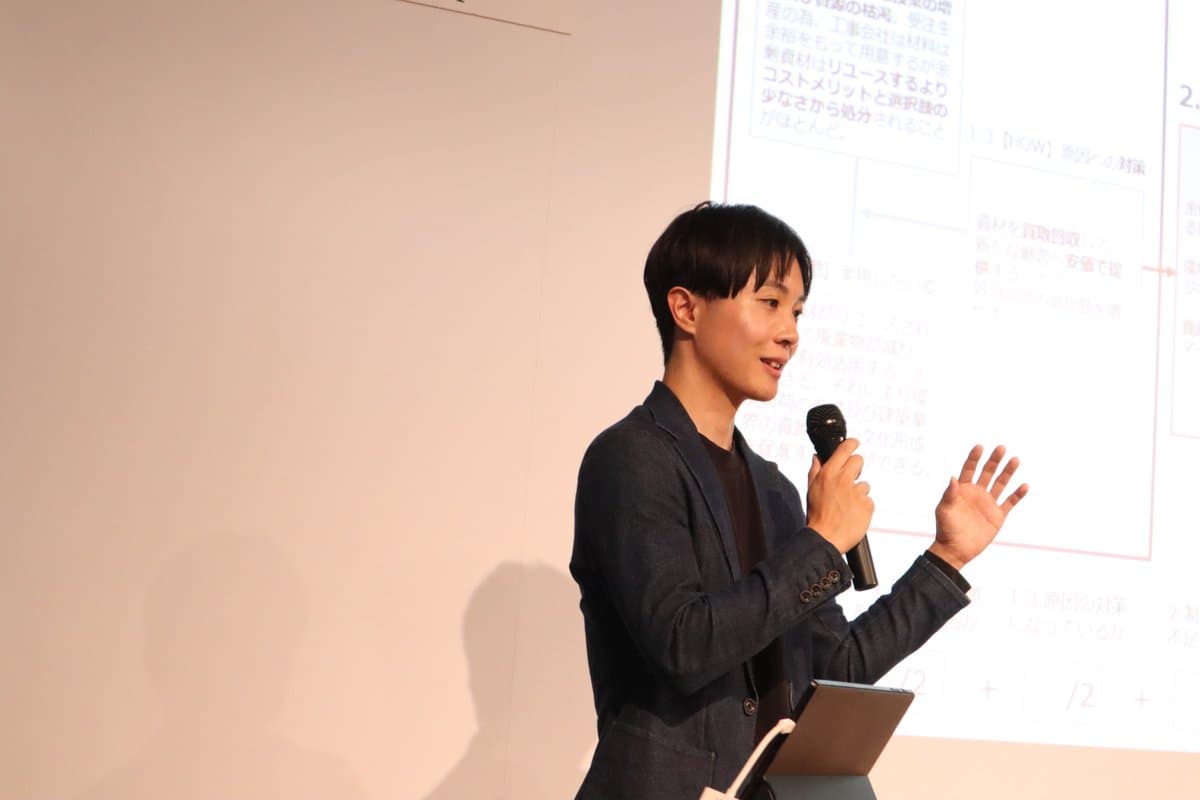
FIG.4
Finally, through presentations on the pre-assigned tasks each team had worked on, we introduced the projects and provided mutual feedback. Unlike traditional design assignments in architecture programs, at ASIBA, we must constantly be mindful of the questions: “Who is this for? Who stands to benefit?”This is because proposals driven solely by self-satisfaction or a desire to show off one’s abilities will not result in something truly valuable that leaves a lasting impact on society. Through future research and interviews, we will work with the participants to thoroughly refine their understanding of the specific needs of the people these services are intended to serve.
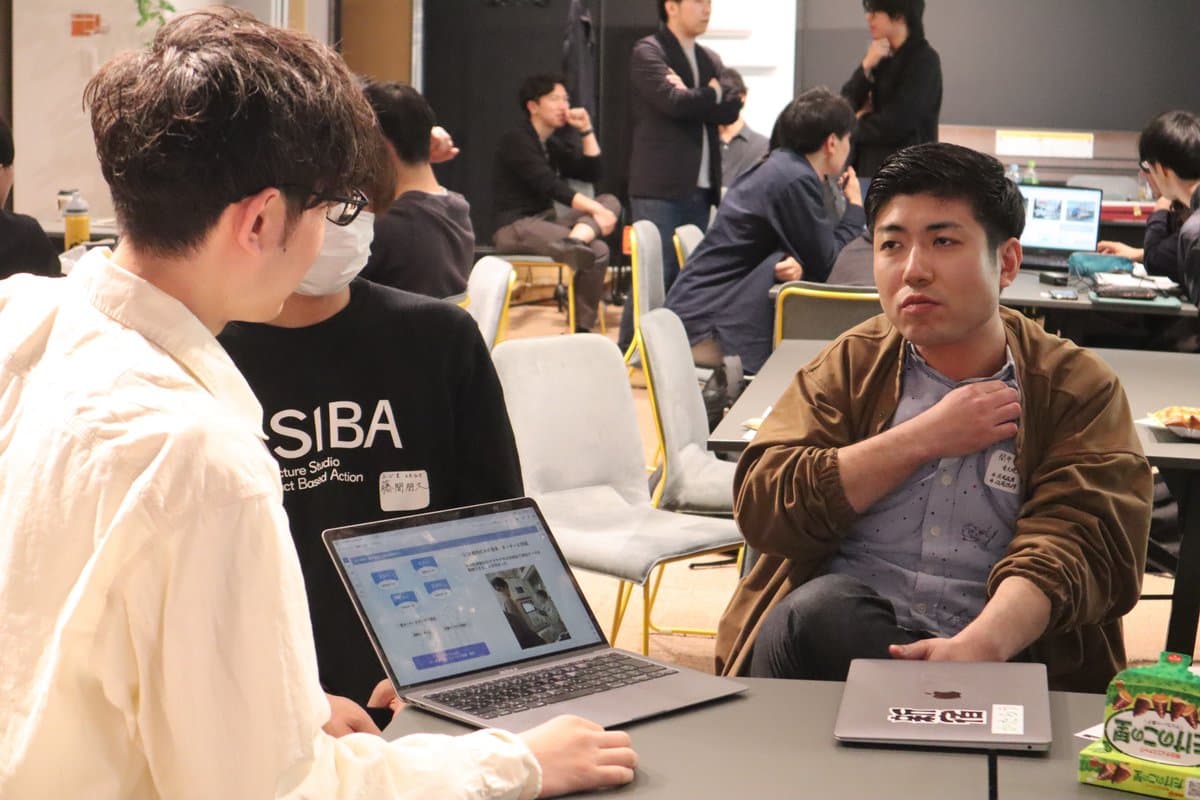
FIG.5
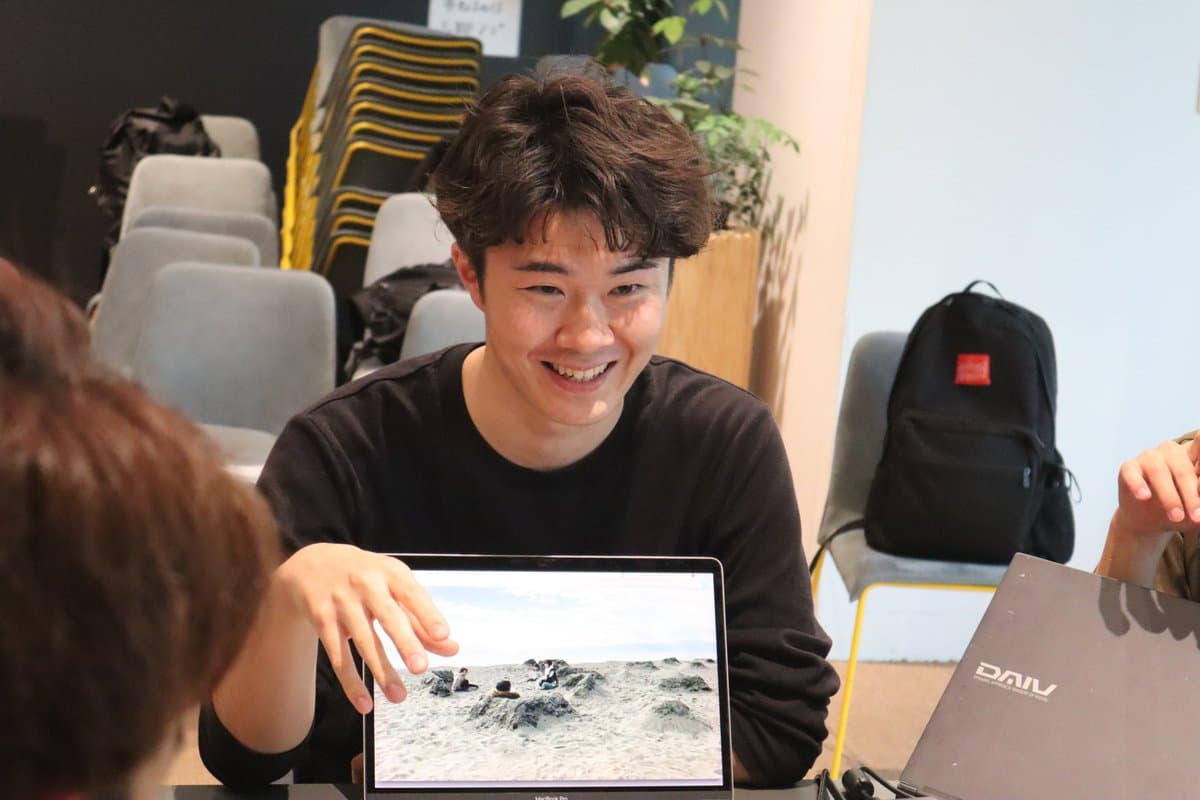
FIG.6
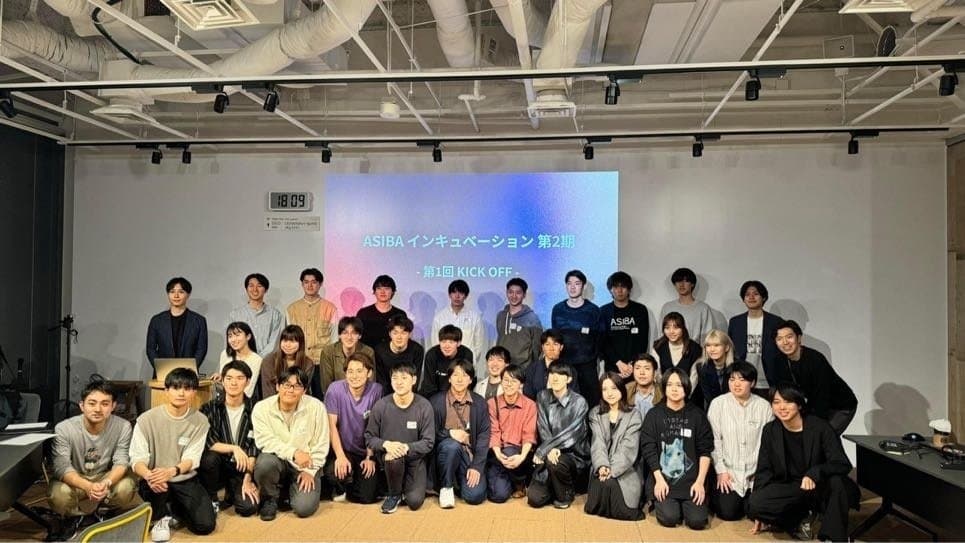
FIG.7
Credit
Related Works
PROGRAM
Related Texts

What It Means to Be a 'League'
Creators Forge a Space of Solidarity to Challenge the World Together
STATEMENT
2026.07.31.

[ASIBA Class Report] Week 2: Hearing and Hypothesis Building
INC-2nd Class Report #2
REPORT
2024.05.02.

[ASIBA Class Report] Week 3 'Prototyping' | ASIBA
INC-2nd Class Report #3
REPORT
2024.05.10.

[ASIBA Class Report] Week 4 'Business Planning and Funding' | ASIBA
INC-2nd Class Report #4
REPORT
2024.07.01.

[ASIBA Class Report] Week 5 'Mid-term Retreat' Part 1 | ASIBA
INC-2nd Class Report #5-1
REPORT
2024.07.03.

[ASIBA Class Report] Week 5 "Mid-term Camp" part 2 | ASIBA
INC-2nd Class Report #5-2
REPORT
2024.07.03.

[ASIBA Class Report] Week 6 'Towards ASIBA FES 2024'
INC-2nd Class Report #6
REPORT
2024.07.03.