Partner Dialogue #2

FIG.1
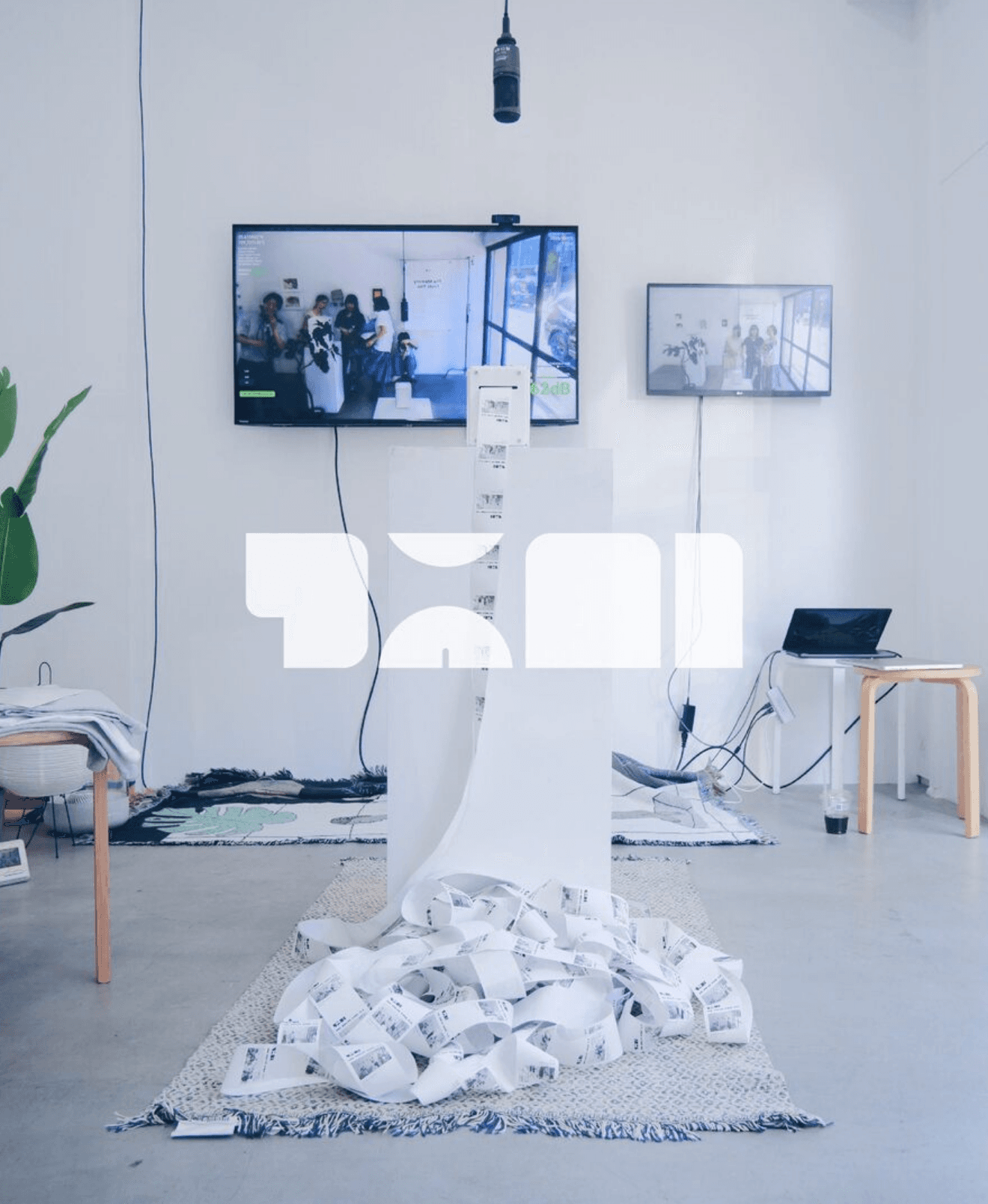
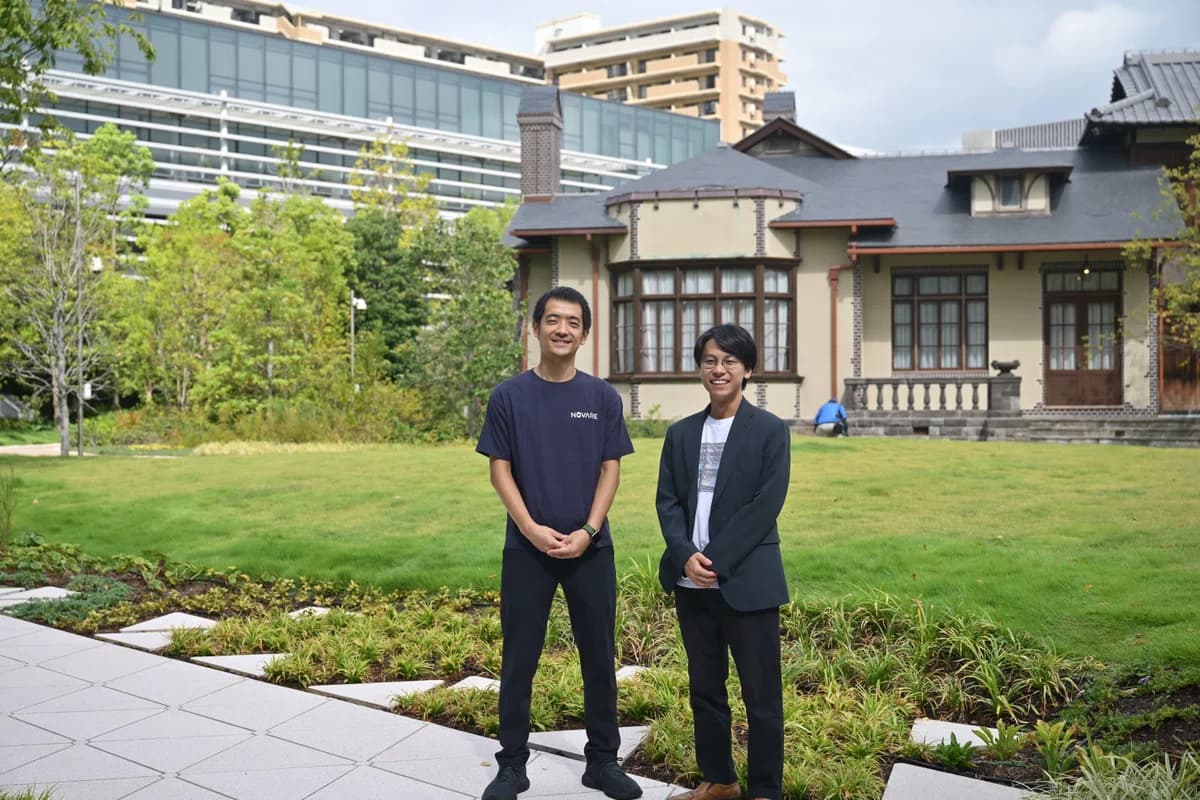
yomiyomi, a third-cohort member of ASIBA, has launched “Memory Summoning Stickers” that allow users to save and relive memories simply by holding their smartphones over them. Under ASIBA’s direction, the company conducted a pilot implementation of this technology on fan-shaped fans distributed to visitors at “NOVARE: The Forest of Reflecting on the Past to Create the Future.”Kazuyuki Iwaki, NOVARE Conductor at Shimizu Corporation; Reika Nakamura of yomiyomi; and Yuta Nihei of ASIBA will have a candid discussion about the new form of co-creation between ASIBA and NOVARE that emerged through this initiative. (Text by Rigo Kagami)
Nakamura: Originally, yomiyomi was intended for use in the event and entertainment industries. But since joining ASIBA, I’ve had many opportunities to speak with people in the architecture and urban planning fields—people I’d never had any connection with before. For example, I exchanged views with government officials on ways to preserve memories through citizen participation, which allowed me to discover possibilities I hadn’t imagined before. Through these experiences, I realized time and again that I might have been limiting myself all along—and that I could envision an even broader future.
Nibori: ASIBA also began as a community of architecture students, and starting this term, we’ve expanded our scope to include design and art. These past three months have been a firsthand experience of how fundamentally different the underlying philosophies are when the fields differ.For example, architecture operates on a large scale and requires designs that are easily accepted by many people. In the art world, on the other hand, it’s only natural that what people value differs from person to person. In fact, value is often found precisely in things that cannot be explained in a democratic way. This term, even as participants from diverse fields—including architecture, design, and art—came together, I believe we were able to build a close-knit relationship where we inspired one another. The fields of design and art surely have hundreds of times more practitioners than architecture. If ASIBA is about to set sail into that vast ocean, I feel this has been a great start.
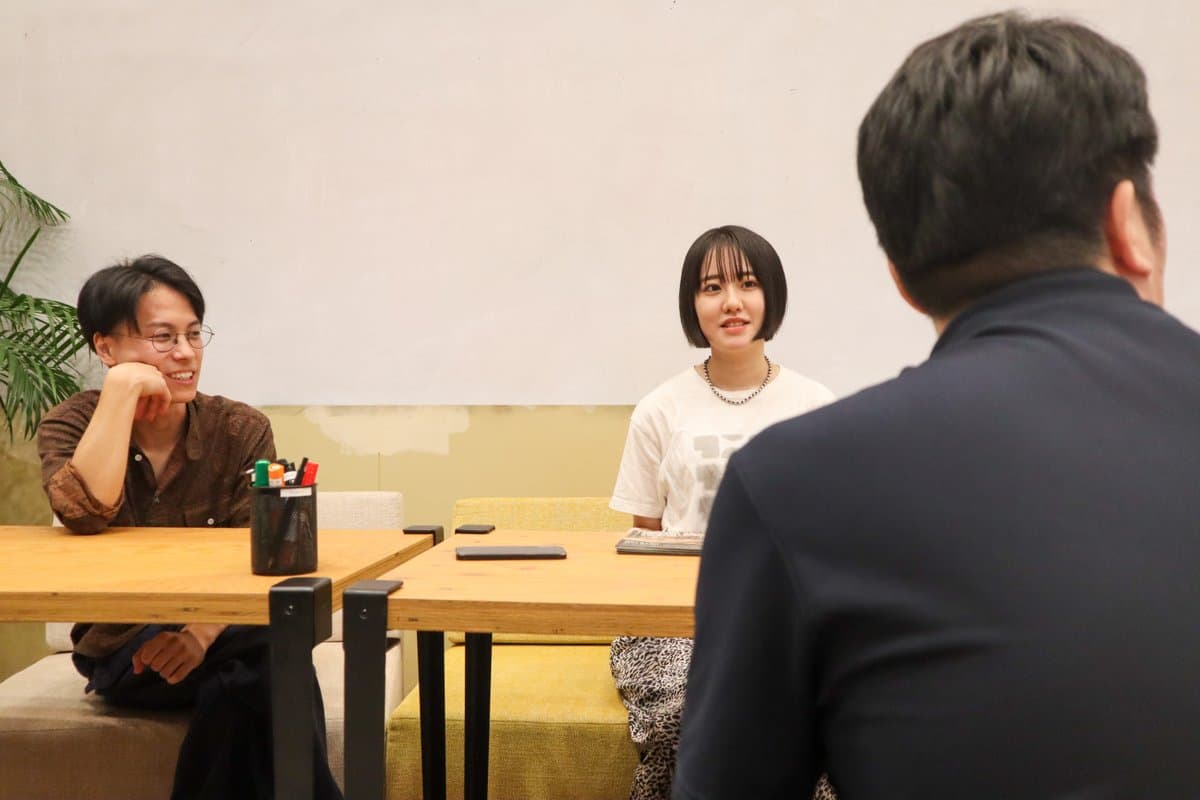
FIG.2
Nibei: When NOVARE approached us with the proposal to “create a fan,” I felt that, since we had this opportunity, we should give shape to something that only the current ASIBA could do. So, when I asked myself, “What is it that only the current ASIBA can do?” I realized it must be our role as producers.Rather than treating this as a one-off order, we need to think from the same perspective as our partner about how to nurture this into a long-term project. I think a prime example of this is how ASIBA has once again taken the lead in producing “yomiyomi”—a project we previously supported through our incubation program—and established a framework to conduct joint testing with NOVARE.
Iwaki: That’s true. I think, up until now, NOVARE’s mindset toward ASIBA was largely one of “let’s support them.” But in the long run, nothing comes from mere support. Over the past two years, our relationship with ASIBA has evolved from sponsorship to co-creation.In fact, several co-creation projects like this one have begun to take shape, and I feel we’ve established a shared commitment to building a deeper relationship moving forward. Of course, our previous sponsorship relationship wasn’t wrong. I think it’s precisely because we’ve grown together while learning from one another that it’s now easier for us to say, “Let’s definitely do this together.”
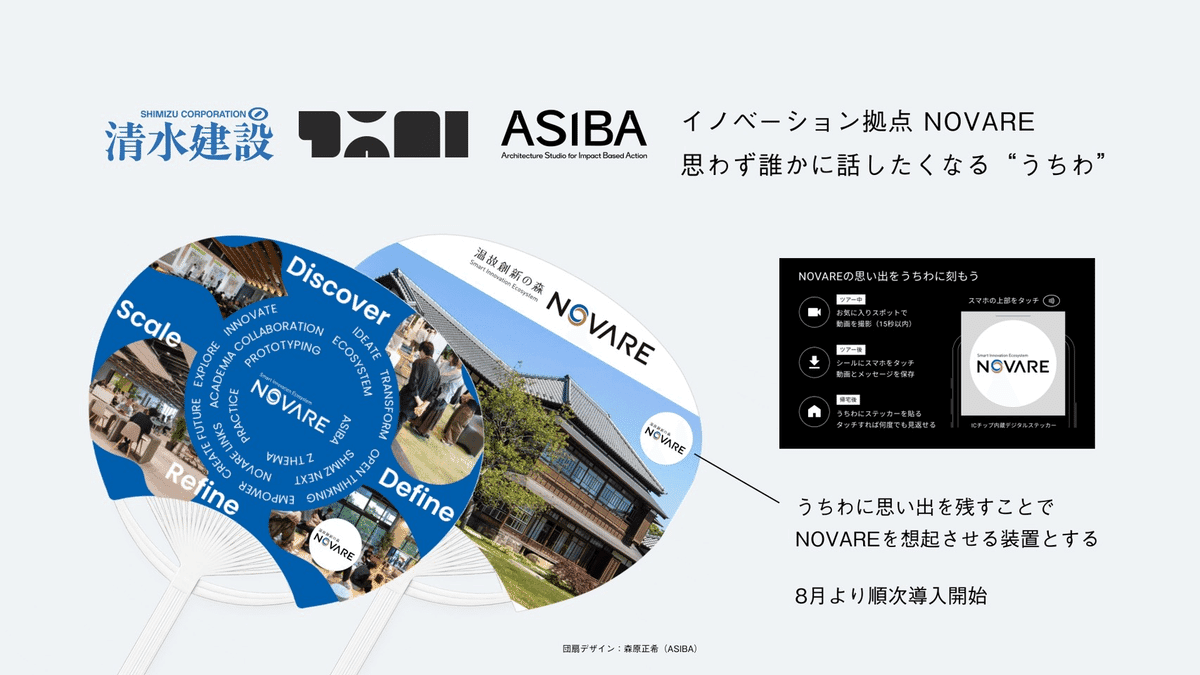
FIG.3
Iwaki: To be honest, when I first heard about yomiyomi, I wondered, “Is there really any point in partnering with NOVARE?” At that time, the discussion centered mainly on a product called “Memory Summoning Stickers,” so I got the impression that there wouldn’t be much Shimizu Corporation could contribute. However, at the subsequent BEYOND Conference*, I heard not just a product explanation, but a grand vision to create an infrastructure that preserves memories for the future. The moment I heard that, I genuinely resonated with that worldview.Hearing not just about the product, but the underlying passion behind it, allowed me to start thinking positively about what NOVARE could contribute. Especially in projects during the startup phase, it’s more important to convey the vision and inspire empathy than to focus on specific product details. In that regard, I feel that ASIBA participants are very skilled at communicating their own visions and passions.
The pitch session held on Day 4 of the incubation program. It took place over two days at NOVARE, where we received feedback on our projects from external partners and mentors.
Nakamura: Looking back, I feel that since launching yomiyomi, I’ve prioritized clarity too much during pitches and sales calls. I was so focused on conveying benefits and facts that I repeatedly failed to fully communicate the vision I truly wanted to share. But by participating in ASIBA, I had many opportunities to connect with people from outside the company who share a passion for supporting young people with dreams.When I was worried that what I was saying wouldn’t resonate, ASIBA gave me a push, telling me, “Go for it!” That helped me learn to express my thoughts without fear.
Iwaki: When you really get down to it, a product is ultimately just a means to an end, isn’t it? I believe yomiyomi’s product will continue to evolve, and above all, I can tell that Mr. Nakamura himself feels the same way. Of course, we need to work hard on the product right in front of us, but if there isn’t a grand vision beyond that, there’s really no point in struggling in the first place, is there? Seeing everyone here working with such a strong sense of vision is incredibly inspiring to me. Maybe I’ll try participating in ASIBA’s incubation program myself (laughs).
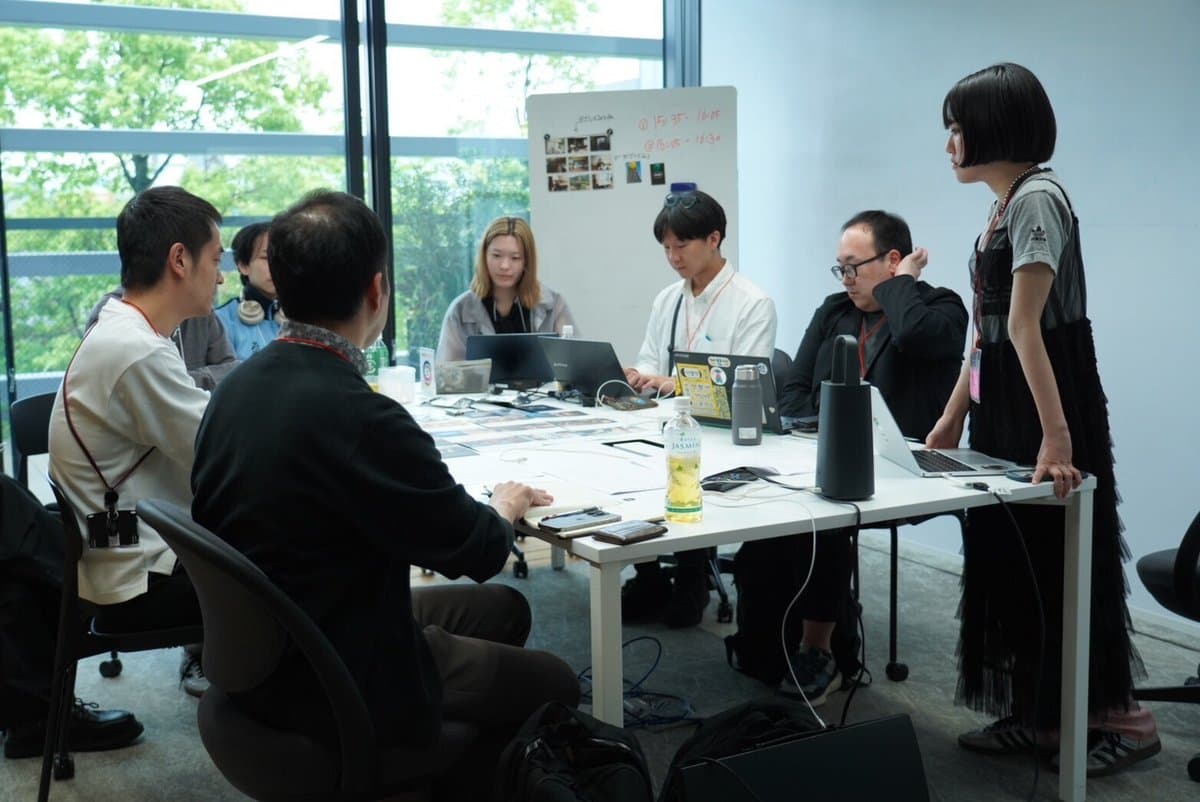
FIG.4
Iwaki: I don’t think we necessarily need to stick to one-on-one co-creation relationships in the future. While we were able to introduce yomiyomi to NOVARE in the form of a fan this time, there are aspects of larger-scale scenarios—such as embedding it into building materials on actual construction sites—that would be difficult for Shimizu Corporation to realize on its own right away. That’s why, for now, we’re bringing in companies that are a good fit for yomiyomi. Then, once yomiyomi itself has grown and expanded its capabilities, we’ll collaborate with them again. I want to build a system where the network keeps expanding, starting from these one-on-one relationships. Just like the “eye of the typhoon” mentioned in a previous article (laughs).
Nakamura: I definitely feel it’s like the eye of a typhoon, too. When we consider a larger framework involving three or four companies, it’s not just about ASIBA giving us a push—we can also bring the players we’ve connected with outside into the ASIBA community.ASIBA is like a home—a place where we can come back to take a deep breath and relax, even when we’re exhausted from participating in various events. I hope that our hard work will someday contribute to enhancing ASIBA’s value and presence.
Nibori: You can’t really design the outline of a typhoon in advance, can you? I think the outline expands in proportion to how far each of us ventures out into the world.
Iwaki: Both ASIBA and NOVARE have only been around for two years. When I see ASIBA working so hard, it sometimes makes me feel like I can’t let them outdo us. I hope we can continue to grow by pushing each other to improve.
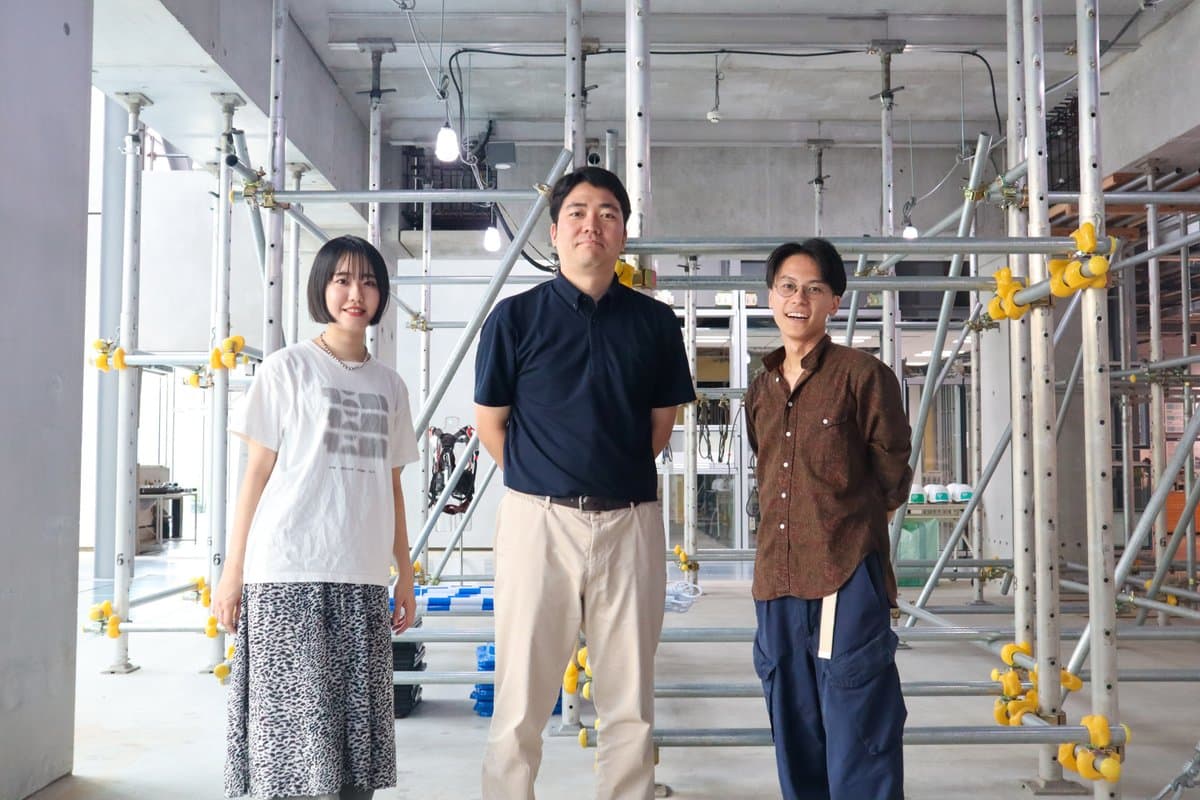
FIG.5
Credit
Related Works
CREATIVE-WORK
Rena Nakamura, Motoaki Tsukeshiba, Shuta Matuso +2 more