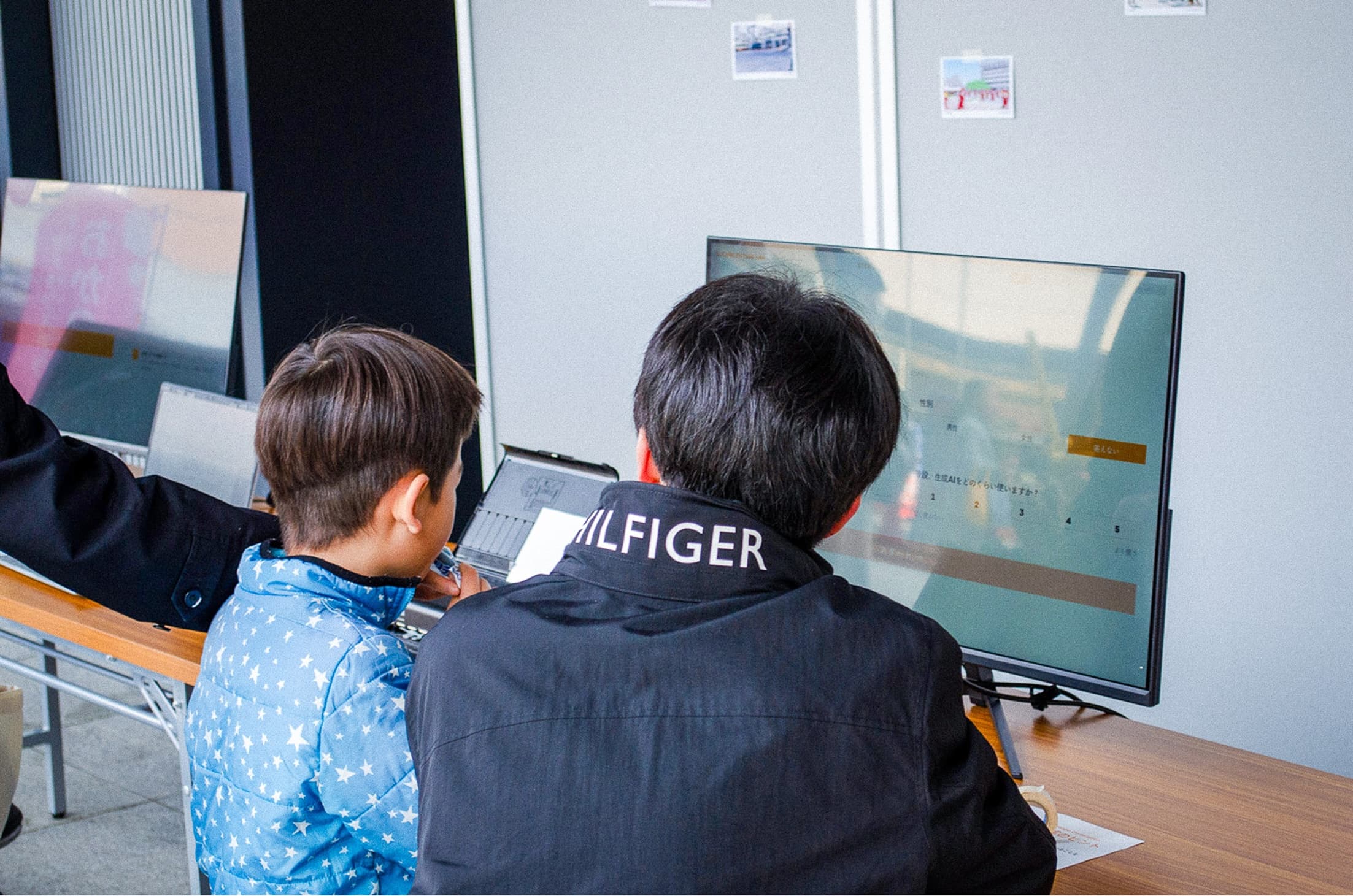
Tokyo Futurescape Studio Special Interview
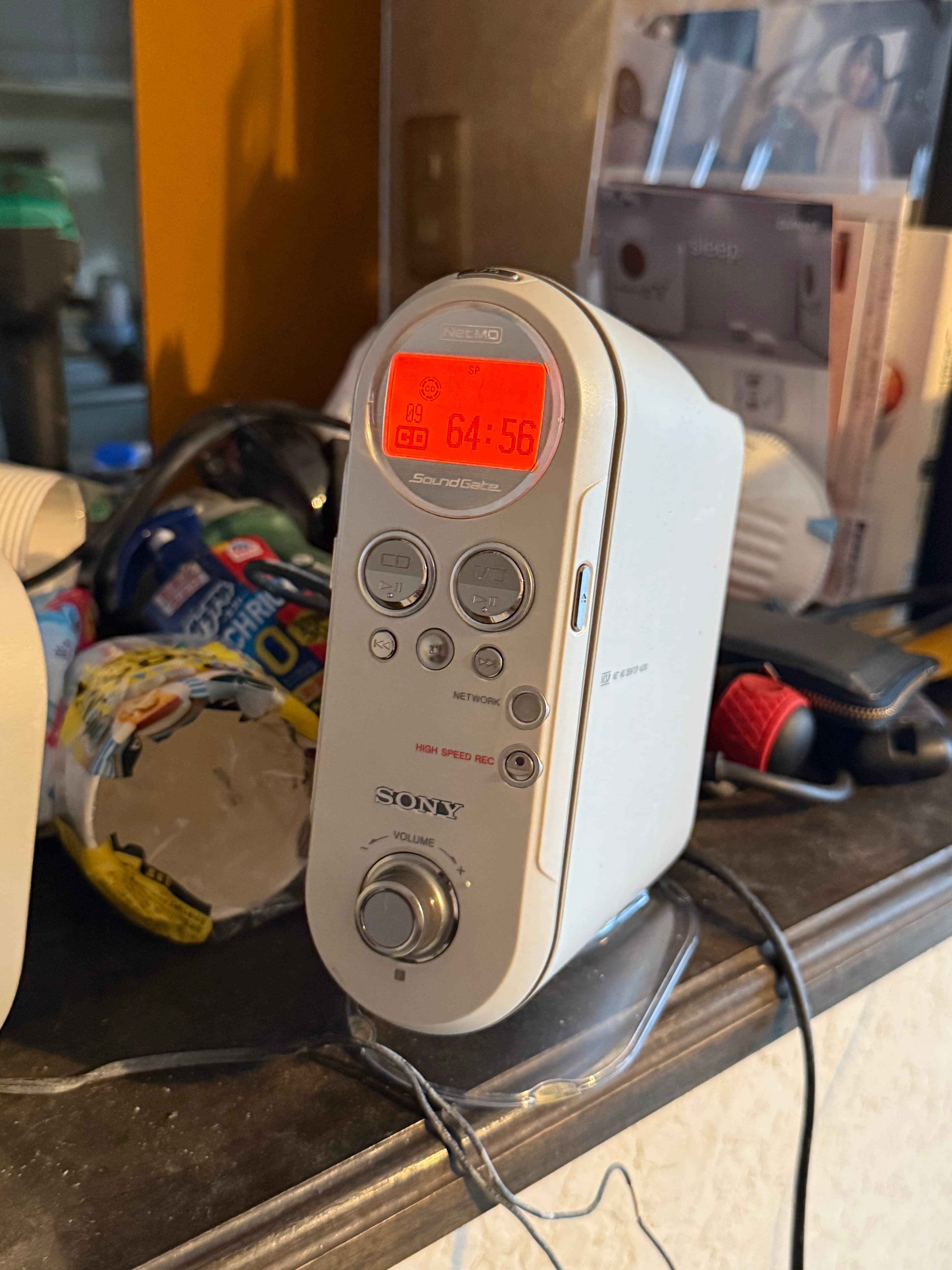
FIG.1
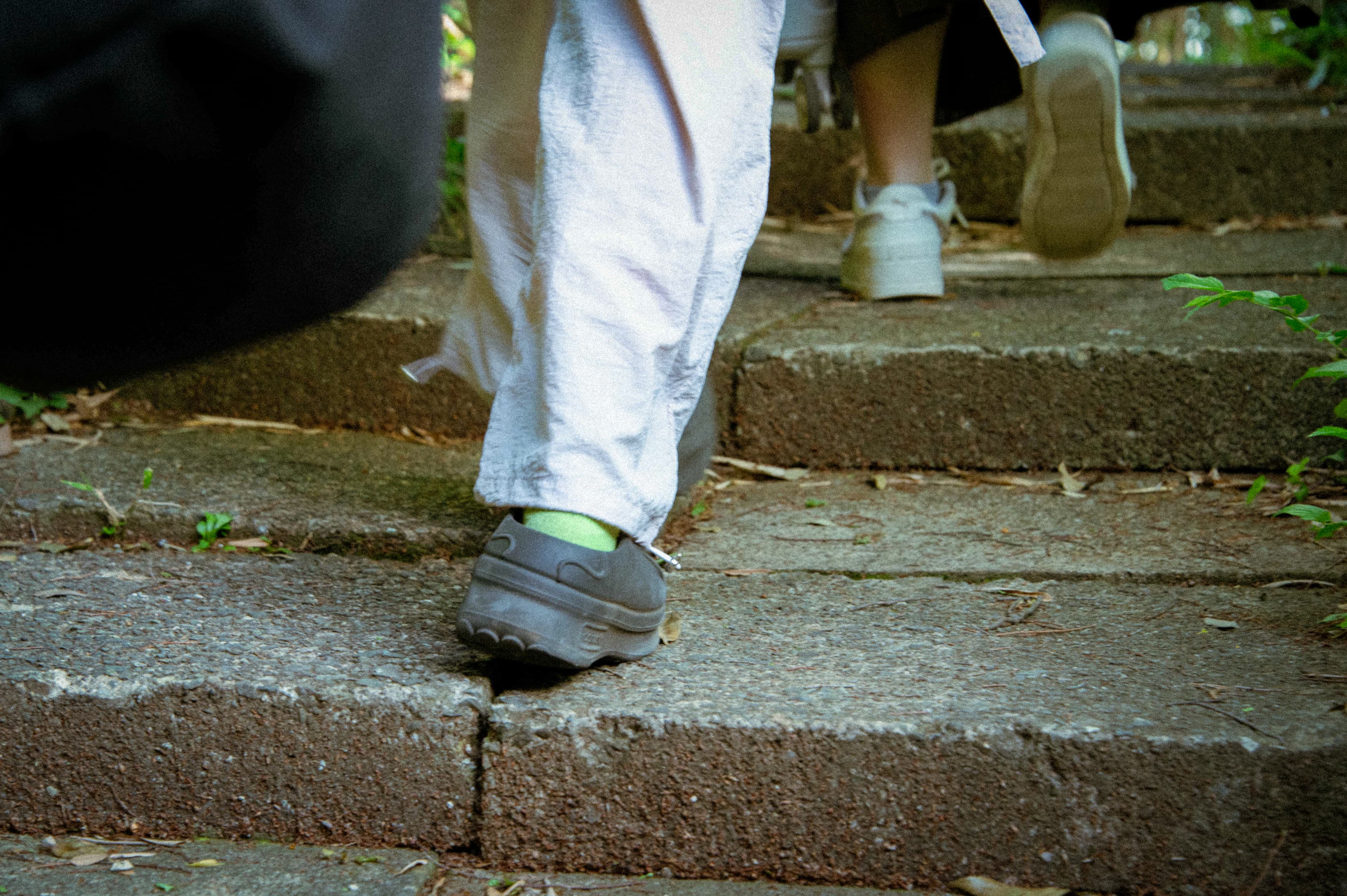
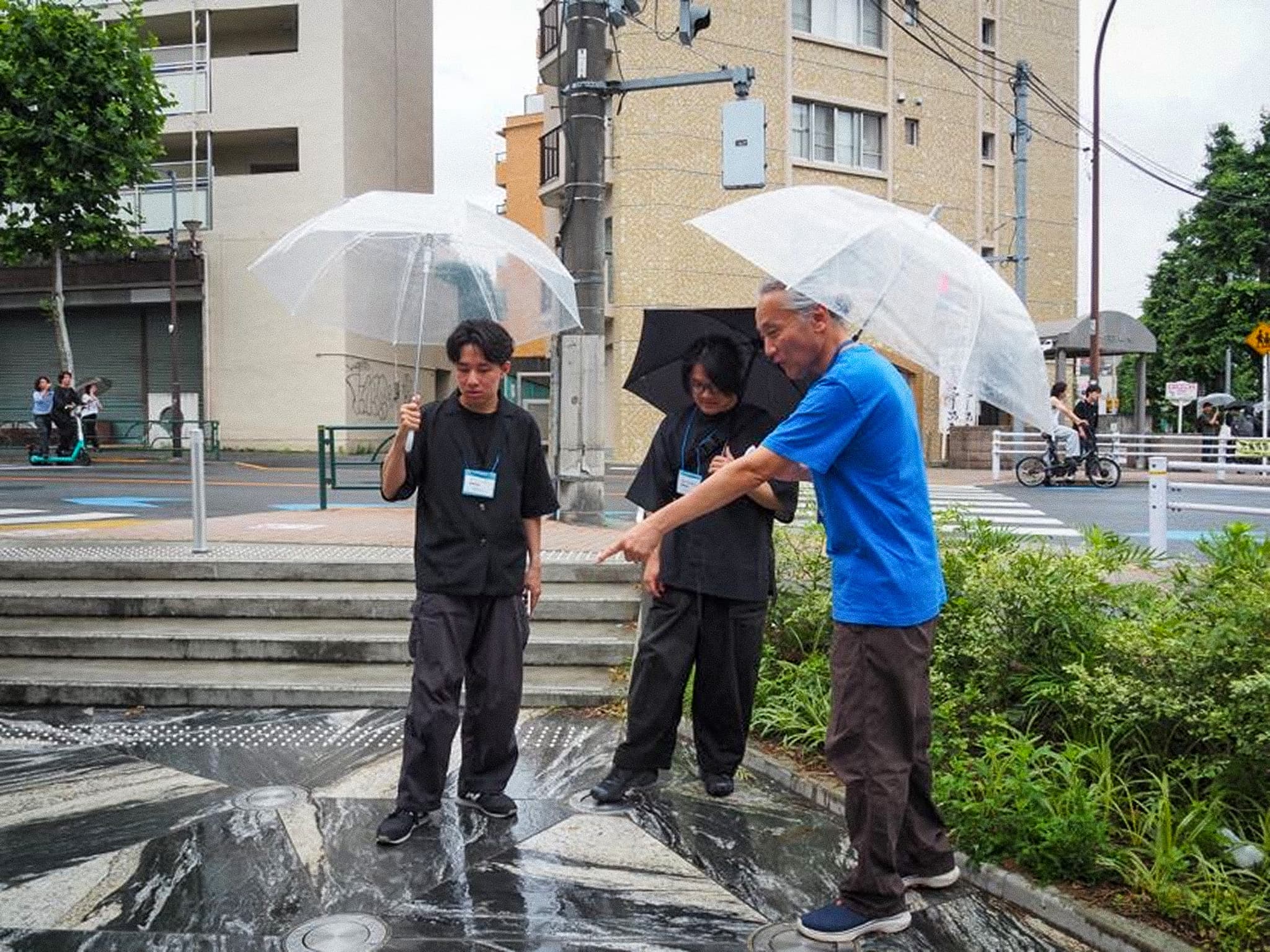
On Saturday, June 14, we will hold a participatory workshop in the “Suido Road Area”—which spans the Sasazuka, Hatagaya, and Hatsudai neighborhoods of Shibuya Ward—to gather memories of the area and produce a community radio program about the future of Suido Road.
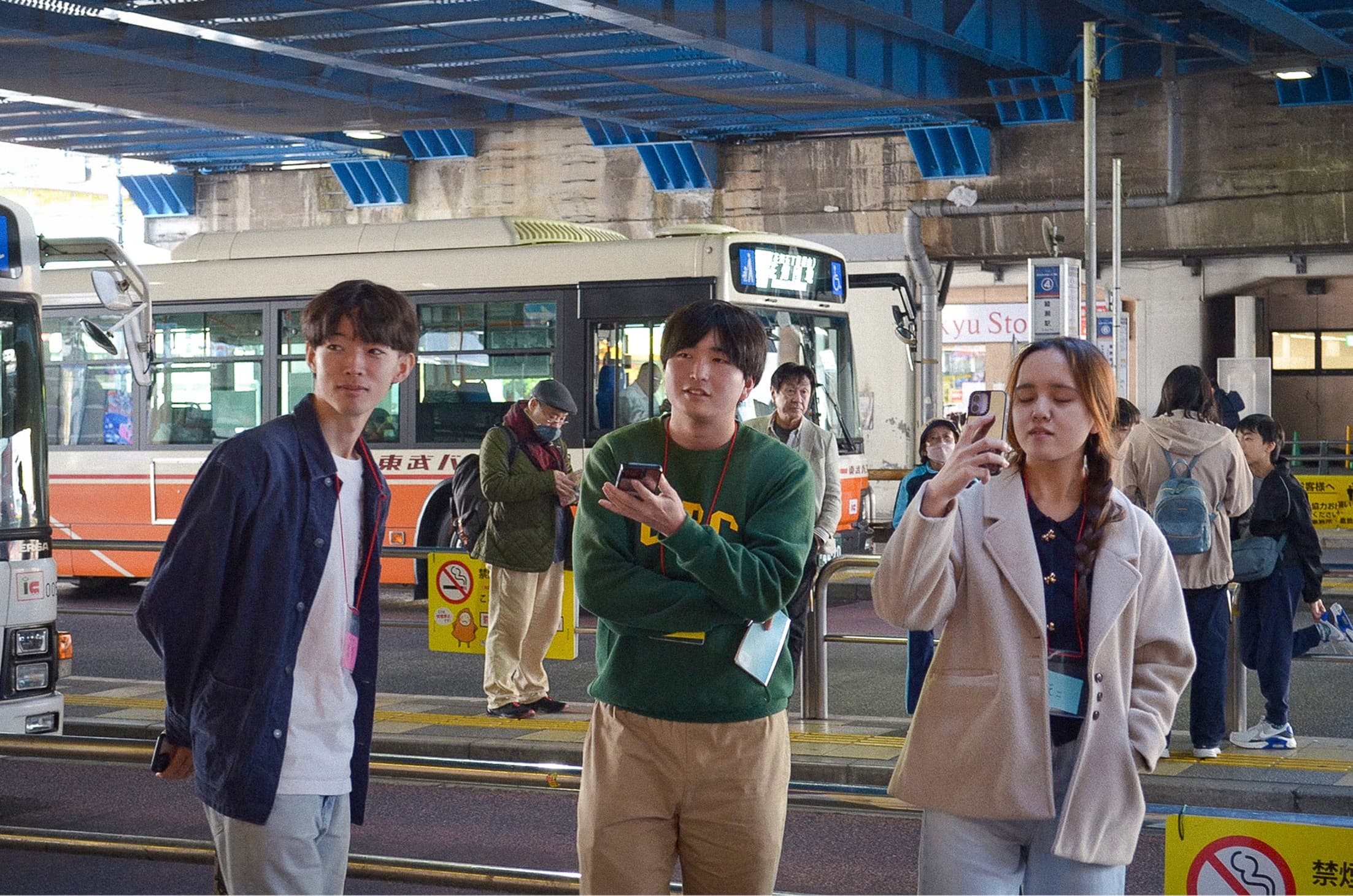
Suido Road, which runs east to west through the Sasahata-Hatsu Area (Sasazuka/Hatagaya/Hatsudai), is alive with a variety of emotions that cannot be captured by numbers or maps.In this workshop (hereinafter abbreviated as “WS”), participants will walk through the neighborhood and share their impressions and memories; technology will then weave these voices together to create a radio program that tells the story of Suido Road’s future.
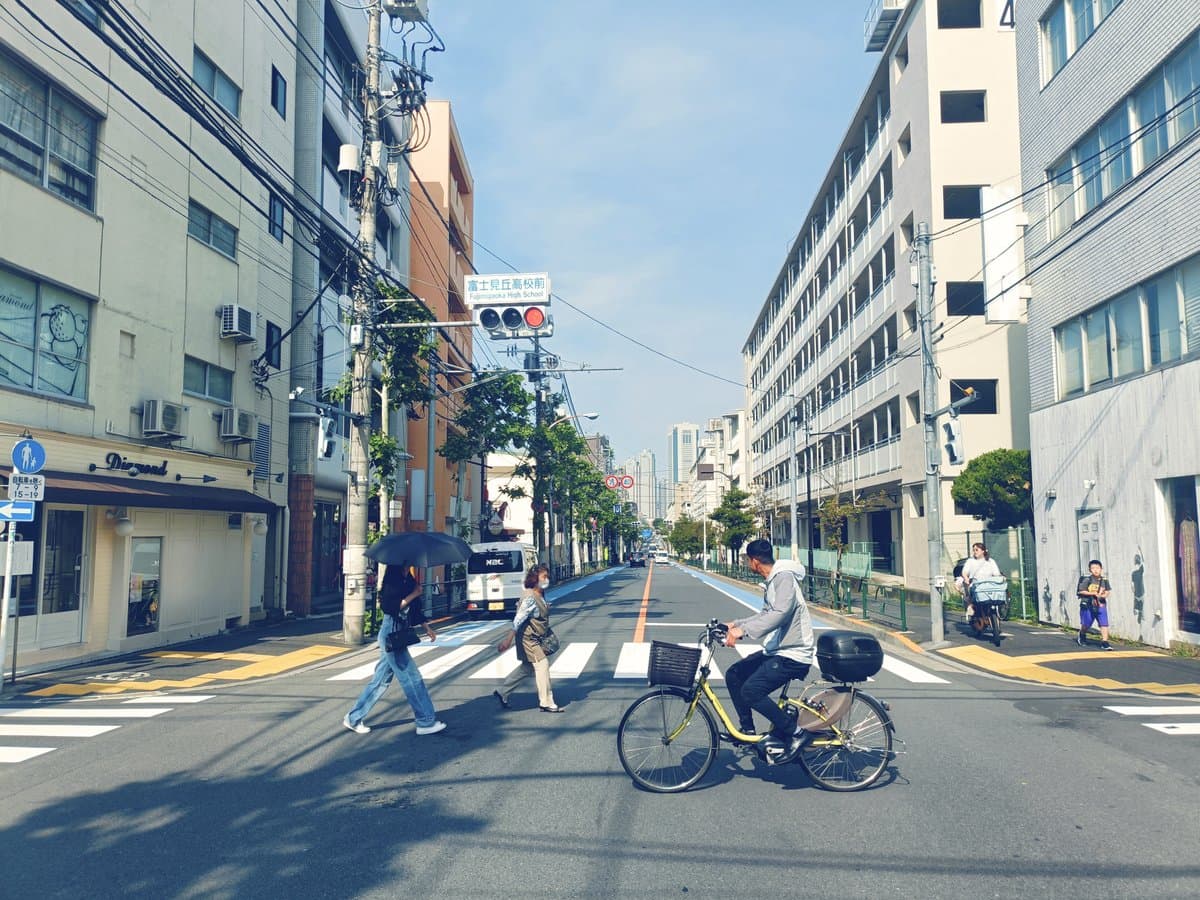
FIG.2
The words spoken will flow one after another into radio programs, as if someone else living in this place were continuing the story. One person’s voice calls forth the next, and the thoughts woven into the radio broadcast multiply—within this chain of connections, we will imagine and discuss together what Suido Road will look like 50 years from now. In this way, sharing the thoughts and memories of daily life—which have often gone unnoticed—will surely provide a solid foundation for envisioning the neighborhood’s future. Let’s weave together your voices and create a radio program that tells the story of Suido Road’s future.
Date & Time: Saturday, June 14, 2:00 PM–6:00 PM
Location: Areas
along Suido Road Meeting Point: Sasazuka Community Center (3-1-9 Sasazuka, Shibuya-ku)
Organizer: ASIBA (General Incorporated Association
) In Cooperation with: Sasahata Hatsu Machi Lab
In this installment, we’ll delve deeper into the background and objectives of this project, as well as the role of AI in drawing out human creativity, through an interview with Mr. Rintaro Nakajo, who will serve as the facilitator for this workshop.
Rintaro Nakajo (Ph.D. Candidate, Graduate School of Interdisciplinary Information Studies, The University of Tokyo)
Ph.D. candidate at the Graduate School of Interdisciplinary Information Studies, University of Tokyo. He is engaged in research and social implementation of media design aimed at facilitating communication. His major works include “Ecodentity Walk” (a collaborative project), a workshop piece that explores non-human-centered perspectives on the environment from the viewpoints of other species.
—Please tell us about the purpose of this workshop.
The primary objective is to collect memories of the neighborhood. We aim to unearth the memories, favorite places, and personal recollections held by local residents—things that cannot be found through a Google search.
For example, we’ll gather descriptions of scenes that emerge from the daily lives of local residents—such as “There was a nice smell when I turned the corner here” or “There used to be [X] here.” Such stories are often passed down orally but rarely have the opportunity to be shared with others. That’s precisely why I want to properly preserve them and compile them into a database.
Additionally, we’re using “Hiroshima Archive”—a project that archives oral histories—as a reference for this initiative. We’re designing the workshop with this in mind.
—Please tell us about your intentions in designing this workshop that utilizes radio and AI.
By having local residents discuss the town’s three-dimensional data and the things found there—not just based on the digital world, but also on the information each person has gathered—we aim to bring the intersubjective information that exists between individual perspectives into the world of digital twins.When considering the best way to gather these stories from residents, we created the “Memory Camera” and “Radio” as tools to catalyze their narratives.
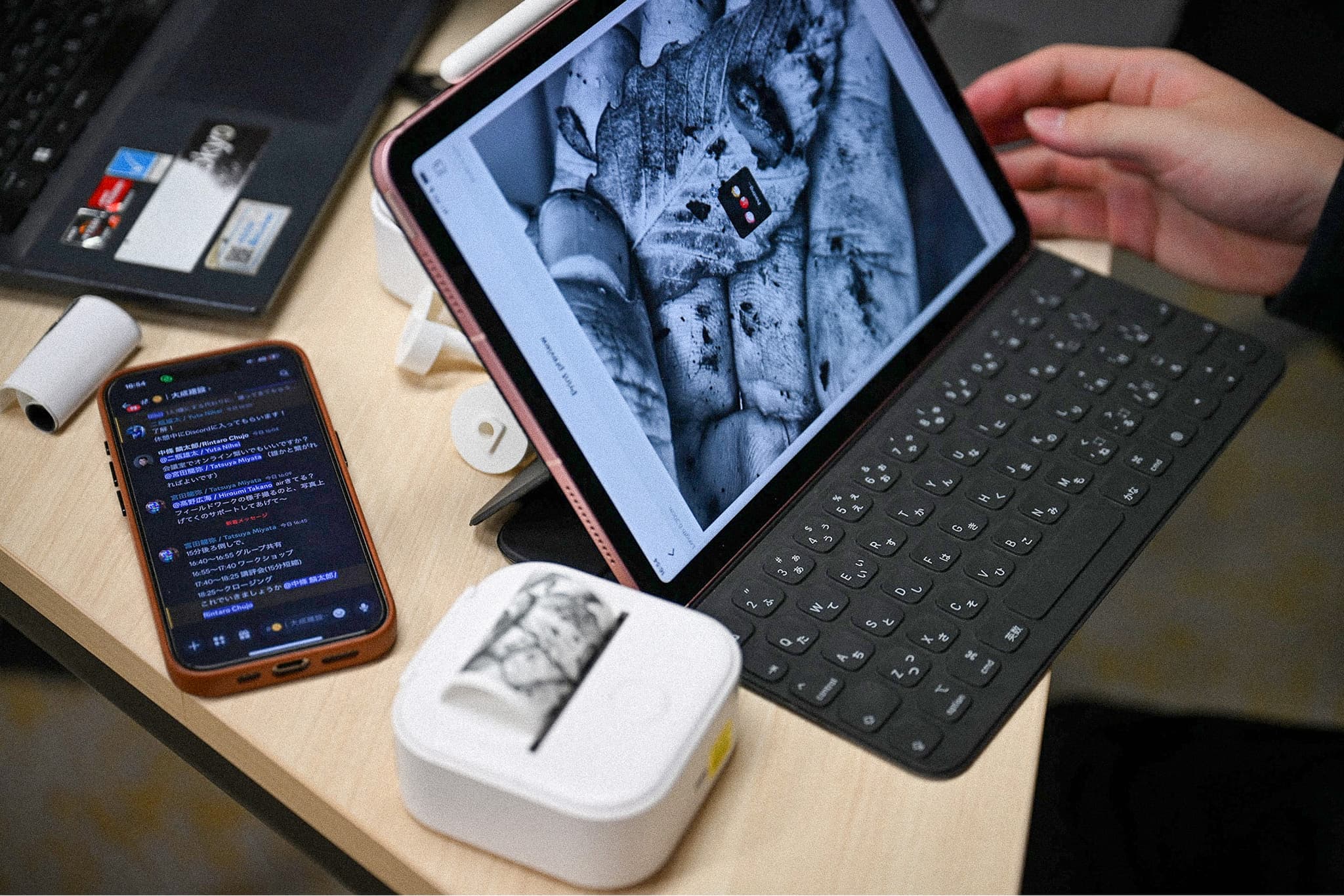
The “Memory Camera” isn’t just an app for taking photos; it also automatically records 30 seconds of audio after a photo is taken, saving both the image and the audio together. I’d love to create a device that people can use while walking around town to continuously document the places they love in their neighborhood.
Based on this, I came up with the idea of using radio—an authentic audio medium—as a tool to spark dialogue across generations and neighborhoods. Using the act of listening to the radio and then sharing one’s thoughts as a metaphor, I hope to broaden everyone’s discussions, and I’m using radio as a means to stimulate and expand these conversations.
—Please tell us about the future relationship between humans and AI that you aim to achieve through this workshop.
I’m not interested in a scenario where generative AI decides everything, or where it merely offers suggestions to humans. Rather, I want to explore AI that treats what generative AI produces as nothing more than a starting point—one that humans use as a basis for discussion. Through this process, I hope to draw out human creativity and spur action.
In this workshop as well, generative AI will organize the photos and audio recordings taken by participants and process them into radio programs or archives, enabling us to handle a volume of information that humans alone could not process. If this leads to even a slight change in human decision-making or behavior, I believe it will demonstrate the value of using generative AI to gather and organize information.
Through workshops with people in the community, where we present various prototypes, I want to explore the role of AI as a catalyst for human creativity. Specifically, I want to explore: What is the ideal relationship between humans and AI? How can we effectively harness AI as a tool? And no matter how intelligent AI becomes, how should we design it so that we can still think for ourselves?
Credit
Related Works
REPORT
2025.08.26.