Living Lens Special Interview #2
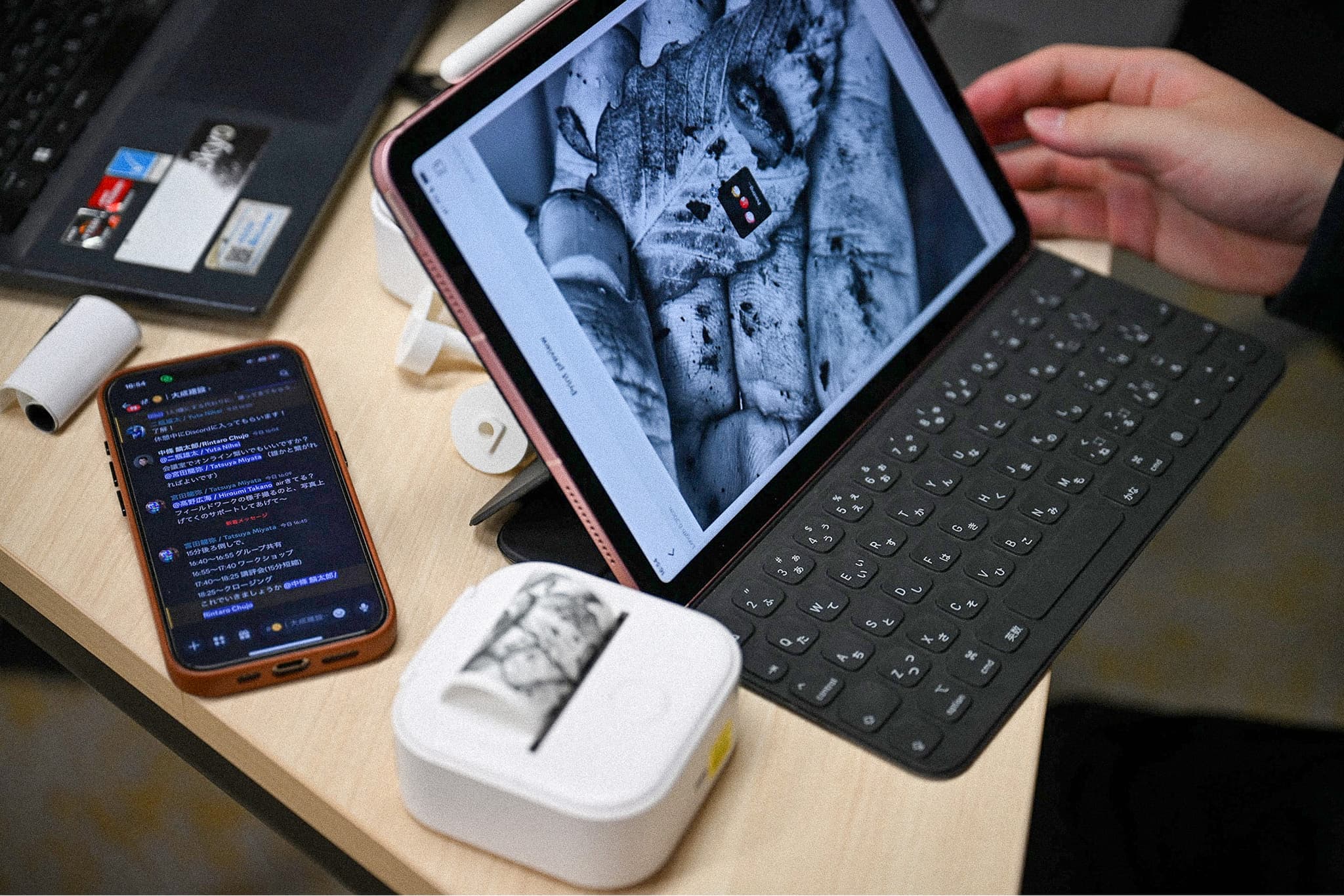
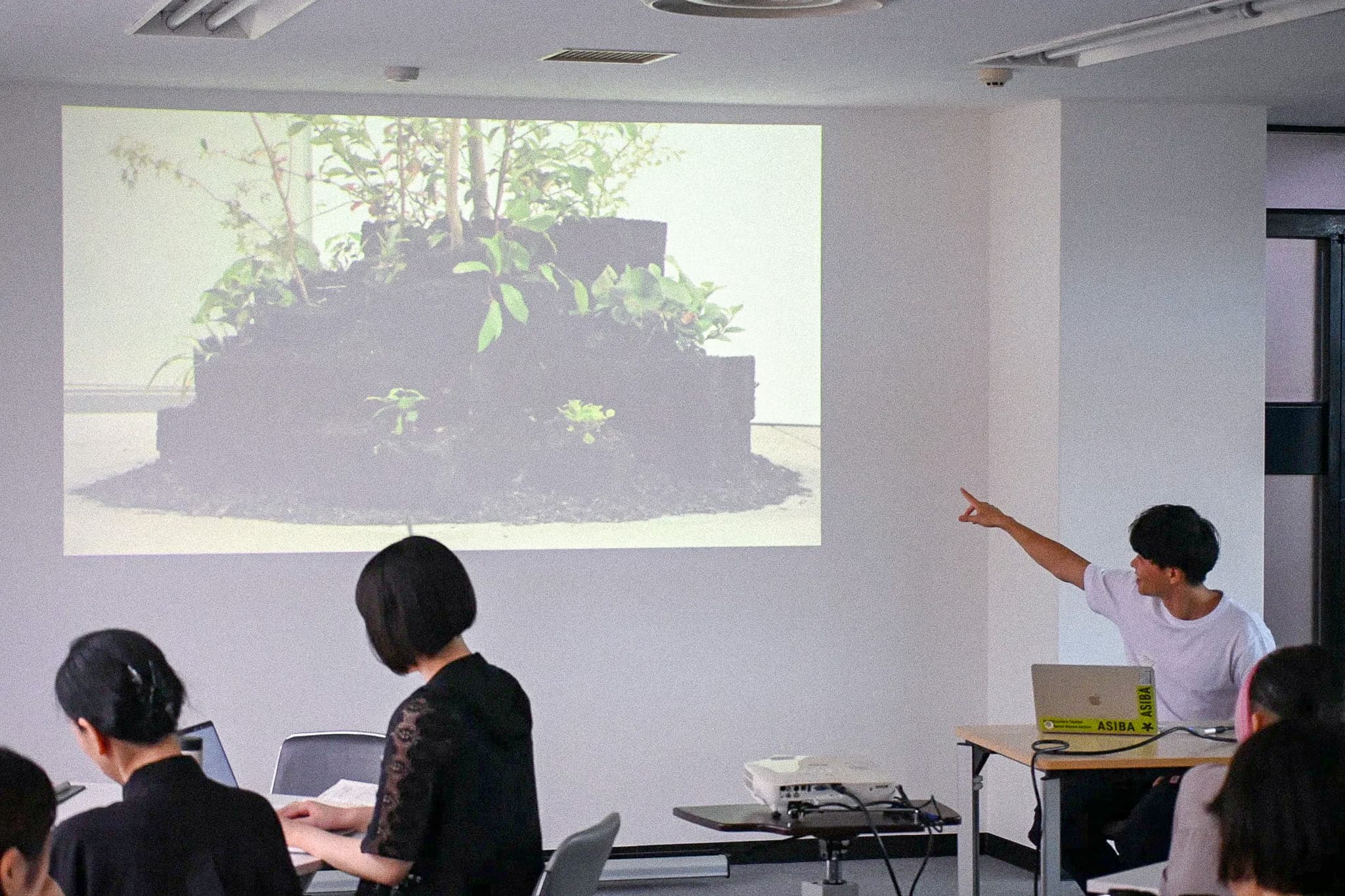
FIG.1
Rather than spending a lot of time and effort drafting a proposal, it’s faster to quickly build a prototype and test it out. With the evolution of generative AI, this approach to creation is likely to become the norm. Using AI to create what you want to make—what are some ways to use AI that enhance human creativity?
In this article, we interviewed Rintaro Nakajo, a doctoral student in the second phase of the Ph.D. program at the University of Tokyo, who is conducting research on human communication and creativity using prototyping and generative AI.
Interviewer: Could you tell us about your current area of specialization, Mr. Nakajo?
Nakajo: I am currently a doctoral student in the Graduate School of Interdisciplinary Information Studies at the University of Tokyo, and my research focuses on human communication mediated by computers—specifically, Human-Computer Interaction (HCI).
Interviewer: I’m not very familiar with the field of HCI—what exactly do you do in this area?
Nakajo: I think people today use video conferencing and chat as a matter of course, but our communication is unconsciously and significantly influenced by the media and tools we use to convey information. For example, when people communicate via chat tools, even if the message content is identical, the way the message is displayed—such as changing the frame to various shapes of speech bubbles—can alter how emotions are conveyed online, leading to differences in communication.
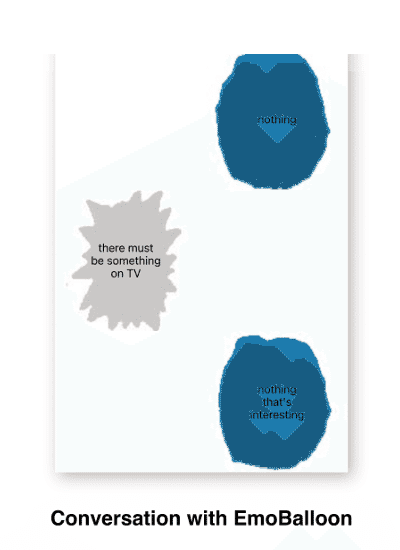
FIG.2
How can we creatively utilize new media and tools, and how will that change communication and human interaction? That is my main research question.
Interviewer: How does that field of research relate to generative AI, which is the topic of this discussion?
Nakajo: There is another major theme alongside human communication. It is the question of how new technologies can enhance human creativity. It’s often said that AI will replace human creative acts, but I believe that by allowing people to focus more on what humans should inherently be doing, creativity will actually increase.
For example, before a company launches a new service, it used to be standard practice to conduct thorough market research, draft proposals, and—above all—allocate vast human resources to development before actually creating the product.However, the most important aspect of bringing new ideas to life is the iterative process—that is, actually trying out what you’ve created, having others use it to gather feedback, deepening your insights, and then refining the product based on that feedback.
It’s a back-and-forth between questioning and practice. In the field of research, it’s often said that while AI can formulate theories, it cannot perform the experiments on our behalf.
I believe the same applies to Nakajo Design, business creation, and research alike. Today, AI can create not only CG renderings and preliminary product designs but even business proposals for new ventures and scientific theories. We humans, too, used to create paper prototypes in this way, discussing the pros and cons while visualizing the final product in advance. However, the challenge was that, no matter what we did, the reality always differed from what we imagined in our minds.
In that regard, AI is an extremely useful tool for creating initial drafts at low cost. We can then deliver those to users or test them in the field and reflect on the results.I believe that by dividing the roles between humans and AI in the product development process, creativity can be enhanced to an unprecedented degree. In fact, in the startup sector, the speed of innovation has multiplied many times over by leveraging this kind of rapid prototyping.
Interviewer: I see. So this event will also be focusing on that aspect, right?
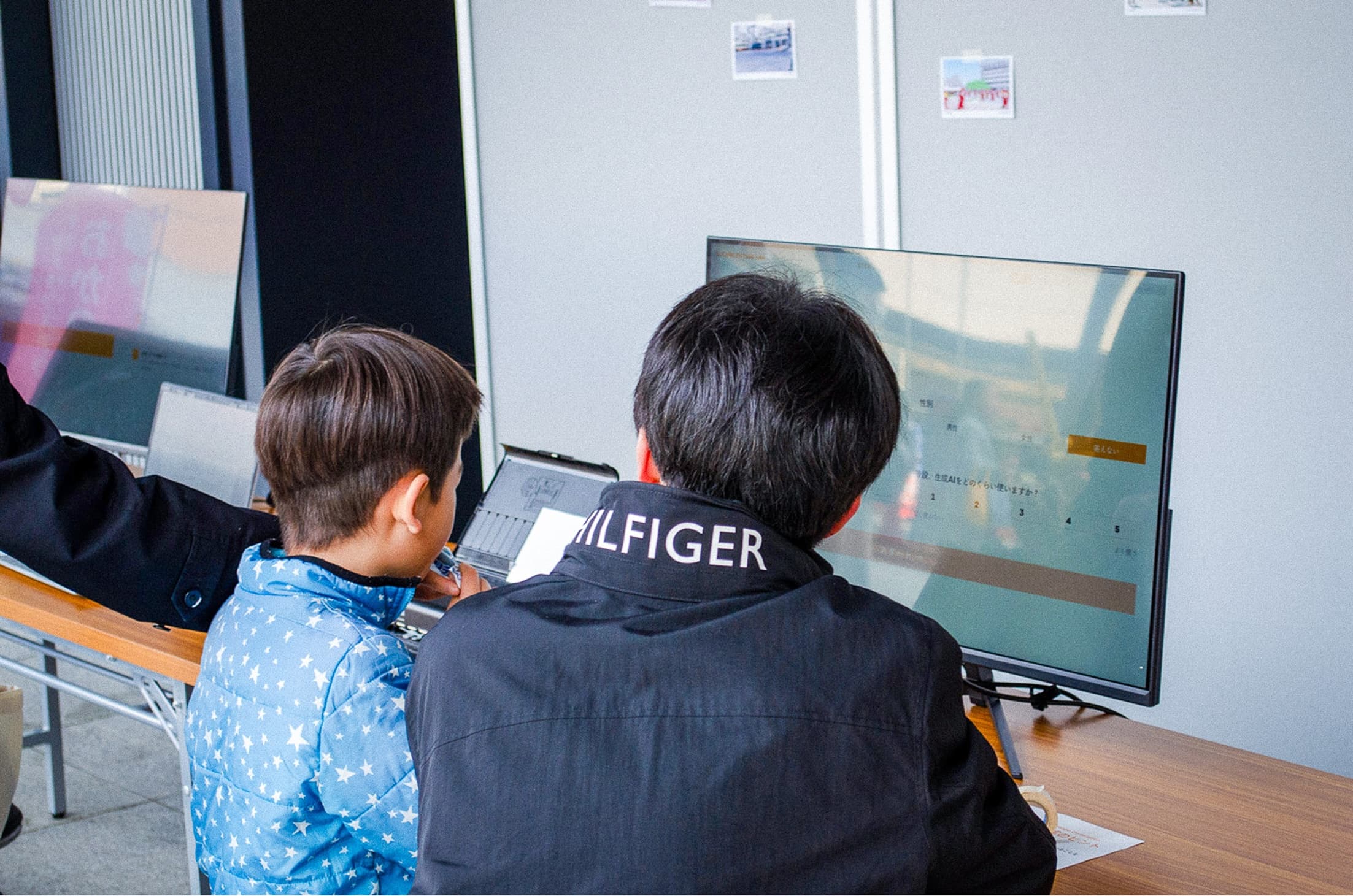
Nakajo: That’s exactly right. First, we’ll use a tool called “v0”—which allows you to create web apps without coding—to help everyone quickly bring their ideas to life. On top of that, the fact that we have an actual field setting this time is a key point.By taking the apps you’ve created out into the field and actually using them together, you’ll be able to get feedback on whether your ideas are on target and whether the implementation is appropriate for your concept.
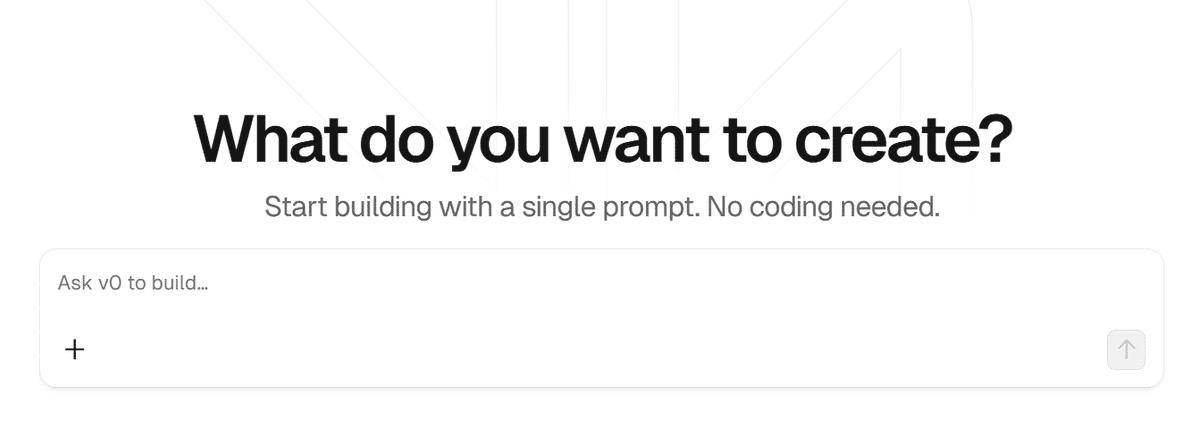
FIG.3
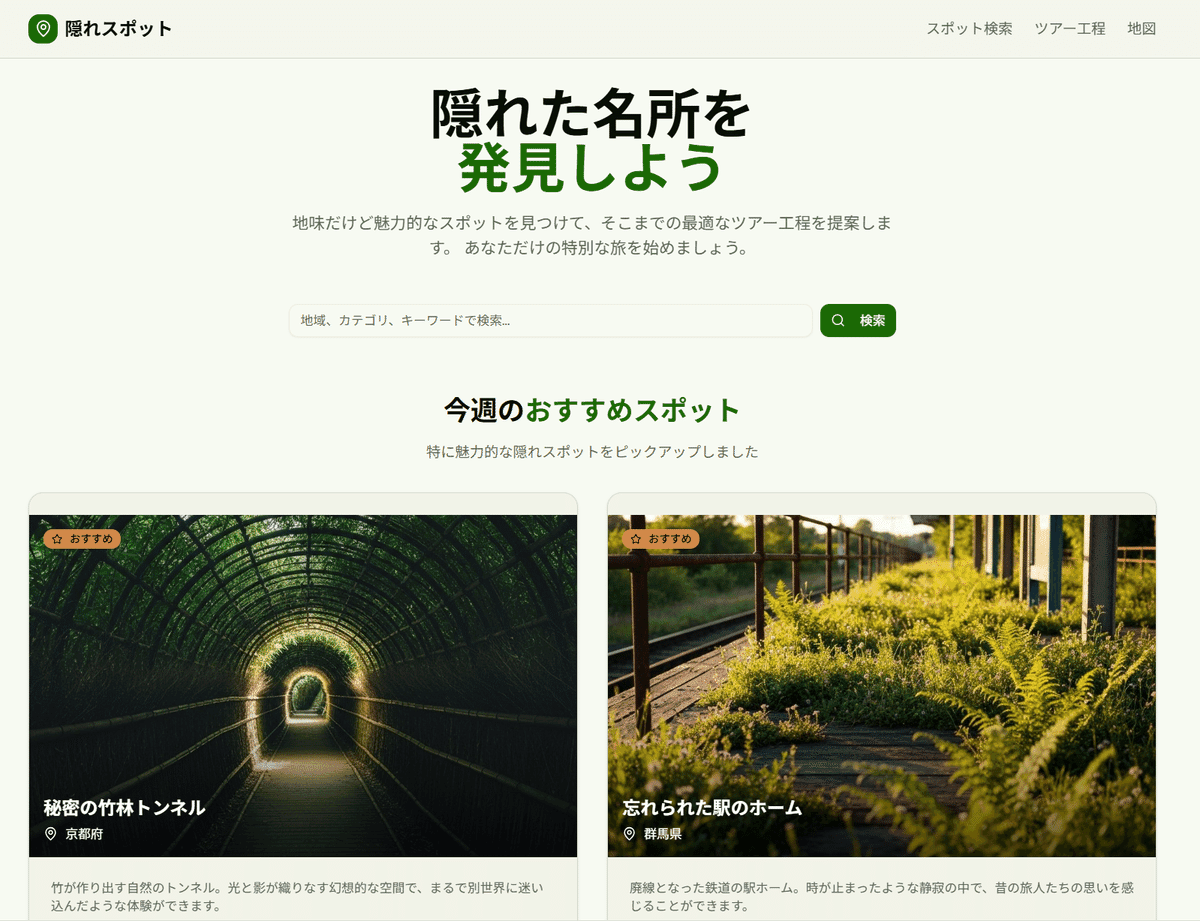
FIG.4
Interviewer: That sounds interesting. What’s the theme for the projects you’ll be creating this time?
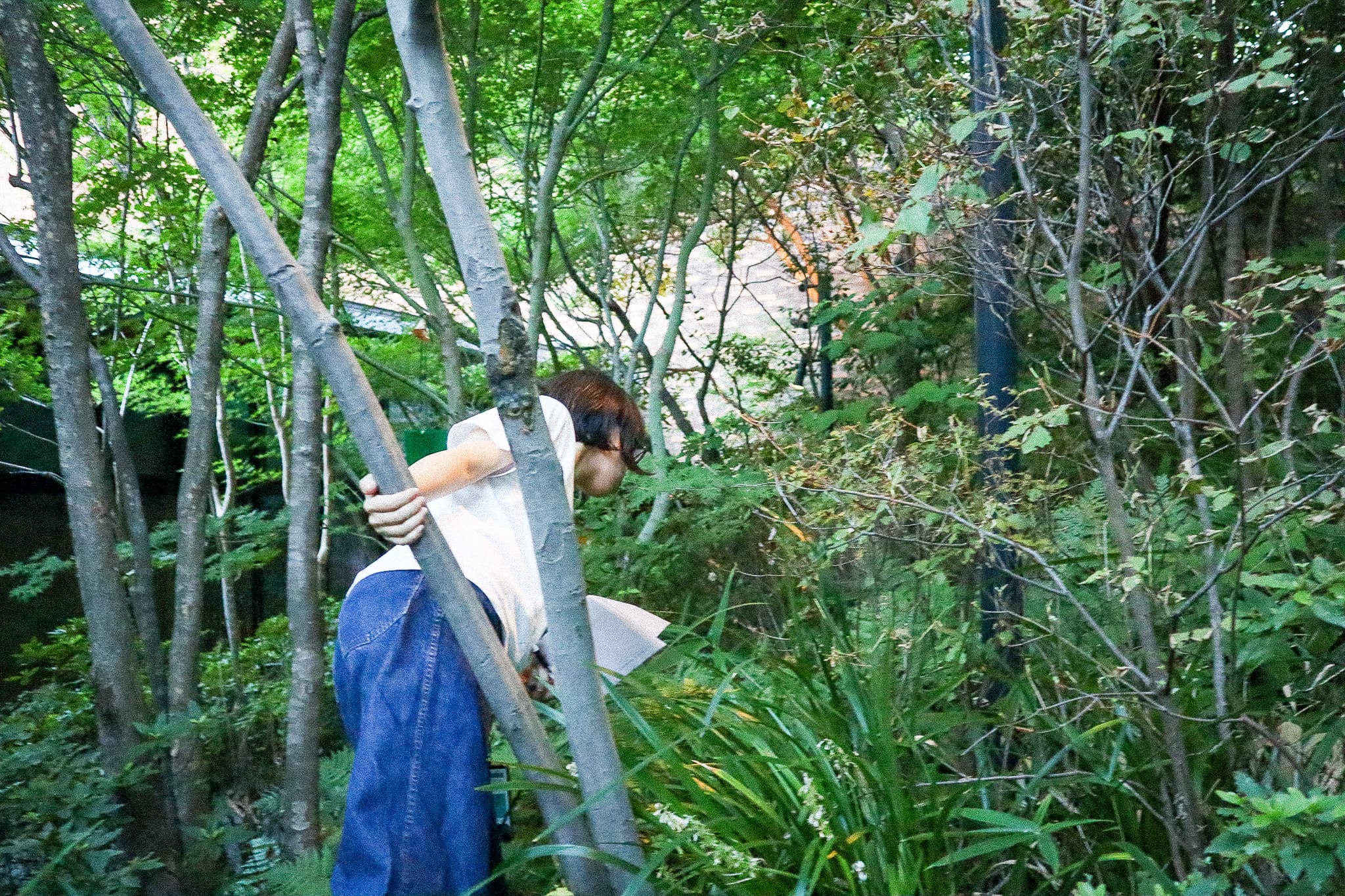
Nakajo: The theme this time is biodiversity. That said, we’re not just focusing on the ecology or number of species; rather, the focus is on “how to make the points where humans and living things intersect as interesting as possible.” We’ll be focusing on how humans and living things can live together happily within the city. This event is the third installment of the ongoing series “Introduction to Urban Design Created Together with Living Things,” which has run for two sessions so far, and I’m hoping to see even more insightful creations based on the knowledge gained thus far. That said, participants joining for the first time in this third session are also very welcome.Whether you love wildlife and nature or simply want to try creating something with AI, this event is designed to be enjoyable for everyone, so please join us!
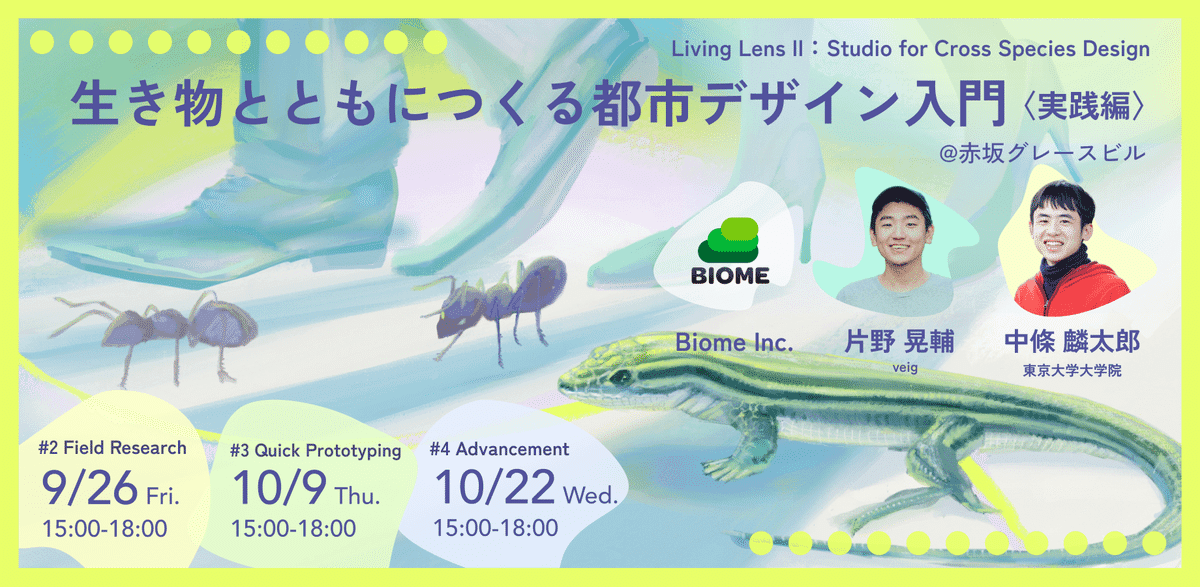
FIG.5
INTERVIEW
2025.06.08.