Living Lens Report #1
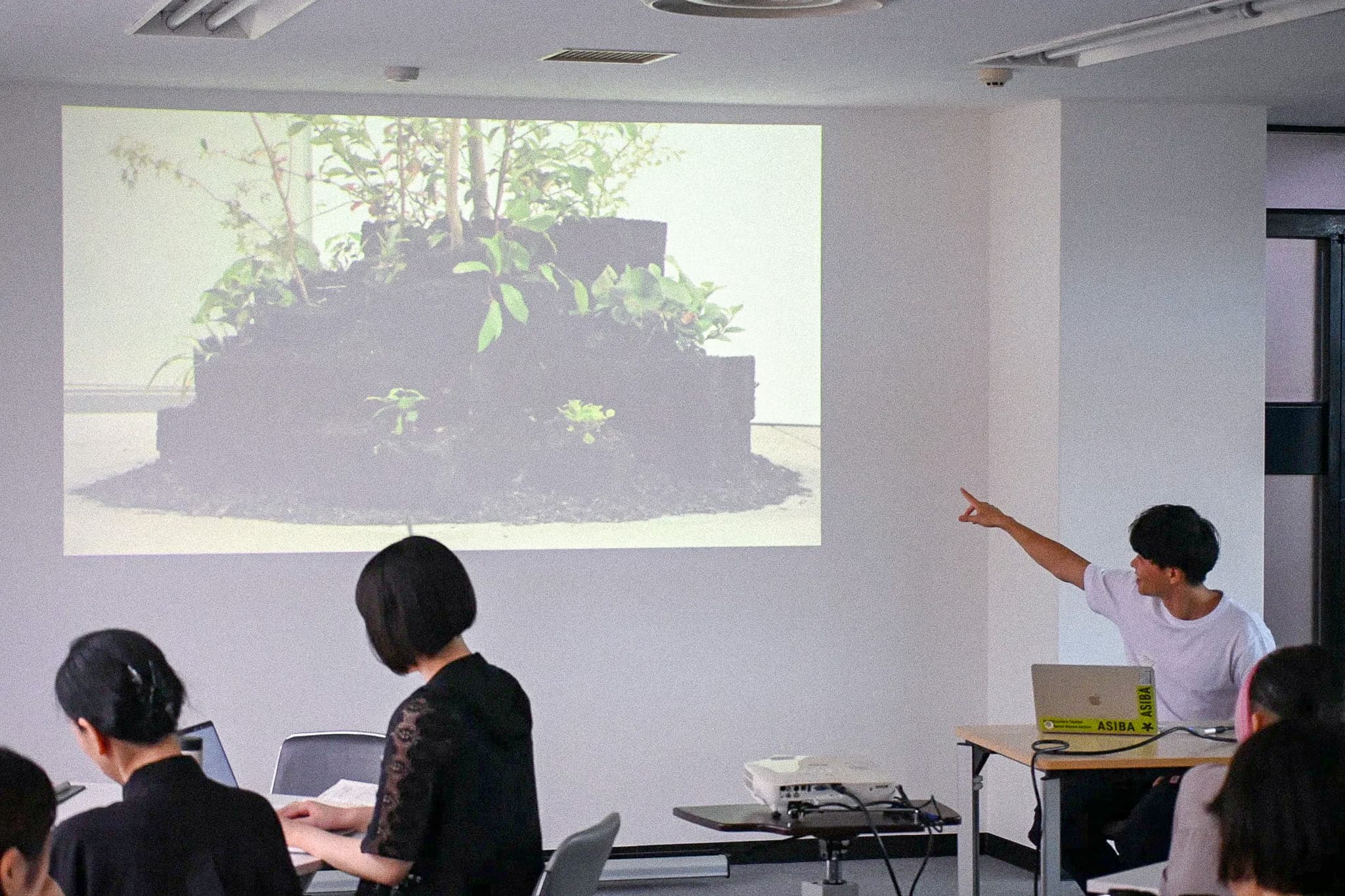
FIG.1
The General Incorporated Association ASIBA (Representative Director: Yuta Nihei), in collaboration with Nippon Steel & Sumitomo Metal Real Estate Co., Ltd. and Taisei Corporation, is offering a four-part series titled “Introduction to Urban Design from the Perspective of Living Organisms.”This article reports on the first KICKOFF event, held on Friday, September 11, from 3:00 p.m. to 6:00 p.m. Although an unexpected downpour struck one hour before the start, nearly 25 participants braved the slippery conditions to attend.
To begin, we invited Mr. Yuzo Okuda, Co-Representative of Poietica LLC and Research Assistant at Kyoto Institute of Technology, to lead the KICK-OFF talk session.
In a pre-event interview, Mr. Okuda had already touched on the limitations of reducing complex ecological systems to simple problems and focusing solely on solutions and optimization.Rather than solving problems objectively, his approach involves attempting to change the way we subjectively perceive and engage with nature. Mr. Okuda’s approach demonstrated a flexibility that reexamines the challenges arising from human intervention in nature and proposes alternative perspectives.
For example, in the case of “gangaze”—a sea urchin-like organism whose population is rapidly increasing due to coastal warming—he questioned the approach of relying solely on eliminating what is perceived as a nuisance to humans.Ganga-ze have sharp, poisonous spines and are a nuisance to local residents, hindering their use of the sea. Traditionally, local people have voluntarily crushed and eradicated them as part of ongoing efforts to control their numbers. In contrast, he proposed a product in which Ganga-ze are pulverized, molded into the shape of stones, and used for draining water.At first glance, it might seem that this simply returns the sea urchins to the marine ecosystem, but he argues that by incorporating the ritualistic (or playful) element of “water-draining,” a new relationship between people and sea urchins begins to take root.
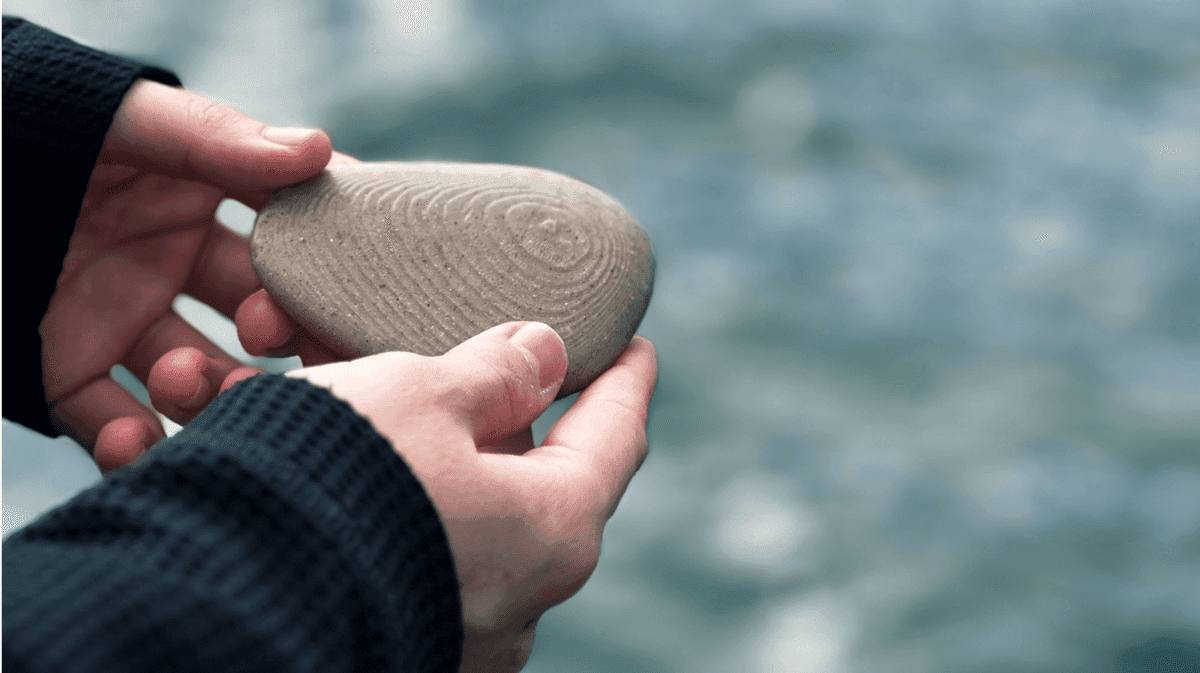
FIG.2
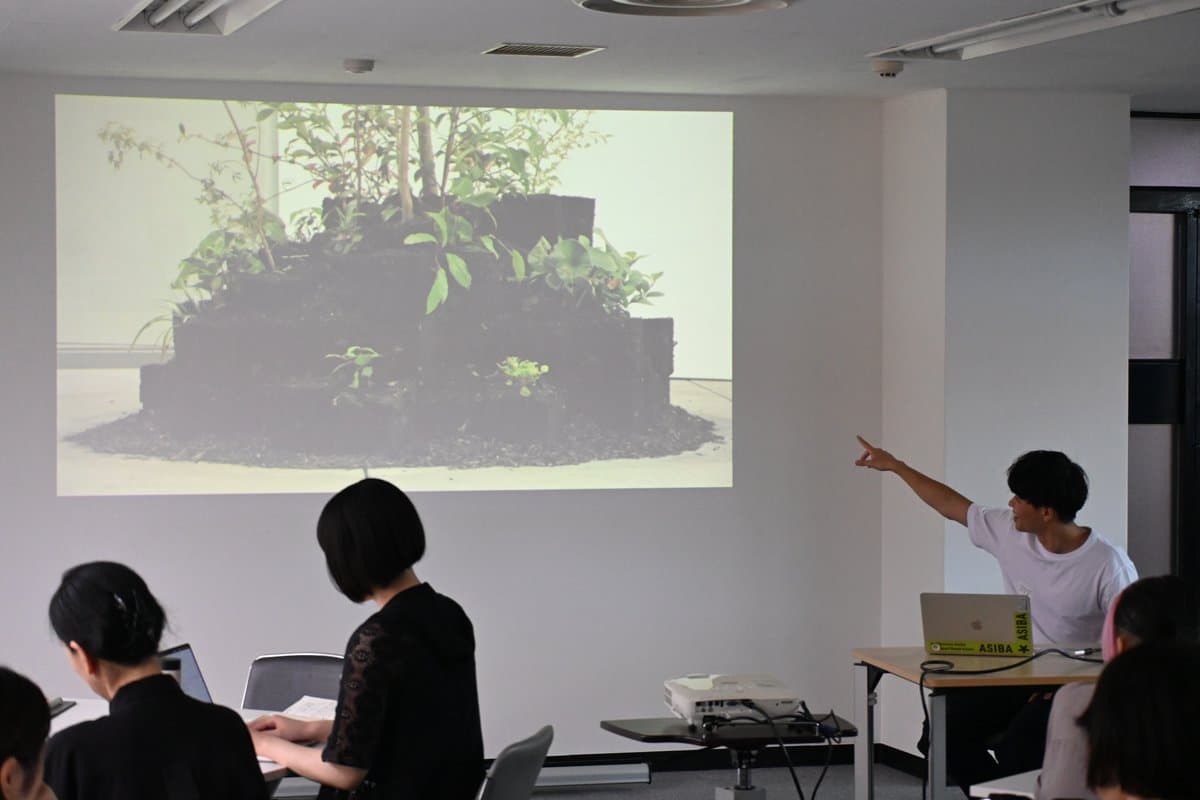
FIG.3
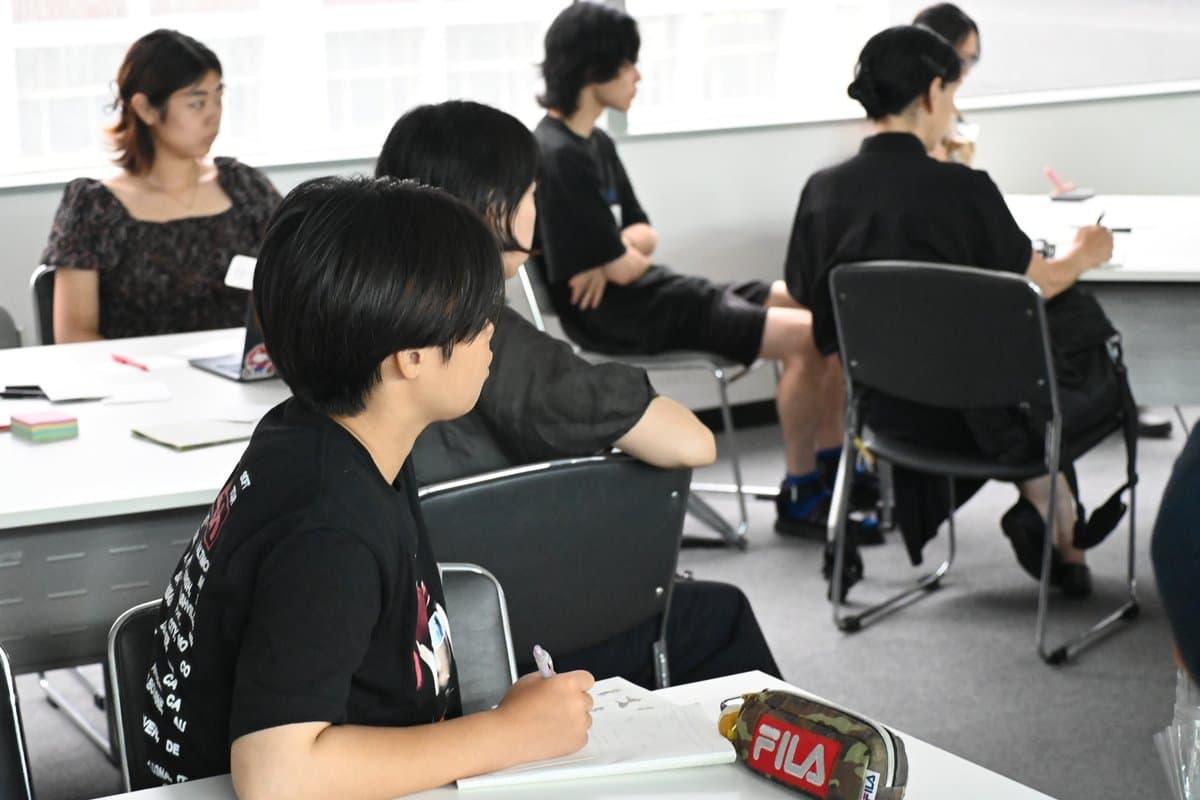
FIG.4
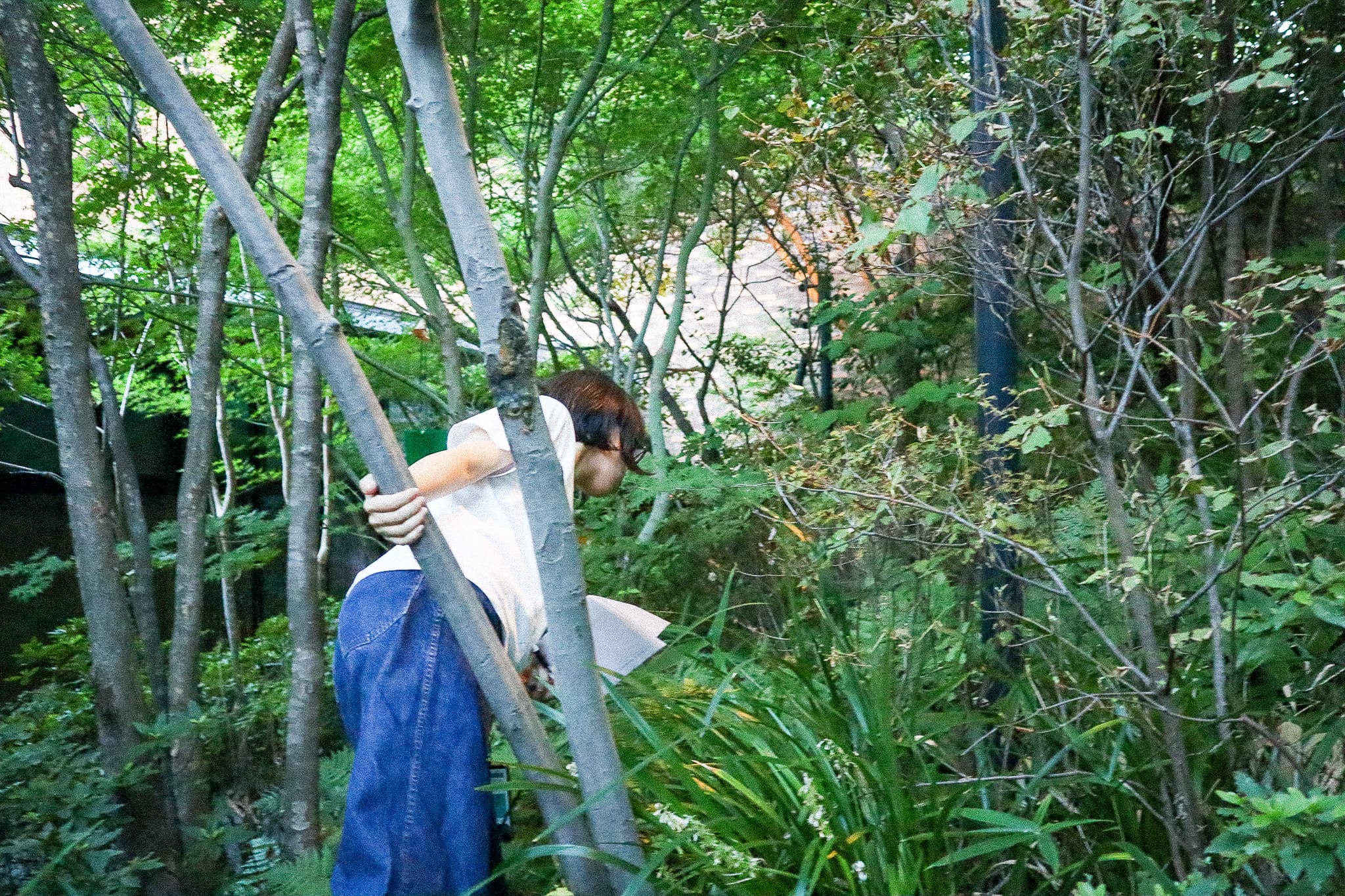
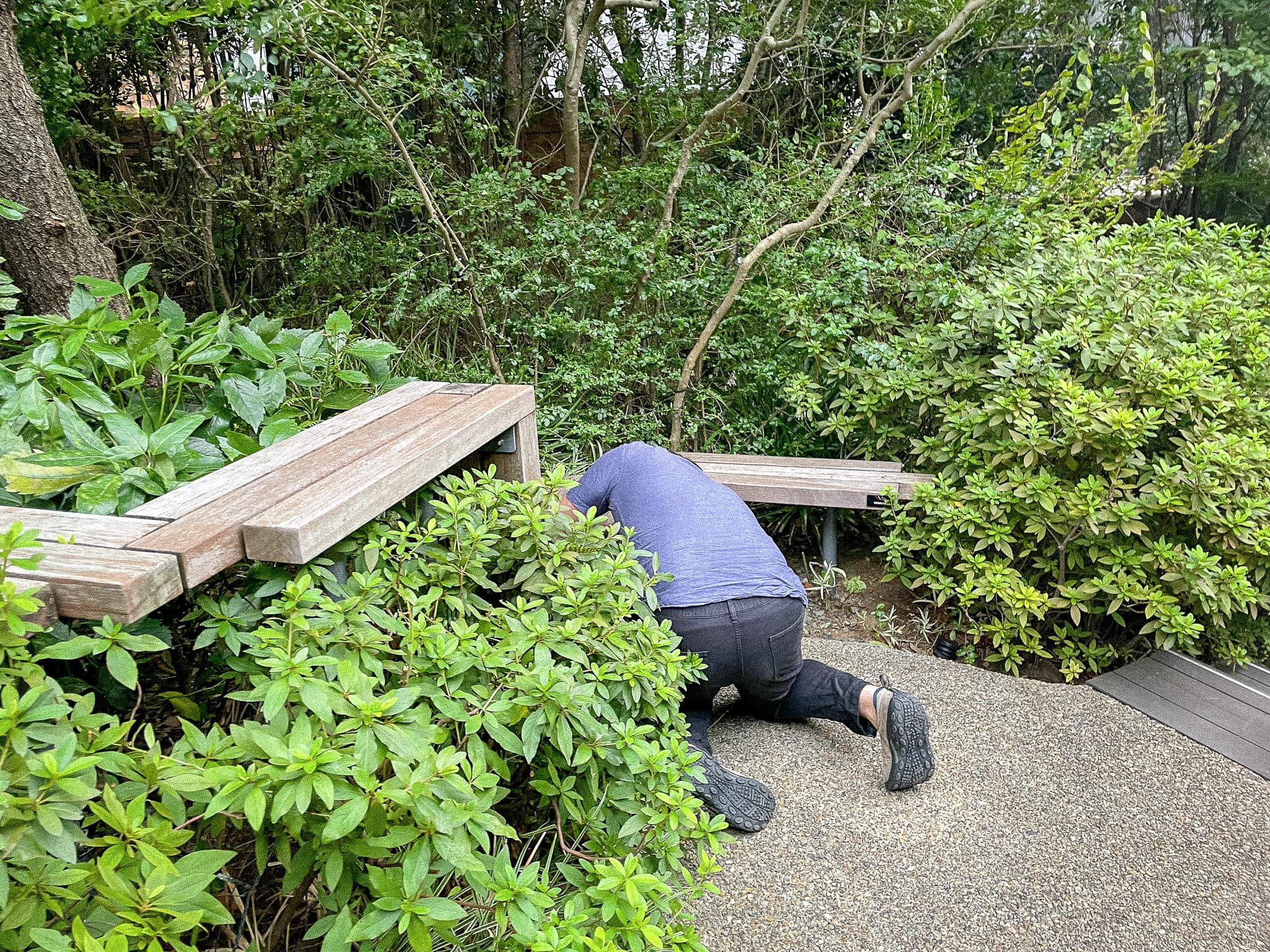
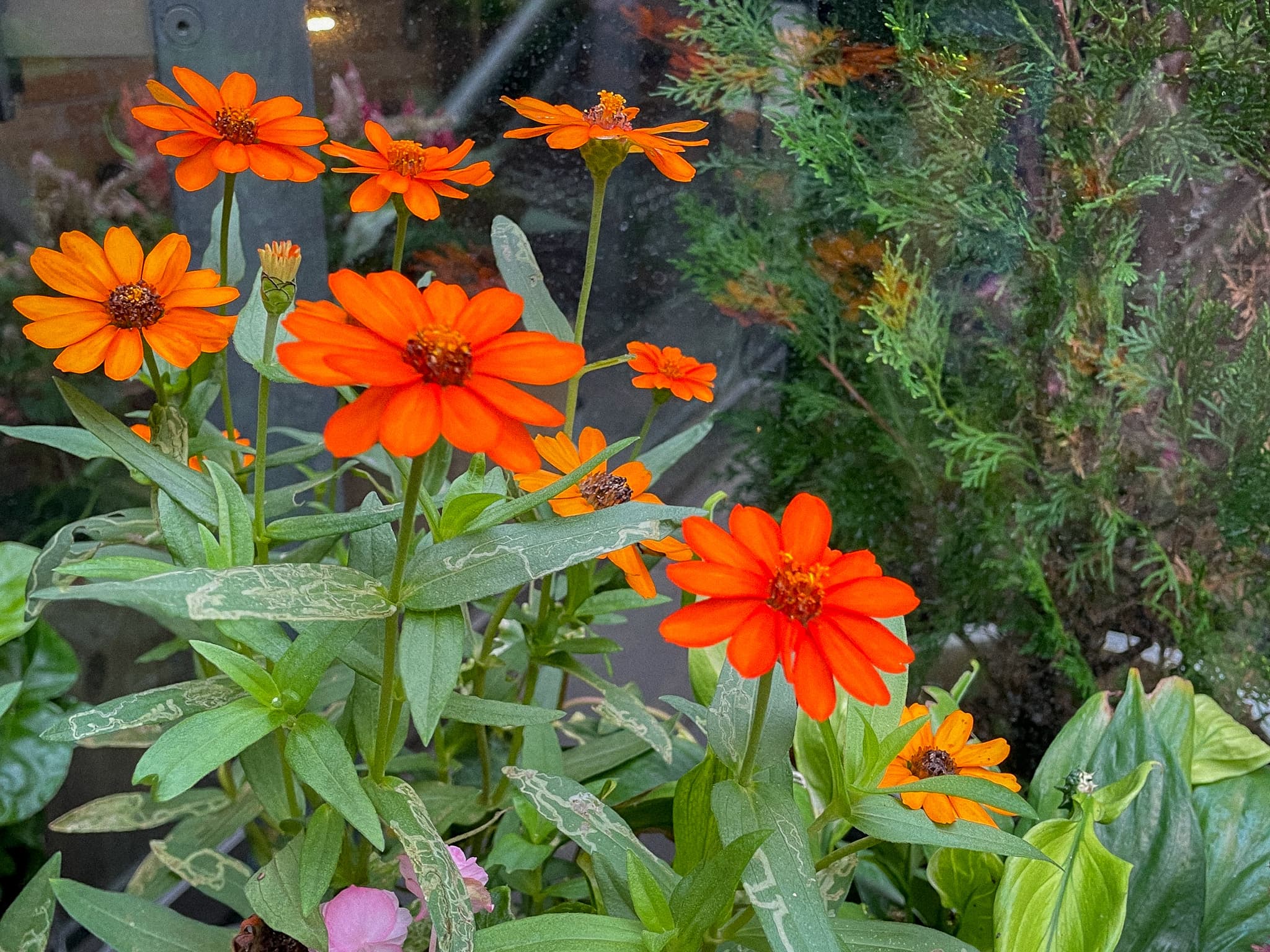
Toward the end of the event, the weather cleared up, and guided by a representative from Nippon Steel & Sumikin Real Estate, we walked along the greenway at Akasaka Intercity Air, the site featured in this program. Deriving its shape from the southeastern edge of a reservoir dating back to the Edo period, this site—despite being located in the heart of Tokyo, where large-scale buildings stand side by side—features over 5,000 square meters of green space, making it a key location for considering coexistence with living creatures in the city. It is home to many plant species rarely found in downtown gardens, and with mandarin orange trees planted in the courtyard, we gained a new appreciation for the site’s past initiatives and its unique charm.
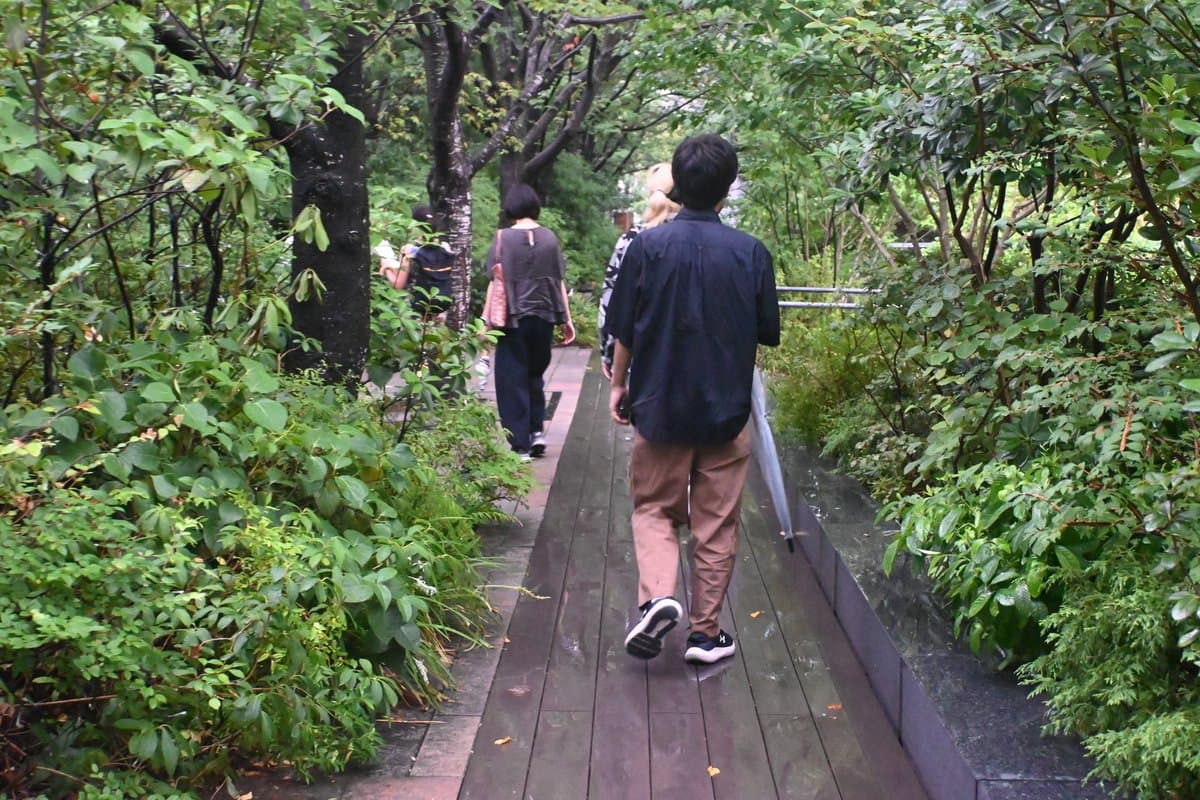
FIG.5
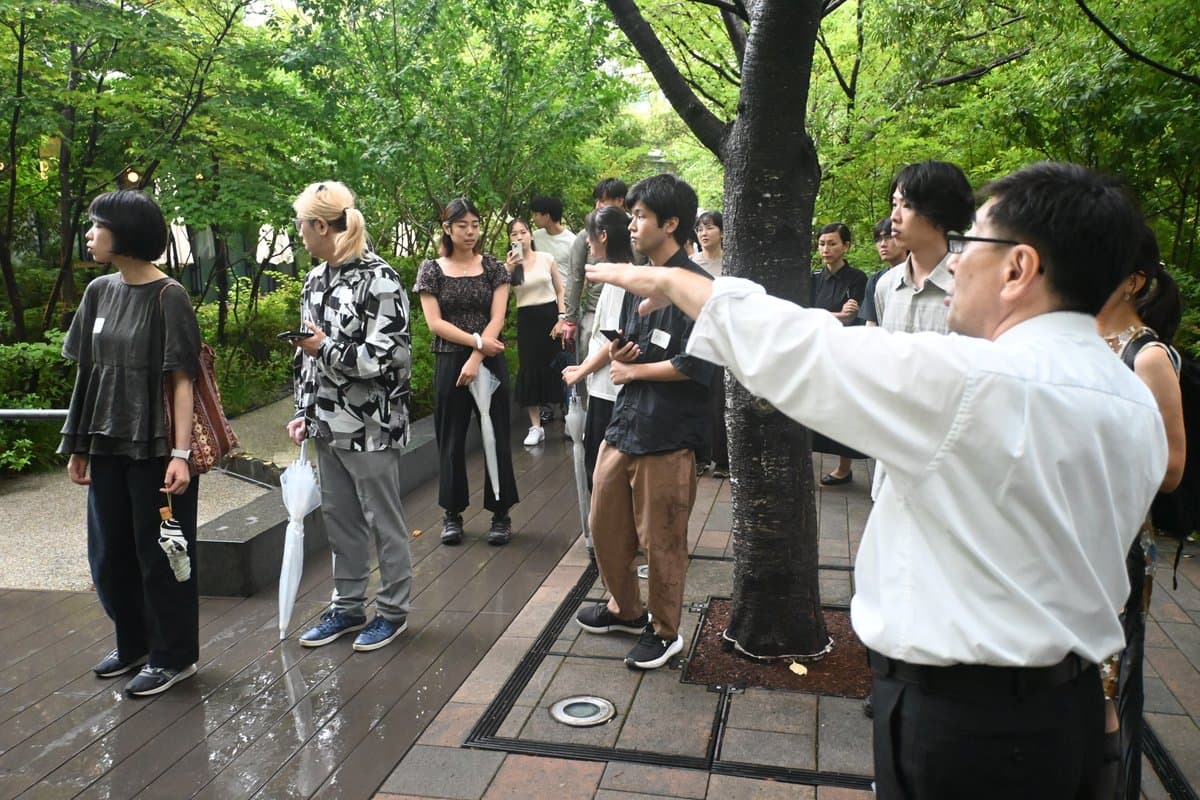
FIG.6
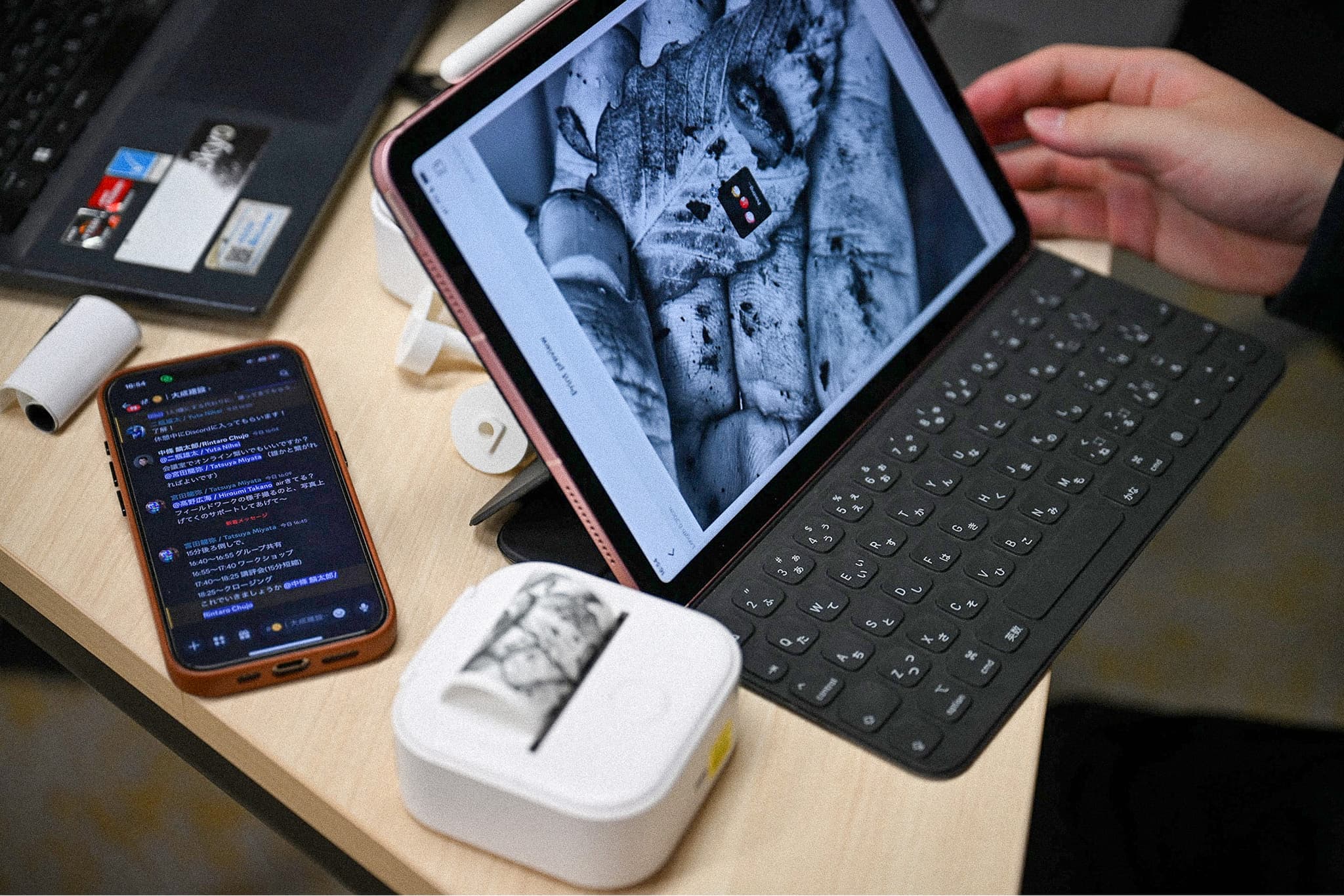
After the site tour, we held our first brainstorming session and discussion in line with the program’s theme.The prompt was: “What kinds of mechanisms or designs allow us to view the city from the perspective of other living creatures?” When it comes to any initiatives related to living creatures—such as biodiversity or nature-positive initiatives—we must never forget the fundamental premise that “humans and other living creatures see and feel things differently.”
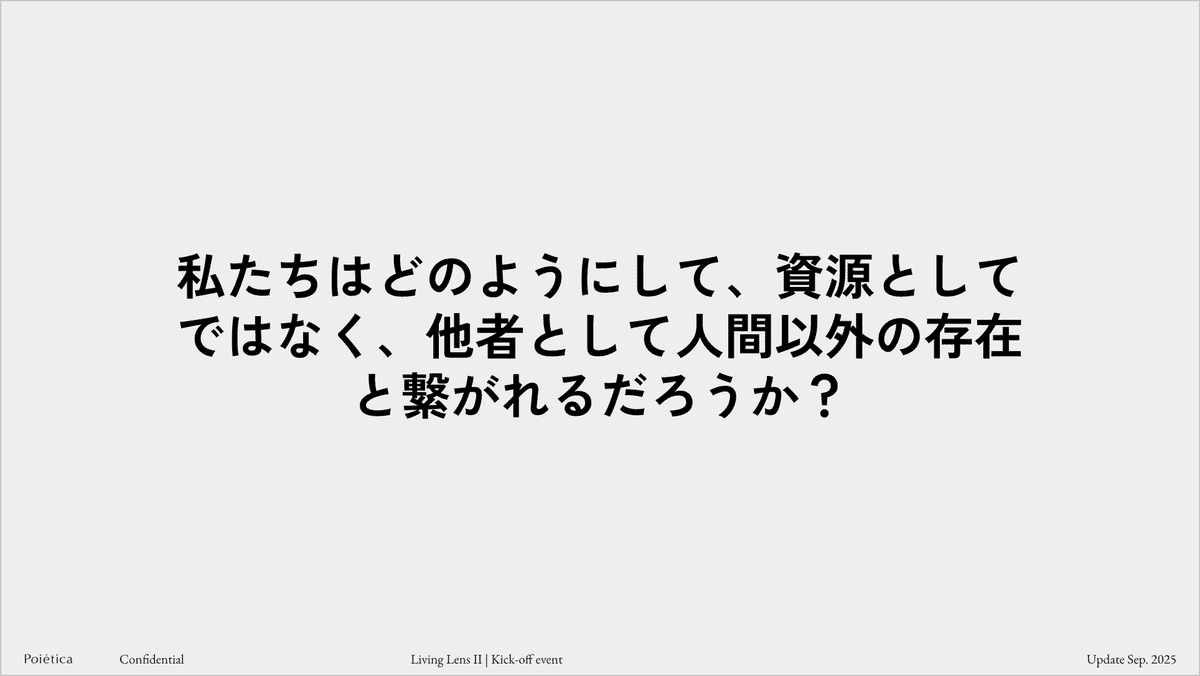
FIG.7
With this in mind, during this discussion, participants were asked to design “a catalyst to draw the attention of city dwellers to the obvious fact that living organisms and humans perceive the world differently.” While some participants expressed the view that it might be difficult to implement initiatives that take living organisms into account as long as human economic activity exists, various ideas were proposed regarding the potential to update our relationship with living organisms by changing human perceptions.
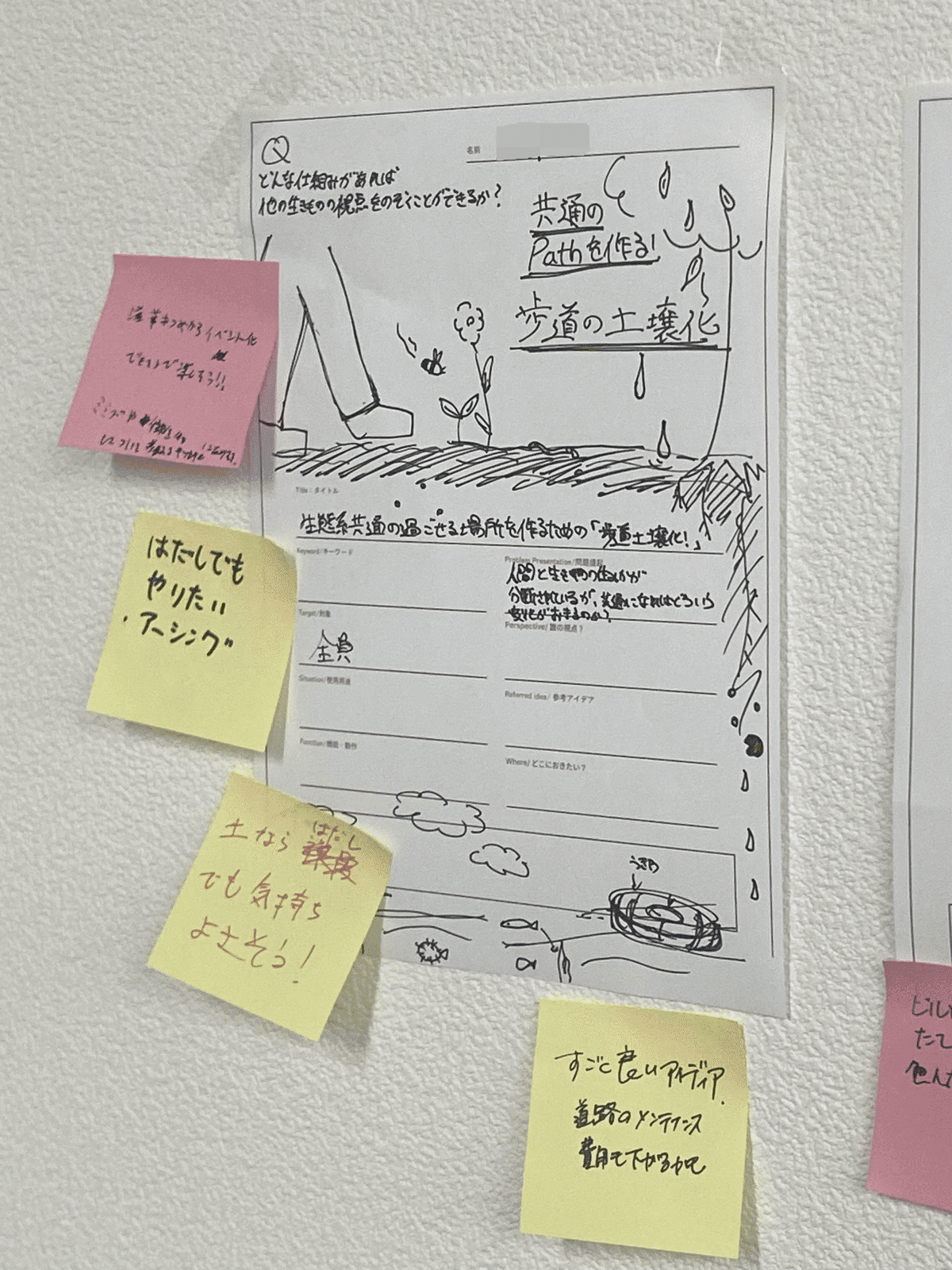
FIG.8
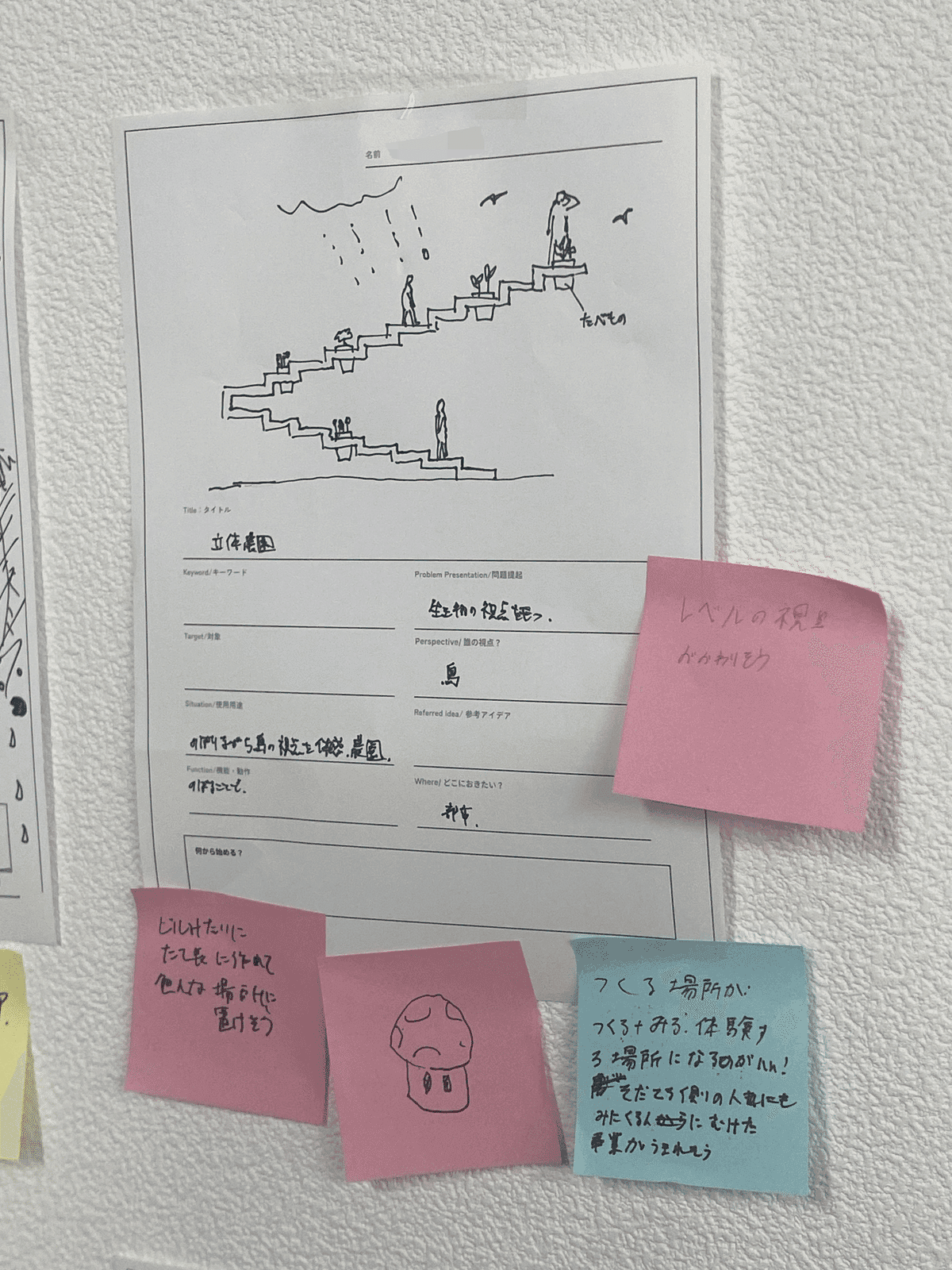
FIG.9
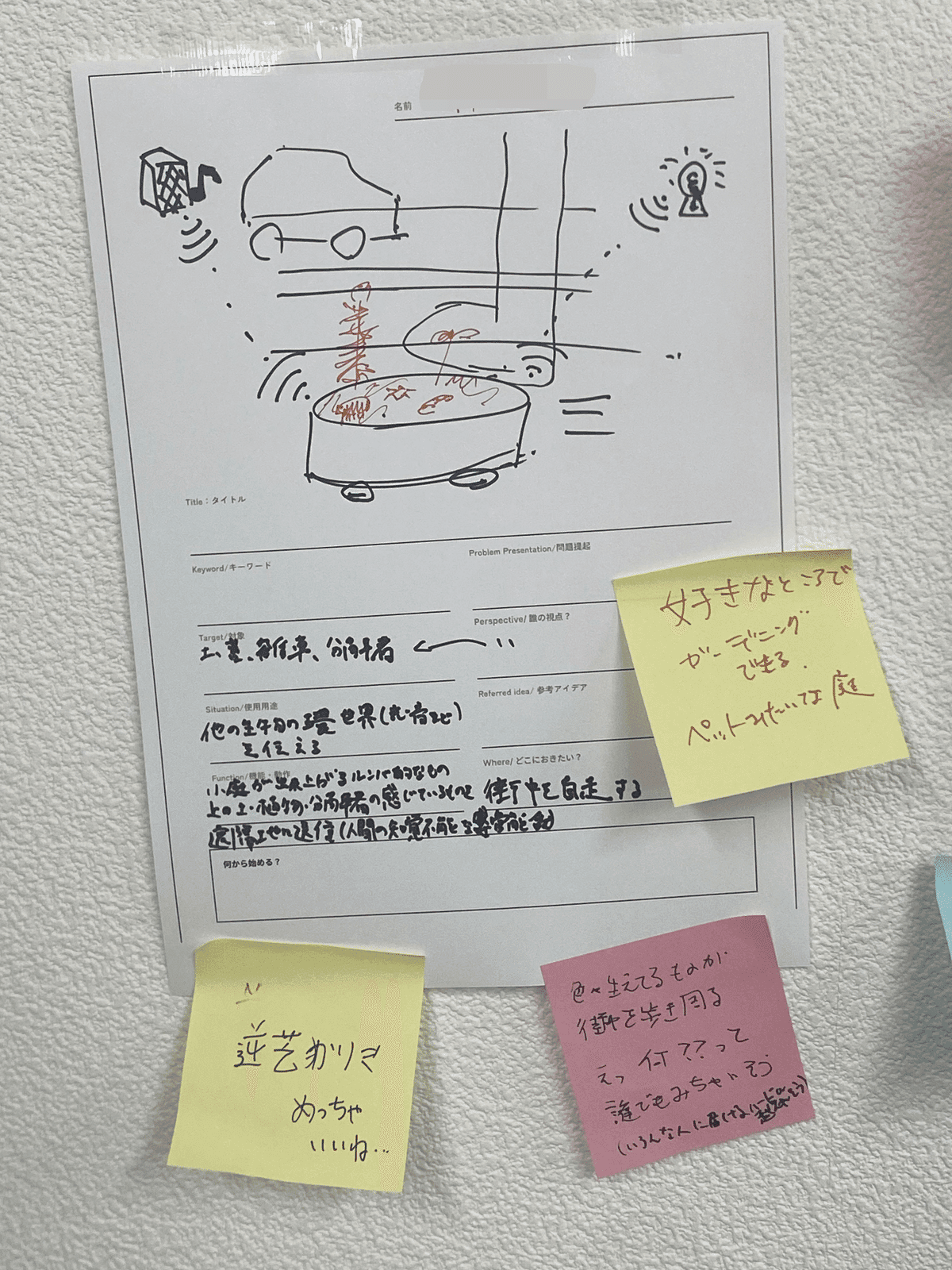
FIG.10
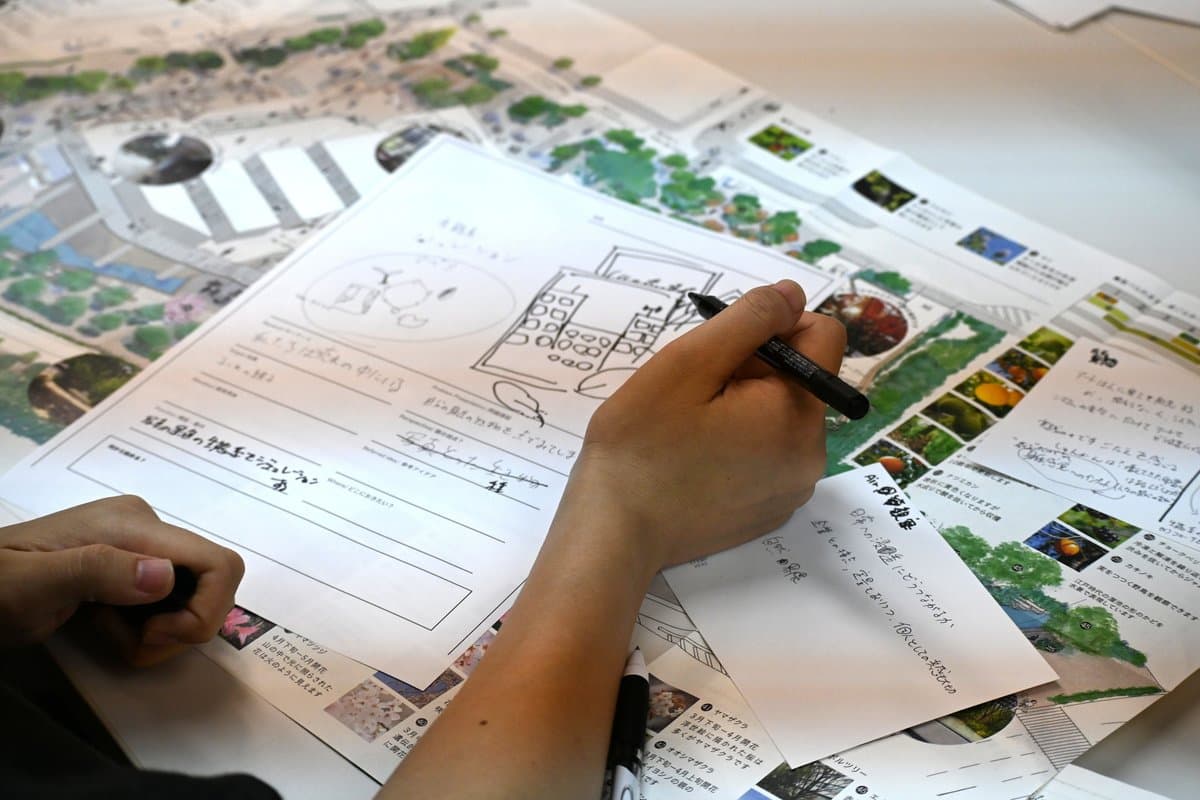
FIG.11
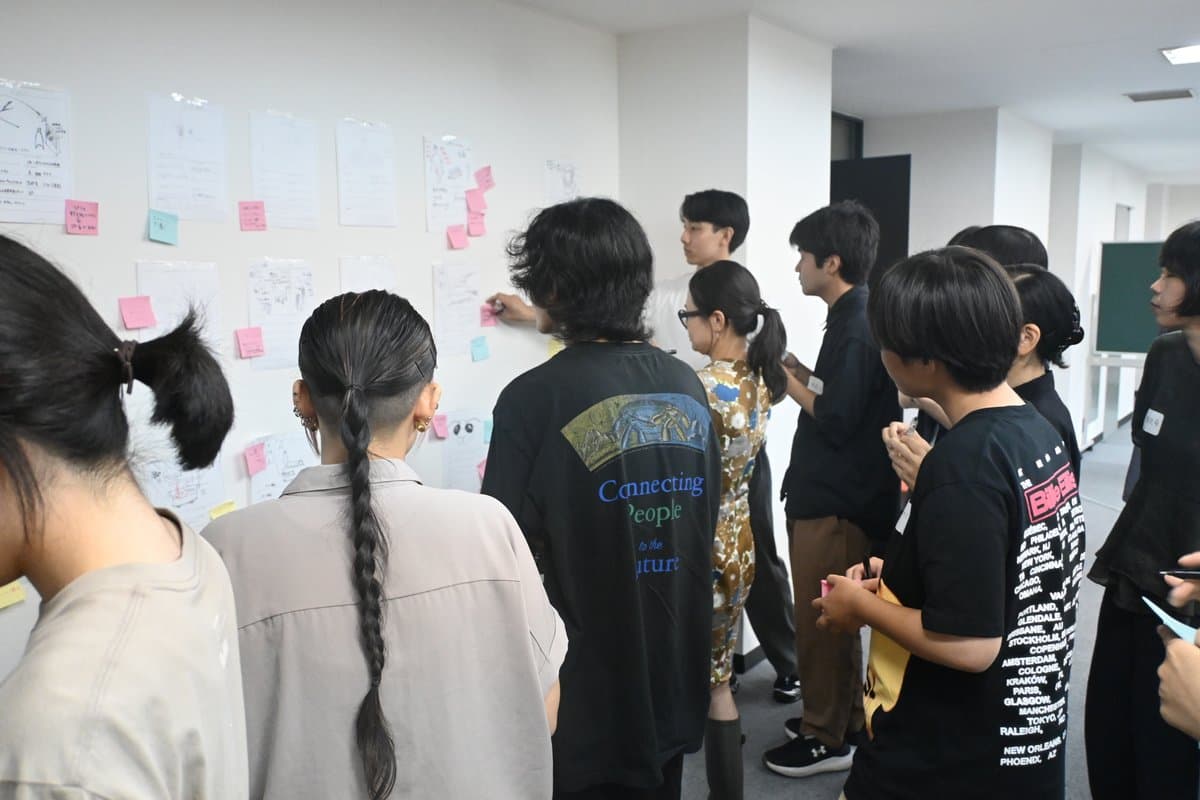
FIG.12
Building on the first KICKOFF Talk, Sessions 2 through 4 will focus on more specific details as we move into full-scale research and design.
#2 September 26, 3:00 PM–6:00 PM Field Research / Collecting Data | Exploring and researching the site’s context
#3 October 9, 3:00 PM–6:00 PM Collecting Data / Quick Prototyping | Compiling data and new insights to rapidly validate ideas
#4 October 22, 3:00 PM–6:00 PM Advancement | Developing the insights gained and translating them into concrete designs
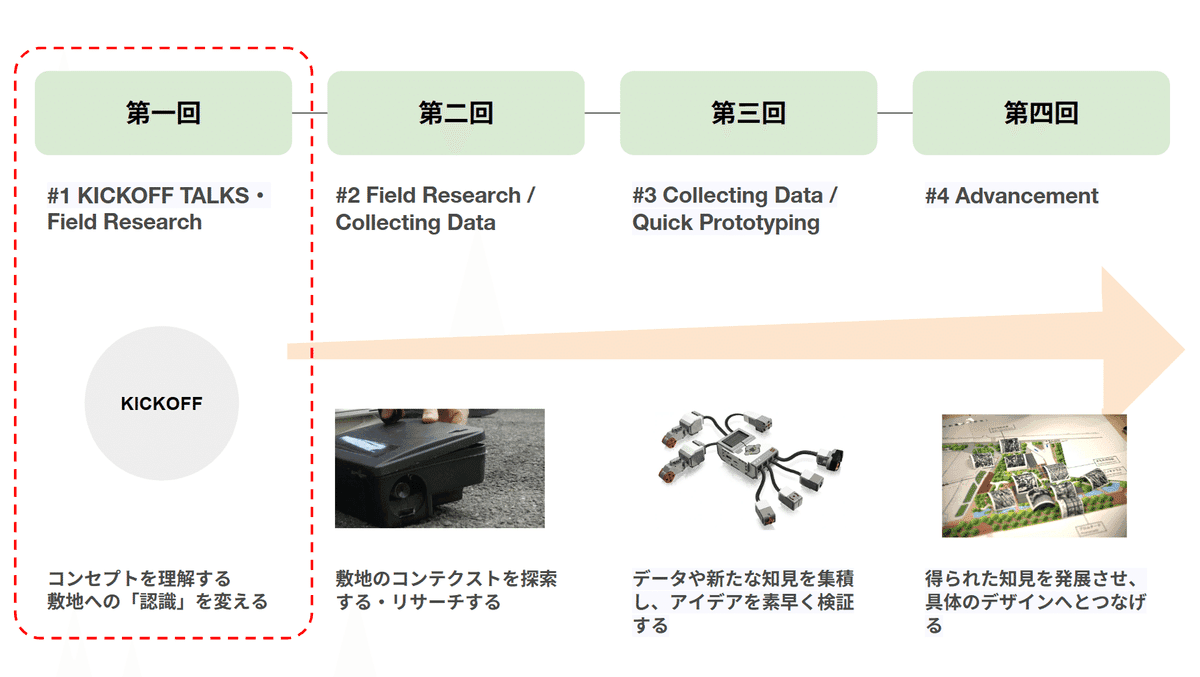
FIG.13
We begin by updating our perceptions through a “living organism perspective,” using this as a springboard to generate new designs. We also rely on quantitative and objective methods of expression to enhance the practical effectiveness of implementing these designs in the urban environment. In this program, guided by leading experts from various fields, you’ll experience a design process focused on biodiversity and inclusivity over a four-part series.
Special Interview: The Intersection of Ecology and Urban Design with Veig's Katano
Living Lens Special Interview #1
INTERVIEW
2025.09.20.