Living Lens Report #3
FIG.1
The General Incorporated Association ASIBA (Representative Director: Yuta Nihei) is co-hosting a four-part series titled “Introduction to Urban Design from the Perspective of Living Creatures” in collaboration with Nippon Steel & Kowa Real Estate Co., Ltd. and Taisei Corporation.This article reports on Session #3, which was held on Thursday, October 9, from 3:00 p.m. to 6:00 p.m.
To understand why “prototyping”—the core of this program—is necessary, insights from “Lean Startup,” a well-known business development methodology, are said to be helpful.
・Traditional Method (Waterfall Model): It was common to create a perfect plan, spend a long time developing the product, and then—upon release—find that no one used it, resulting in failure.
・Build-Measure-Learn: By repeatedly coming up with ideas, creating a minimal viable prototype, and having customers try it out, you can create something customers truly want.
Rather than holding onto ideas, it is critically important for a startup’s business strategy to implement them as quickly as possible without striving for perfection and to iterate through hypothesis testing in short cycles.
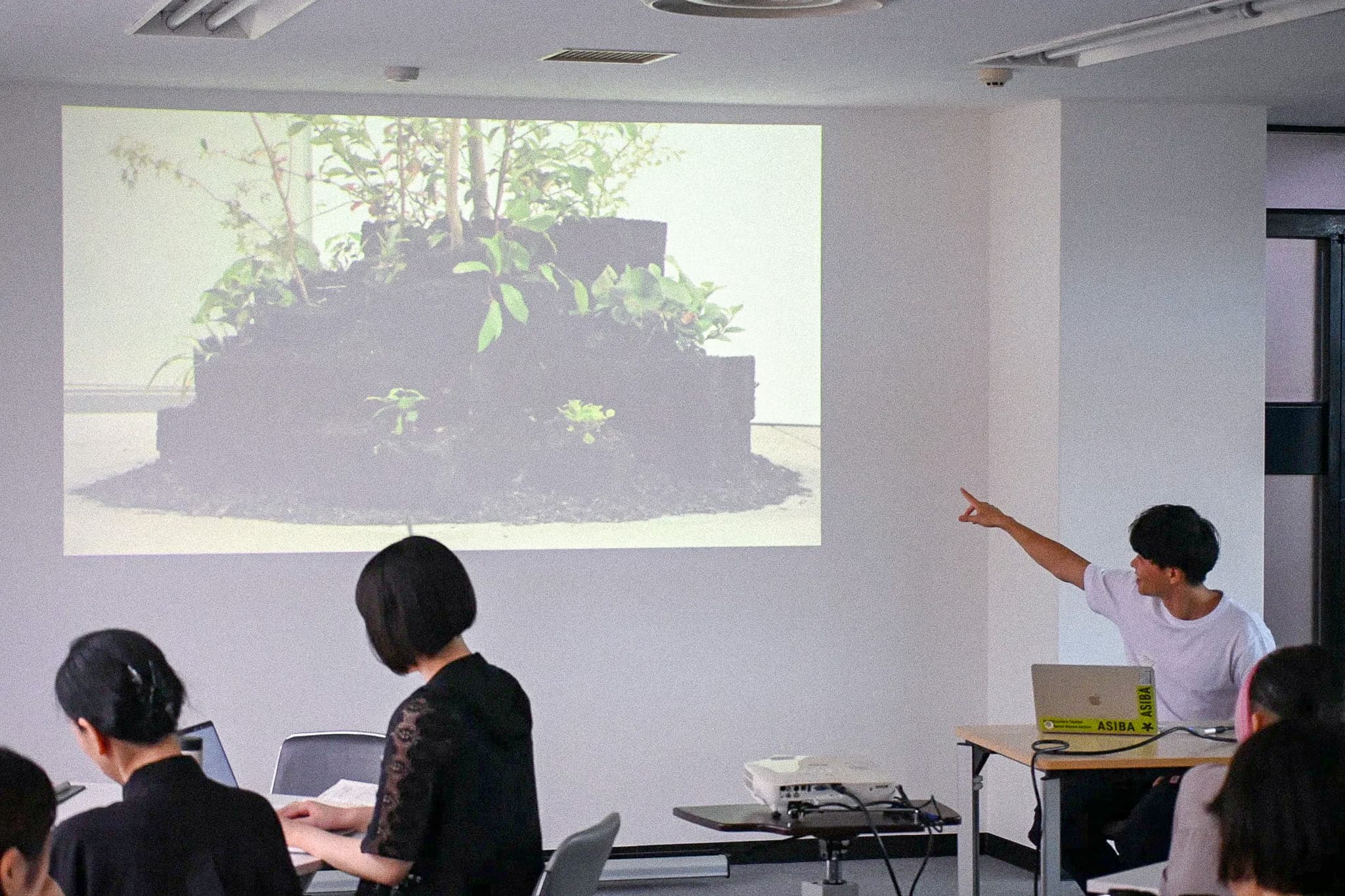
That said, the applications of this prototyping approach extend beyond business development. Mr. Nakajo is a doctoral student at the University of Tokyo researching interaction design and has undertaken numerous projects and creations to date.
For example, one of Mr. Nakajo’s creations, “PaperDive,” is an app that, when you enter a keyword, generates a brief summary of a paper and a chain of related papers. He says this app—which presents a new method for surveying prior research—was also created using “V0,” a prototyping tool.
It’s a new way to explore academic papers. We’ve created “PaperDive,” a tool that lets you discover an infinite number of papers to read next—starting from a single paper—each accompanied by a one-line AI summary! It makes literature reviews lightning-fast. Researchers and graduate students, check it out!!https://t.co/dVxFk3gbGq pic.twitter.com/YYk6fvUk8k
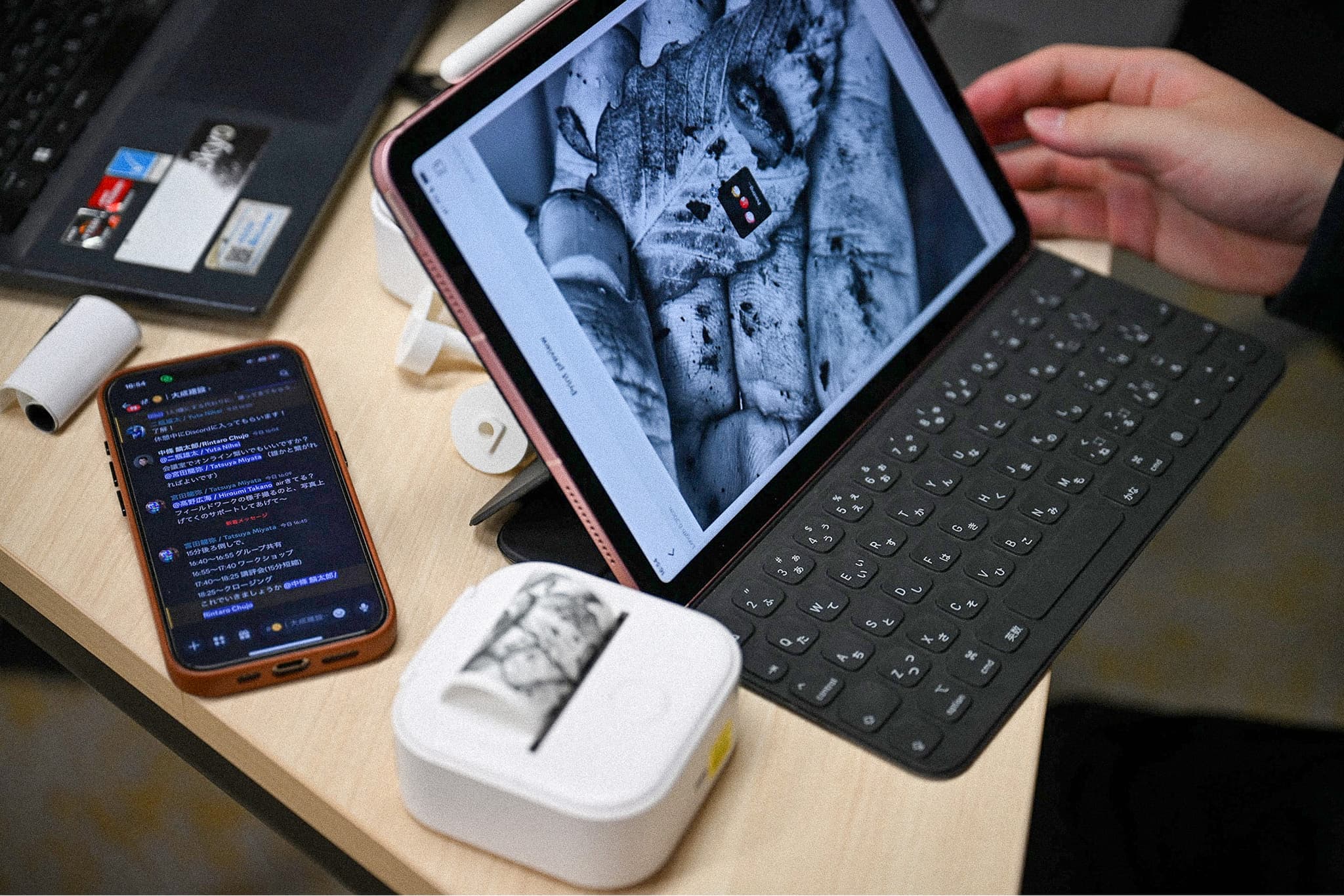
“V0,” the web application development support tool used at this event, allows anyone to easily create web apps without specialized programming knowledge—simply by instructing the AI in Japanese on the app’s structure and design. In the second half of the lecture, we all worked together using V0 to learn how to craft prompts (instructions for the AI) and establish a basic approach to development.
Using this app development tool, the challenge we set for the participants was: “What ideas can help living creatures and humans in cities transcend their differences in perception (the gap) and interact even more than they do now?” Building on the following question posed by our guest, BIOME, at the end of the previous session, this was a challenging theme: to create a concrete app as an answer to that question.
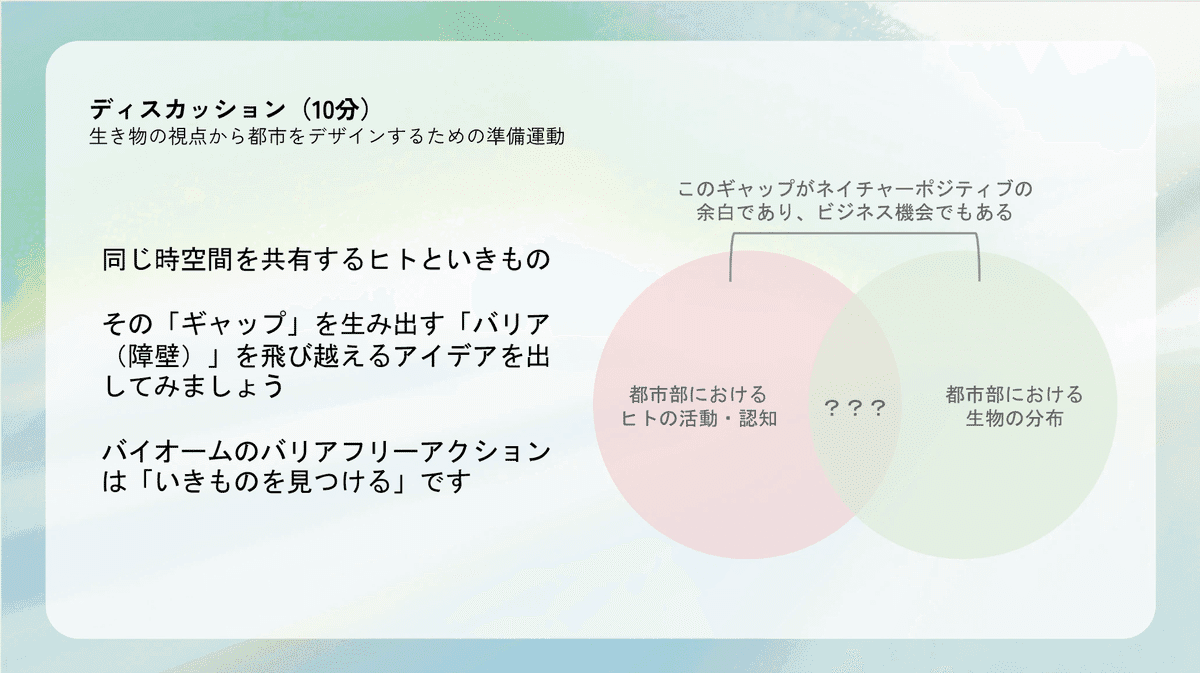
FIG.2
“Chill Spot” is an app that visualizes olfactory data emitted by trees. Based on the concept of “a service focused on the sense of smell among the five senses,” it visualizes how much “phytoncide”—a compound with relaxing effects—is emitted per cubic meter by the trees captured in a photo.
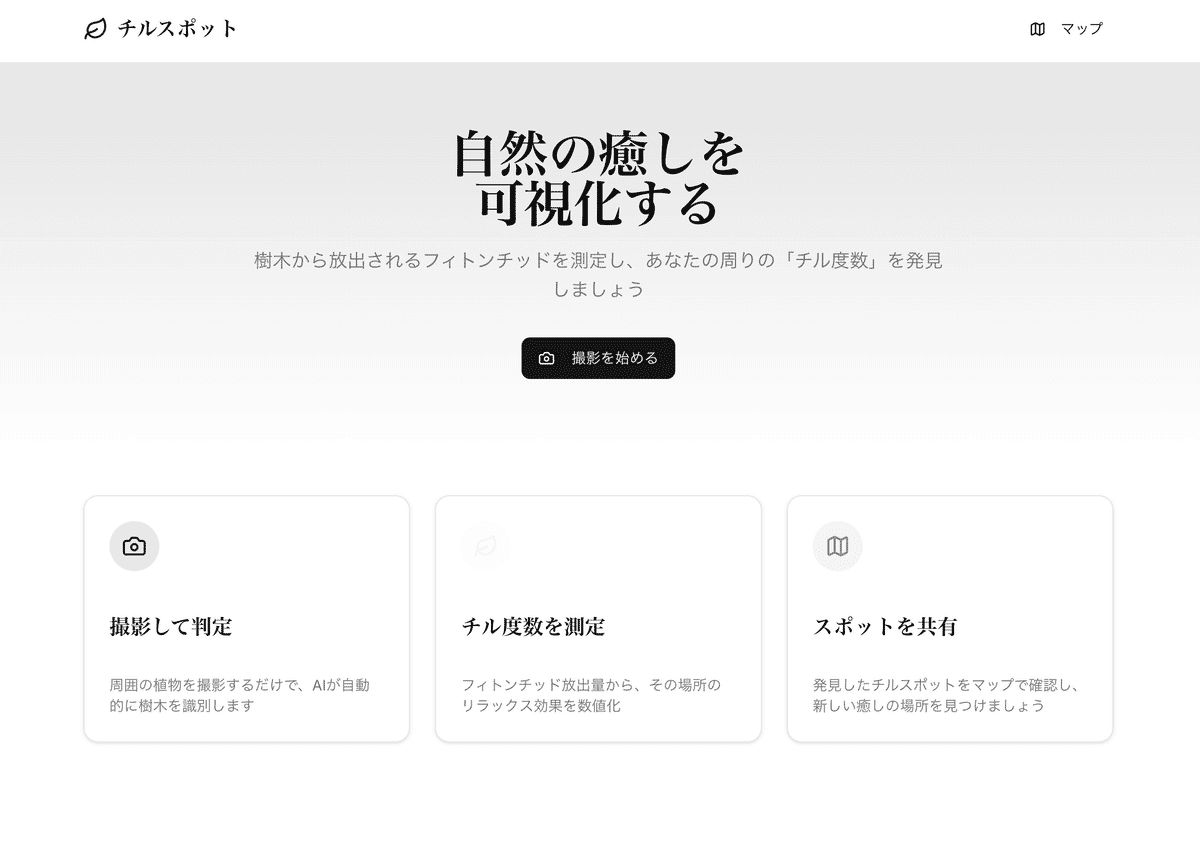
FIG.3
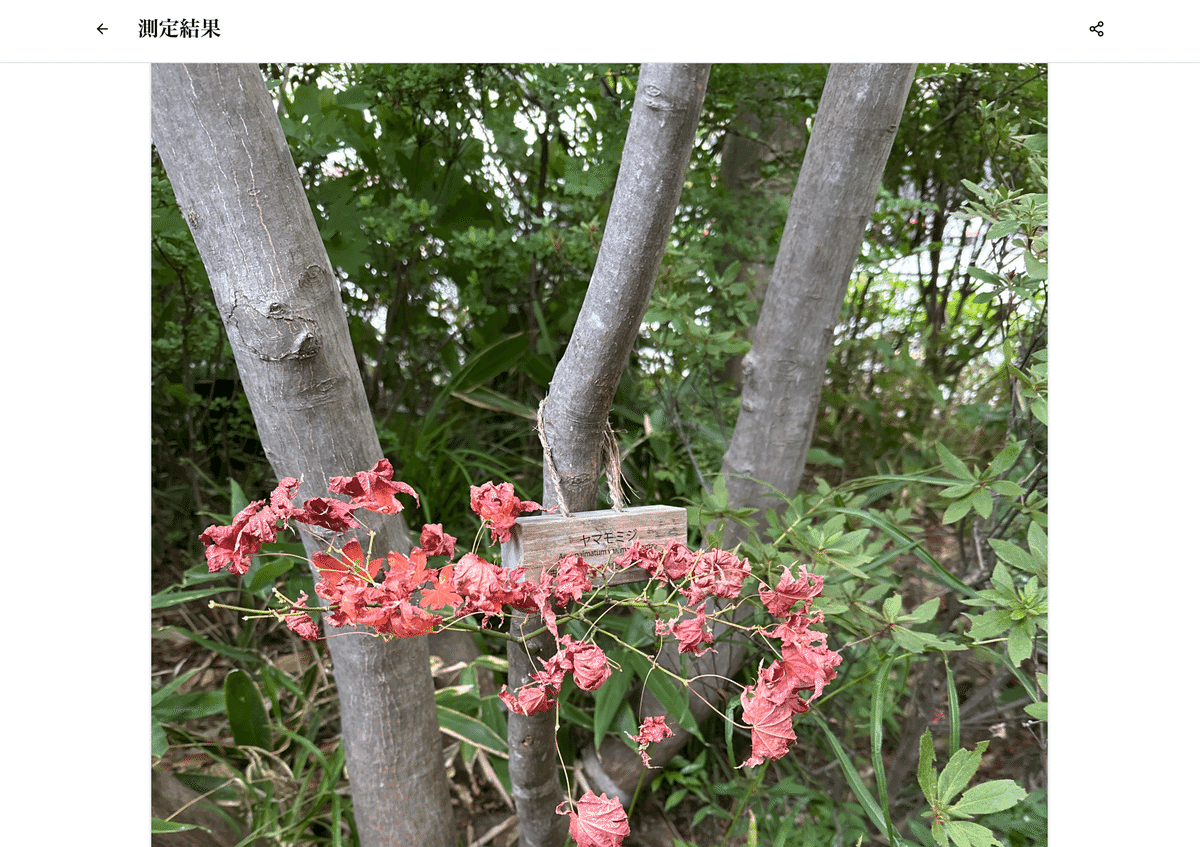
FIG.4
The app identifies the plants in uploaded photos, measures whether the trees emit phytoncides, and even checks whether there are any oil refineries (or other facilities or sources that emit chemical substances or odors humans find unpleasant) in the vicinity on the map.
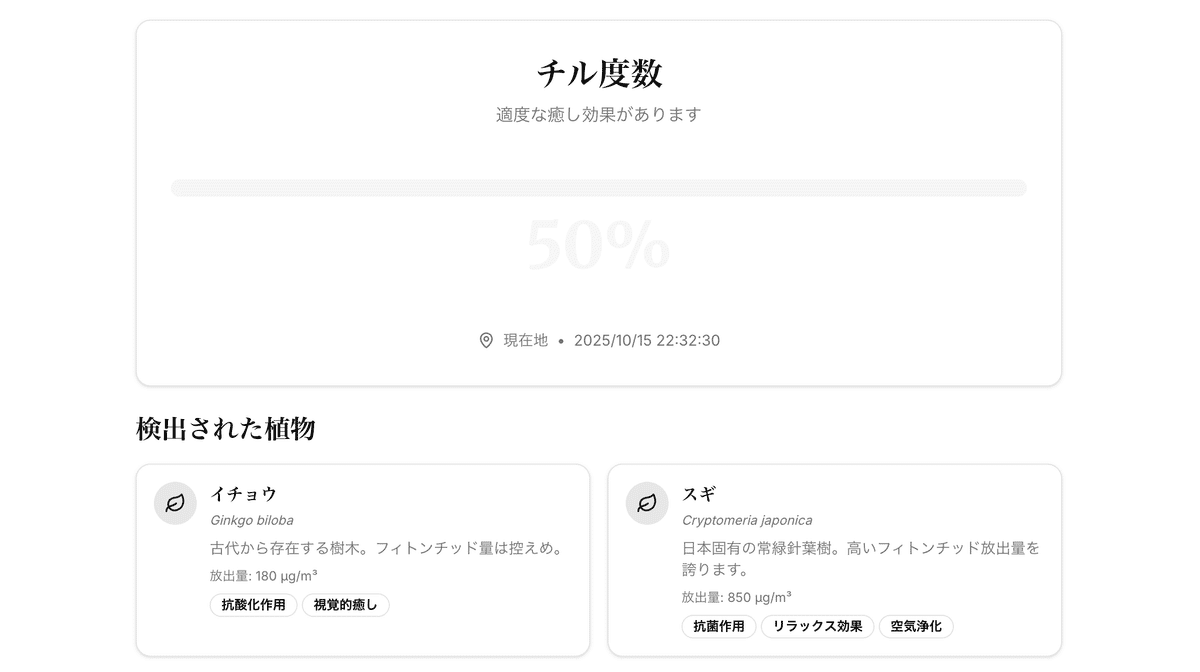
FIG.5
After making a comprehensive assessment, the app displays the “Chill Index” for that area.
How do human daily lives and activities intersect with and influence the lives of living creatures? This app visually represents the relationships between specific organisms and humans as a network. Organisms can be identified from photos or specified via text input.
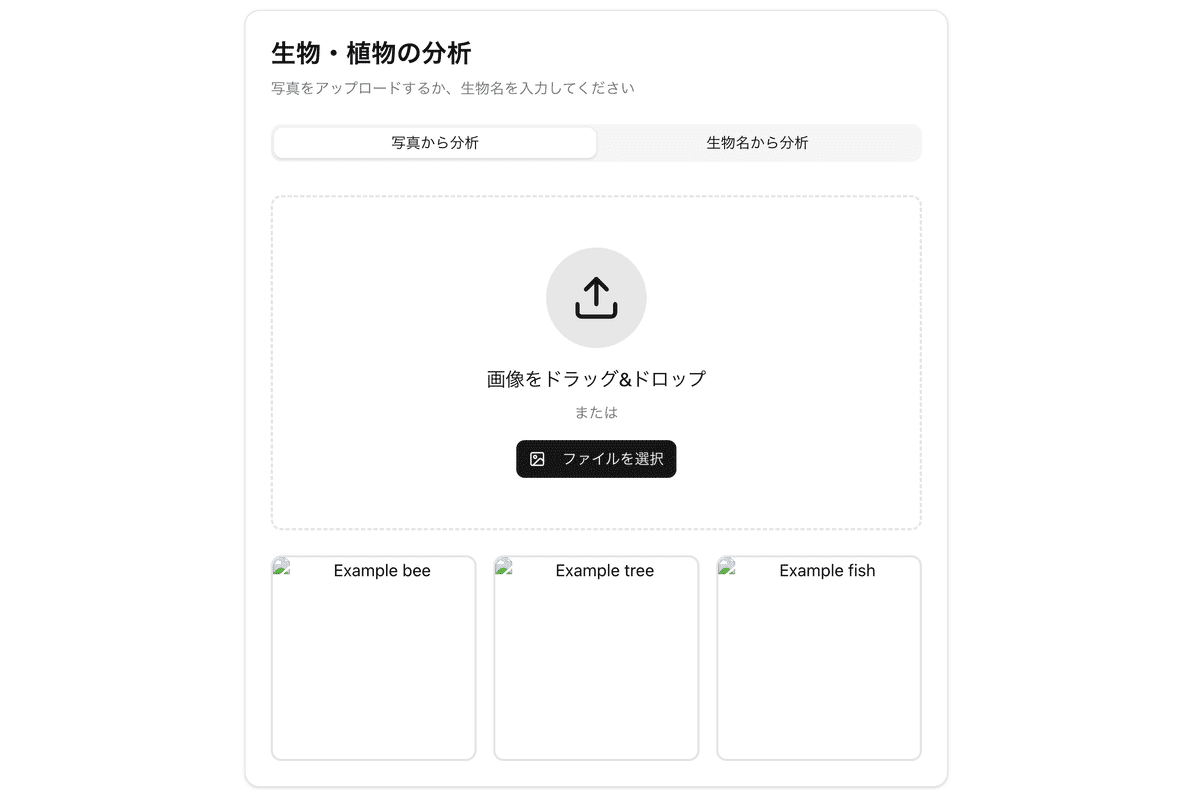
FIG.6
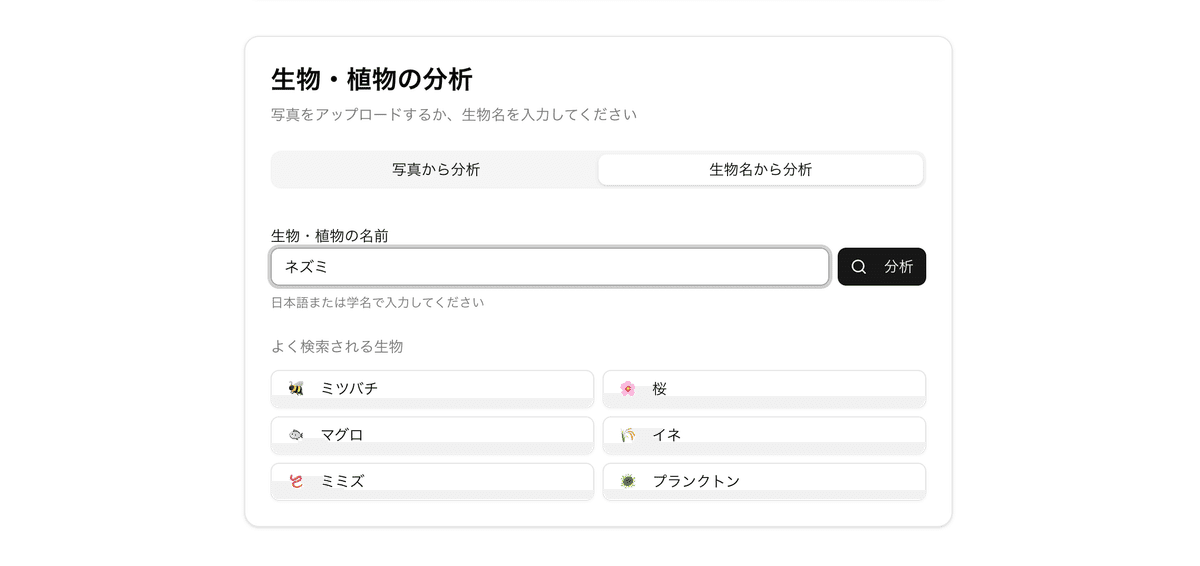
FIG.7
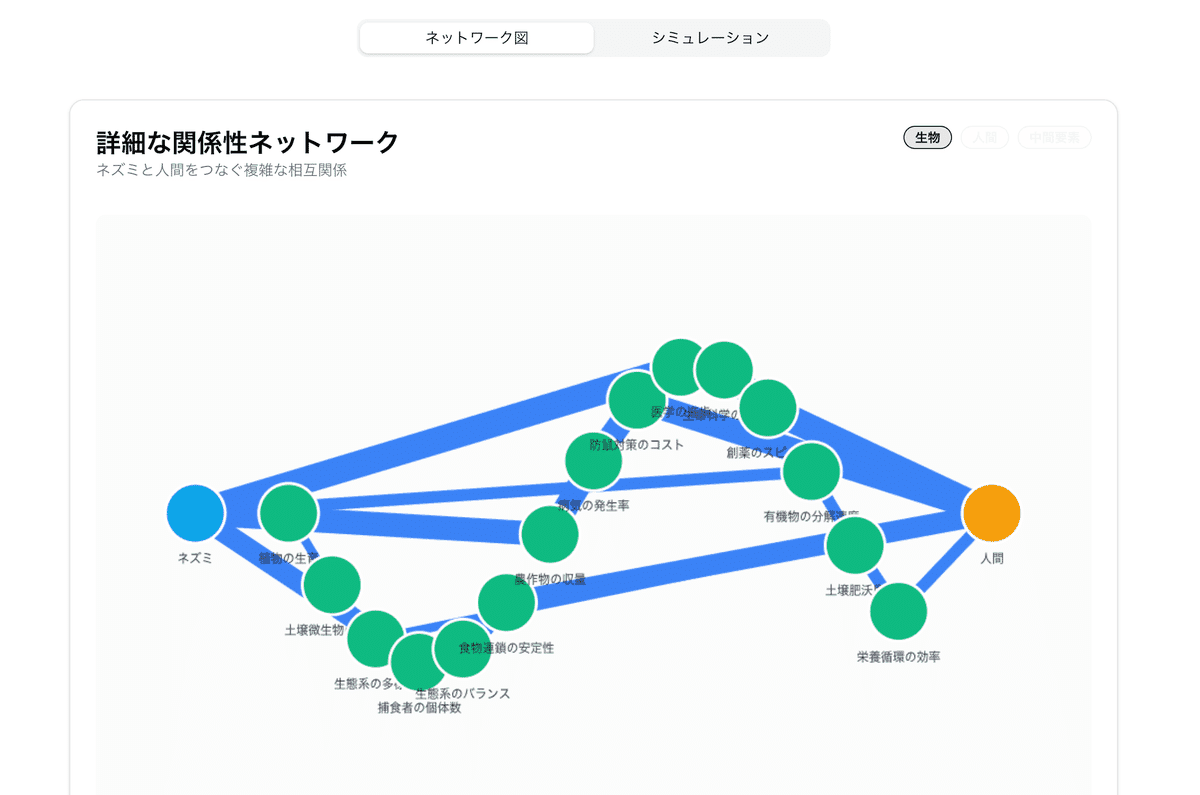
FIG.8
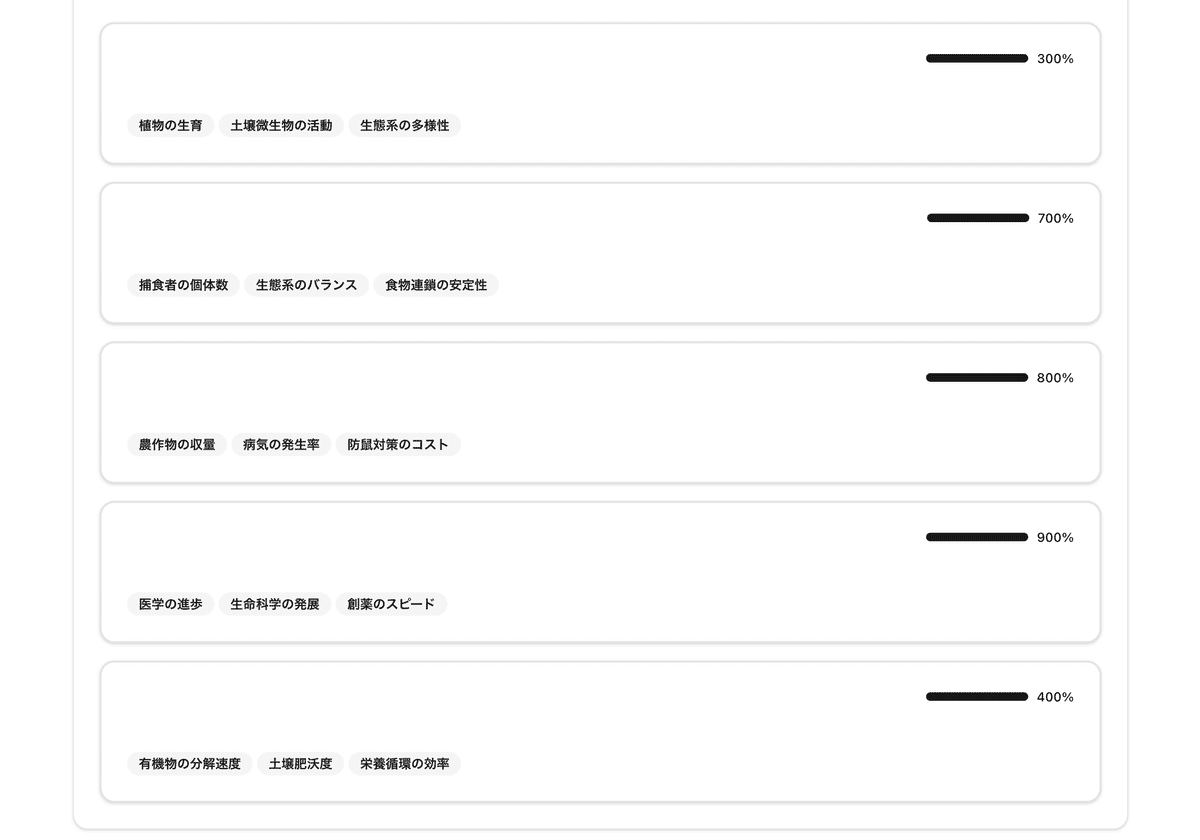
FIG.9
In addition to visualizing these networks, the app also predicts scenarios for what would happen if a particular species went extinct or proliferated. It was praised as an app that unravels the relationships between living creatures and humans in a system-map-like way, thereby stimulating our imagination.
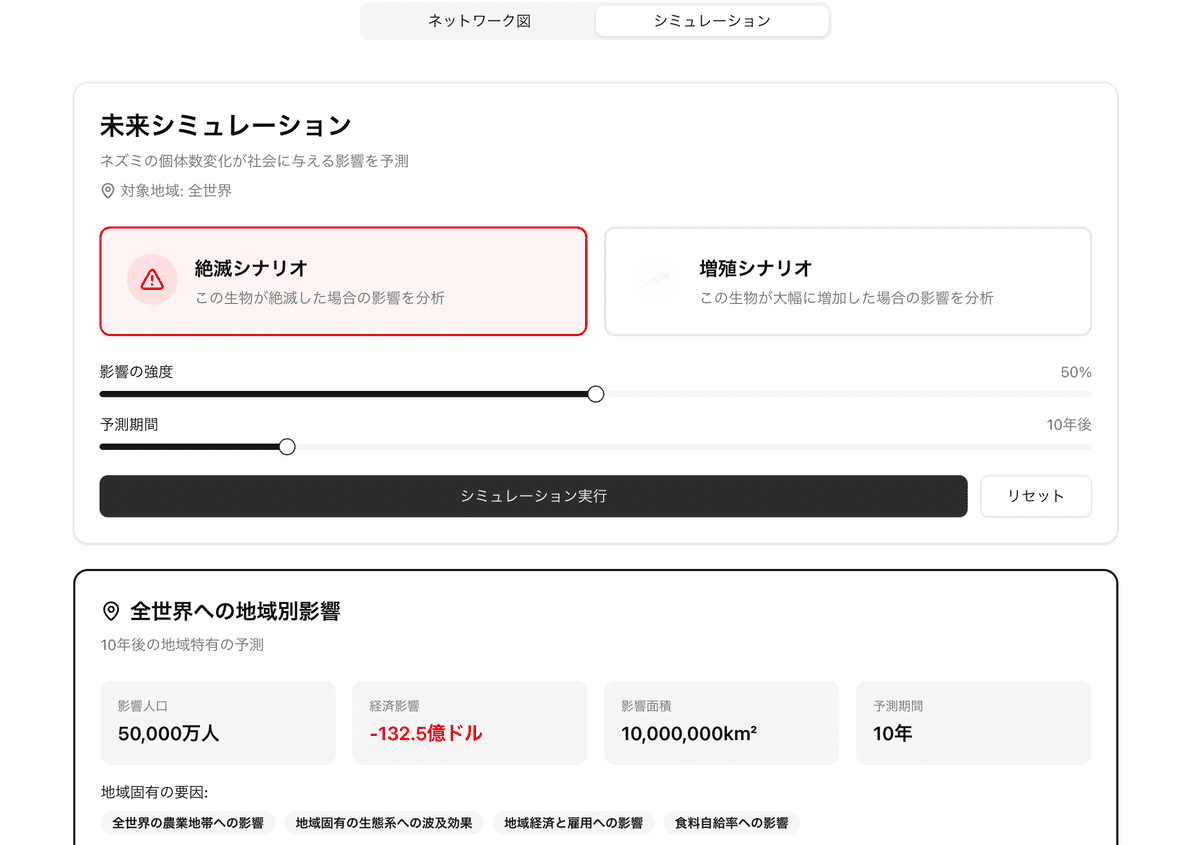
FIG.10
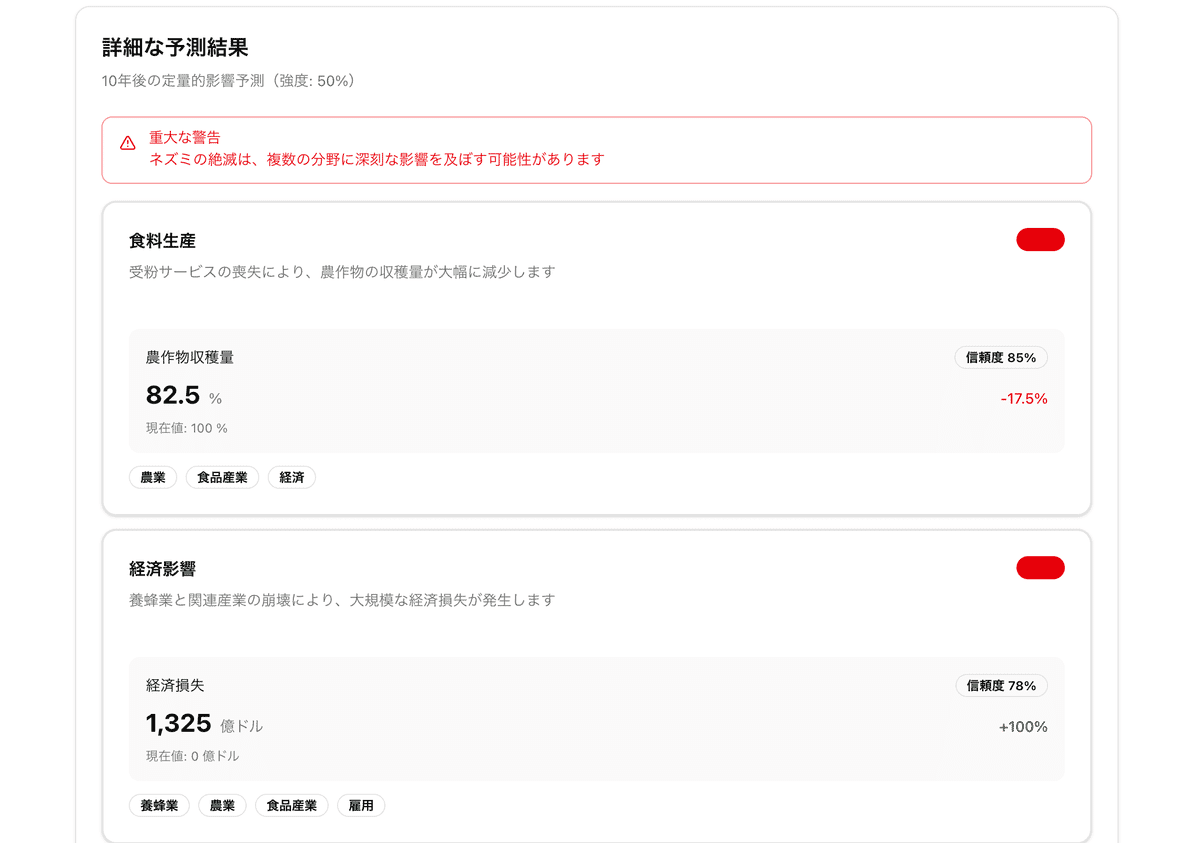
FIG.11
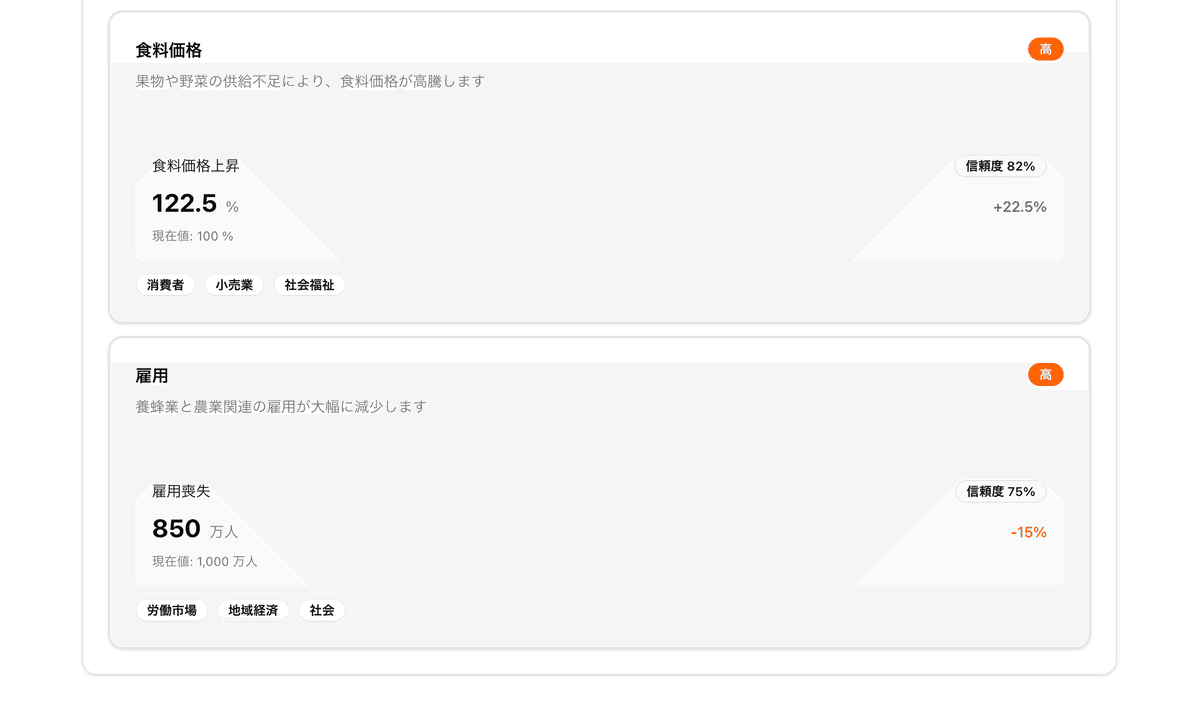
FIG.12
This app displays the distribution of nearby organisms on a map when you upload photos of plants you’ve taken. It maps not only vegetation but even the presence of insects.
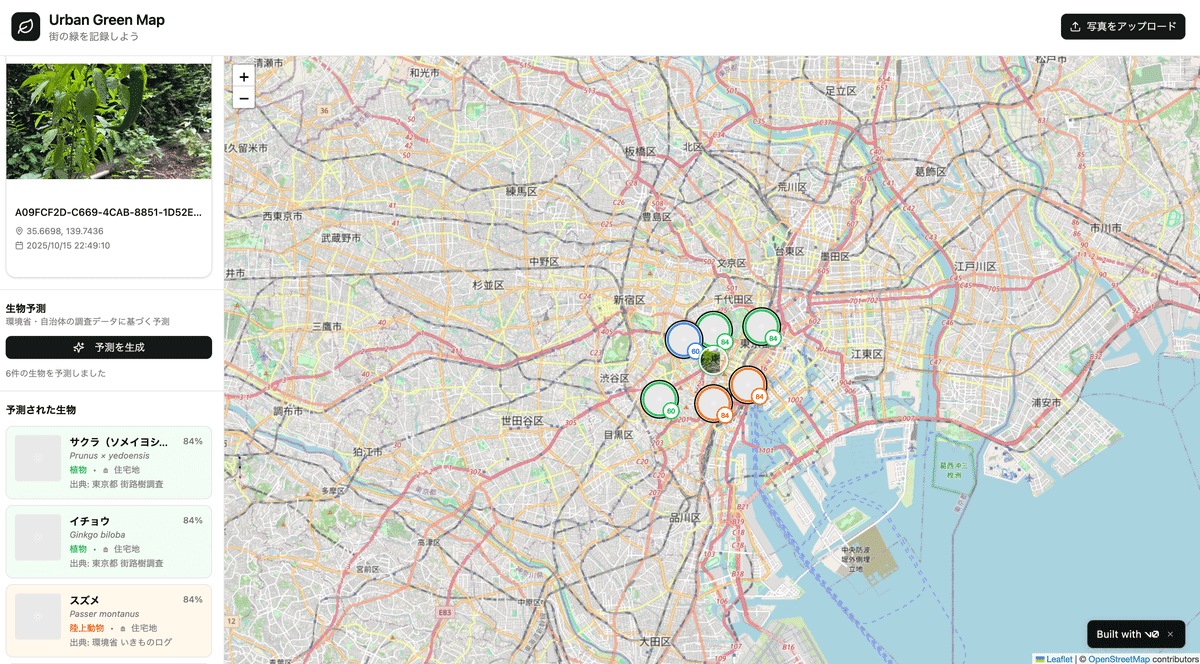
FIG.13
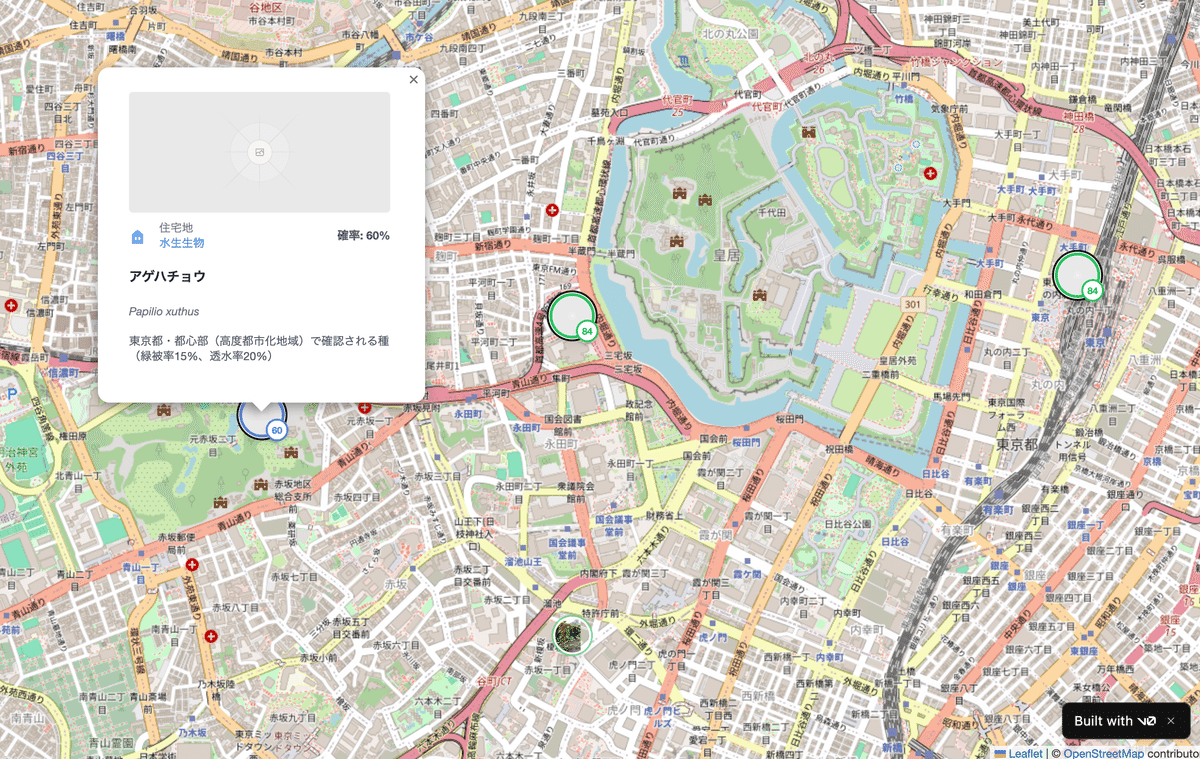
FIG.14
In the remaining fourth session, we’ll test the prototype on-site and further refine it through validation, thereby driving the production cycle forward. “#4 October 22, 3:00 PM–6:00 PM Rapid Prototyping / Advancement | Building on the insights gained to develop concrete proposals”
We’ll begin by updating our perceptions through the “perspective of living things,” using that as a springboard to generate new designs and concepts, while also relying on quantitative and objective methods of expression to enhance the practical effectiveness of implementing these ideas in the city. In this program, participants will experience a design process focused on biodiversity and inclusivity over a four-part series, guided by leading experts from various fields.
Report on the First Session: Introduction to Urban Design from the Perspective of Living Creatures - Kickoff
Living Lens Report #1
REPORT
2025.09.15.