Living Lens Special Interview #1
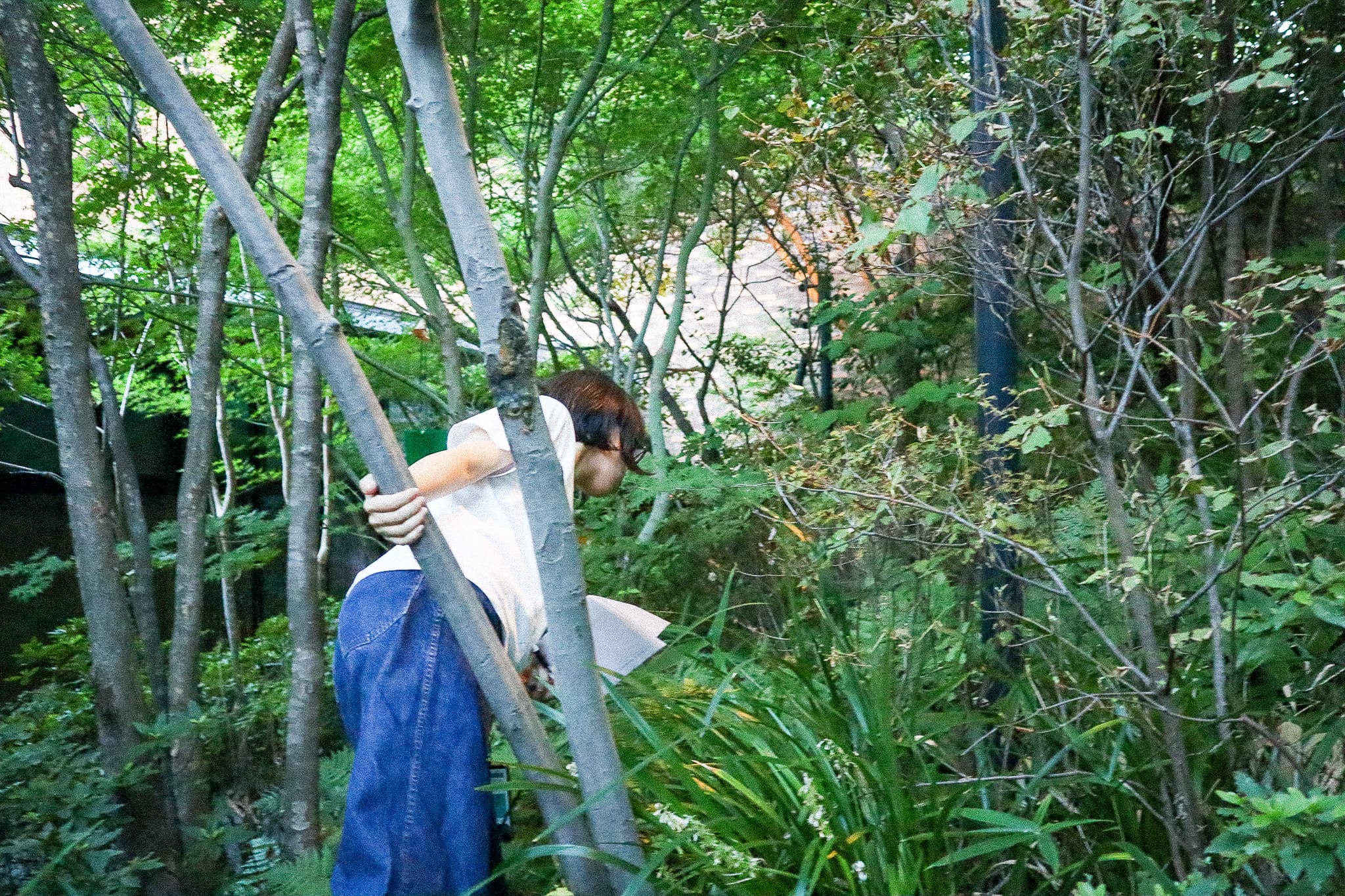
FIG.1
For our second session, we are pleased to welcome Kosuke Katano, who conducted biological research at the MIT Media Lab and worked on projects such as desert restoration and urban ecosystem assessment, and is currently active as part of the landscape architecture unit “veig.” Katano seeks to bridge the gap between research in biology and ecology and the fields of architecture and urban design. While “nature-positive” approaches and sustainability have increasingly gained prominence in architectural and urban design in recent years, Katano develops his own unique perspectives grounded in the fields of biology and ecology. This article is a pre-event interview with Katano, our second guest.
Interviewer: Before you joined the MIT Media Lab, what kind of student were you in middle and high school?
Katano: I was originally a young engineering enthusiast who loved machines. I joined the science club and built things myself—from rockets and engines to the compressor inside a refrigerator. However, I gradually realized the fascination of examining living organisms, such as plants and the human body, from an engineering perspective.
For example, the plant known as the sensitive plant (Mimosa pudica) moves its body in response to touch, even though it doesn’t have a spinal cord like animals do. It’s incredibly fascinating to scientifically unravel such phenomena, and there are still many phenomena in living organisms whose mechanisms are not yet fully understood. That’s why I hoped I could continue doing that kind of research in the future.
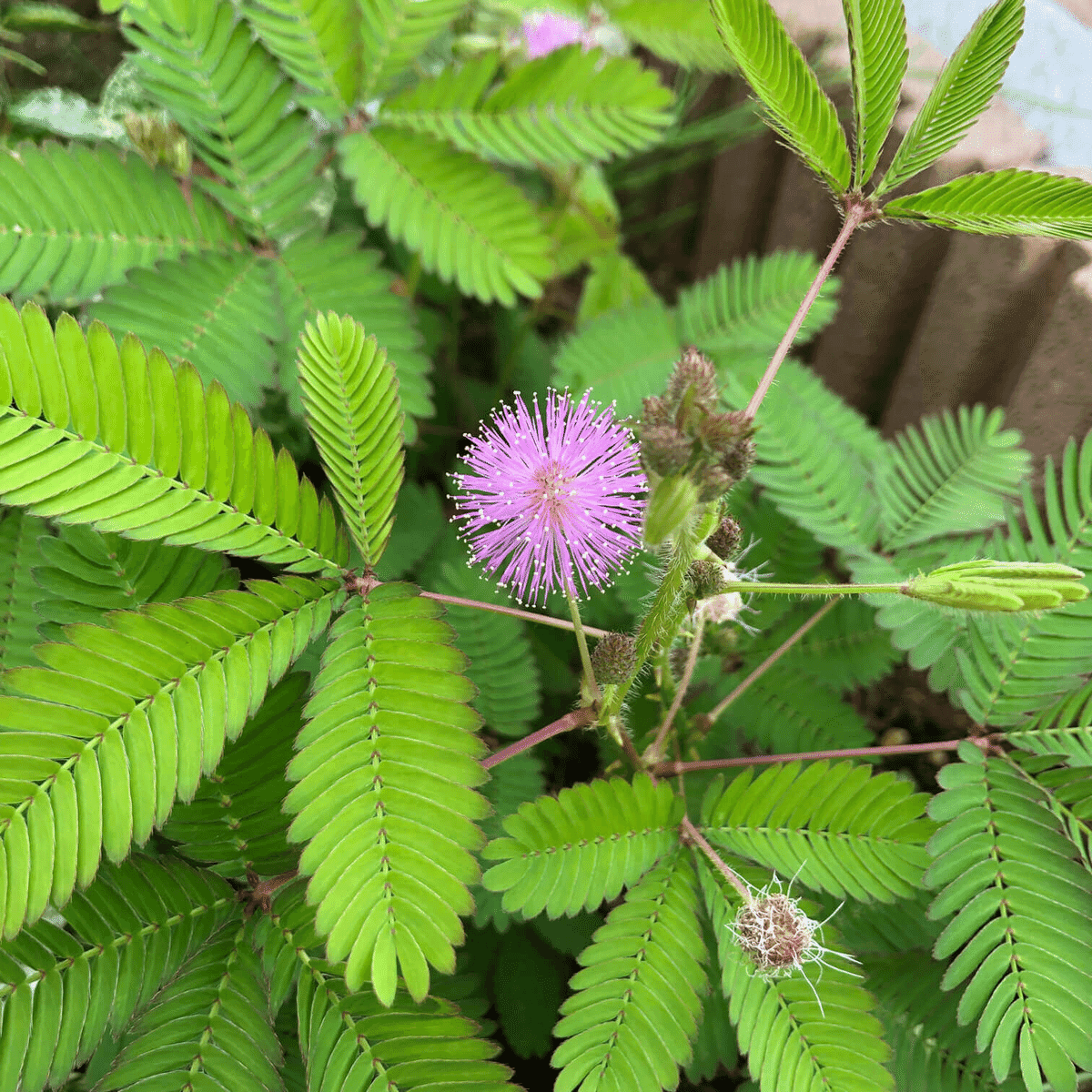
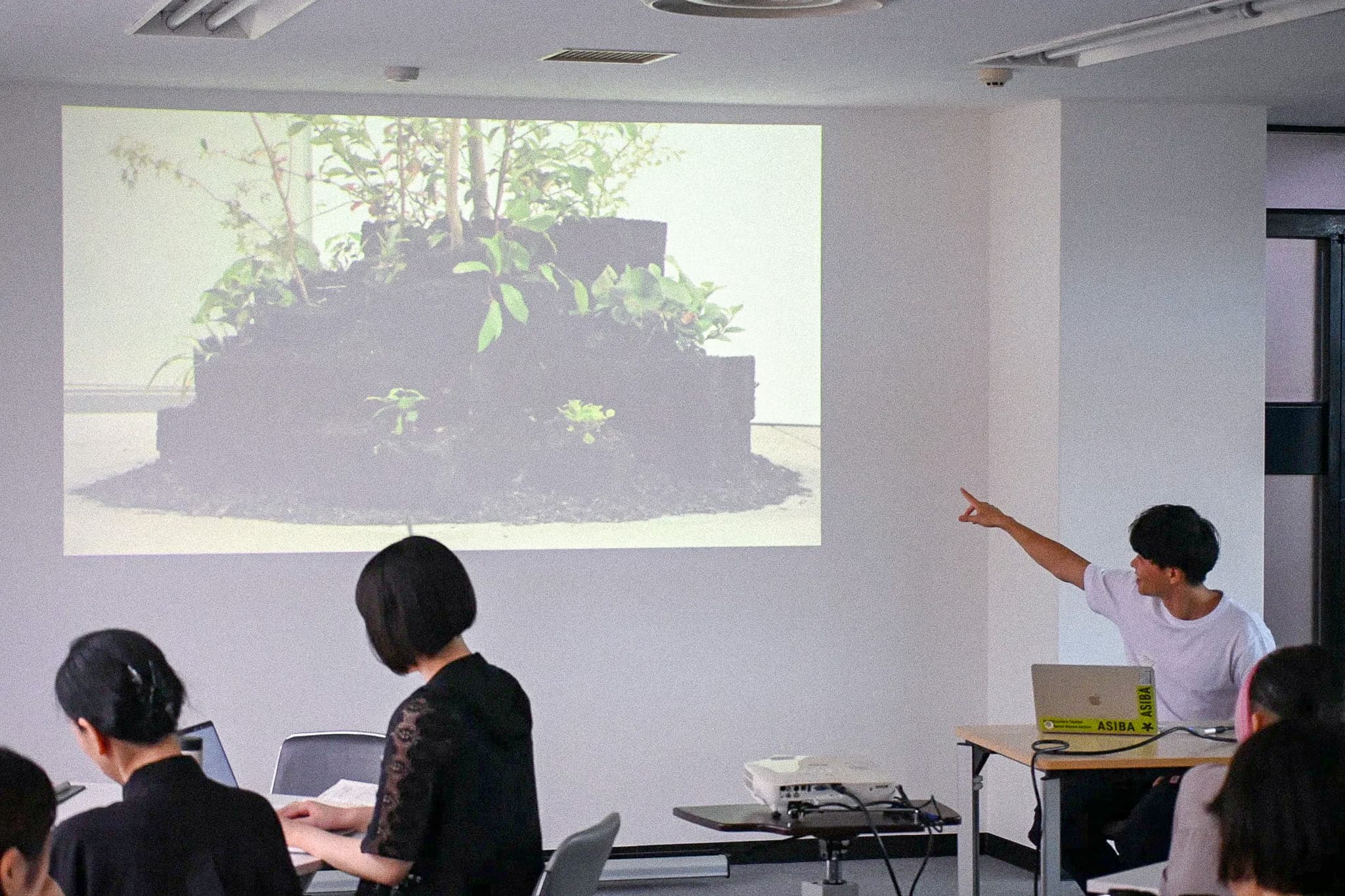
FIG.2
Driven by this interest, I began spending time at the university as early as high school, conducting research related to DNA, such as genome editing. After reaching out to a lab at MIT—a place I’d been very interested in—I was offered a position as a researcher, which allowed me to begin my research in earnest there.
Interviewer: What was the atmosphere like for biology research in the U.S.?
Katano: When I joined the lab, biotechnology methods for editing and recombining genes were advancing rapidly, so I was able to experience the very cutting edge of that field. Of course, applications to the business world were also flourishing. Startups were emerging from labs after securing patents, and labs were attracting major sponsors to develop business ventures in partnership with companies. Just as with the IT industry on the West Coast, expectations from the biotechnology industry on the East Coast were already very high back then.
However, for me, it felt a bit too business-oriented—or perhaps a little too heavily skewed toward capitalism. Even if it wasn’t on the scale of tens of billions of yen, I wanted to work in a field that was closer to everyday life, on a more human scale, and relevant to many people. With that in mind, after returning to Japan and moving to a private lab, I gradually began to focus on ecology.
Interviewer: The concepts of ecosystems and biodiversity are familiar to us, but what aspects do you see as having potential, Mr. Katano?
Katano: For example, restoring ecosystems in areas affected by desertification, or analyzing the vegetation within developing cities to use human intervention to create “ecosystems that might have existed there.” Rather than simply conserving ecosystems, I see tremendous potential in focusing on the essential aspects of ecological systems and designing them accordingly.
In particular, I believe there are actually many ways we can fundamentally transform the design of nature on a tangible scale—such as in architectural design or landscape architecture—by drawing on insights from ecological research, and this is directly connected to my current work at the landscape architecture unit veig.
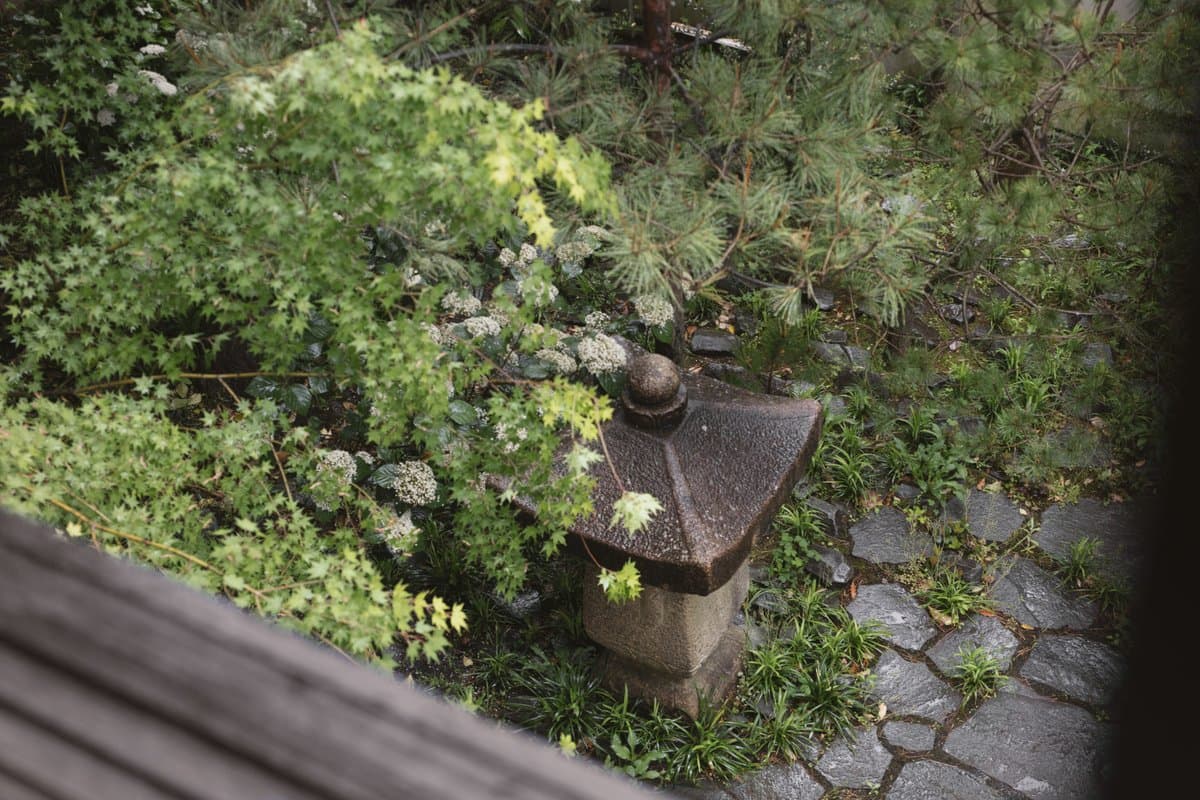
FIG.3
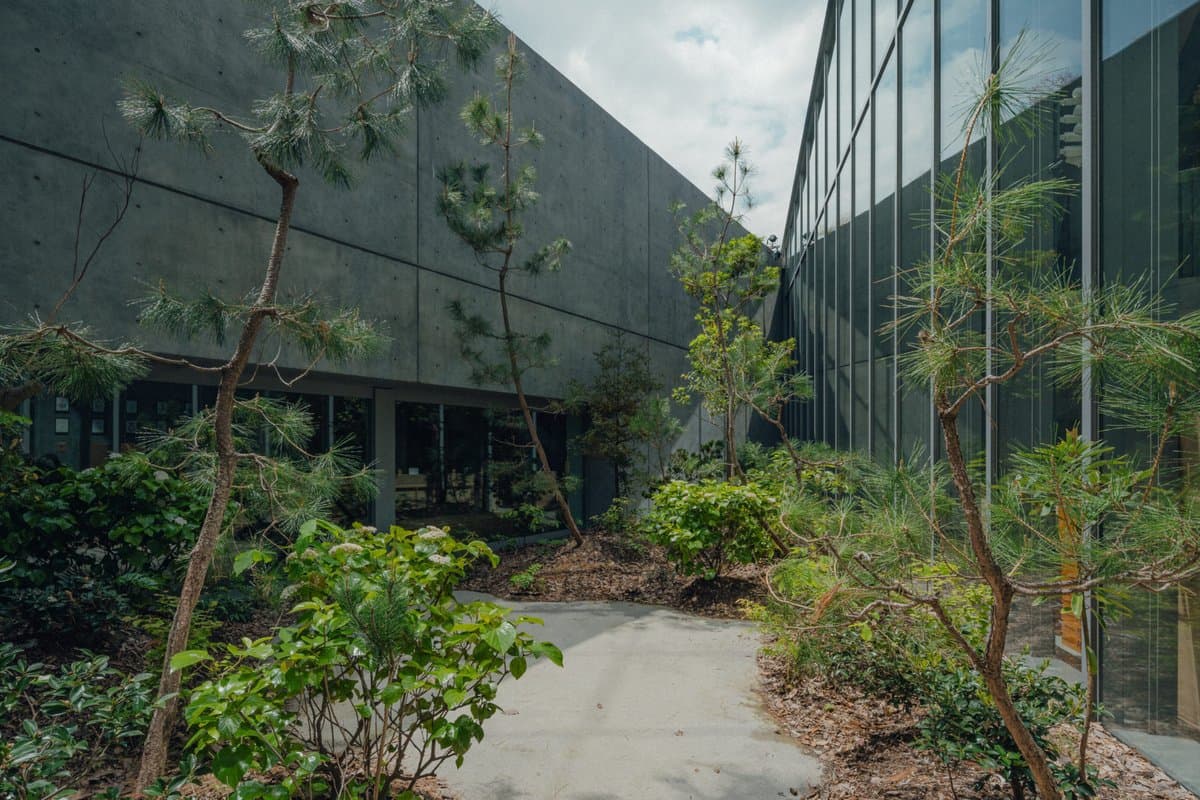
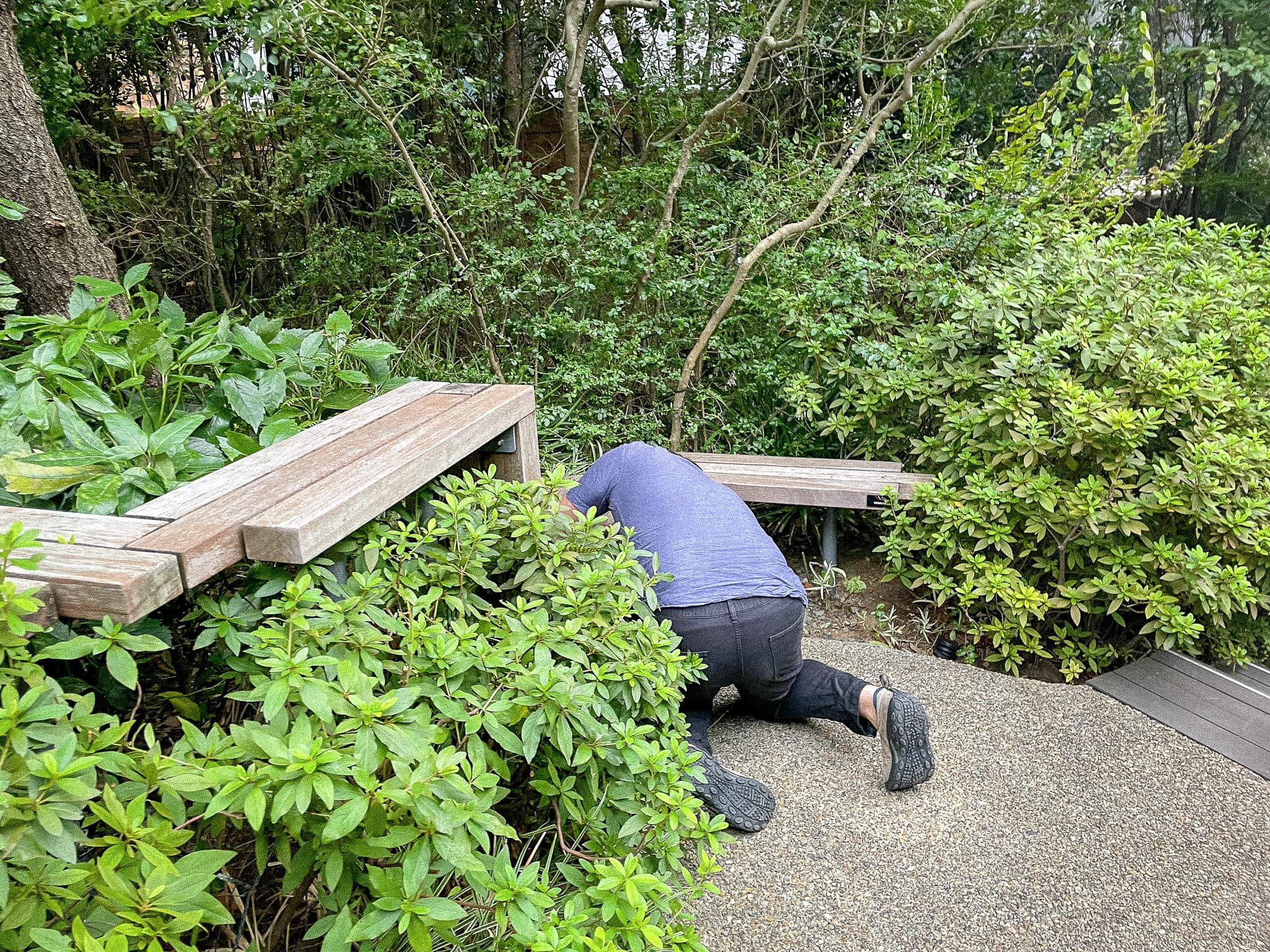
FIG.4
Interviewer: Mr. Katano, with your background in biology and ecology, what are your thoughts on the way architecture and cities are being designed today?
Katano: Recently, terms like “nature-positive” and “environmentally conscious” have become increasingly prevalent in architectural and urban design, but, conversely, I often feel a sense of unease.I feel there are instances where people use biological and ecological terminology—not out of genuine academic interest, but simply to arm themselves with a theoretical framework—or where such practices are carried out for branding purposes, even though the actual ecological value of the initiative itself is questionable.
Of course, I don’t think every single case requires academic verification, but I believe it lacks integrity when the actual impact on ecosystems isn’t properly scrutinized, creating a lawless environment where people can get away with deception.
We need design that genuinely considers the environment, not just for show. What do you think will be important going forward for architects and designers in the fields of architecture and urban planning?
Katano: Recently, metrics such as those from the TNFD (Task Force on Nature-related Financial Disclosures) have emerged, and I believe that objectively and quantitatively assessing impacts on biodiversity and the environment is becoming something that cannot be ignored, even in the context of corporate governance.
That said, this doesn’t mean designers must necessarily be well-versed in biology or ecology. Rather than forcing themselves to build a theoretical foundation in fields where they aren’t strong, I think the ideal situation is to seek the help of researchers in areas they don’t understand and work together.I think it would be incredibly interesting if, by designing in collaboration with researchers, even cases like small- to medium-scale private landscape design projects could be framed within an academic context.
Conversely, I want designers to cultivate their own unique perspectives on issues and pursue their ideas to the fullest. Rather than simply framing projects around well-worn societal challenges—such as the urban heat island effect or carbon neutrality—I believe design can become far more compelling if designers clearly define their own standpoint and then freely create what they envision.
I believe that when designers and researchers bring out the best in each other, they can truly unleash their creativity without being constrained by prescriptive norms or predefined problem frameworks. Thank you very much.
INTERVIEW
2025.09.03.