Living Lens Program Announcement
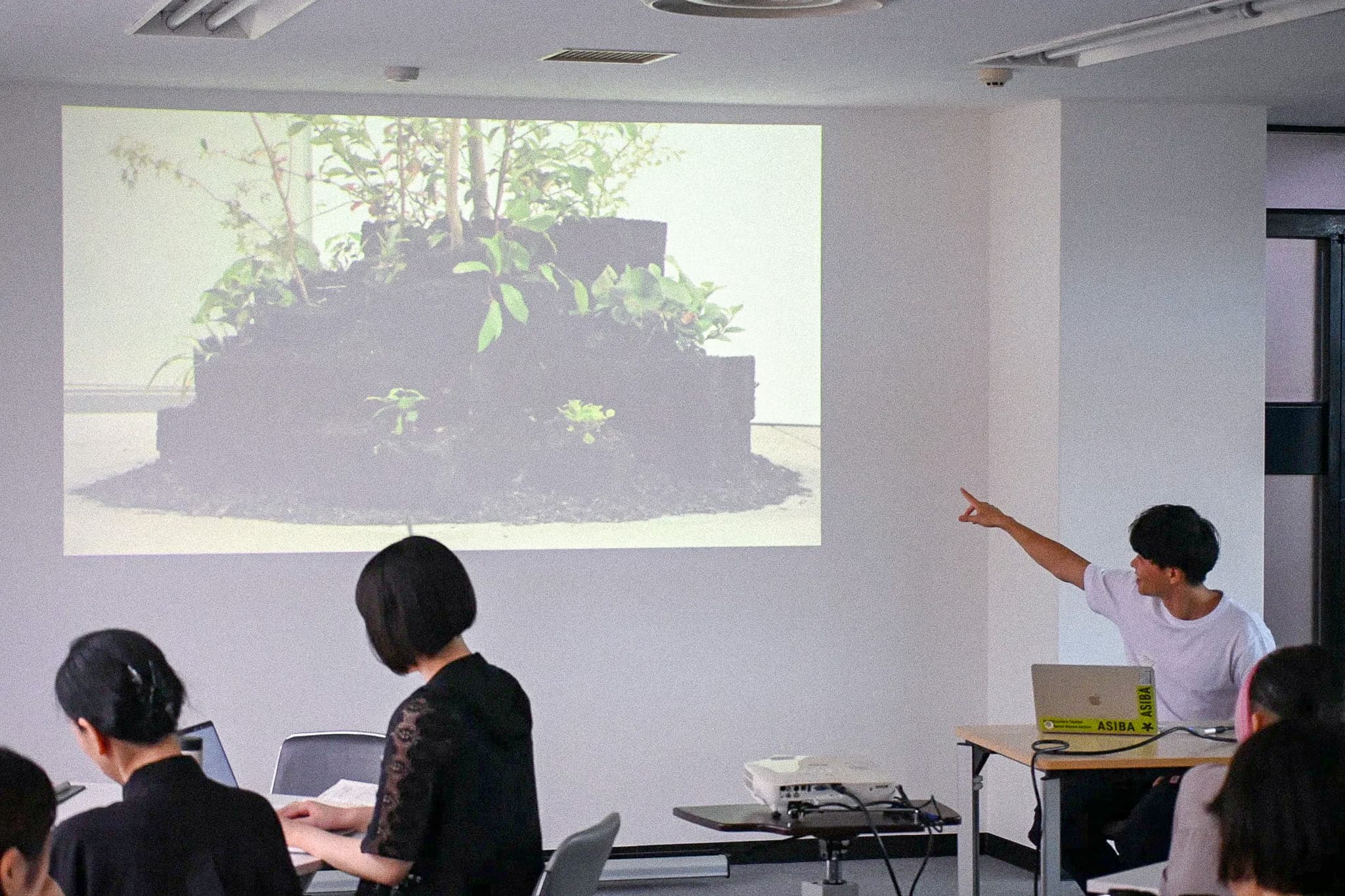
FIG.1
The General Incorporated Association ASIBA (Representative Director: Yuta Nihei), in collaboration with Nippon Steel & Kowa Real Estate Co., Ltd. and Taisei Corporation, will launch a four-part series titled “Introduction to Urban Design from the Perspective of Living Things.” The first session will be held on September 11 (Thursday) from 3:00 PM to 6:00 PM.
Behind the scenes of the cities where we live our daily lives, living creatures lead resilient and abundant lives. This four-part program begins with fieldwork conducted from the perspective of living creatures to explore the livability and richness of cities, and to use these insights to consider new approaches to urban, architectural, and product design.
For the first session, we have invited Mr. Yutaka Okuda, Co-Representative of Poietica LLC and Research Assistant at Kyoto Institute of Technology, to lead a kickoff talk session. In this article, we’ll share the background behind the launch of this program and provide a glimpse into some of its content.
Interviewer: Mr. Okuda, you founded Poietica LLC in 2023 and have been engaged in various initiatives utilizing methodologies of design research and prototyping. What was the starting point for your design work?
Okuda: Originally, as an undergraduate, I studied the traditional path of product design, and there was a time when I was focused on designing everyday objects like furniture and home appliances.
However, even while I was a student, I had the sense that the scope of design in the world was expanding. Starting in the 2010s, the focus of design had begun to shift toward areas beyond physical objects—such as social design and service design—and since then, design that tackles social issues and problems that cannot be solved by a single product has been gaining attention.
I, too, began to feel that unless I engaged in more cross-disciplinary initiatives—including the design of mechanisms and systems—I wouldn’t be able to make a meaningful impact.
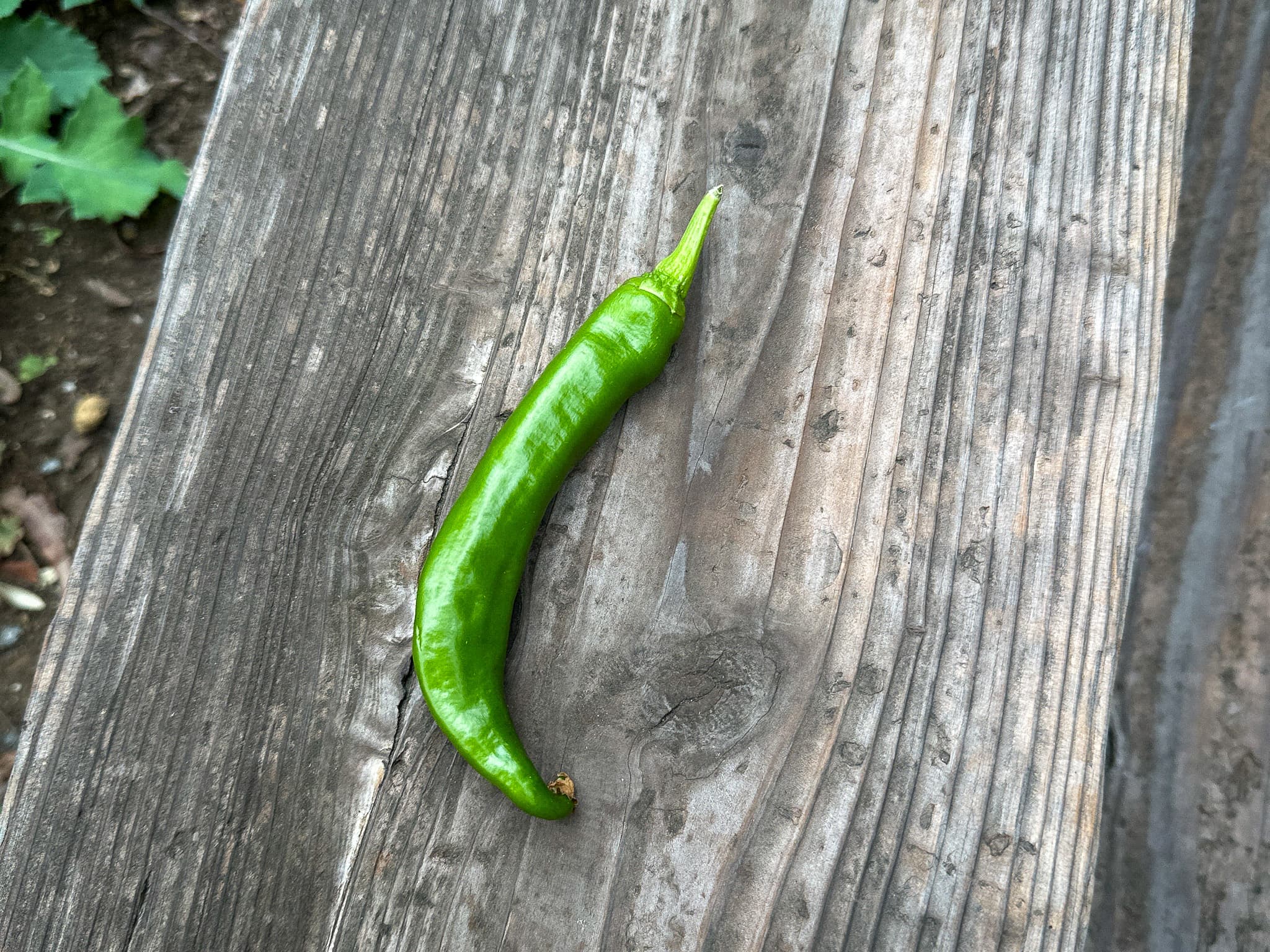
What left a particularly strong impression on me were the “exclusion benches” placed throughout the city—benches that have been deliberately reshaped or fitted with handrails to prevent homeless people from sleeping on them. That really made me keenly aware of the limitations of product design.In an effort to meet the client’s need to improve “public safety” in parks, a product was created that excludes socially vulnerable people—a product that is, in fact, unkind.
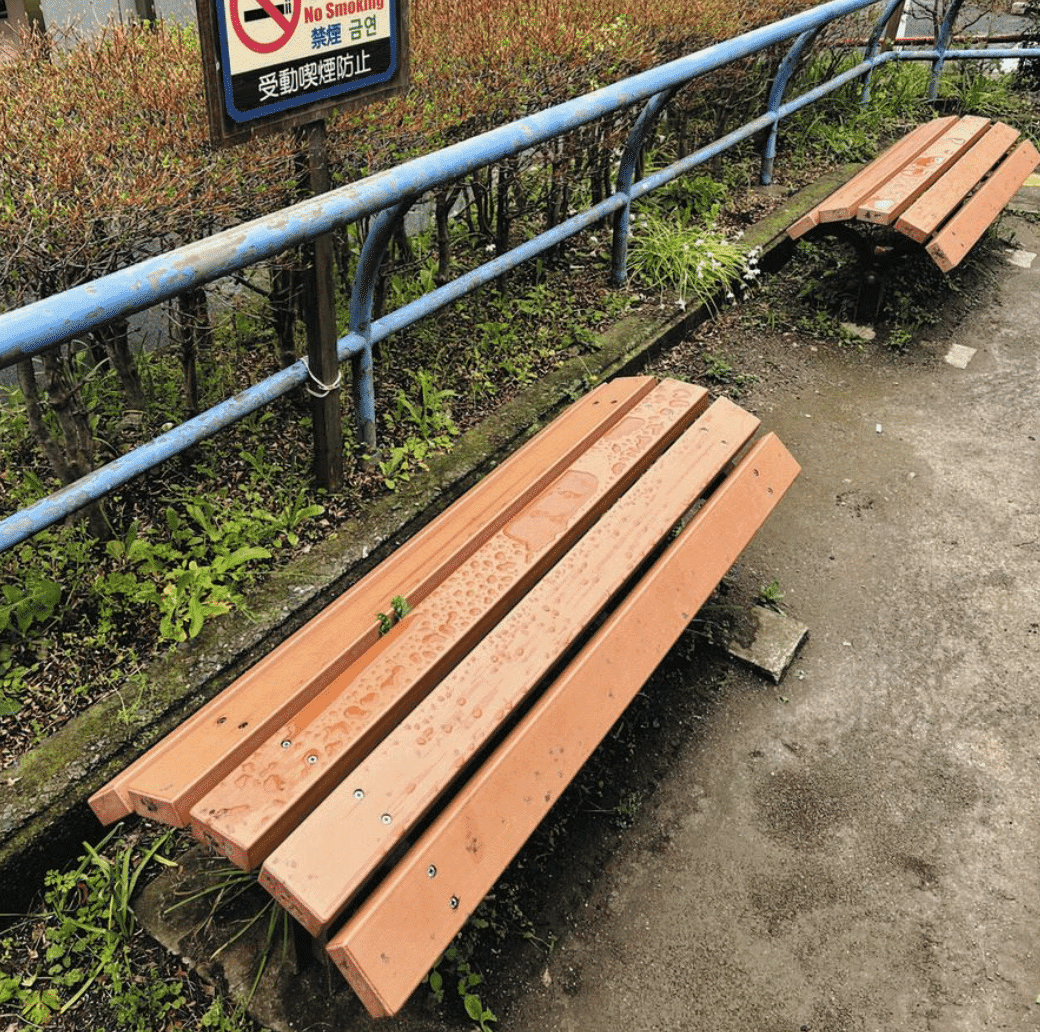
FIG.2
Interviewer: Is your thinking about “living creatures” in the city related to that as well?
Okuda: Yes. To be honest, I’ve never really owned a pet, and since I grew up right in the heart of the city, I’m not exactly an expert on living creatures myself (laughs).
But I’m strongly motivated to change simplistic design approaches like the “exclusion bench,” and I see living creatures—which have been excluded until now—as an extension of that. So, the underlying reason is that I want to rethink those design methods and the very way of thinking through the theme of “living creatures” inhabiting the city. What I’m doing now at Poietica is closely related to this. While providing service design and consulting in the style of a typical design firm, I’m constantly exploring whether we can approach “sustainability” not just through technical solutions, but also from a design perspective. To that end, I’m researching and practicing new areas of design—such as designing for living things or designing together with them.
Interviewer: Whether in industry or academia, the term “sustainability” has become ubiquitous. When ordinary people think of “sustainability,” they tend to imagine things like the development of energy-saving technologies or the discovery of alternative energy sources. What are your thoughts on this, Mr. Okuda?
My approach differs slightly from that of Okuda Engineering. My primary interest lies in an “adaptive” approach, focusing on humans as the central actors and exploring how we can maintain—or transform—our culture and values.
To give a clear, concrete example: if the former involves making air conditioning more efficient to cope with the heat, the latter would encompass initiatives like “Cool Biz”—the idea that it’s okay not to wear stiflingly hot clothing as we used to. In short, it’s a way of thinking that addresses problems through shifts in human perception rather than through technology itself.
Interviewer: I see. How should we approach topics like living organisms and ecosystems, which are the focus of this discussion?
Okuda: That’s right. To put it simply, environmental ecosystems and environmental issues are on a very large scale. When it comes to easily understandable examples, problems like planted forests, dredging, and the degradation of rocky shores tend to be highlighted.If we try to solve those problems at their root, to be honest, what an individual can do is quite limited, and we really have no choice but to think about them at the level of national policy or civil engineering.
However, updating our understanding—such as how we interact with living things or how we direct our attention toward natural phenomena—is something that can certainly be done on an individual level. It’s also important not to rush to propose solutions to these problems.Solving one problem often leads to the emergence of another. When viewed from the perspective of the entire system in which the problem exists, there are many factors that a simplistic intervention might overlook or fail to control.
Therefore, rather than rushing to find solutions, I believe there is room to consider—as we open up the possibilities of urban design to living things—how we, as individual agents, can recognize, accept, and adapt to such complexities.
Interviewer: I see. So, what would be necessary if we were to apply that kind of approach to biodiversity?
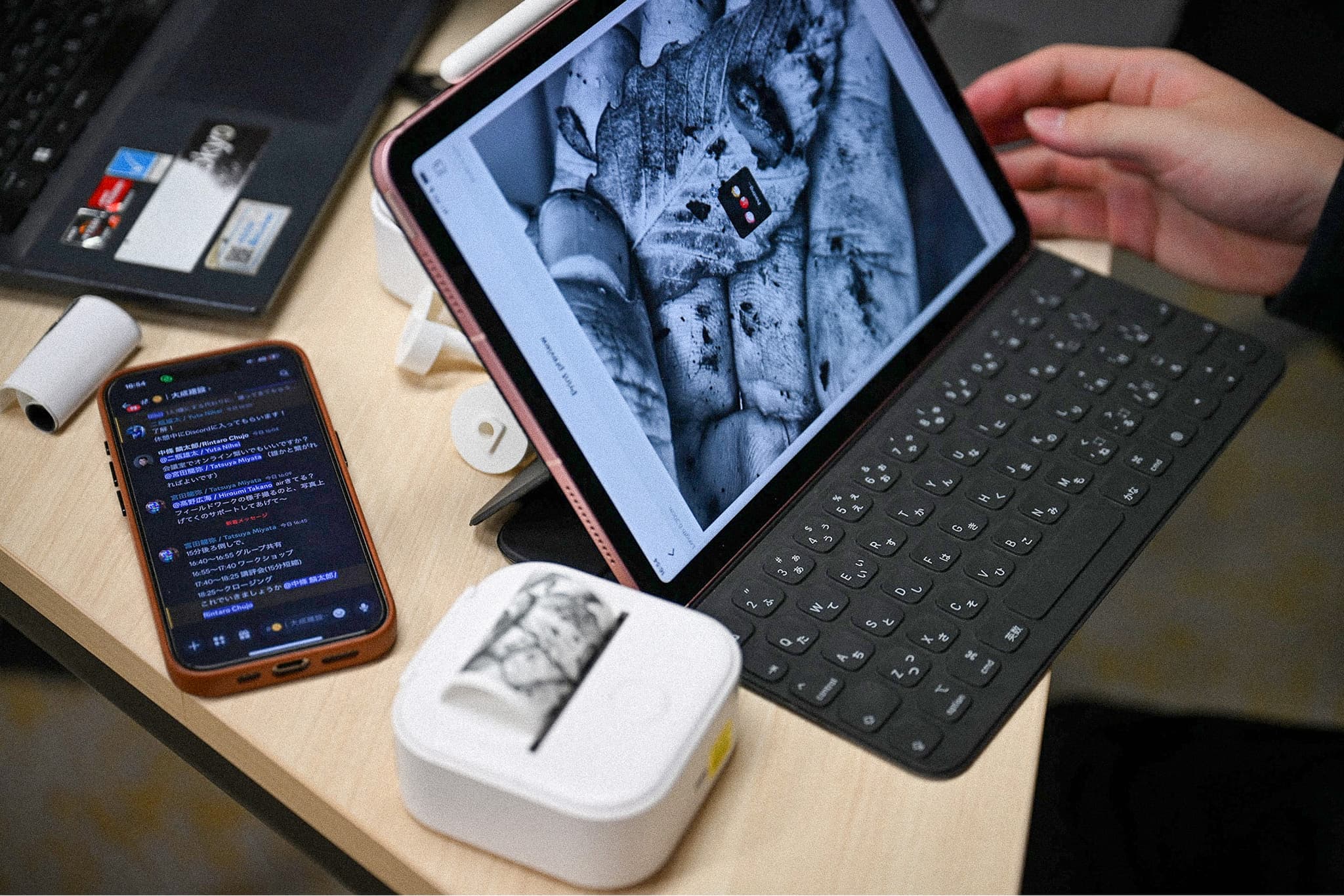
Okuda: Here, I’d like to refer to a book I helped translate while in graduate school, *Design for a Pluralistic World*. This book clearly illustrates how current economic development and technological innovation are fundamentally premised on Western modernity.It posits that the self and the world are separate, and that by interacting with the world—through exploration—we can gain a deeper understanding of it. However, progress based on such assumptions has led to colonialism and climate change, which have clearly worsened our living environment.
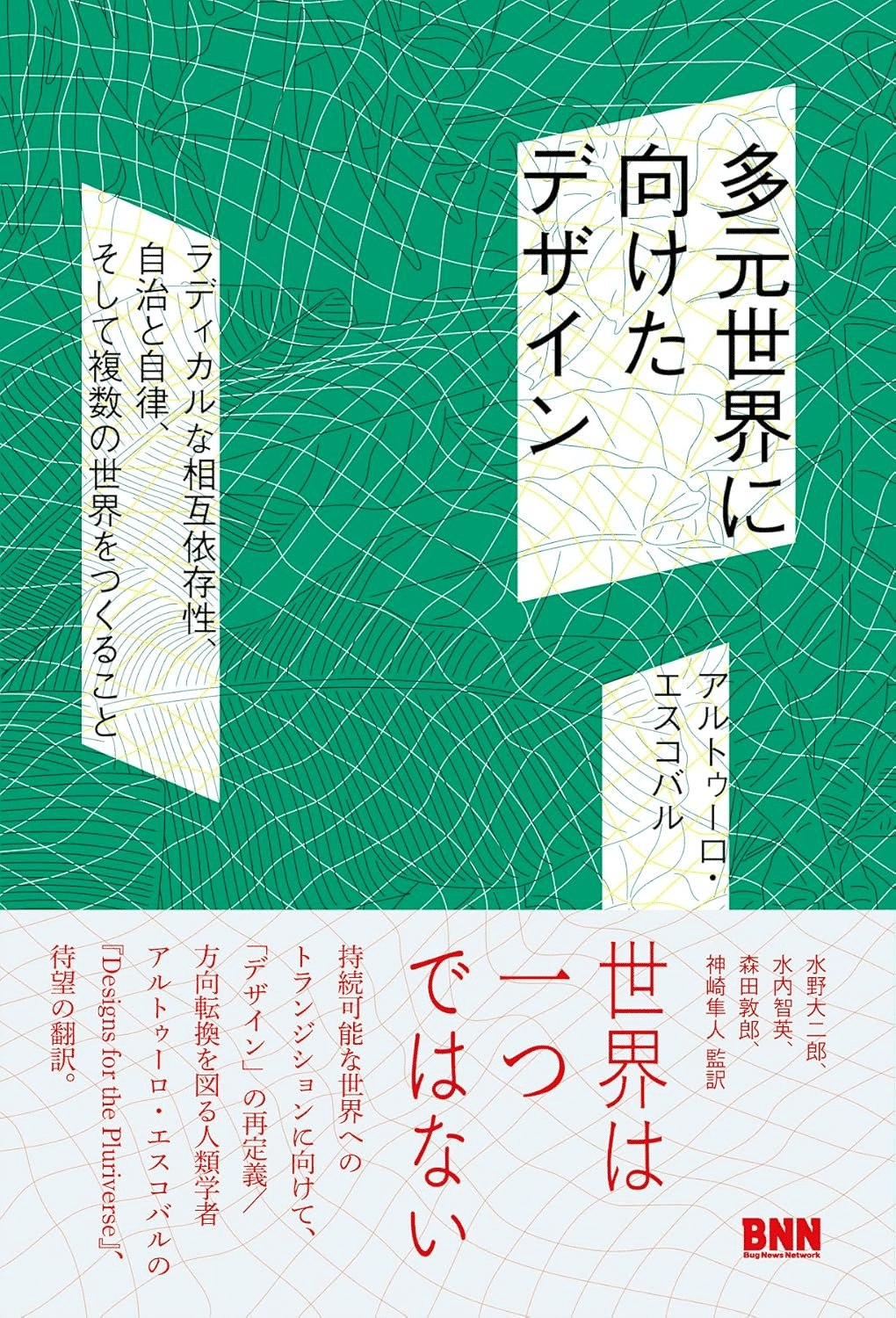
FIG.3
Therefore, it’s important not to separate ourselves too much from the environment. I hope you’ll draw on the imagination that comes from a sense of closeness and familiarity. For example, I think entirely different mental processes are at work when you think about your beloved dog versus a bird you don’t know very well. The relationship with your dog isn’t about control; the value lies in the very act of living together.
Or, you could say it’s about engaging in a “second-person” rather than a “third-person” relationship. Without this sense of closeness, I believe the environment becomes merely an object to be managed or controlled.
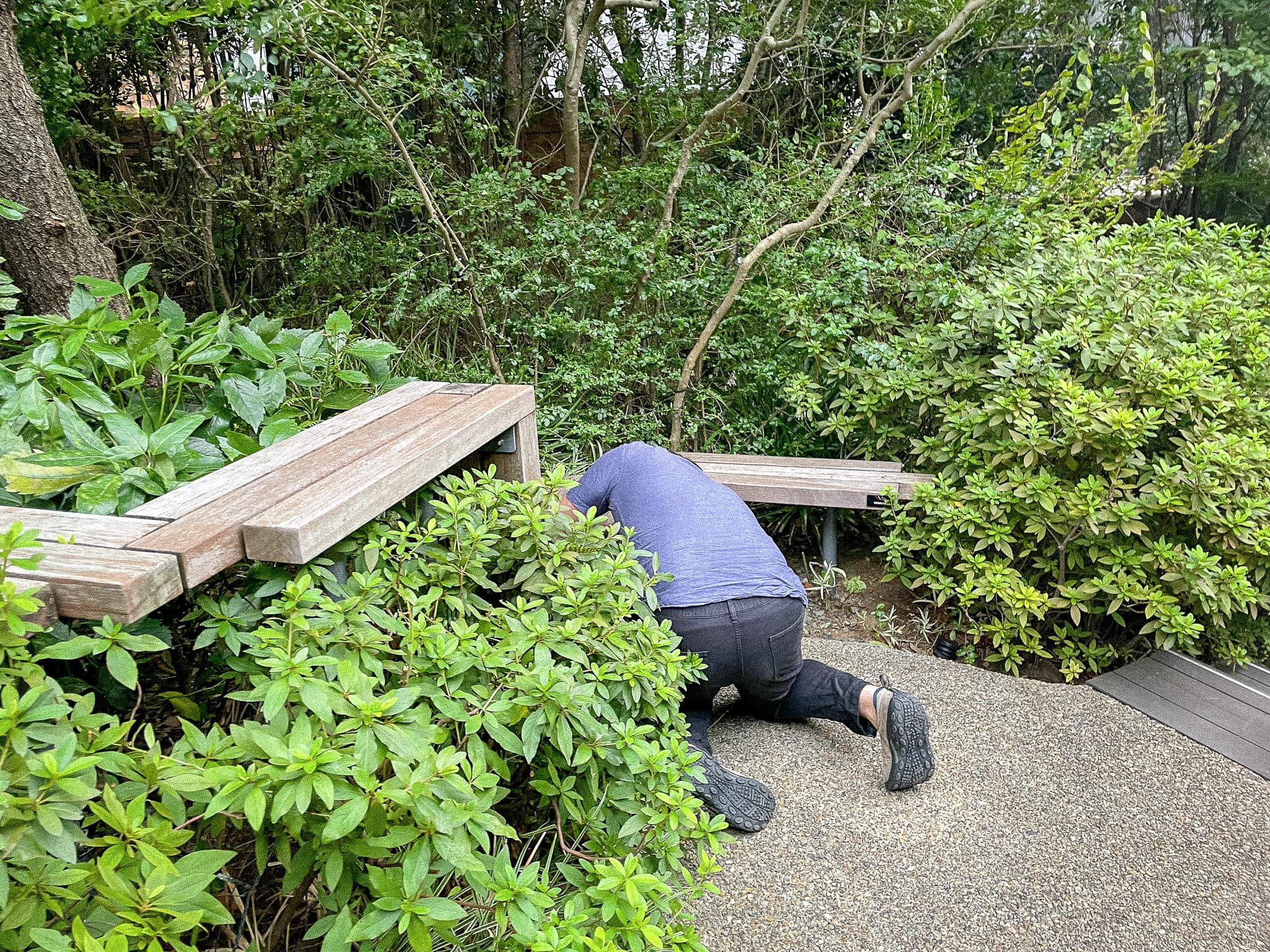
I hope you’ll have that kind of experience during this fieldwork as well. I want you to have an experience that moves you so deeply—not just one where you acquire new perspectives or skills, but one that fundamentally changes your perception of living creatures, to the point where you can no longer view the city in the same way you did before. I believe that experience has the power to significantly drive design forward and bring it to life.
FIG.4
Credit
REPORT
2025.09.15.