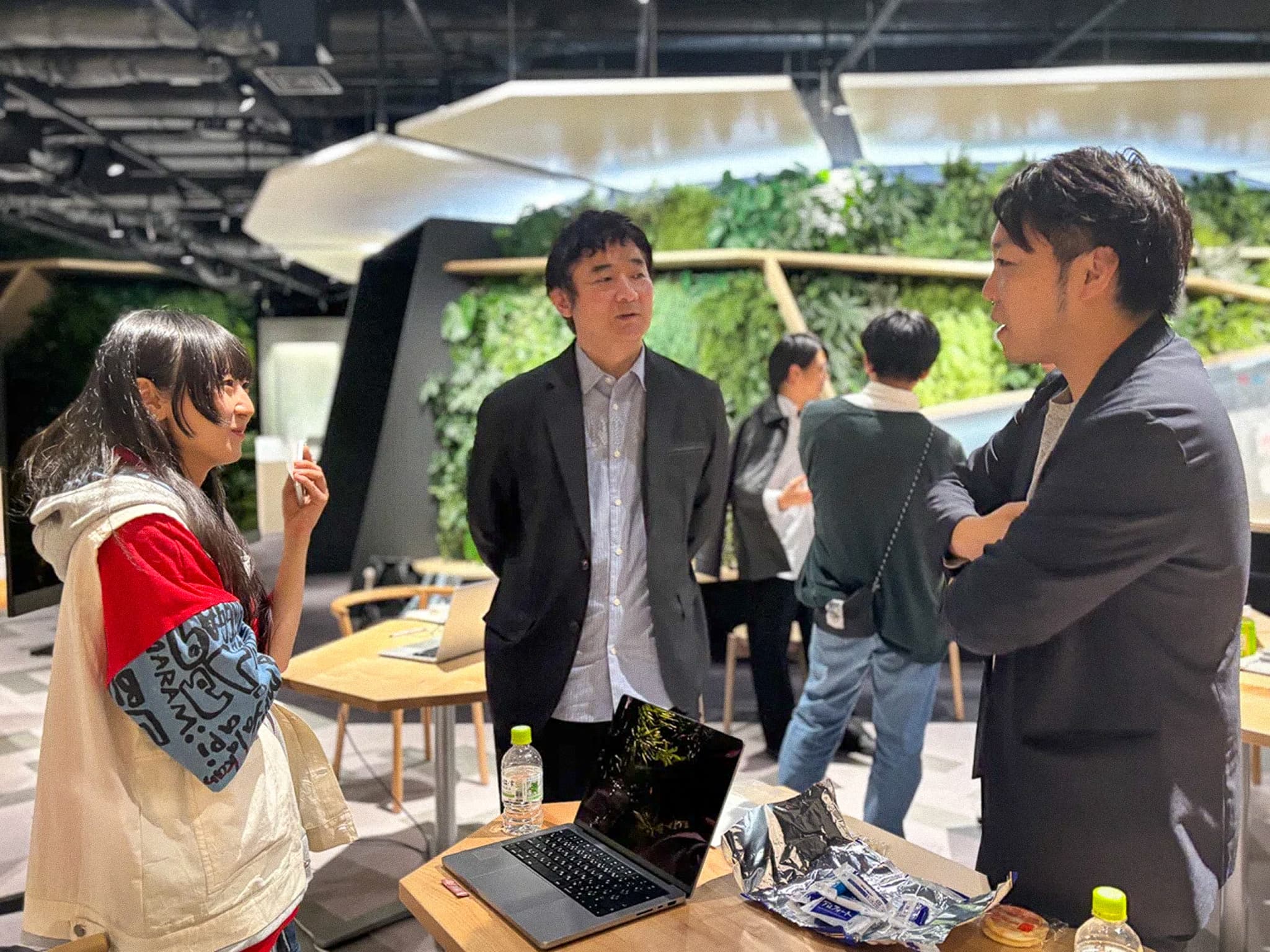
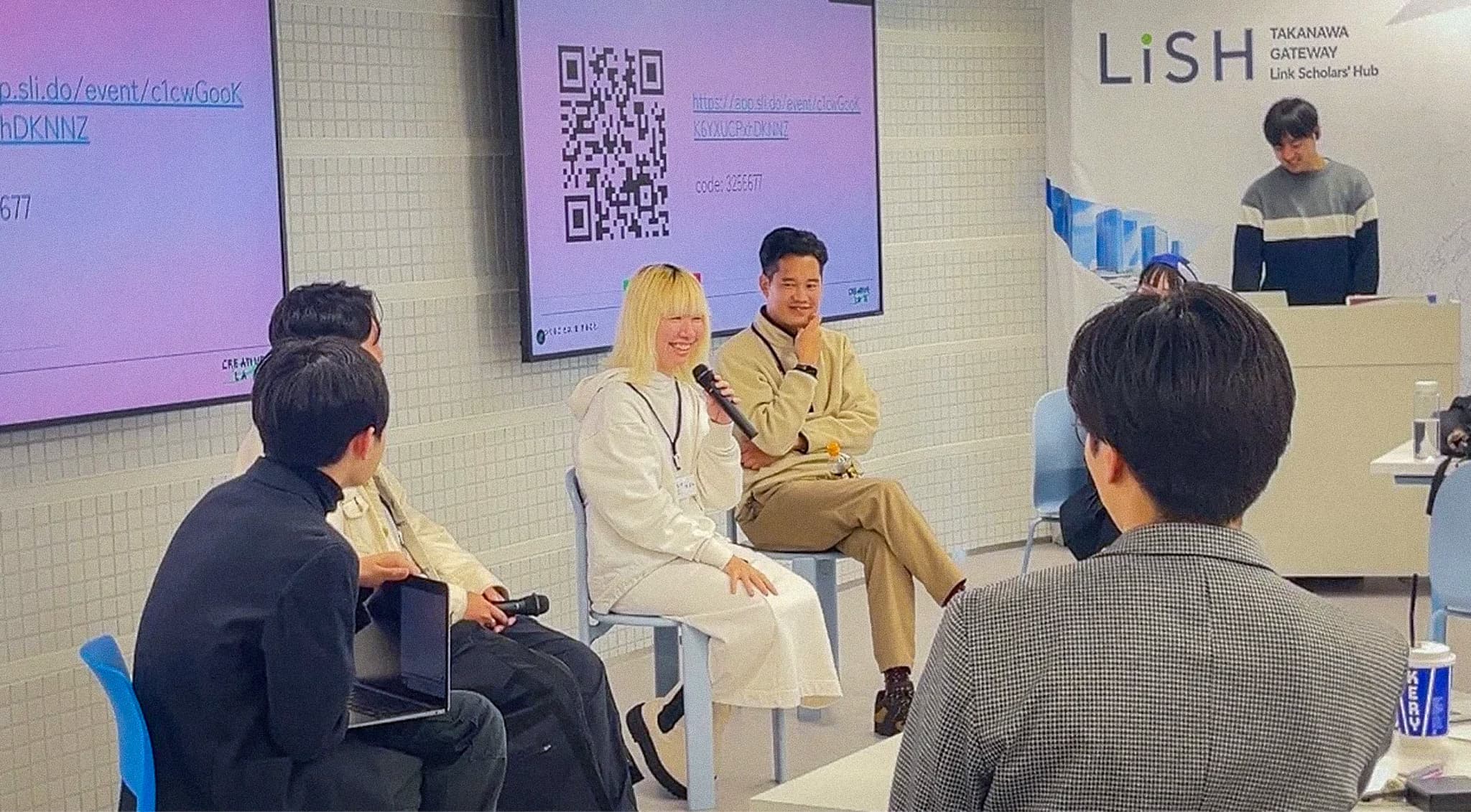
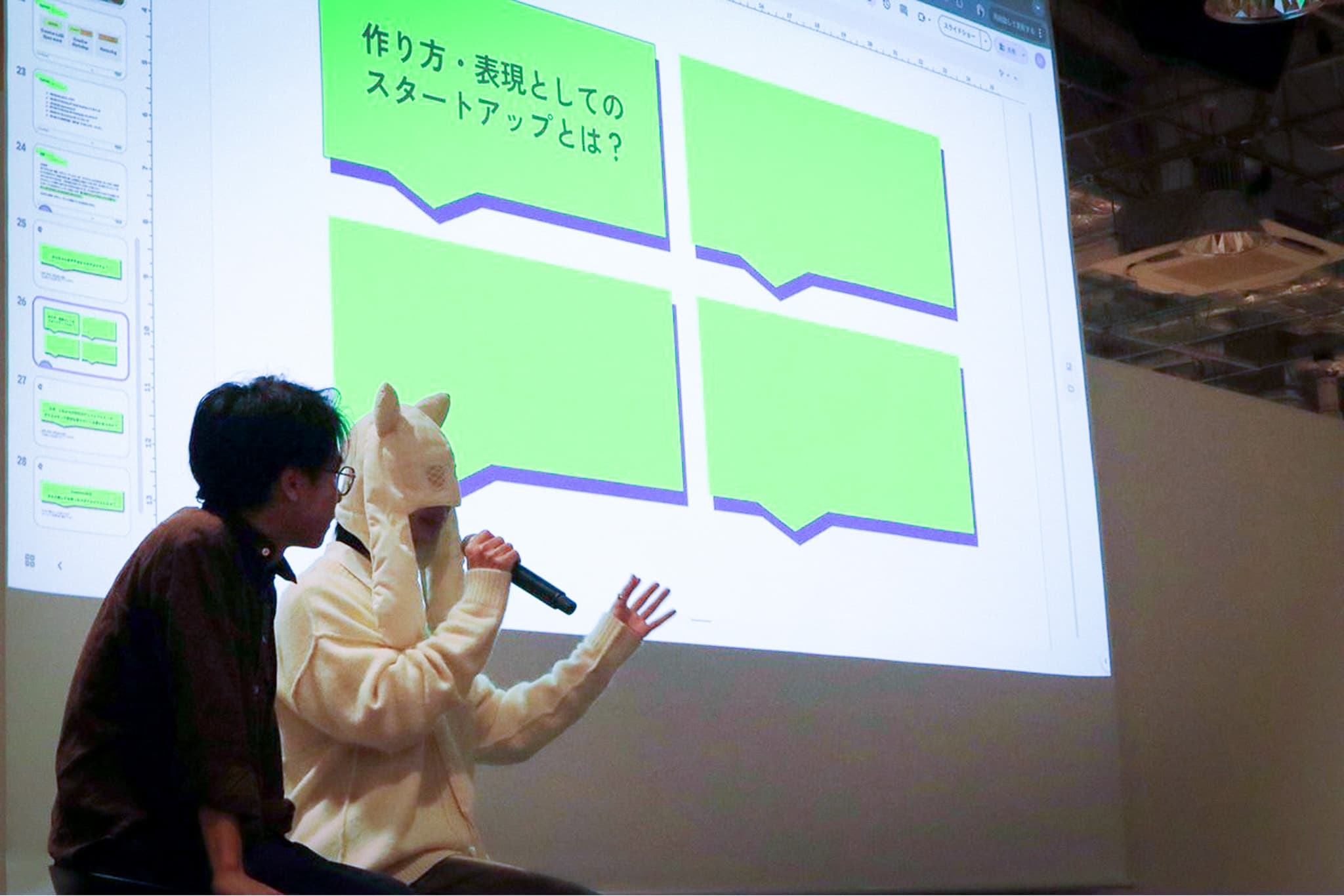
Creative-LAB. 2nd Term Program Report #2
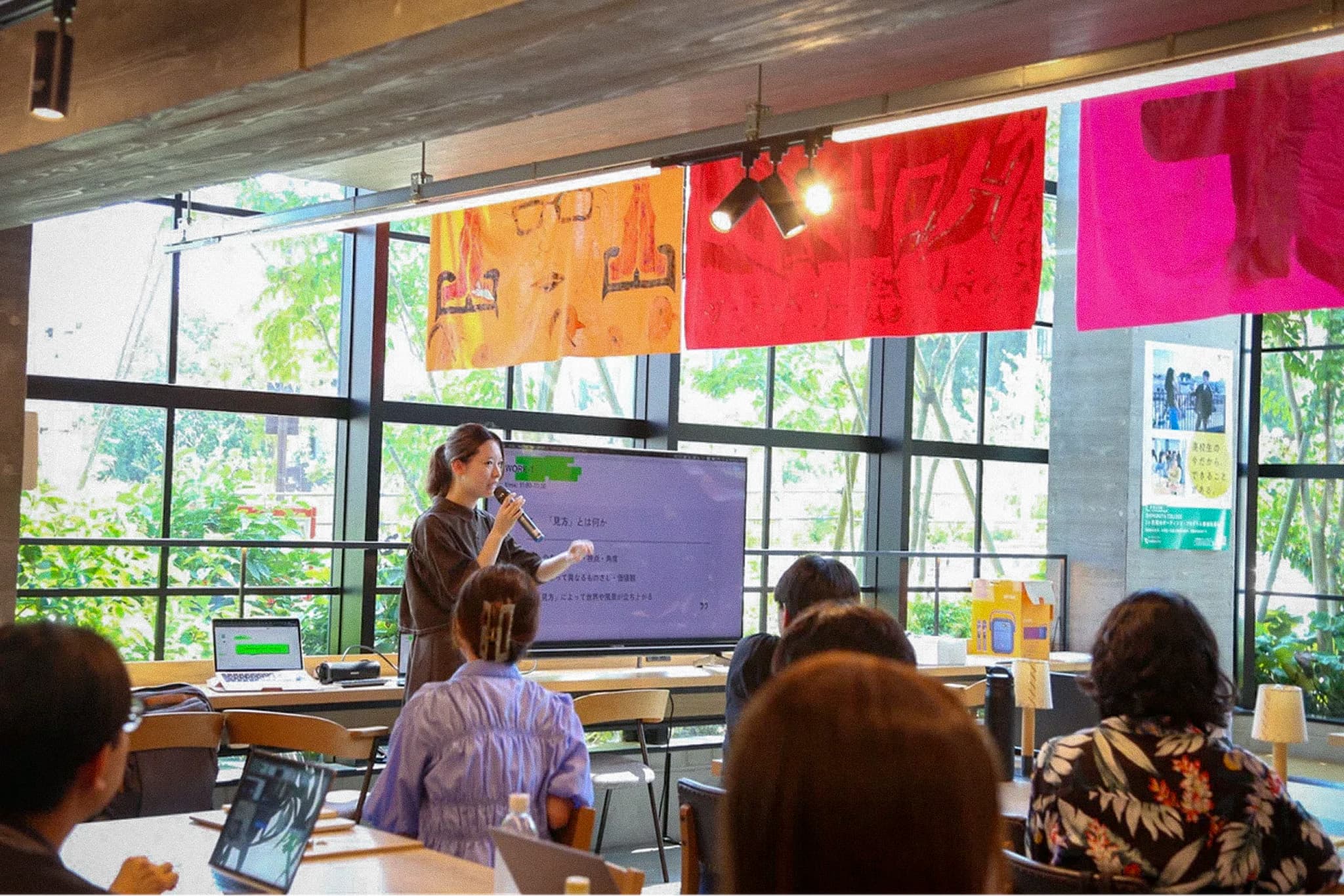
FIG.1
ETIC. (NPO) and ASIBA have launched a three-month Creative-LAB. program in collaboration with Tokyo Startup Gateway as an inquiry- and practice-based initiative. Creative-LAB. is a three-month program designed for young people aspiring to careers in creative fields such as architecture, design, and art, helping them explore their “way of life” through the act of “creating” for themselves.
On August 31, we held DAY 2 at SHIMOKITA COLLEGE in Shimokitazawa, Tokyo.
About SHIMOKITA COLLEGE: Japan’s first residential college, where approximately 124 high school students, college students, and young professionals come together to share their experiences in an environment designed for “learning while living.”
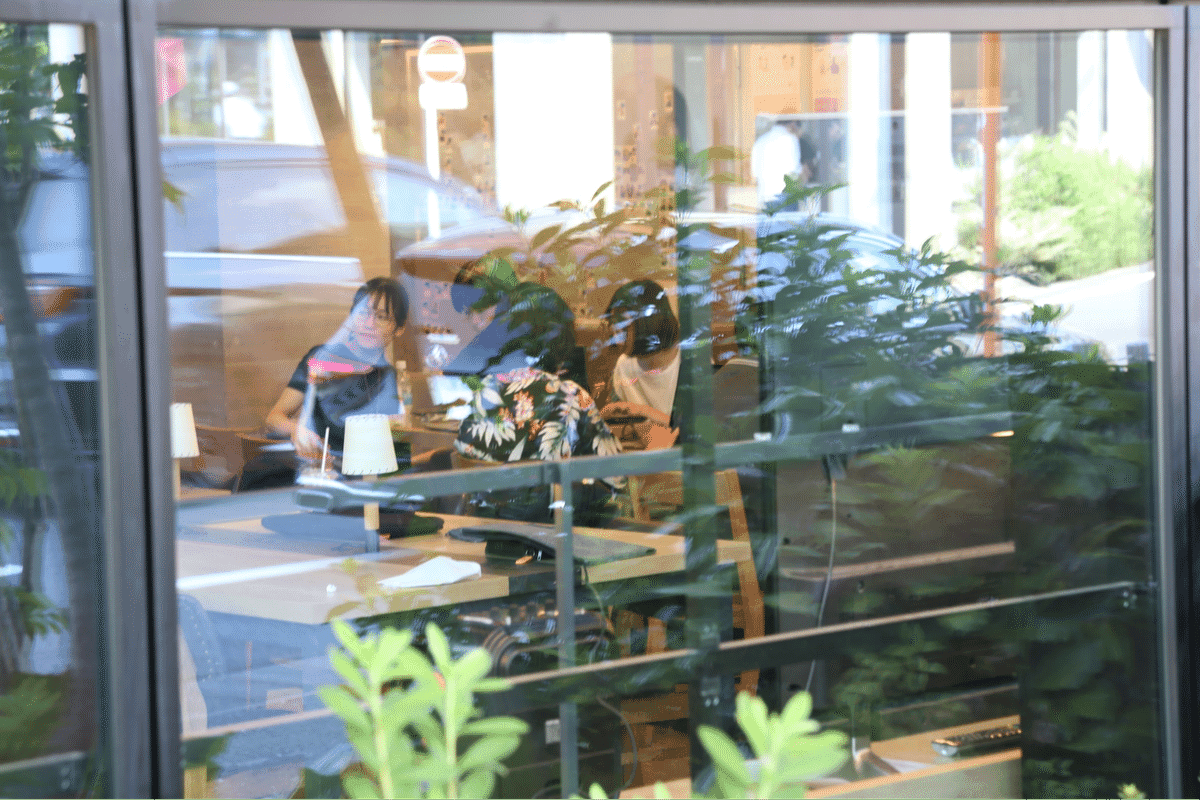
FIG.2
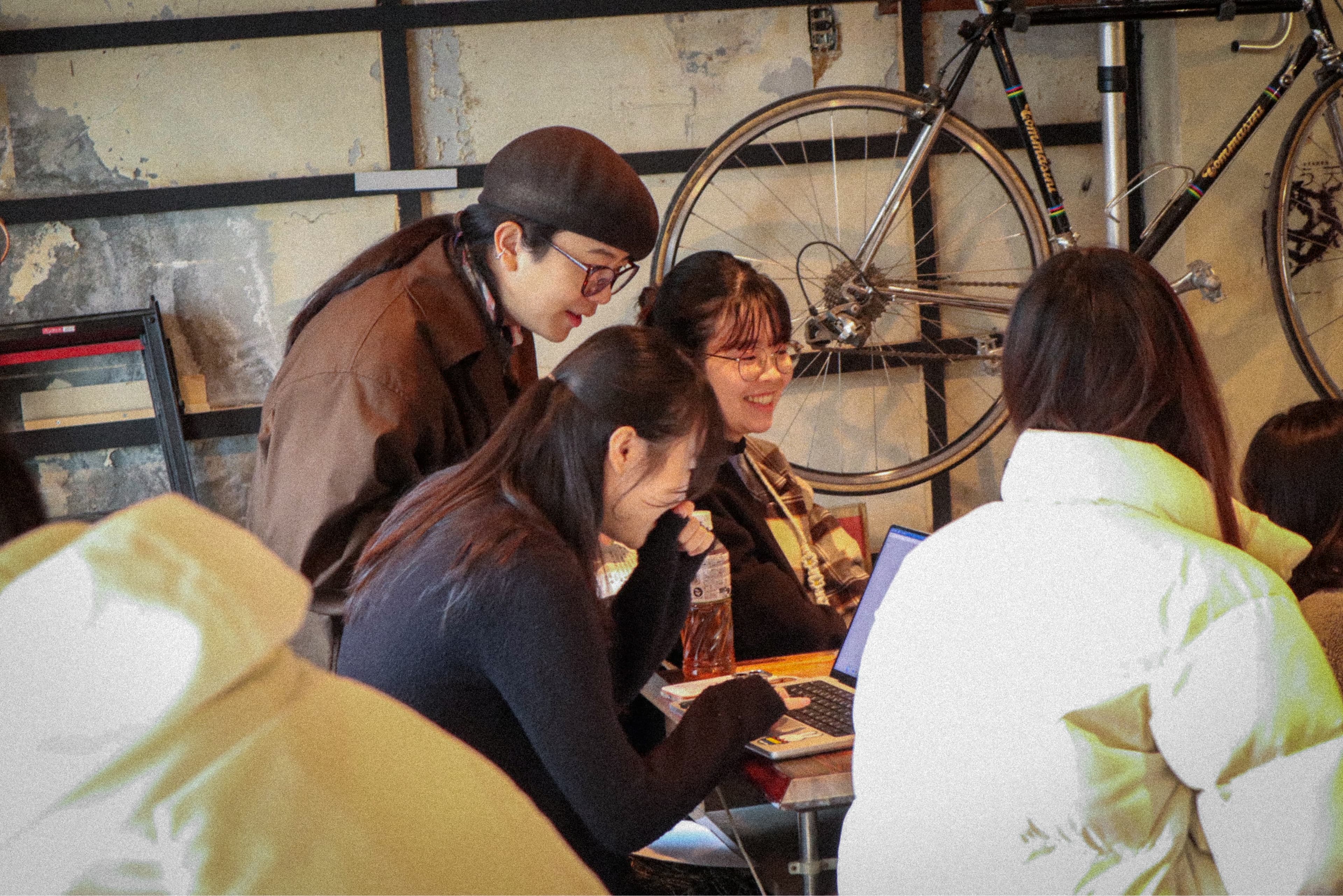
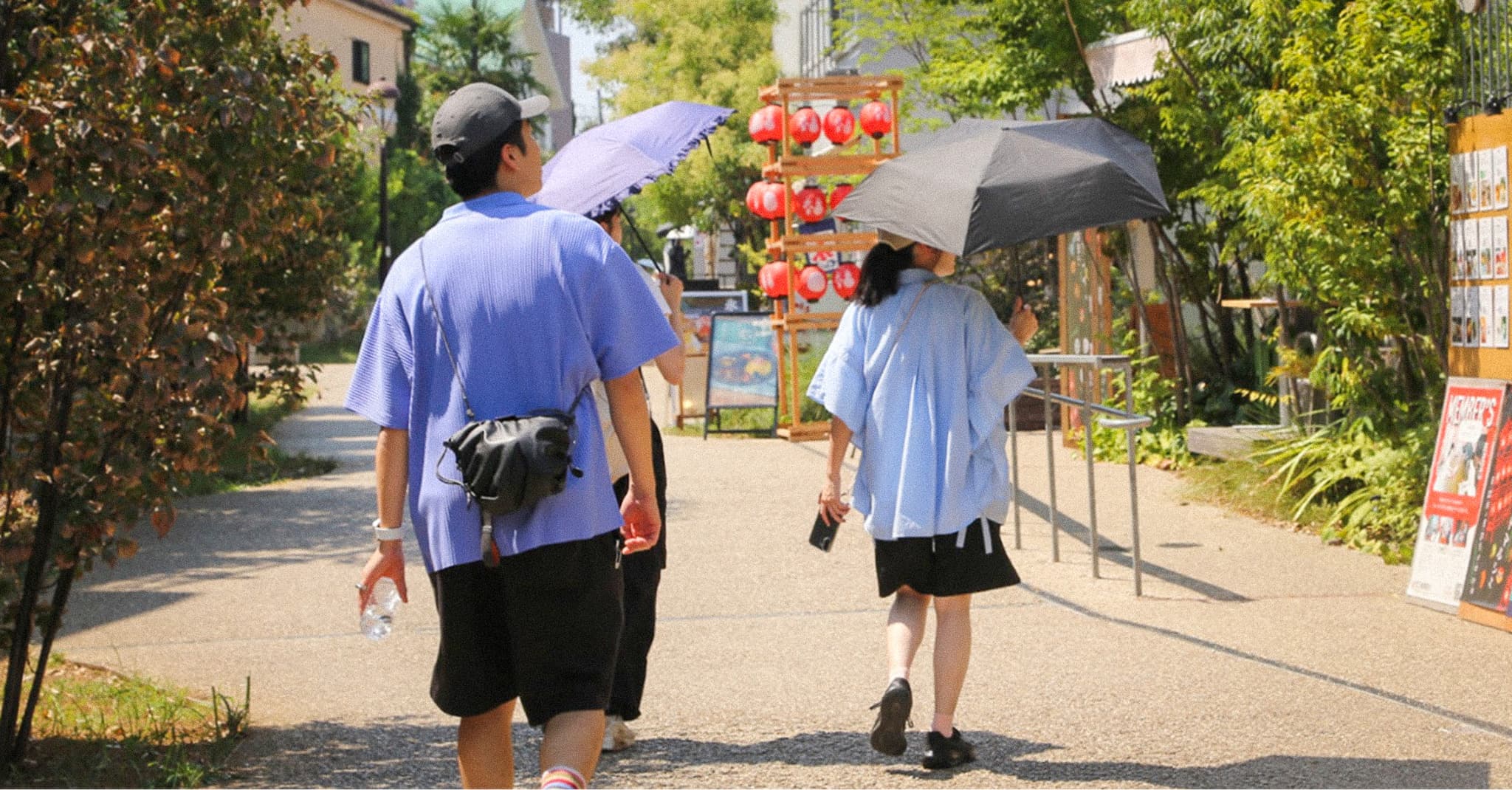
For the second session of the program, we conducted fieldwork where participants ventured out into the neighborhood to cultivate new “perspectives” and “ways of expression” and hone their ability to respond to challenges. In the first half, while walking through Shimokitazawa, participants engaged in an exercise to reexamine things from new angles by putting into practice the “perspectives” they had created from scratch.In the second half, we used a virtual space called “MEs” to create collages as a practice in quickly expressing our personal preferences, habits, discoveries, and questions.
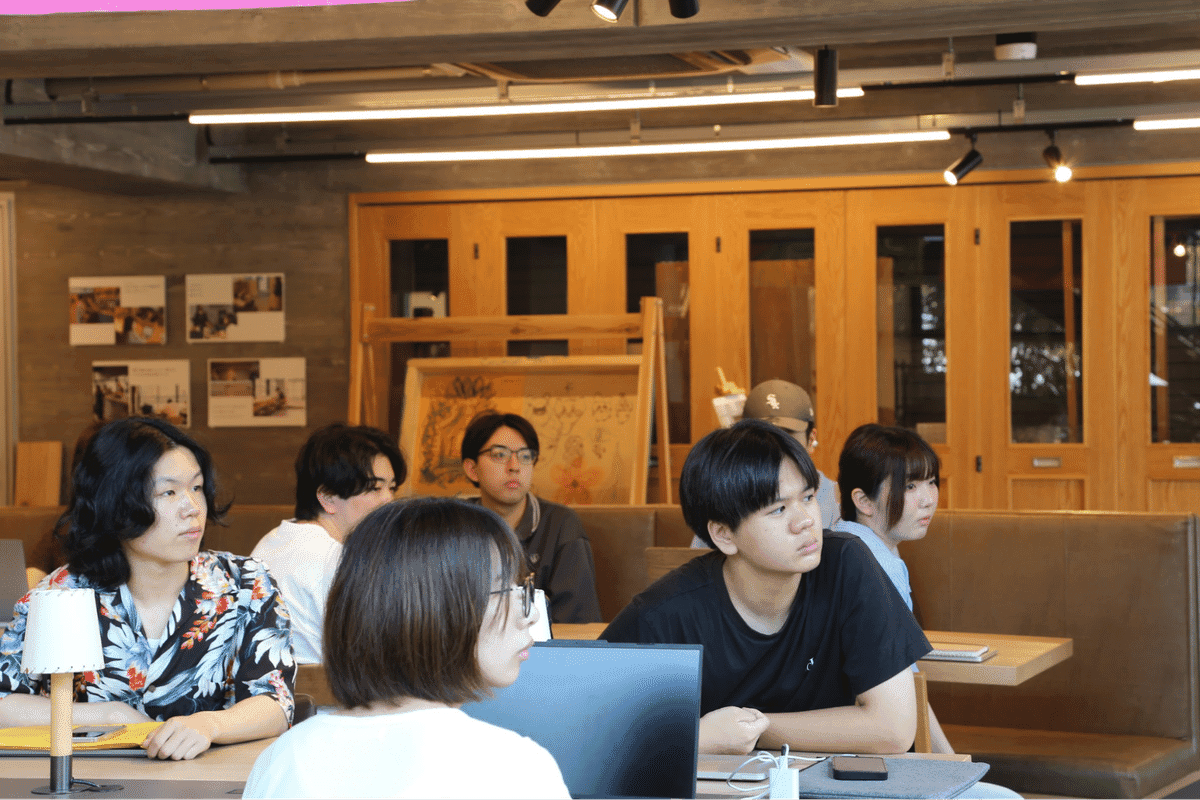
FIG.3
First, we consider the perspectives we’d like to try when observing the city. We consciously reexamine the ways we’ve viewed things in the past and cultivate new perspectives. Through the use of tools, we become aware of our thinking patterns and frameworks of understanding, and attempt to update our perspectives.
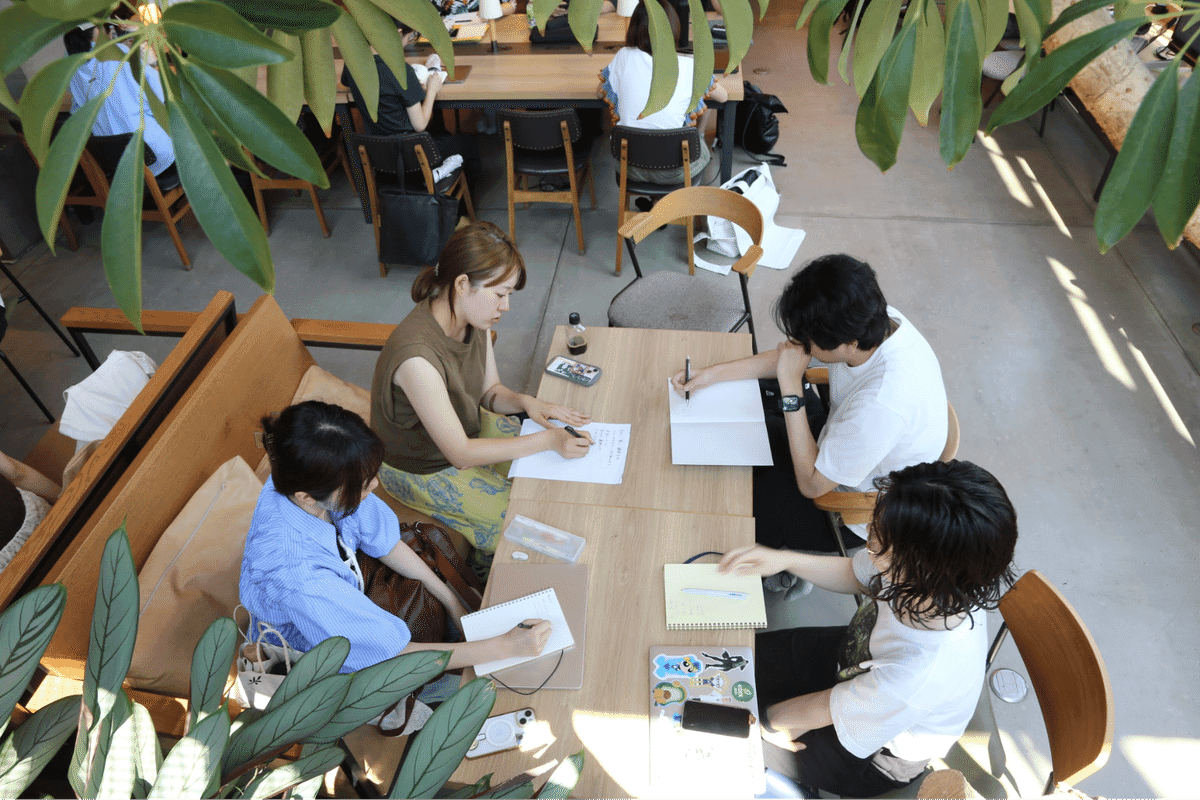
FIG.4
In our daily lives, we perceive and recognize the world through a variety of perspectives.“Words,” one of the tools closest to us, form the most fundamental framework for thought. For example, the French word “papillon” encompasses two distinct meanings in Japanese: “butterfly” and “moth.” How we define words changes our perspective on the world around us.
It’s not just words; everyday tools also serve as windows that open up diverse perspectives. For example, a smartphone camera offers multifunctional options—such as zooming in to enlarge subjects, shooting in black and white to eliminate color, or changing the aspect ratio to select different framing—all of which can be used to create new perspectives.
By reflecting on the perspectives created through the mediation of people and objects, and by observing the city based on these insights, we complete a full cycle—from hypothesis testing to practice to reflection—thereby cultivating the foundation for an exploratory way of interpreting the world. Rather than viewing phenomena through a single lens, it is the flexibility to continually question how to interpret them—that space for open-minded understanding—that creates new perspectives. By expanding your repertoire of perspectives, even obstacles that would be difficult to overcome with your own resources alone can be addressed by using multiple viewpoints as a starting point to drive solutions.
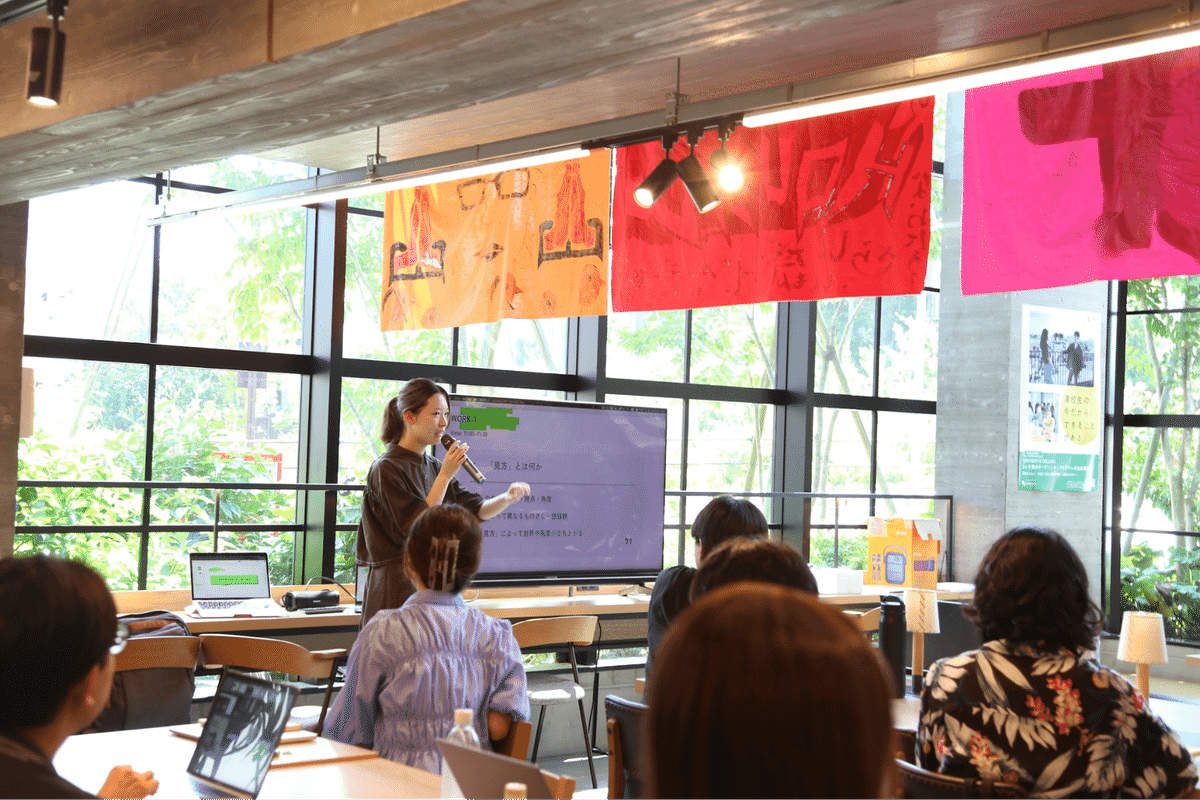
FIG.5
Here are some of the perspectives the participants actually came up with:
◆ Photographing from a child’s perspective; taking portraits ◆ Capturing elements that repeat every 130 seconds in black-and-white photographs ◆ Creating a frame with one’s hands while another member takes the photo
We’ll explore the town while putting these perspectives into practice, combining it with a lunch break in Shimokitazawa.
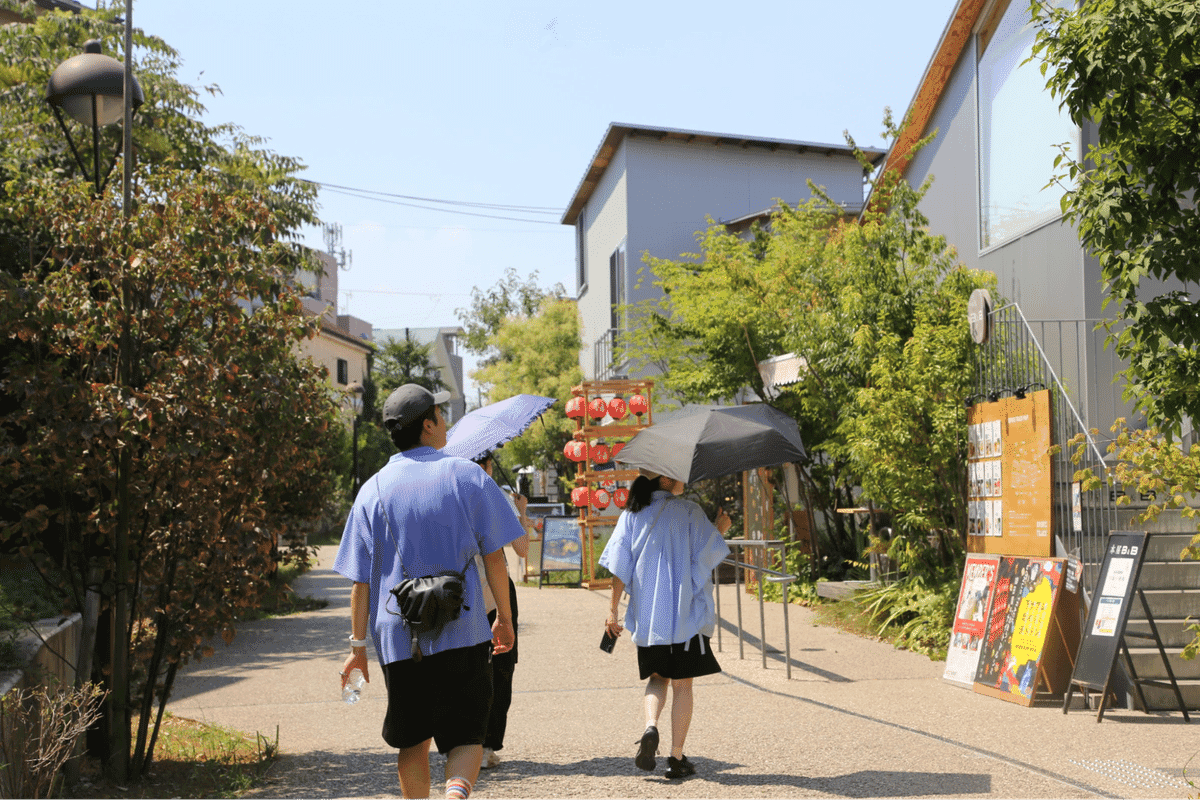
FIG.6
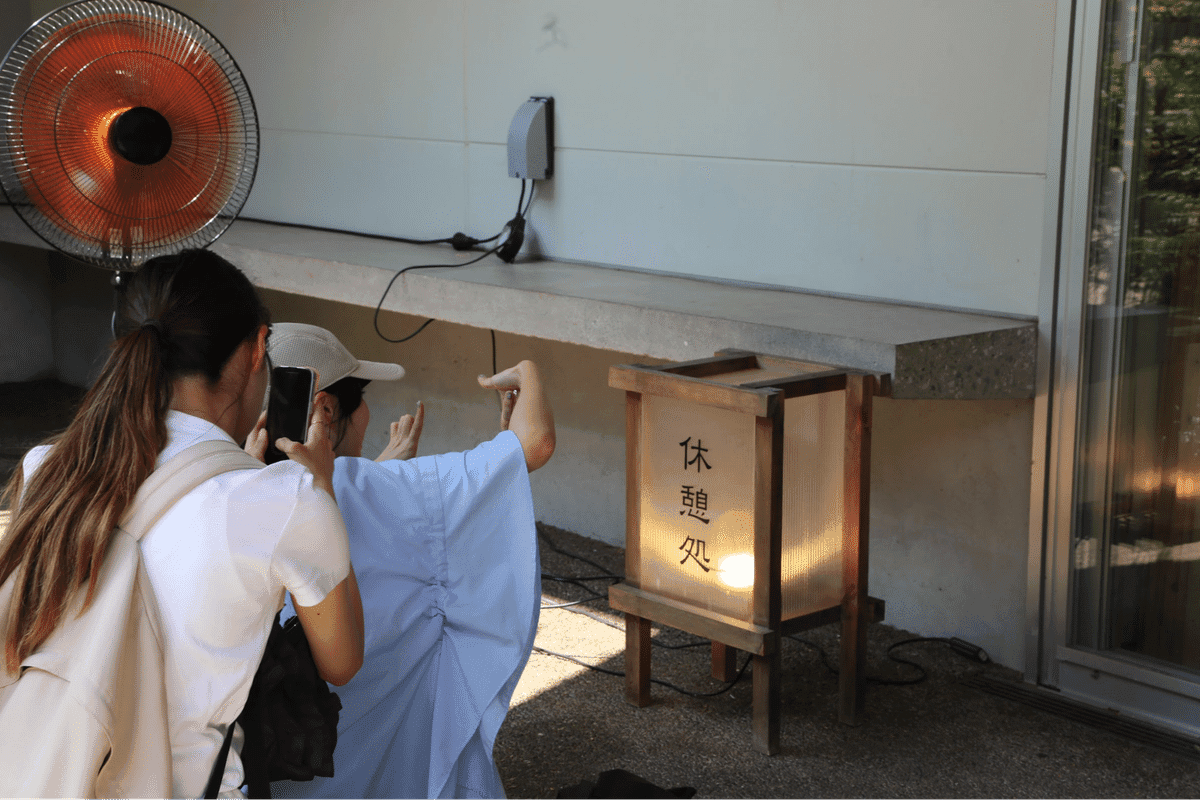
FIG.7
Once we return from fieldwork, it’s finally time to gather our collected materials and give them form. In this lab, we place a strong emphasis on moving between virtual and real spaces to foster richer, mutually generative creativity among participants and to visualize our records.
To that end, we invited Haru, the developer of MEs, to lead a workshop on how to use the tool. To utilize it as a creative space where we can freely arrange photos, audio, and 3D scans, we began with a warm-up session, exploring each function one by one.
MEs is a digital tool that allows users to immerse themselves in creative making within a 3D space. It supports a creative environment where participants can collaborate freely online while engaging with each other’s creativity.
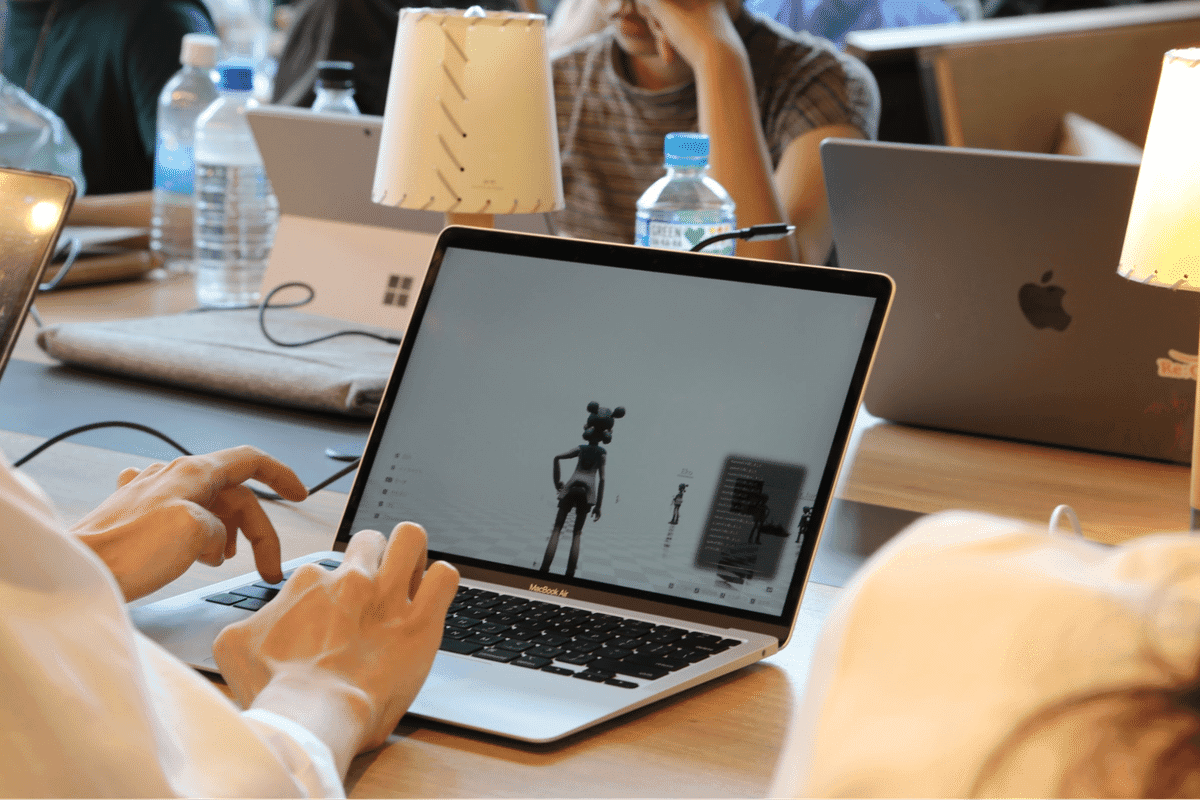
FIG.8
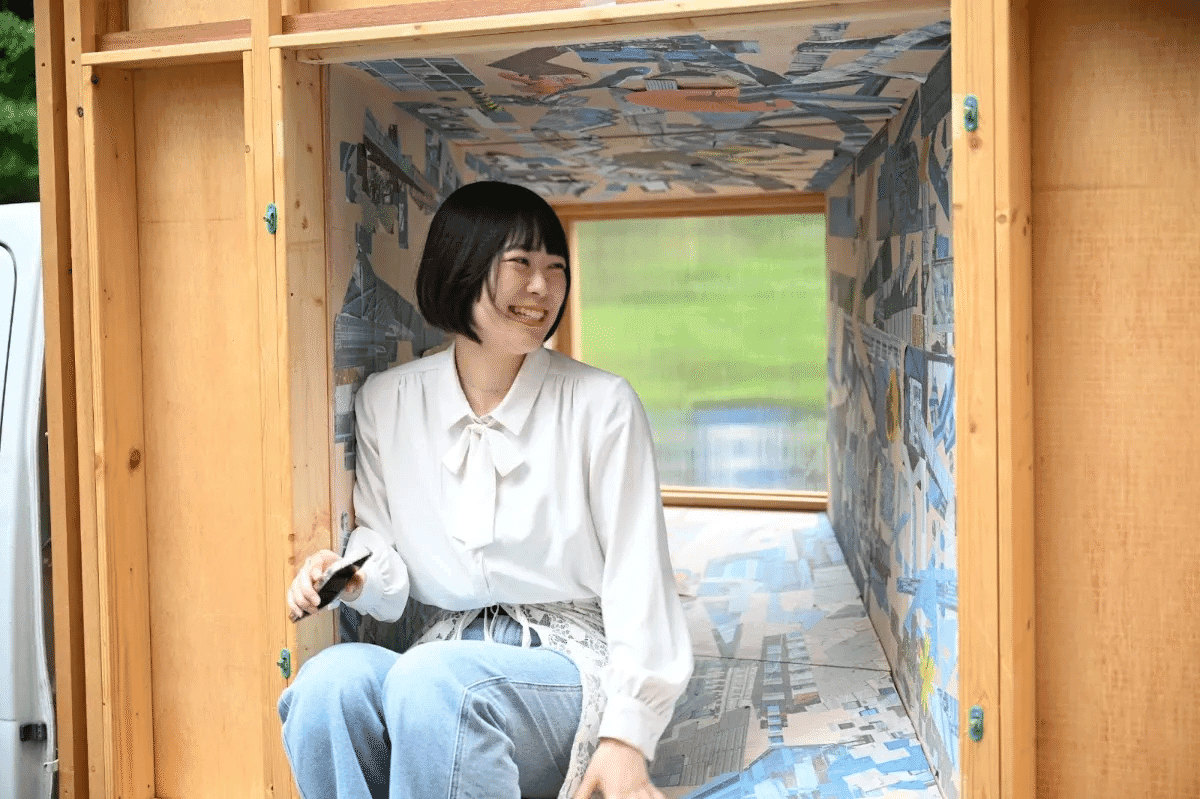
Within MEs’ monochrome world, participants worked with their hands to combine the materials they had gathered through their practical exercises in observation and turn them into collages. Some groups not only collected photos but also shot videos and performed 3D scans, leading to moments of surprise and discovery as we observed the differences in each group’s methods of expression.
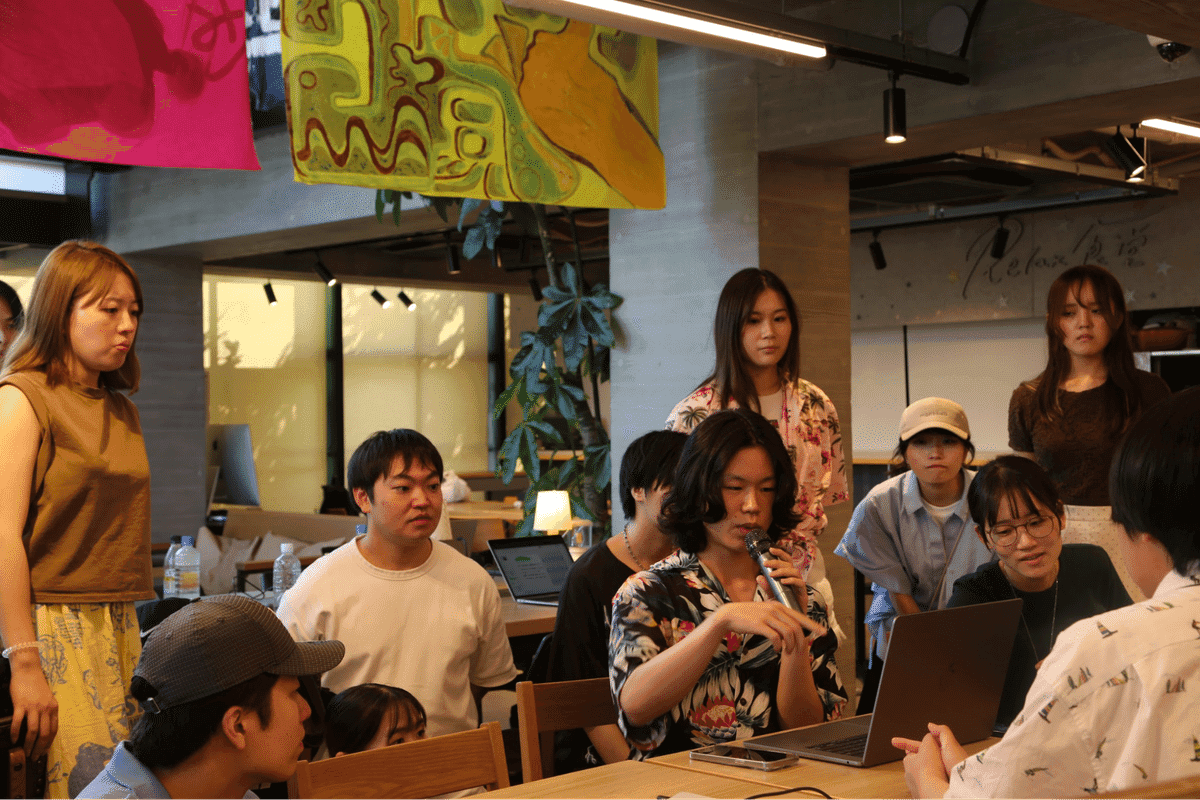
FIG.9
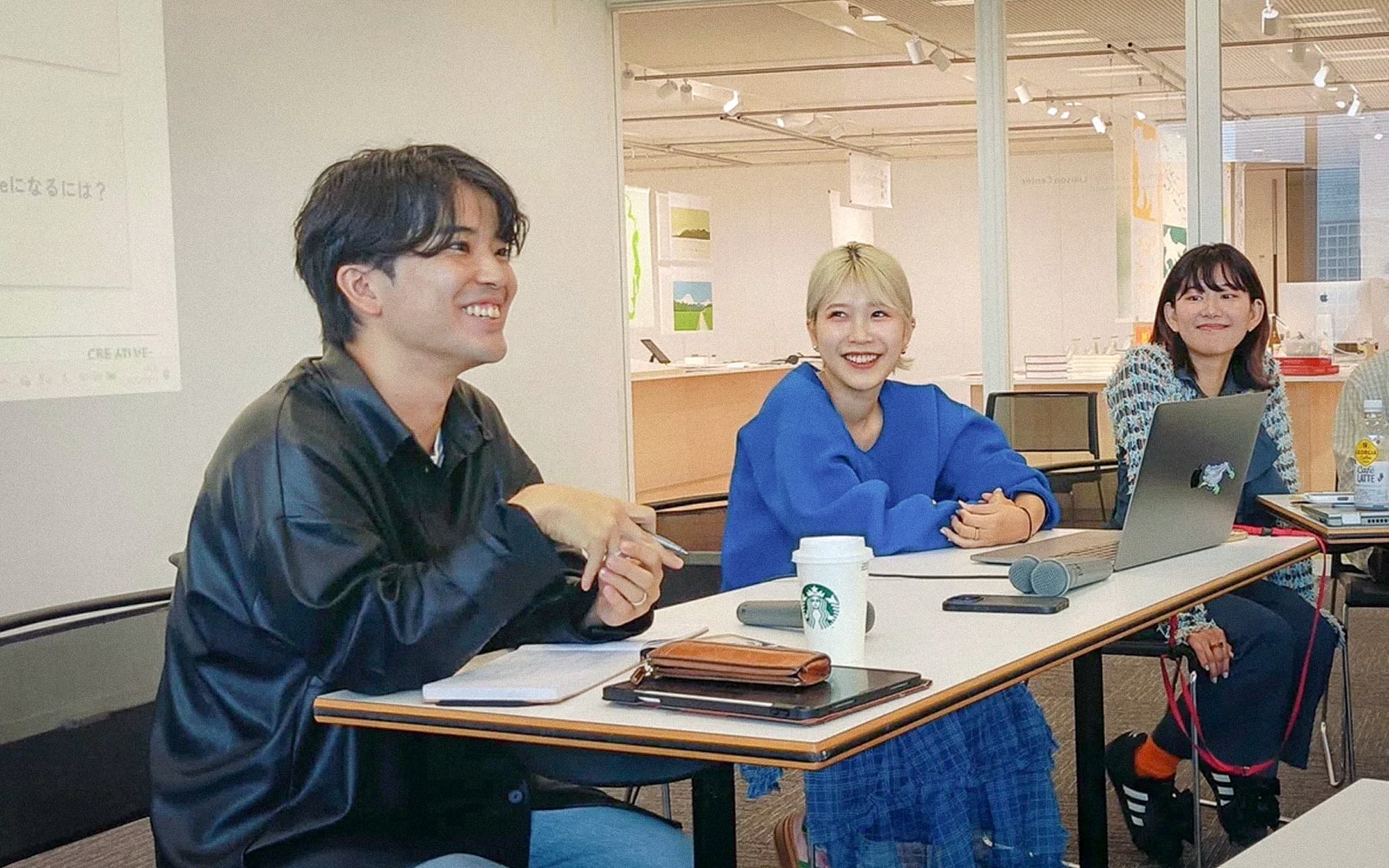
During the group sharing session, participants discussed the insights they gained through putting their individual perspectives into practice.
◆ Shooting from a child’s perspective; shooting portraits: Participants focused on insects, soil, fallen leaves, guardrails, and the symbols and illustrations on signs and billboards. Because the field of view was low and the amount of information visible was limited, the meaning, value, and impression conveyed by a single illustration or symbol were amplified, stimulating the imagination. ◆ Capturing elements that repeat every 130 seconds in black-and-white photographs: The “repetition” of patterns etched into walls and signs, as well as objects arranged at regular intervals, became visible. We also discovered that by expanding the scope of the “repetition” or increasing the abstraction of shapes and objects, things that didn’t appear repetitive at first glance began to look repetitive. ◆ Creating frames by hand while other members took photos: By framing not just the subject as a whole but the specific points we wanted to capture, we fostered communication among members as we shared what we found appealing about the subject. We experienced the differences in perspective—things we hadn’t noticed ourselves became visible through the eyes of others.
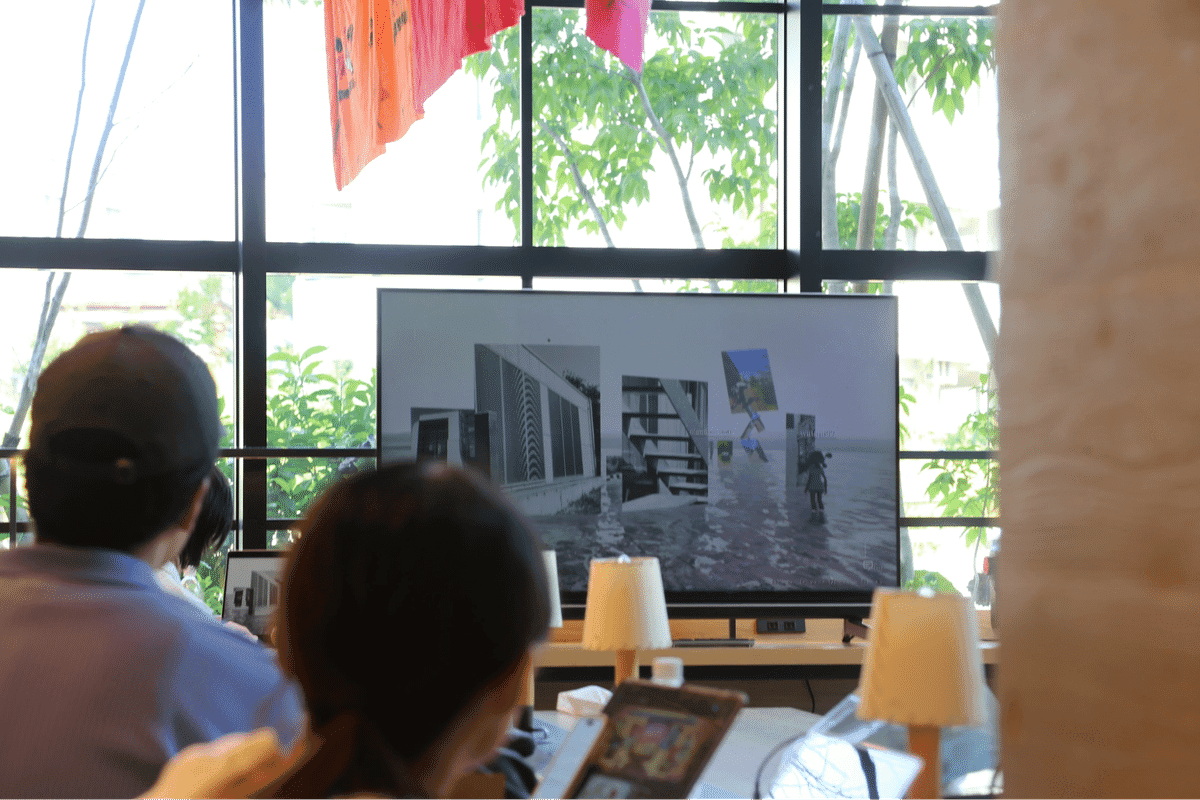
FIG.10
At the end of the workshop, building on the practical exercises in perspective, participants will articulate their next steps for implementing their ideas on a worksheet and devise more concrete actions.
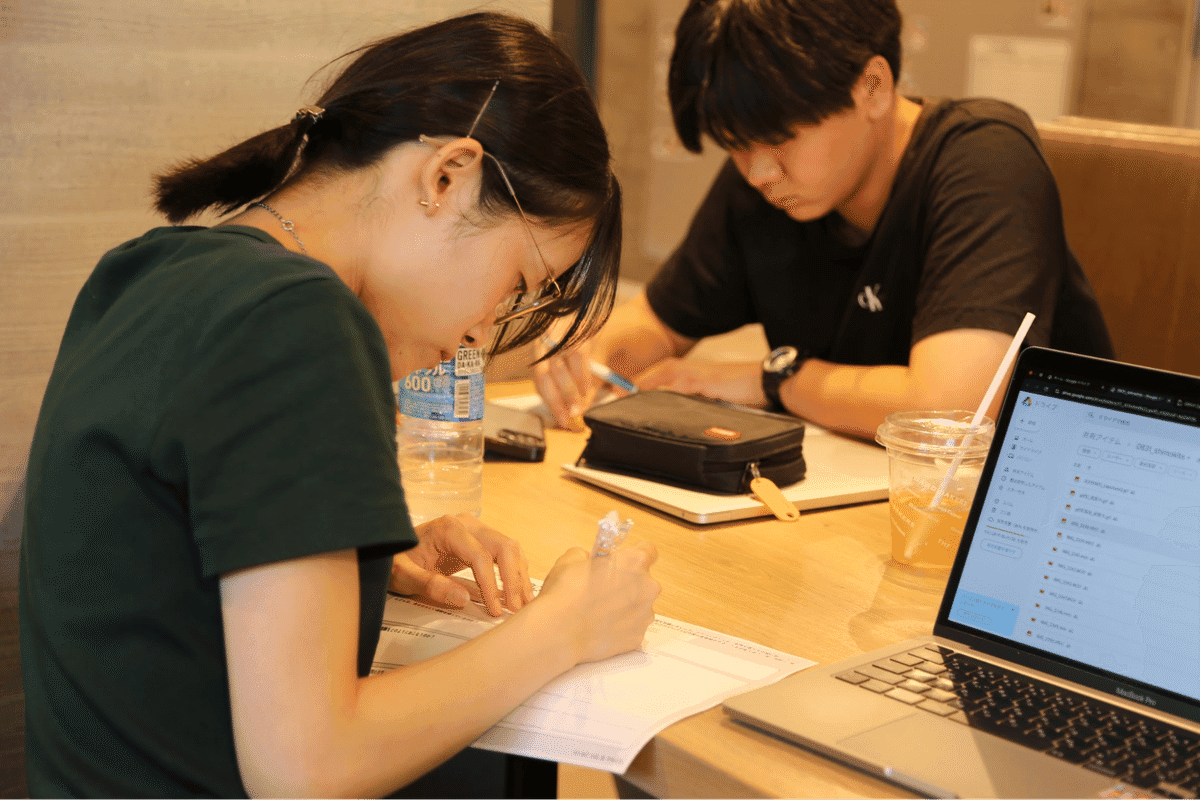
FIG.11
The next event, DAY 3 Open Lecture, is scheduled for mid-October. We’ll hear from pioneers who have transitioned from creation to entrepreneurship and are working to bring their ideas to life in society. With a workshop titled “Intensive Production Session” scheduled in between, we’ll finally begin shaping our ideas in earnest.
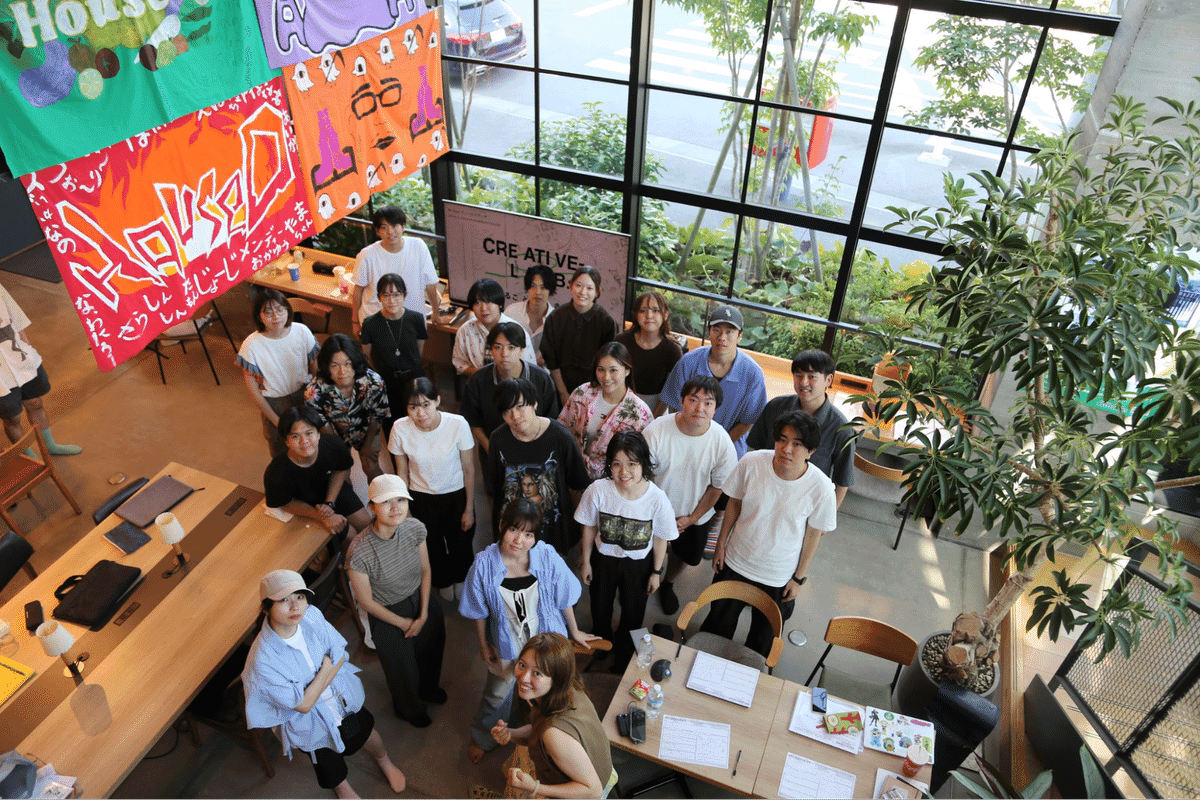
FIG.12
Credit
Related Works