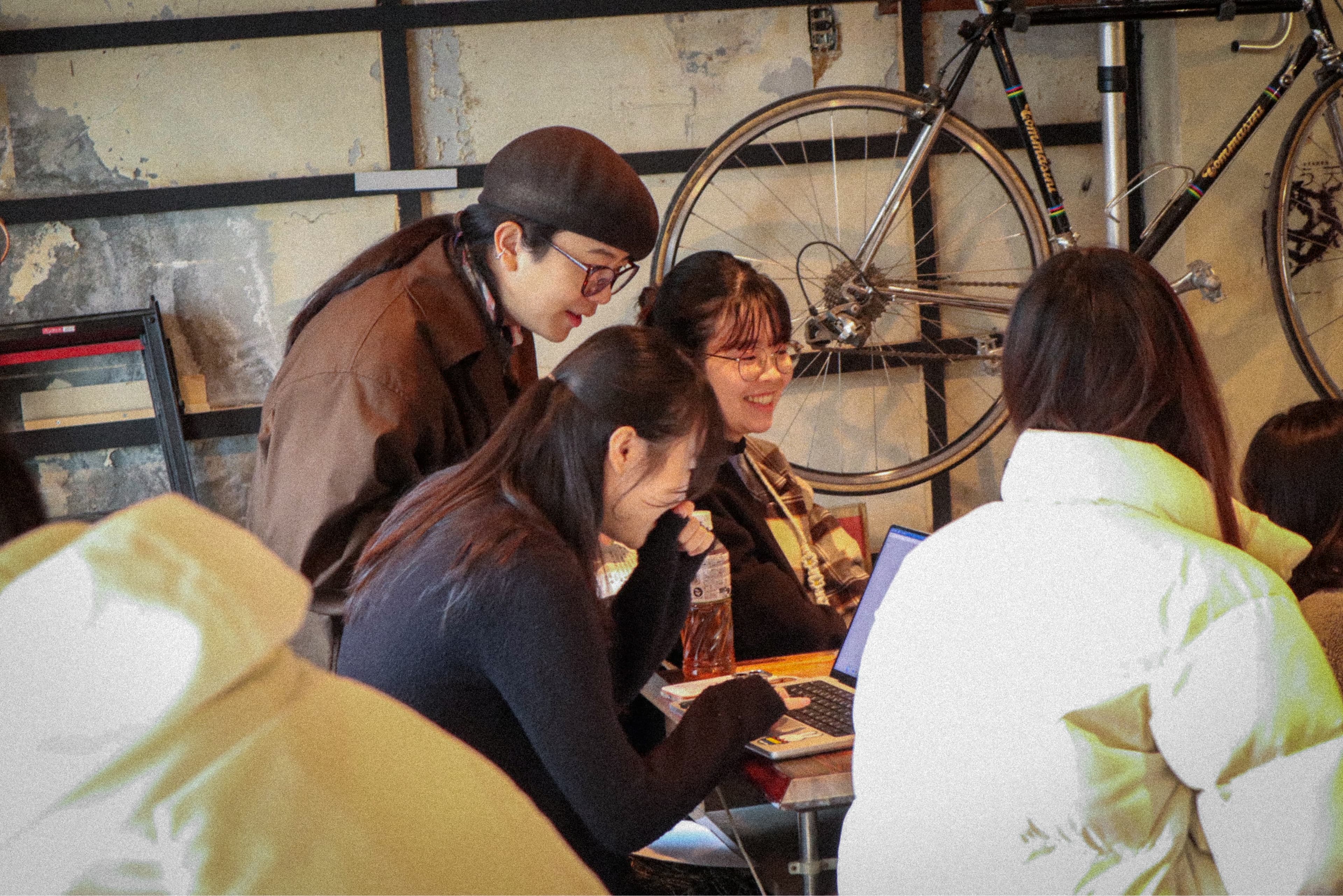
Creative-LAB. 2nd Term Program Report #6
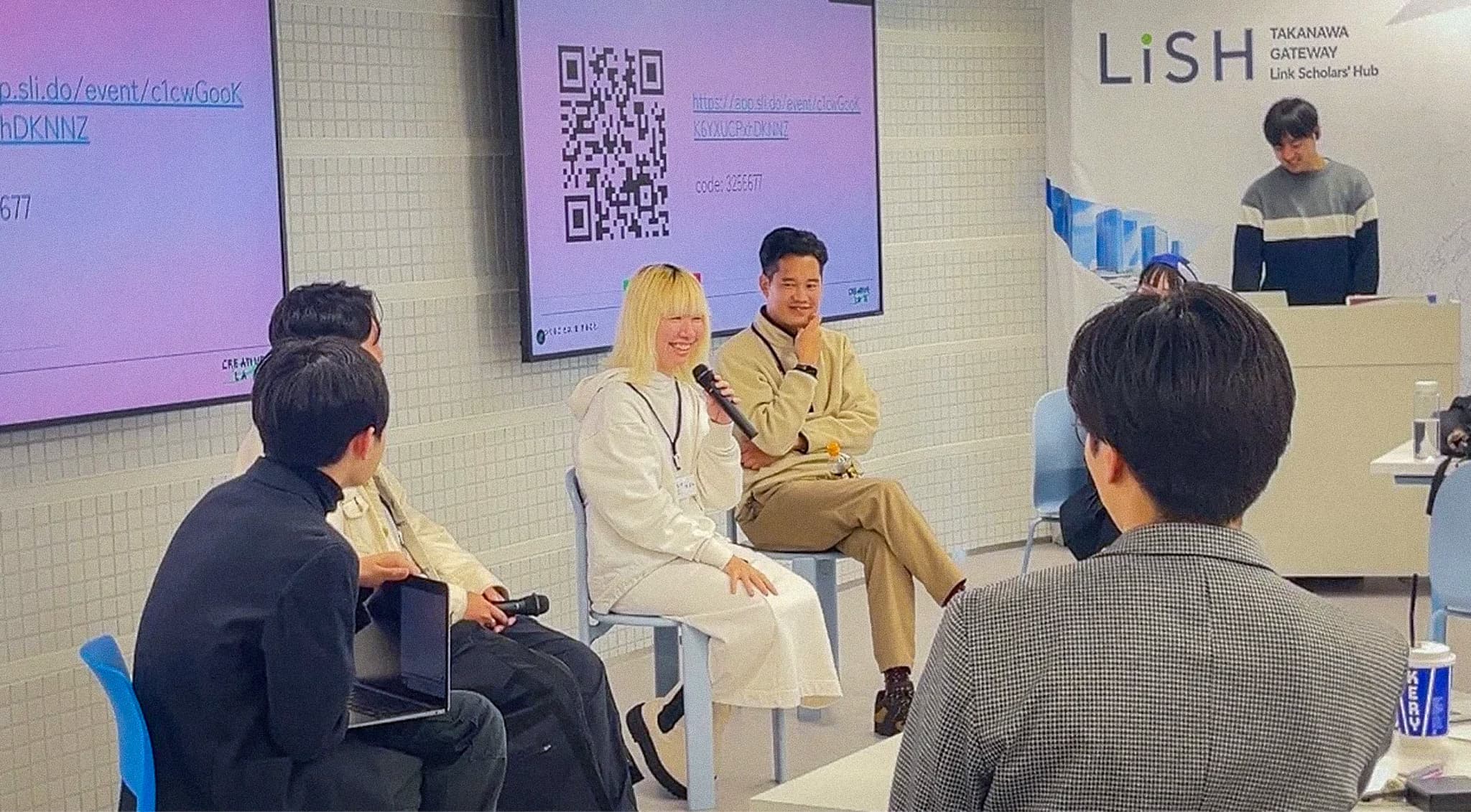
FIG.1
On November 2, we held Creative-LAB DAY6 (Open TALK #4) at LiSH (TAKANAWA GATEWAY Link Scholars' Hub), a co-creation hub directly connected to Takanawa Gateway Station.Under the title “How Do We Overlap ‘Creating’ and ‘Living’?”, we invited young artists, designers, and researchers who have won the GOOD DESIGN NEW HOPE AWARD. This article presents a summary of the Open TALK.
*Note: Although BIOTA Co., Ltd. is listed as a “co-organizer” on the Peatix page banner and description, the correct designation is “partner.”
I am currently creating fine art as a graduate student at Tokyo University of the Arts, while also working as a founder and designer for “My Lily,” an online medical service specializing in menopause. Although I wear many hats—as an artist, designer, and entrepreneur—the themes common to all my work are “care,” “mourning,” and “bereavement.”
My engagement with these themes stems from a formative experience I had when I was 14. When I was in my third year of junior high school, I lost my mother to breast cancer.In search of an answer to the simple question, “Why did my mother have to die?” I had the opportunity to visit the Dana-Farber Cancer Institute in Boston during my first year of high school. At the time, I couldn’t speak a word of English, but I felt that there must be something special at that cutting-edge institution.
As I walked through the hospital attached to the institute, trying to gain some insight despite my limited understanding, I realized it was a completely different environment from the hospital where my mother had been treated—with beautiful trees planted throughout and the chirping of birds serving as background music.Until then, I had been aiming to become a doctor or nurse, but at that moment, I thought, “Couldn’t I change hospital spaces through design?” and that’s when I stepped into the fields of design and art.
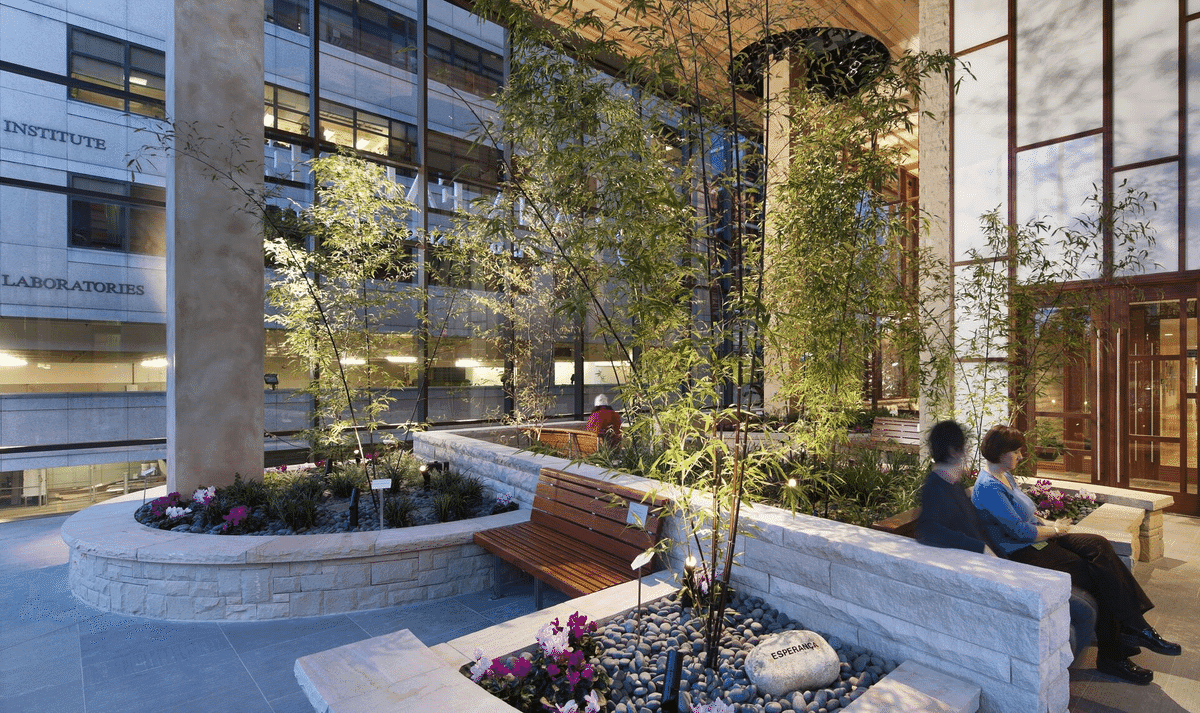
FIG.2
After returning to Japan, I started “Hospital Art.” I actually visited various hospitals and held workshops where I did vegetable stamping and drawing with patients. Although I was just a high school student at the time, those activities were full of reckless enthusiasm, and they remain the foundation of who I am today.
In college, I began studying architecture and landscape architecture. However, I struggled with the sheer scale of these projects—which exceeded my imagination—and I began to develop a sense of unease toward architecture. To make matters worse, the COVID-19 pandemic began. I was barred from entering hospitals, and I could no longer pursue “Hospital Art,” which had been my life’s work. So, I decided to revisit my formative experiences.To delve deeper into this, I launched an interview project with people who had experienced the loss of a loved one.
People who had lost loved ones to illness, to suicide, or who had experienced miscarriages or stillbirths…Through repeated conversations with more than 500 people in total, I learned that there are many different ways to overcome grief. I organized an exhibition called “They’re Dead, But You Know…” as a space to share the fact that there are 100 different forms of grief for 100 people.
For me, having lost my mother, the day when I felt her loss most acutely wasn’t the anniversary of her death, but “Mother’s Day.” Seeing the outpouring of gratitude for mothers on social media inevitably made me feel heartbroken.
So I created an online exhibition where people in similar circumstances could write letters to their deceased mothers and display them anonymously.To date, we’ve collected over 4,000 letters. On this site, each submitted letter displays “the mother’s age at the time of her passing” and “the child’s age at that time.” Visitors can search for and read letters from people in similar circumstances. A letter written by one person can bring comfort to someone else.
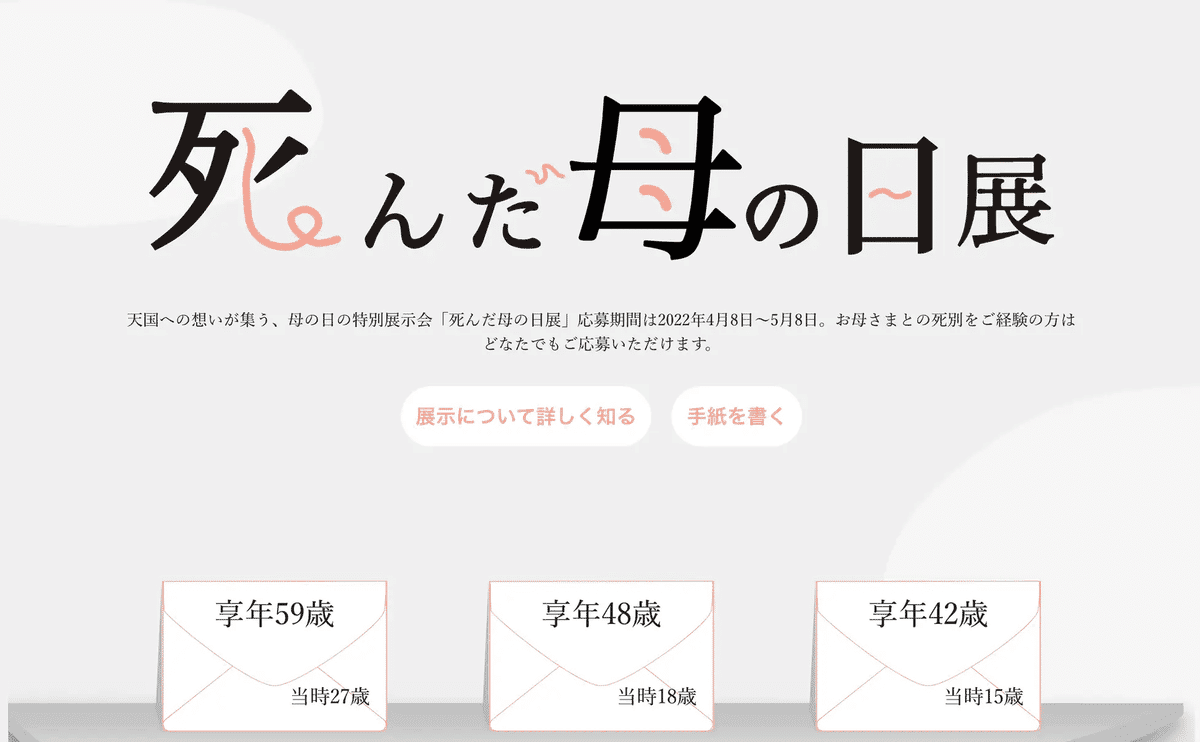
FIG.3
During my college years, I even started a funeral services company with a friend, but I faced dilemmas there as well. To keep the business running, I inevitably had to consider profits as a “business.” However, since I was dealing with death and grief, I realized I wasn’t cut out for running it as a business. It was also around the time I was job hunting, so I was deeply conflicted about how to proceed with the business.
Around that time, after receiving the “Good Design New Hope Award” for two consecutive years, I began to think, “Rather than pursuing business, I want to become someone who can pursue my own artistic expression more deeply.” After that, I studied abroad at the University of the Arts London. It was a wonderful environment that allowed me to experience a wide range of creative fields—including fashion, architecture, graphic design, and fine art—in an interdisciplinary way.I took my time to carefully consider which specific area within the broad field of creativity I wanted to delve into, and ultimately chose “fine art”—a medium that allows me to express my true feelings honestly.
At first, I created works using motifs directly linked to death, such as coffins and memorial portraits. But as eight years passed, my mother’s presence gradually faded into a distant memory. I felt that sensation was similar to a soap bubble—floating gently on the wind, only to pop and vanish in an instant.That’s why I’m now creating installation pieces using foam.
I feel as though I’m sensitively interpreting the stimuli I receive from my current environment and transforming them into the power to create.Of course, I believe social significance is important, but since the creator’s intuition lies at the core of the creative process, I think “living” and “creating” are intertwined. And above all, I simply love creating and expressing myself, so I intend to continue creating without giving up along the way.
Hello, I’m Tanaka. My specialty is architecture, and I enrolled in college in 2011, the year of the Great East Japan Earthquake. Ever since my student days, I’ve been visiting the disaster-stricken areas and observing the reconstruction efforts firsthand. That’s where I began to ask myself, “Is it possible to build architecture without drawing blueprints?”
My research and practice focus on “autopoietic (self-generating) architecture.” As part of this practice, I launched the “Mochiyoru Vacant House Project,” for which I received the Good Design New Hope Award.
When renovating vacant homes, rather than drawing up blueprints, local residents gather to share their ideal visions and bring the project to life by working together on the spot. By applying the “Pattern Language” methodology proposed by Christopher Alexander, we enjoy the process of creation itself and are increasing the number of spaces born from these collaborative efforts.
Today’s theme is “Creating and Living,” but I’d like to start by considering “dying,” the antonym of “living.”
I’ve been struck by the words of an expert who spoke at a government-sponsored meeting in Shiga Prefecture called the “Life and Death Roundtable.” He said, “There is a difference between ‘being true to oneself’ and ‘being as one is.’” When we talk about “a passing that is true to the person,” we tend to try to maintain the image of that person from when they were healthy and vigorous. But humans decline.There are more and more things they can no longer do. At such times, rather than rejecting this as “not true to who they are,” we should accept them “as they are,” including their declining condition. I believe that is the true meaning of living and dying.
Creativity isn’t limited to creating works that reflect one’s individuality; it also involves shaping one’s daily life—including food, clothing, and shelter—exactly as one wishes, “just as it is.” It’s a shift from a life of mere consumption to a life of creation. I feel that this is where the true texture of life lies.
Finally, I’d like to introduce the concept of “Egoless Creation,” where creation and living merge.
Author Haruki Murakami says, “When I write a story, I don’t have a plan in my head. I’m just waiting for the story to come to me.” Hayao Miyazaki has also spoken along similar lines, saying, “Movies aren’t inside my head; they exist in the space above my head.”It’s as if, within the vast system of society or the flow of nature, something descends upon us, and we are merely compelled to move our hands as its medium. To set aside the self (the ego), surrender to the greater flow, and yet continue to move our hands—that, I believe, is what “making” means to me, and how I engage with the world.
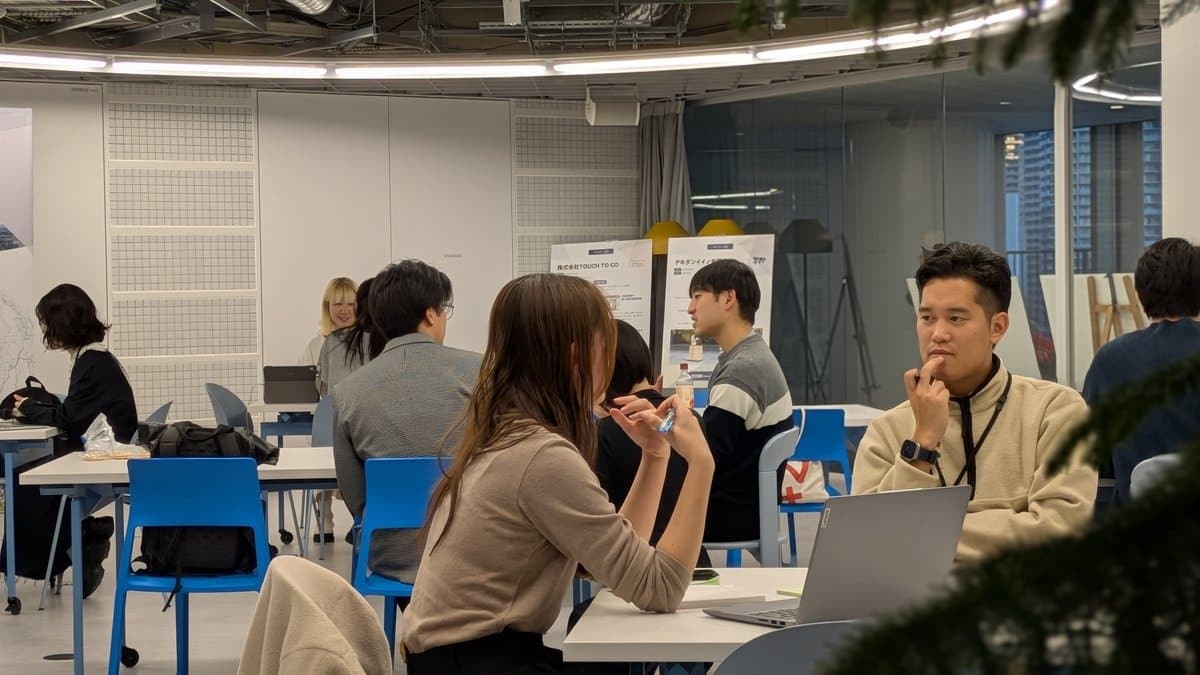
FIG.4
Today, despite the declining birthrate, child abuse, school refusal, and suicide continue to rise. Why is this happening? One hypothesis I have is that “society has become too kind.” In the past, if life at home was difficult, children could break a school window or rebel against their parents to send out an SOS to the outside world.But today, both schools and parents are overly sensitive to harassment and overly kind. In such an excessively kind society, children are left with nowhere to turn with their suffering; they lose a target for their rebellion and end up deepening their sense of self-blame, thinking, “It’s my fault.” That is why we provide “support without coddling” to give hope for life to girls who are struggling alone.
My younger brother, a second-year middle school student, took his own life because of our parents’ strict parenting style. Carrying resentment toward society and a sense of resignation, I ended up leaving home during my second year of college. My distrust of society—wondering why no one had helped him—only grew.
In my third year of college, I resolved to create something to help children who were struggling at that time. That’s when I created “gedokun,” an anonymous message board. I deliberately chose not to have counselors; it’s simply a place where children can vent their painful feelings and find empathy from one another. I call this “support without getting too close.”Adults are quick to offer support by asking, “Can I listen?” or “Let’s solve this,” but for children who have lost trust in people, that goodwill is nothing but a burden. That’s why I designed a space where, while maintaining a certain distance, they could regain the strength to live on their own.
After graduating, I joined LINE Corporation as a designer.At first, I ran the NPO as a personal hobby. The turning point came when I won the Grand Prize in the “Good Design New Hope Award” during my first year on the job. This award gave me the confidence to believe that “my work has value worthy of social recognition,” and I resolved to fully commit to running the NPO.
I live by “the joy of creating and my anger toward society.” Society is still unjust, and there are many adults who refuse to change. However, I find joy in creating things that, thanks to gedokun, have allowed boys and girls to stay alive. Now, with more friends supporting me, I’ve also taken on the responsibility that makes it impossible for me to simply give up.I intend to keep working hard to create a society in this world where boys and girls can feel they “want to live.”
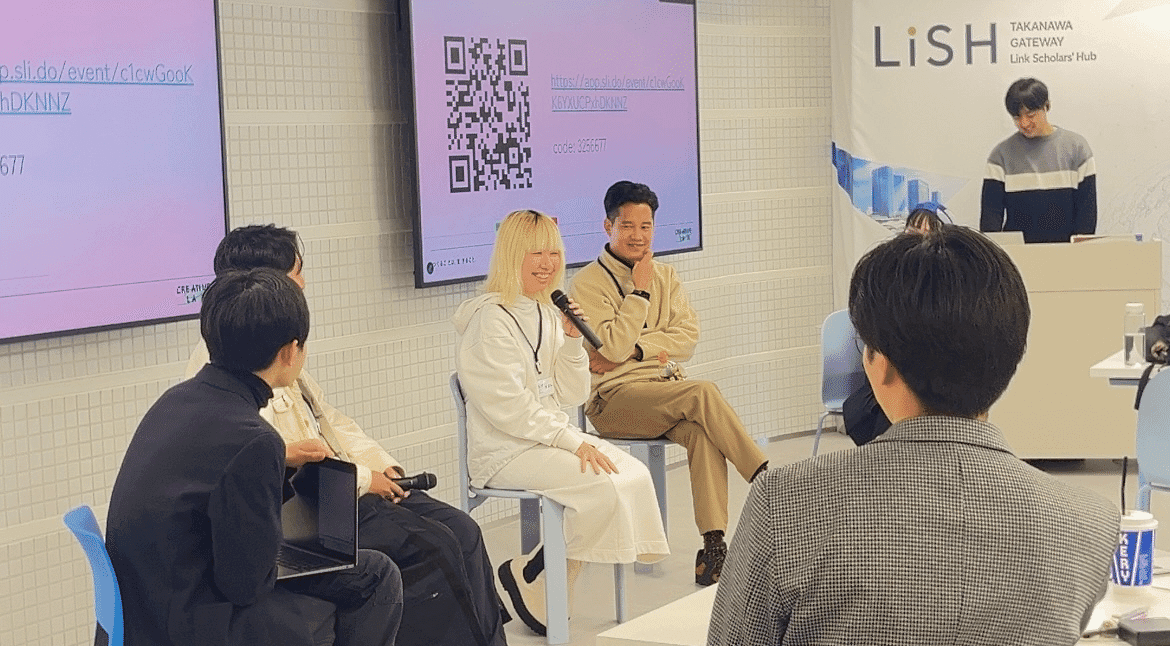
FIG.5
I spent my childhood in New Zealand. It was a free educational environment where we cooked and did crafts every day—in short, “making things” was part of our daily routine. At the same time, since it was a rugby powerhouse, I became passionate about the sport and played at the national level throughout high school and college.I never doubted for a moment that I would make a living playing rugby. However, during my second year of high school, I suffered a serious knee injury that cut short my career as a player. It was a loss of identity.
As if that weren’t enough, over the two years before and after that injury, I attended the funerals of relatives seven times. People close to me were passing away one after another. “The end” comes suddenly. For a young person like me, it was an overwhelmingly intense experience that forced me to confront the questions: “Why are people born, and what do they leave behind when they die?”
While studying architecture in college, I worked as an assistant wedding photographer. It was a job taking photos of weddings—those “special occasions.” However, the majority of life consists not of special events, but of the quiet accumulation of everyday moments. I began to feel that it was precisely this everyday life that I wanted to enrich.
That’s why I turned to the world of “food,” specifically the front lines of primary industries. Eating is the very essence of life. I’ve always loved eating delicious food, and I felt that the essence of human activity lies precisely in the places where ingredients are produced.
This happened during an internship at a mandarin orange farm in Wakayama. Drawing on my skills as an architecture student, I used the steel pipes and harvest containers available on the farm to build an outdoor restaurant nestled among the terraced fields. It was a place where abandoned farmland was increasing due to an aging population, but with just a little design, it was transformed into a restaurant with a breathtaking view.The farmers were amazed, saying, “We never realized our fields were such a wonderful place.”
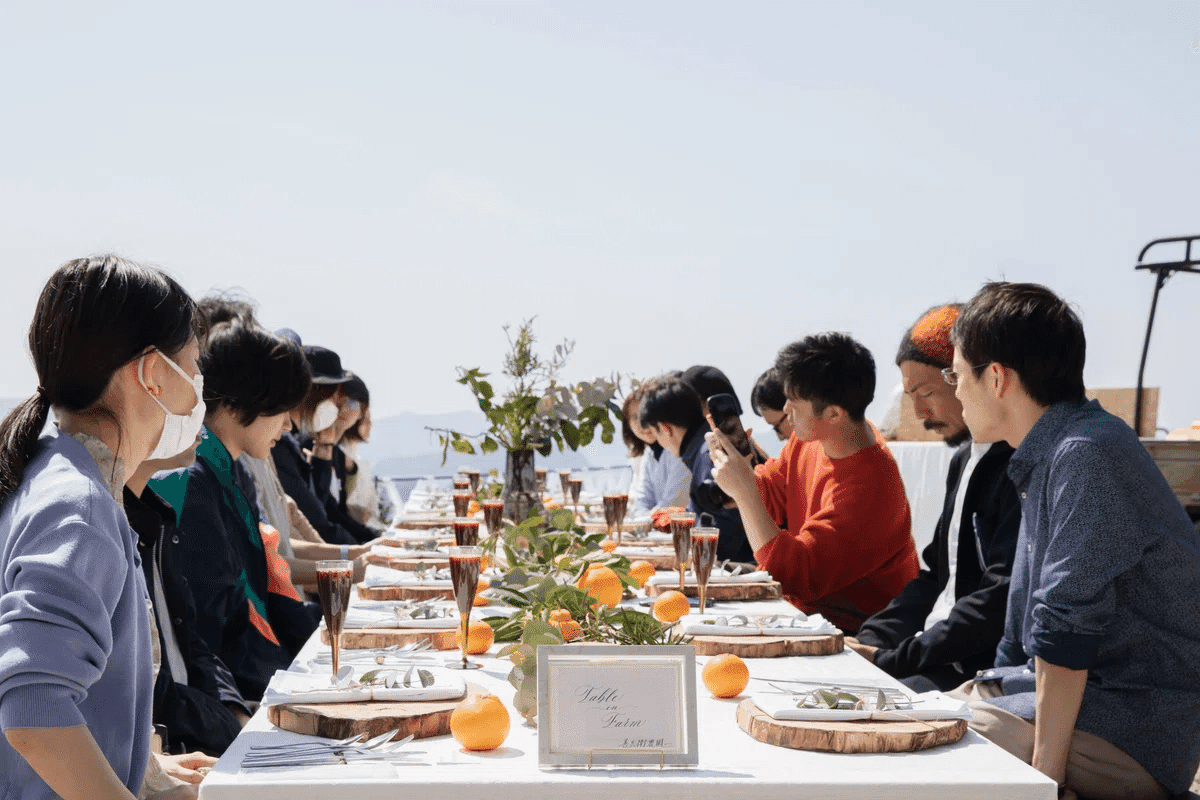
FIG.6
Currently, I’m focusing my efforts on a project with a ginger farmer in Kochi Prefecture. Have you ever heard of “ginger pits”? In Kochi, there are countless horizontal tunnels—similar to air-raid shelters—dug into the mountains to store harvested ginger. They maintain a constant temperature and humidity, and the ginger becomes more flavorful as it matures there.It’s a wonderful system packed with the wisdom of our ancestors. However, with electric refrigerators now the norm, these hand-dug “ginger caves” are falling into disuse. The farmers even say, “We’d like to just fill in these old caves.” But I find myself irresistibly drawn to the indigenous landscape these caves embody and the culture cultivated there.
That’s why I’m trying to redefine the value of these ginger pits. Just as wine is made at a “winery,” I’ve named the place where we process ginger a “gingery.” We offer tours of the ginger pits and produce craft ginger ale using ginger aged there.
What I want to do is not just develop a product, but preserve the “landscape” of that place. Farmers sometimes feel a sense of resignation toward their work. But if we use the power of design to discover new value there, and if outsiders come to appreciate it as “interesting!” and “beautiful!”, their pride will return. If that happens, that landscape will surely be passed down to the next generation.
I strive to embrace the “grounded reality” of daily life and design forms of hope from within it. My goal is to create new ways of living rooted in the local environment through the collaboration of food, architecture, and design.
What became clear through this dialogue was the passionate commitment of artists who continually transform personal pain and discomfort into “proposals” for society. Without pausing to consider statistics or their circumstances, they sublimate a primal impulse—the feeling that they “cannot help but act”—into creativity. This is an endeavor not only to change society but also to save themselves.
Believing in one’s own “authentic” impulses and never giving up on expressing them—perhaps it is this very persistence that defines the way we intertwine creation and life.
Creative LAB. Open TALK is an interactive talk series featuring guests who, through their own creative work and self-expression, have broken free from existing frameworks and carved out their own paths of expression and ways of life driven by their own impulses.This session’s theme is: How do “creating” and “living” overlap? Step out of your comfort zone and create with 100% of yourself—something you haven’t shown anyone yet. Encounter places and people you haven’t met before, and experience their “way of life.” Take a moment to notice those times when your heart races with curiosity, or when you feel such empathy that your body moves on its own. What’s needed isn’t searching for the “right answer,” but starting with “your own questions.” By “creating” in a way that directly answers your own questions, you’re bound to encounter societal challenges and issues.
For this event, we’ve invited five young artists, designers, and researchers who actively practice “creating and living”—Kiko Nakazawa (Graduate School of Tokyo University of the Arts), Atsutoshi Tanaka (Representative Director, Certified NPO Cloud JAPAN),Haruka Okumura (Representative Director, Certified NPO Third Family), Masato Gota (Representative Director, Shiki Co., Ltd.), and Rintaro Nakajo (Researcher and Designer)—all young artists, designers, and researchers who actively practice the integration of “creating” and “living”—to delve deeply into how these two aspects intersect.
Details:
Date and Time: Sunday, November 2, 1:30 PM–3:30 PM (Doors open at 1:00 PM)
In-person Venue: TAKANAWA GATEWAY Link Scholars’ Hub (LiSH) 6F STUDIO 1
Format: Hybrid Event Organizer: Creative-LAB (TSG Community) In cooperation
with: BIOTA Co., Ltd.Program: 1
:00 PM – 1:30 PM Doors open / Registration 1
:30 PM – 2:30 PM Lectures by participants (approximately 10–15 minutes per person)
2:30 PM – 3:00 PM Cross-Talk
3:00 PM – 3:30 PM Networking
Credit
Related Works
PROGRAM
Related Texts
DAY1 Drawing a Compass
Creative-LAB. 2nd Term Program Report #1
REPORT
2025.10.07.
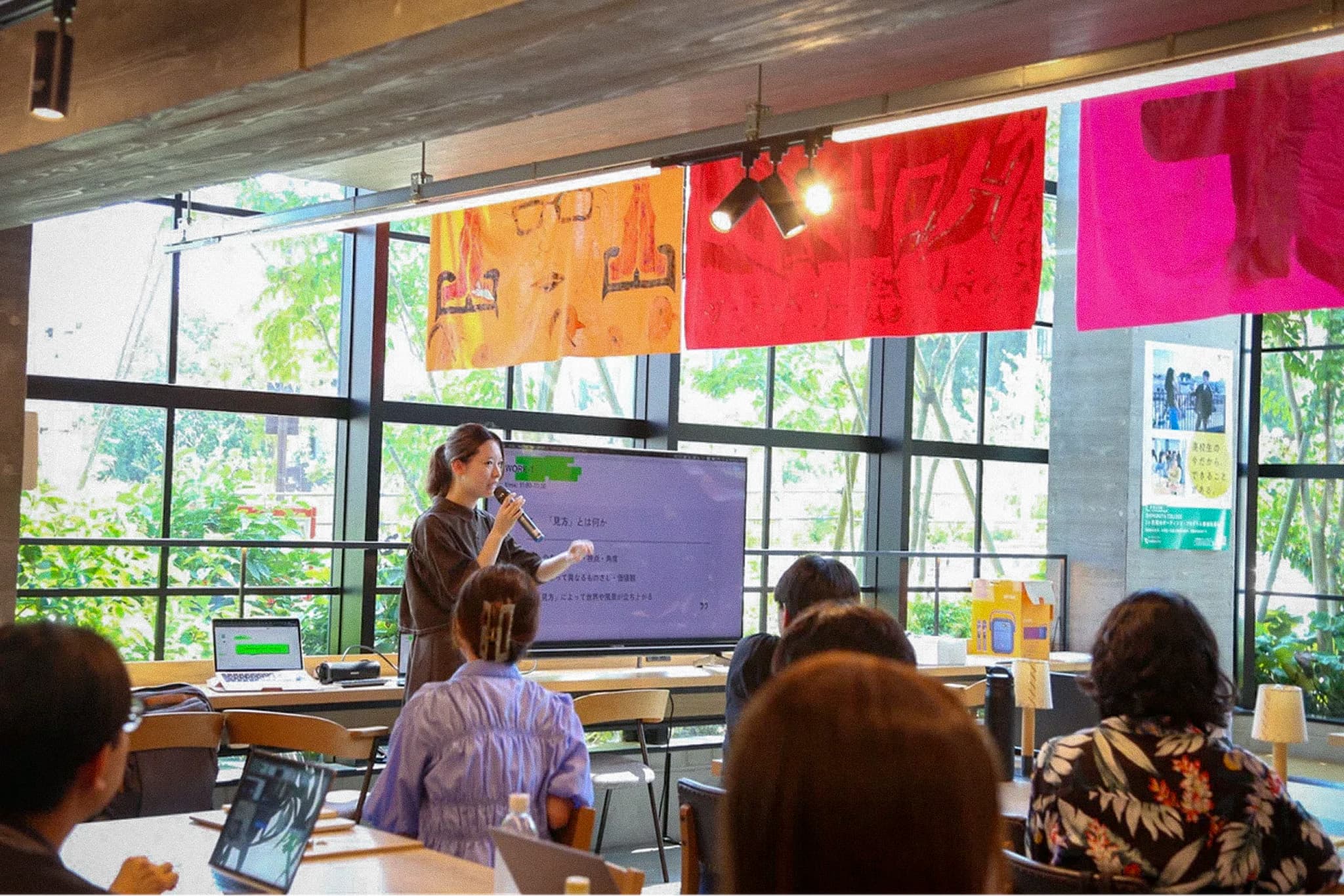
DAY2 Opening Perspectives
Creative-LAB. 2nd Term Program Report #2
REPORT
2025.10.09.
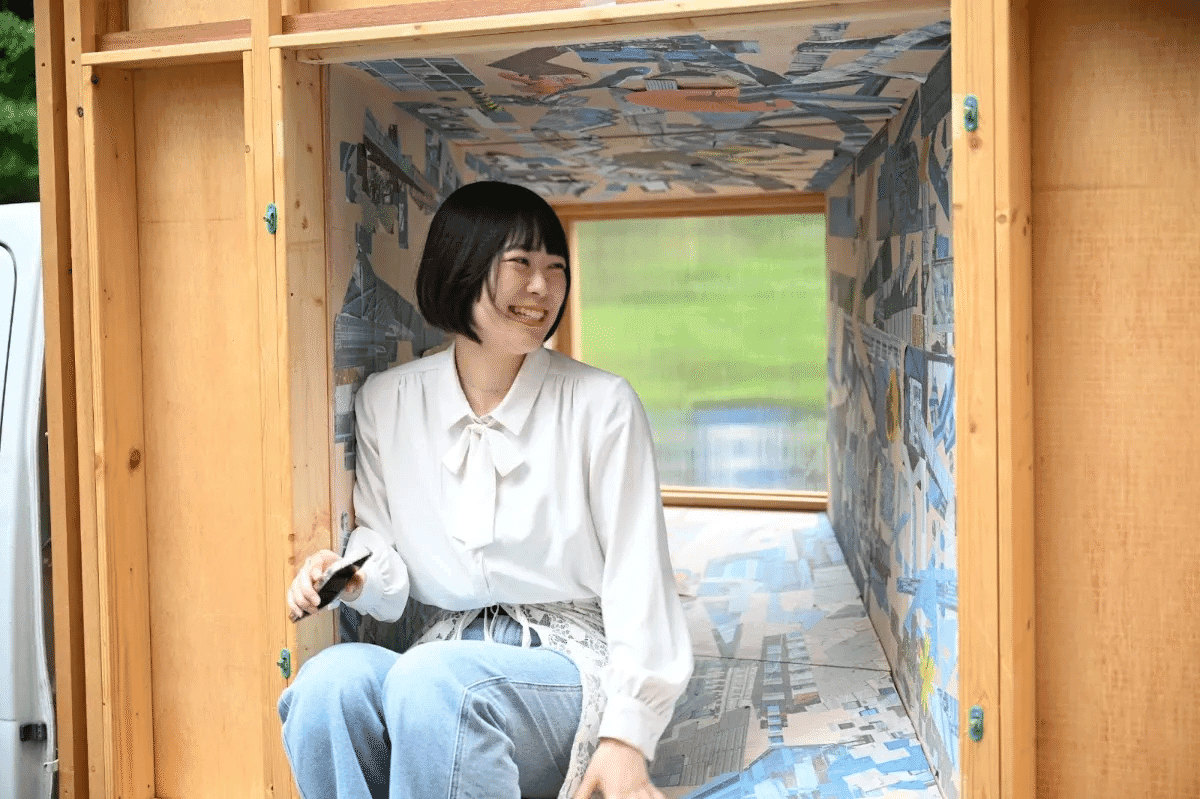
DAY3 + Open TALK1: How to Transcend Boundaries Starting from Impulsive Expressions
Creative-LAB. 2nd Program Report #3
REPORT
2025.12.17.
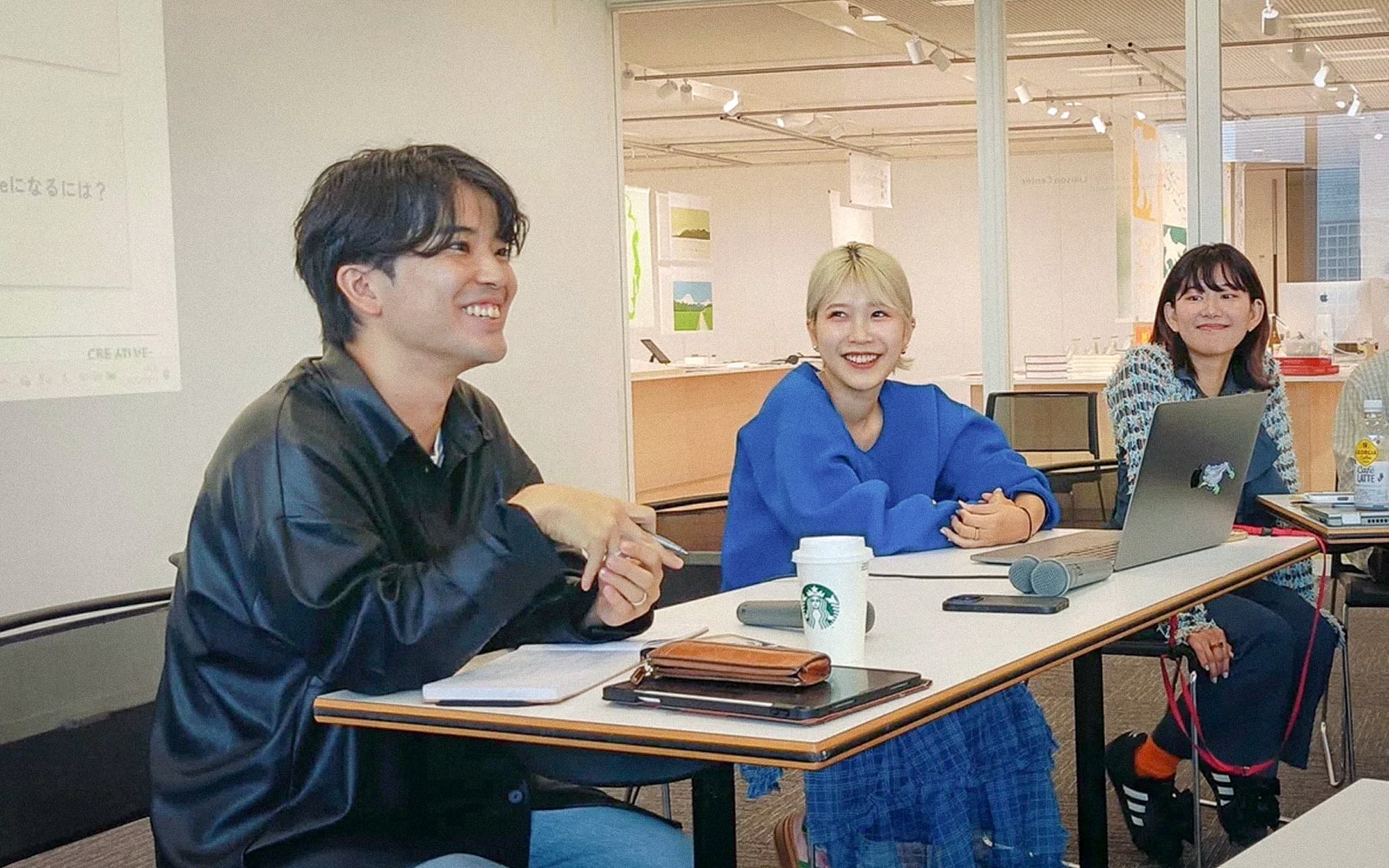
DAY4 + Open TALK2 Prototype Junkie
Creative-LAB. 2nd Term Program Report #4
REPORT
2025.10.15.
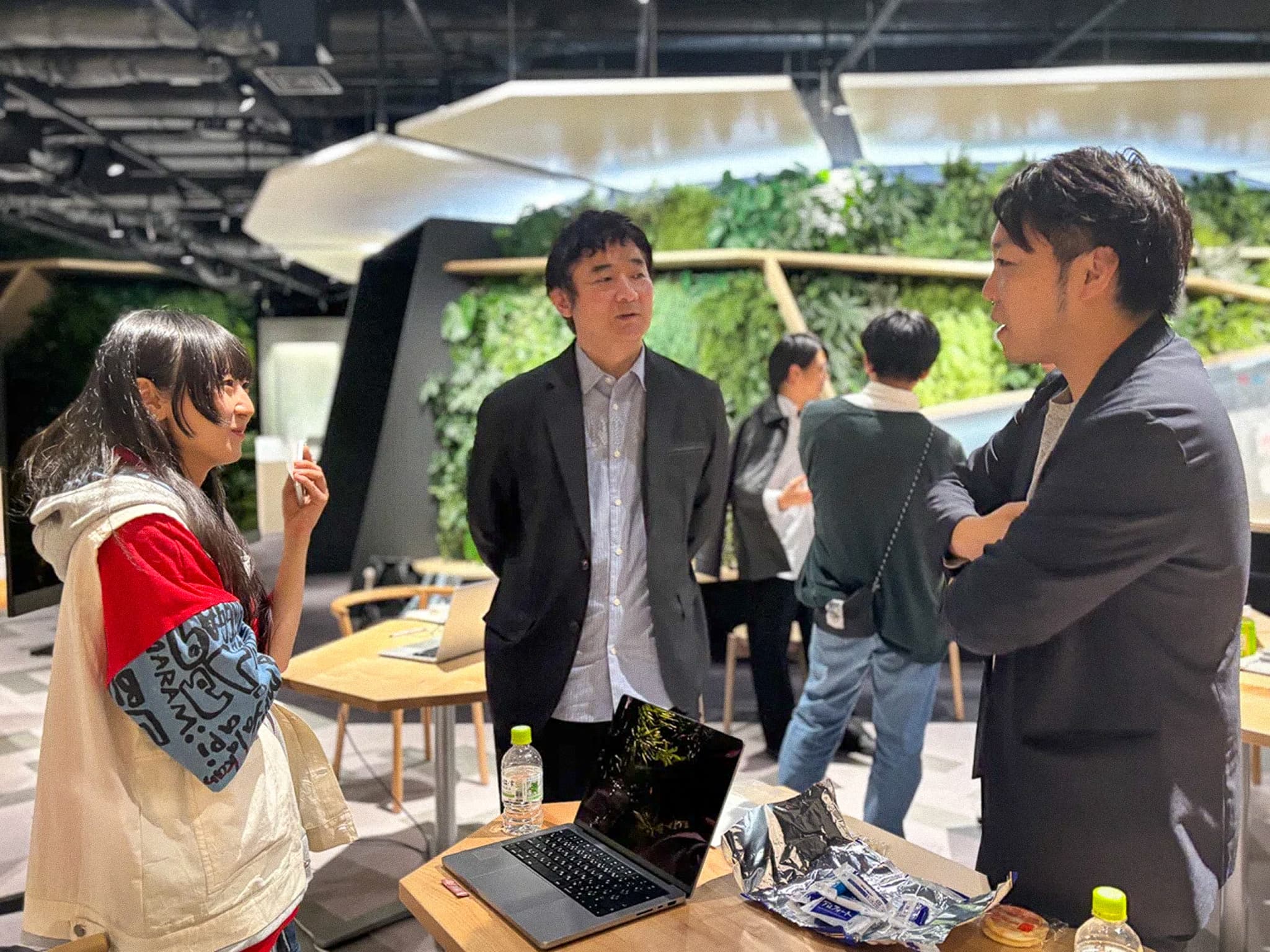
DAY5 + Open TALK3: The Cycle of Ordinary/Extraordinary and the Perspective of Creation
Creative-LAB. 2nd Term Program Report #5
REPORT
2025.12.21.
DAY7 PROJECTS FAIR / TSG Creative-LAB. | ASIBA
Creative-LAB. 2nd Term Program Report #7
REPORT
2025.12.24.