INC-3rd Term Class Report #2-3

FIG.1
The third cohort of the ASIBA Creative Incubation Program aims to foster “creative entrepreneurship that moves back and forth between inquiry and practice” among individuals aged 30 and under working in the creative fields. From April 26 to 28, a three-day, two-night kickoff retreat was held as Day 2 of the program.
The first day was dedicated to self-disclosure and dialogue, which quickly brought the participants closer together. On the second day, each participant returned to their own project to redefine its direction. Through repeated dialogue and experimentation, they began to sketch out the contours of their practical implementation.On the final day, the third day, the venue shifted to the Hori Building of Takenaka Corporation in Tokyo. Lectures and mentoring sessions were held with a focus on the “next steps” for each project. Questions posed by external mentors provided an opportunity for participants to reaffirm their themes, resulting in an intense conclusion that foreshadowed the evolution of their projects.
During the six-hour grand debate held on the second day, each participant articulated their own vision and presented it to their peers. During this process, many participants faced the barrier of “their own words not getting through to others.” Even among close peers, the feeling of failing to elicit empathy or understanding served as a stark reminder of the limitations of their own thinking and expression.
At the start of Day 3, held at the Hori Building, the group reflected on the previous day’s events. Within the limited time available, participants reexamined the distance between “their own words” and “society,” and once again delved deeply into how to bridge that gap.
The fact that “the message didn’t get through” is not merely a challenge; it is also an opportunity to return to the project’s origins. The precision of language, the order of the narrative, and the room for imagination—how do we connect these elements to the social context? As each participant explored these questions, they updated their perspectives to move the project forward.
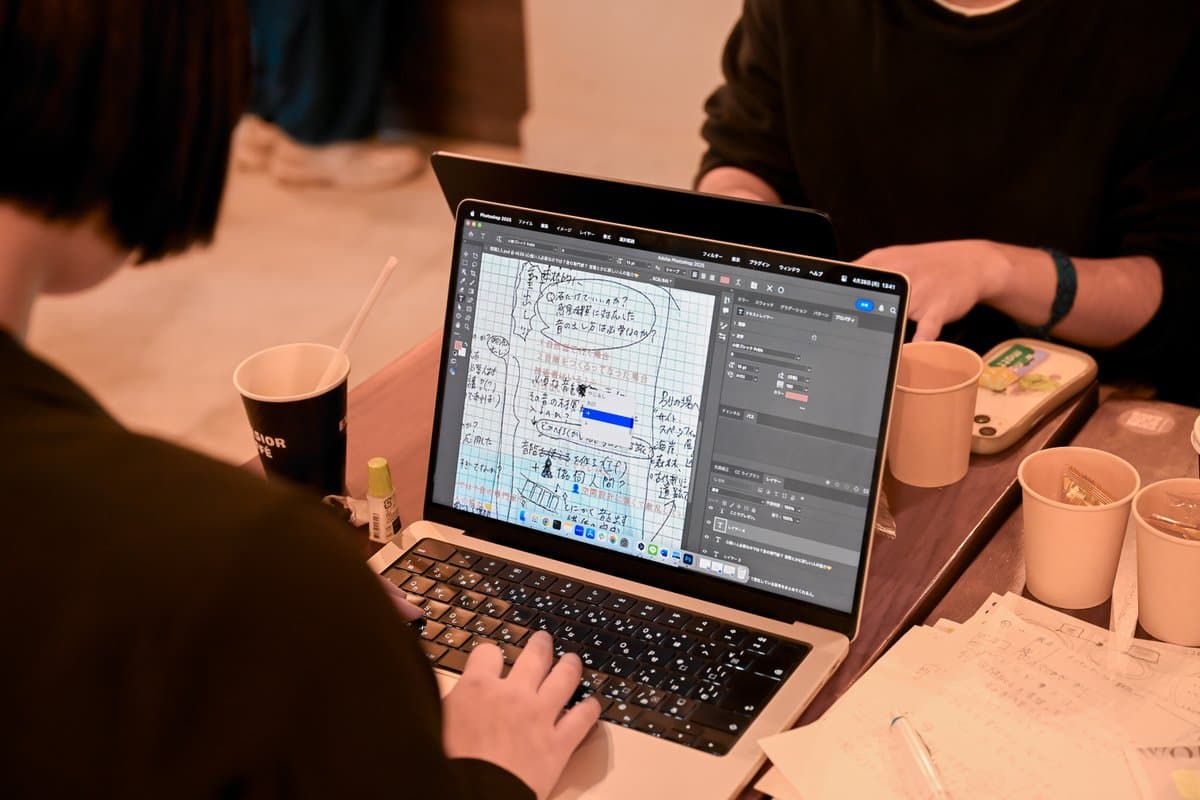
FIG.2
Architect Yu Yamaji took the stage for the first lecture of the afternoon. He spoke about the danger of letting our actions come to a standstill by viewing “questions” and “meaning” as things we “must establish.”
“I do it because I want to try it.”
Mr. Yamaji’s practice can be summed up in this single phrase. Living in a warehouse in Yushima. Building and living in a DIY loft in Jimbocho. Creating handmade stamps with a laser cutter and handing them out. None of these are driven by “questions”; they are all actions born of impulse.
They embody a playful spirit—like building a “secret base”—and a shrewdness that slips through the gray areas of existing rules. Of course, “questions,” “meaning,” and “challenges” are important. However, it is precisely in the motivation to “just do it without saying a word”—without being bound by them—that we find the key to continuity and deeper exploration. For us, as we prepare to launch prototypes into society, this lecture showed us yet another “way to begin.”
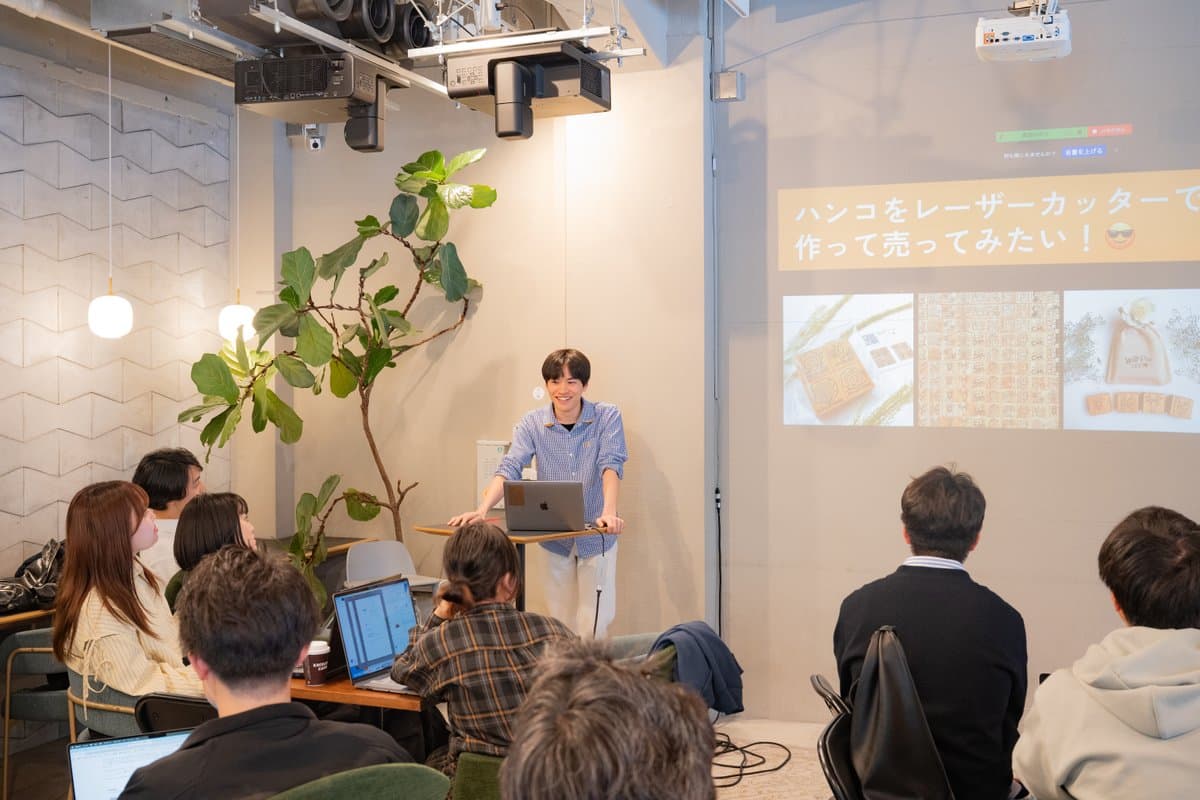
FIG.3
The next lecture featured Mr. Rintaro Nakajo, an HCI (Human-Computer Interaction) researcher. Mr. Nakajo, who leads projects at the intersection of psychology and information science, is also volunteering as part of the organizing committee for the international conference CHI 2025.The two case studies he presented each delved deeper into “one’s own questions” and “connections with society” from different angles.
LearnWiz One: A project born from the experience of
lonely online classes. Although it was introduced into educational settings as a mechanism to encourage dialogue among students, it faced challenges in commercialization. Ultimately, it was transferred to a university, and the team chose the non-profit path with the goal of ensuring it “continues to be used.”
EmoBalloon
: Inspired by the shape of a speech bubble, this project developed a text chat system that conveys emotions. The story describes how, while diving into research on “cross-cultural communication”—a field that was initially outside their area of interest—research funding and recognition followed as a result.
“Do what you want, the way you want”
These words embodied a perspective that resonated deeply with ASIBA’s initiatives. It’s okay to start what you want to do not just from questions or social issues, but also from feelings of “something’s off” or “that’s a bit intriguing.” Think as you go, stop if necessary, and turn back. That flexibility is the key to nurturing a project with resilience.
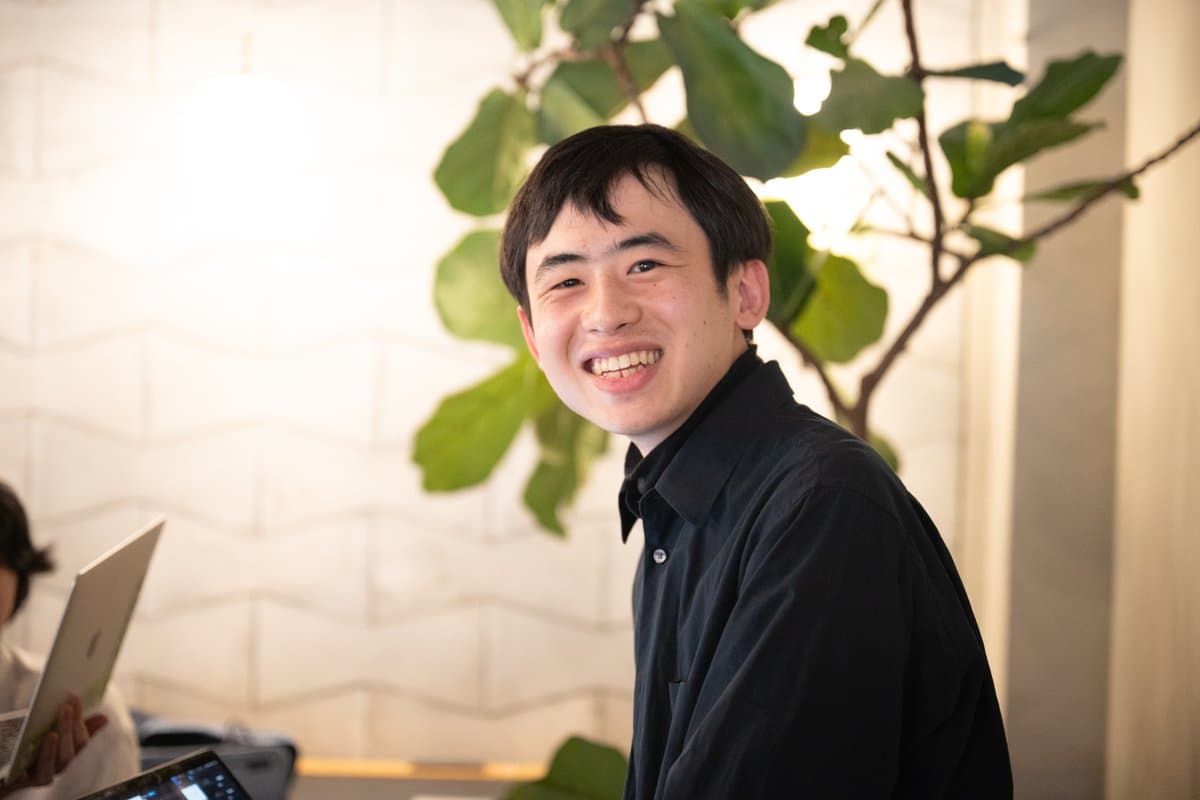
FIG.4
The latter half of the afternoon was dedicated to mentoring sessions and progress updates on each project. Following the lecture, it was evident that some participants were gradually letting go of their fixation on “how to frame a question” or “how to get started,” and new perspectives were beginning to emerge.
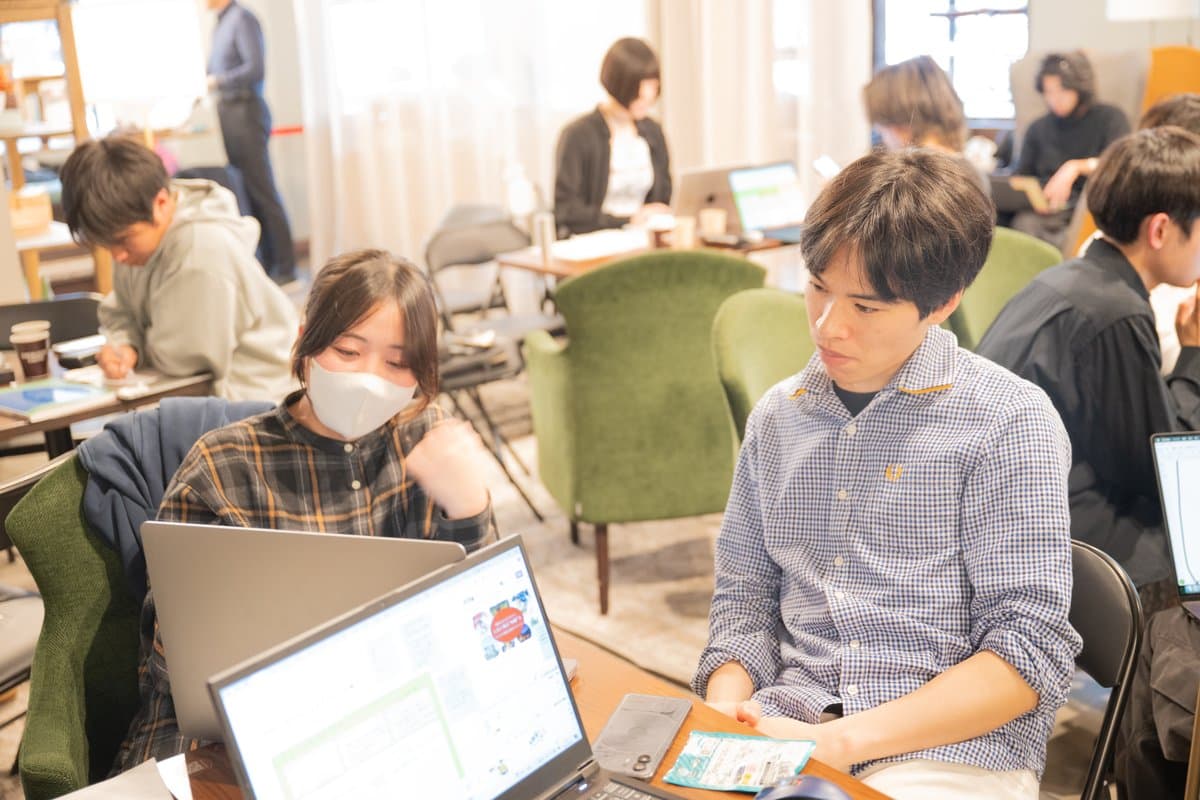
FIG.5
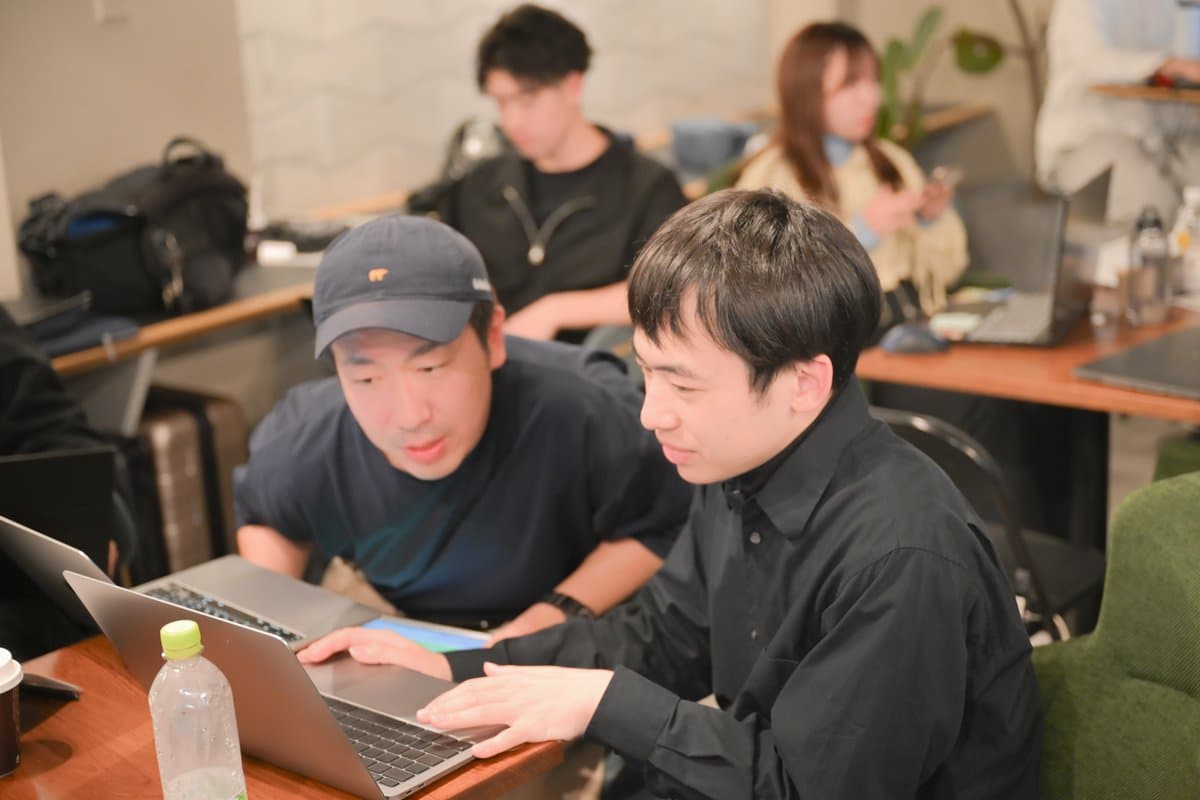
FIG.6
“Questions” and “themes” can sometimes feel heavy and even hold us back. But in the beginning, even a small impulse or a sense of unease is enough. Take a step in the direction that makes you think, “For some reason, this intrigues me.”
This kickoff retreat was precisely the place to take that “first step.” How will the journey of these participants—who are now set to take action in society—unfold? Please stay tuned for the next chapter.
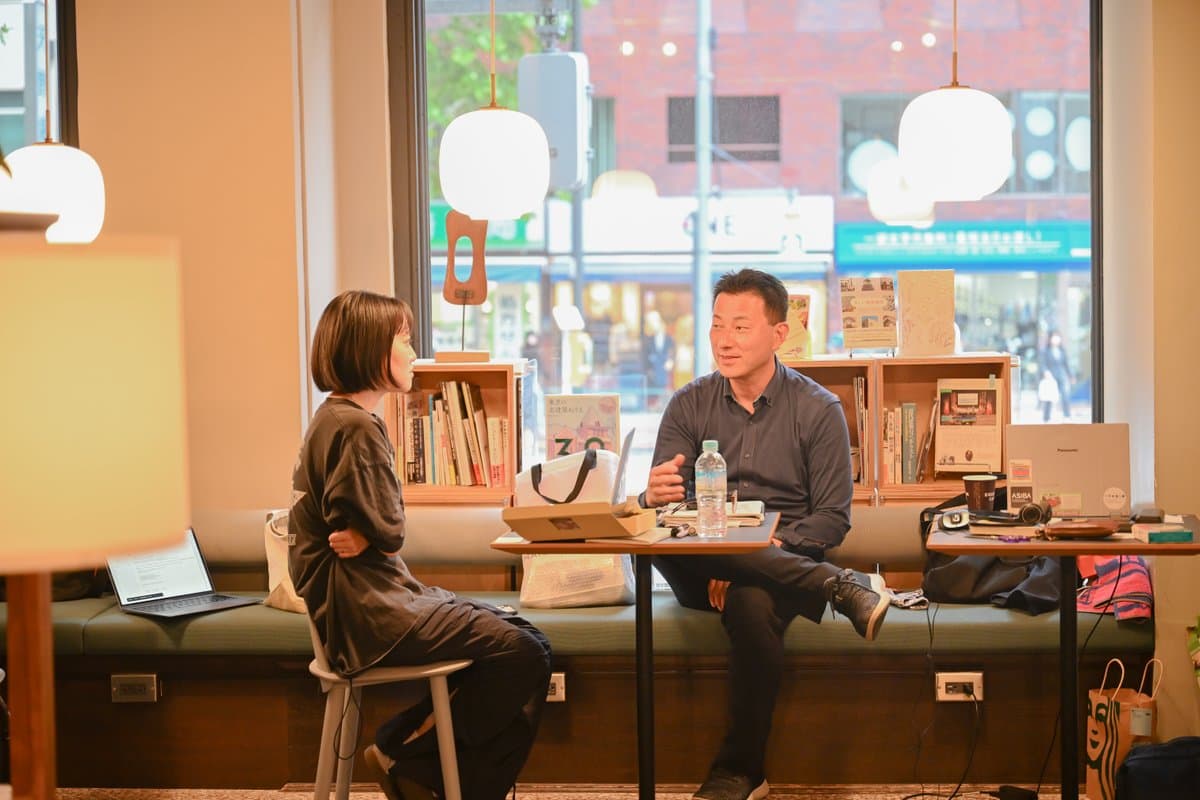
FIG.7
Credit
Related Works
INC-3rd Term Class Report #1
REPORT
2025.05.03.