Partner Dialogue #3
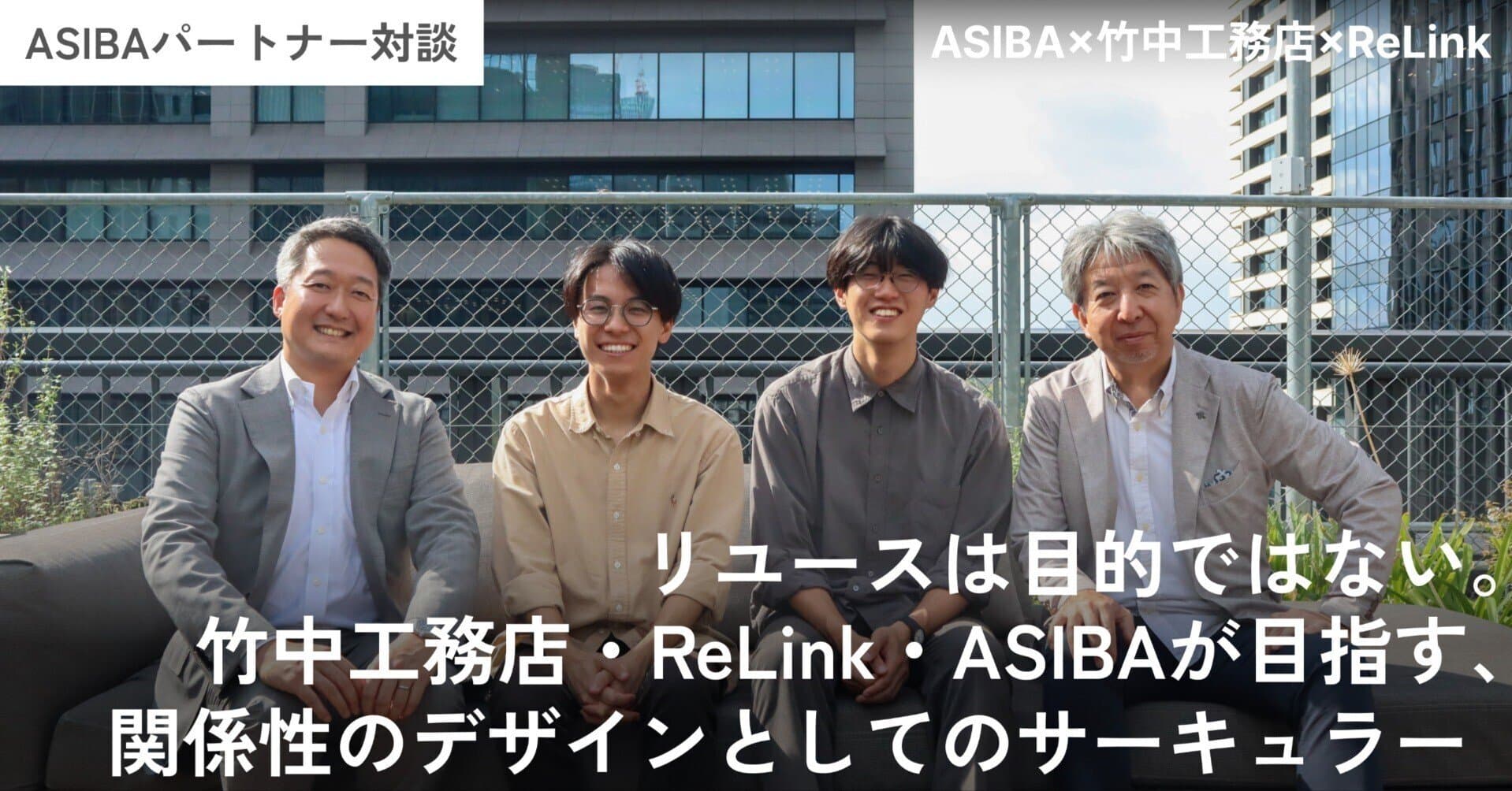
FIG.1
From September 27 to 30, BankPark YOKOHAMA hosted the “Takenaka Corporation Circular Branch Exhibition,” an event showcasing Takenaka Corporation’s circular design initiatives.ReLink, a member of the ASIBA Label, conducted an exhibition and workshop exploring new uses for demolition materials.
Takenaka Corporation and ReLink have both been exploring the circular use of building materials from different approaches and continuing their efforts in this area.In this candid discussion, Kan Hasegawa and Shoichi Fukui from Takenaka Corporation, Eiso Honda from ReLink, and Yuta Nihei from ASIBA will share their insights on the new possibilities and challenges in circular design that emerged from the event.
Honda: For this project, we asked participants to sketch out completely new uses for demolition materials sourced from construction sites. To be honest, before the event, I didn’t think we’d get any great ideas, but once we got started, the proposals were all truly beyond my imagination.
Nibei: My favorite is this one: “A Pretty Tall Swing.” It completely transcends the materials and scale—it’s just a drawing of something the creator genuinely wants to make. I was genuinely taken aback by that free-spirited creativity.
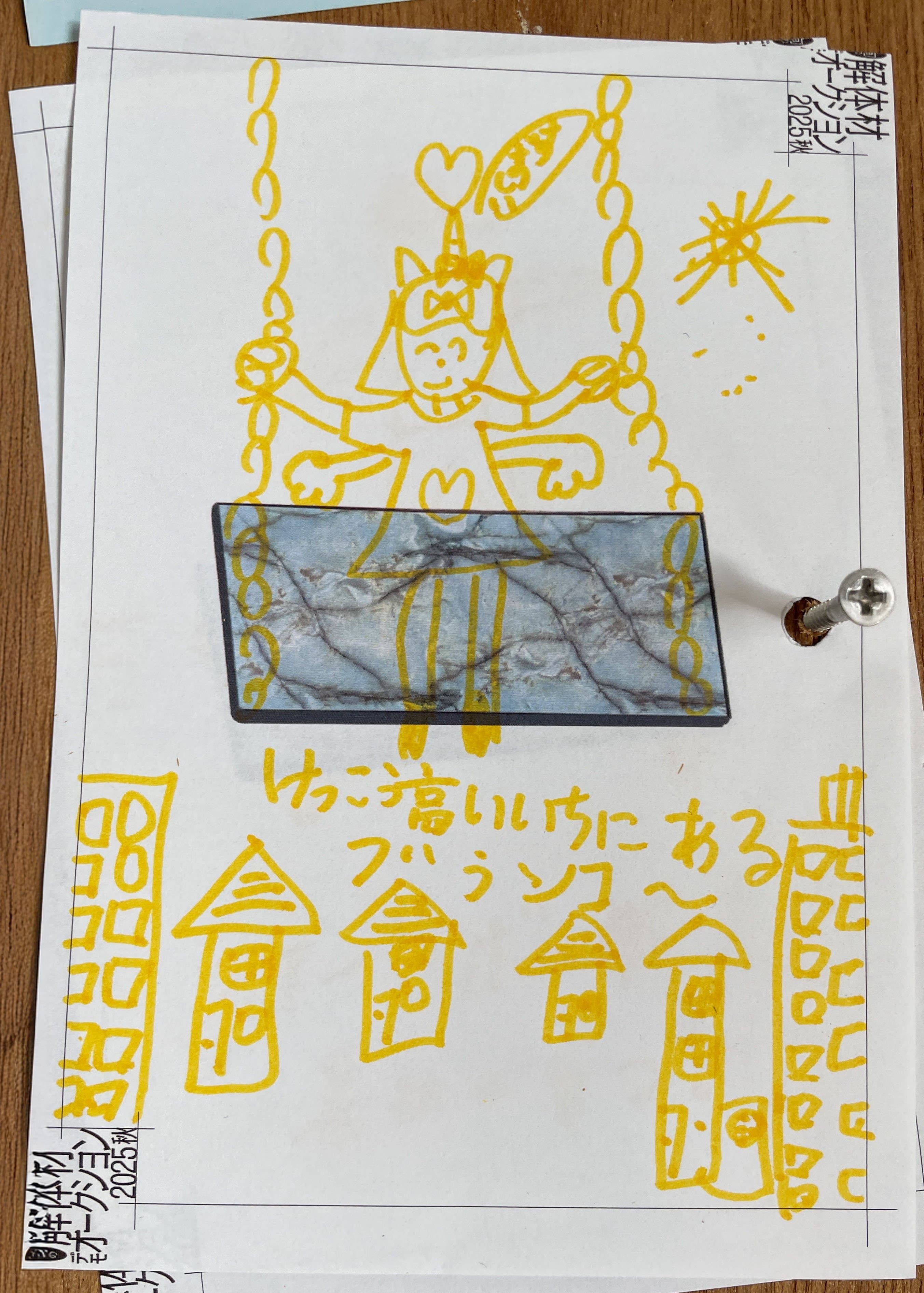
FIG.2
Fukui: Seeing this reminds me that reusing building materials is, after all, a means to an end, not an end in itself. What’s important is not forgetting the fundamental joy of creating things. I believe that if we lose our curiosity as engineers and designers, we won’t be able to create new value.
Over the four days of the event, we welcomed about 1,000 visitors. They ranged from industry peers involved in circular design to people who just happened to stop by and weren’t familiar with architecture, and even young children. Precisely because I don’t believe this initiative is something that should be explored in depth by only a select few, I was delighted that such a wide range of people came to visit.
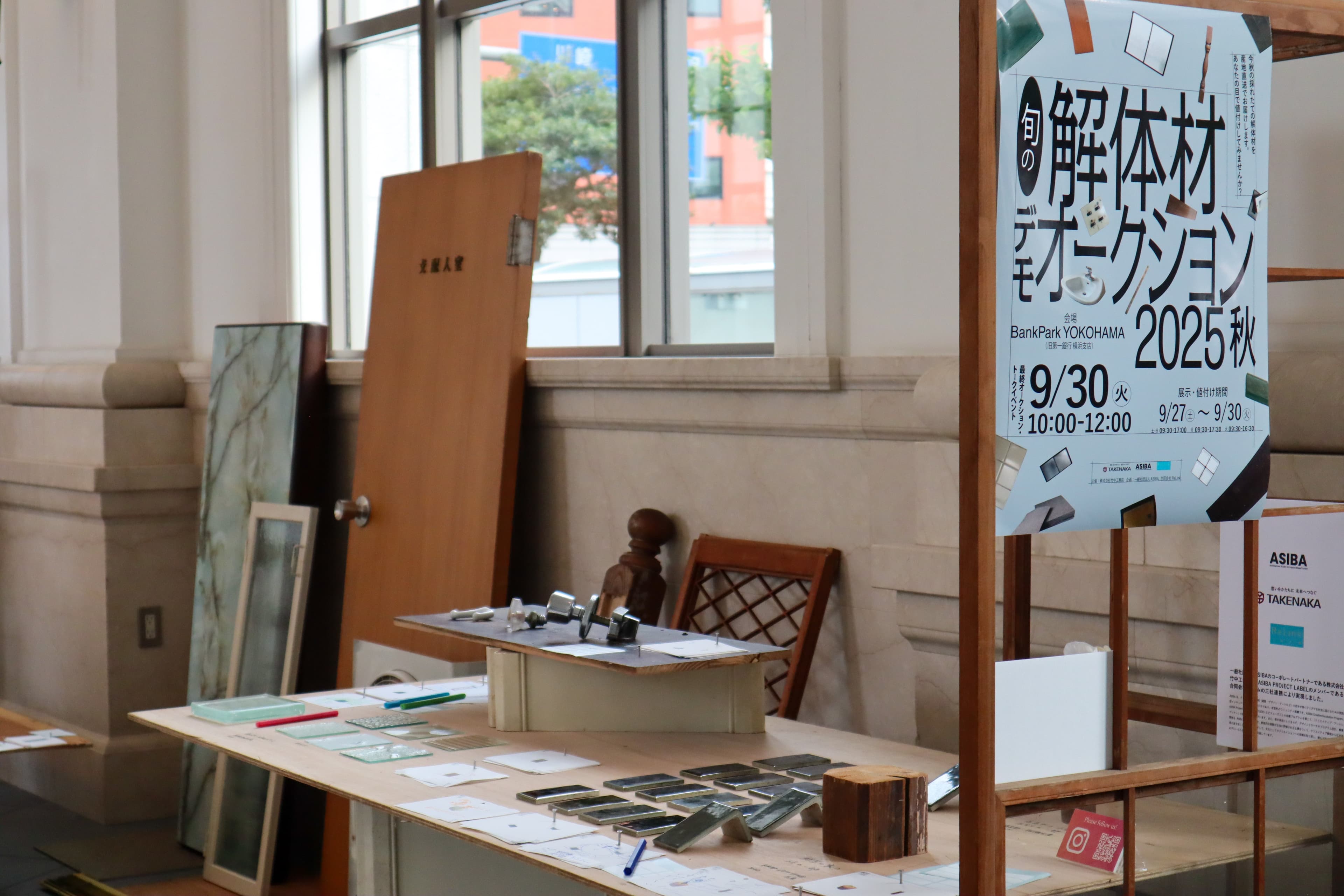
FIG.3
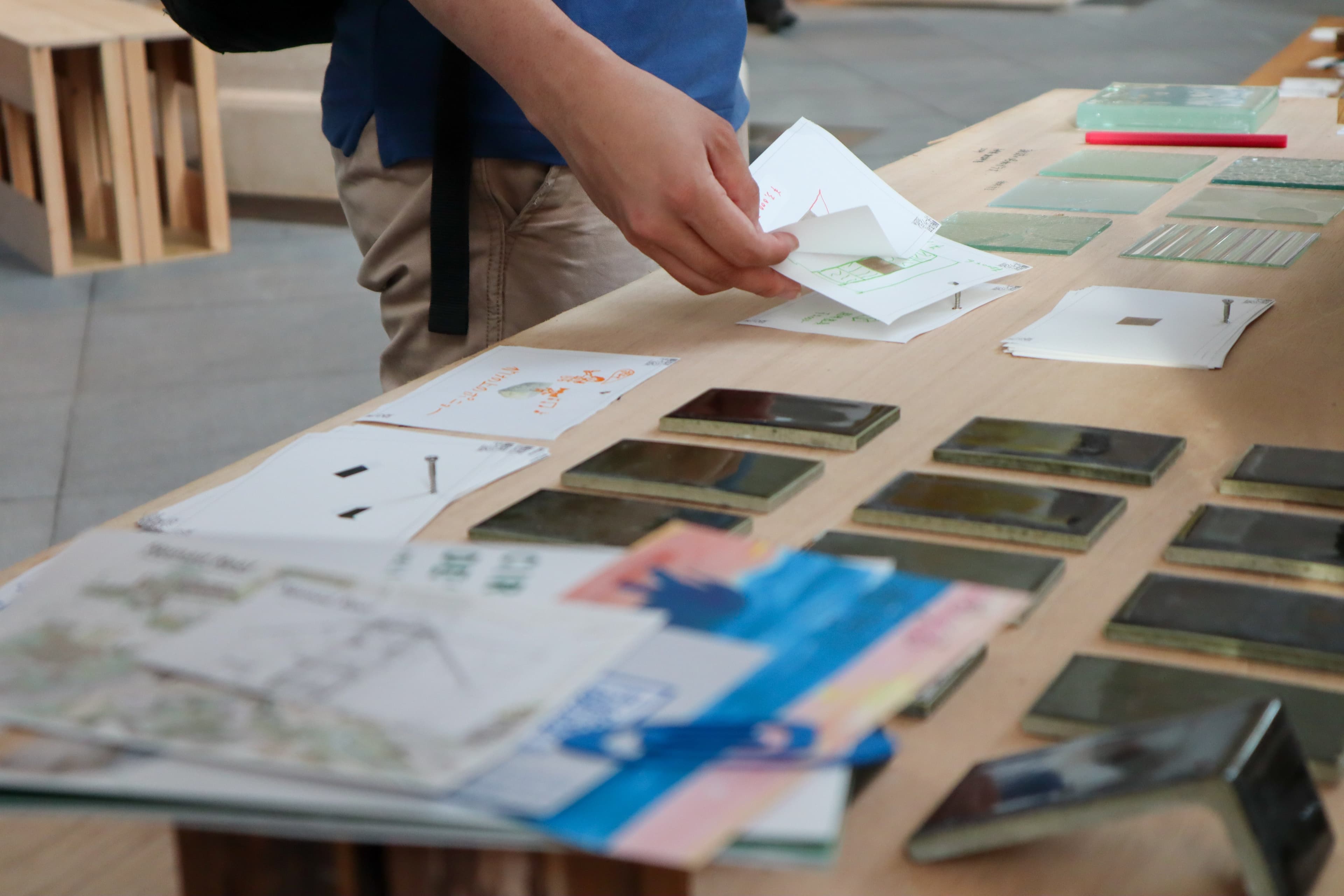
FIG.4
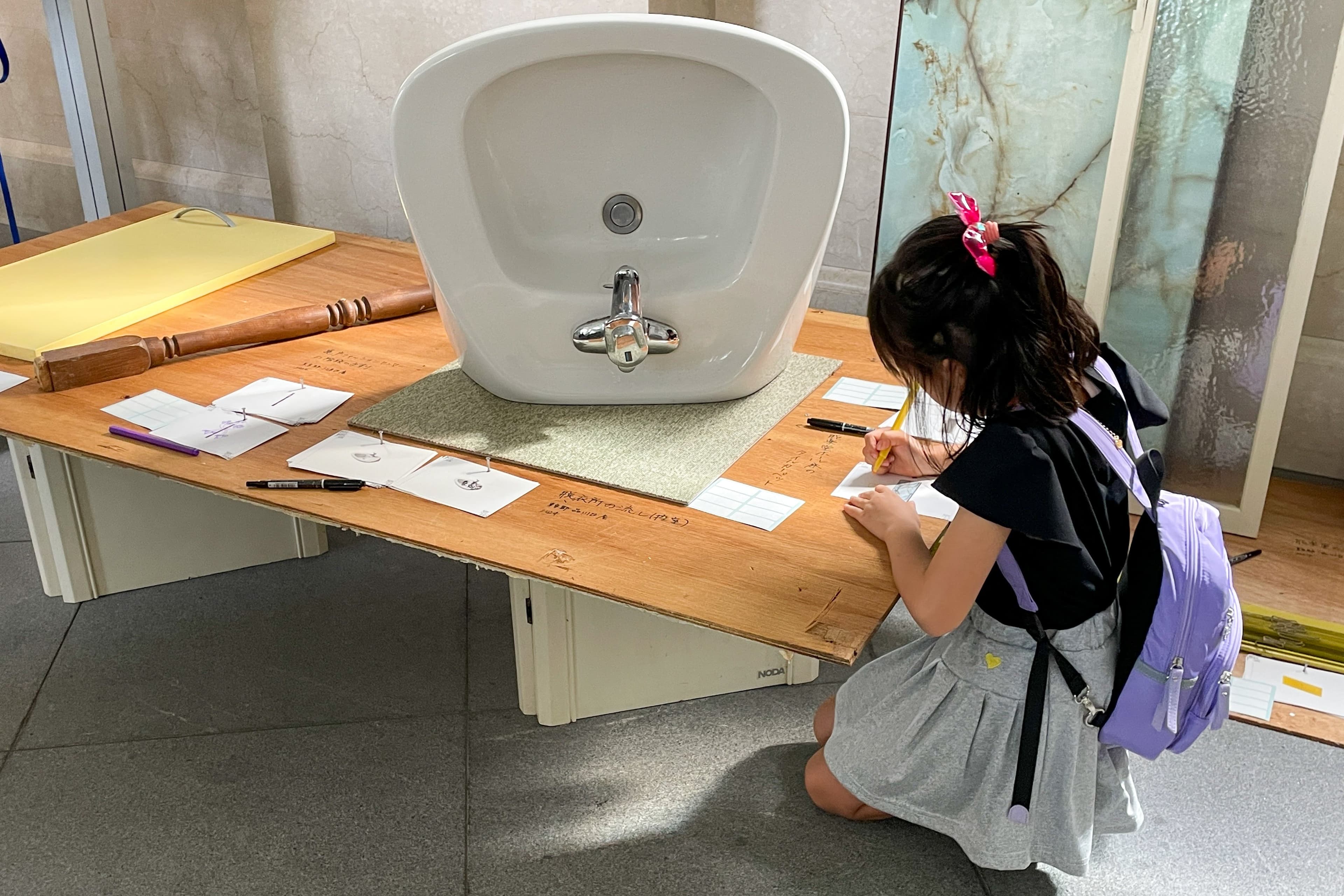
FIG.5
ASIBA, with its wealth of workshop expertise, and ReLink, which provided actual demolition materials—by inviting both of them to exhibit, I believe we were able to create an exhibition that was accessible to everyone and felt very real.
We also had several members of our own company participate in the workshops. Although these members weren’t directly involved in circular design, I wanted them to experience the process of brainstorming firsthand and understand the challenges of thinking through problems while actually looking at physical objects. Sure enough, after the workshops, they were grumbling that they’d “had to use parts of their brains they don’t usually use.”
Nibei: ASIBA’s workshops are famous for being Spartan (laughs). They always make participants think at full capacity.
Hasegawa: I always think that. Every time it’s over, I’m completely exhausted (laughs).
I first met Mr. Nihei two years ago, right here at “Inspired.Lab” during an event our company hosted. I still remember him coming up to me at the networking reception, saying, “Hello!” and handing me his business card.He told me, “I want to start an incubation program next year, so I’m looking for sponsors…” and I replied, “Well, our budget for next year’s already been set” (laughs).
Even so, we’ve gradually deepened our relationship by doing what we could at each stage—like holding fieldwork sessions in Ogawamachi or lending the Hori Building as a venue.
Back then, we at Nihei didn’t have a track record to speak of (laughs).Even so, I remember how sincerely he listened to us.
Then, half a year ago, just as we were finally ready to take the plunge into concrete pilot projects and collaborative initiatives, he connected us with Mr. Fukui from Circular Design Build®️. We hope to use this event as a starting point to continue expanding our co-creation efforts in diverse ways moving forward.
Fukui: Colleagues in the industry sometimes ask me, “Reused materials aren’t economically viable—how do you promote their use within your company?” It’s true that using reused materials does increase construction costs.However, while costs were 1.5 to 2 times higher when we first began this initiative, we’ve now managed to keep them down to about 1.15 to 1.2 times the original cost—depending on the material. Even if doubling the cost is difficult, a 15–20% increase is still worth considering.Compared to “reduce” and “recycle,” reuse has a significantly greater CO₂ reduction effect and is an initiative with high environmental value. We believe that by carefully visualizing that value, the use of reused materials will continue to expand.
Honda: In addition to that environmental value, we’re also considering “regional value” as another key perspective. Currently, ReLink is collaborating with stakeholders engaged in community development across various regions to promote the reuse of building materials that have been used in those specific areas.In this exhibition as well, we’ve included the original purpose and region for each building material so that visitors can imagine the background and story behind them. By passing on the context of where these materials were
once used within the local community, we believe we can discover new value in these building materials—value that cannot be fully captured by rarity or practicality alone.
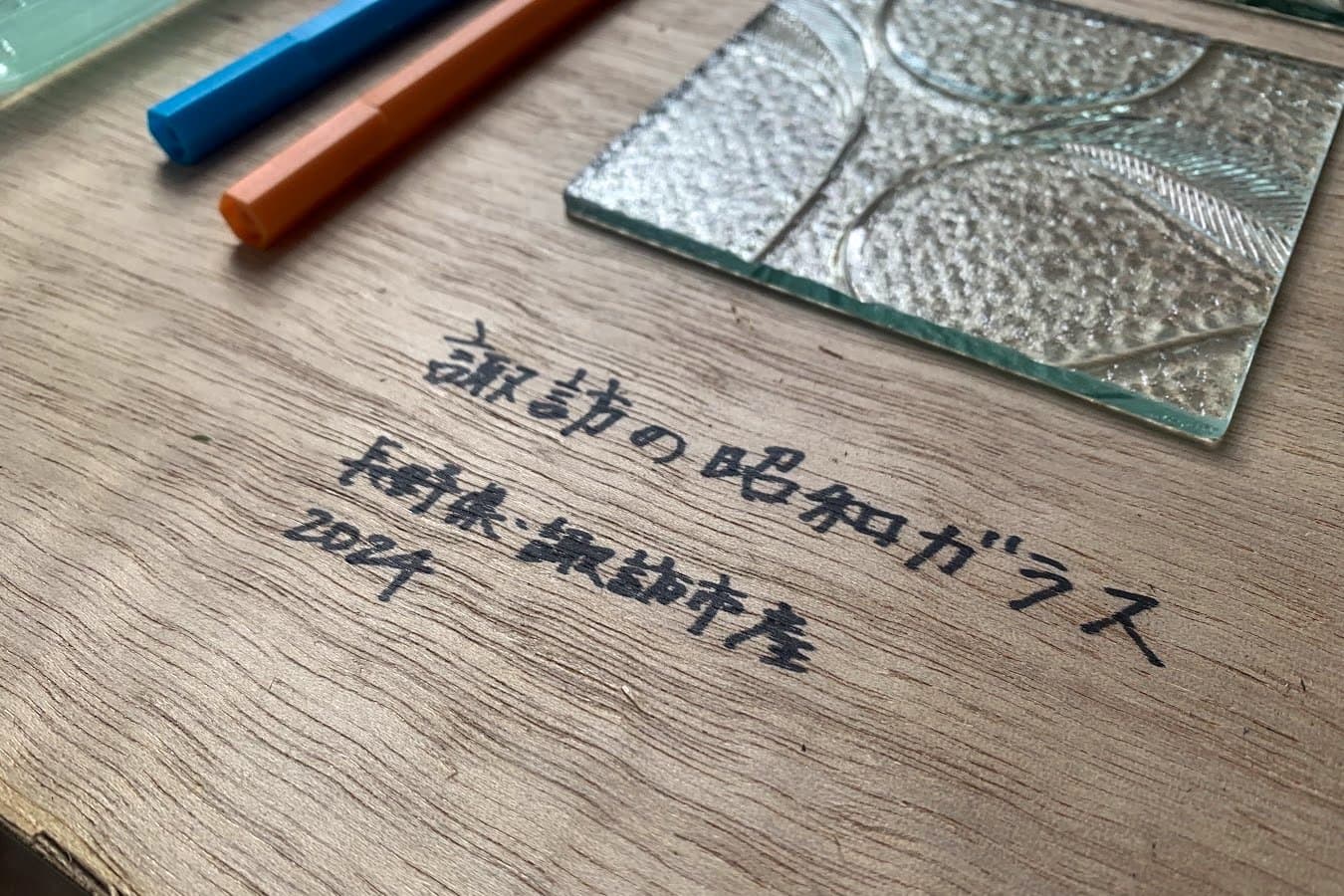
FIG.6
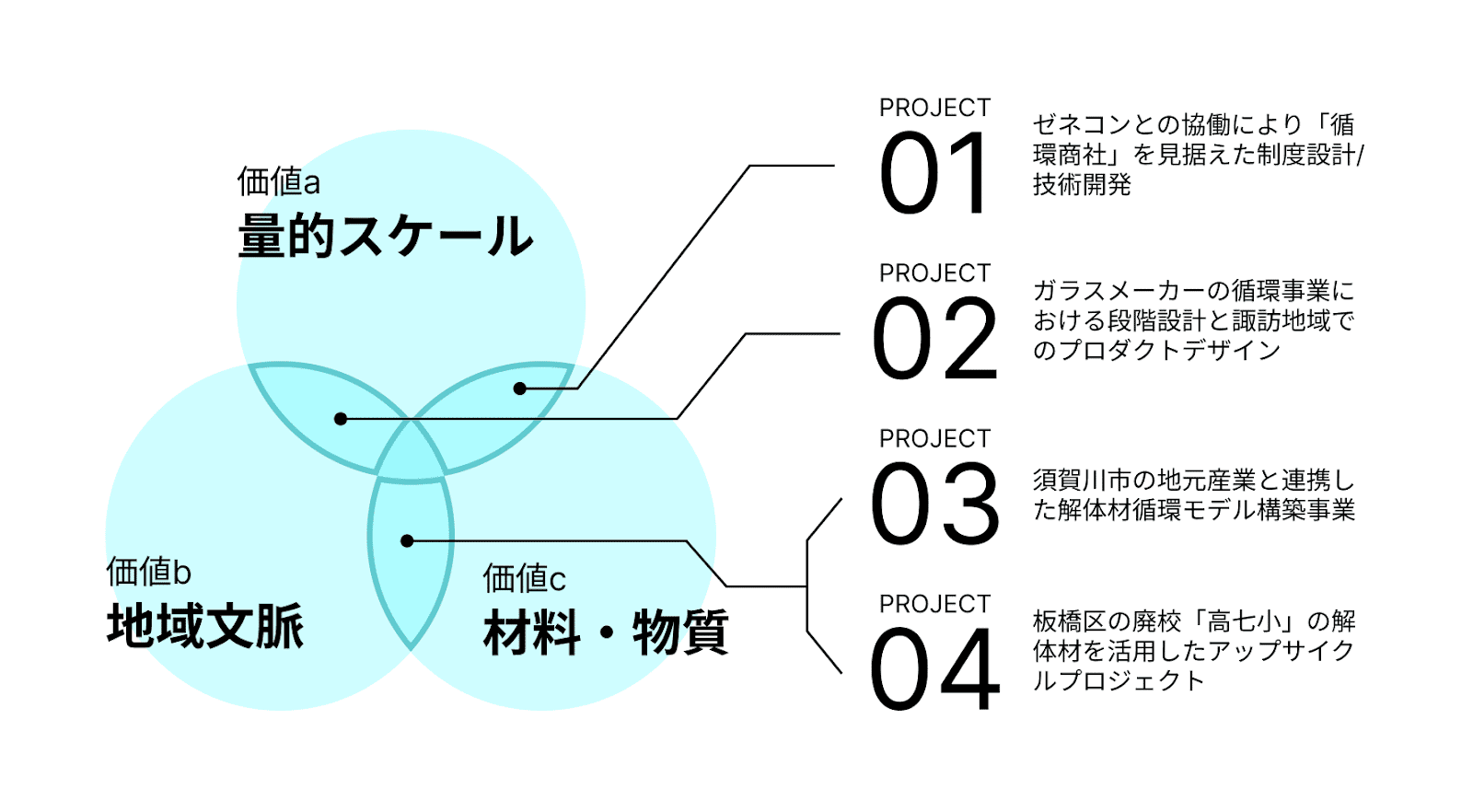
FIG.7
Hasegawa: Recently, various stakeholders across the country have been expanding their circular economy initiatives, haven’t they? On the other hand, to change the structure of the industry as a whole, it’s not enough for small-scale efforts to be scattered here and there—we must also drive change in the world of large-scale construction. In other words, we need to create a framework where all industry stakeholders—not just Takenaka Corporation alone—work together.I believe Mr. Fukui is currently taking on the challenge of building that very network.
Fukui: What I’ve learned from my efforts over the past five years is the importance of thinking things through until I’m completely at a loss. When I reach the point where I’ve exhausted every option and think it’s impossible, someone always steps in to help. It was a diverse group of players—manufacturers, design firms, and other general contractors—who joined me in developing this technology, setting aside profit considerations.
I believe the essence of circular design lies in transforming relationships. In the construction industry, which has traditionally been driven by client needs and economic value, we must start from scratch—using waste as the starting point—to consider what can be recycled and how. In this context, the traditional relationships of contractor-client and upstream-downstream no longer apply.We are rethinking the very nature of the construction industry from a level playing field. I believe that building and expanding such a network is the role that Takenaka Corporation can play as a general contractor.
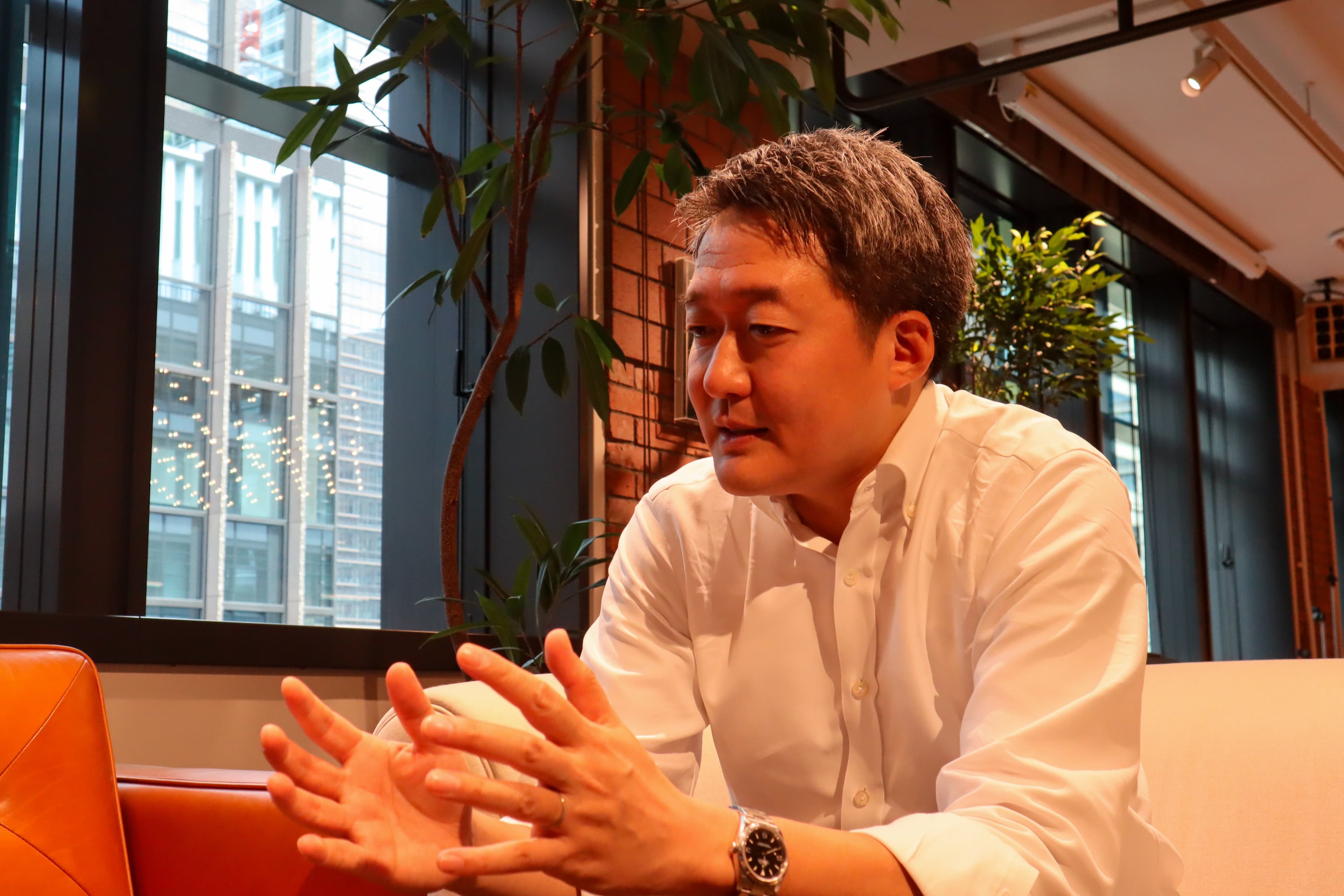
FIG.8
Honda: Right after I became an architecture student, a senior told me, “Solving urban problems isn’t about architecture—it’s a software project, isn’t it?” That came as a huge shock to me. Ever since then, I’ve been determined to demonstrate that creating architecture can have a positive impact on a city.
With ReLink, it would be easier to turn a profit by turning the collected reused materials into small products. Yet, the reason we remain committed to creating spaces is that, even now, I refuse to give up on the potential of architecture.
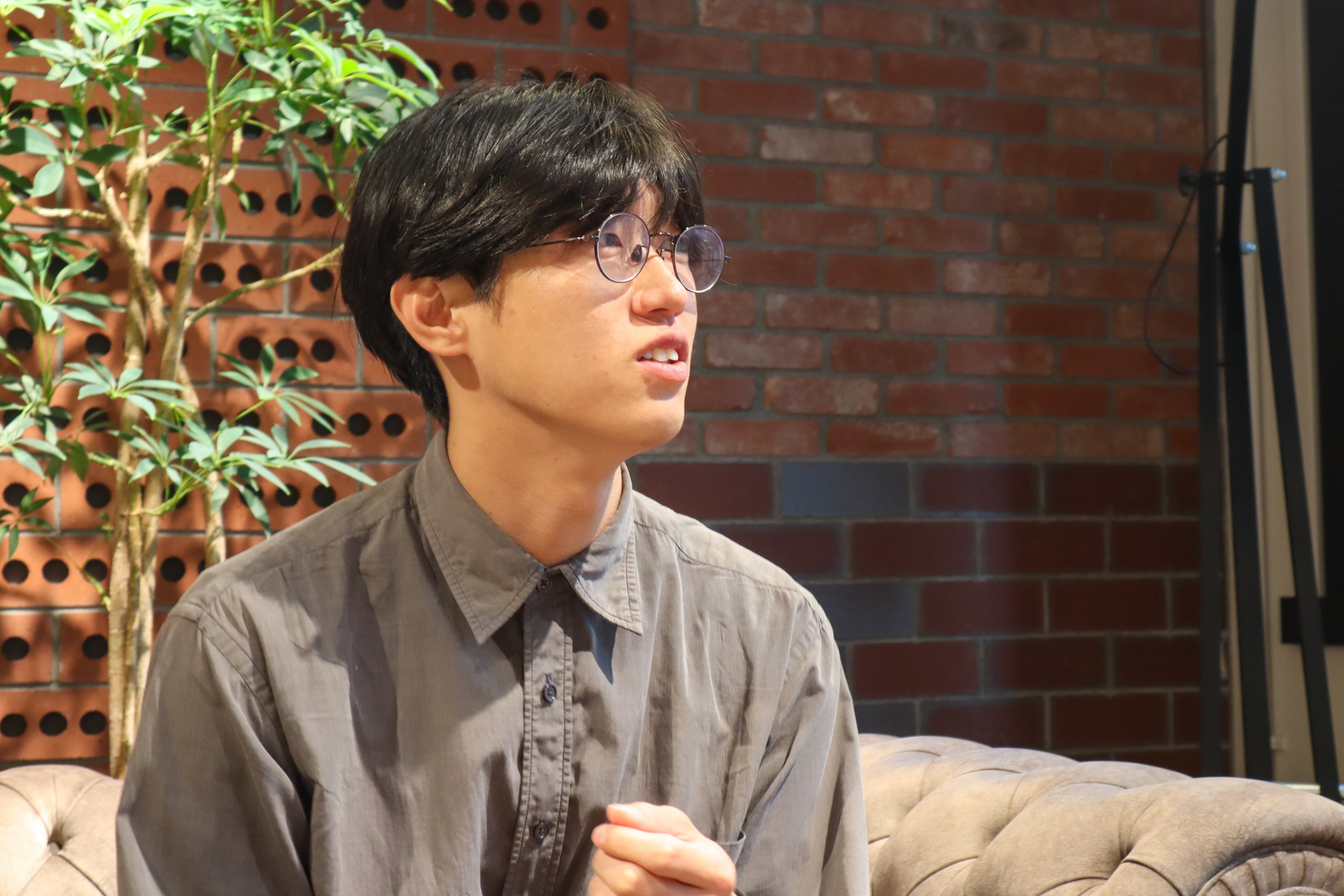
FIG.9
Nibei: In fact, even people who don’t really grasp the concept of “reuse” at first sometimes say, “That’s nice,” when they see the finished room. I think creating a space is an act that generates a completely different kind of impact compared to simply producing a finished product.
Fukui: I firmly believe this event must not end as a one-off project.By bringing our ideas to life, we hope to gradually increase the number of partners and clients who share our vision. Given the nature of the
architecture industry, I don’t think there’s any need to hide anything. After all, it’s impossible for a radical transformation that completely overturns the industry to happen all at once. That’s precisely why we have no choice but to build on small initiatives and bring about change little by little.
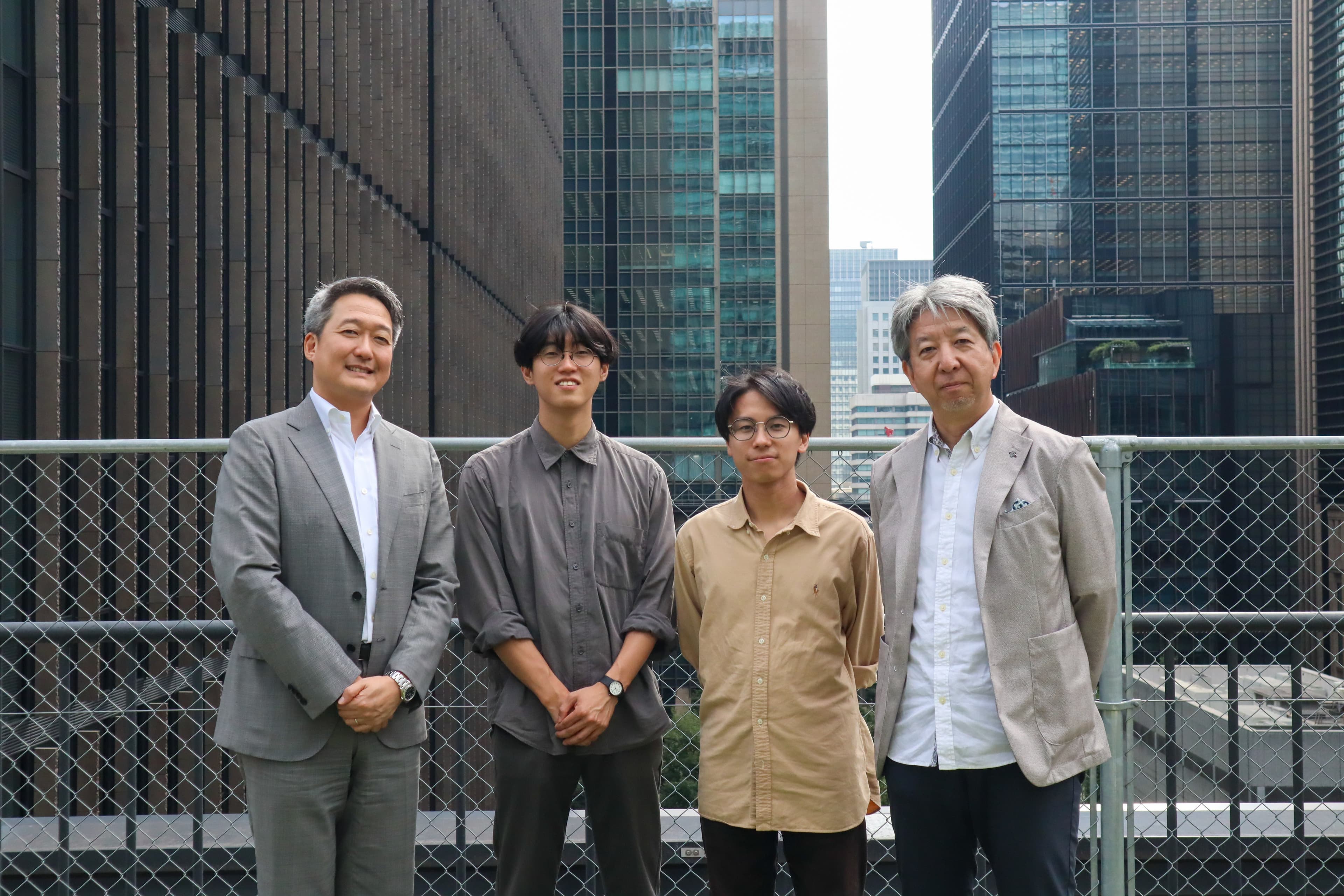
FIG.10
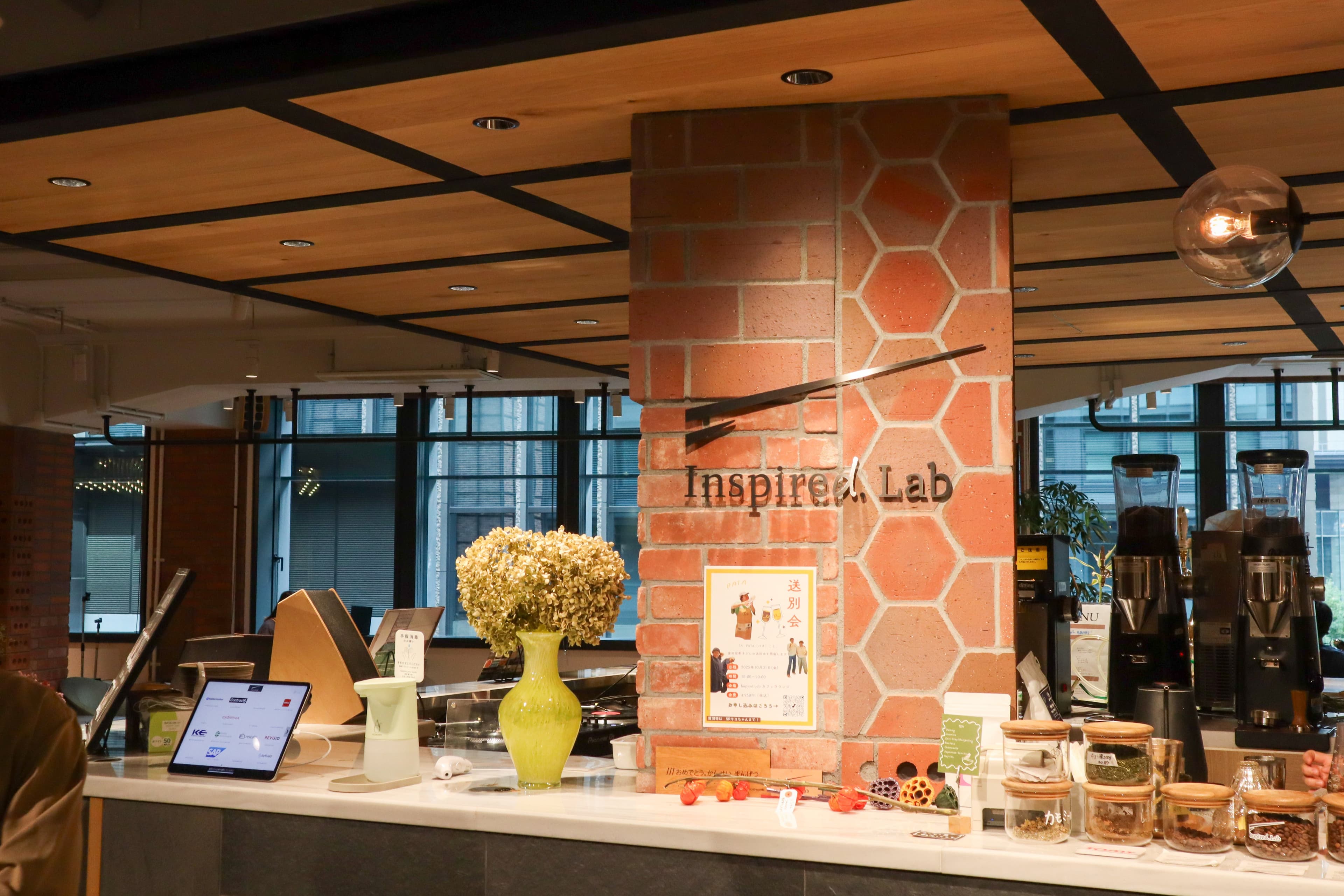
FIG.11
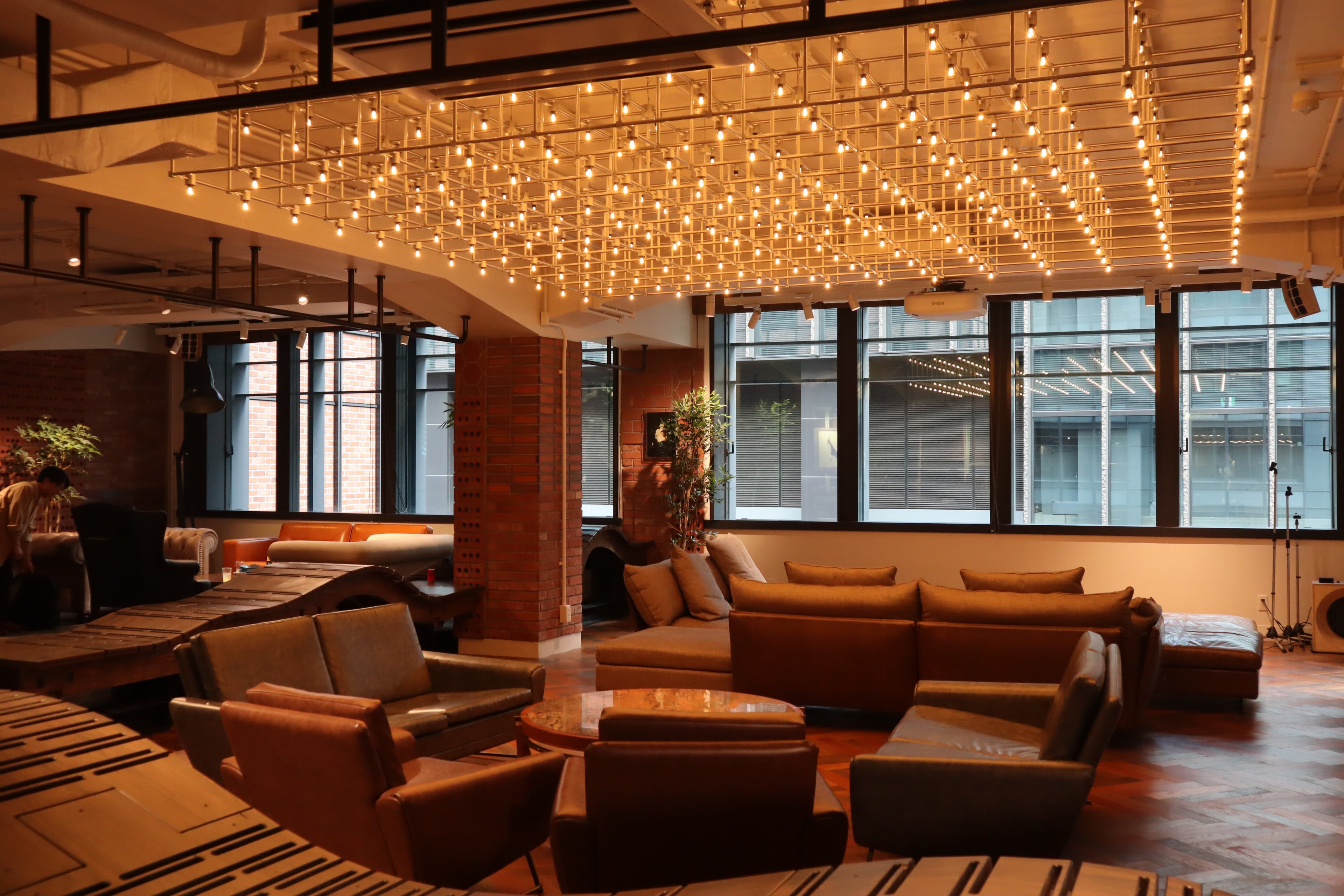
FIG.12
Credit
Related Works
CREATIVE-WORK RESEARCH
Eisuke Honda, Eiki Mizukoshi, Yuki Watarai
Related Texts
Design That Starts by Unraveling Buildings|ReLink
Following Up on ASIBA's 1st Cohort #4
INTERVIEW
2024.02.26.
Connecting Memories of a School Awaiting Demolition Through Art — Kaichiku Teiryujo @ Takashima Seventh Elementary School
Kaichiku Teiryujo: The Finale
REPORT
2026.03.30.
Weaving a Neighborhood's Character from Waste Materials — Itabashi City Takashimadaira Urban Planning Division × ReLink × ASIBA
Public Partner Dialogue #1
DIALOGUE
2026.03.30.

Turning Demolition into a Beginning, Not an End — Announcing Kaichiku Teiryujo @ Takashimadaira Round 2
Kaichiku Teiryujo Round 2 Announced
ANNOUNCEMENT
2026.06.09.
The Discomfort Seen Through Kaichiku — A Platform Connecting Materials via Reuse
本多栄亮
ESSAY
2026.07.01.