Kaichiku Teiryujo: The Finale
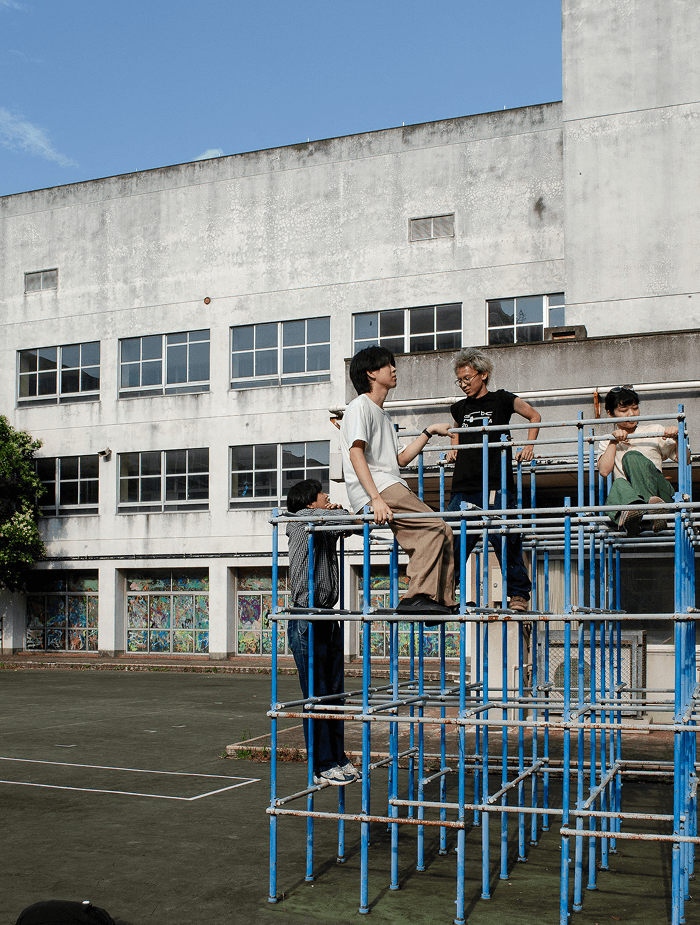
FIG.1
Staying overnight in an abandoned school and creating art. Inspired by this exhilarating theme, 10 groups of artists gathered at the former Takashima Seventh Elementary School in Itabashi Ward. Through their creative process, they confront the countless memories and recollections that linger within the school building. It’s true that we have no firsthand knowledge of the days when this elementary school was filled with children.Nevertheless, we stripped the floorboards, watched the dawn break together, and devoted ourselves single-mindedly to our work until dusk. How can we transform the emotions that dwell within this elementary school into works of art? And how will those emotions continue to “circulate” in this place from now on? (Text by Rigo Kagami)
The Takashimadaira area is home to the Takashimadaira Housing Complex, once known as the largest housing complex in East Asia. The former Takashima Seventh Elementary School, which opened in 1979, had no clear plan for its future use for a long time after it closed in 2007, but starting next fiscal year, it is scheduled to be rebuilt as part of a chain reaction of urban regeneration in the surrounding area.Viewing this demolition not as an end but as a beginning, and aiming to pass on the school building’s materials and the memories they hold to the local community, in August 2025,the “Takashimadaira Upcycle Project” was launched through a collaboration between ASIBA, the Itabashi Ward Takashimadaira Community Development Promotion Division, and ReLink (ASIBA PROJECT LABEL).
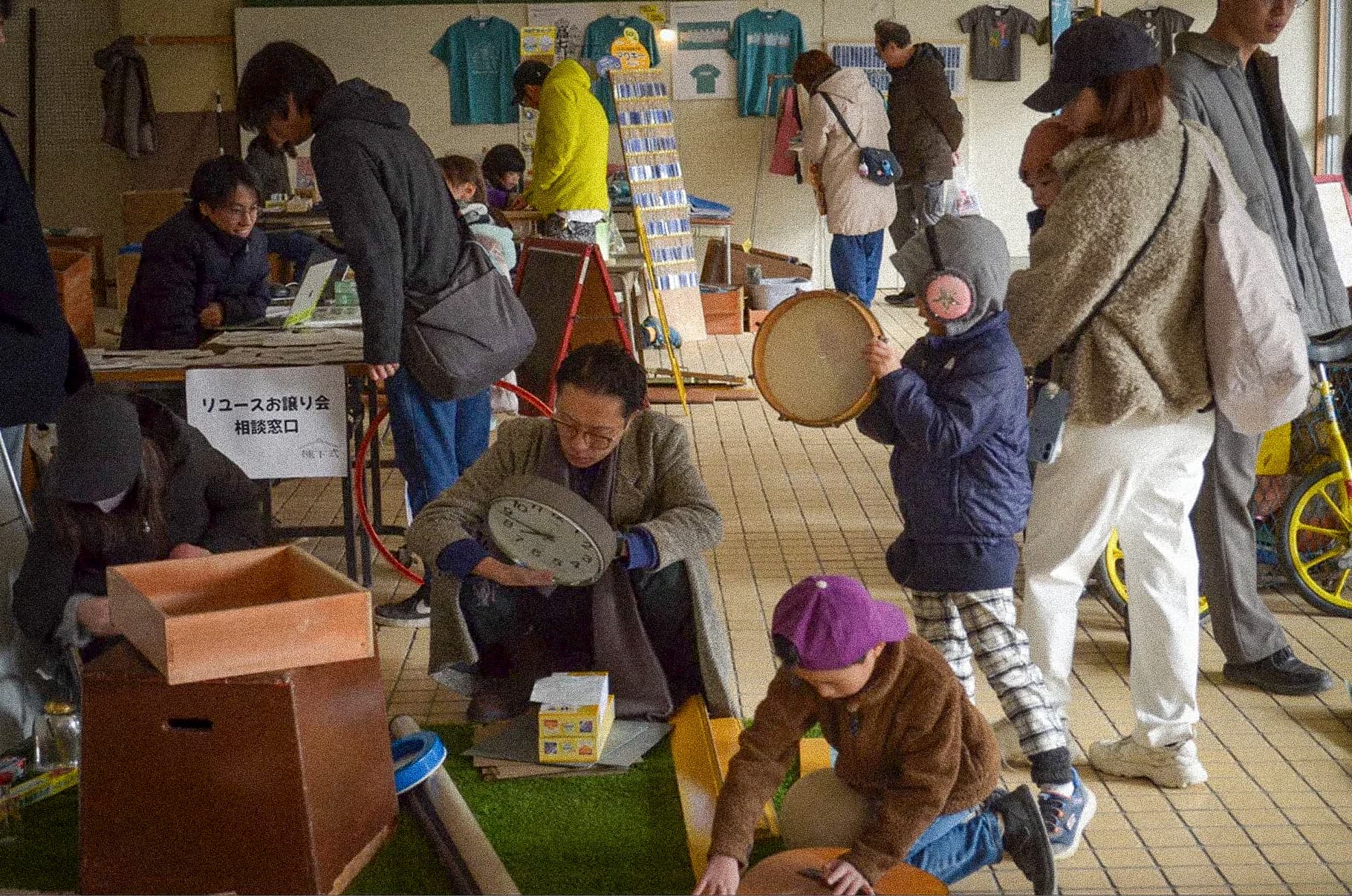
In conjunction with the “Demolition Ceremony”—a ceremony planned in response to requests from local residents to express gratitude and bid farewell to Takashimadaira Seventh Elementary School—we have held a total of three events and workshops to date.Through dialogue with the many local residents who participated, we have demonstrated that upcycling initiatives go beyond simply reducing waste and environmental impact to contribute to the revitalization of the local community across generations and backgrounds.
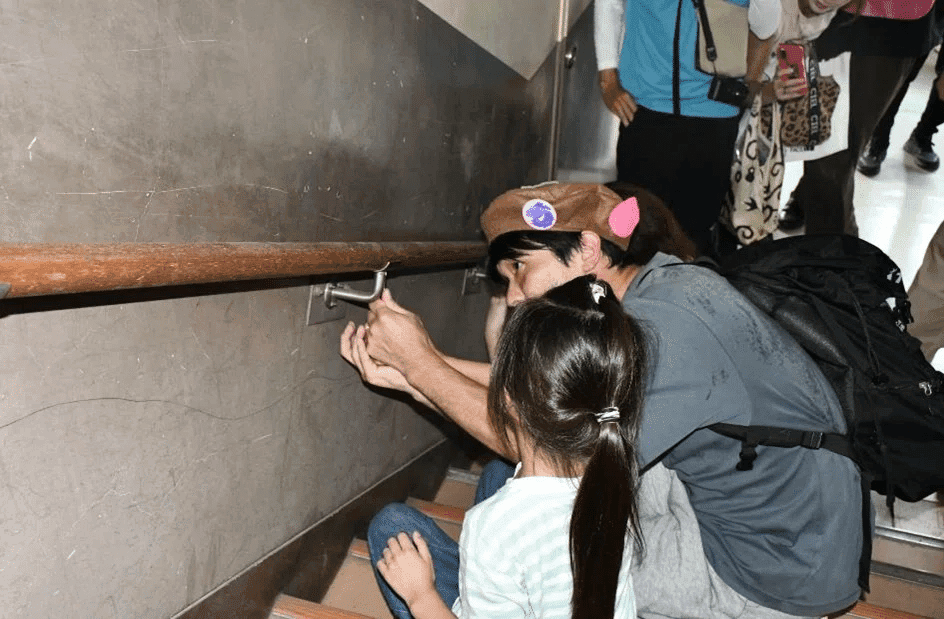
FIG.2
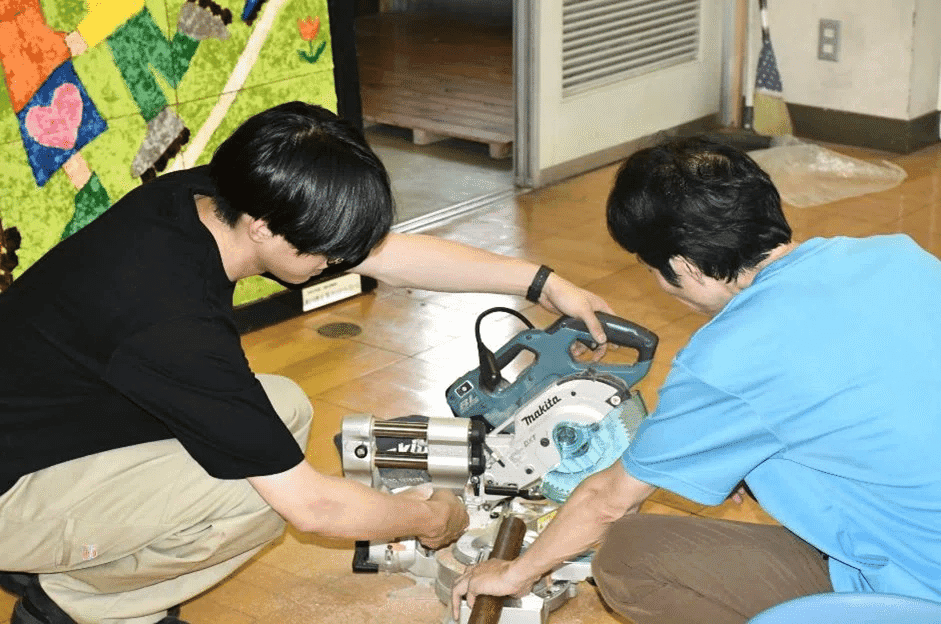
FIG.3
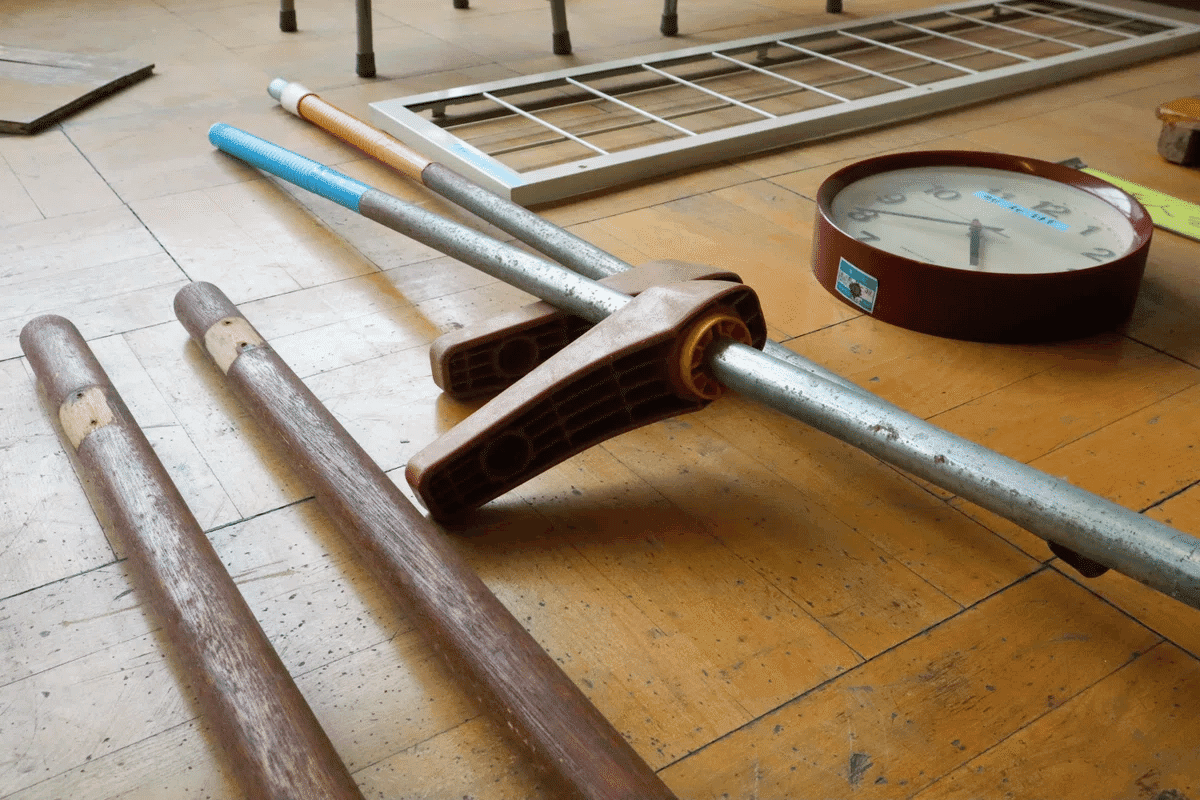
FIG.4
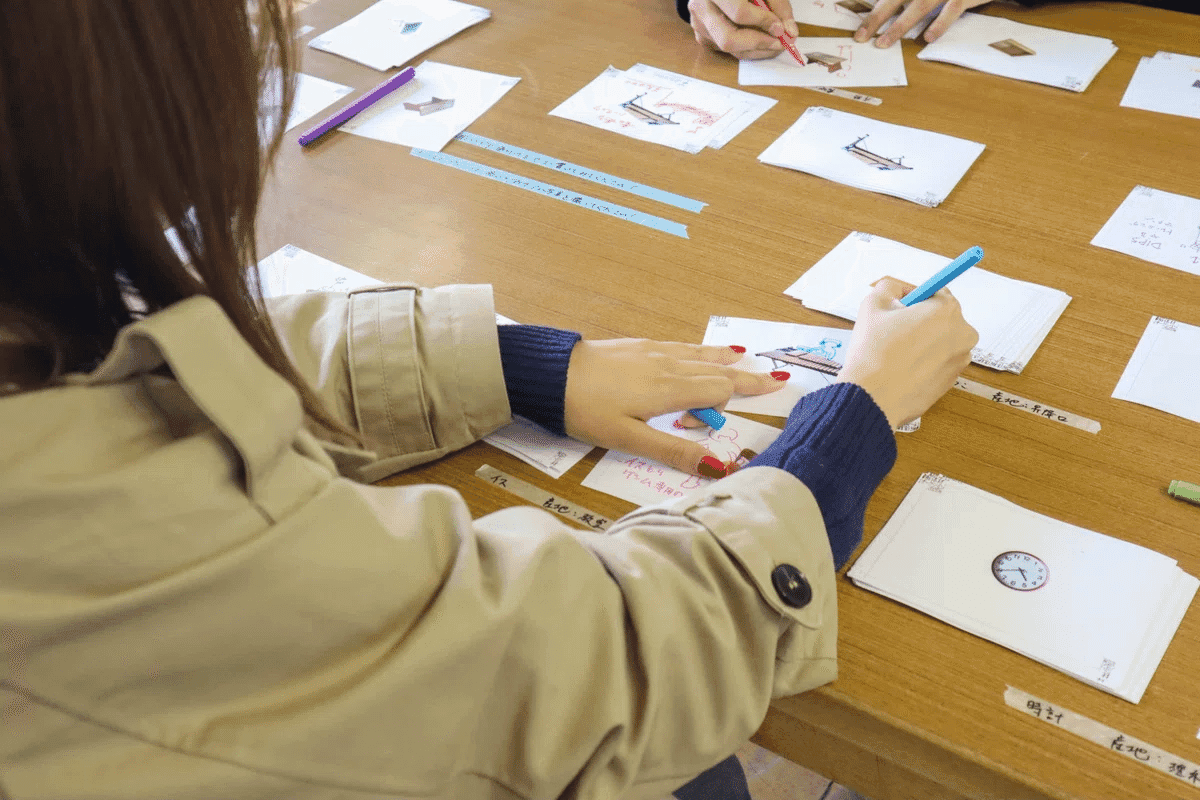
FIG.5
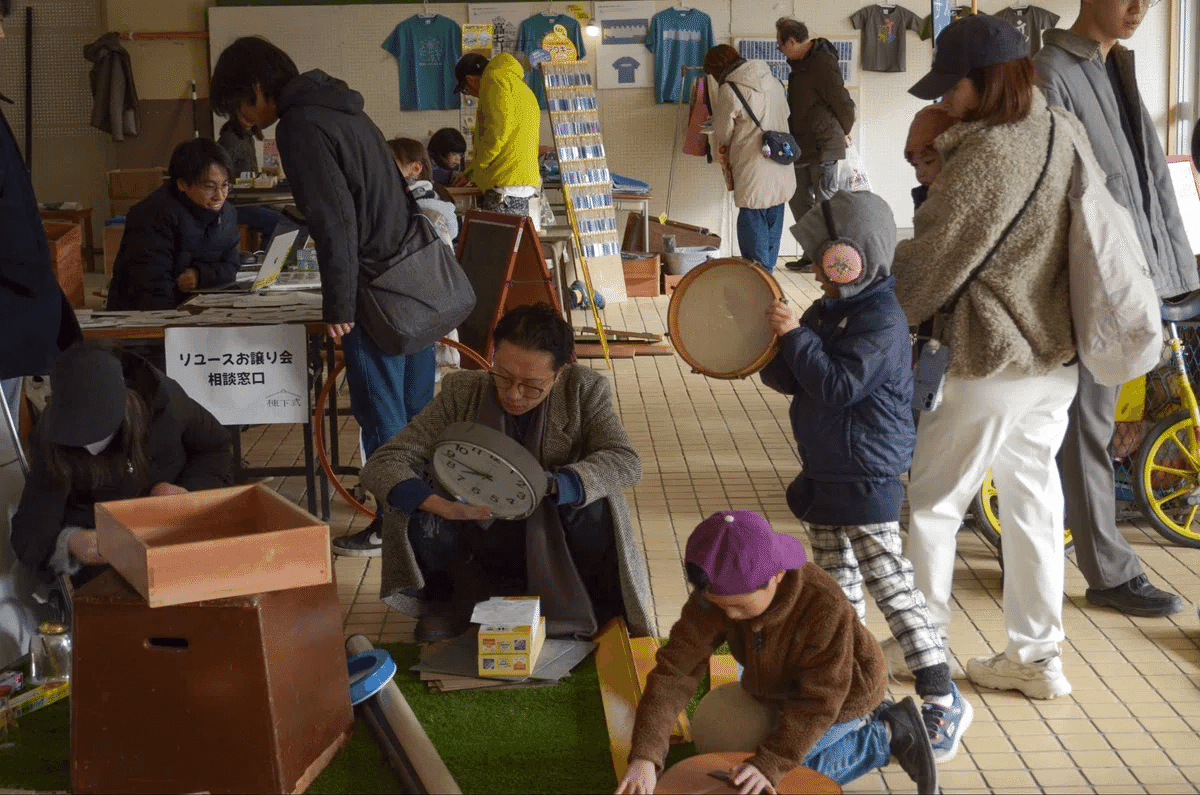
FIG.6
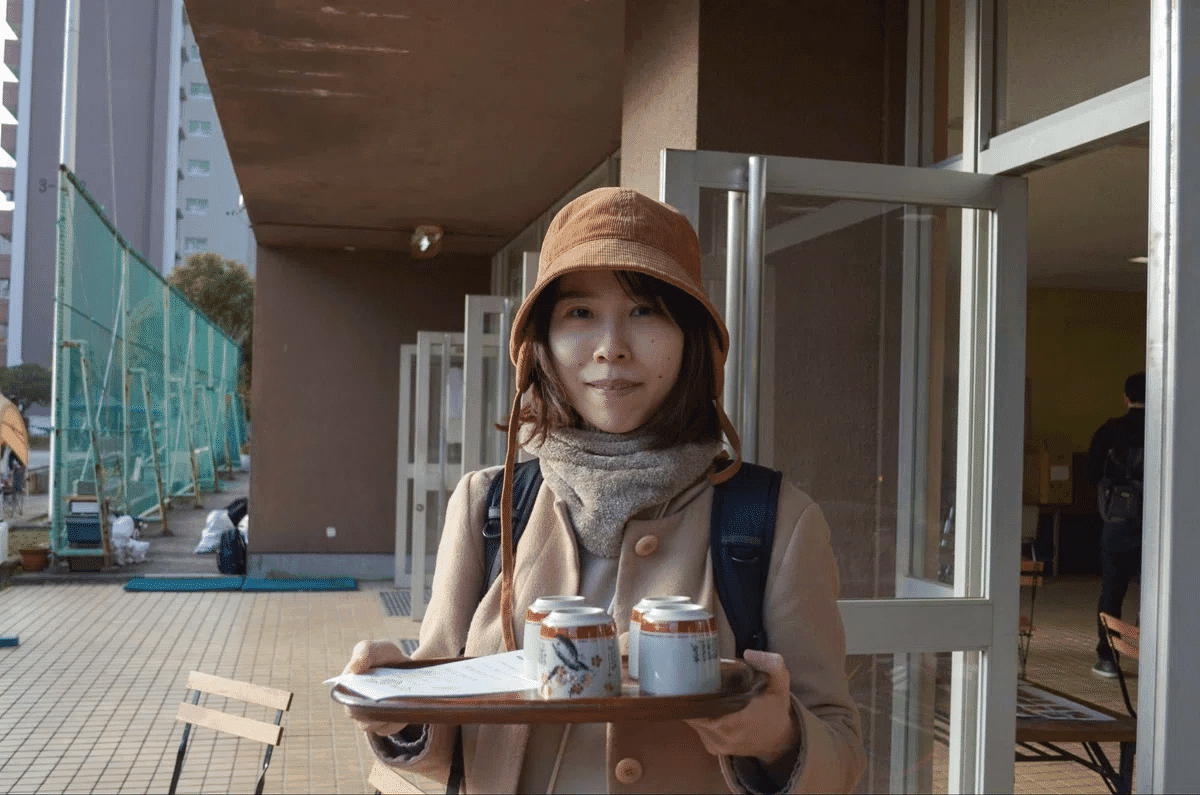
FIG.7
Over the course of about 10 months, we’ve worked with local residents to unearth the charms and memories of Takashima Seventh Elementary School. Ahead of the grand finale in March, we want to convey the value of these memories in a broader context through artworks and products. It was with this vision in mind that “Deconstruction Stop @ Takashima Seventh Elementary School” was launched.Ten groups of artists and designers will gather at Takashima Seventh Elementary School to create works during a residency and hold an exhibition centered on the memories left behind by alumni and their belongings.
On February 13, prior to the artist residencies, we held the “Peel-Peel Workshop” to give participants hands-on experience dismantling school building materials. We invited Mr. Yamusa—a traditional hand-dismantling craftsman whose craft dates back to the Meiji era—and his colleagues to help us physically dismantle some of the various materials left on the school grounds.
The first task was the classroom flooring, which had not been successfully dismantled during the previous building-lowering ceremony. Under the guidance of the demolition craftsmen, we began by learning how to hold tools and maintain proper posture. After understanding the structure of the joints, we carefully dismantled the materials at precise points, allowing us to “extract” them cleanly with minimal force and without causing damage.Rather than the “stress-relieving” demolition typically imagined, I sensed an aesthetic in the delicate and rational approach—a process of carefully “unraveling” the materials.Later, as we engaged with the unique characteristics of individual materials—such as the tables in the science lab—and carefully peeled them away one by one, I found myself approaching the school building with a fresh perspective unlike anything I’d experienced before.
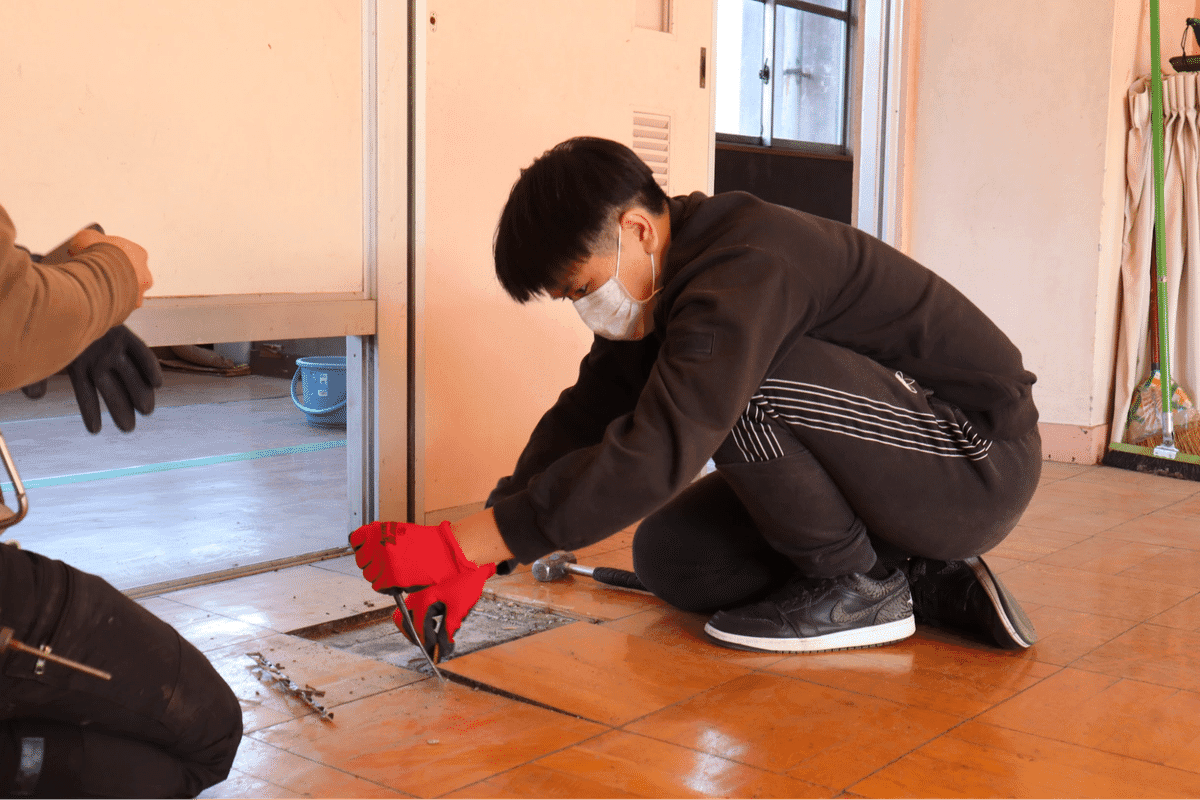
FIG.8
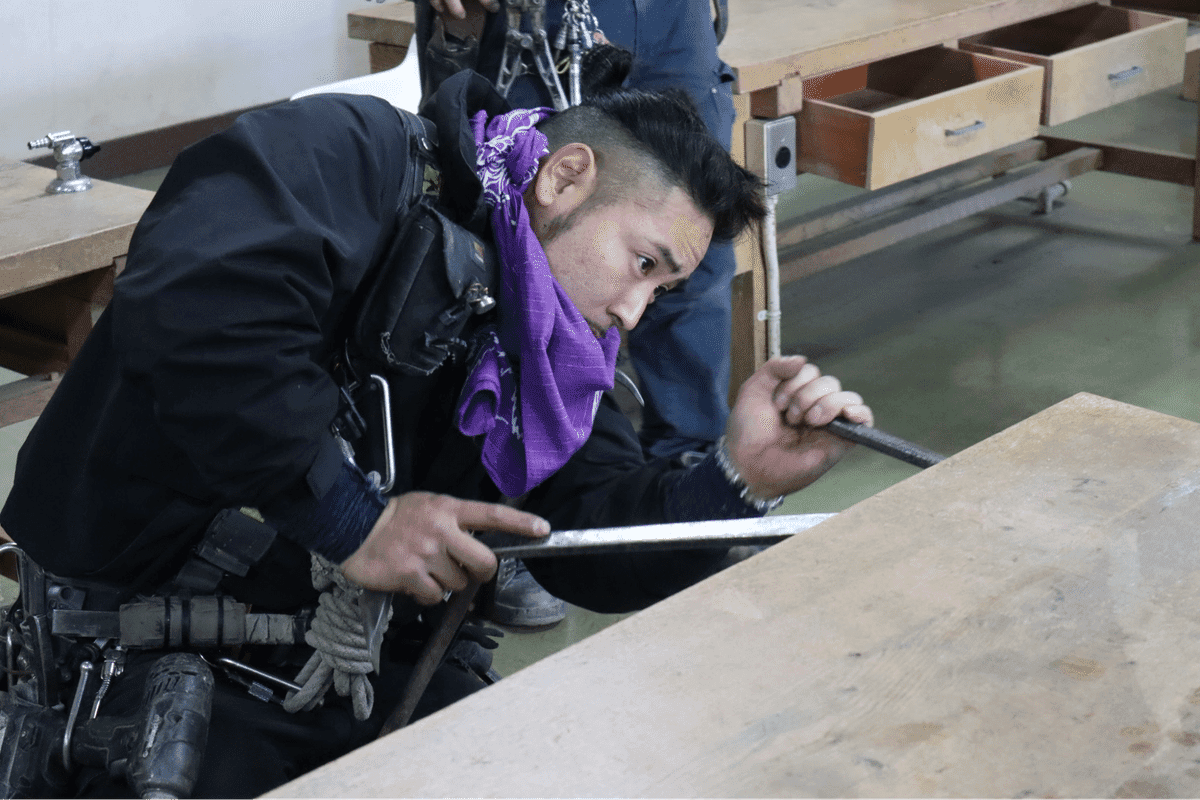
FIG.9
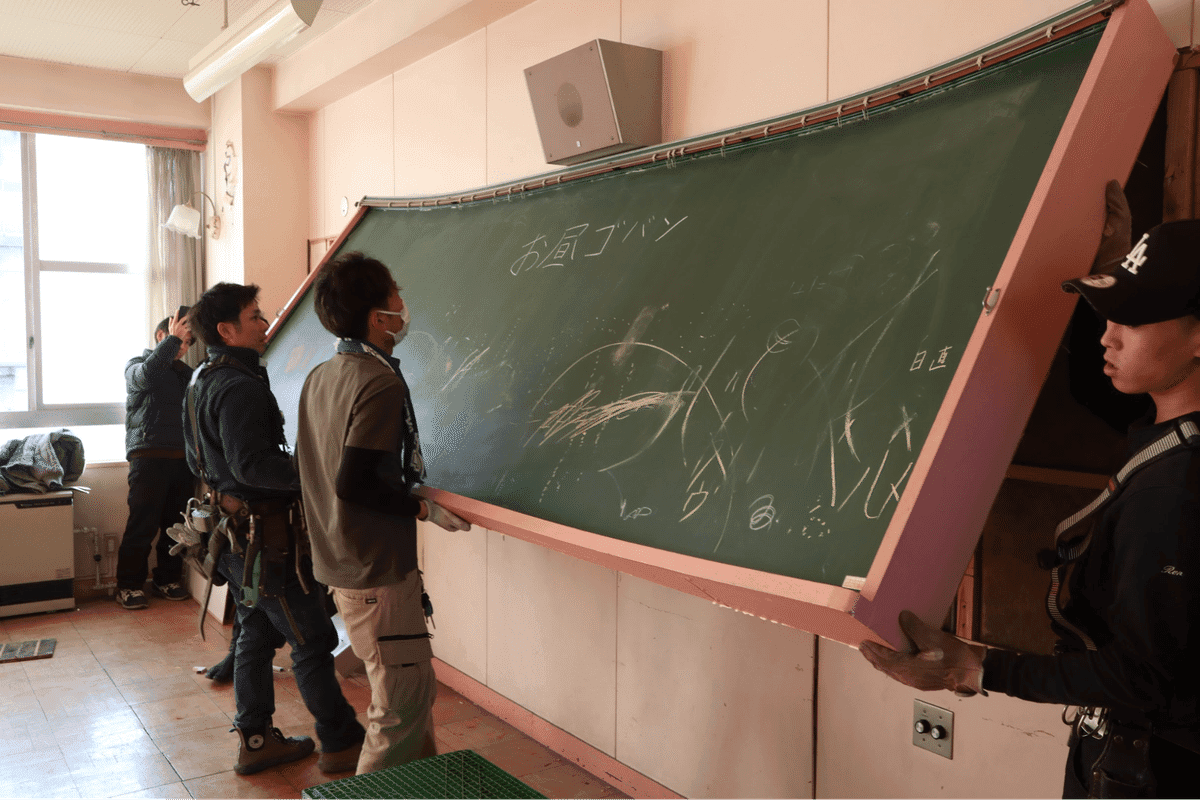
FIG.10
More than 10 people, including local residents and artists, participated that day. There were moments when we heard memories from alumni about the past and learned about the excellence of the wood being used from forestry experts.
On March 1 and 2, 10 artist groups gathered at Takashichi Elementary School to hold the “Abandoned School Art Night,” a two-day, one-night event marking the kickoff of their artist-in-residence program. They walked freely through the school building, lingered, and dismantled parts of it.In a space that shifted its character moment by moment depending on the time of day, each artist began creating in their own way while confronting the memories and emotions left behind. Even after the Art Night concluded, many of the artists returned to the school building and devoted themselves to completing their works until the very end.
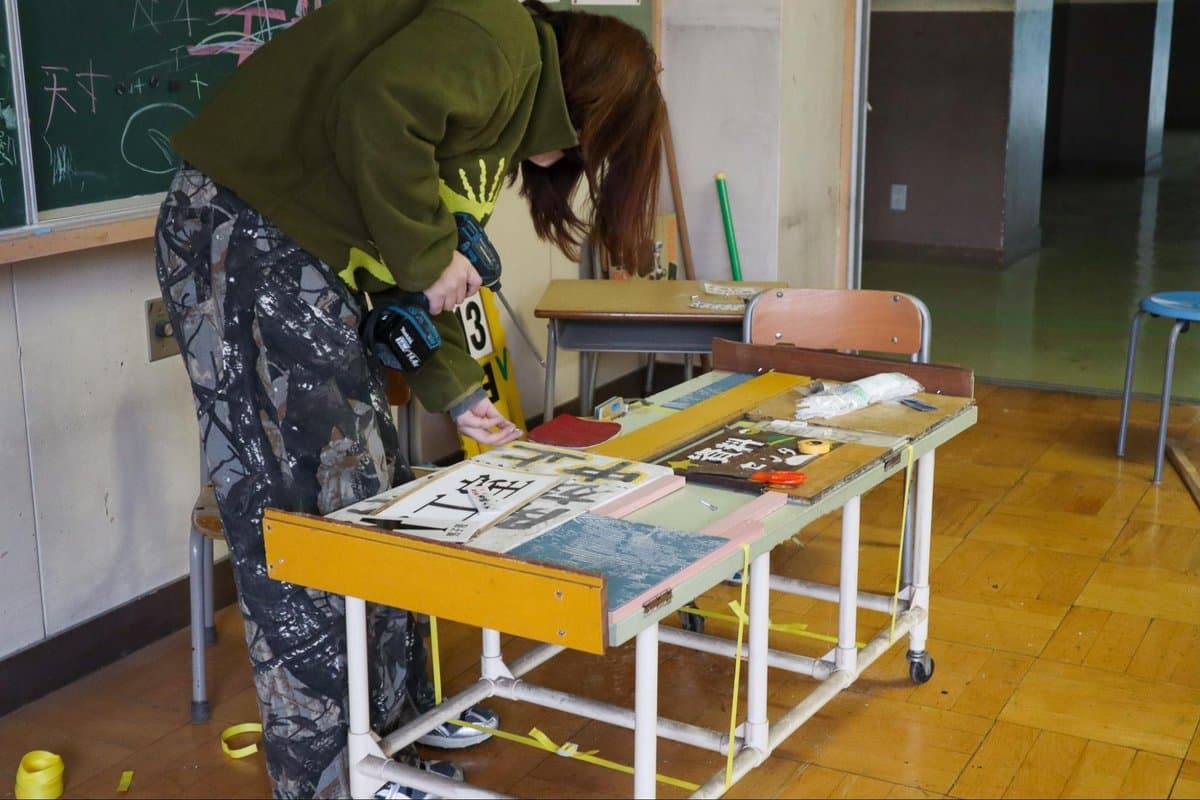
FIG.11
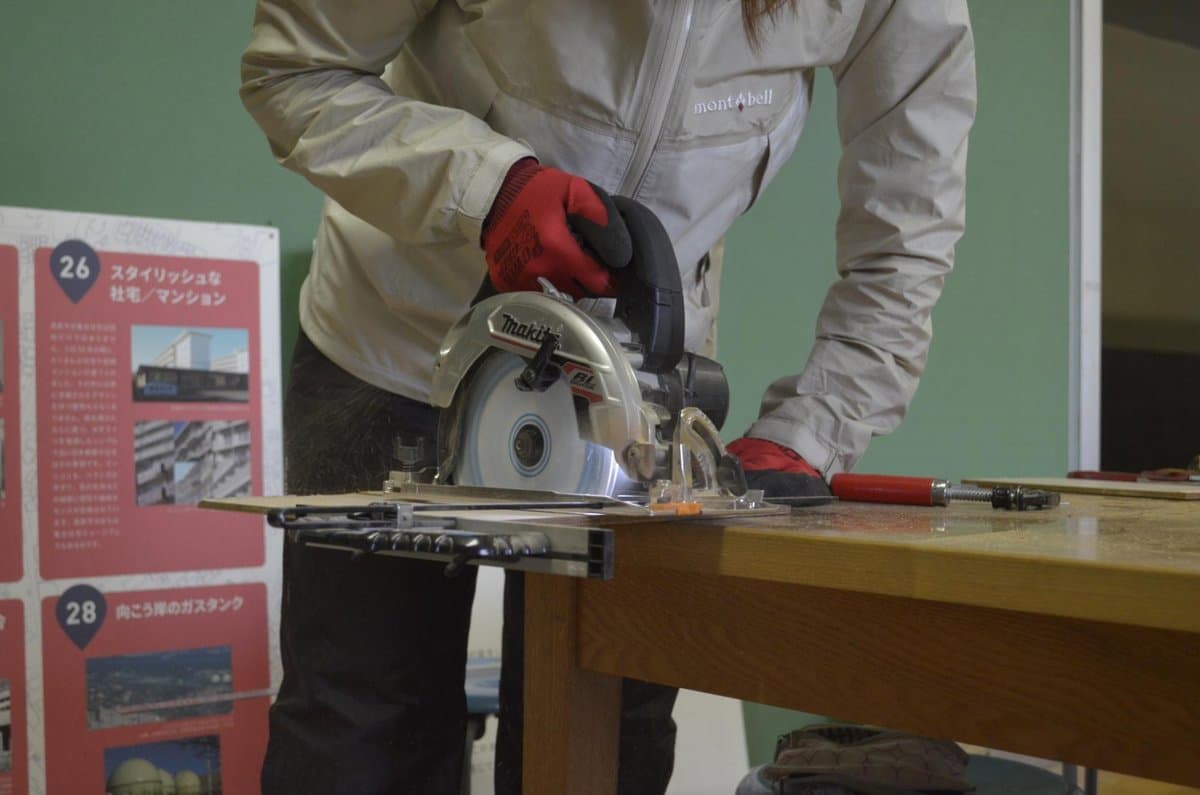
FIG.12
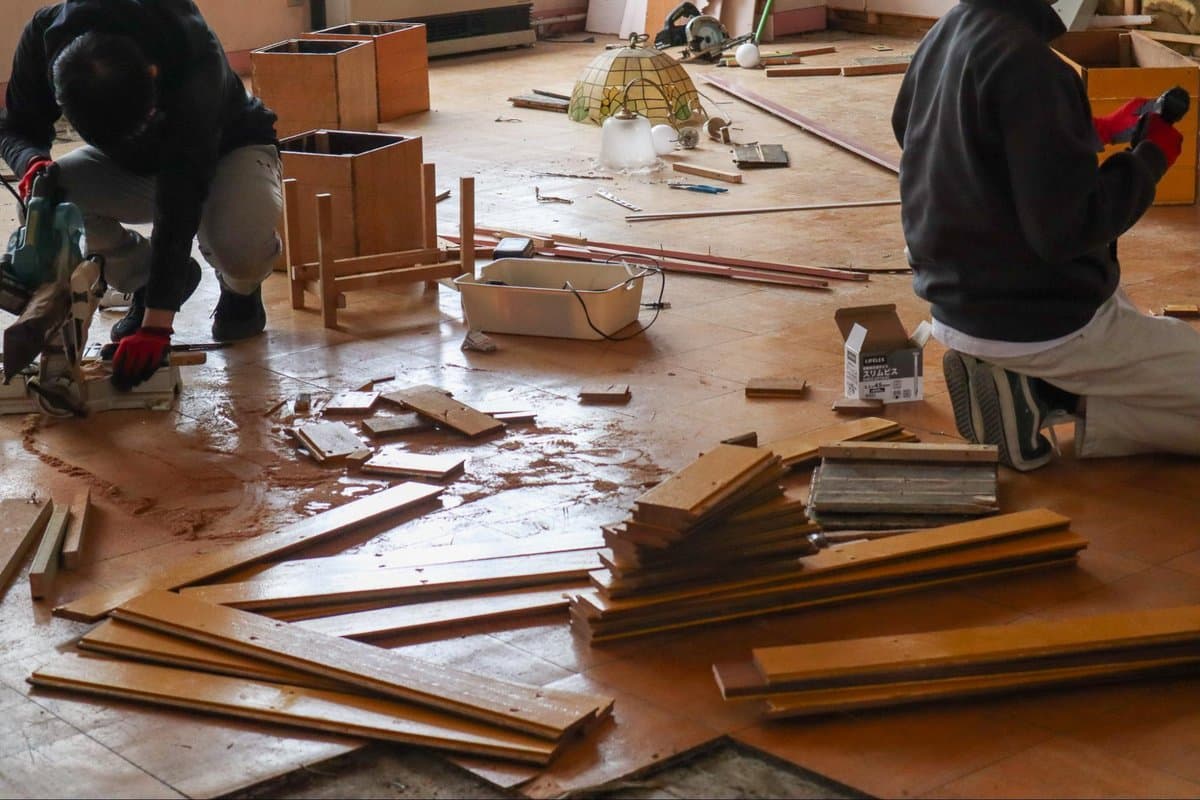
FIG.13
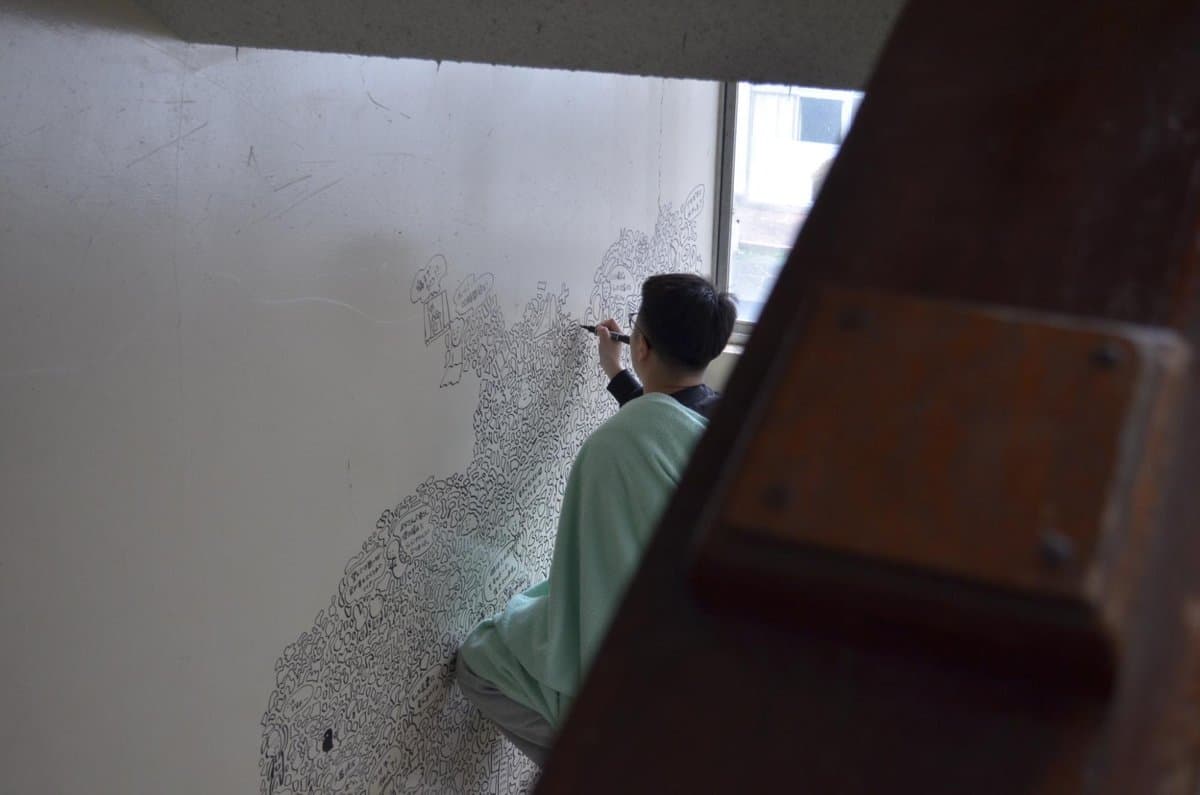
FIG.14
On March 14, we held the “Grand Finale,” a farewell ceremony marking our final goodbye to Takashima Seventh Elementary School.On that day, we unveiled and sold a total of 14 works from “Deconstruction Stop @ Takashima Seventh Elementary School” to visitors. The familiar spaces and building materials of Takashima Seventh Elementary School were reborn into new forms while carrying forward their memories. What did visitors feel as they experienced the artworks firsthand?
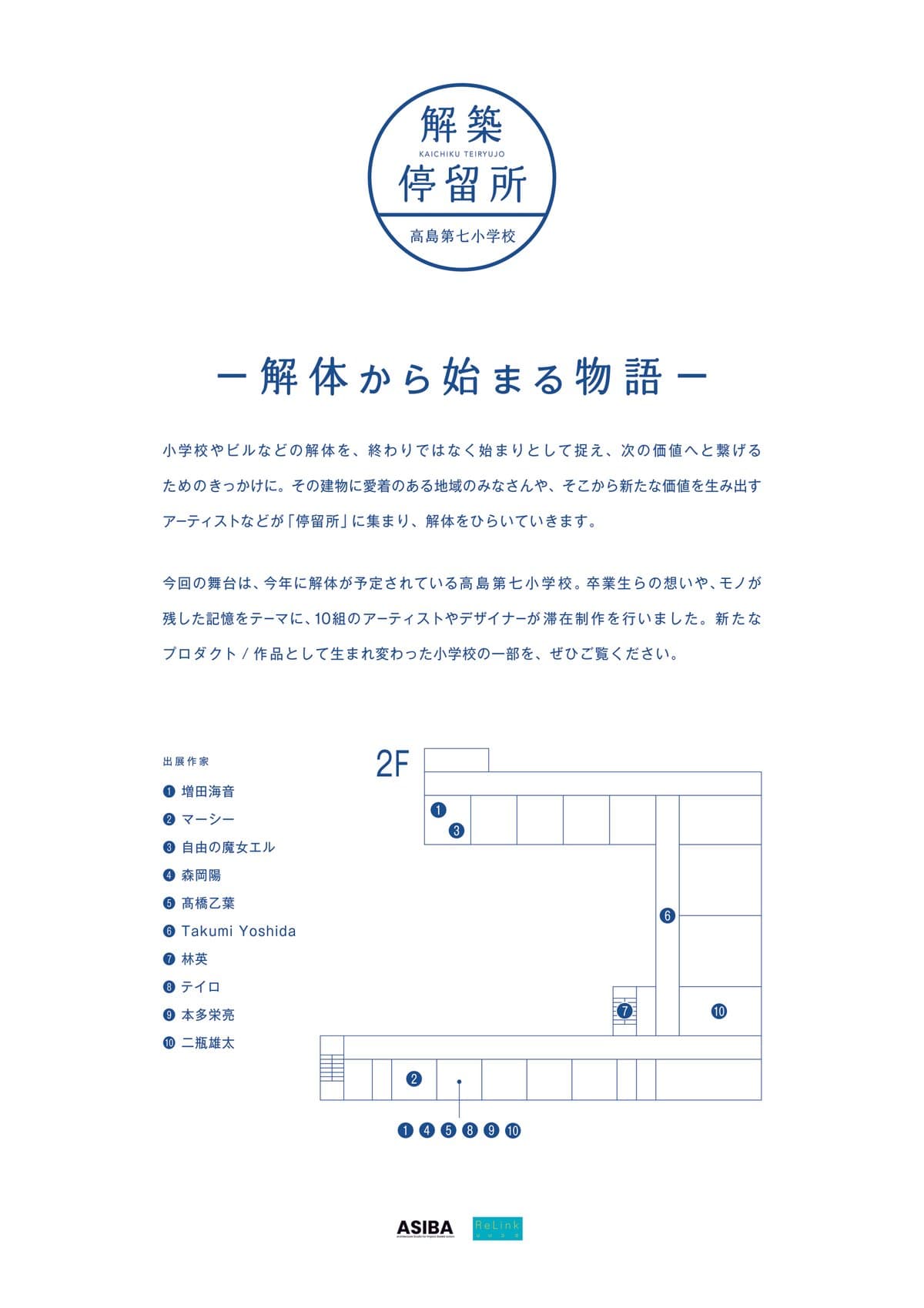
FIG.15
1. Marcy “Final Attire”
We applied a “funeral makeup” to one of the classrooms. We used the green of the blackboard and wallpaper to represent plants, foundation to symbolize the earth, and lipstick to depict flowers. Famous paintings stand by, watching over the scene. Just as everything has a beginning, it also has an end. The same is true for buildings, and we pray that the afterlife awaiting Takashima Seventh Elementary School is also adorned with beautiful flowers.Please feel free to draw flowers on the white-sprayed areas!
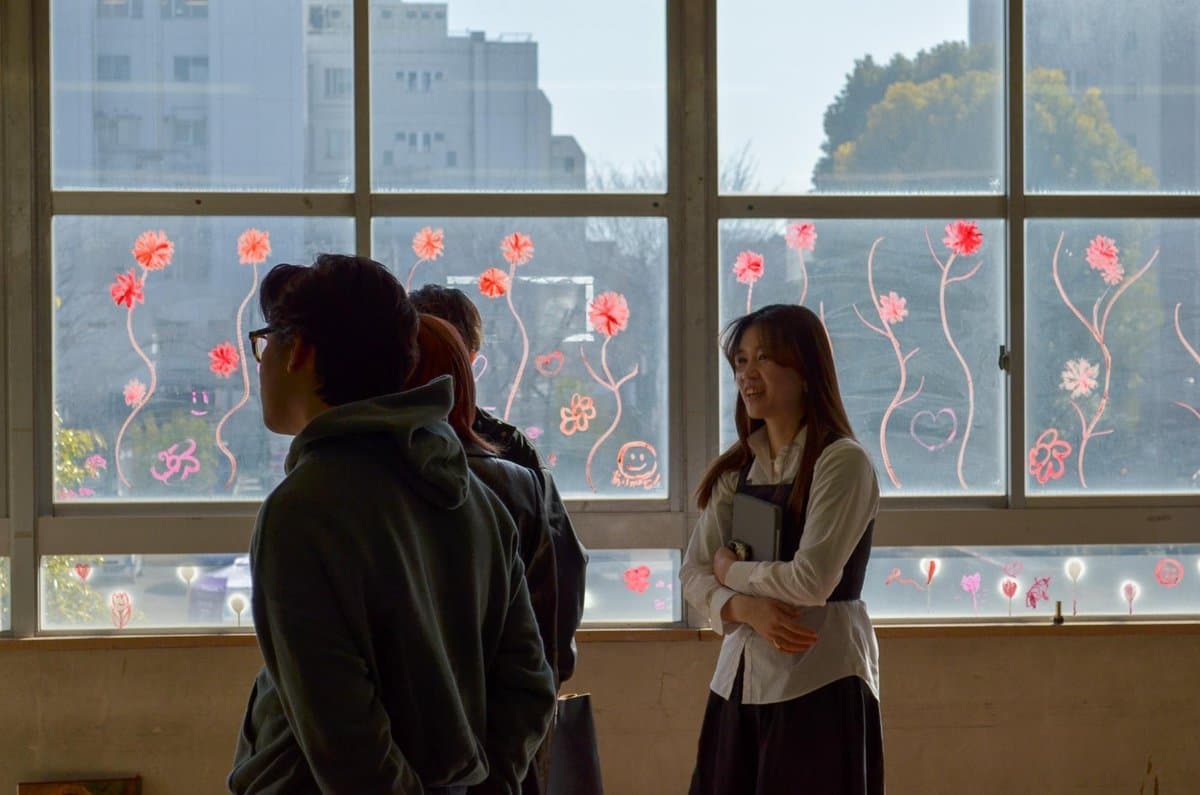
FIG.16
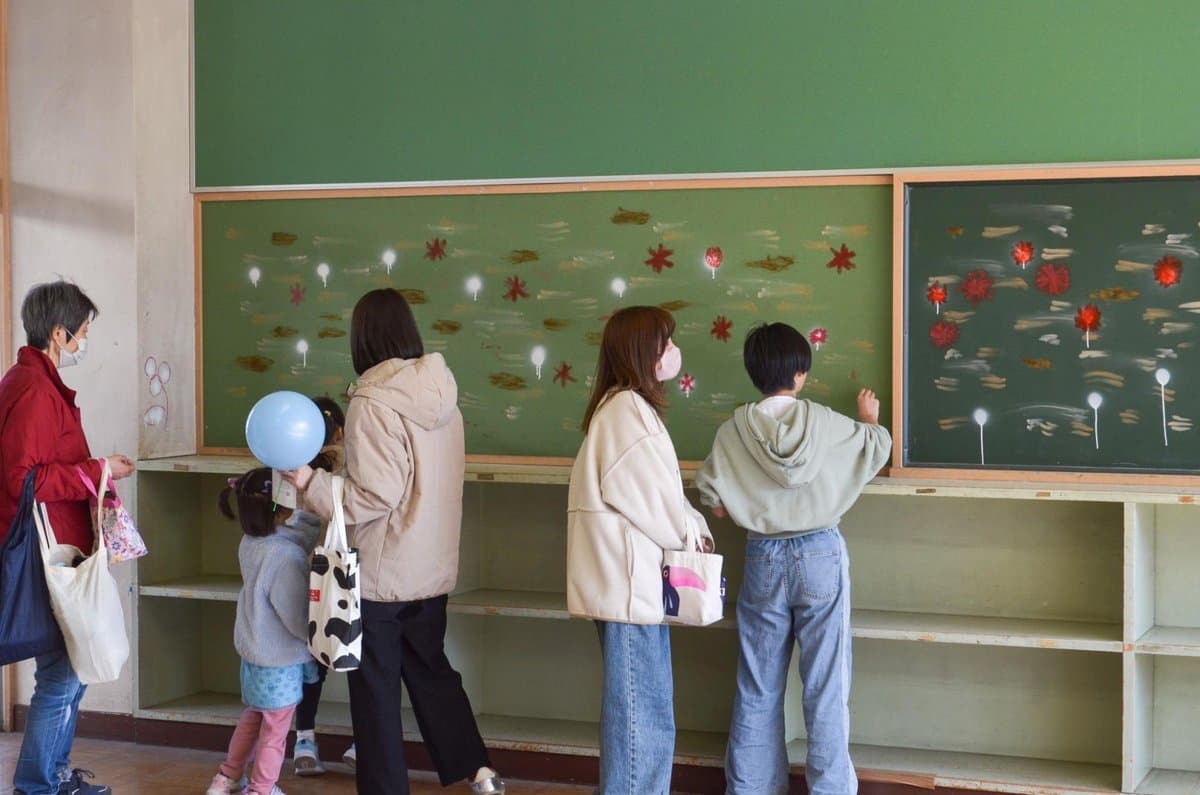
FIG.17
2. Kaion Masuda “Excerpt from ‘ASIBA as Seen by a Witch #04: Something I Want to Build in Takashimadaira’”
Read the full text on the Witch’s Note.
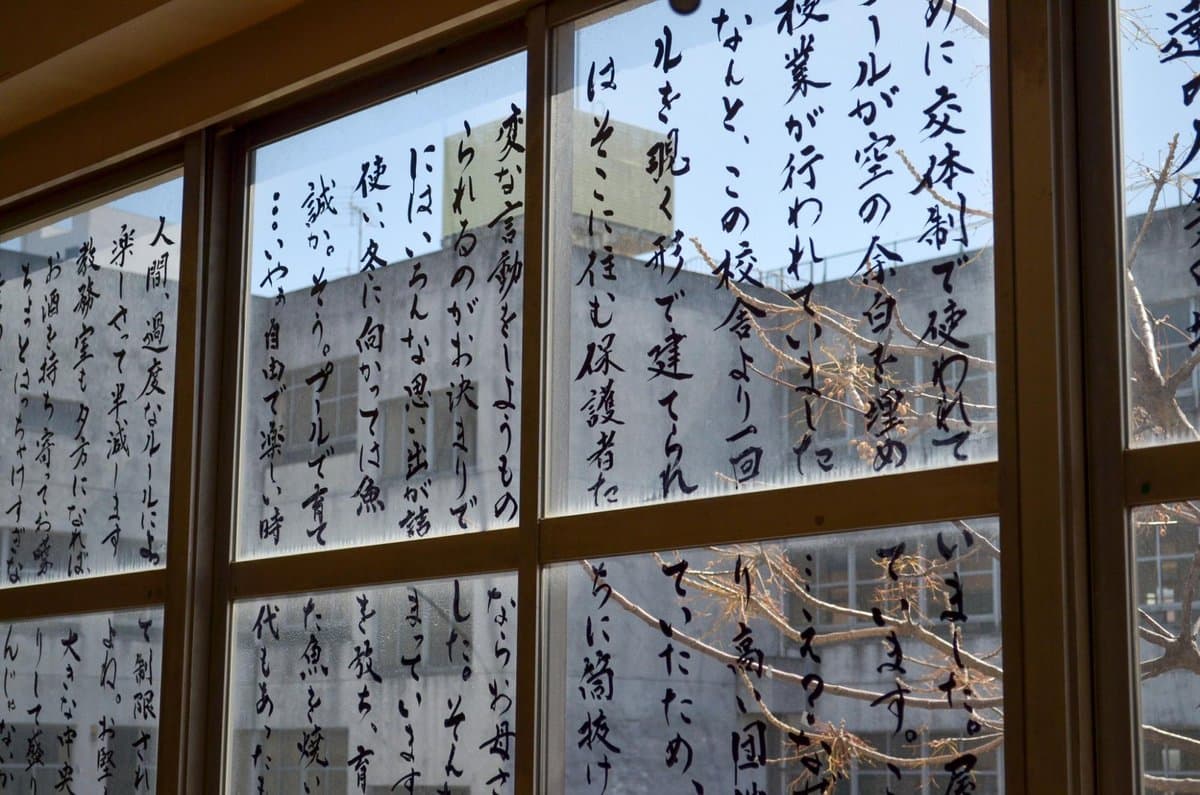
FIG.18
3. Kaion Masuda, “‘Thank You, Takashichi Elementary, for 47 Years’”
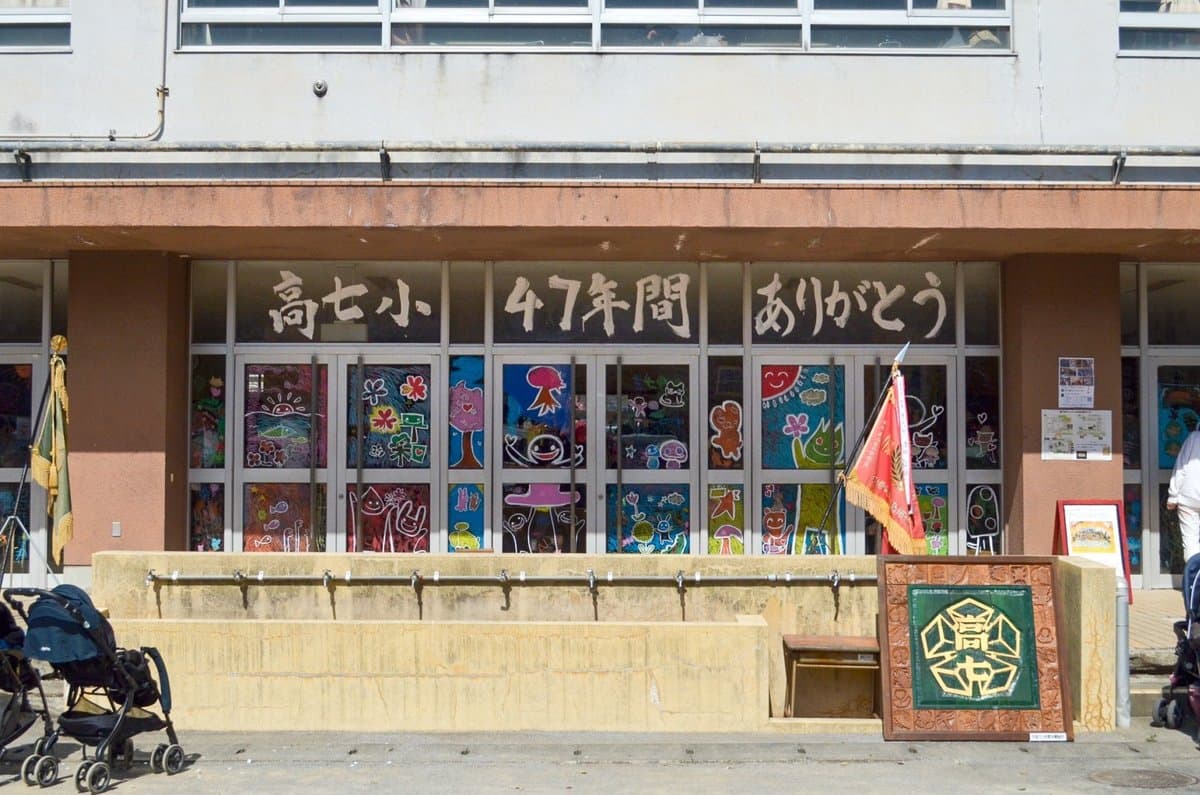
FIG.19
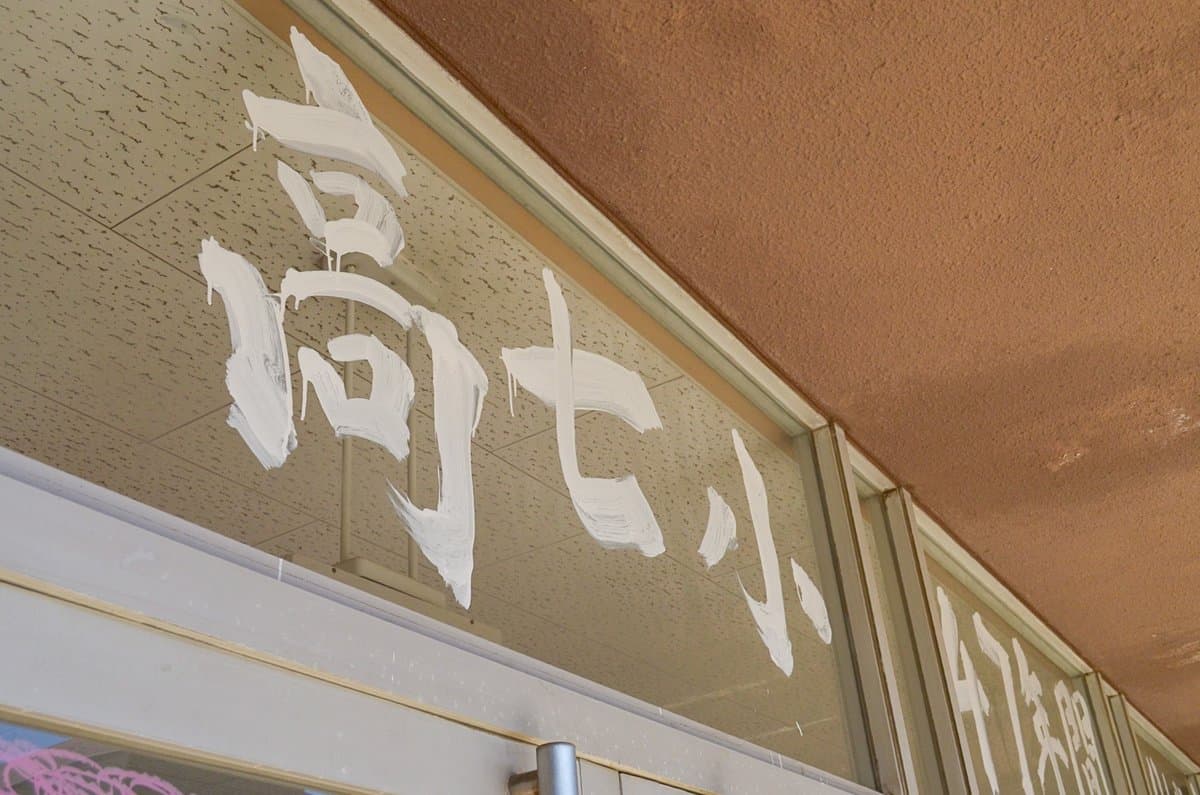
FIG.20
4. Kaion Masuda, “The School Song, in the Margins of the Door”
I tried writing these pieces by keeping the word “everyone”—which appears in all of them—in the same position while slightly varying the composition of each one. The lively, cheerful melody left a strong impression on me; I found myself humming it without even realizing it while I was writing. Ending the third verse with “my alma mater in my heart” really tugs at the heartstrings.
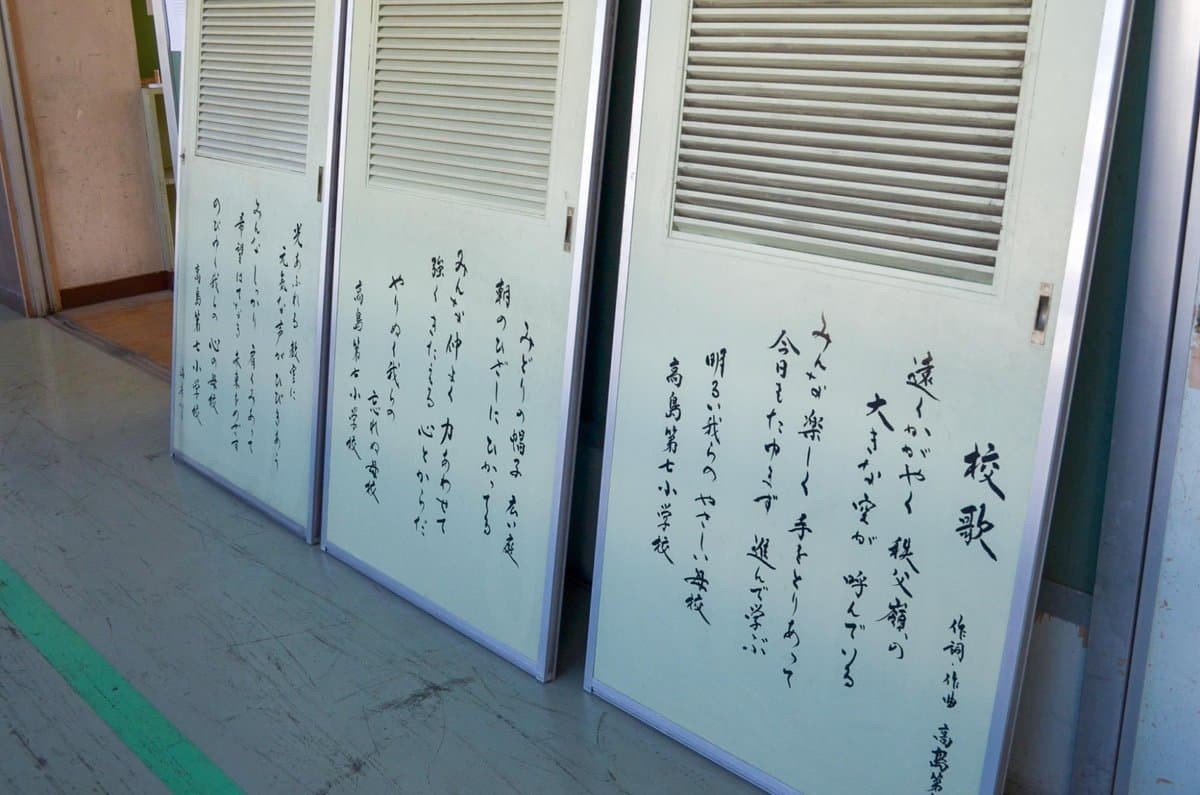
FIG.21
5. El, the Witch of Freedom: “Magic Circle for Summoning Spirits”
We perform a séance to summon “Memory,” a spiritual entity. As the trigger
, we stand at the center of the circle (the desk).Starting from the east, we circle counterclockwise, chanting the school song in katakana.
This creates new sounds between those chanting it for the first time and those who already know it, liberating vague, translucent memories within each of us.
The runic characters along the outer edge serve as a boundary connecting this side with the other side, and through the window, a story of someone’s memories tied to this school unfolds. After chanting
everything in unison, will you remember anything?
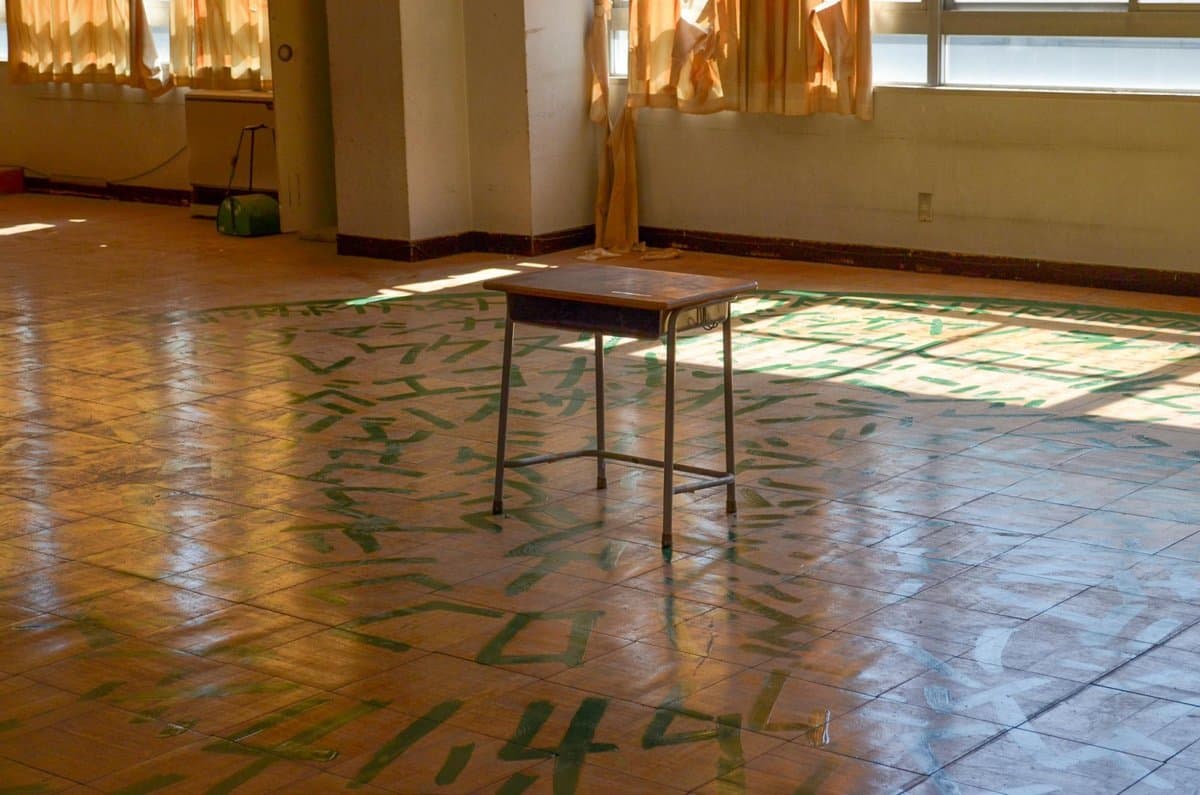
FIG.22
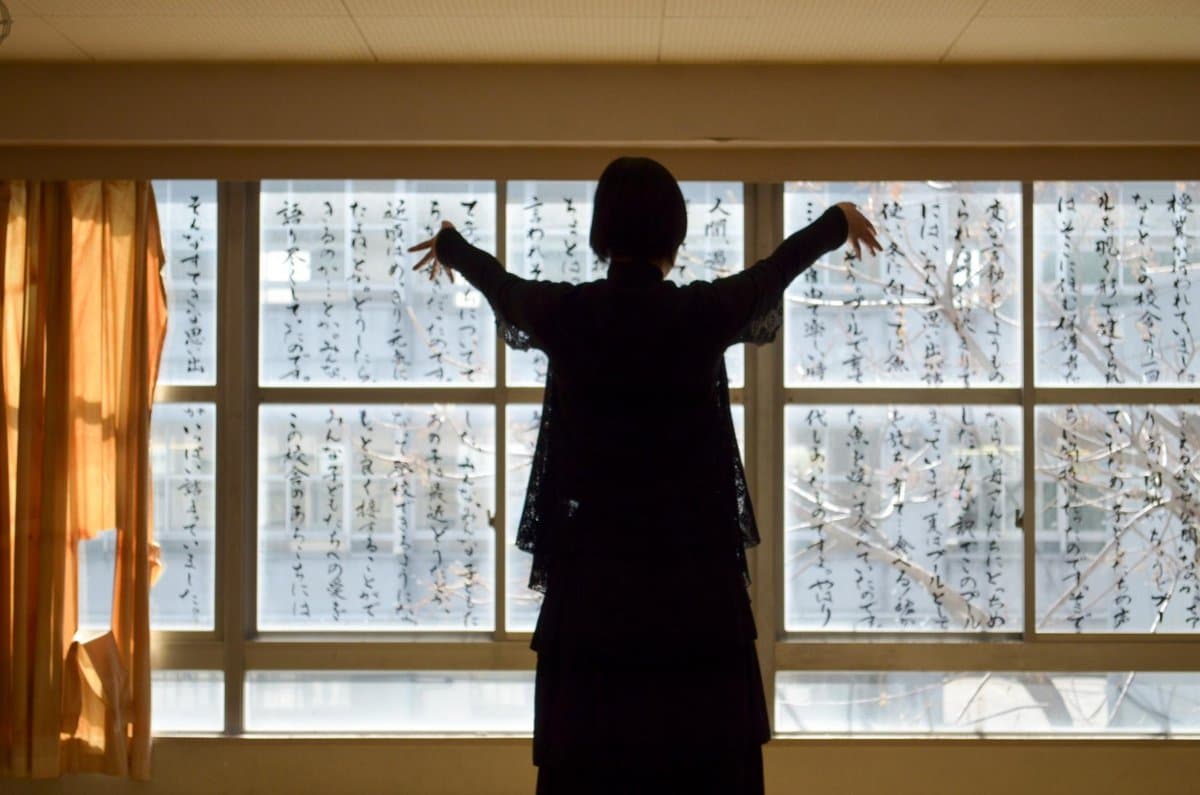
FIG.23
6. Yo Morioka, “Passage of Time”
Using the stained-glass chandelier in the cafeteria and the wooden floor of the classroom, I depicted a scene from nature. The sandy beach and sea, surrounded by greenery, represent the legacy of Takashichi Elementary School as it moves from the past into the future.
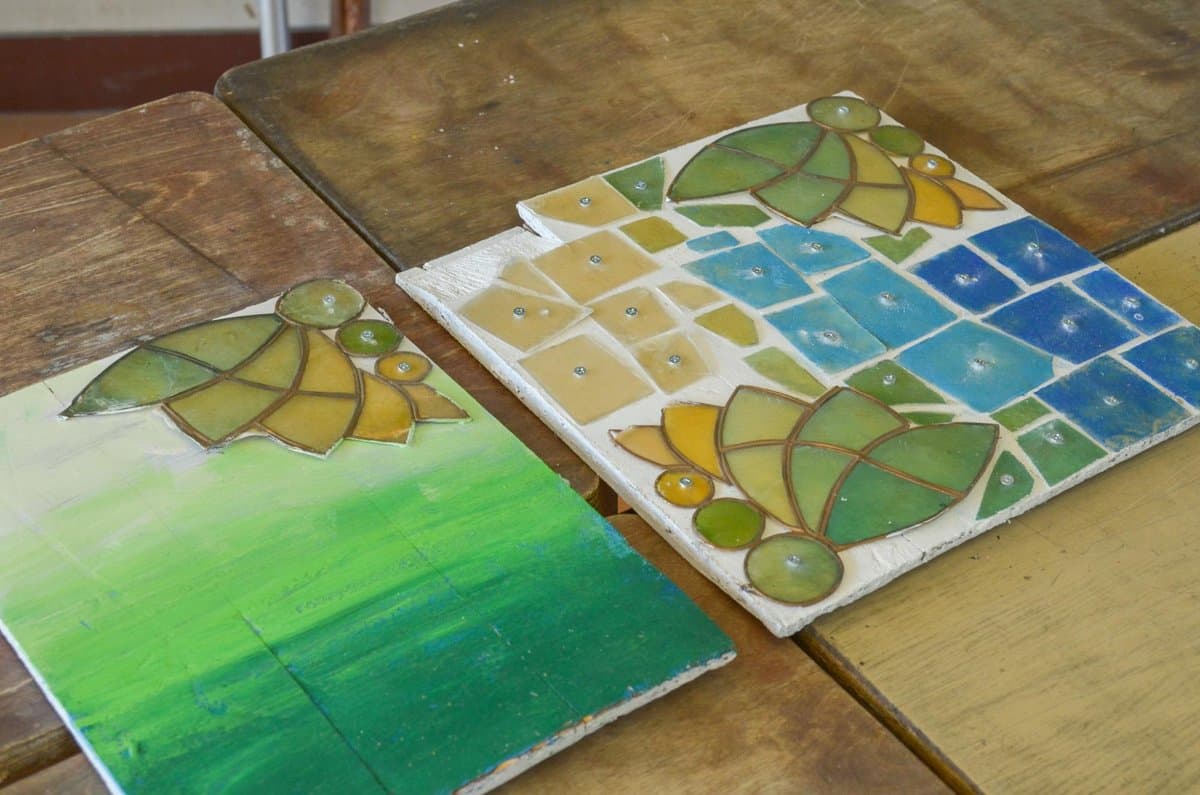
FIG.24
7. Otoha Takahashi, “Classroom Scene in a Box”
I packed the entire classroom into a storage cabinet from the science lab.
Classrooms are universally similar, uniform spaces. However, I hope that through the actual floors, walls, and views of the schoolyard, this piece captures the unique atmosphere and memories of Takashichi Elementary that can only be found here.
That small scratch on the floor might just be yours. What kind of classroom scenes from Takashichi Elementary do
you remember?
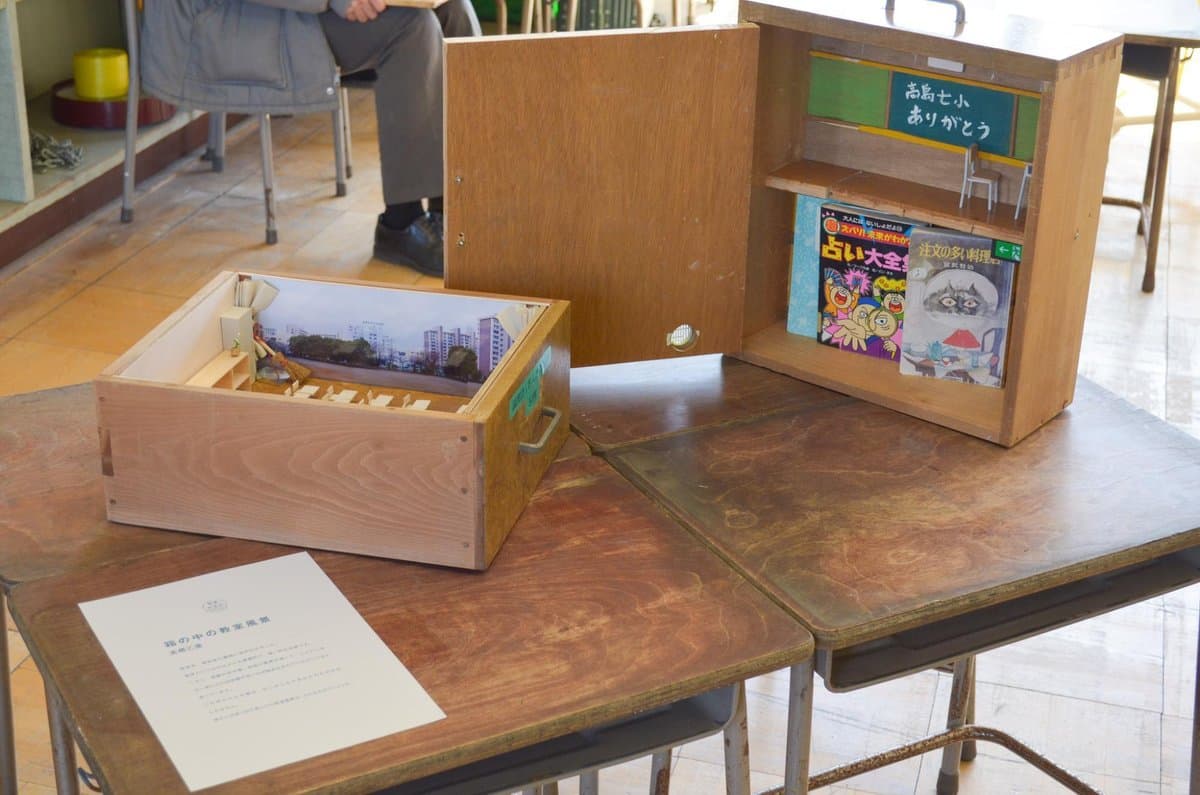
FIG.25
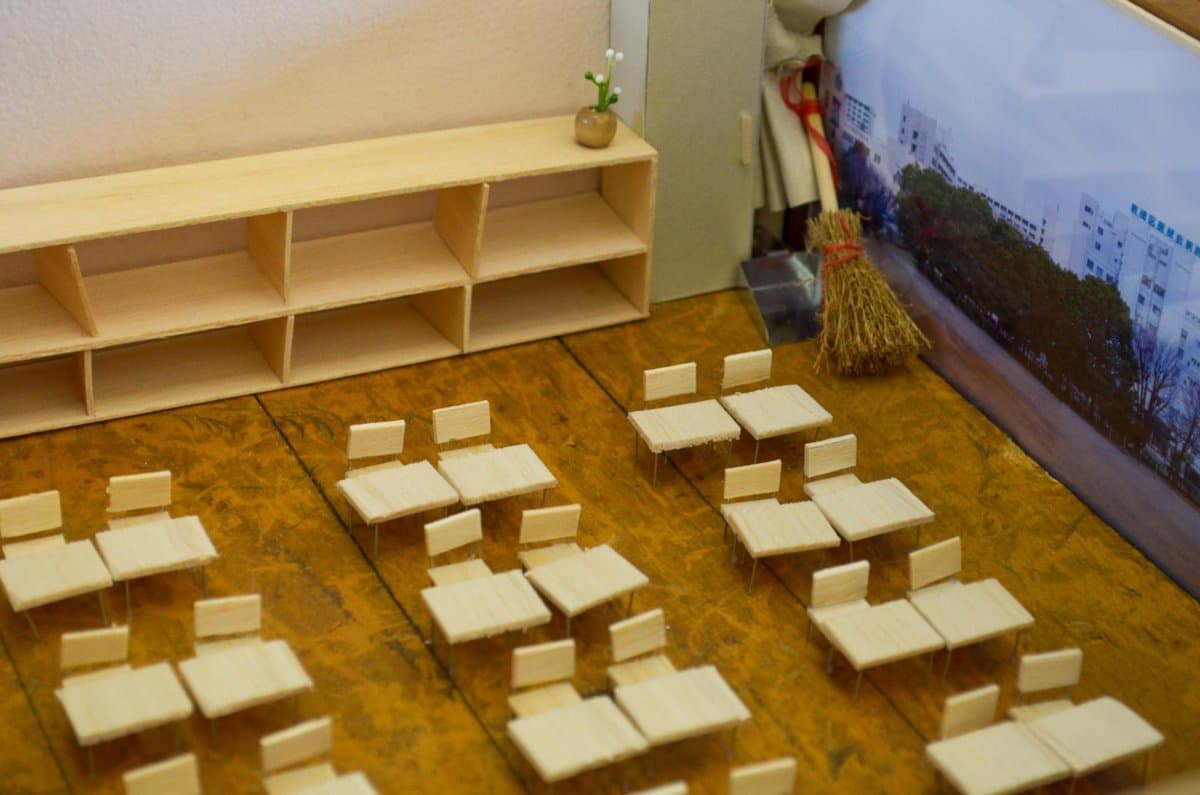
FIG.26
8. Takumi Yoshida, “How Can We Normalize Anti-War Activism”
I create works centered on the theme of anti-war activism. This is an act of venting my emotions—anger and a sense of helplessness.
The feeling that no matter what I do, it’s never enough.
Part of me wants others to be more aware of these issues or to share my sense of urgency, but I realize that’s difficult—and it actually hinders my creative drive. After all, if I alone could achieve that, I think the situation would be much better by now.
Artist Profile: Takumi Yoshida, born in Ueno
, Tokyo.He has served as a volunteer English tour guide in his hometown since high school. After graduating from college, he worked at a video production company and as a public relations officer for a politician before living in Georgia (Caucasus) for three years. His experience of witnessing Russia’s invasion of Ukraine firsthand prompted him to begin his career as an artist. Using techniques such as silkscreen printing and renovation, he creates works that explore the theme of war through a pop art lens.
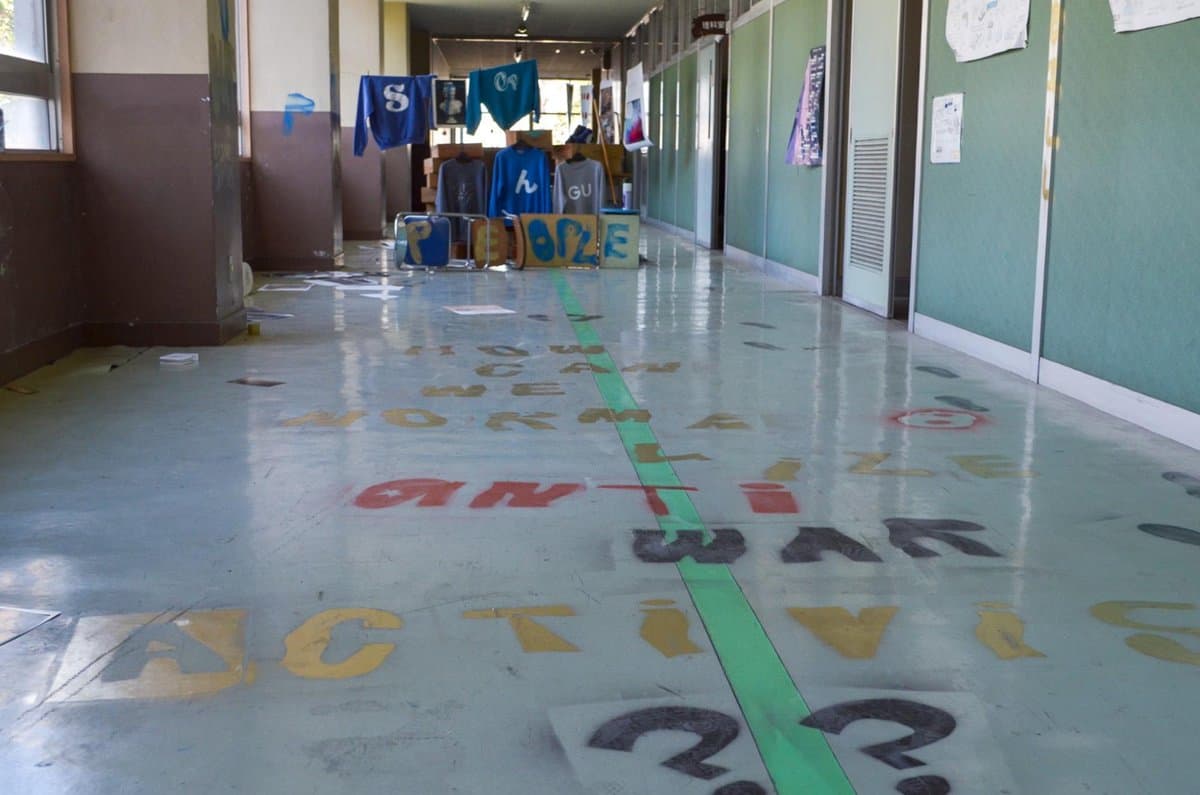
FIG.27
FIG.28
9. Ei Hayashi, “Datz Life!”
Me: “The world is so vast and beautiful, so why am I crying in a corner…? I’m sick of this!”
Angel in my head: “Everyone has moments like that sometimes. Eat lots of delicious food and cheer up.” Devil
in my head: “Stop moping! You expect too much from yourself!!”
Life may seem empty, but it’s actually pretty busy.
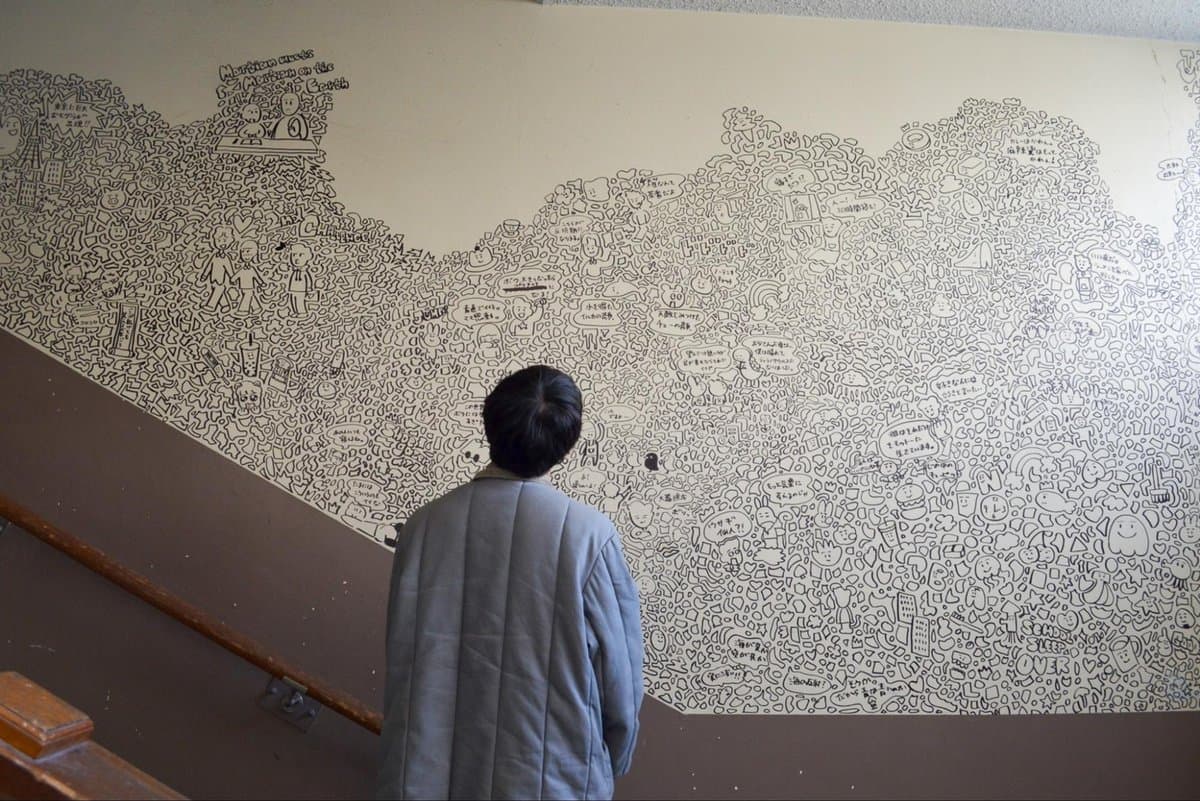
FIG.29
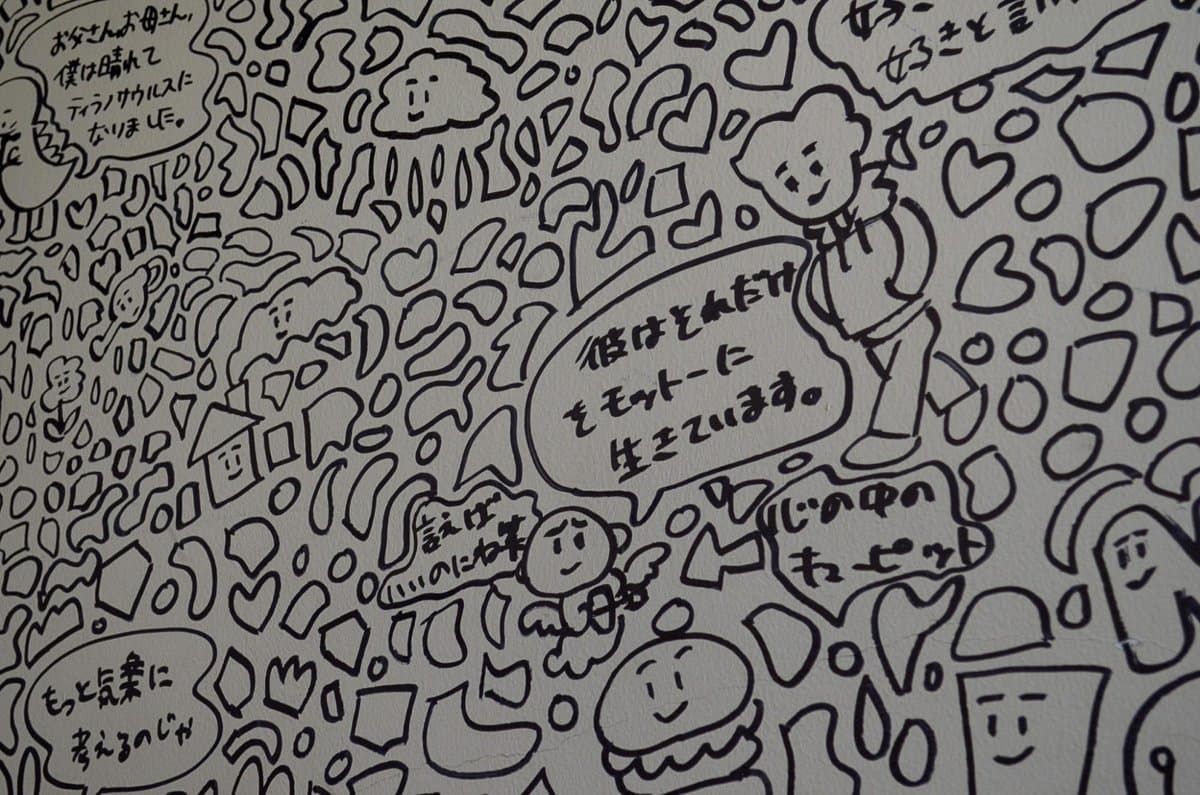
FIG.30
10. Eisuke Honda, “The Clock That Connects the Moments of Takashichi Elementary School” (¥7,000)
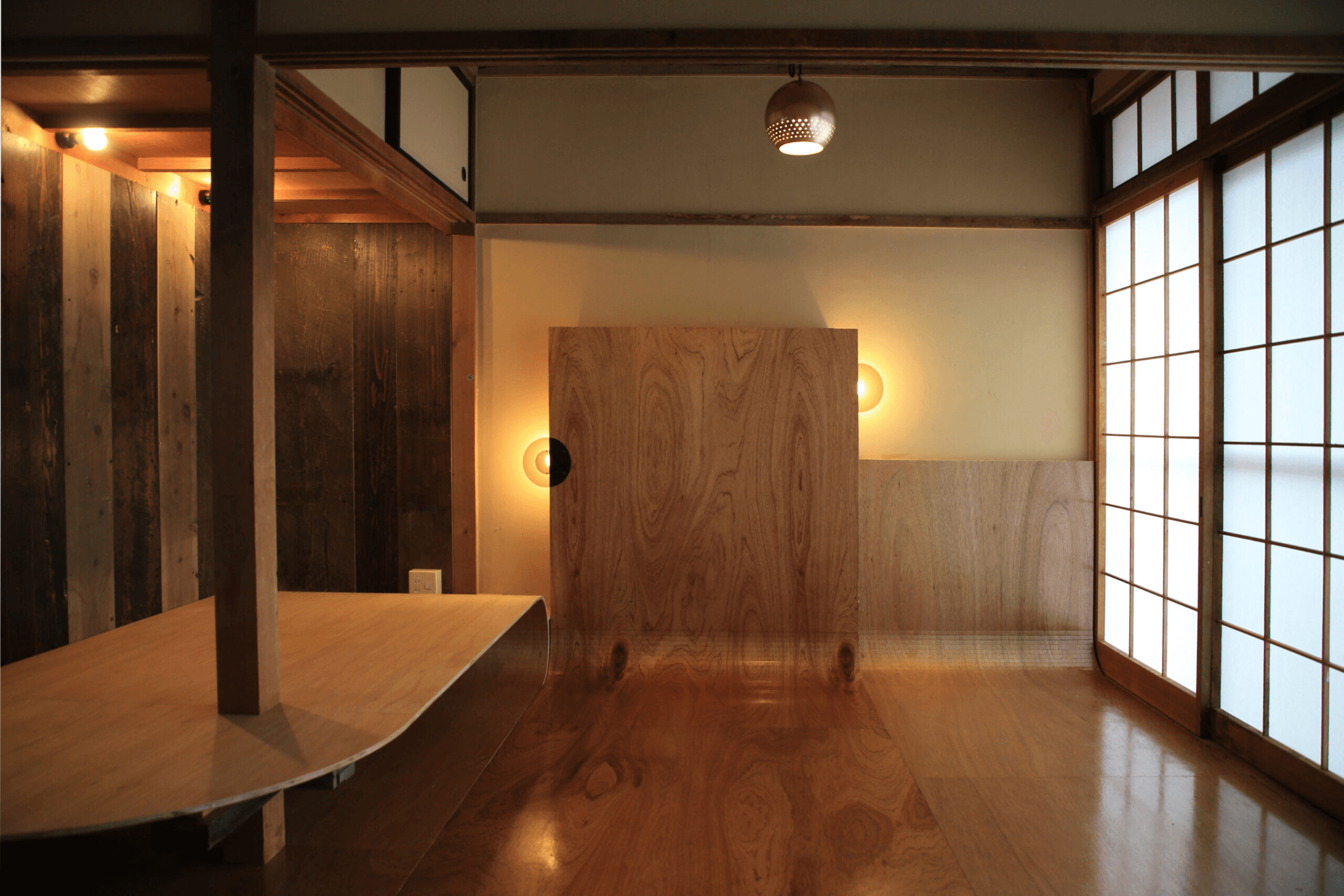
We’ve transformed the floorboards that have long supported the children’s footsteps in the classrooms of Takashimadaira Seventh Elementary School into a timepiece.
By repurposing a part of the school building—which has completed its role as a structure—into a clock, we connect the time of Takashimadaira Seventh Elementary School to the future.
This is one manifestation of ReLink’s “Resource Archive,” where the history (the past) of the material intersects with the time (the future) yet to be marked.
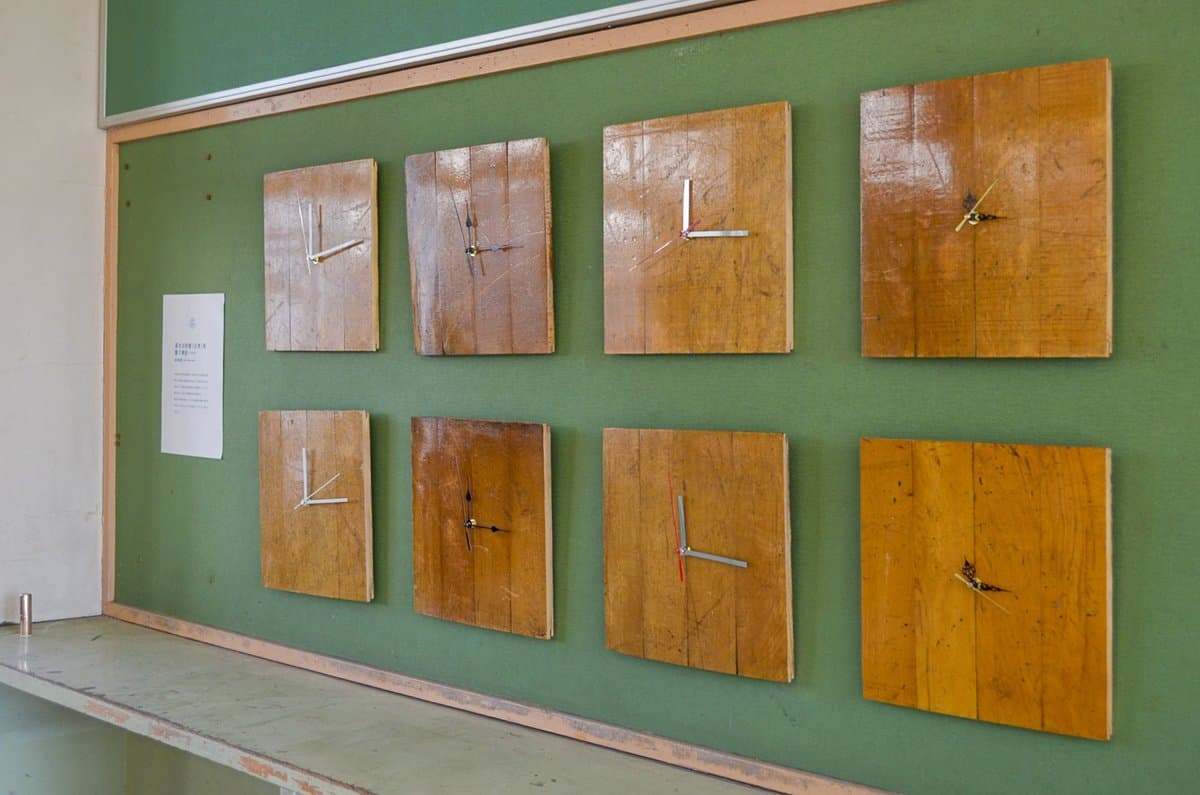
FIG.31
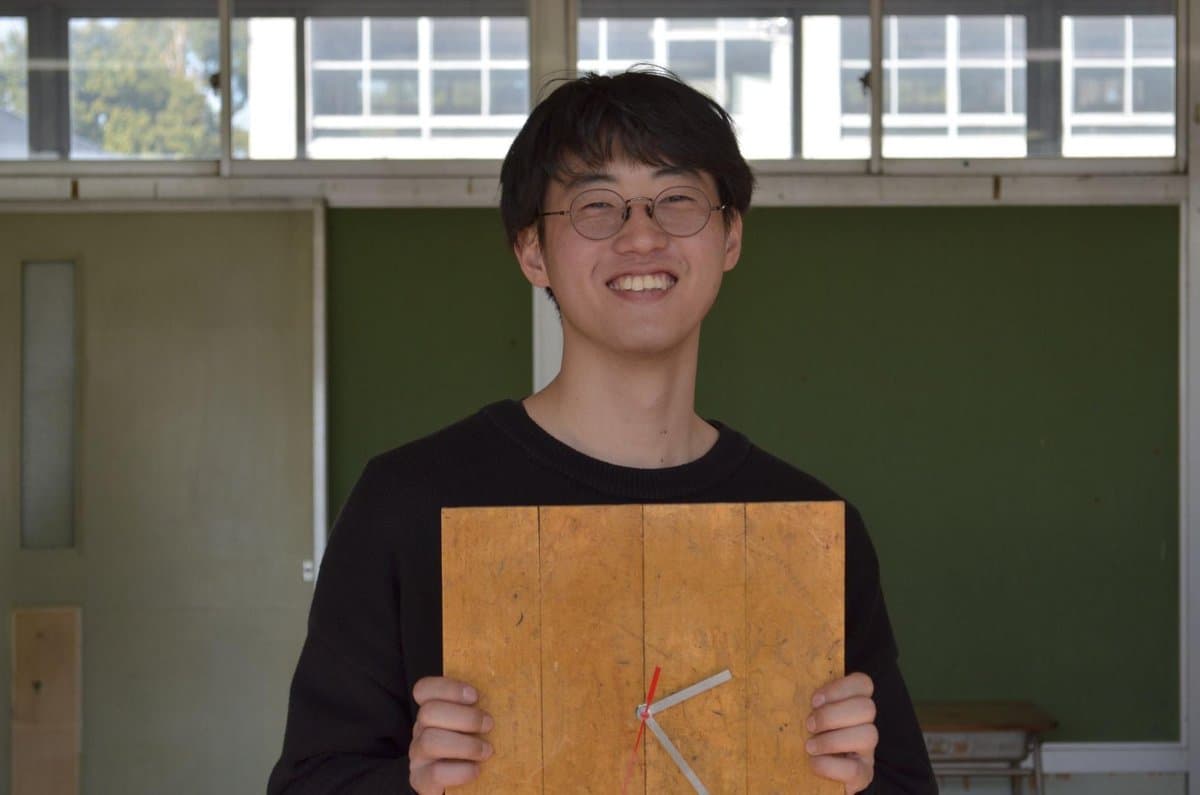
FIG.32
11. Eisuke Honda, “Takashimadaira’s ‘Tsugi’ Seedling Trays”
Flooring from classrooms and wall materials from the gymnasium were reconstructed as “containers” for nurturing plants.
These planters serve as cradles to receive and nurture saplings rescued from the schoolyard ahead of the building’s demolition.
Going forward, it will be installed along the greenway beside the Mita Line, where it will carry on the landscape as part of Takashimadaira’s new scenery—going beyond being merely a reused item.
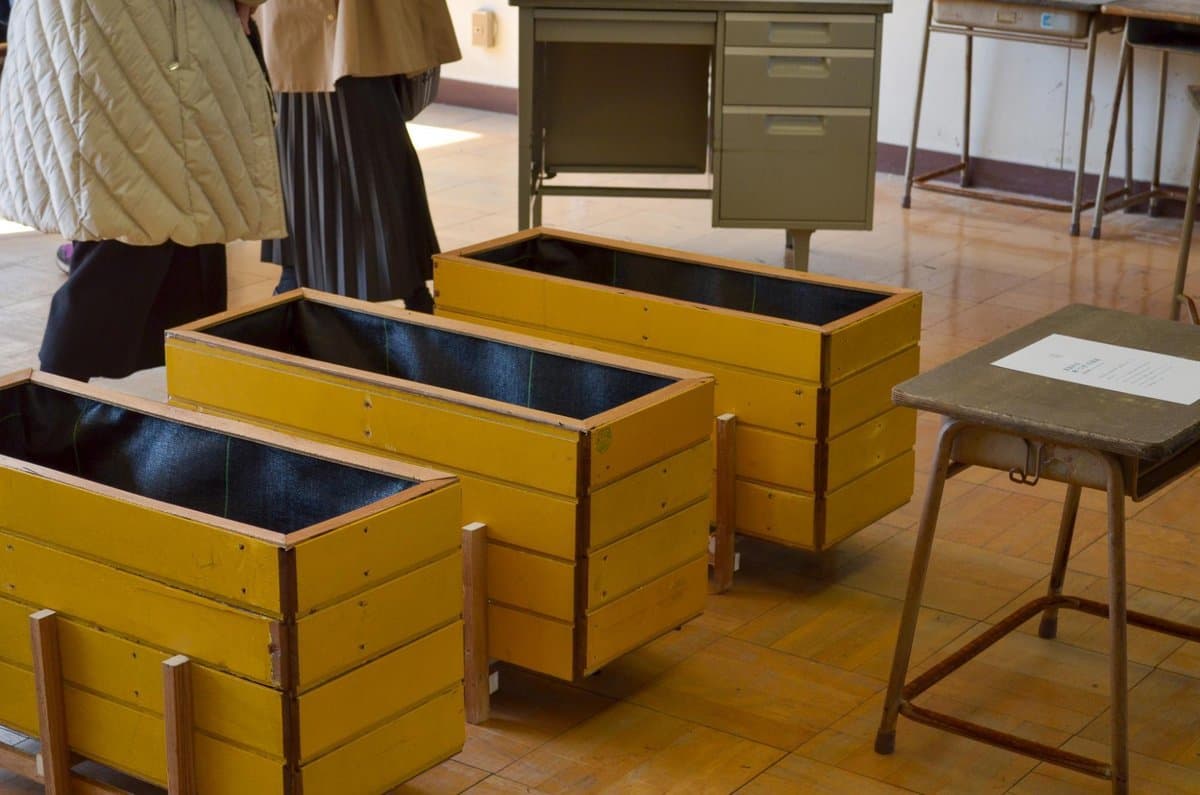
FIG.33
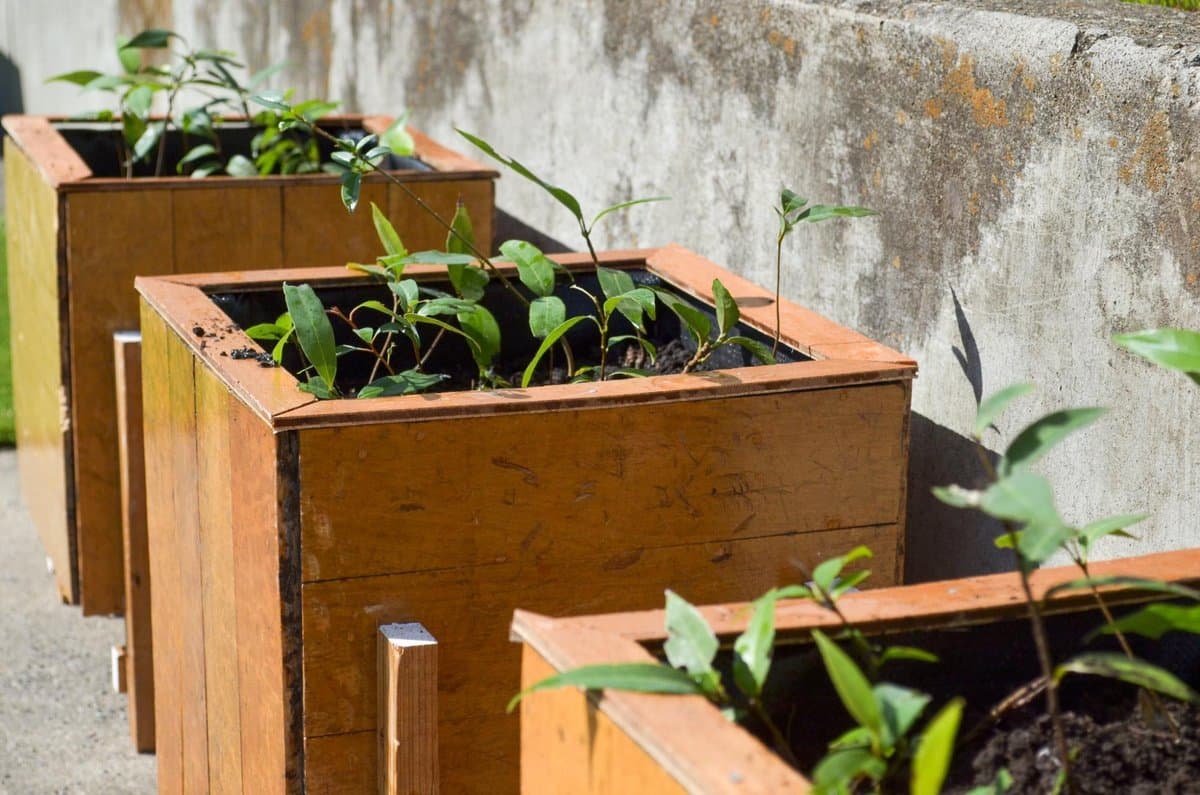
FIG.34
12. Yuta Nihei “Salvaged Accessories” (¥500)
By looking squarely at the real objects, spaces, and people right before my eyes, I continue to offer small acts of resistance amid an overwhelmingly vast tide of change.
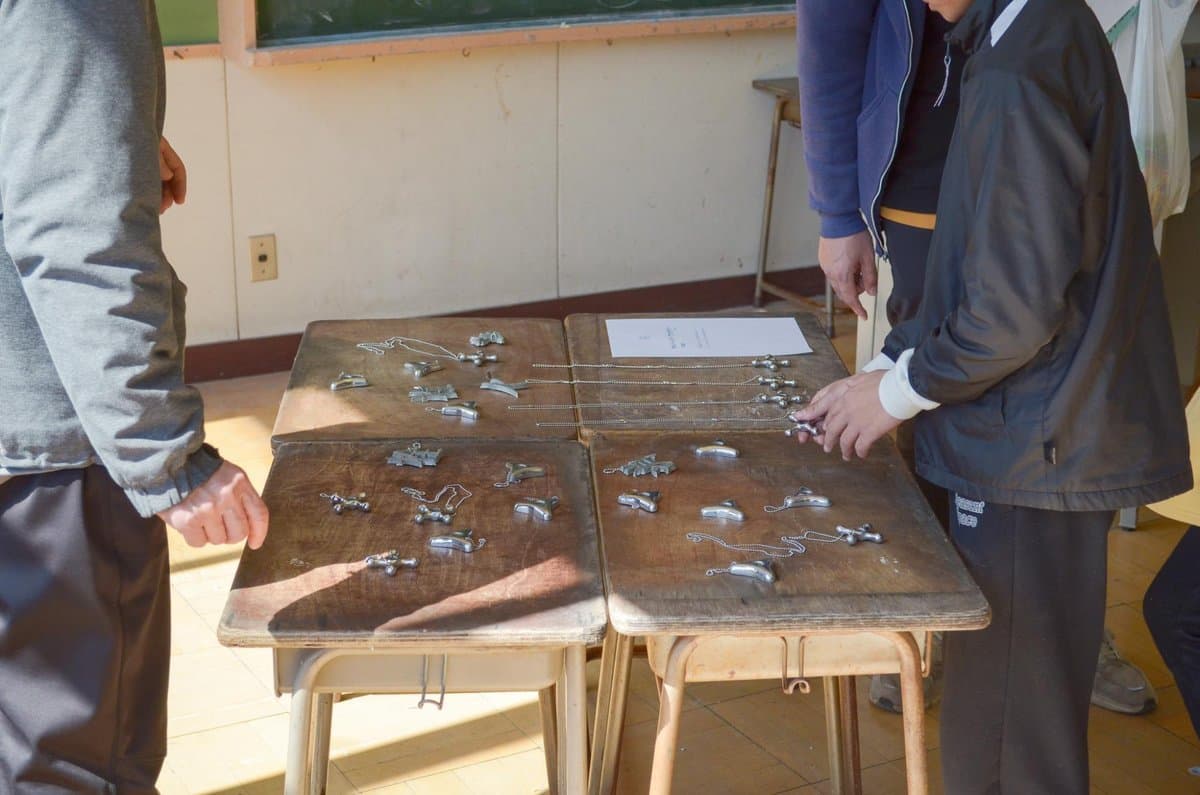
FIG.35
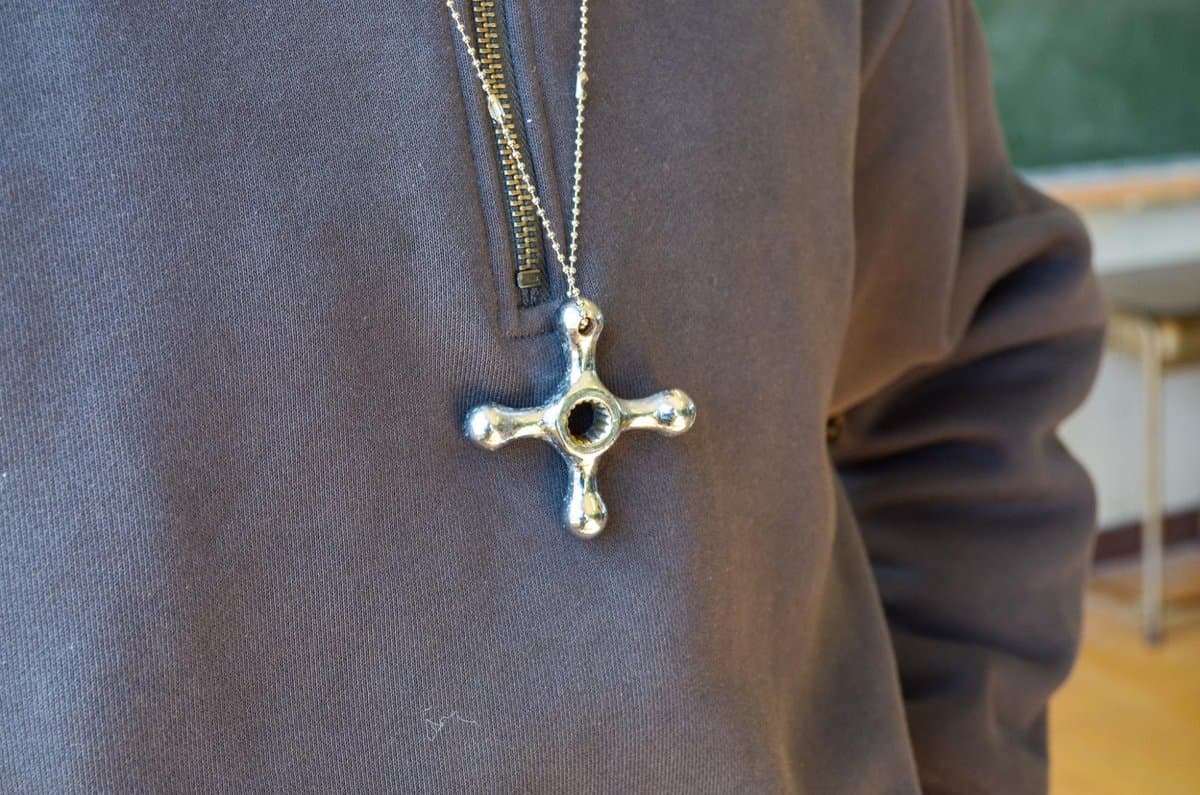
FIG.36
13. Yuta Nihei, “Salvaged Light”
I look directly at the real objects, spaces, and people before me, continuing to offer small acts of resistance amid an overwhelmingly vast tide of change.
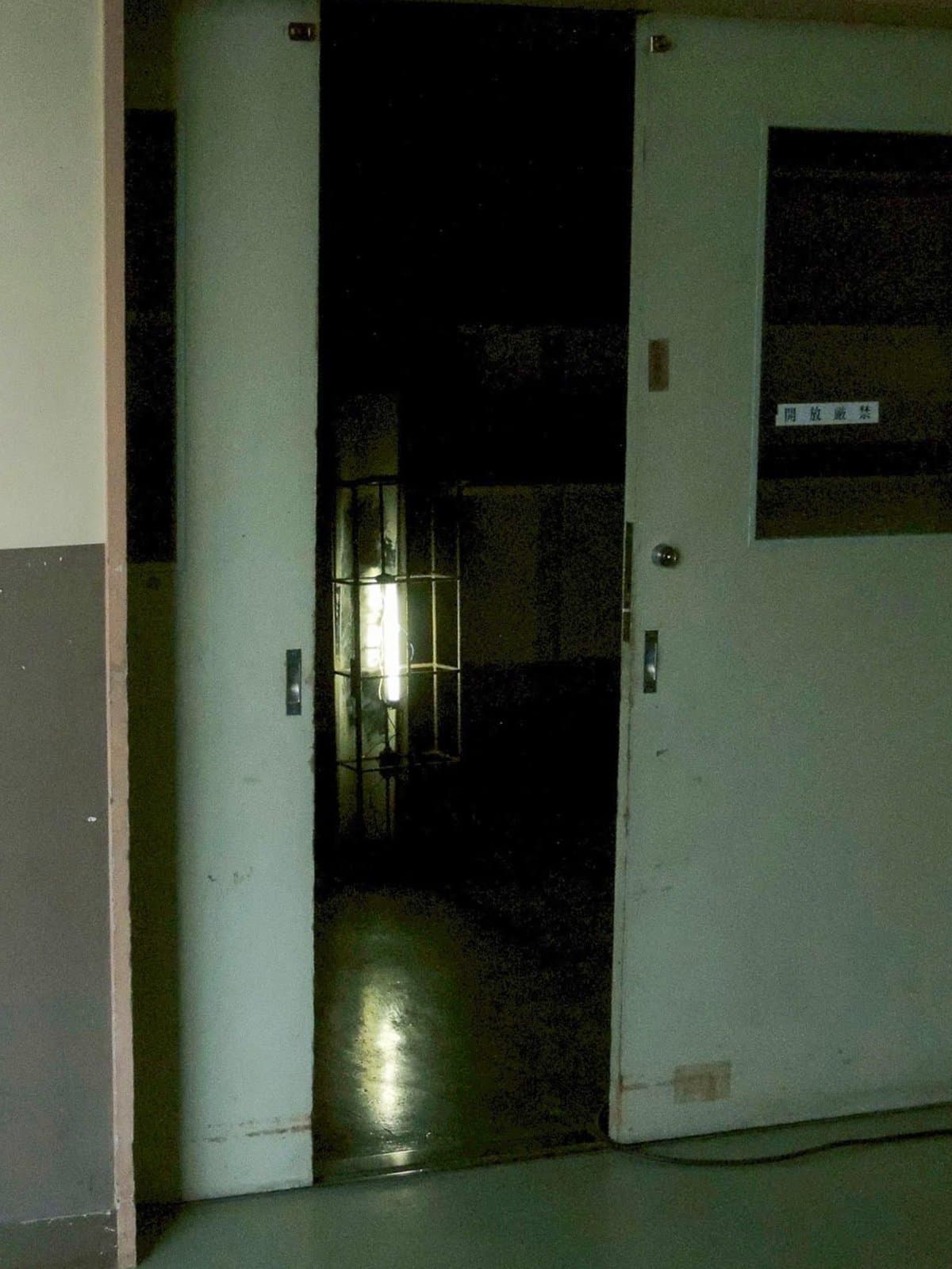
FIG.37
14. Teiro, “Memories of Yesterday”
This bench was created using materials—such as vintage nameplates, signs, and decorations—collected from Takashima Seventh Elementary School (Takashima 7th Elementary).By reconstructing these designs—left behind on the school grounds prior to demolition—onto the surface of the bench, I aim to create a space where visitors can sense the time and memories this place once held.
I hope that through this bench, visitors will let their imaginations wander to the atmosphere of the former Takashima Seventh Elementary School and the era it represented, and experience a sense of stepping back in time, even if only for a moment.
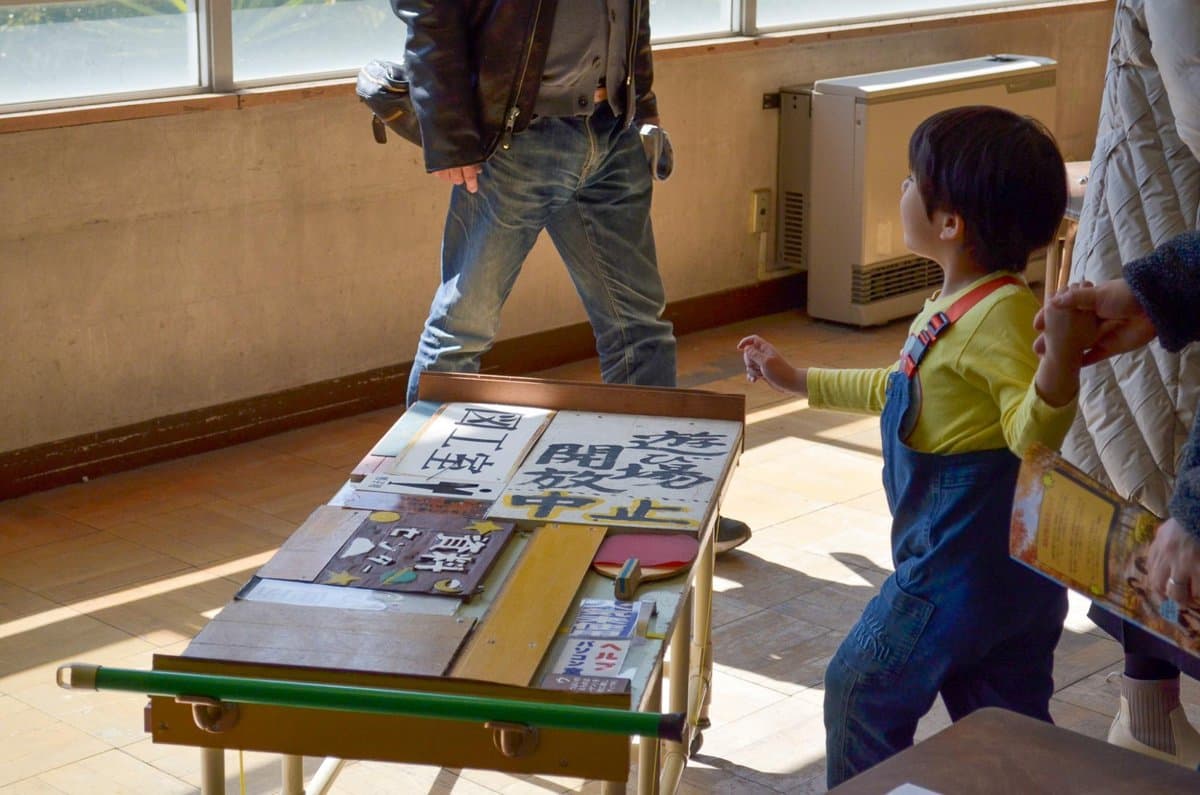
FIG.38
Over the past 10 months, through various workshops and events, we have repeatedly heard local residents express their fondness for Takashima Seventh Elementary School and their regret over its demolition. At the same time, we strongly felt that our upcycling efforts brought people from diverse backgrounds together, contributing to the revitalization of the local community.Furthermore, with the participation of diverse artists in this “Deconstruction Stop @ Takashima Seventh Elementary School” project, we were able to visualize that value in a more open and accessible way.
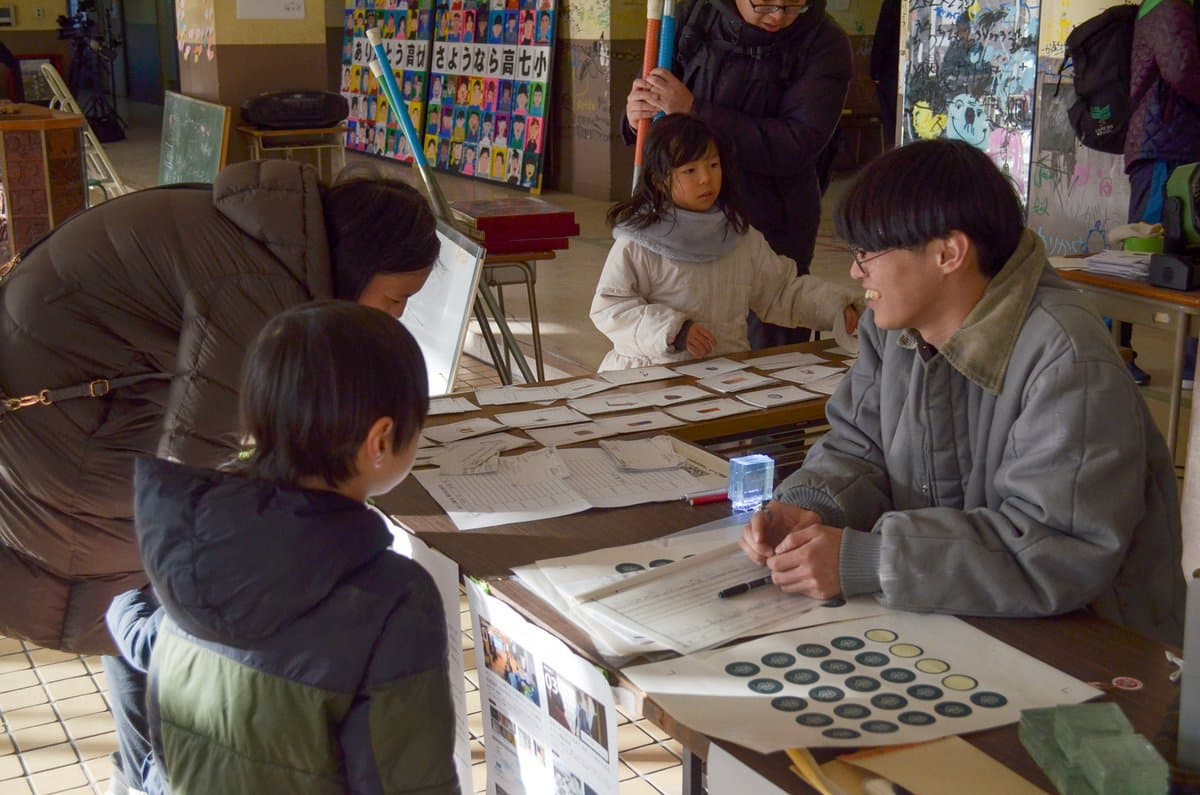
FIG.39
Moving forward, we will continue to actively implement systems designed to foster this kind of local circulation and enhance the environmental and community value of the Takashimadaira area.We aim to undertake these efforts from a multifaceted and long-term perspective, including the establishment of the “Upcycle Lab”—a hub where anyone can practice the circular economy in their daily lives—and the formulation of a master plan that incorporates a vision for local circulation from the perspectives of environmental and community value.
Furthermore, we will expand the series of initiatives under the “Demolition Stop”—which transforms demolition from a “sad ending” into a “beginning that connects memories to the future”—to other regions, thereby advancing the creation of local reuse systems on a larger scale.
Credit
Related Texts
Design That Starts by Unraveling Buildings|ReLink
Following Up on ASIBA's 1st Cohort #4
INTERVIEW
2024.02.26.
Reuse is not the goal: The Circular Design as Relationship Design Pursued by Takenaka Corporation, ReLink, and ASIBA
Partner Dialogue #3
DIALOGUE
2025.12.05.
Weaving a Neighborhood's Character from Waste Materials — Itabashi City Takashimadaira Urban Planning Division × ReLink × ASIBA
Public Partner Dialogue #1
DIALOGUE
2026.03.30.

Turning Demolition into a Beginning, Not an End — Announcing Kaichiku Teiryujo @ Takashimadaira Round 2
Kaichiku Teiryujo Round 2 Announced
ANNOUNCEMENT
2026.06.09.
The Discomfort Seen Through Kaichiku — A Platform Connecting Materials via Reuse
本多栄亮
ESSAY
2026.07.01.
Itabashi Ward, ReLink, and ASIBA Collaborate to Launch the Takashimadaira Upcycle Project!
Kaichiku Teiryujo Launch Announcement
2025.08.19.
Workshop on Utilizing Demolition Materials at Former Takashima Seventh Elementary School
Kaichiku Teiryujo Event Report #1
2025.10.31.
Passing on Memories: The 4th Foundation Laying Ceremony of the Old Takashima Seventh Elementary School
Kaichiku Teiryujo Report #2
2026.01.07.

Memories Residing in an Elementary School Facing Demolition - The Fourth Phase of the Takashima Seventh Elementary School Farewell Ceremony
Kaichiku Teiryujo Report #3
2026.01.25.