Kaichiku Teiryujo Report #2
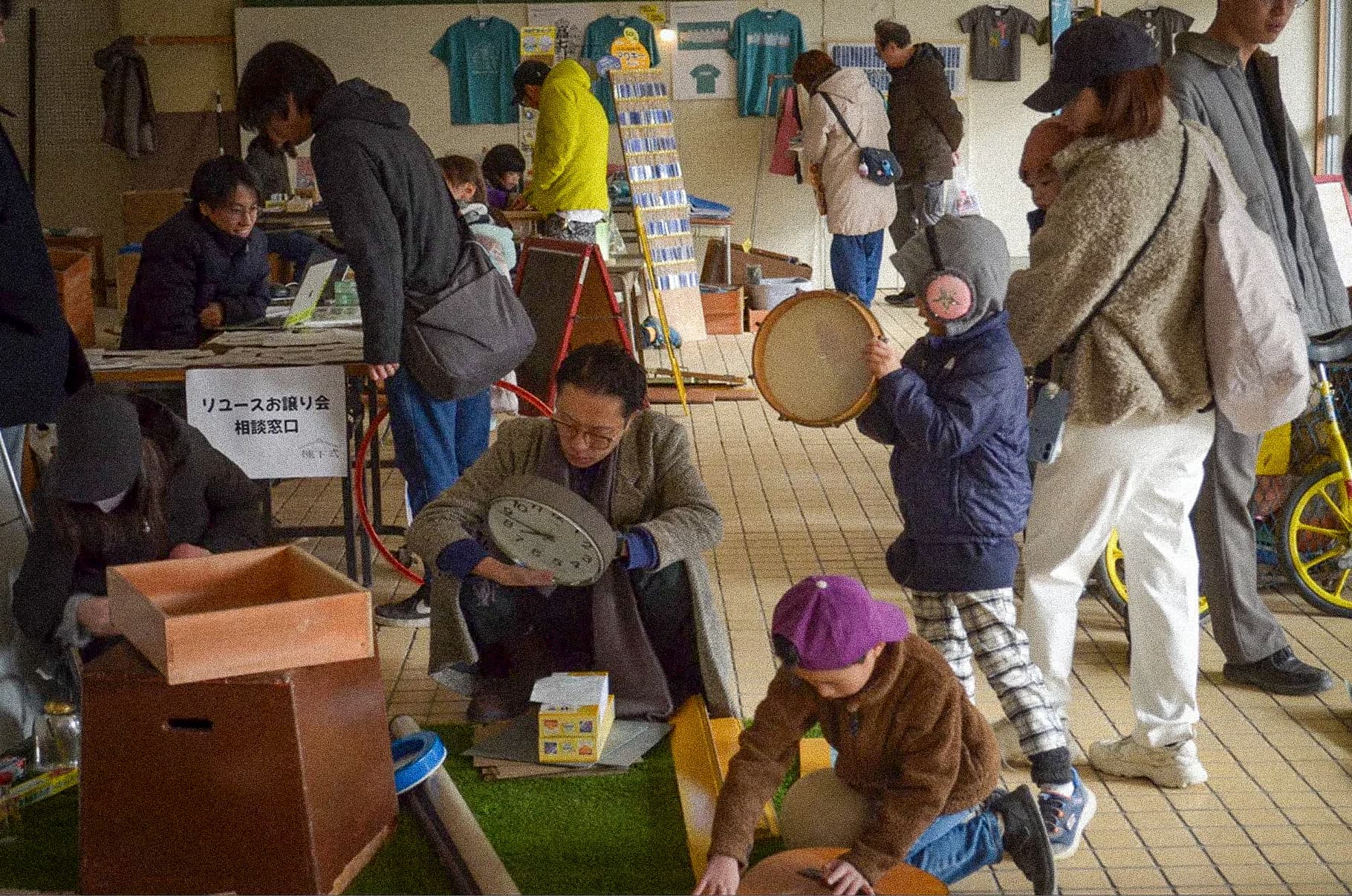
FIG.1
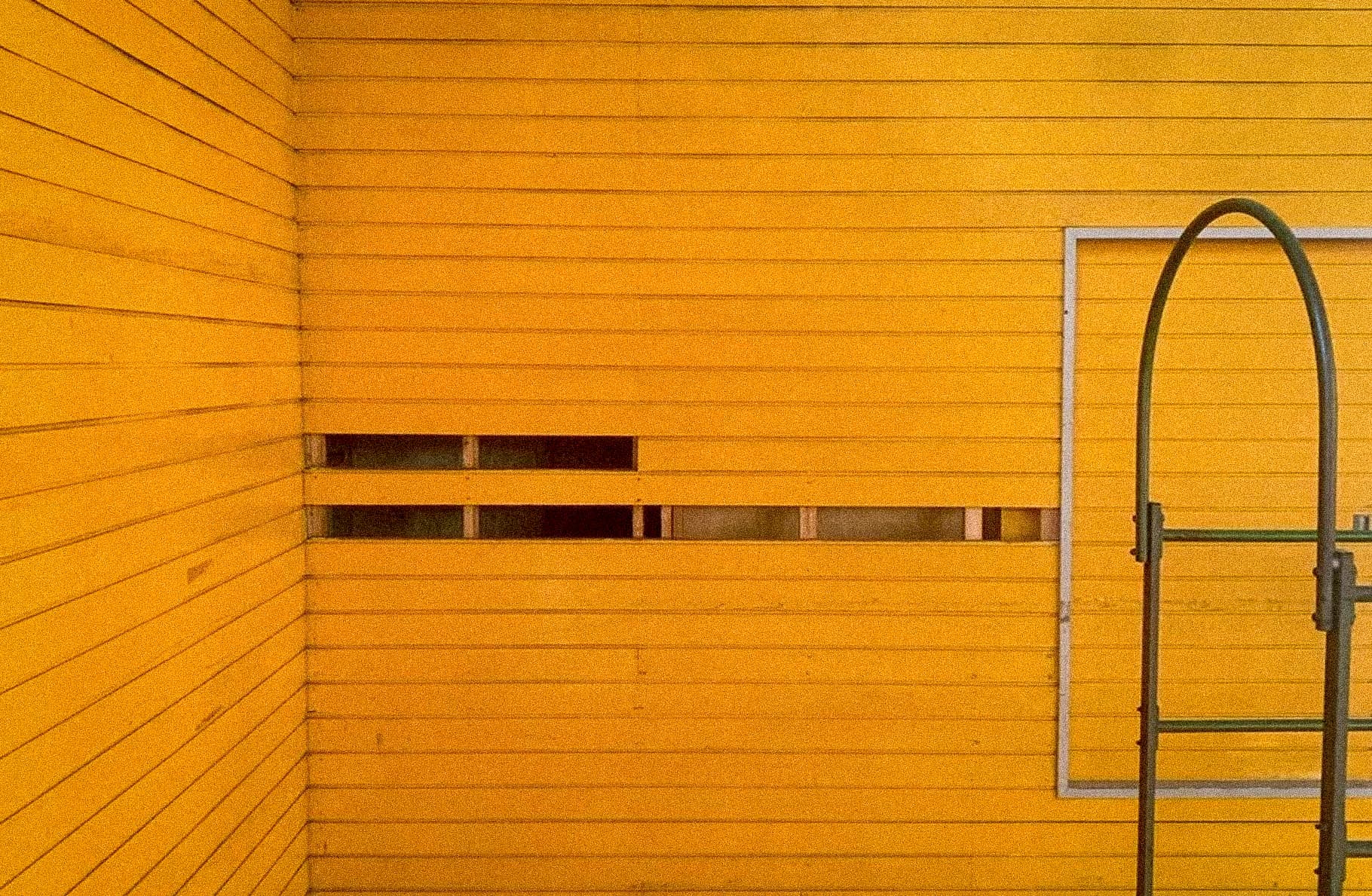
On December 13, 2025, the fourth “Muneoroshi” ceremony was held at the former Takashima Seventh Elementary School in Itabashi Ward.As part of the Takashimadaira Upcycle Project—a collaboration between ASIBA, the Itabashi Ward Takashimadaira Community Development Promotion Division, and ReLink LLC (ASIBA PROJECT LABEL)—ASIBA held a “giveaway event” to connect materials and furnishings from the school building, which was scheduled for demolition and disposal, with new owners.
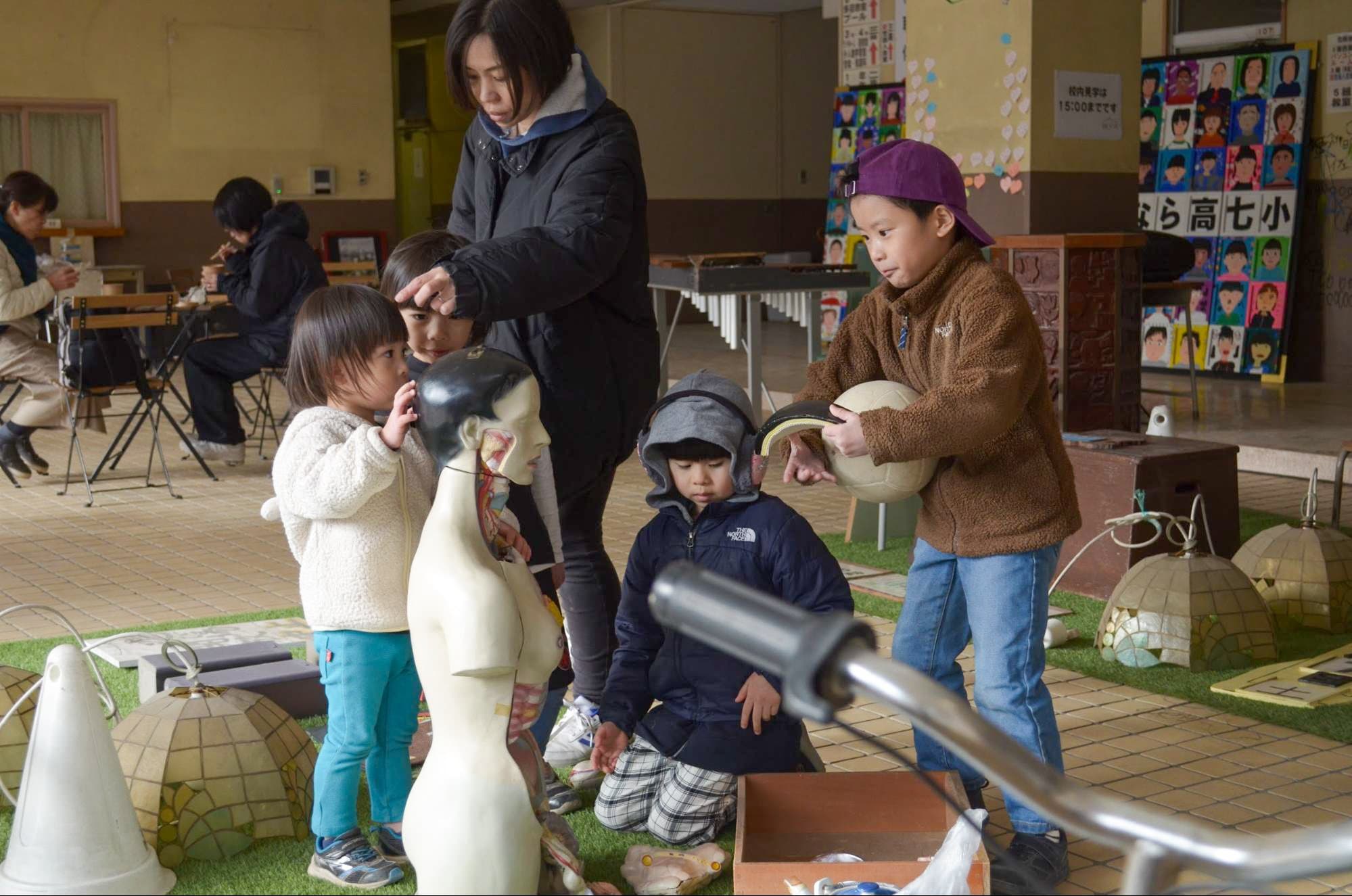
FIG.2
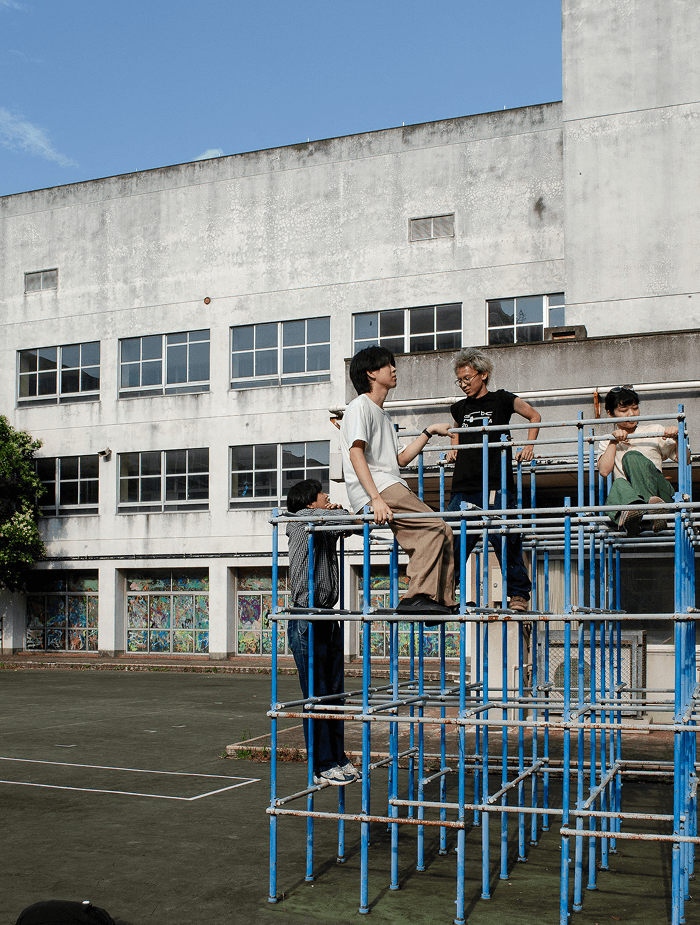
Takashimadaira, home to the Takashimadaira Housing Complex, once known as the largest housing complex in East Asia.Takashimadaira Seventh Elementary School, which opened in 1979, has remained unused for a long time since its closure in 2007; however, phased demolition and reconstruction are scheduled to begin next fiscal year as part of the area’s redevelopment. The “Mune-shita-shiki” event was organized to share these memories and create a final opportunity to bid farewell to Takashimadaira Seventh Elementary School.The event will be held over the course of one year in a total of five sessions, with the grand finale taking place on March 14.
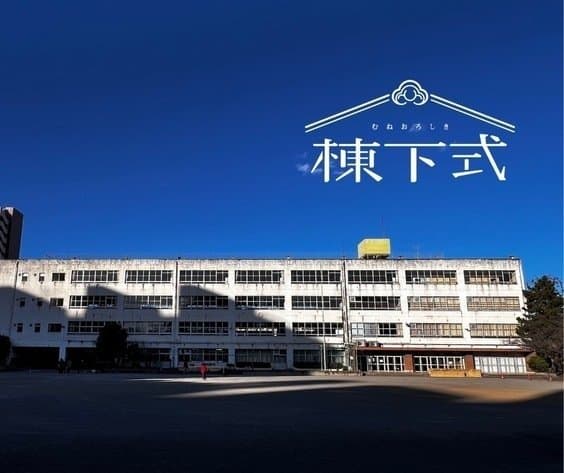
FIG.3
ASIBA and ReLink are carrying out various initiatives aimed at circulating the building materials from Takashima Seventh Elementary School—which are scheduled for demolition and disposal—along with the memories they hold, within the local community.During the second “Tate-shita-shiki” event in July, we held a workshop to dismantle the stair railings and provide hands-on crafting experiences; in October’s third event, we held a workshop to solicit ideas for repurposing scrap materials through upcycling.
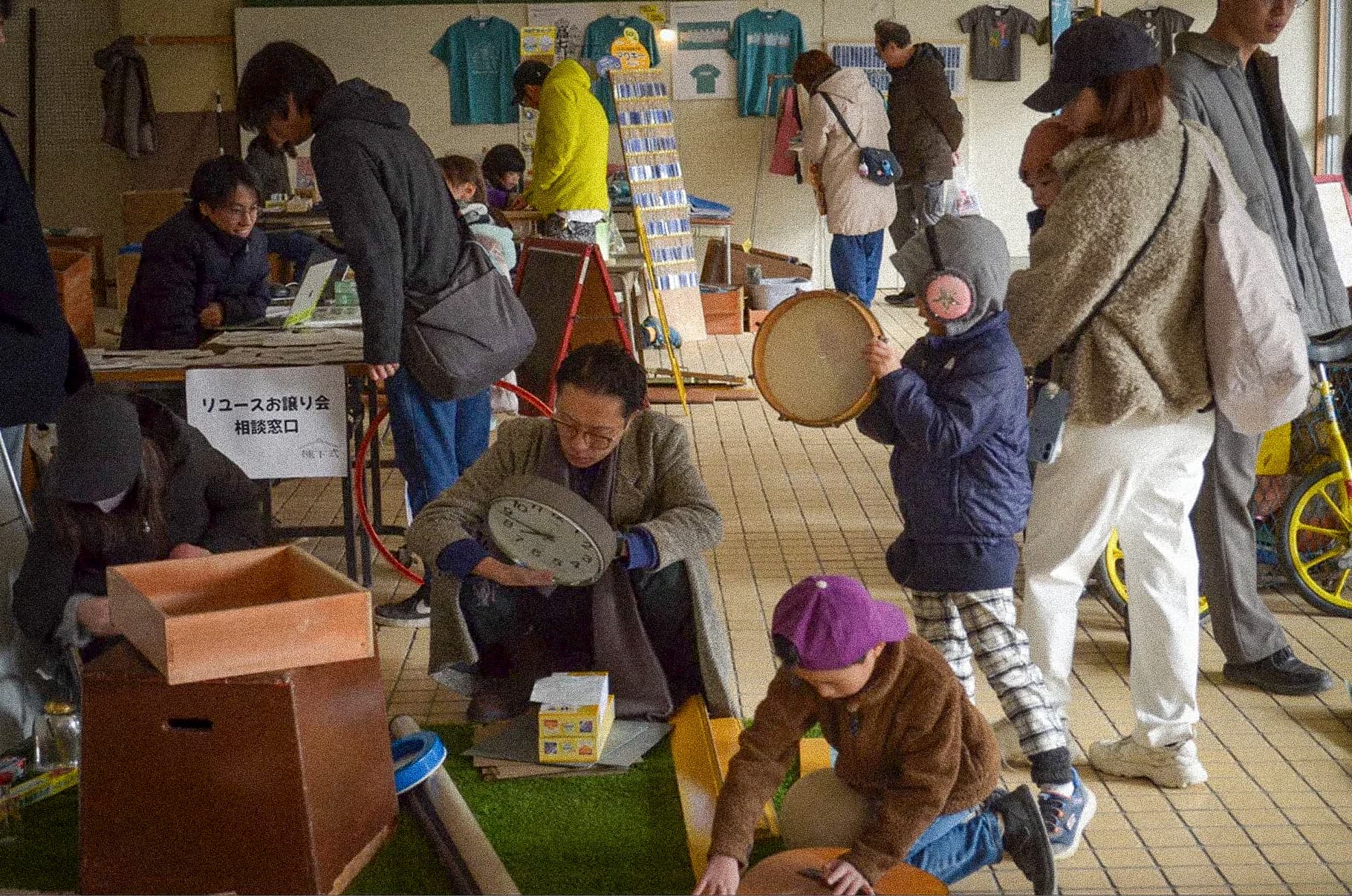
For the fourth event, we held a “Giveaway Event” where we displayed various building materials and furnishings at the entrance, inviting visitors to take whatever they liked.The items on display ranged from classroom chairs and gym wall panels to even an anatomical model from the science lab. Visitors from the local community—including alumni and school staff—picked up each item one by one, letting their thoughts drift to the various memories associated with them.
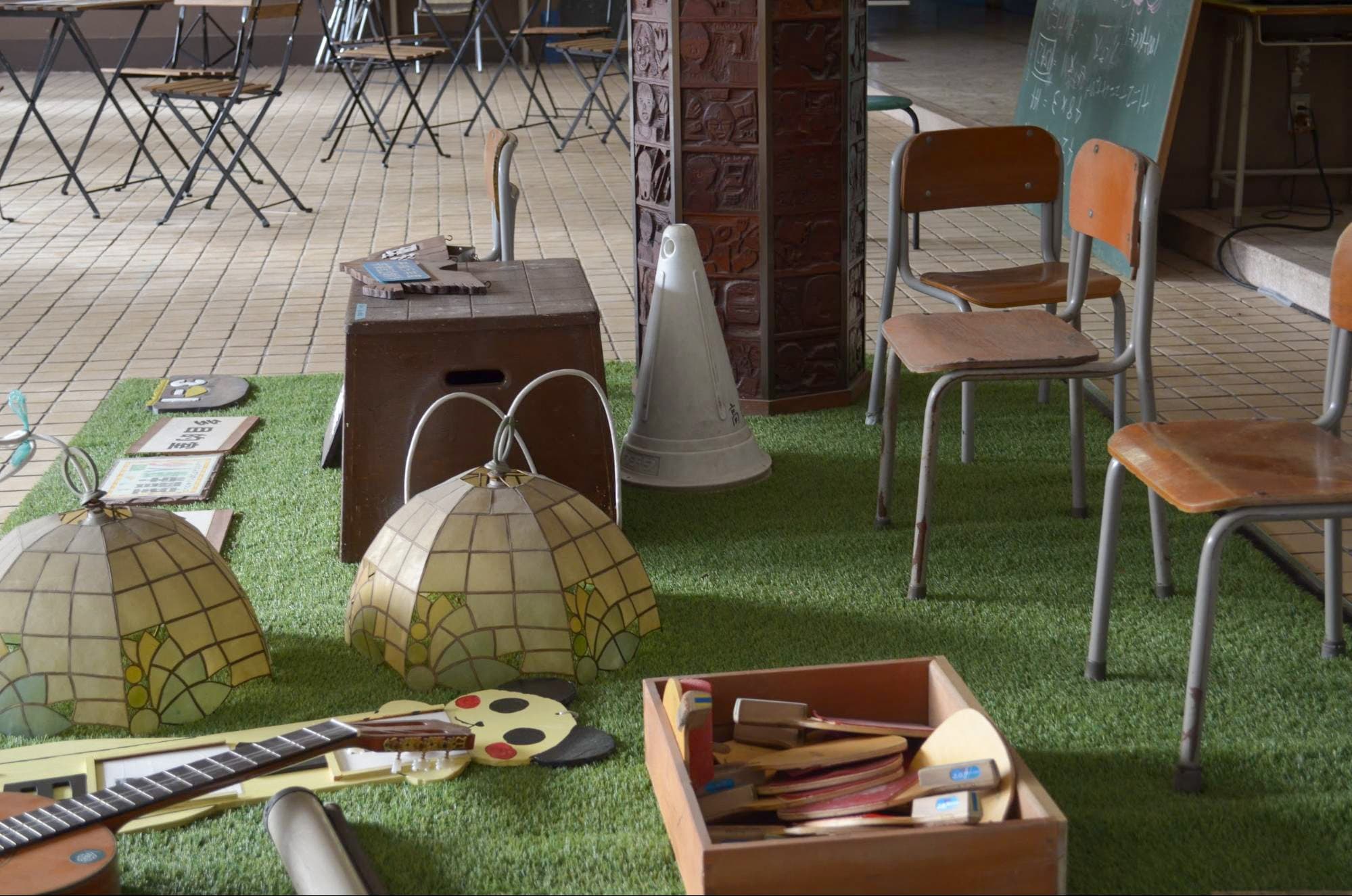
FIG.4
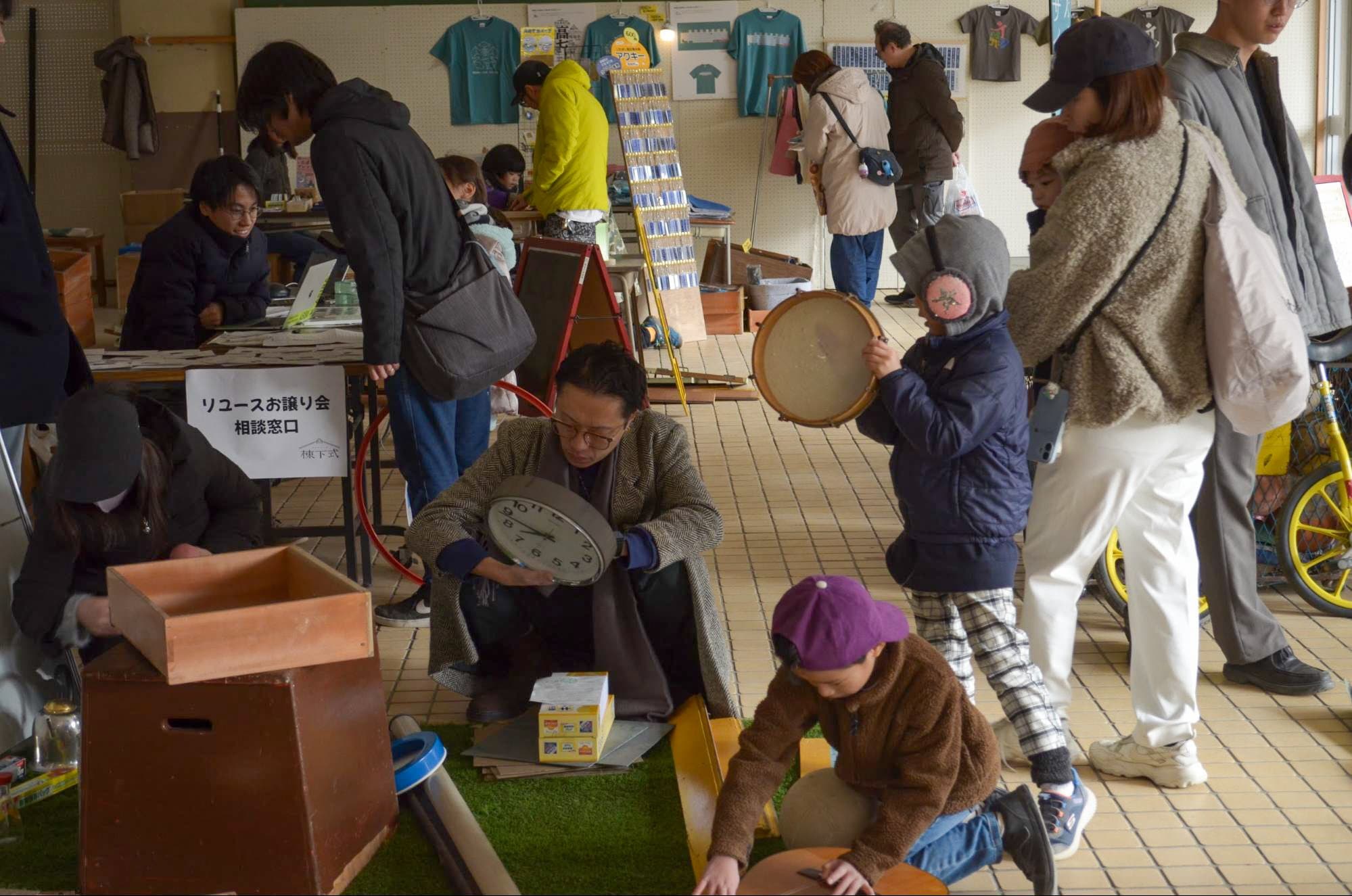
FIG.5
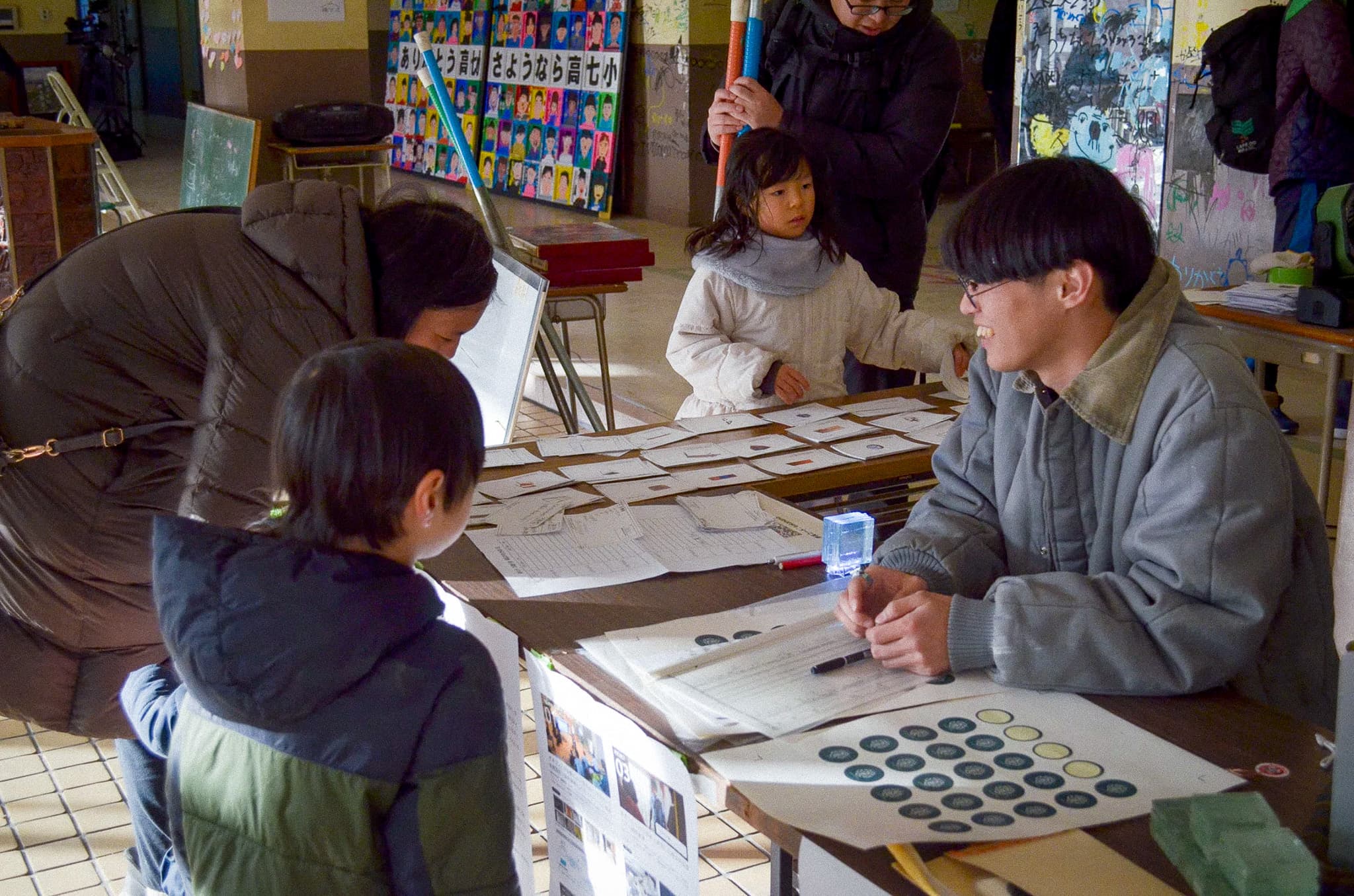
Each person was allowed to take up to five items. When taking them home, participants were asked to describe, through sketches or writing, how they planned to use the items in the future.Reasons ranged from “I want these items, filled with memories, as a keepsake” to “I found exactly the tool I’d been looking for.” While the reasons varied, we believe we were able to pass these items—along with the memories of Takashichi Elementary School—on to those who truly value them.
FIG.6
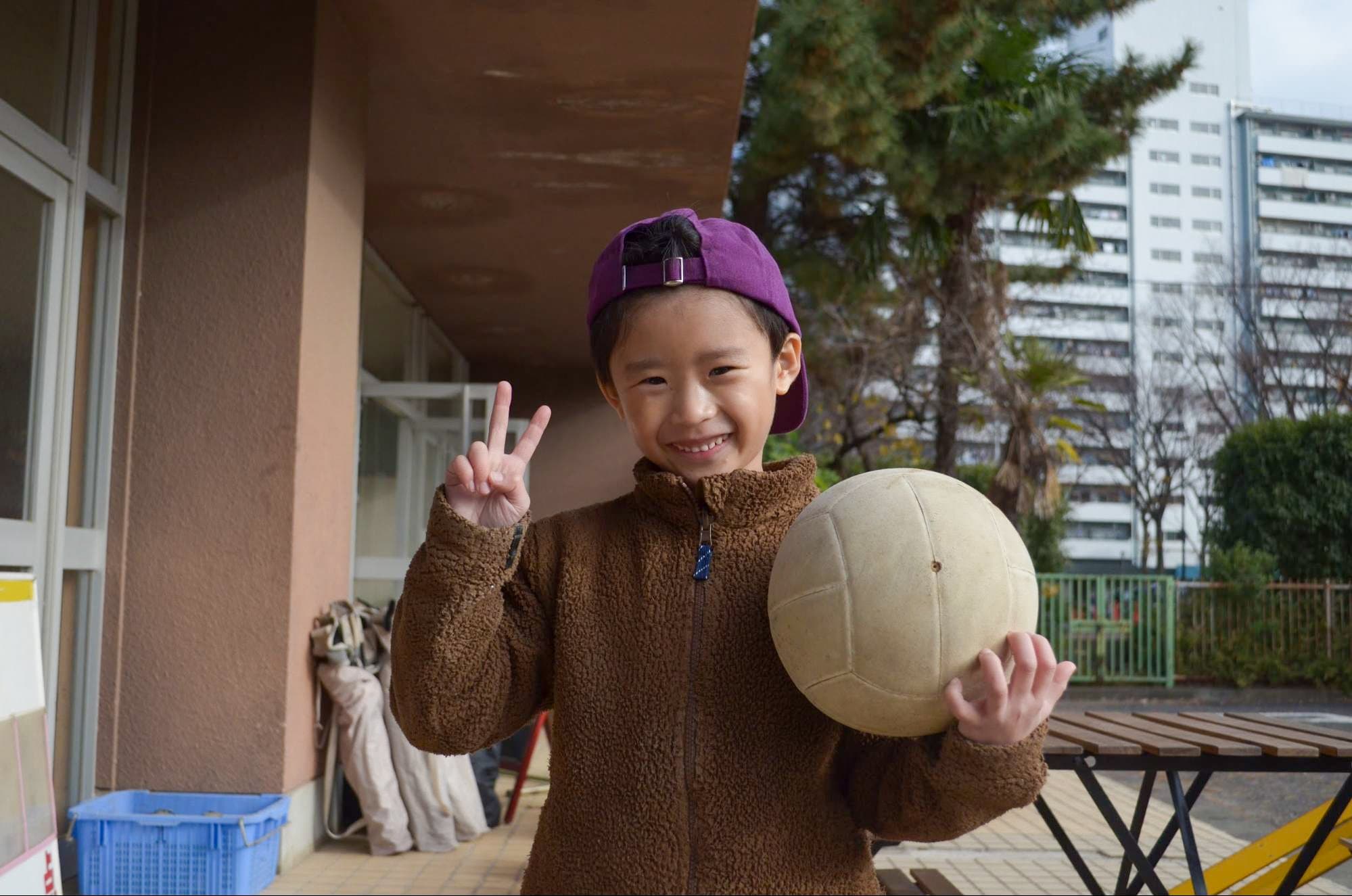
FIG.7
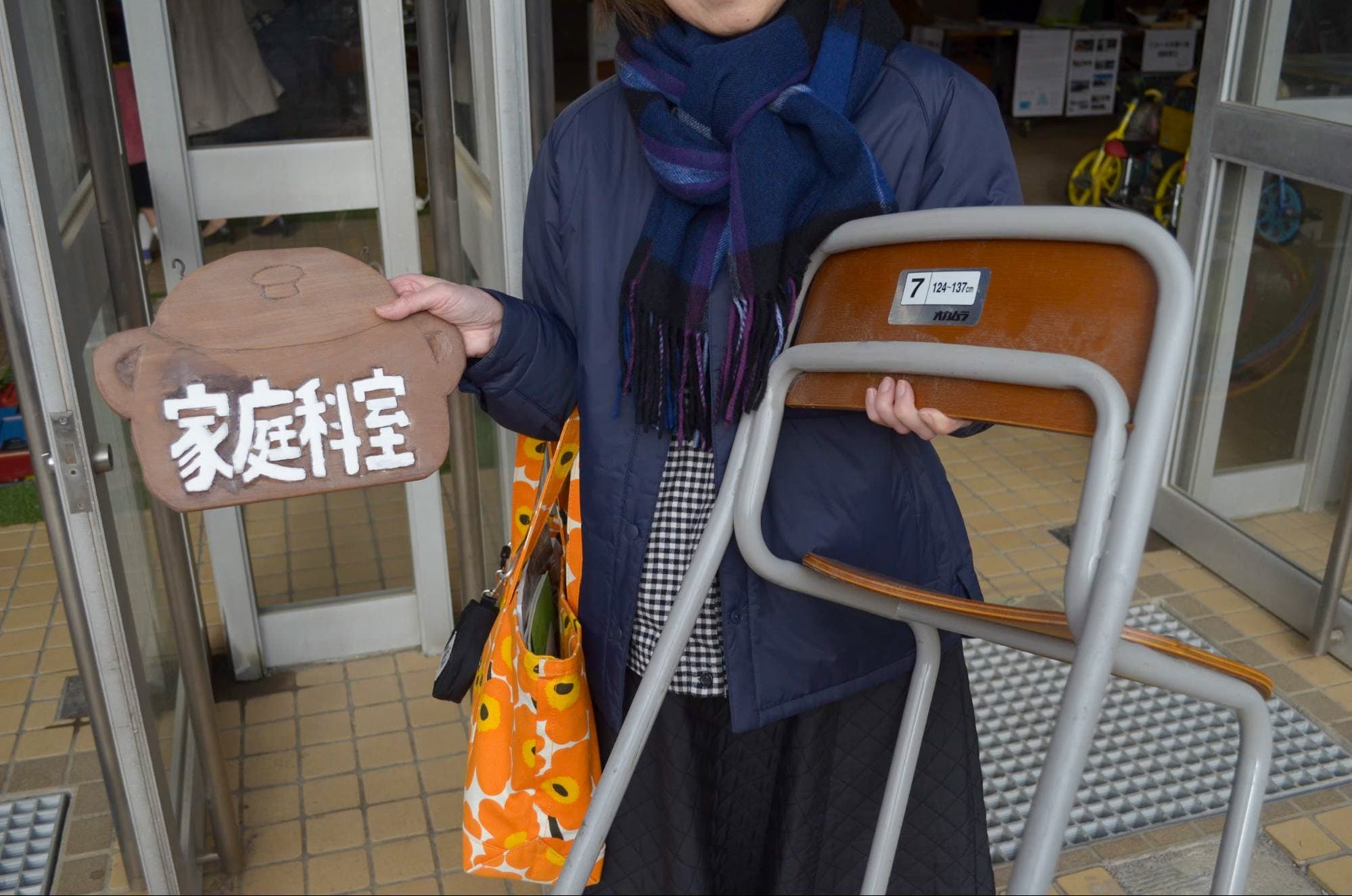
FIG.8
At the venue, we observed how the reused materials sparked a variety of memories, and stories were shared freely. I was reminded once again that this reuse initiative connects the past and the present—as well as the people gathered there—giving rise to diverse forms of communication.
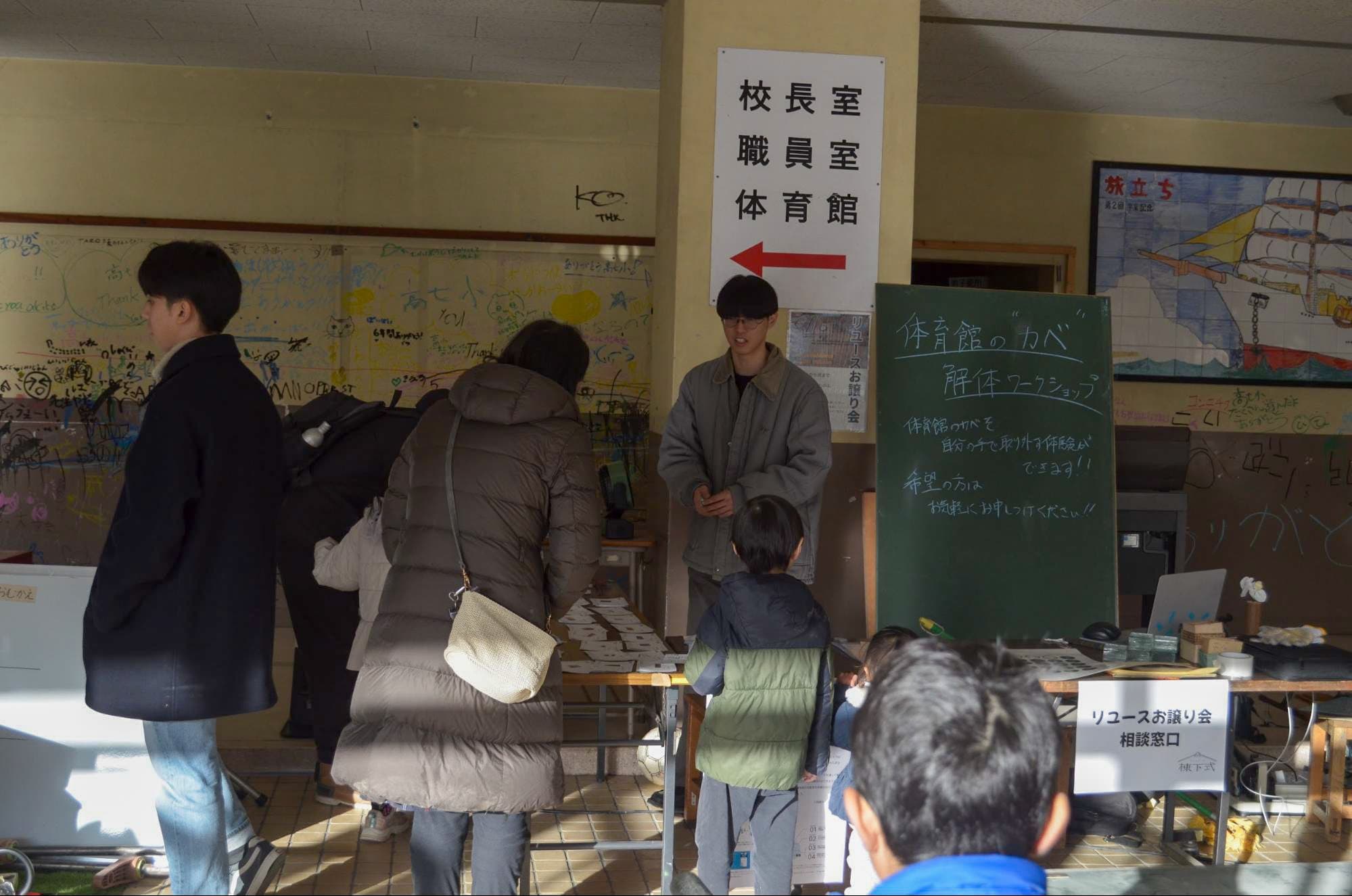
FIG.9
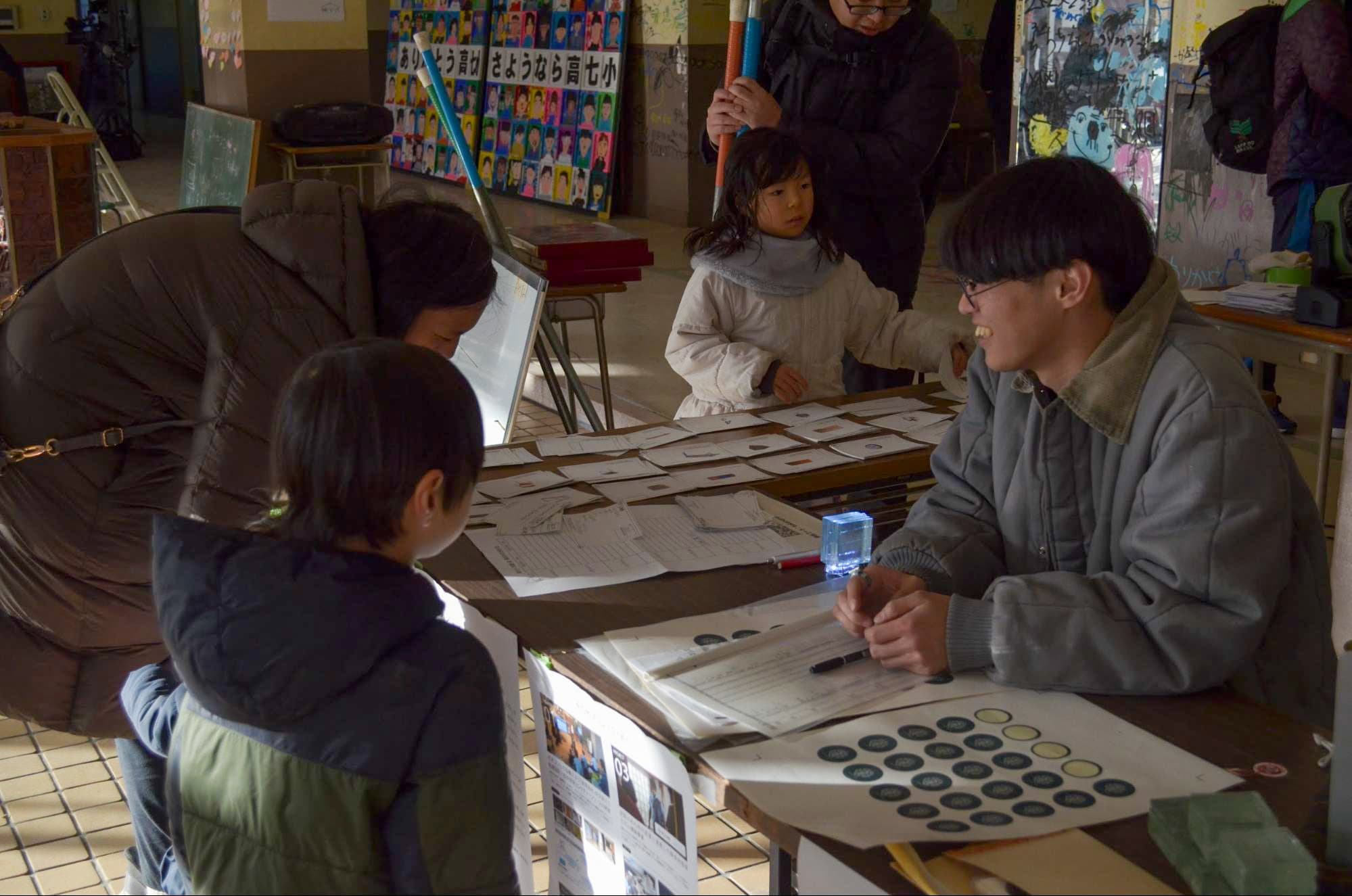
FIG.10
This time, we distributed over 100 items to more than 60 people.
Leading up to the grand finale on March 14, we will continue to invite more people to experience the upcycling process firsthand and explore the value created through reuse.
Itabashi Ward, ReLink, and ASIBA Collaborate to Launch the Takashimadaira Upcycle Project!
Kaichiku Teiryujo Launch Announcement
2025.08.19.