Kaichiku Teiryujo Report #3

FIG.1
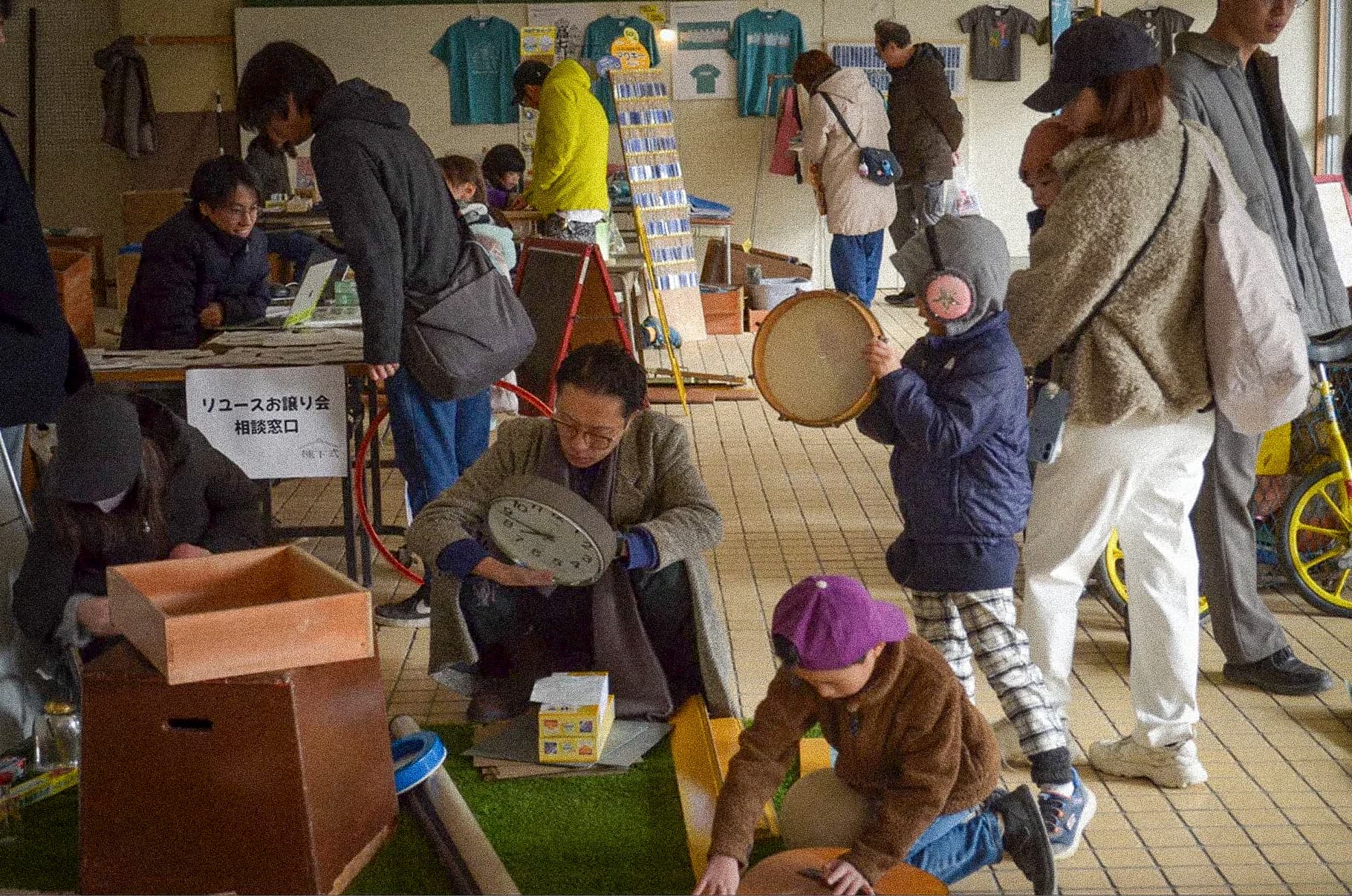
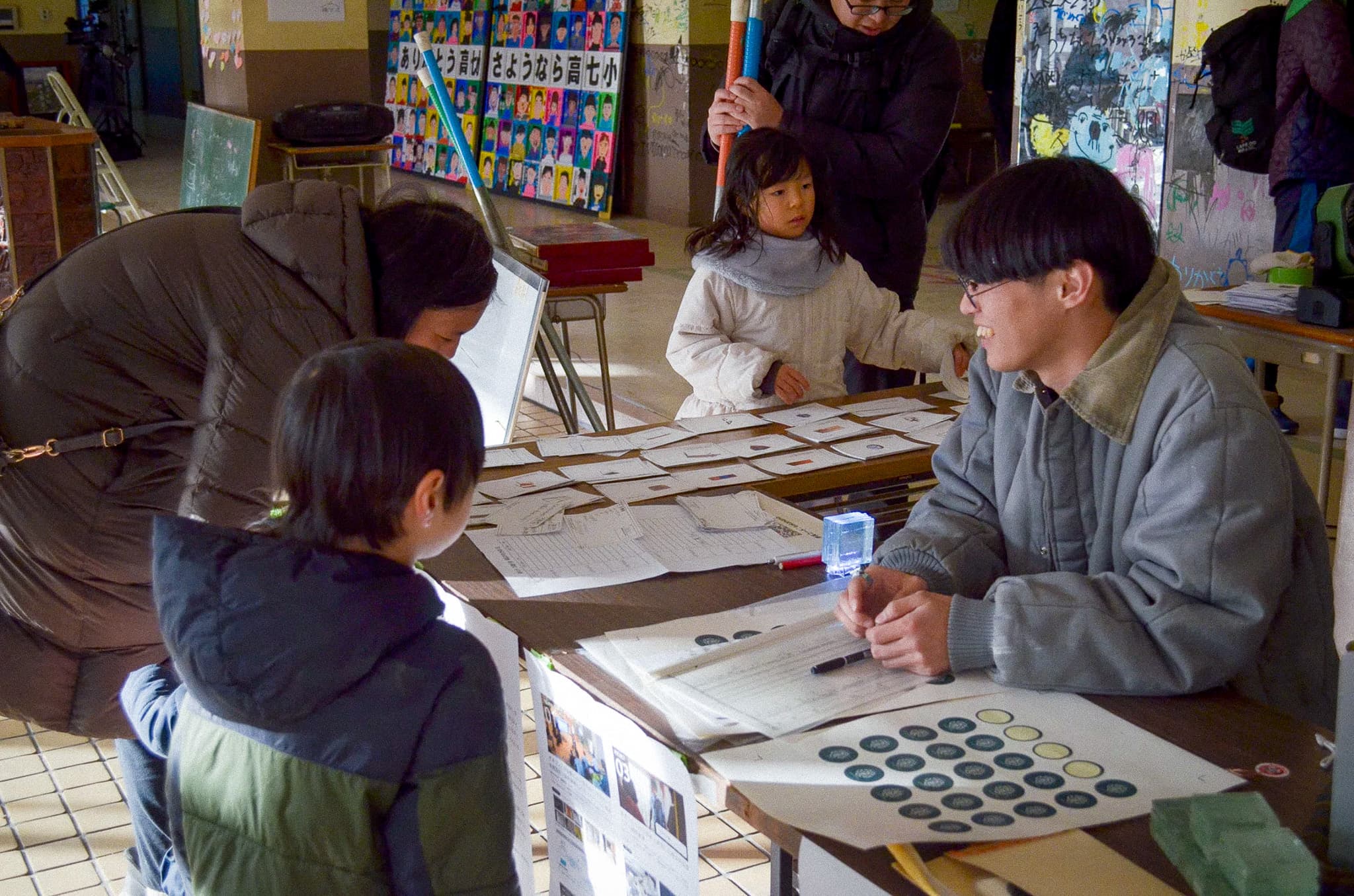
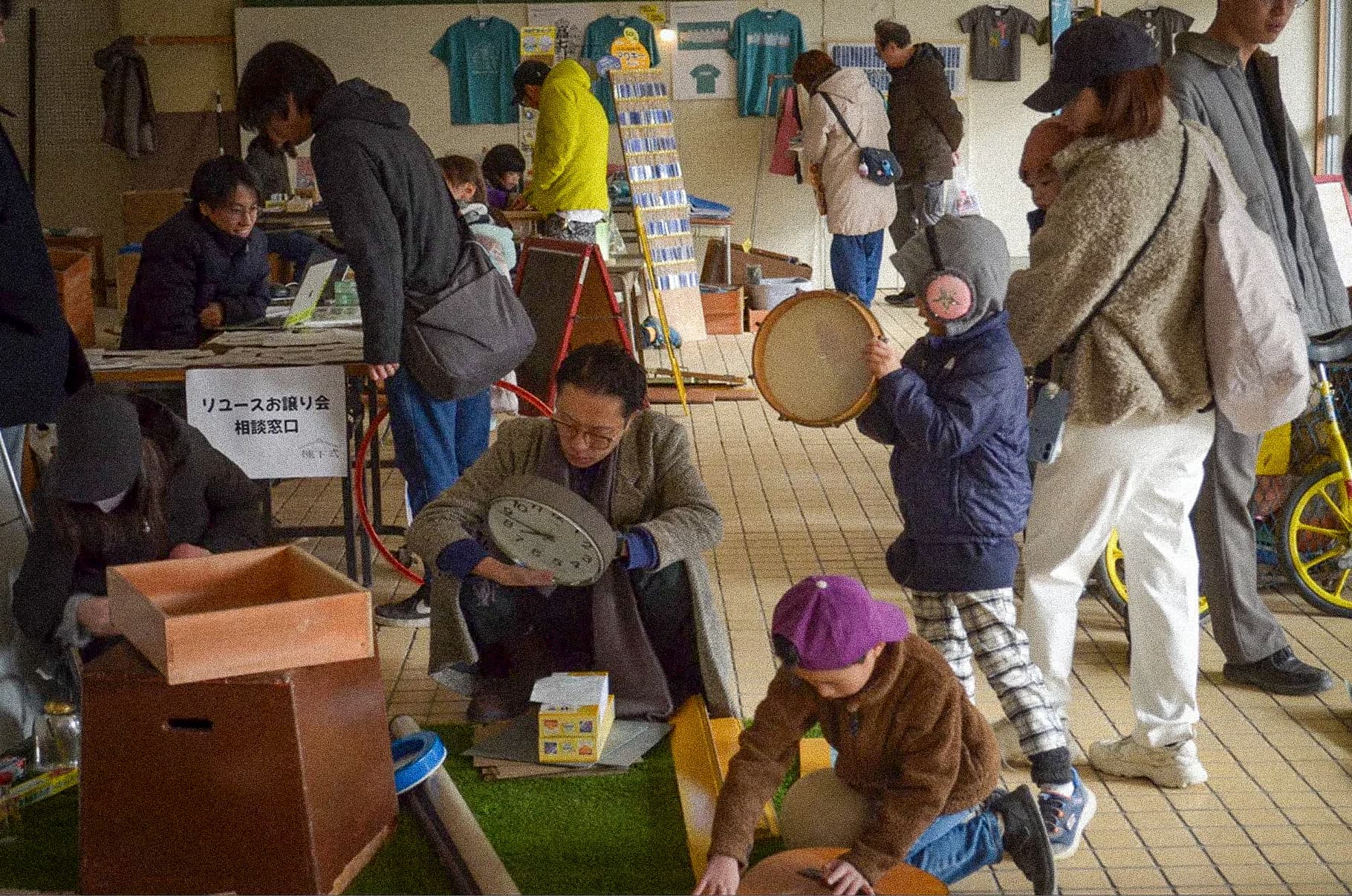
The Takashimadaira Housing Complex was once known as the largest housing complex in the Orient. Takashima Seventh Elementary School, which opened in 1979, has remained unused for a long time since its closure in 2007, but starting next fiscal year, the school is scheduled to undergo phased demolition and reconstruction as part of the redevelopment of the entire area.To share these memories and create a final opportunity to bid farewell to Takashima Seventh Elementary, we have been holding a year-long series of “Muneoroshi” events. During the fourth event last December, we held a “Giveaway Event” to pass on the school’s furnishings and materials to local residents.
On the day of the event, we interviewed each person who received items and materials, listening to their various memories and thoughts associated with Takashichi Elementary School. This article presents a selection of those interviews, edited to preserve the conversational tone as much as possible. We invite you to explore the “history of daily life in Takashimadaira” as it unfolds through the end of
one elementary school and the materials being passed on.
(Woman)
My daughter really wants something from the art room—she’s quite attached to it.
She went on to art college, you see. A teacher
here told her she was good at drawing, so she kept at it and ended up at Musashino Art University.
I’m not really into it myself, but she’s got a soft spot for the art room.
I think I’ll take this chair from the art room, at least.
── Did your daughter study painting in college as well?
It’s called the Department of Design and Information—it’s a newly established program.
So it wasn’t exactly “painting” per se, but this is where it all started, right?
── These signs from the art room are pretty nice, aren’t they?
Oh, that might be nice. Then I’ll take this one for my daughter, too.
We’re still living in an apartment complex, but my daughter moved out to the countryside.
She lives in a house there, so she’ll have room for it.
The wooden boards are nice, too, but this sign is really nice, isn’t it? I’d like to take
this one.
── Did your daughter get in touch with you?
Yes.
I knew about it, but since I live in the housing complex…
I knew there was a poster up, but I hadn’t really planned on coming.
But my daughter asked me to go—she’s in Kochi Prefecture right now because that’s where our family home is.
She said she wants something from the art room and told me to go get it.
She said she wants the chair the most.
── Have you lived in Takashimadaira all this time?
Yes, ever since the very beginning—it’s been about 40 years now.
But since the complex is scheduled for redevelopment in Reiwa 11, I’ll be moving out to the countryside too.
My daughter went back a little ahead of me, but I’ll be moving there as well—there’s a single-family home available.
Oh, thank you.
Well, I’ll give this to my daughter, too. I think I’ll send her a message on LINE for now.
She’s setting up a shop out in the countryside right now, so she might be able to use the boards or something. I’ll ask her
about it.
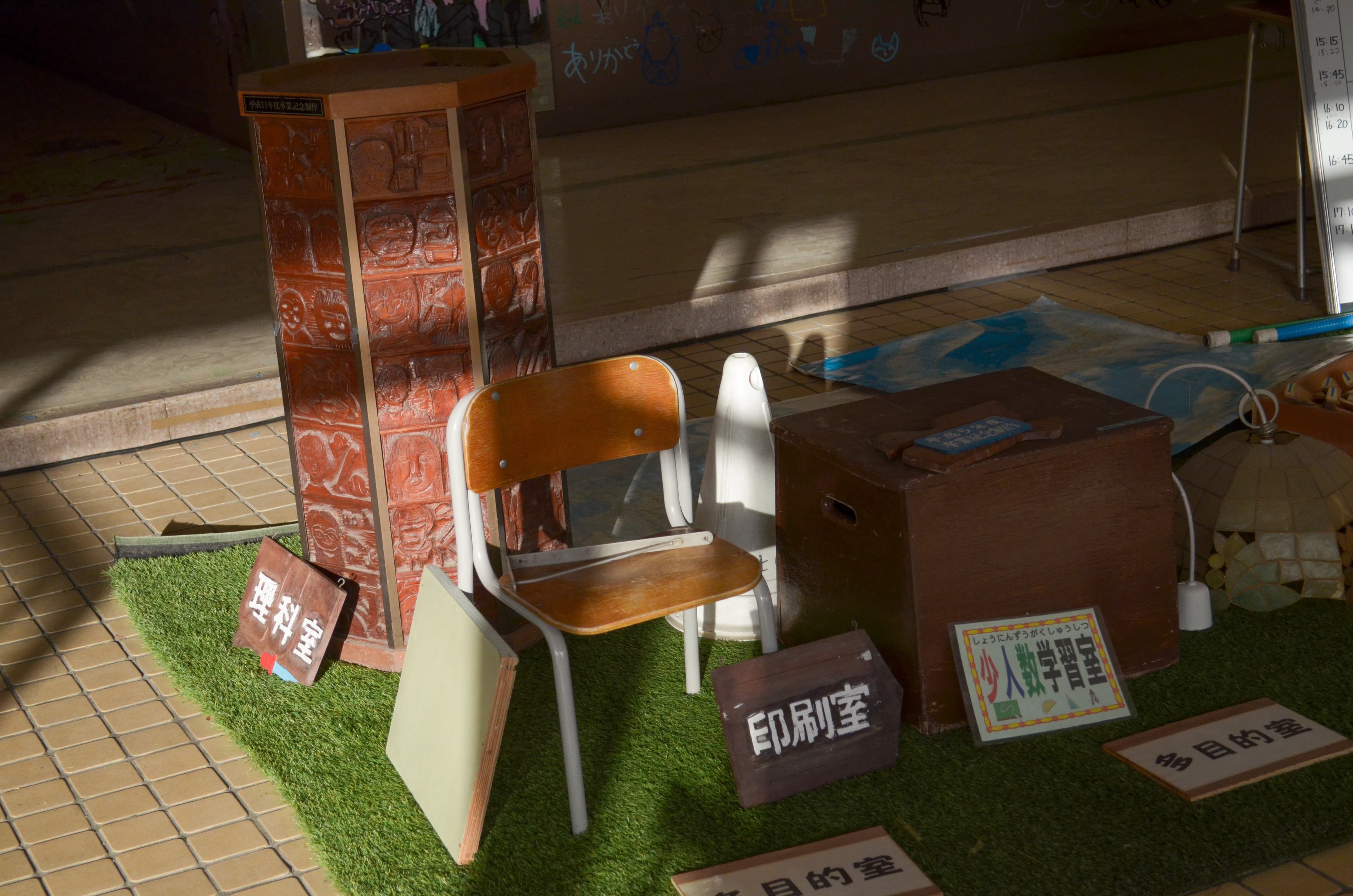
FIG.2
(Man)
Excuse me, could you weigh this for me, please?
── Of course.
Yay! I was actually planning to
buy some.
── What are you going to use it for?
For painting my garage floor—when I mix the hardener and pigment. My
kitchen scale only goes up to 1 kilogram.
And I’ll be dealing with amounts like 10 or 20 kilograms.
── Where do you live?
Right in the neighborhood.
── Are you affiliated with Takashichi Elementary School?
(Man)
No, not really. We
recently moved from Ota Ward to Itabashi Ward after my wife got pregnant.
(Woman)
Right. We thought, “Since we’re here anyway, we’d like to see what elementary schools in Itabashi Ward are like,” so we came by.
── So you’re renovating your house, huh?
(Man)
We bought a used house and finally got the garage we’d always dreamed of.
I was wondering what to do about the paint job when my wife told me about this event today.
Since we’re already in Itabashi, we figured we’d check out a local event like this.
(Woman)
Right. I’m glad we got to see it.
Thank you.
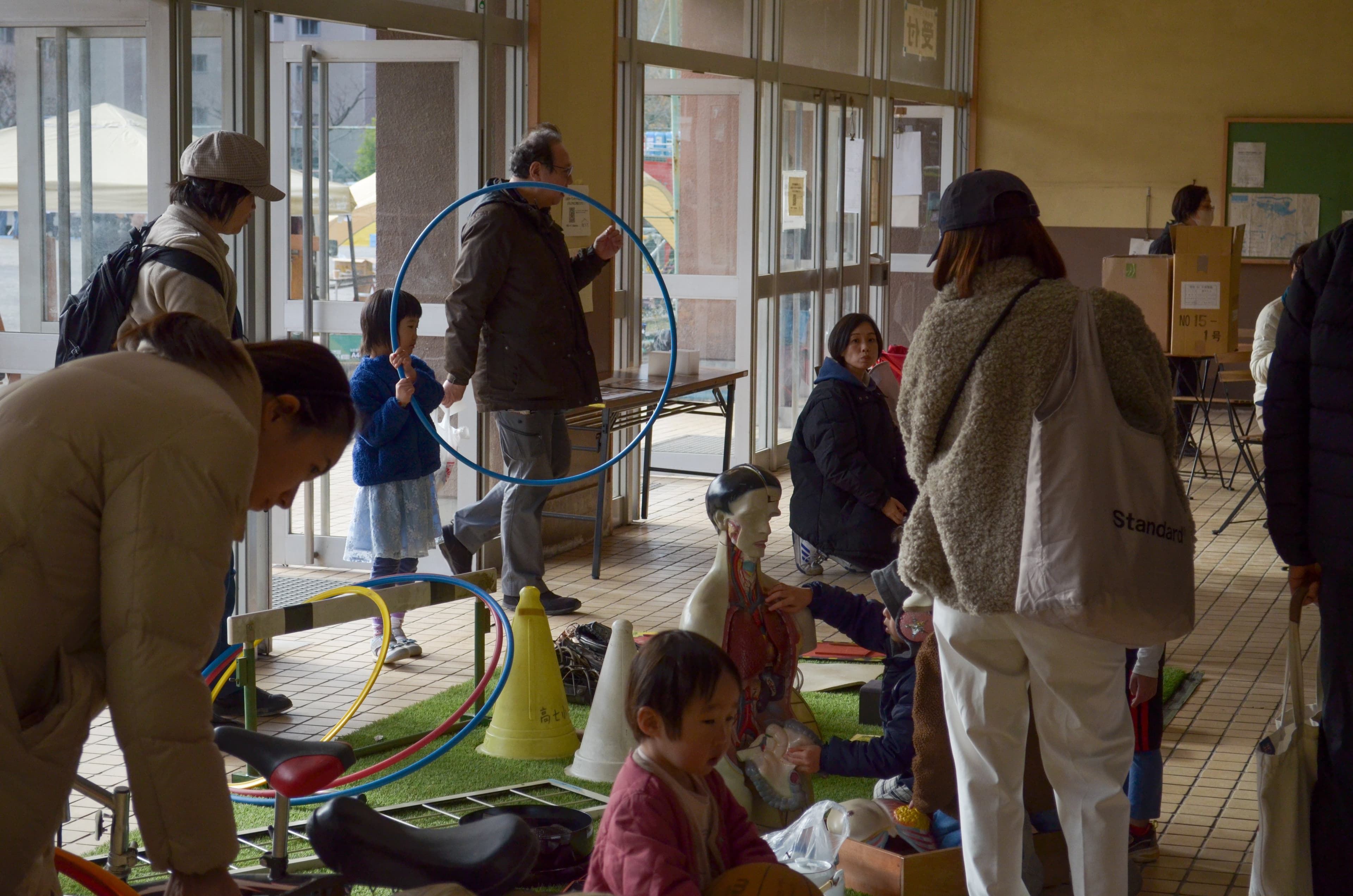
FIG.3
── What’s this (megaphone) for?
(Man)
This is just for when something happens.
You can use it to call out, “Come here!”
As long as you put
batteries in and it works, that is. Also, since you don’t see these around much anymore, it’s nice to have one on display. It’s really convenient if you live
nearby.
— What’s this (the poster with the educational goals) for?
This is totally just my personal hobby. Since I’m an
alumnus.
I’ll just leave it up like this—maybe next to the TV.
— Do you remember it?
I do. I even still remember the
school song.
── When did you graduate?
I think it was Showa 62 or 63. It was right before the Heisei era.
I live away from here now, but my parents’ house is still around here.
So I pop in to visit every now and then. It’s right
in the housing complex across the street, you see.
When I come by, I stare at it and think, “Yeah, the school’s still there.” It
really would be sad if it were to disappear, wouldn’t it?
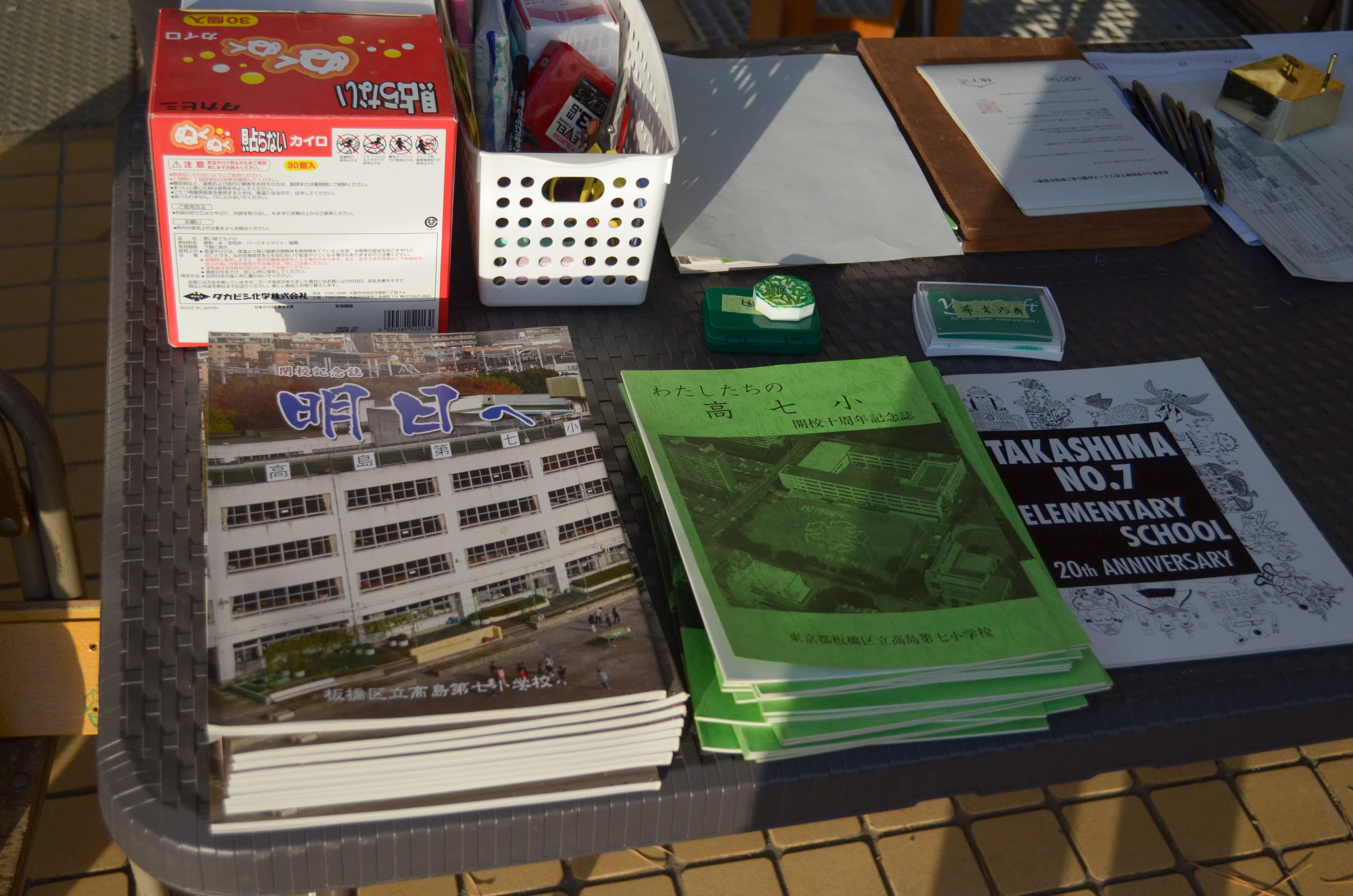
FIG.4
— Do you live around here?
(Woman)
Right next door. In 3-chome.
— Have you lived here the whole time?
Yes, that’s right.
I’ve been watching this school ever since Showa 47. There wasn’t a school here
before, you know.
Then the school was built.
I could always see the kids at this school from my balcony.
They used to come early in the morning to play soccer, back in the day.
We could all see things like that.
When I moved here in ’47, this was just a field. There was only the library.
So, from my house, I could see the traffic light, and I’d watch the kids cross the street there.
── Didn’t your children go to this elementary school?
My kids went to Elementary School No. 5.
This school was built later, so Elementary School No. 5 was already full.
But it’s a shame it’s going to be torn down, isn’t it?
It’ll feel lonely.
— They’re building new apartment buildings, aren’t they?
Yeah, I wonder if they’ll actually build them here.
The scenery is really changing.
── What brought you here today?
It’s not school-related or anything, but I’ve always watched it.
I heard they’re doing it again, so…
Would it be okay if I took all these cups?
── No, no, that’s fine.
I’m going to use them as pudding cups. They’re versatile, you know. I’ll
blend some pumpkin or something and freeze it.
Then I’ll put it in these and take out just what I need. I’m
sorry for taking so many.
I’ll treasure them as a memento of Seventh Elementary.
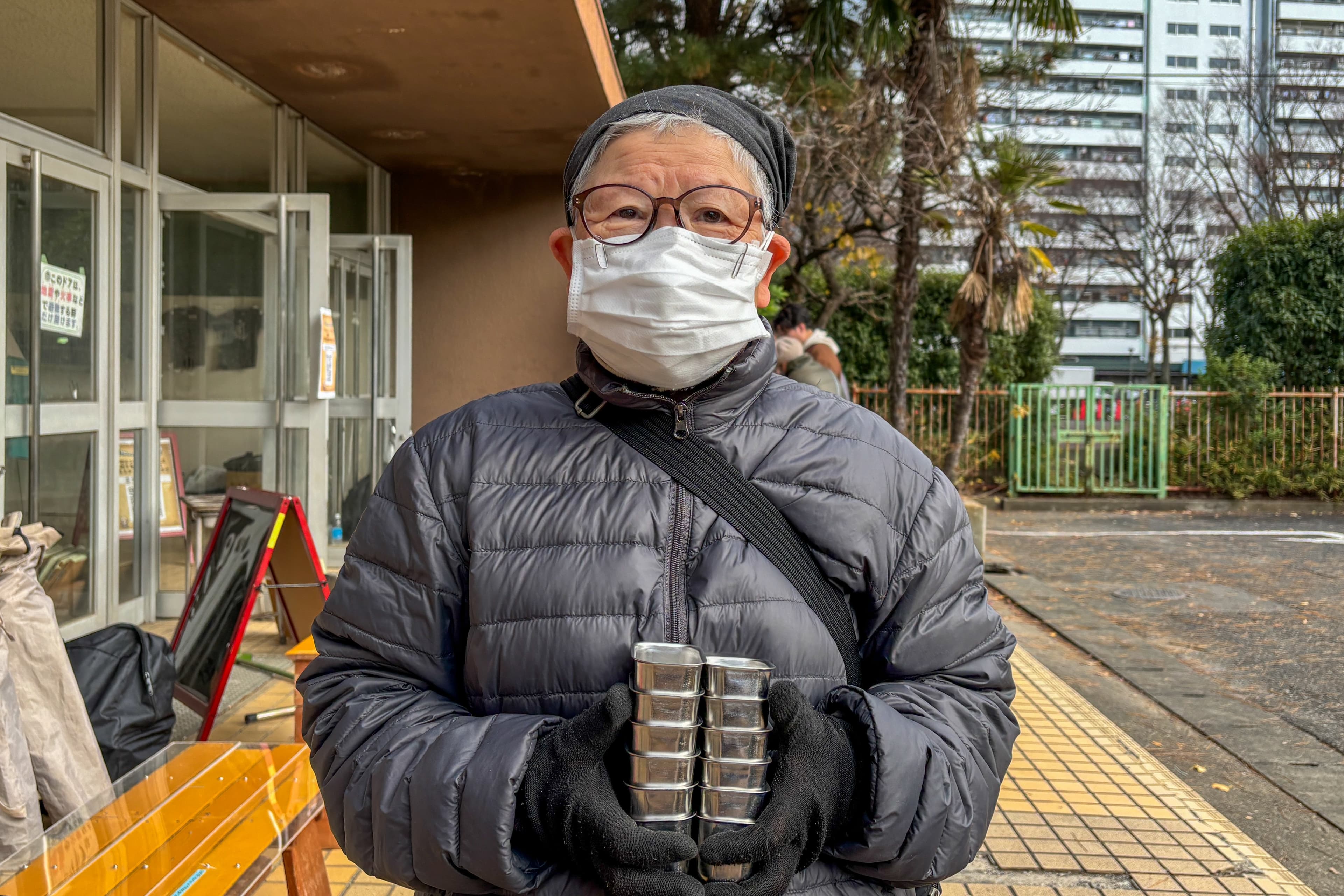
FIG.5
My first visit to the Takashimadaira area was when I participated in organizing this building-closing ceremony.Takashima Seventh Elementary School, beloved by the community, is coming to an end amid much regret. While I thought I understood the meaning of this on a superficial level, it wasn’t until I spoke with dozens of alumni, former staff members, and local residents this time that I felt I truly grasped its significance—including its weight—for the first time.
At first glance, the well-worn school supplies from this elementary school might seem like “nothing more than trash.” But through these very items, I strongly felt how people from different generations and walks of life—who might never have crossed paths otherwise—could connect, creating a new space to reflect on the nature of our community.By continuing these interviews, I hope to give shape to the vision of a local community that flourishes as these objects are passed down from one generation to the next.
(Interviewer/Text: Rigo Kagami)
Itabashi Ward, ReLink, and ASIBA Collaborate to Launch the Takashimadaira Upcycle Project!
Kaichiku Teiryujo Launch Announcement
2025.08.19.