本多栄亮
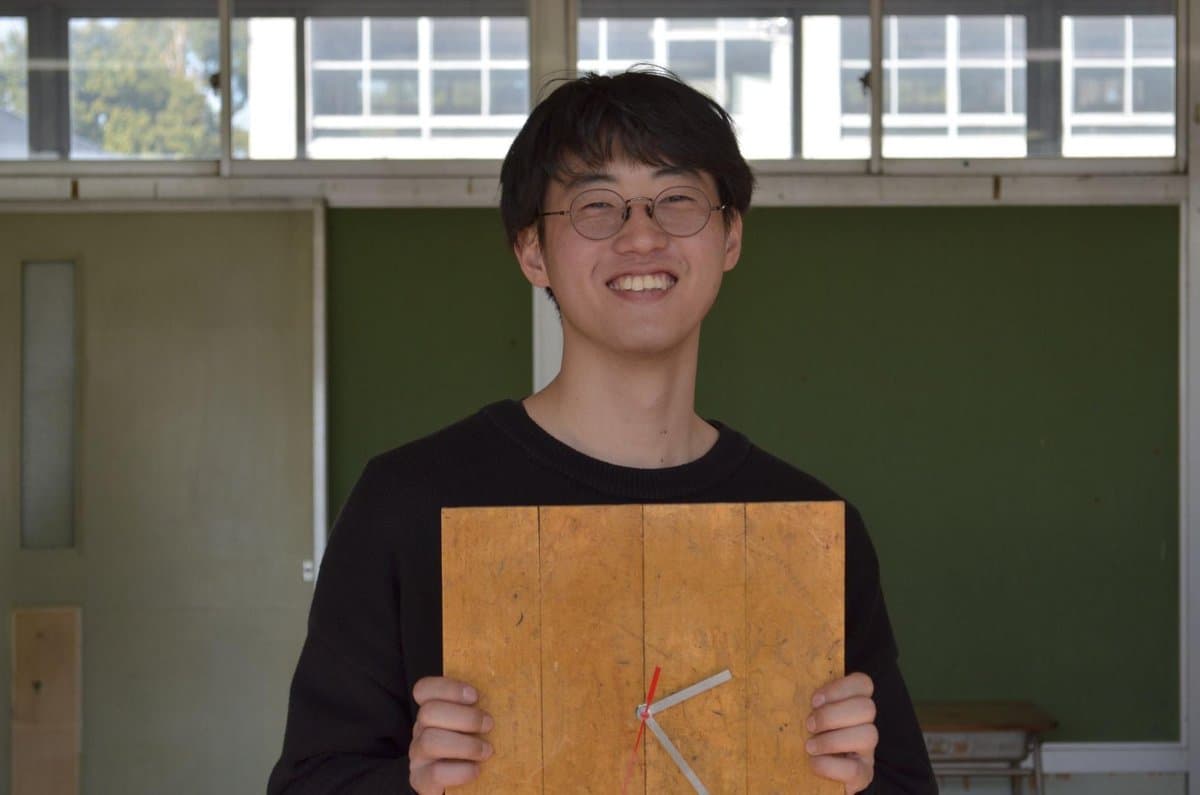
FIG.1
To be honest, I didn’t start this job with any grand motives like wanting to save the global environment or worrying about the future of our cities. If I hadn’t known about it—if I hadn’t actually touched it with my own hands—I probably would have just walked right by.
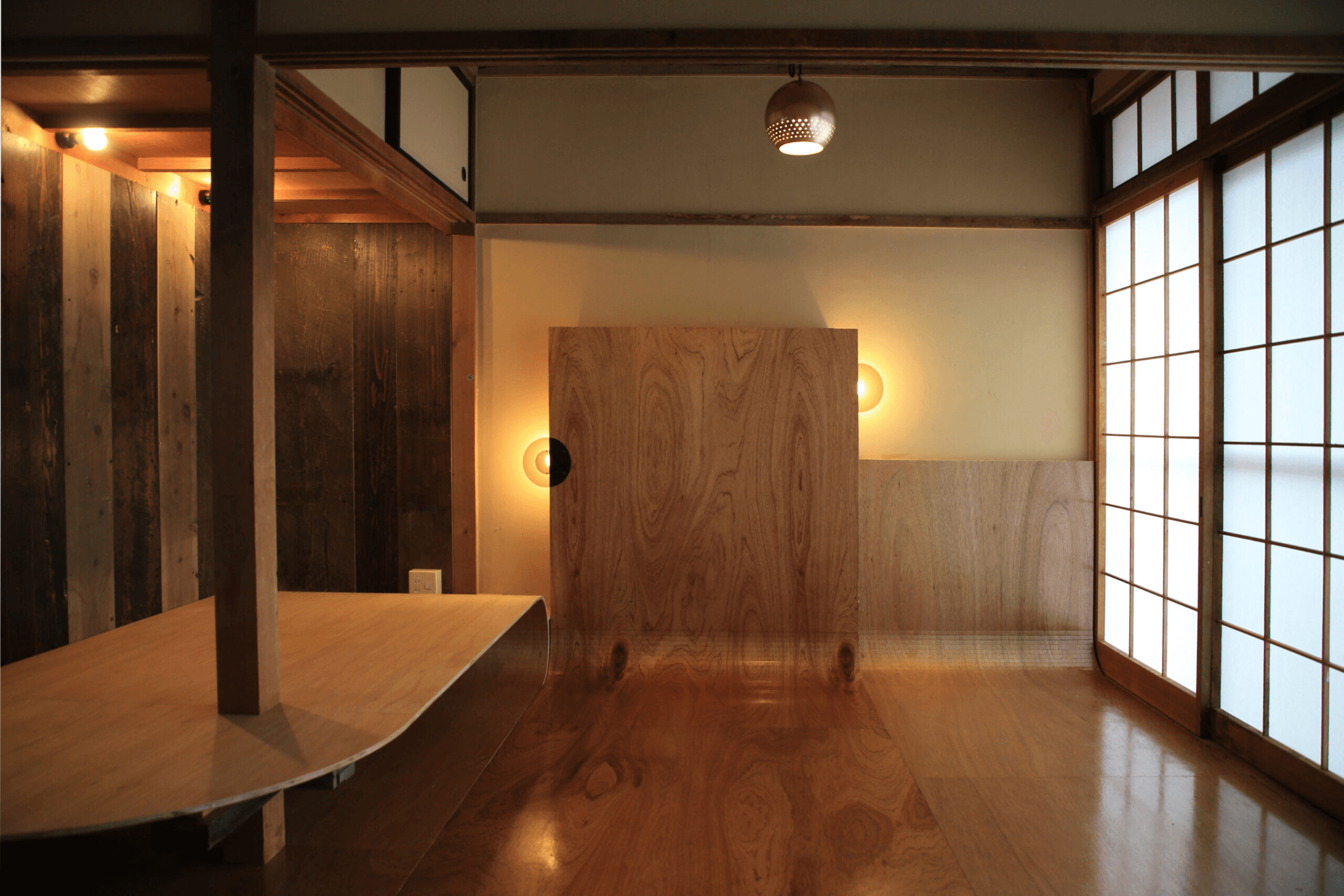
There was a specific reason I first encountered the world of reuse. It was the news that the house where I was born was going to be torn down.Since it had already been vacant, to be honest, I’d completely forgotten about it until that topic came up. But when the idea of tearing it down was raised, I felt a shock so great I couldn’t ignore it—the sadness of losing my memories of my hometown, the anger at the very notion of demolition, and the helplessness of not being able to offer any alternatives to preserve it. It was a complex mix of emotions that was hard to put into words.
Now, I think what dominates me is an overwhelming sense of remorse and guilt about “throwing things away.”Just like in the world of those Disney movies I watched as a child, where toys are imbued with souls, I wonder if there are objects fighting to be used somewhere beyond the invisible realm of disposal. Once my consciousness had focused on this even for a moment, I could no longer escape that spell. Especially as a designer—I am someone who creates ways for objects to be used.
However, there is a limit to the mass a single person can bear. We destroy in search of space to create, and we destroy in order to keep creating. Faced with an industry that transforms objects into trash at a desperate pace, merely prolonging their lives by hoarding them out of pity was futile.Industrial activity continues to transform natural resources into man-made objects; apparently, by 2020, the volume of man-made resources had surpassed that of natural resources. In just over 200 years since the Industrial Revolution, it has even altered the very composition of the Earth.When I see middle-aged men who, while paying lip service to the SDGs, use production efficiency as a shield to look down on me—saying, “Such a small-scale cycle is of no use to business”—I think humans are ridiculous.
What saved me from this despair was passing these materials and parts on to others. When someone joyfully says, “I want this,” about fragments of buildings I couldn’t possibly handle on my own, they give them a rich new life as something entirely different.Initiatives like the “Deconstruction Stop,” “Glass Reuse Workshops,” and “Demolition Auctions”—which bring together ideas from all kinds of people—have shown me the power of human connection. This is likely the only effective countermeasure against the massive momentum of mass production and mass consumption.
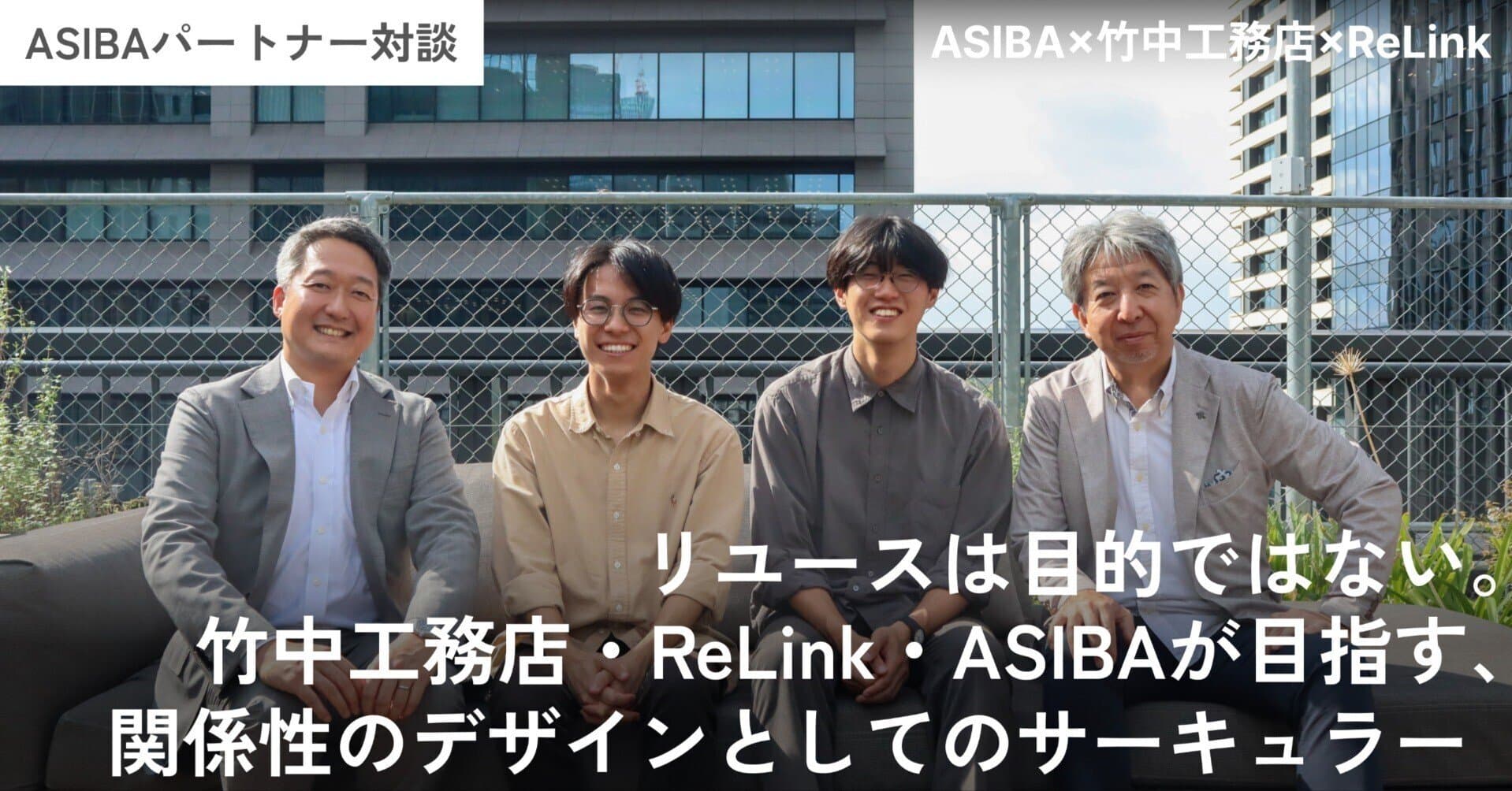
By founding ReLink LLC, my goal is to systematize this personal cycle of salvation and implement it into society on a scale beyond my individual reach.
In contrast to systems that uniformly crush buildings, we propose an attitude of “unraveling”—carefully disentangling materials and time—and an attitude of “rebuilding”—reconstructing new ways to use them. However, our true ambition is not to settle for one-off art events or the localized use of reclaimed materials.Our goal is to connect these circles. To achieve this, we must shed light on the previously invisible process of demolition and establish a new framework for evaluating materials that can stand up to mass production.
The multifaceted experiments and projects we are advancing in parallel are nothing less than the front lines in building this platform. At one site, we center our efforts on a resource distribution hub; at another, we research and document the background of materials, assigning new value to scrap wood that previously existed outside the market.At times, we ally ourselves with the powerful supply chains of major manufacturers, “joining forces” with their overwhelming distribution networks to open up new pathways for creatively restructuring commercial flows.
The products born from these processes reveal a new future to us.
ESSAY
2026.07.01.