須藤望
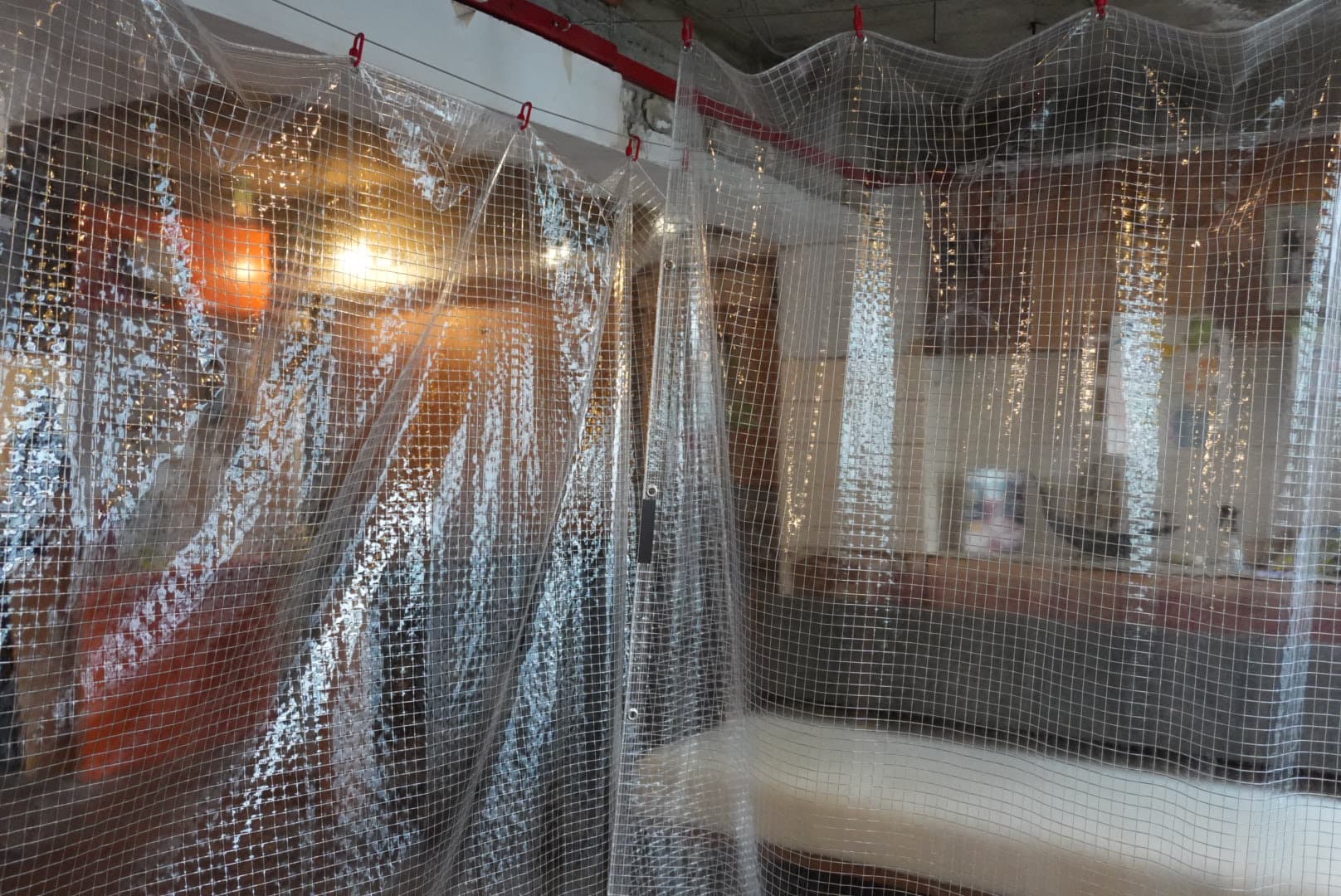
FIG.1
Heidegger used the term “withdrawal” to describe the moment when we (re)recognize objects as objects. As long as an object functions normally as a tool, it exists in the background of human consciousness. Its characteristics and value come to the fore only when it breaks.When objects and designs are too convenient or too familiar, we fail to notice their value or presence. Rather than simply failing to notice them, they fall outside the scope of our consciousness altogether. “Breaking” and “inconvenience” are trying to tell us something.
Within the field of science and technology studies , there is a discipline known as the sociology of infrastructure. Infrastructure is supported by countless hours of manual maintenance and the design of invisible codes and protocols; it is precisely because of this that we are able to live our urban lives without even being aware of it.We only become aware of the existence of this infrastructure in the moment when “breakdowns” or “inconveniences”—such as earthquakes or large-scale system failures—occur. Therefore, it has been suggested that the question we should ask is not “What is Infrastructure?” but rather “When is Infrastructure?”
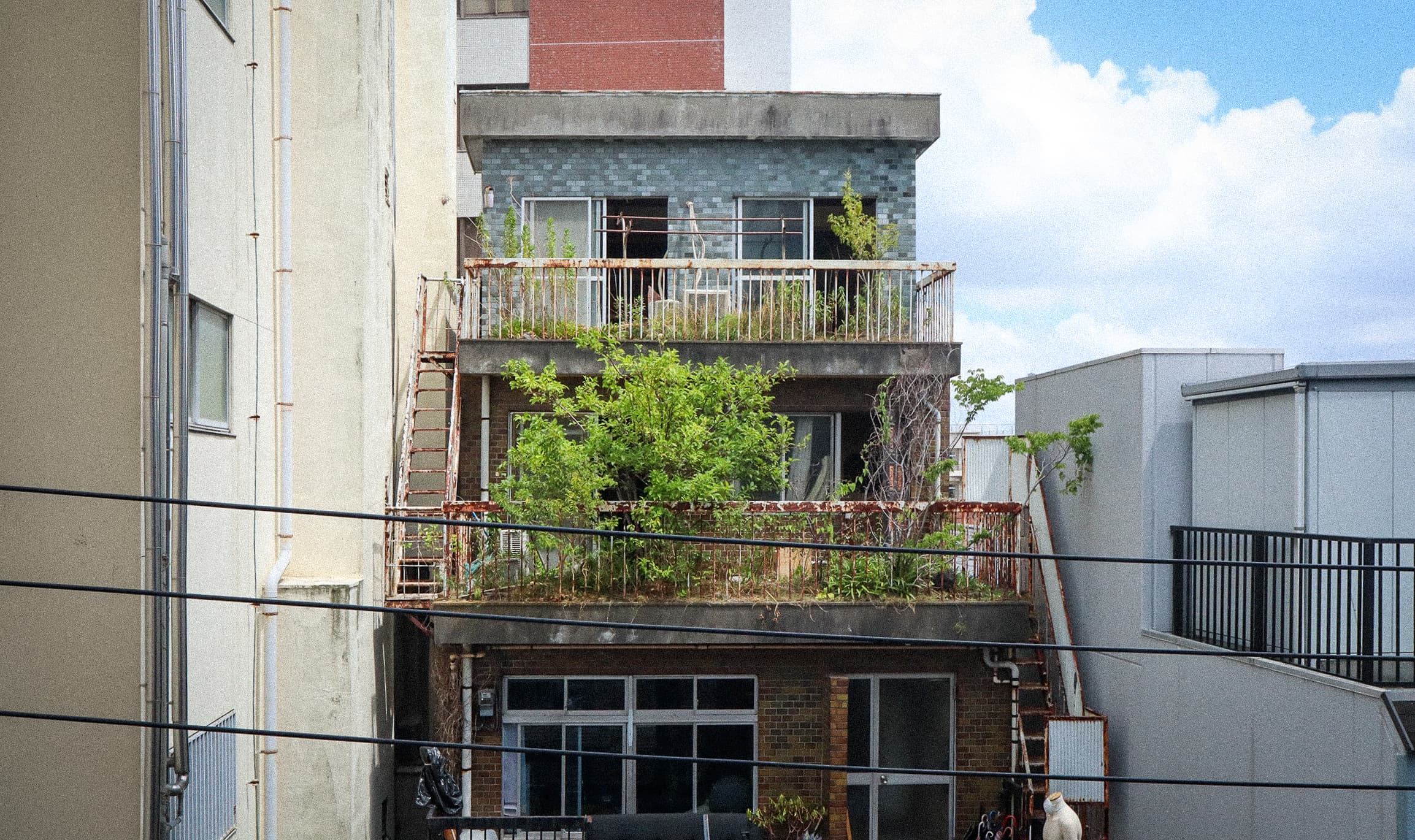
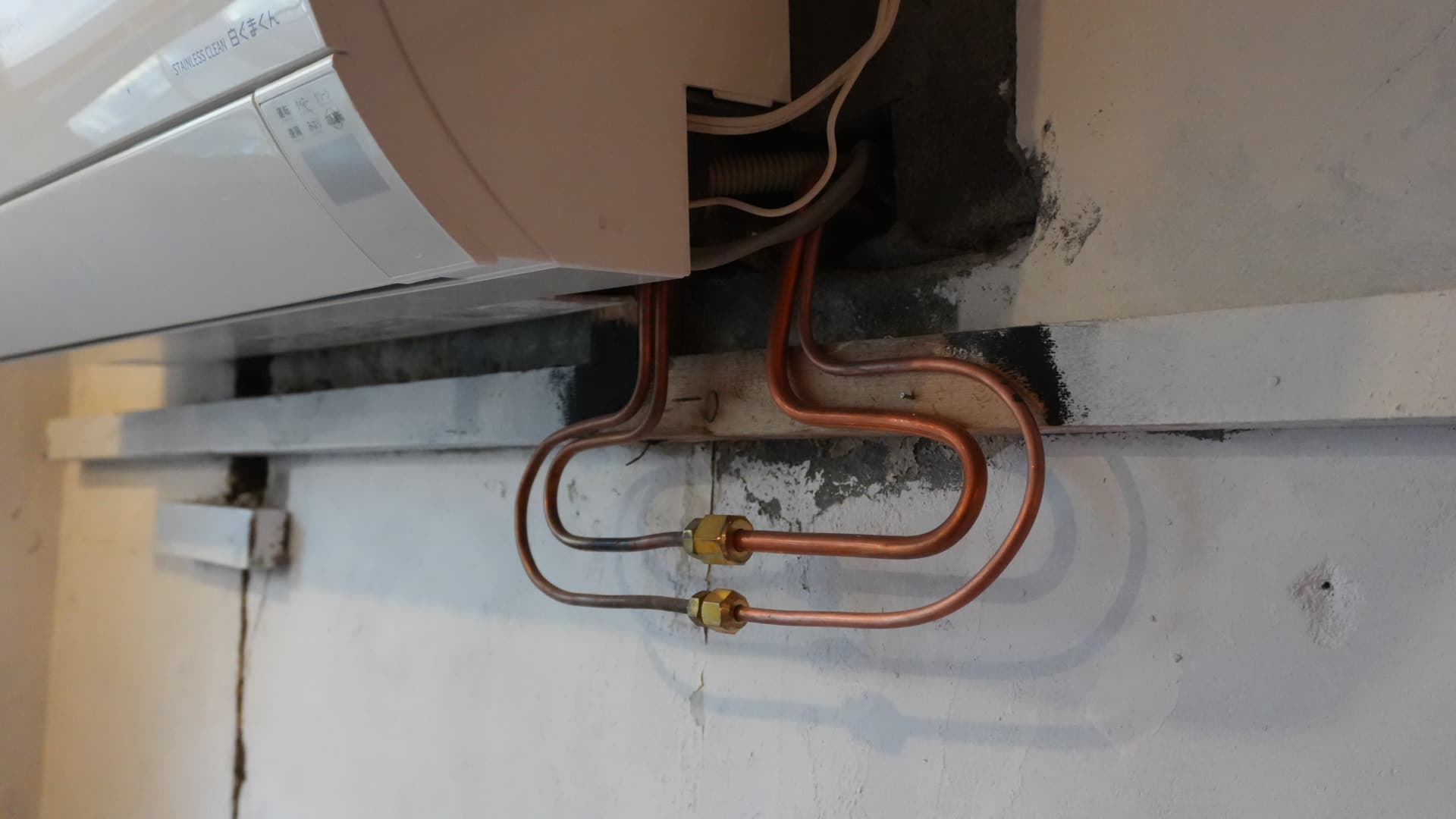
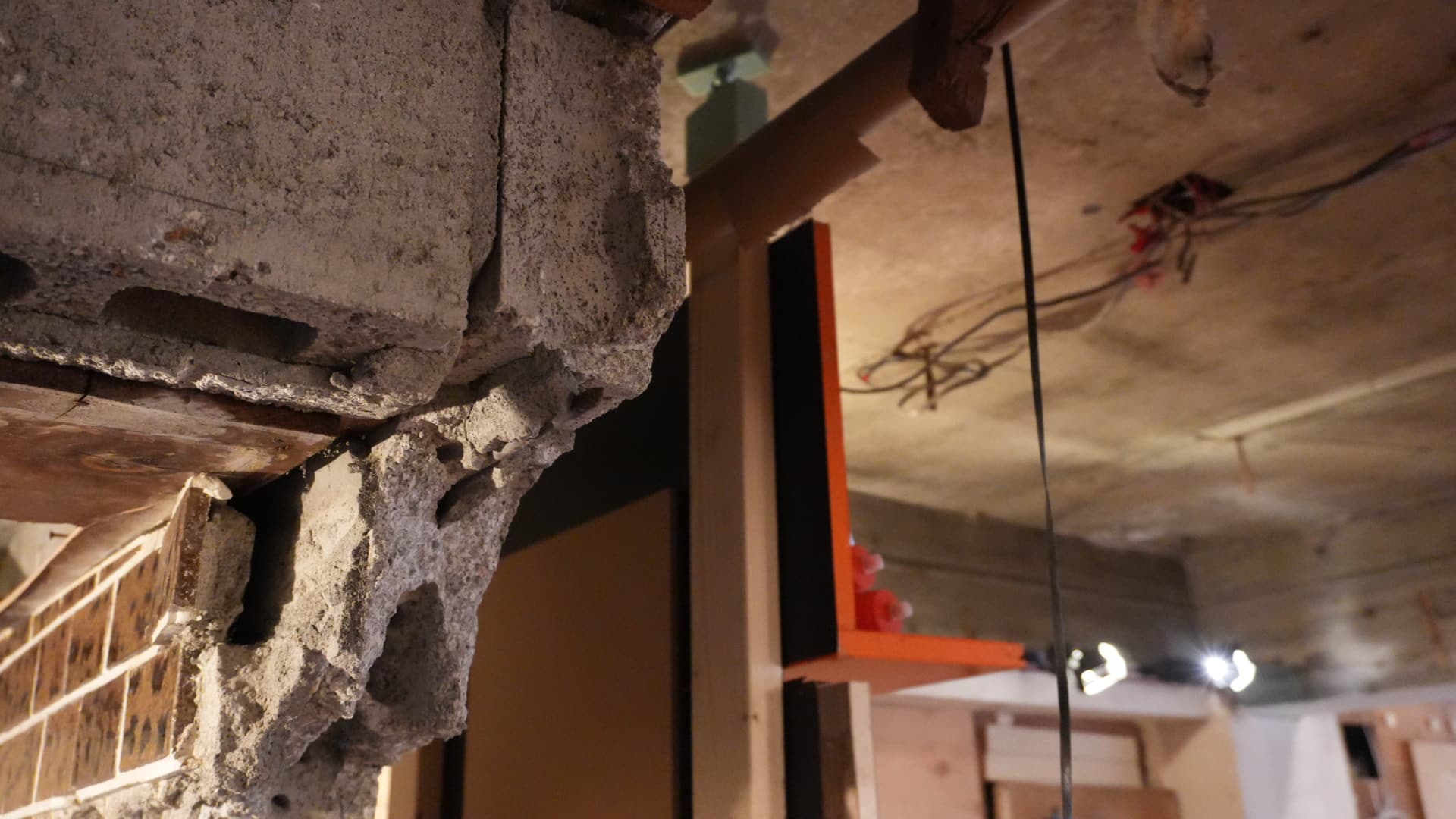
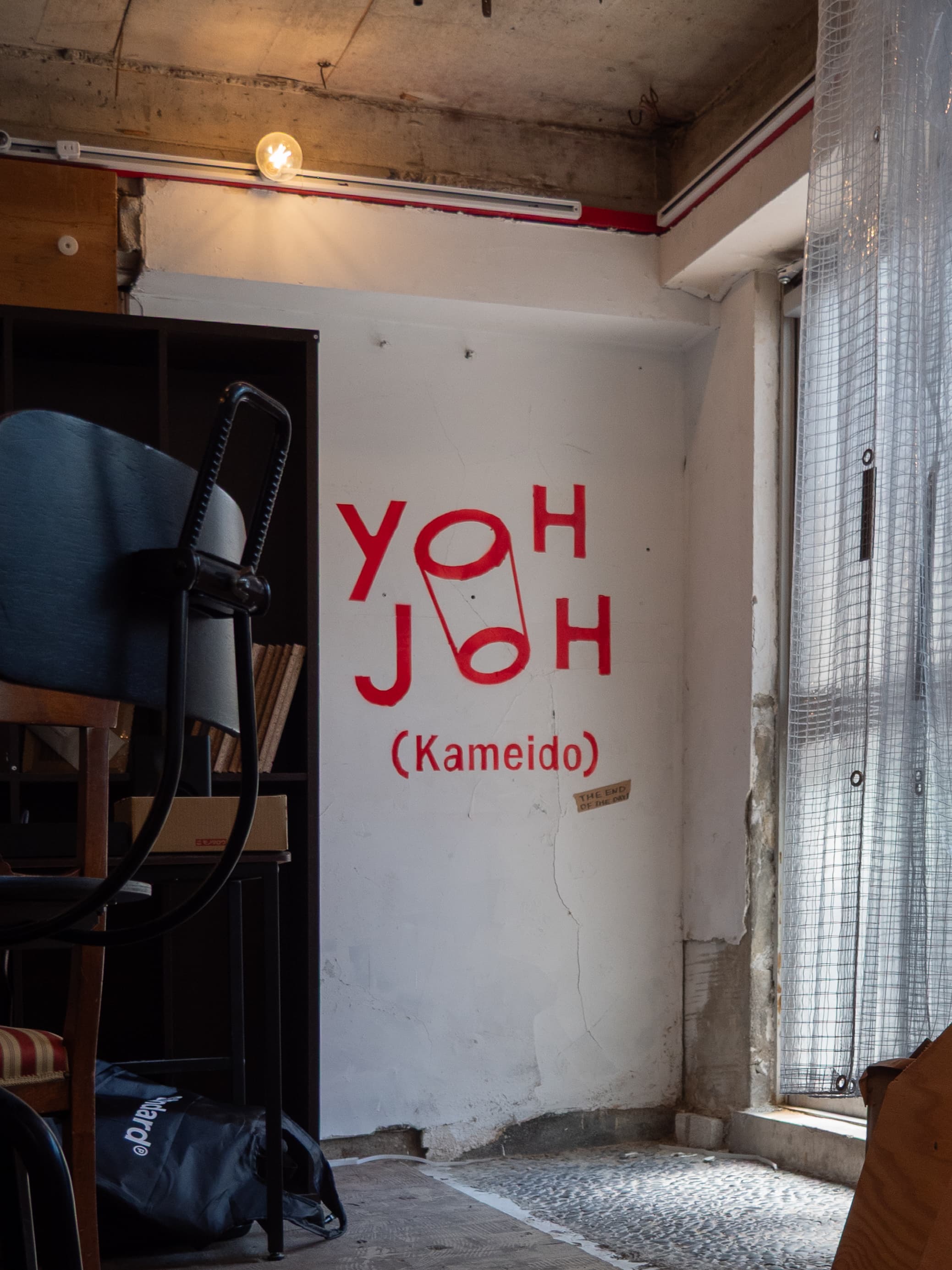
If so, I’d like to ask “When is Architecture?” in the same vein. I myself sometimes stay temporarily at Kameido Garage.In the middle of the night, when my sleep is disturbed by the hum of machinery, temperature fluctuations from outside, or swarms of insects. Accidents such as simultaneous leaks during heavy rain or emergency evacuations from an aging building during an earthquake. It is only when I encounter such events that the building truly emerges as a “thing.”Not the garage as a daytime workspace, but the garage as a place to sleep, complete with its breakdowns and inconveniences. This building, where the “when” of breakdowns and inconveniences occurs frequently, is full of opportunities to become aware of and reflect on its value.
Even in the shared house where I lived until a few months ago, I had an opportunity to become aware of these “when” moments. It was because of mice. It was a wooden house that was quite old, and since there were many mice in that neighborhood, I had been hearing footsteps in the attic for some time. But last summer, they finally appeared out in the open.Forced to take action, we set up an infrared camera in the attic , sealed the hole above the closet with wire mesh, and caulked the tiny gaps in the window frames. The hidden side of the building—something we normally don’t think about—came into view.Furthermore, because the building was dilapidated, dealing with the extermination costs proved anything but straightforward, and the situation inevitably escalated to the point of terminating the contract. We were forced to confront even the legal aspects of the building. This is precisely the reality that architecture presents to us as the responsibility of “the end.”
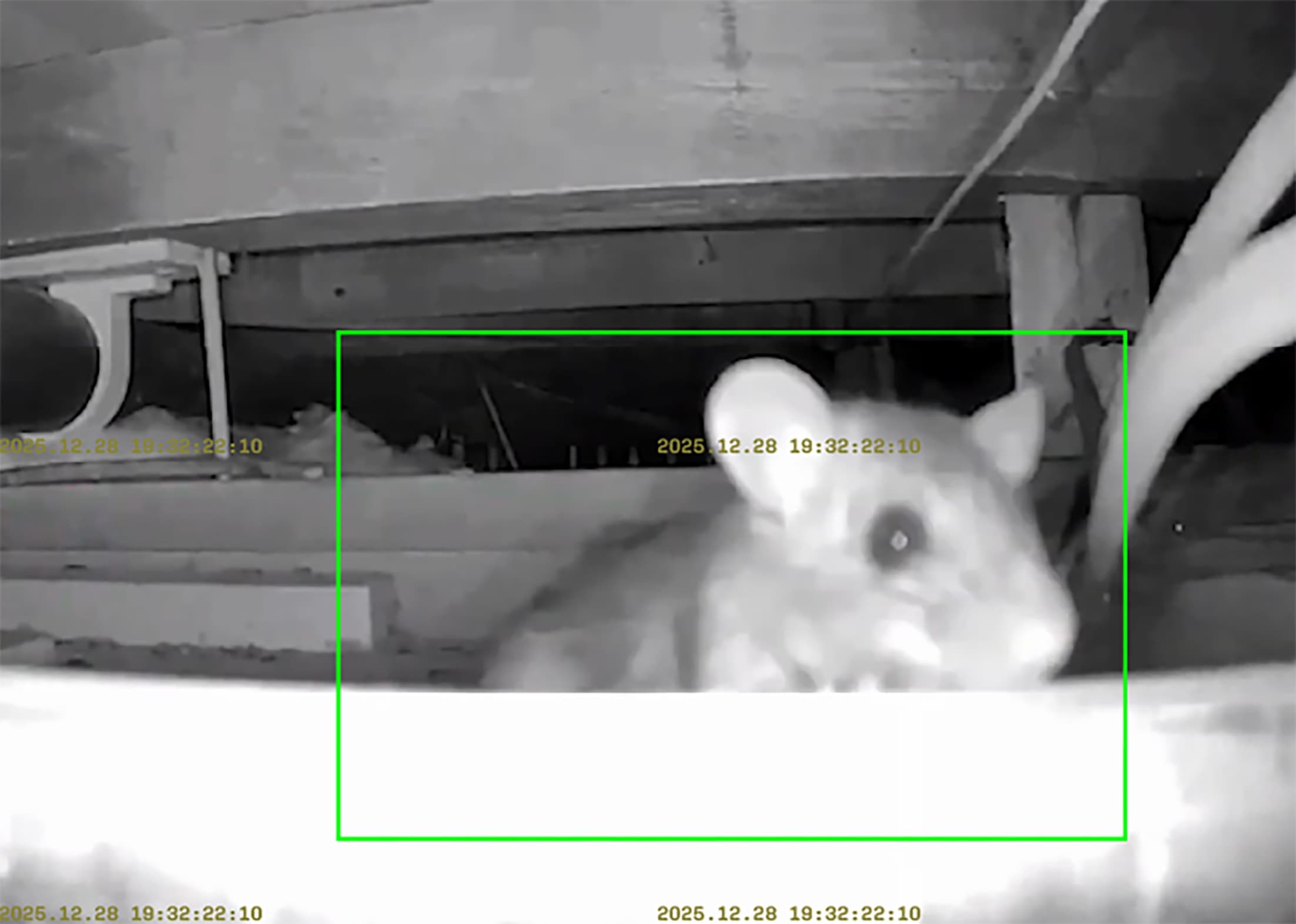
FIG.2
Accepting the end, however, was also the moment when we connected most deeply with the building. The people, who hadn’t even been abandoned by the rats, are now living with a leaky roof. What’s more, we’ve even come to feel a certain attachment to the rats themselves.Perhaps this is a spirit of care—one that extends even to architecture’s decay, its inconveniences, and even pests.
The question “When is Architecture?” may not be asking when it will fall apart, but rather when we will reach out to it. Falling apart is not an end, but a gap through which affection is born. Kameido Garage, as a building riddled with such gaps, continues to crumble slightly somewhere even today.
Credit
Related Works