Semi-Open Editorial Meeting: 'The Provisional and Residents' (二瓶雄太)
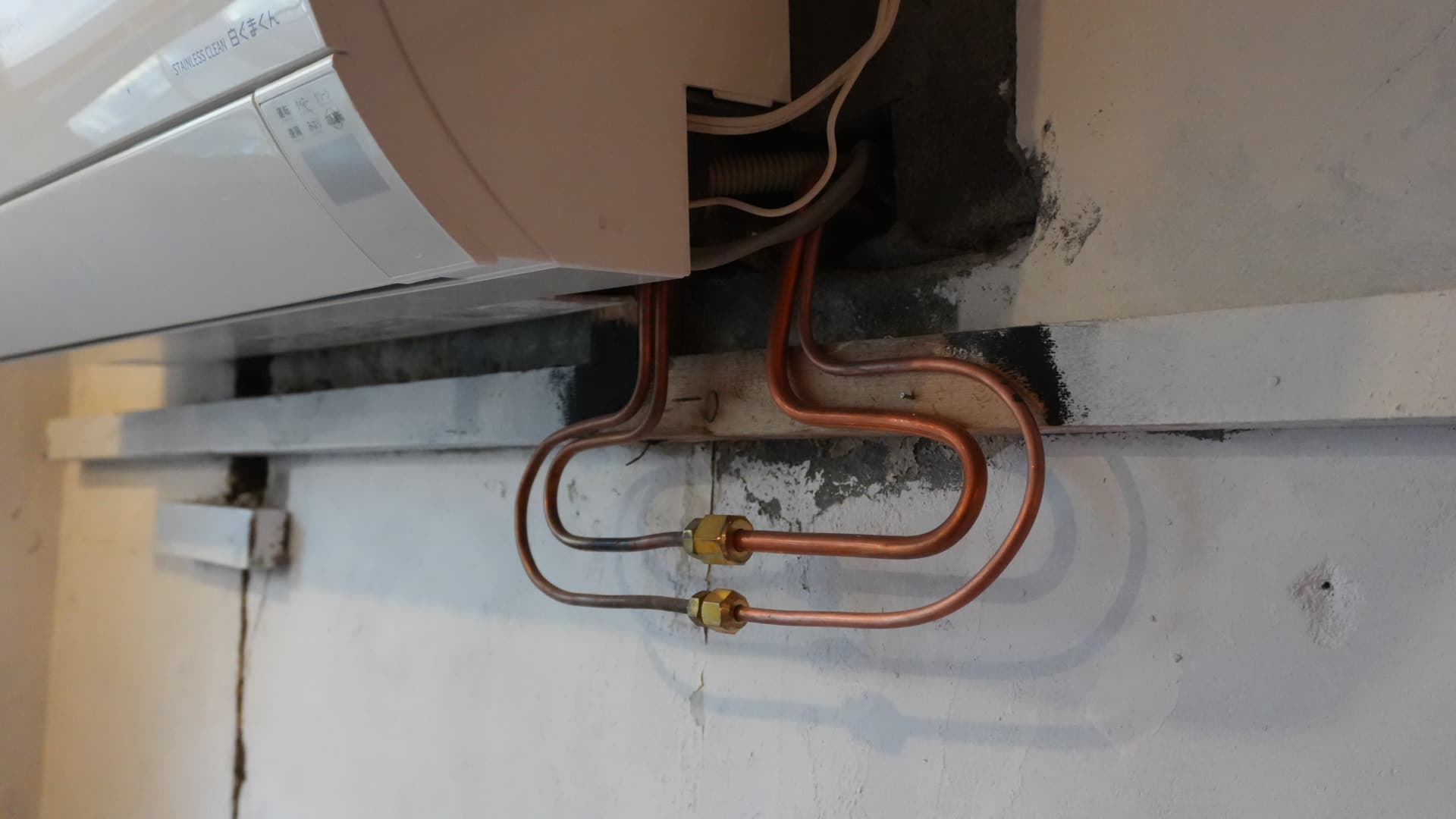
FIG.1
Even in the real estate sector, where long-term planning is the norm, we’ve entered an era where it’s difficult to draw up a 30-year business plan. Or perhaps this is an era where we can’t even make plans for next year. At construction sites all over, entire projects have come to a standstill due to soaring material prices. The PVC pipes I ordered last month are apparently still stuck in the Strait of Hormuz.
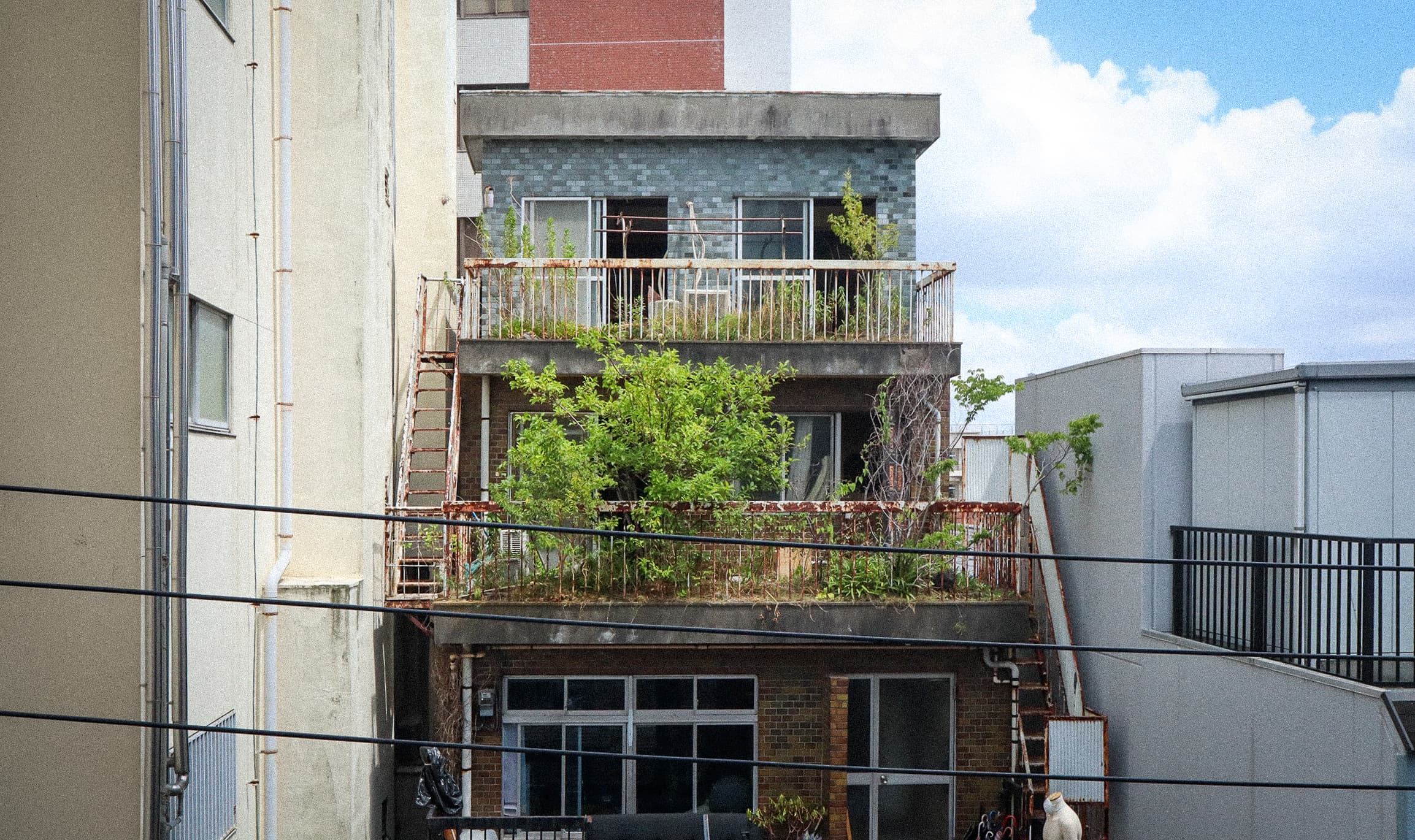
Meanwhile, looking over at the apartment building next door—perhaps it’s under renovation—doors and window panes that look brand-new are being tossed into a 4-metric-ton dump truck. As usual, I strike up a conversation with one of the workers and slip away with a modern light fixture or two.If you look closely, you’ll see bundles of PVC pipes—the kind used for plumbing—just lying there, discarded. Why don’t they use these PVC pipes over there? If I were to ask that seriously, they’d come up with all sorts of plausible-sounding excuses: “It’s the insurance…,” “It’s the cost…,” “It’s the client….”But everyone knows this isn’t really about those specific issues. It’s a society that can’t treat the things right in front of us as objects in and of themselves. It’s a system of production and distribution where anything not listed in a catalog simply can’t be chosen in the first place. The sheer scale of how seamlessly the underlying assumptions—standard specifications and industrial standards—function makes it incredibly difficult to imagine a world that isn’t like this.
But even we, in the end, remember when we get home that we have the freedom to make what we want, when we want it. If I want a bookshelf, I can pull out the drawers from an old dresser gathering dust in the bedroom, mount them on the wall, and line up my books.If you want to install a new sink in the bathroom, even without PVC pipe, you can just connect it temporarily with a garden hose lying around in the yard . Since the third floor of the building next door seems to have been vacant for a while, why not run an extension cord from my place, grab my projector, and start the mini-theater I’ve always wanted to try?
Of course, there are some things you can’t create without a plan. Even if I can install a hose myself, urban infrastructure—like a faucet that dispenses water when you turn it on—can’t be created on the fly. Or perhaps, when faced with massive phenomena (hyperobjects) that even a plan can’t handle, do we have no choice but to just give in and be improvisational?I try to believe that if I just feel rather than think, things will work out.
A world that requires planning, and a world that doesn’t. Spaces that can’t be created without a plan, and spaces that can. Things whose value is determined by a plan, and things that aren’t. If we call the latter “provisional,” where exactly do its possibilities and limitations lie? That’s what I’d like to explore.
In an era where social change is far too rapid to “finalize” anything, there are many possibilities that open up simply by trying things out as “provisional” and “tentative” situations. By just giving it a try, there are things we can achieve without raising the bar too high.
However, isn’t it precisely because of such “provisional” situations that there are also many problems that cannot be solved? Do the limits of “provisional” approaches become apparent when a long-term perspective, accumulated expertise, and the tenacity required to carefully and patiently unravel complex phenomena are called for?
The value of an object varies greatly depending on the place and the people involved. The relationship between the utility of an object when it is being used and its price when sold as a commodity is shaped by countless factors. It is not just the costs of producing and distributing the object, but also the surrounding social systems, customs, culture, and aesthetic sensibilities that determine its value in a given era.
If the value of an object changes simply because its surrounding environment or context changes—even if the object itself remains unchanged—how will the value of objects evolve amid rapid social upheaval? Is it possible for objects that previously had no value to acquire value?
People have now gained the ability to reshape the spaces around them on a daily basis using the tools at their disposal. In an era where AI effortlessly surmounts the barriers of expertise that were once difficult to overcome, how will the relationship with architects and designers—as experts—change?
When it comes to arriving at the “correct” answer, AI can now even surpass experts. If we consider rational judgment not a human strength but rather a weakness, what kind of mindset will architects and designers—as human beings—adopt when engaging with everyday life?
Credit
Related Works