Social Experiment with Local Governments Using Generative AI (Nakano & Adachi)
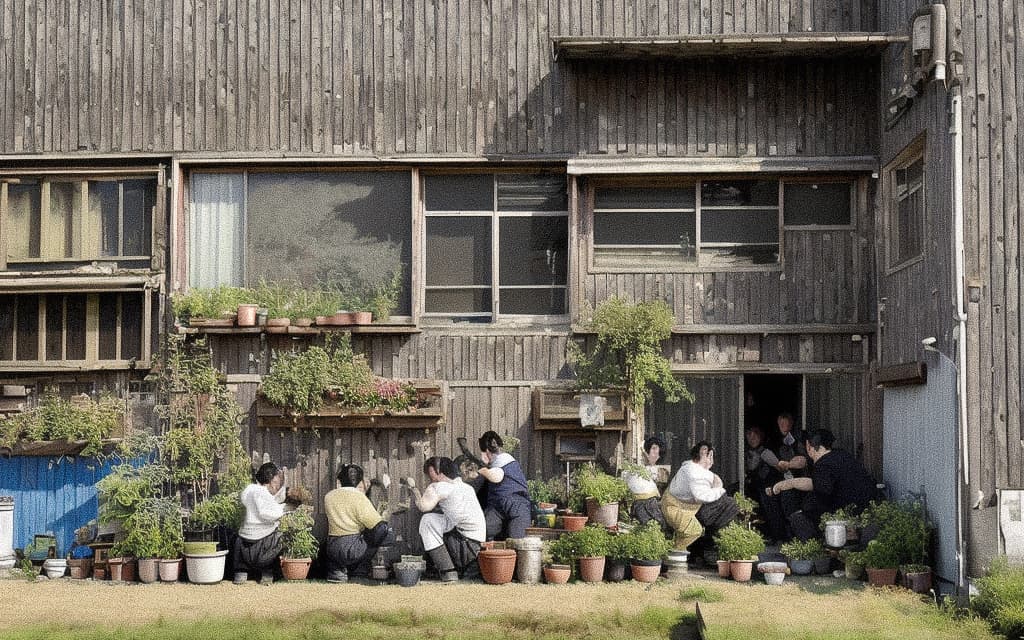
What do the people of the city see in this space?
Public input for urban planning is usually gathered in words, inside a meeting room. But feelings that resist words — and the voices of those who never make it to the meeting — never surface there. ASIBA brought a generative-AI method developed by NESS into collaboration with local government, running social experiments in two areas, Ayase and Nakano. With nothing but a smartphone, visitors could propose a future vision of the town as an image, print it on the spot, and take it home. By creating a channel for “showing” an opinion rather than “stating” one, the project sought to draw in people who had previously found it hard to take part in urban planning.
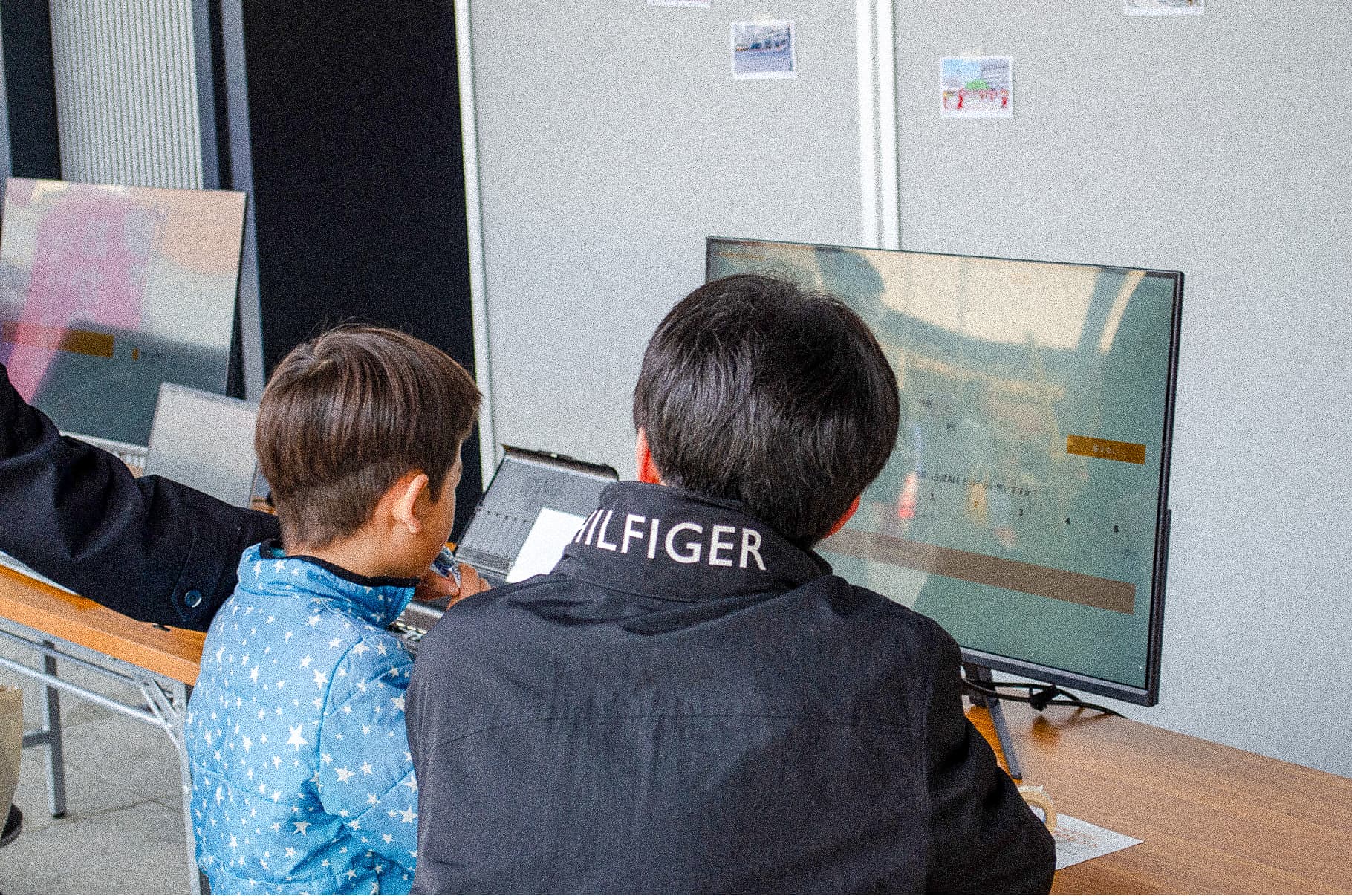
FIG.1
From Vocabulary and Knowledge to Intuition and Sensation
Participants who walked under the elevated tracks in Ayase uploaded photos taken during their fieldwork to an app and entered prompts into the AI. The output was “a vision of what the area under the elevated tracks should look like in 2040.” It featured a secret base that made use of the elevated pillars and structures reminiscent of treehouses—images that would never have appeared in a government survey.These visions arose intuitively from the physical sensations experienced firsthand—such as the pillars right before their eyes, the dim lighting, and the echoes of sound.
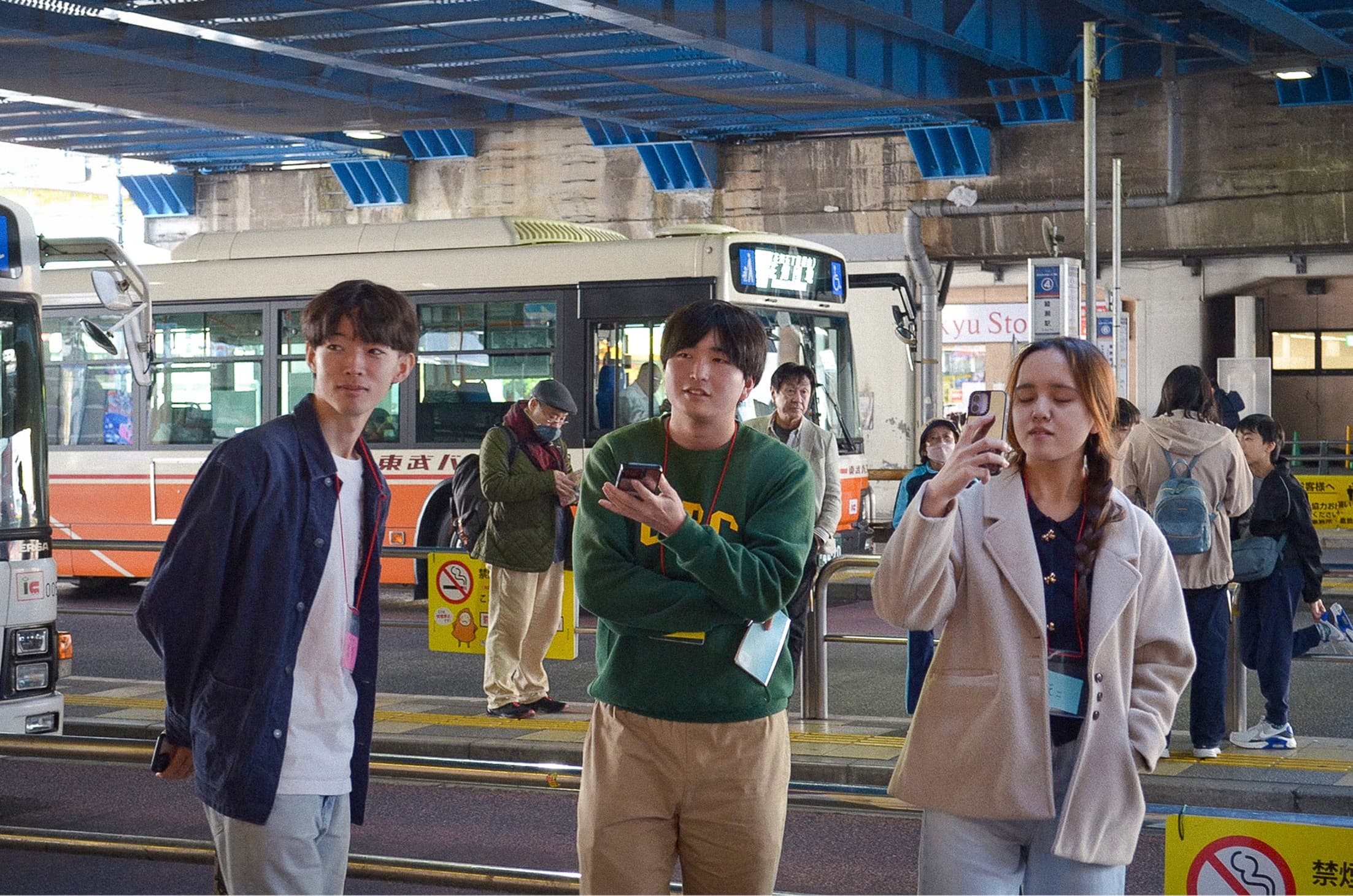
FIG.2
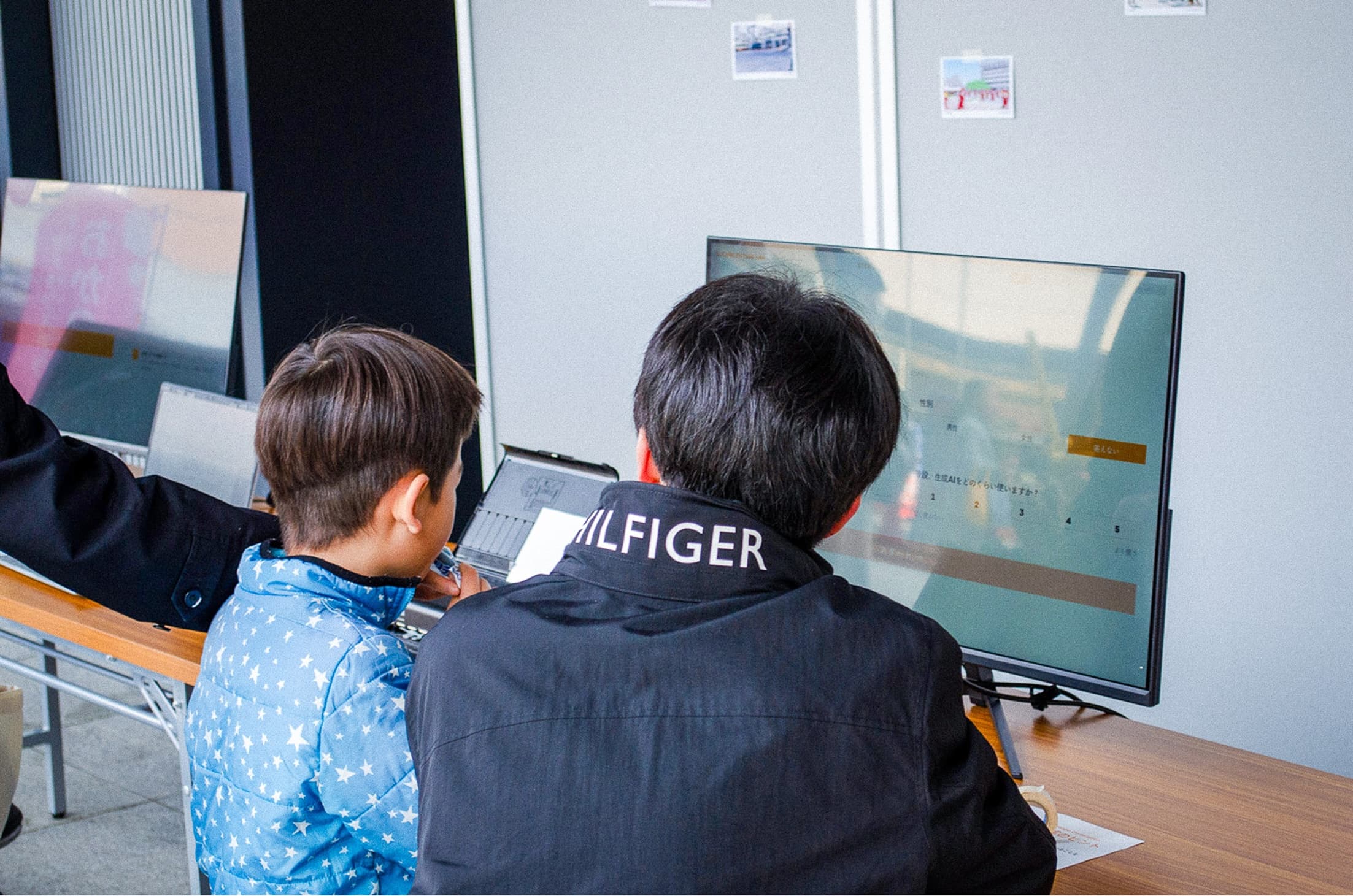
In Nakano, 38 people visited the experimental booth set up in the station plaza, and 142 images were generated.Among them were 12 children under the age of 10, as well as people who do not typically use AI. The app, designed with voice input that requires no typing, created an environment where older adults and children unfamiliar with digital technology could speak into the device “as if they were having a casual conversation.”As they repeated the cycle of generating and voting , participants gradually updated their own images while being inspired by those created by others. This was not merely a process of gathering opinions, but one of nurturing imagination itself. Finally, the images were printed on paper—a static medium—allowing participants to take their ideas home as mementos.
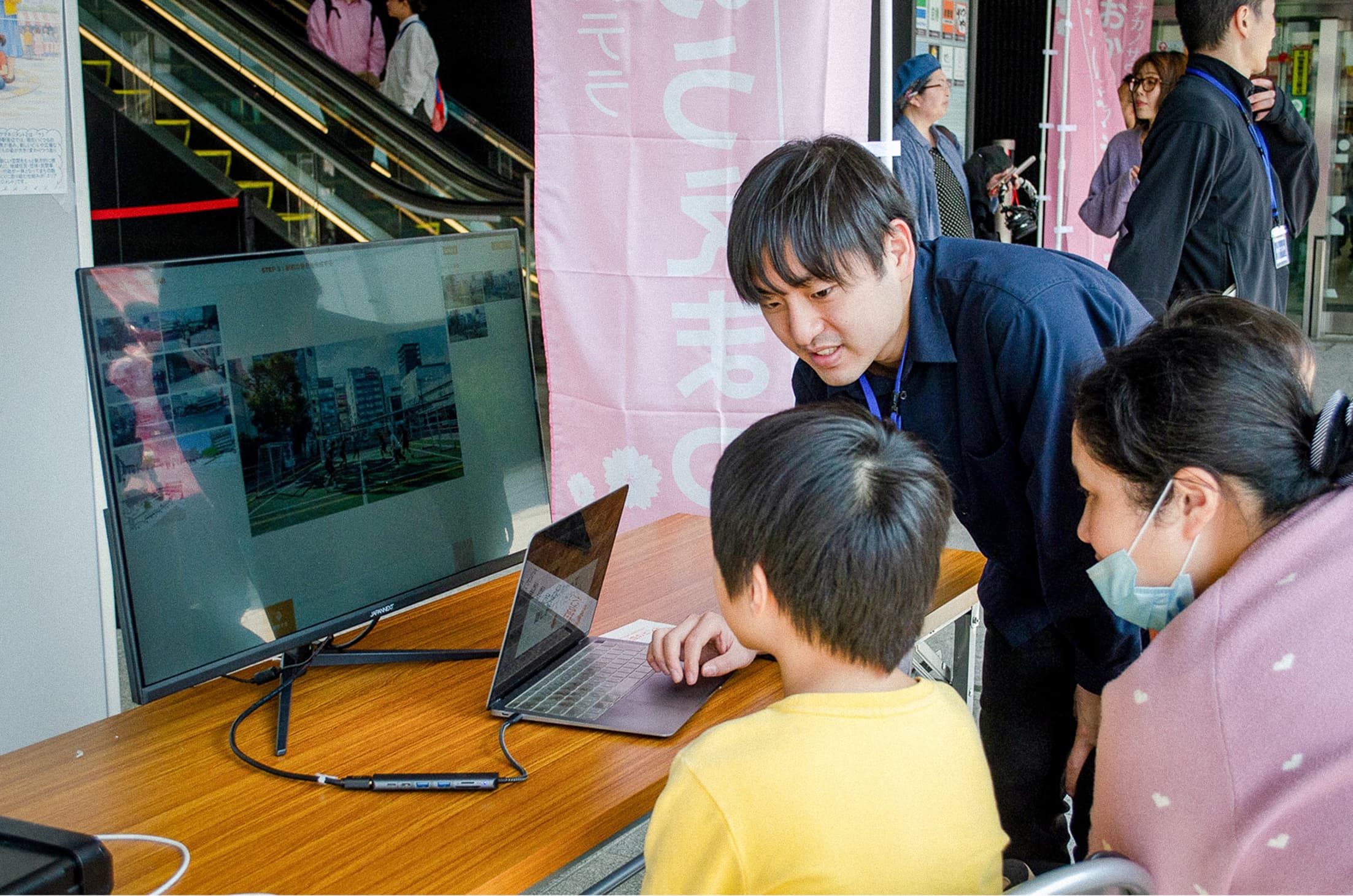
FIG.3
What both regional experiments had in common was a questioning of the very format of opinion gathering. In traditional workshops, which assume that opinions are expressed verbally, participation tends to be limited to “those who know the subject” and “those who feel comfortable speaking up.” By using images as a medium, intuition and sensation—rather than vocabulary or knowledge—become the input.
The generated images are scheduled to be displayed at public briefings on plans promoted by the government and to inform proposals to railway operators. Just before citizens’ thoughts of “It would be interesting if it turned out like this” are translated into the language of planning , how many people’s sensibilities can we bring together? We will continue to pose these questions and conduct pilot experiments.
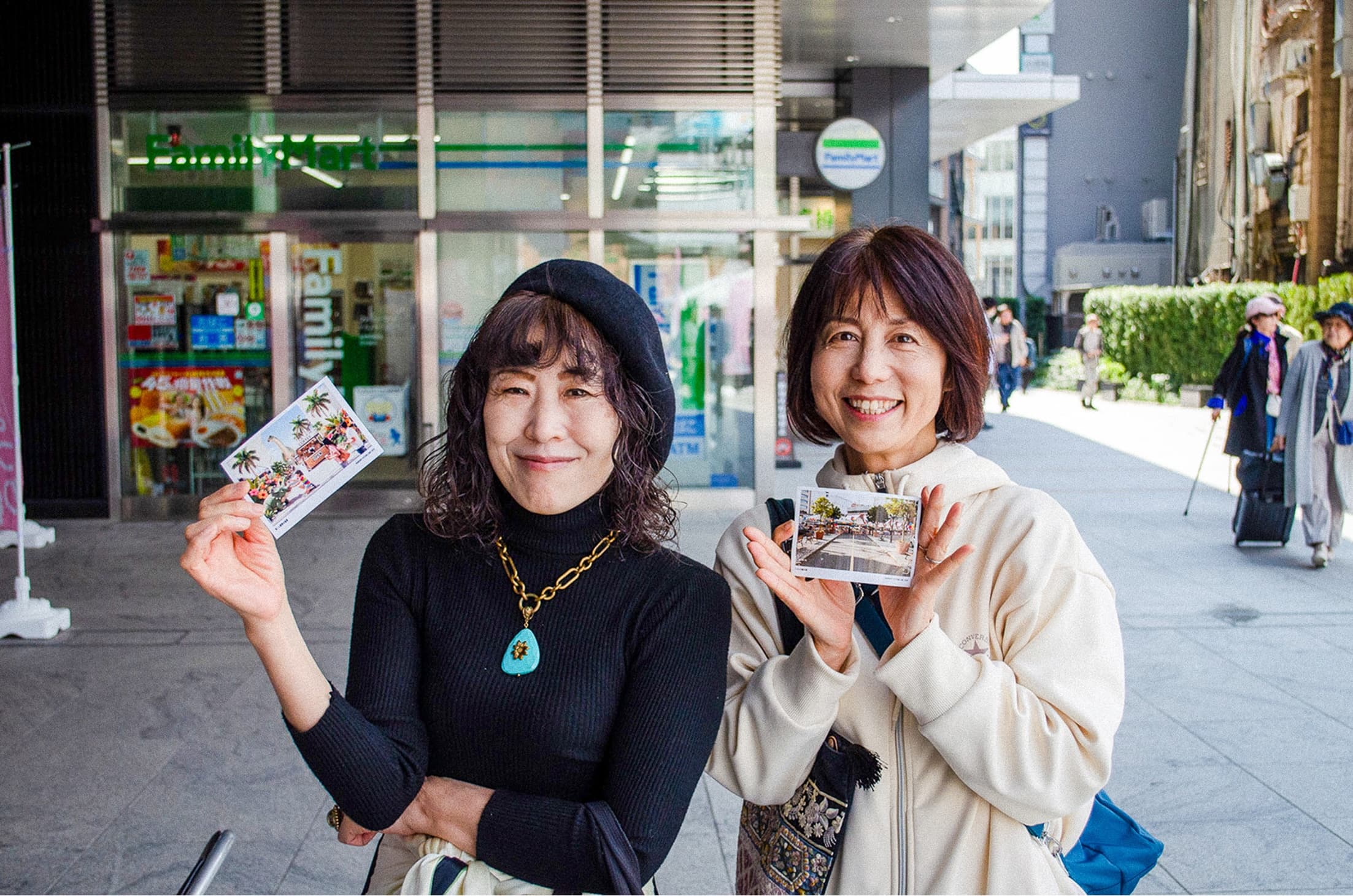
FIG.4
RELATED WORKS
RELATED TEXTS
Where the Willful Ecosystem Stands Today: Three Years Since Incubation
ASIBA ATLAS 2026 Report #1
REPORT STATEMENT
2026.10.20.
A Social Experiment Imagining the Future of Nakano Station South Plaza with Generative AI
Generative AI Social Experiment #2
REPORT
2026.06.10.
Generative AI Workshop Under the Elevated Tracks at Ayase Station West Exit — What Do You See in This Space?
Generative AI Social Experiment #1
REPORT
2026.03.10.
CREDIT
inhouse
external


