Creative Ecosystem for Practice and Research
ASIBA is an ecosystem that expands the possibilities of society by researching through practice, and by building new practice from that research. Many creative initiatives are hard to explain and cannot be replicated, making them difficult to realize within existing frameworks. ASIBA takes on challenges not as individuals, but as a collective. Working across disciplines, crafting and learning together, we are cultivating the ground from which creative initiatives turn into impact.

PHOTO: TAMAO NISHIYAMA
WHAT WE DO
ASIBA supports projects at every phase, from the seed of an idea to social implementation, through three businesses.
Incubation Dept.
For those who want to give shape to questions and curiosities that cannot yet be explained
From ideas to products, from products to brands. Through an incubation program specialized in the creative field, we provide pre-seed and seed-stage projects with resources such as funding, peers, and space. We do not demand explanations of outcomes or reproducibility from the start; we create an environment where people can take their first step.

Creative League


Label Dept.
For individuals and organizations who want to grow a small spark toward social implementation
In collaboration with diverse players, companies, and local governments, we accompany the social implementation of products and businesses. From cross-disciplinary collaboration, showcasing, and early-stage financing to lot development and production and management and back-office support, we design the form of collaboration to suit each project's stage and each creator's goals.

Production / LABEL


Research Dept.
For organizations that want to question the present and explore value that has yet to surface
Through physical, embodied practice, we explore possibilities different from existing society. By prototyping "phenomena" that have not yet emerged, while involving society, we find seeds of new business and clues to new value that desk research and analysis alone cannot uncover. We also accompany new business development and R&D, making and learning together.

Prototyping / Research


HOW WE DO
Five attitudes ASIBA values. In an age when every assumption is shifting, this is a methodology for moving forward — not by finding the one correct answer, but by learning through failure and embracing leaps.


Question assumptions and pose questions
Existing social structures and methodologies are not absolute. They emerged within historical, social, and technological contexts and constraints. We unravel "why are things the way they are now?" and sketch out other possibilities and visions of society that might have been.
Prototyping phenomena
We do not stop at envisioning the future; we build prototypes as "models" to test its limits and constraints. What we test is not only the form of objects. To observe the "phenomena" that arise when they are placed in society, we involve society and carve out the contours of possible futures.
Ship the first lot
We do not let prototypes end as artworks or exhibitions; we accompany them all the way to shipping the first lot as a business. Including the confirmation of feasibility and the evaluation of impact, we pursue inquiry rooted in reality.
Place individual initiative at the center
We start not from externally given reasons such as market size or social issues, but from the interests, discomforts, and sense of ownership of the people undertaking the work.
Collaboration with "others"
By collaborating with players inside and outside ASIBA, we arrive at views we could not see alone. Crossing disciplines and moving between different values and languages, we head toward free practice that is not bound by existing frameworks or boundaries.
PROJECT DIAGRAMS
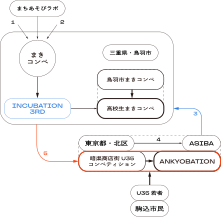
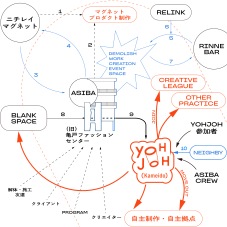
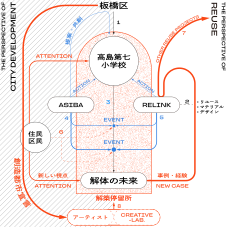
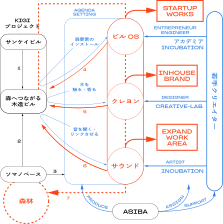
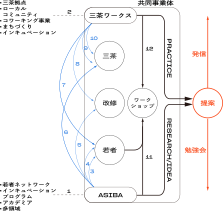
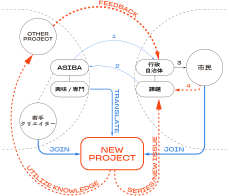
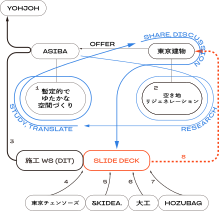
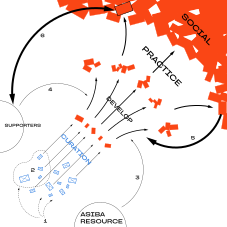
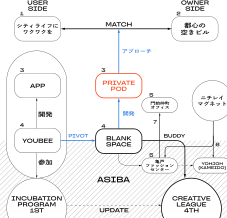
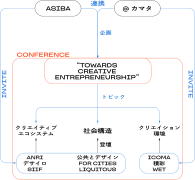
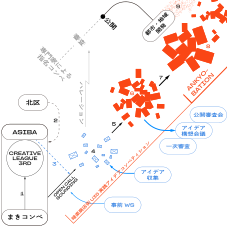
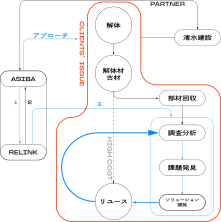
AGENDA
The AGENDA is a set of four questions that ASIBA keeps renewing through practice: Play, Public, Temporary, and Technology. From these four angles, we reconsider making, living, and transforming.


PLACE
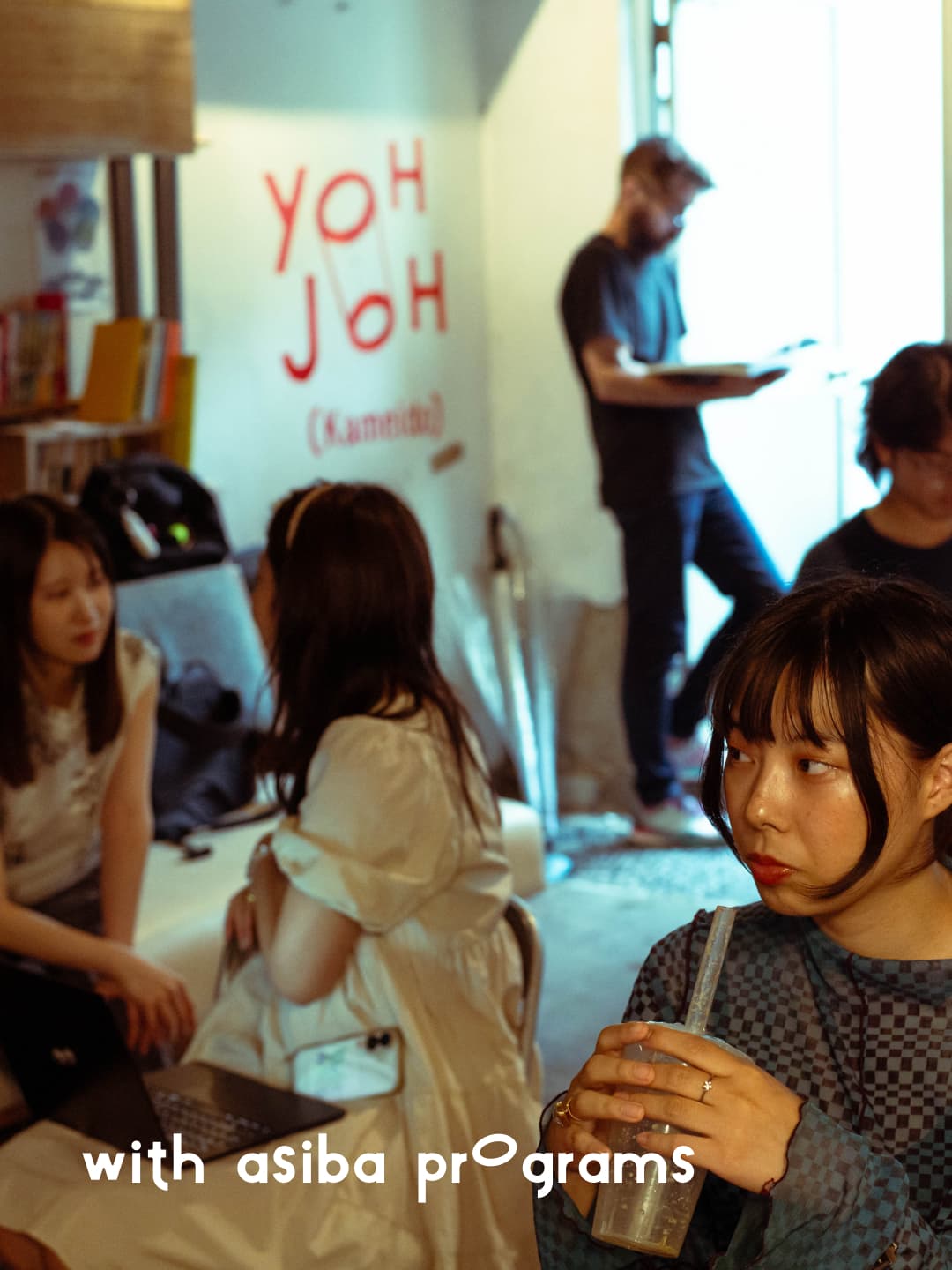
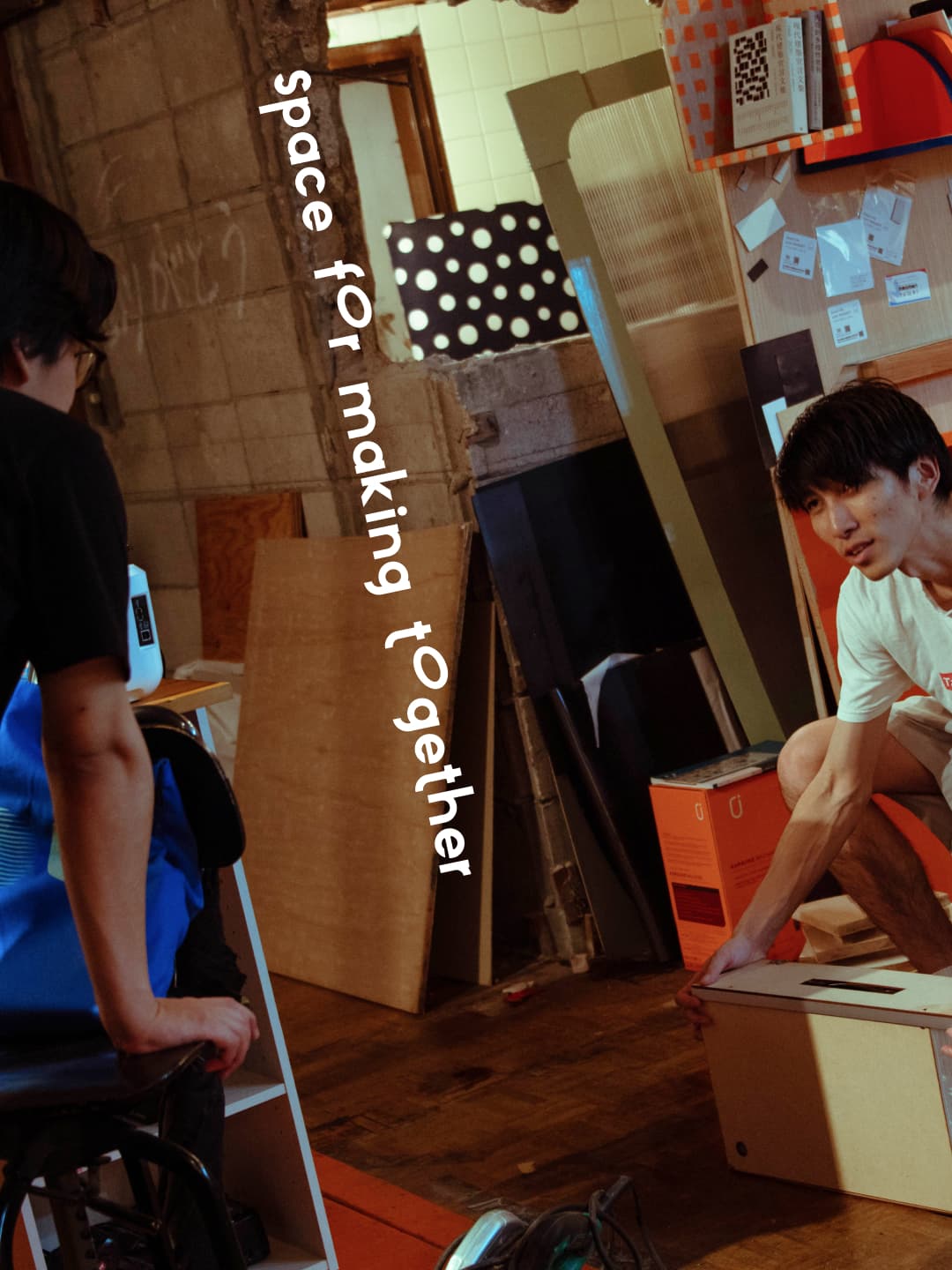
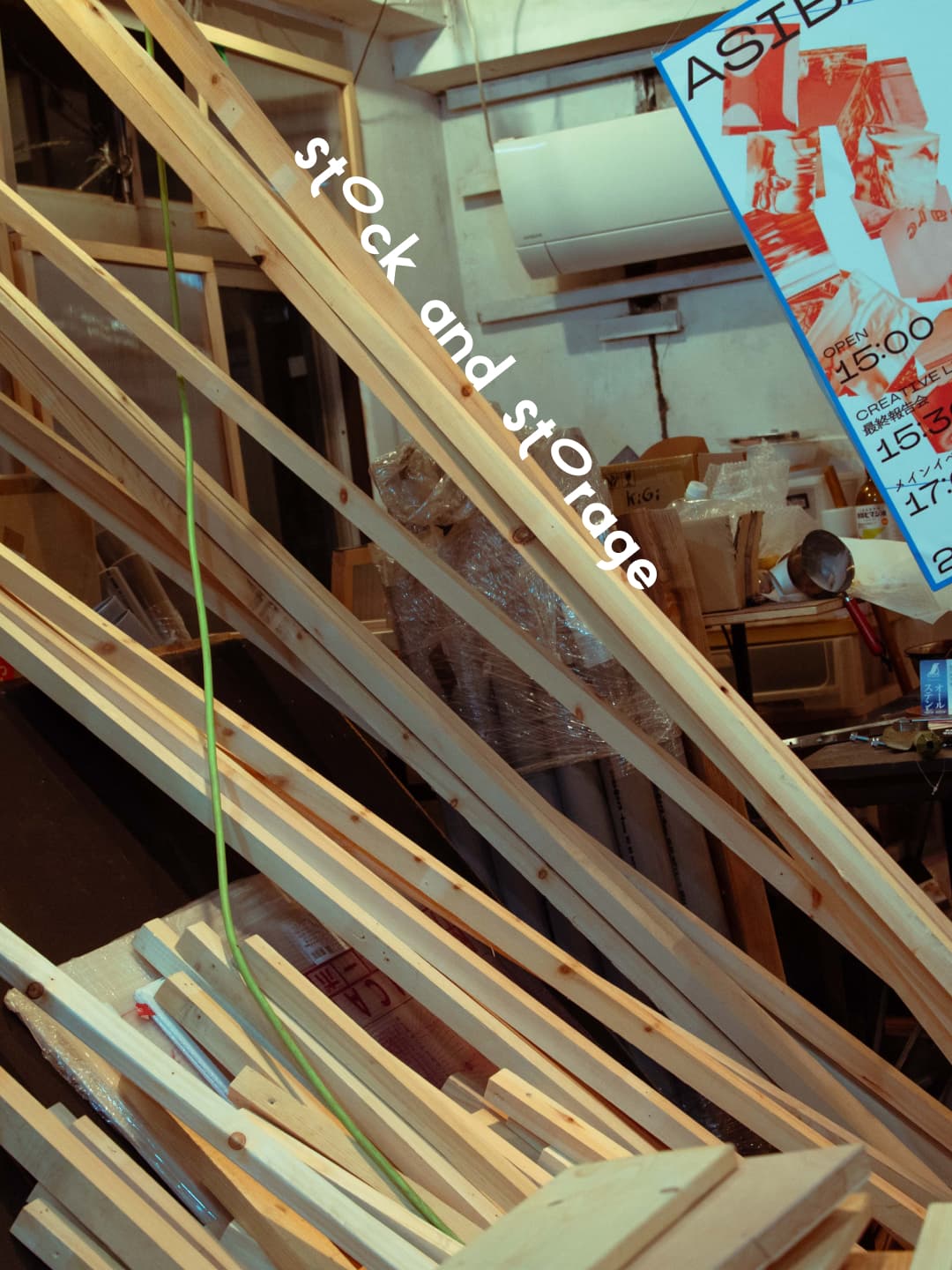
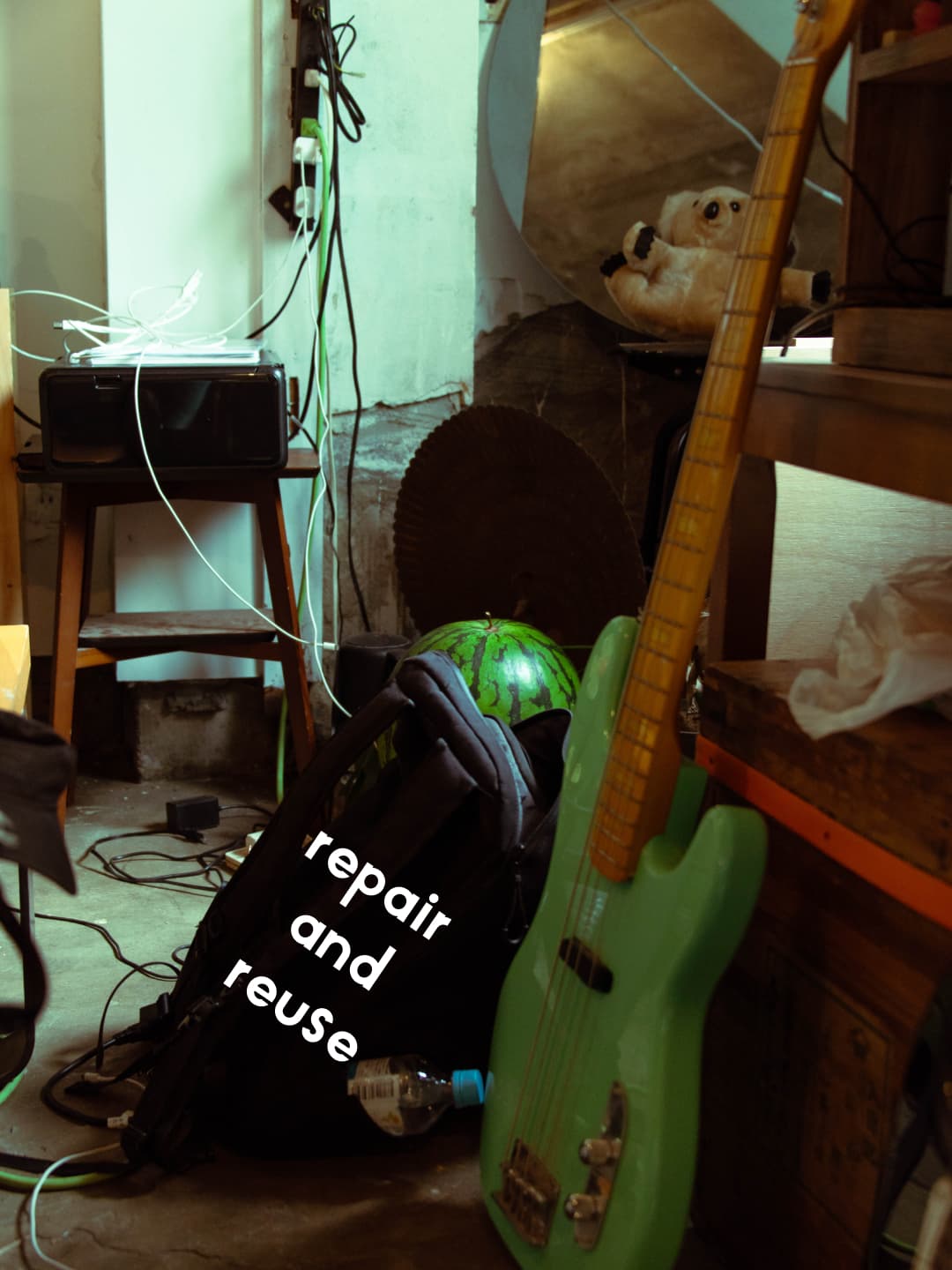
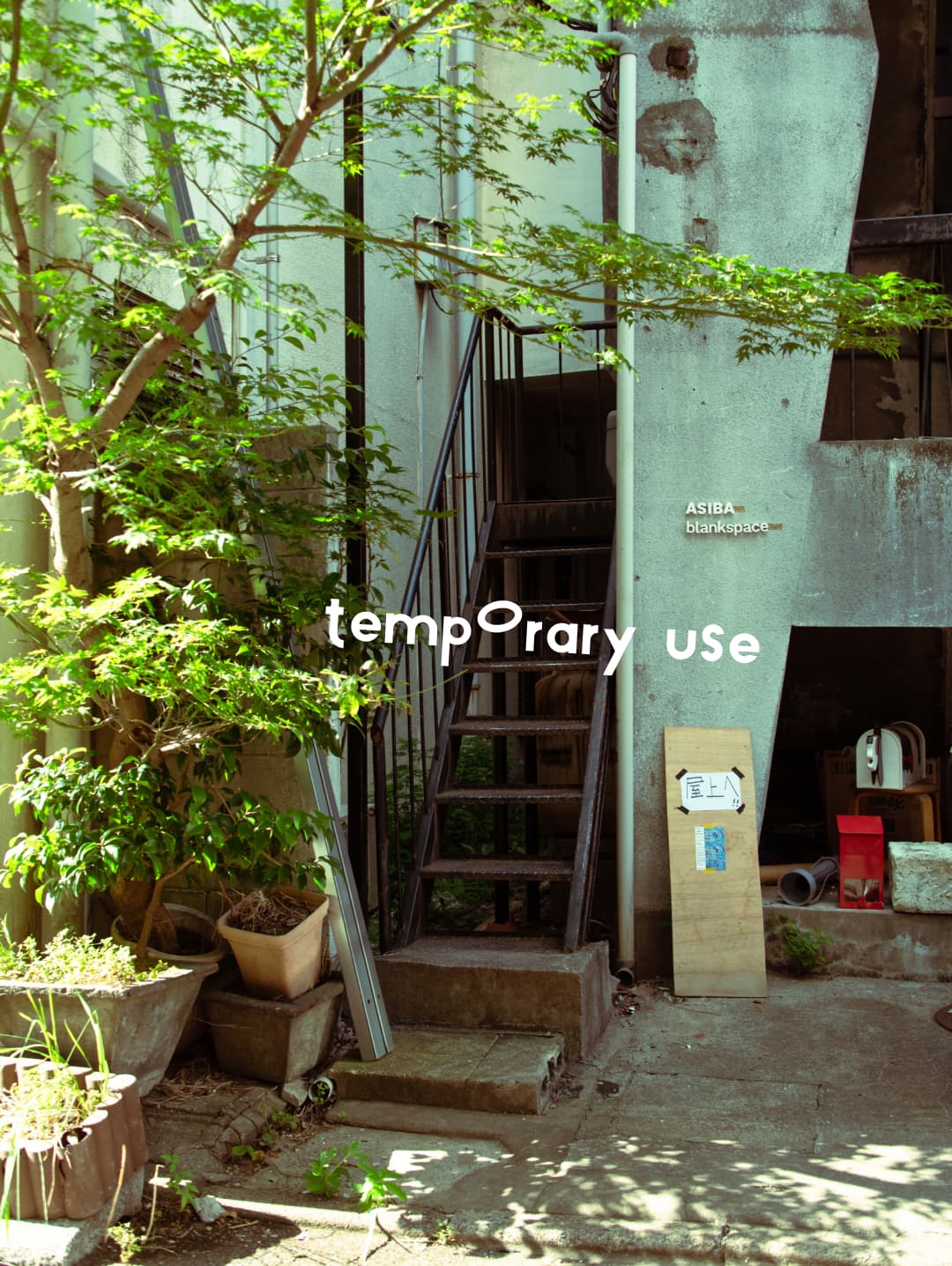
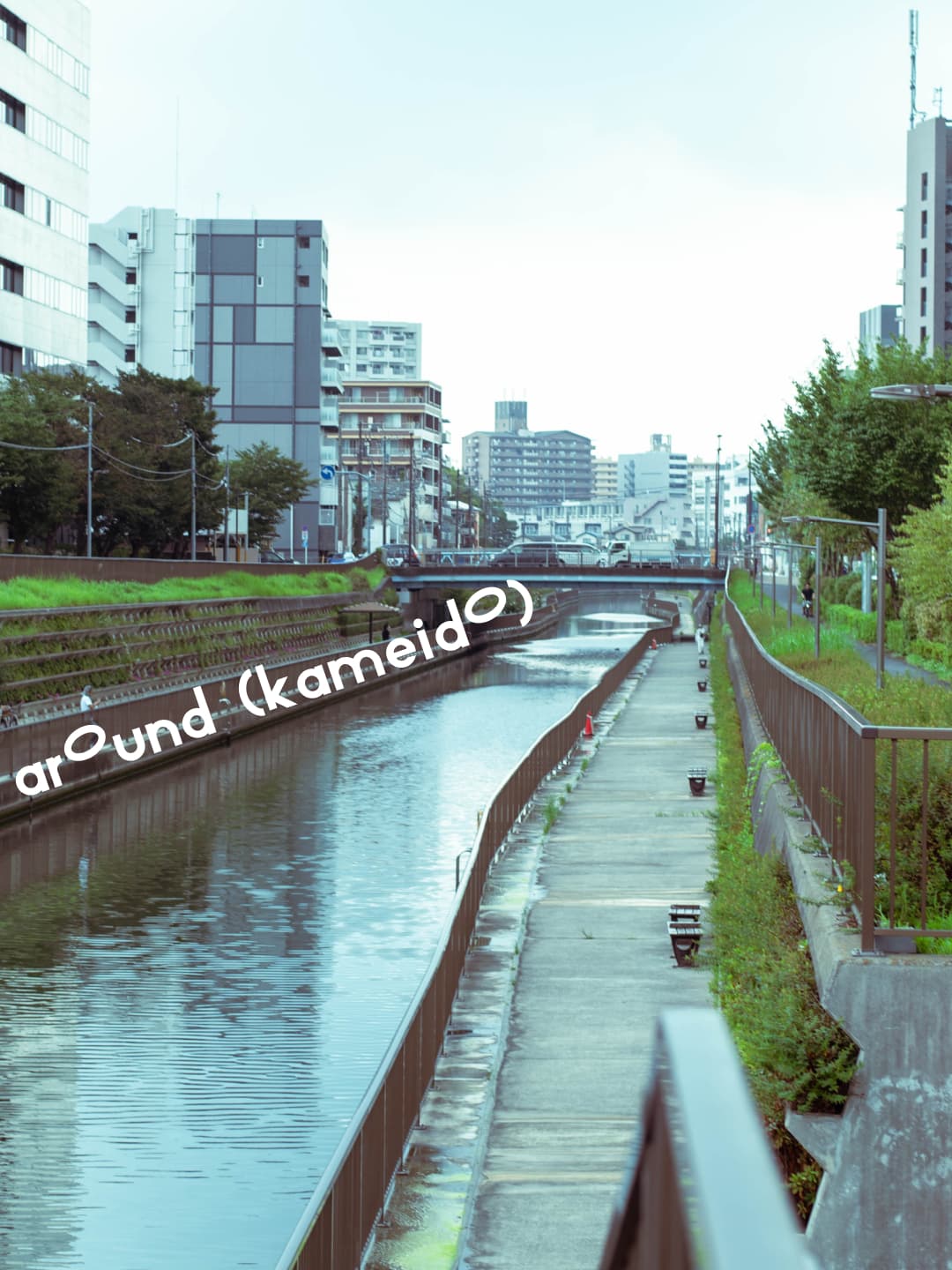
YOHJOH (KAMEIDO) is an office and studio that serves as an experimental ground, temporarily making use of a building slated for demolition. It is a space for people who keep making — where failure is allowed and purposeless encounters can happen.
YOHJOH (KAMEIDO)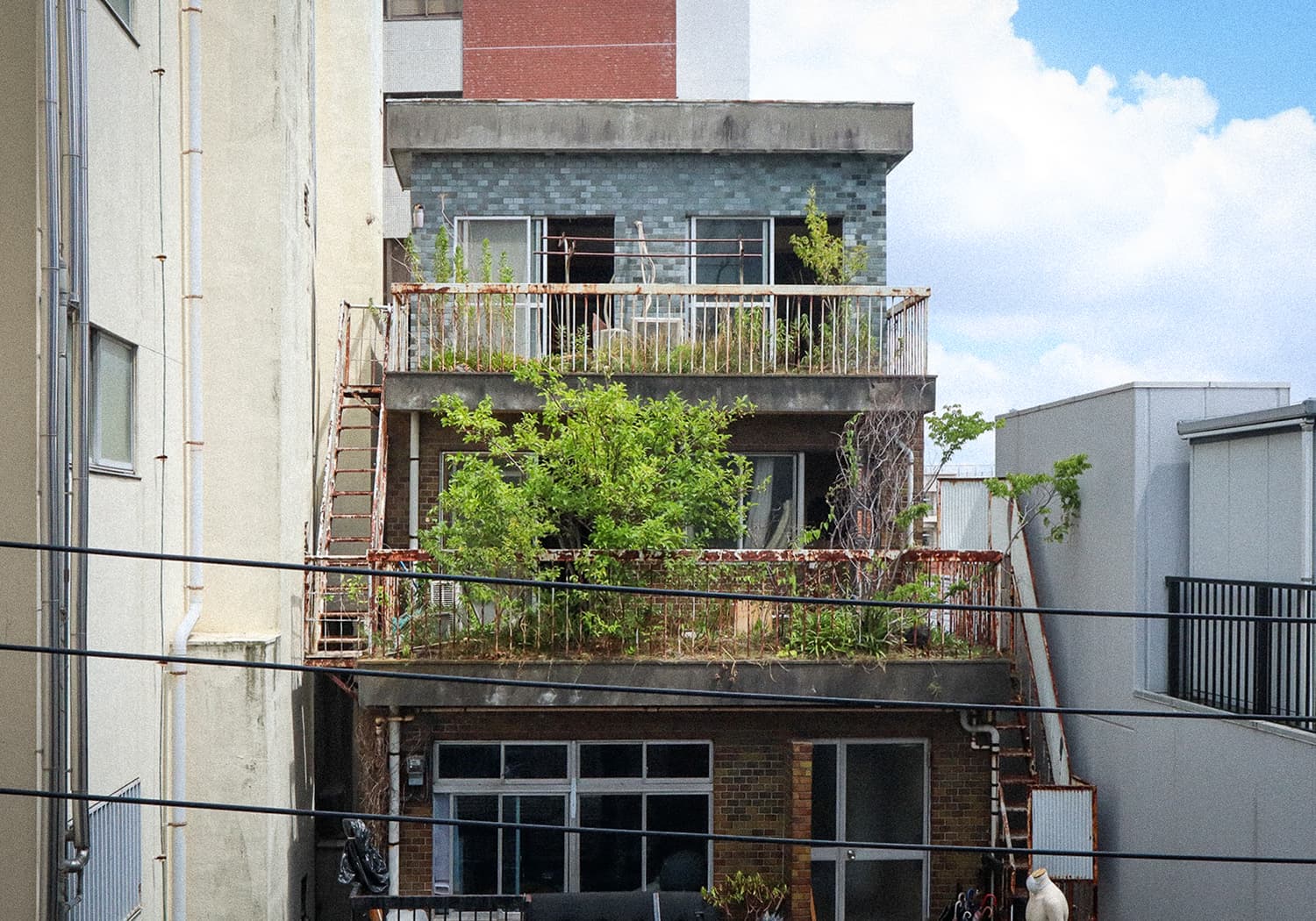
RESEARCH NOTES
As a Movement Without Fixed Contours | To Shift the Trajectory of the World
What is editing? If it is not about creating something from nothing, but about recombining what already exists together with others and searching for words that become the next foothold.
In 2026, ASIBA held a series of four "Semi-Public Editorial Meetings" built on this hypothesis. We try to rearrange the many kinds of projects we have practiced over the past three years under four agendas — Play, Public, Temporary, and Technology — along with the thoughts of the people who gather within the ever-shifting contours of a collective. These become footholds for the next trajectory. A research note compiling the record of practice and dialogue.




INFO
COMPANY
PEOPLE
Yuta Nihei (Co-Founder)
Born in 2000. Doctoral student at the University of Tokyo. Specializing in building demolition, he studies the culture, history, and industry surrounding the "death of architecture" from multiple angles. In 2023, he co-founded ASIBA, an incubator and think tank specializing in the creative field, supporting and producing numerous projects. He is currently in charge of business planning for "ReLink," a platform for reusing demolition materials, and "blankspace," which deploys living capsules for the temporary use of vacant buildings. He also lives and works in a building slated for demolition. 2022: Selected for the Ministry of Internal Affairs and Communications' Ino-vation program. 2023: Excellent Graduation Thesis Award, Architectural Institute of Japan. 2024: Good Design New Hope Award, finalist.
Masaki Morihara (Co-Founder)
Graduated from the Department of Architecture, Waseda University. As Secretary General of AIESEC Japan, an international NGO developing youth leadership, he led business recovery and new business development during the pandemic. After gaining experience at several startups, he co-founded ASIBA, a general incorporated association in architecture and urban design, in 2024. He is also involved in research at the Waseda Research Institute for Science and Engineering, including studies on circular architecture and demolition. Recipient of numerous awards, including the WIRED Creative Hack Award Special Prize and the Good Design New Hope Award.